On Nişantaşı's most polished stretch of Mim Kemal Öke Caddesi, Delicatessen occupies a position that reflects how the neighbourhood eats: with confidence, without ceremony, and with an appetite for quality that takes itself seriously but not solemnly. The address alone places it inside Istanbul's most style-conscious dining quarter, where the crowd is local, the expectations are high, and repeat visits are the norm.
- Address
- Harbiye, Mim Kemal Öke Cd. No:19, 34367 Nişantaşı/Şişli/Şişli/İstanbul, Türkiye
- Phone
- +90 212 225 06 04
- Website
- delicatessenistanbul.com
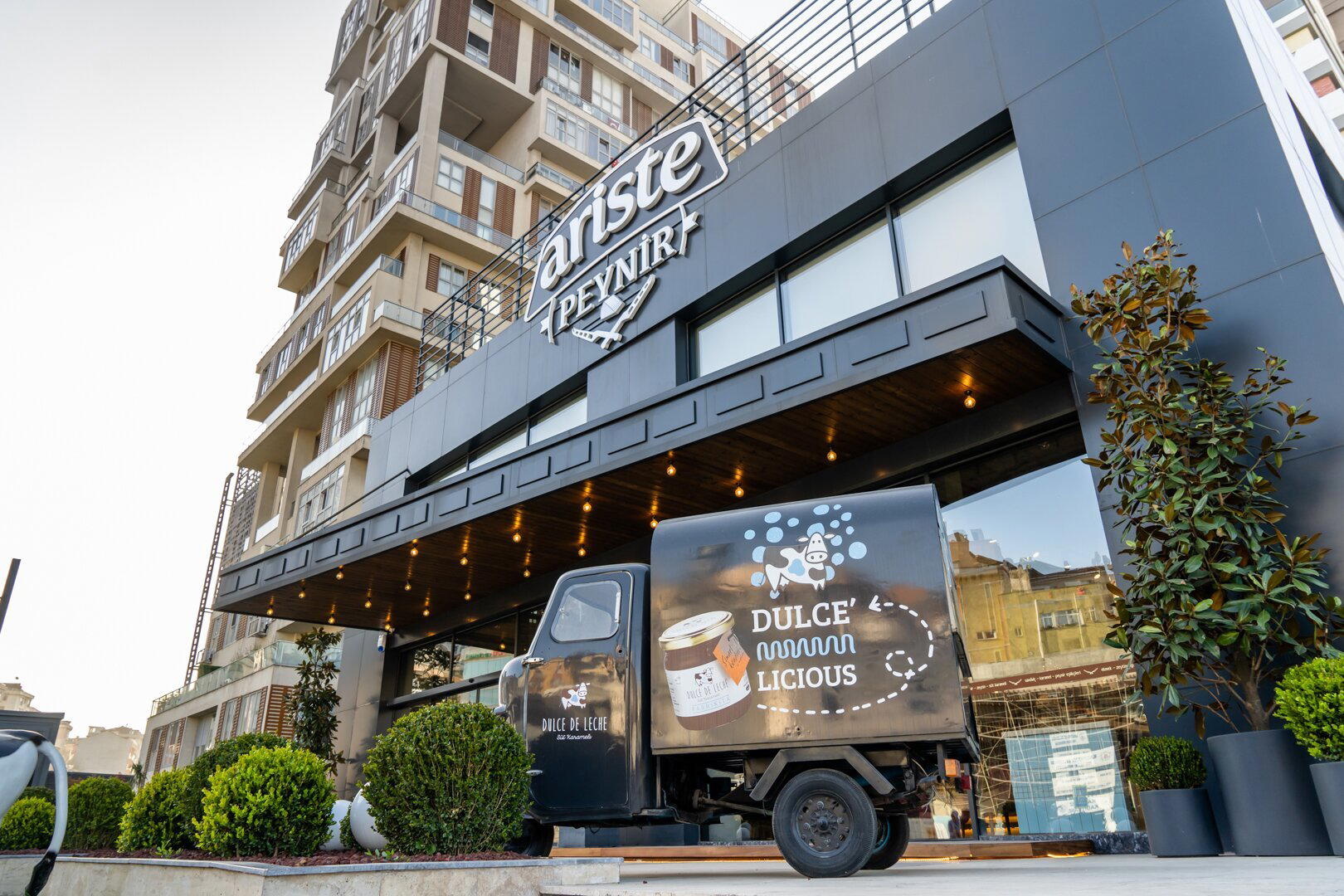
Nişantaşı and the Art of the Unhurried Meal
There is a particular rhythm to dining in Nişantaşı that separates it from the tourist-facing restaurant culture along the Bosphorus or in Sultanahmet. Tables here turn slowly by choice. Conversation extends past dessert. The assumption, shared between kitchen and guest, is that an evening is a full unit of time, not a slot to be managed. Delicatessen is a Turkish Deli & Charcuterie restaurant in Harbiye, Istanbul, priced at about $45 per person when open. Delicatessen, on Mim Kemal Öke Caddesi in Harbiye, sits inside that rhythm. The address is Nişantaşı at its most composed: a tree-lined street where boutiques and restaurants share the same register of quiet confidence, the pavement broad enough that arriving feels deliberate rather than rushed.
This is a neighbourhood where the dining public is largely local and largely returning. Unlike the ₺₺₺₺-tier modern Turkish operations that draw international press, such as Turk Fatih Tutak or Mikla, Nişantaşı's mid-register addresses tend to build their clientele through consistency and neighbourhood loyalty rather than awards cycles. Delicatessen draws from that same logic: it is a place where the ritual of the meal matters as much as any single dish on the table.
How Istanbul Eats in This Part of Town
The dining customs of Nişantaşı are worth understanding before you sit down anywhere on this street. The neighbourhood belongs to Istanbul's professional and creative upper-middle class, and the table manners that come with that crowd are specific. Meals begin with drinks and conversation before menus are opened in earnest. Meze, where present, is shared without negotiation. The pace is calibrated by the table, not the kitchen. Servers who read a room well are prized above those who are merely efficient.
This is the context in which Delicatessen operates. Istanbul's restaurant culture broadly has moved in two directions over the past decade: toward the high-ceremony tasting menu format championed by addresses like Neolokal, and toward the convivial, sharing-forward format that remains the city's social default. The deli-register name signals something closer to the latter: accessible but not casual, quality-focused but not austere.
The Ritual at the Table
The name itself is doing editorial work. Delicatessen, as a format archetype, carries specific associations across cultures: a commitment to sourced ingredients, to preserved and cured preparations, to the idea that good eating begins at the point of selection rather than at the stove. In Istanbul, that framing connects to a long tradition of neighbourhood shops, pazar culture, and the Turkish habit of building a meal from component parts brought together at the table rather than assembled entirely in the kitchen.
In Nişantaşı specifically, that sensibility translates into a dining posture that rewards patience. A table that arrives knowing how it wants to eat, that orders in waves rather than all at once, that treats the first round of drinks as scene-setting rather than a preamble to be hurried through, will get more from a place like this than one that arrives with time pressure. The neighbourhood's leading meals are not events. They are accumulations.
For comparison, the high-ceremony end of Istanbul's dining tier, places like Arkestra with its fusion format, structures the ritual for you. Delicatessen asks you to bring the ritual yourself, which is a different contract, and in many ways a more demanding one.
Where This Fits in Istanbul's Dining Map
Istanbul's restaurant geography is layered in ways that don't always map cleanly onto neighbourhood names. Nişantaşı is not Beyoğlu, not Karaköy, not the Asian-side addresses that have developed their own dining personality. It is the city's most European-inflected quarter in terms of how its residents relate to restaurants: as social infrastructure, used regularly, expected to perform consistently rather than brilliantly on a single occasion.
Within that context, Delicatessen holds a position analogous to the neighbourhood bistro in a French arrondissement or the enoteca in a Milanese residential quarter. It is not competing with the ₺₺₺₺ tasting-menu tier. It is competing for the weeknight dinner, the long lunch, the table of four who know what they want and want to find it reliably. That is a harder competition in some ways, because the margin for inconsistency is smaller when the audience returns weekly.
Across Turkey more broadly, the premium dining conversation has grown considerably more textured in recent years. Coastal addresses like Maçakızı in Bodrum and regional specialists like Narımor in Izmir have expanded the geography of serious eating beyond Istanbul. Even in Cappadocia, addresses like Nahita Cappadocia and Aravan Evi in Ürgüp are building dining programs that draw destination visitors. Istanbul remains the reference point, but it no longer holds a monopoly on the conversation. Within the city, Nişantaşı addresses like Delicatessen serve a function that no tasting-menu counter can replicate: they are where Istanbul eats on a Tuesday.
For those exploring beyond the city, the EP Club covers a wide range of Turkish regional dining, from Mezegi in Fethiye to Poyraz Sahil Balık in Beykoz and Ahãma in Göcek. The full picture of how Turkey eats in 2024 is considerably more varied than any single city address can represent.
Planning Your Visit
Delicatessen is located on Mim Kemal Öke Caddesi in Harbiye, within walking distance of Nişantaşı's core shopping and residential streets. The address is accessible by taxi or rideshare from most central Istanbul hotels, and sits close enough to the Osmanbey metro station to make public transit a practical option. For a neighbourhood of this character, booking ahead for weekend evenings is advisable; weekday lunches and early dinners typically have more flexibility. Dress follows Nişantaşı's general register: put-together but not formal, the kind of effort that signals you take the occasion seriously without requiring a jacket.
Cuisine Lens
Comparable venues nearby, for context on price, style, and recognition.
| Venue | Cuisine | Price | Awards | Notes |
|---|---|---|---|---|
| DelicatessenThis venue — the venue you are viewing | Turkish Deli & Charcuterie | $$$ | , | |
| Mükellef Karakoy | Modern Turkish Meyhane | $$$ | , | Kemankeskaramustafapasa |
| Las Tapas fish and kebap Restaurant | Turkish Fish & Kebap | $$ | , | Alemdar |
| Albura Kathisma | Traditional Turkish Kebab House | $$ | , | Sultan Ahmet |
| Karpi Trabzon Pidesi Ve Akçaabat Köftesi | Authentic Trabzon Pide & Akçaabat Köfte | $$ | , | Beylerbeyi |
| Karakoy Gulluoglu | Traditional Turkish Baklava | $$ | , | Karakoy |
At a Glance
- Elegant
- Classic
- Sophisticated
- Brunch
- Date Night
- Business Dinner
- Casual Hangout
- Standalone
- Terrace
- Local Sourcing
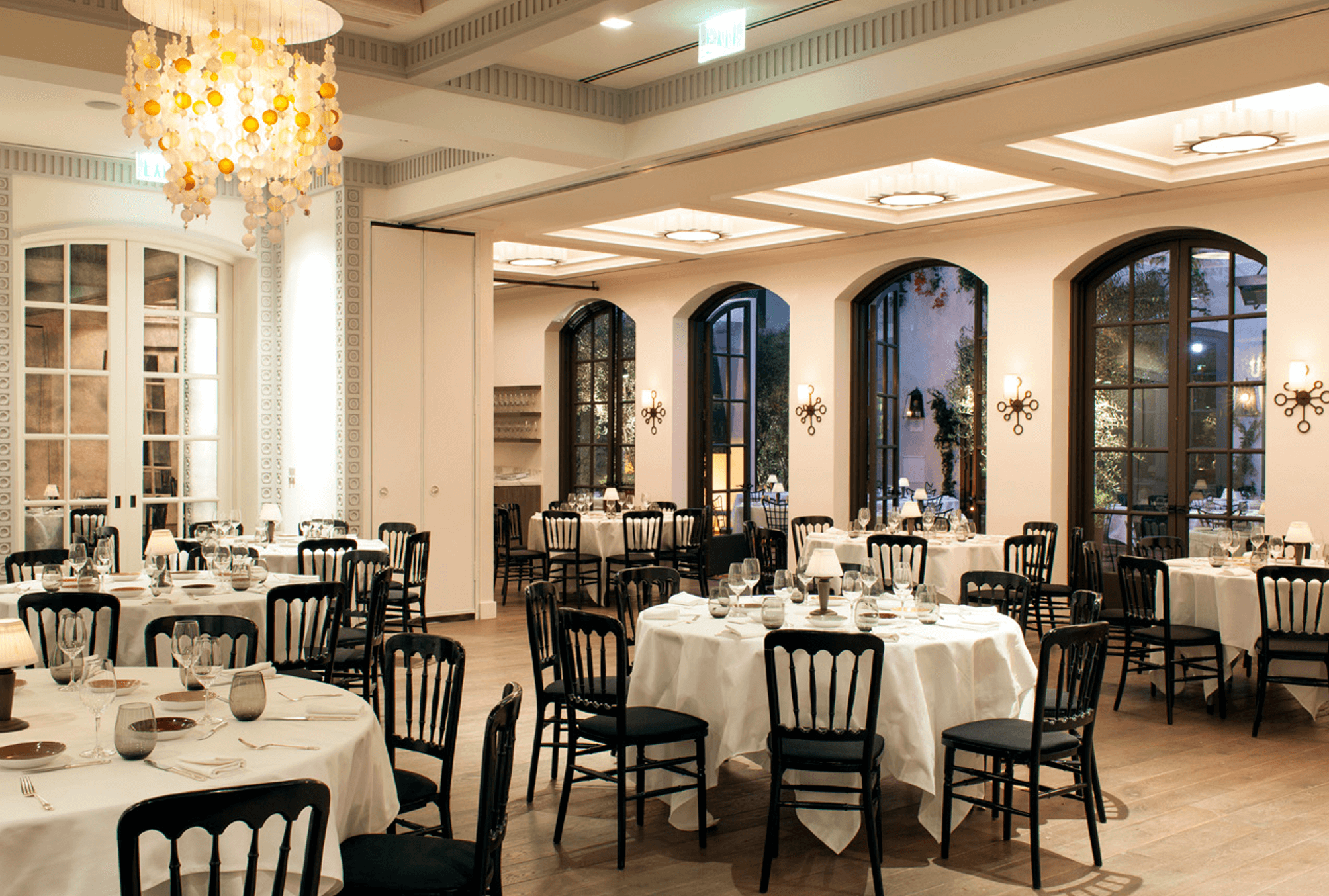
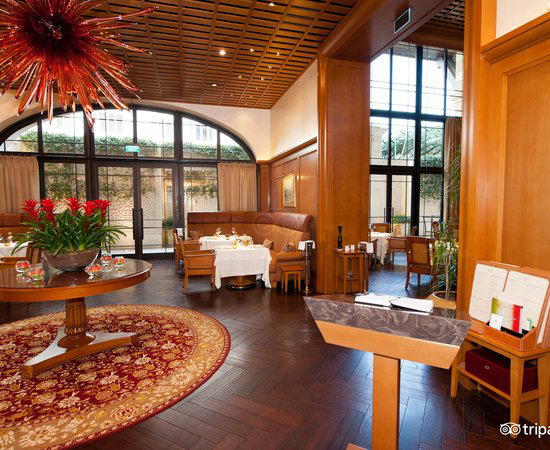
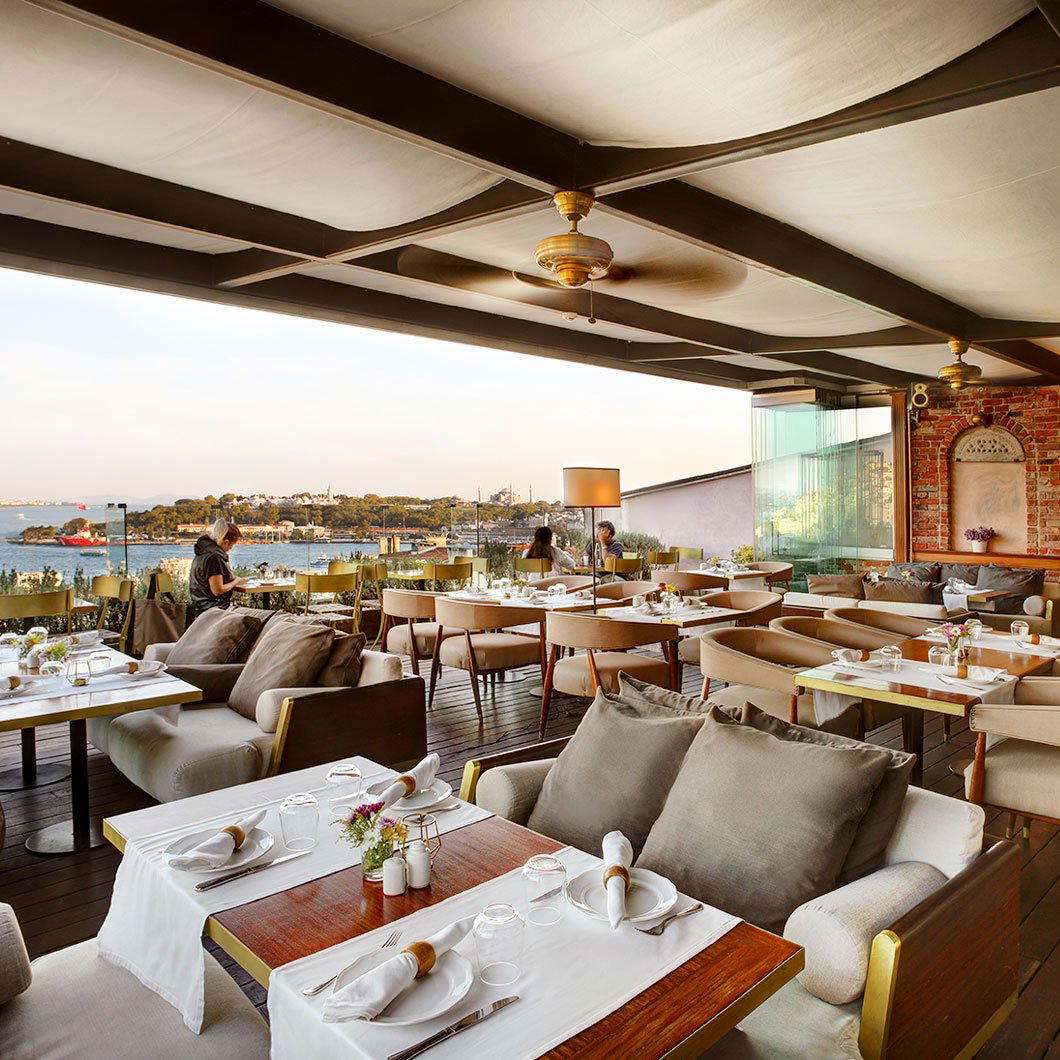
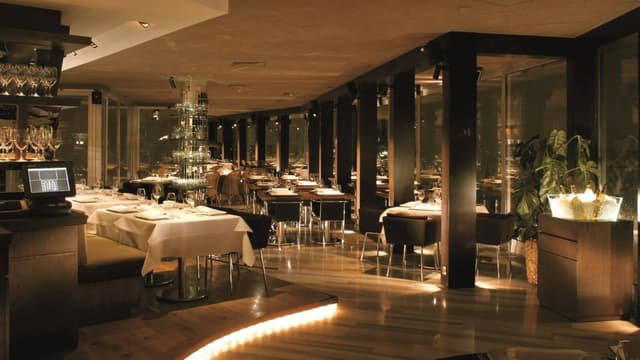
Elegant and refined with classical music creating a sophisticated atmosphere; warm lighting and refined decor suitable for both casual and special occasions.