Delhi to Canberra Indian Restaurant operates out of Melba, a residential suburb north of the ACT city centre, placing it firmly outside the capital's established dining corridors. The restaurant draws from the subcontinental tradition of slow-cooked, spice-layered cooking that has found a quieter but committed audience in Canberra's outer suburbs. For those willing to travel beyond Civic, it represents a neighbourhood-scale Indian kitchen serving a local residential community.
Pearl is the En Primeur Club membership app — saves, bookings, and concierge access live there. Same editors, same standards.
- Address
- 12 Chinner Cres, Melba ACT 2615, Australia
- Phone
- +61262598033
- Website
- delhitocanberra.twirll.com
- Directions
- Get directions
 Saves & bookings on Pearl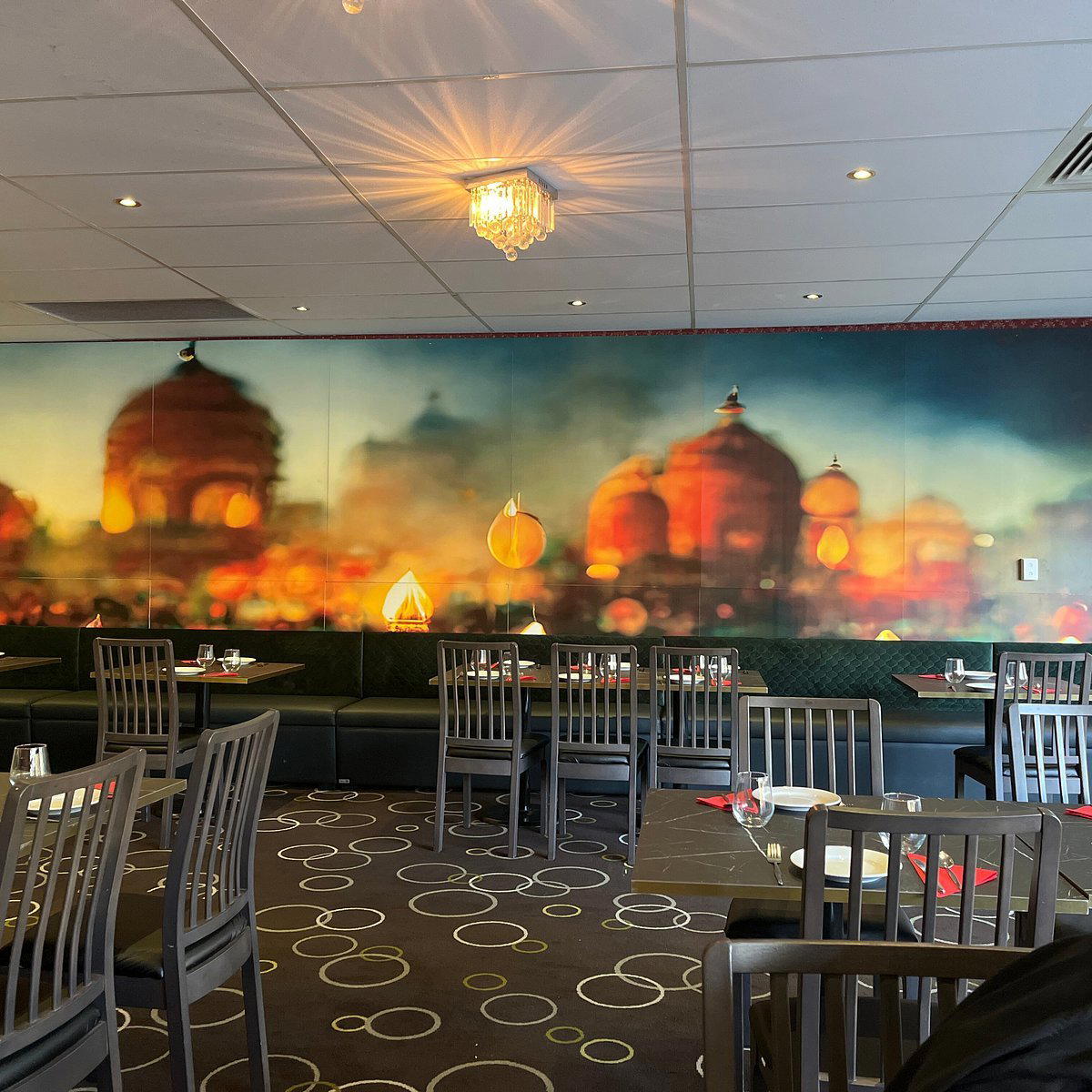
Indian Cooking in Canberra's Suburban North
Canberra's Indian restaurant scene has developed along two distinct lines. The first runs through the city centre and inner suburbs, where venues like Amara Indian Restaurant and Champi Restaurant position themselves against a broader dining-out audience. The second line runs quieter, through the residential belts that extend north and west of Civic, where Indian restaurants serve established migrant communities and long-term locals who measure a kitchen not by its press coverage but by the consistency of its dal or the depth of its masala base. Delhi to Canberra Indian Restaurant, located at 12 Chinner Crescent in Melba, belongs to this second category.
Melba is a suburb that most Canberra dining guides pass over entirely. It sits in the Belconnen district, several kilometres from the ACT's main commercial and cultural infrastructure. The immediate environment is residential: streets of detached houses, a community feel, and a dining public that tends to be repeat rather than destination-driven. This context shapes how a restaurant like Delhi to Canberra functions, and understanding that context is more useful than any list of dishes when deciding whether to make the trip.
The Ritual of the Subcontinental Meal
Indian cooking, at its core, is structured around sequencing and sharing. A meal that respects the tradition does not arrive as a single plate but as a series of components: breads that come hot from the tandoor before the main curries settle at the table, chutneys and pickles that punctuate rather than accompany, and a rice dish that arrives mid-meal rather than at the start. The pacing is slower than a Western-format restaurant. Conversation fills the space between dishes. This is not incidental to the experience; it is the architecture of the meal itself.
Neighbourhood Indian restaurants across Australian cities have preserved this rhythm in a way that more commercially oriented venues sometimes do not. The absence of a tasting menu or a celebrity kitchen can work in favour of the diner who wants a meal that follows the logic of subcontinental hospitality rather than the pressures of a high-turnover city kitchen. At the neighbourhood scale, the cook has fewer incentives to shorten a braise or thin a gravy. The customer base knows the difference, and returns accordingly.
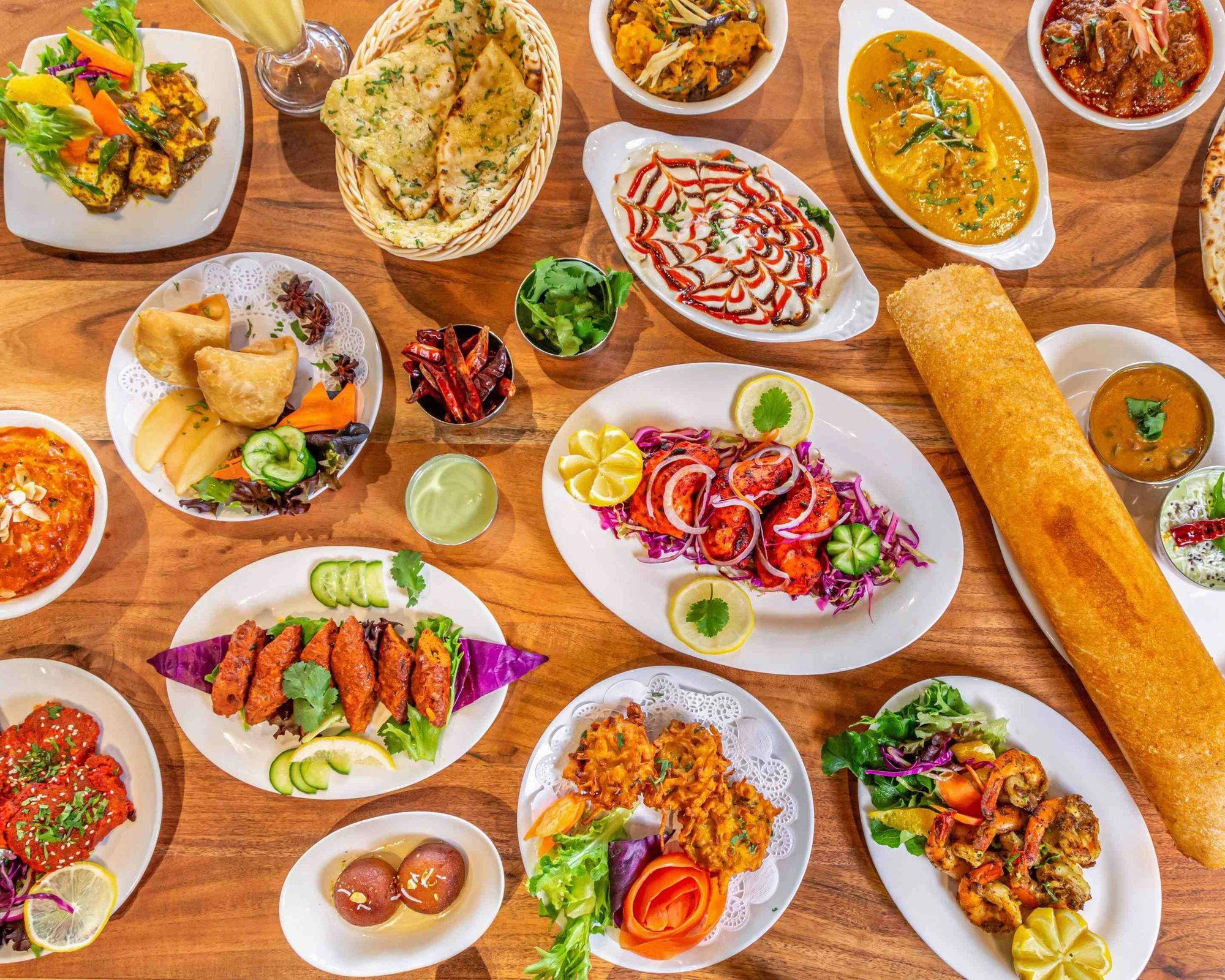
This is the tradition Delhi to Canberra Indian Restaurant operates within. The name itself signals the referential frame: Delhi cooking, transplanted to the ACT. North Indian cuisine in this register tends toward richer, cream- and tomato-based gravies, tandoor-cooked proteins, and the aromatic spice profiles associated with Mughal-influenced cooking. These are dishes built for the kind of slow meal that a suburban setting, away from the churn of a city dining strip, is better positioned to support than a high-volume inner-city room.
Where This Fits in Canberra's Wider Dining Picture
Canberra's dining culture has expanded significantly in the past decade. Venues like Akiba and Flui have pushed the capital's ambitions in modern Asian and contemporary formats, while operations like Gravy N More reflect the city's growing appetite for casual, flavour-forward comfort cooking. The Indian category sits across several price and format tiers, from quick-service lunch operations near government precincts to sit-down suburban restaurants that form part of a neighbourhood's weekly routine.
Delhi to Canberra occupies the suburban sit-down tier. This is a category that rarely generates editorial attention but sustains a consistent, loyalty-driven patronage that many city-centre venues would envy. The comparison set is other Belconnen-district restaurants serving everyday dining rather than occasion dining. The competitive pressure is local, not city-wide, which tends to produce a kitchen focused on value and consistency over novelty.
For context on what the wider Australian dining scene looks like at the other end of the spectrum, venues such as Brae in Birregurra, Attica in Melbourne, and Rockpool in Sydney represent the formal, destination-dining tier. Delhi to Canberra is emphatically not in that category, and that distinction is not a criticism. The subcontinental neighbourhood restaurant serves a different purpose in a city's dining ecosystem, and that purpose has its own value. Internationally, the same contrast applies between a destination experience like Le Bernardin in New York City and a neighbourhood-embedded kitchen serving a regular community. Purpose, not tier, determines relevance.
Other Australian destination venues worth noting for reference include Botanic in Adelaide, Hentley Farm in Seppeltsfield, Laura at Pt Leo Estate in Merricks, Lizard Island Resort in Lizard Island, Ormeggio at The Spit in Mosman, Pipit in Pottsville, Provenance in Beechworth, and Lazy Bear in San Francisco. These sit in a different category entirely and are included here for orientation within the broader EP Club network rather than as direct comparisons.
Planning a Visit to Melba
Delhi to Canberra Indian Restaurant is located at 12 Chinner Crescent, Melba ACT 2615. The address places it within a residential pocket of the Belconnen district. Visitors coming from the Canberra city centre should allow fifteen to twenty minutes by car. Public transport connections to Melba are available via the Belconnen bus network but less direct than a private vehicle. No phone or website is publicly listed in current records, which means that confirming hours and availability requires either a direct visit or contact through a third-party platform. For diners planning specifically around this restaurant, arriving in person to check current trading hours is the most reliable approach given the absence of published contact information. Our full Canberra restaurants guide covers the broader dining picture across all districts if you are building a wider itinerary for the capital.
Continue exploring
More in Canberra
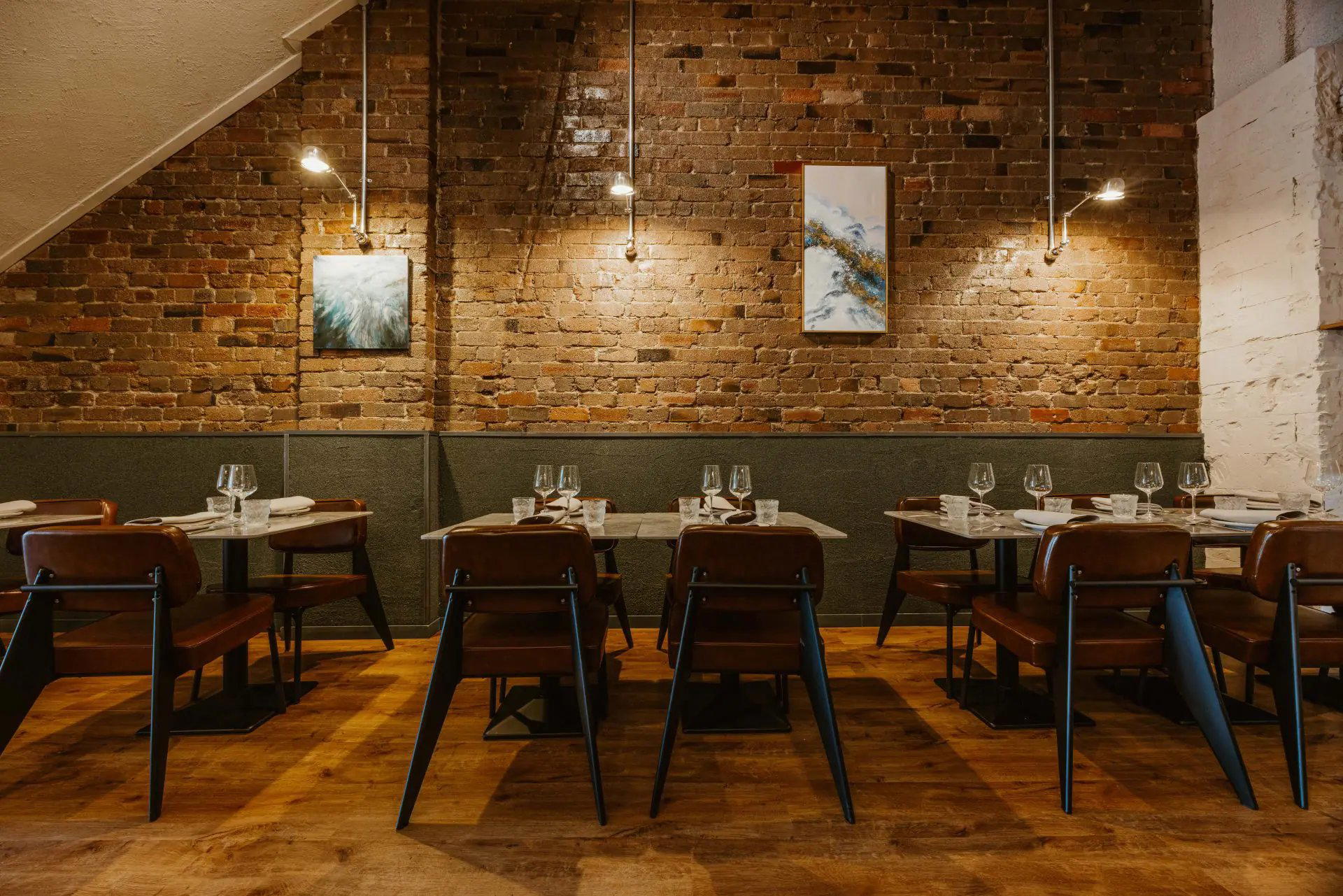
Restaurants in Canberra
Browse all →

Bars in Canberra
Browse all →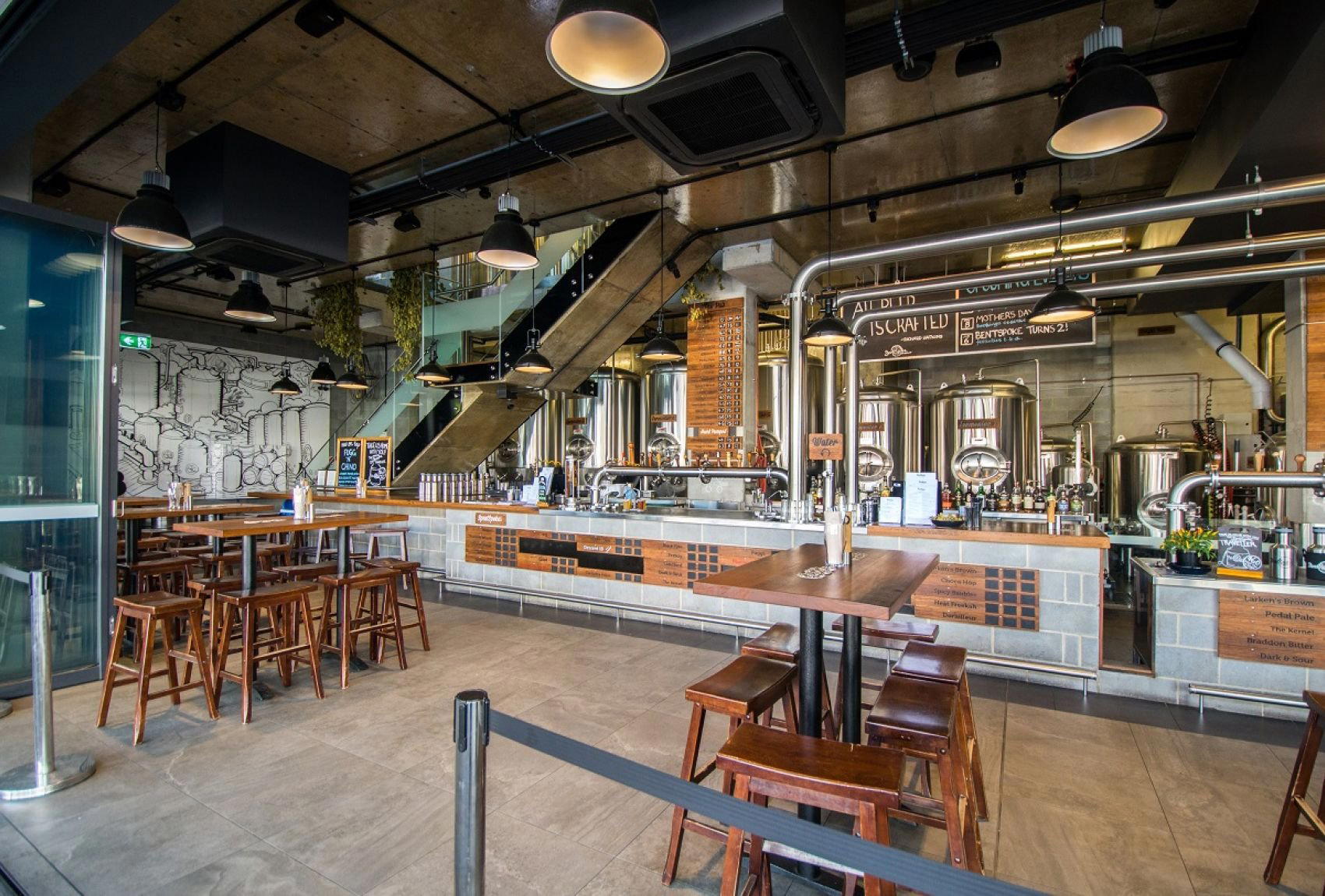
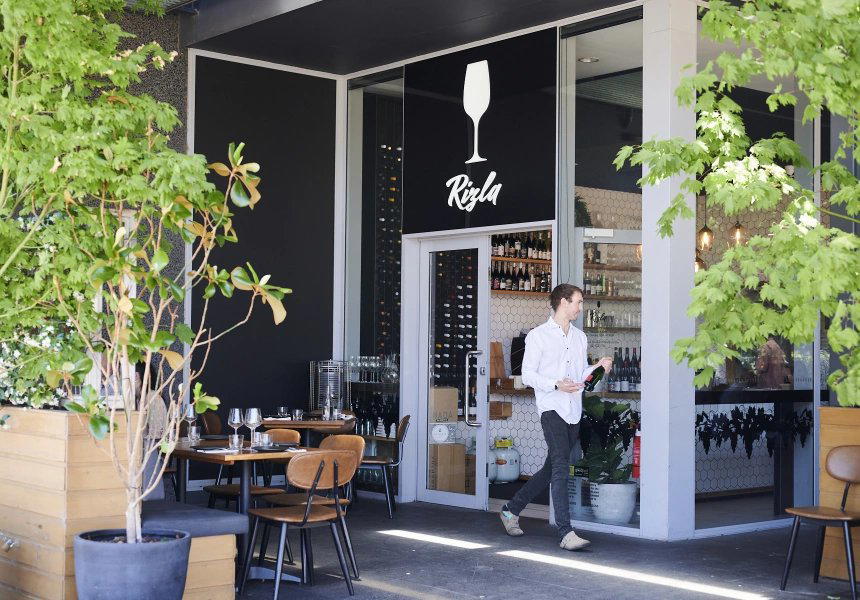
Hotels in Canberra
Browse all →


At a Glance
- Cozy
- Warm
- Family
- Group Dining
- Date Night
- Casual Hangout
Current opening hours
- Monday
- Closed
- Tuesday
- 5–9 PM
- Wednesday
- 5–9 PM
- Thursday
- 5–9 PM
- Friday
- 5–9 PM
- Saturday
- 5–9 PM
- Sunday
- 5–9 PM
Hours can change for holidays and private events. Last verified .
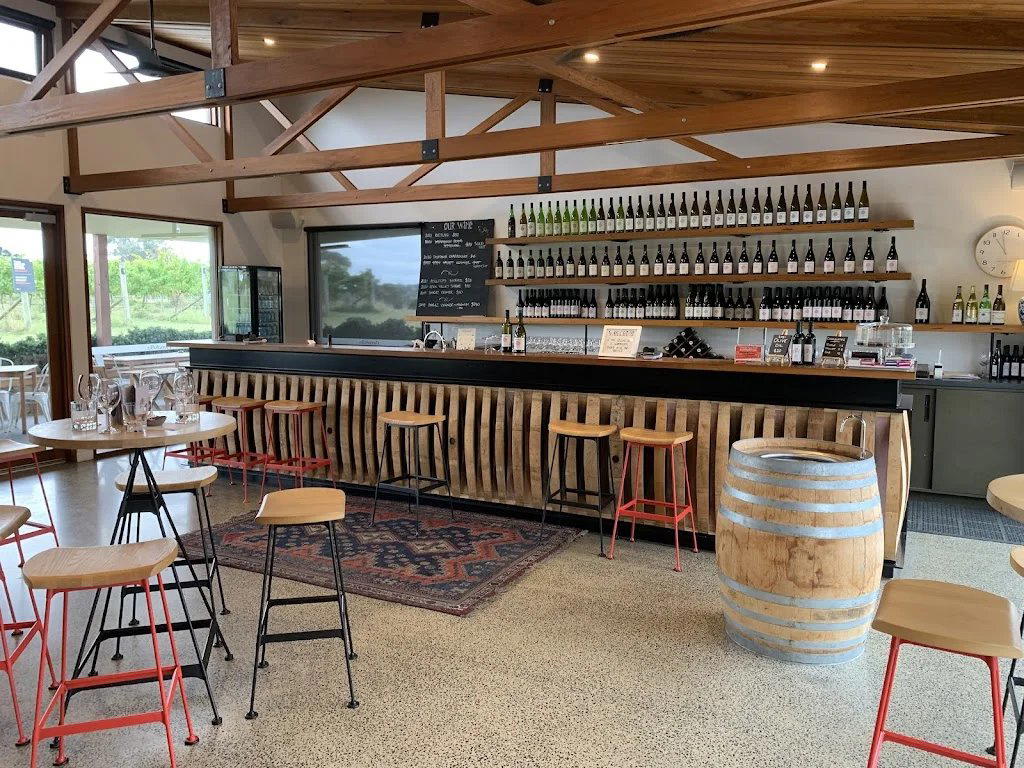
Pleasant and warm with nice decorations, comfortable table spacing, and a welcoming family-friendly atmosphere.
Know Before You Go
- Getting there
- 12 Chinner Cres, Melba ACT 2615, Australia