Akiba sits on Bunda Street in Canberra's city centre, positioned within a dining corridor that has grown considerably more serious over the past decade. The venue draws from Asian-influenced share-plate formats that have become a defining mode of mid-to-upper casual dining in Australian capital cities, placing it in a competitive bracket where pacing and portion sequencing matter as much as the food itself.
Pearl is the En Primeur Club membership app — saves, bookings, and concierge access live there. Same editors, same standards.
- Address
- 40 Bunda St, Canberra ACT 2601, Australia
- Phone
- +61261620602
- Website
- akiba.com.au
- Directions
- Get directions
 Saves & bookings on Pearl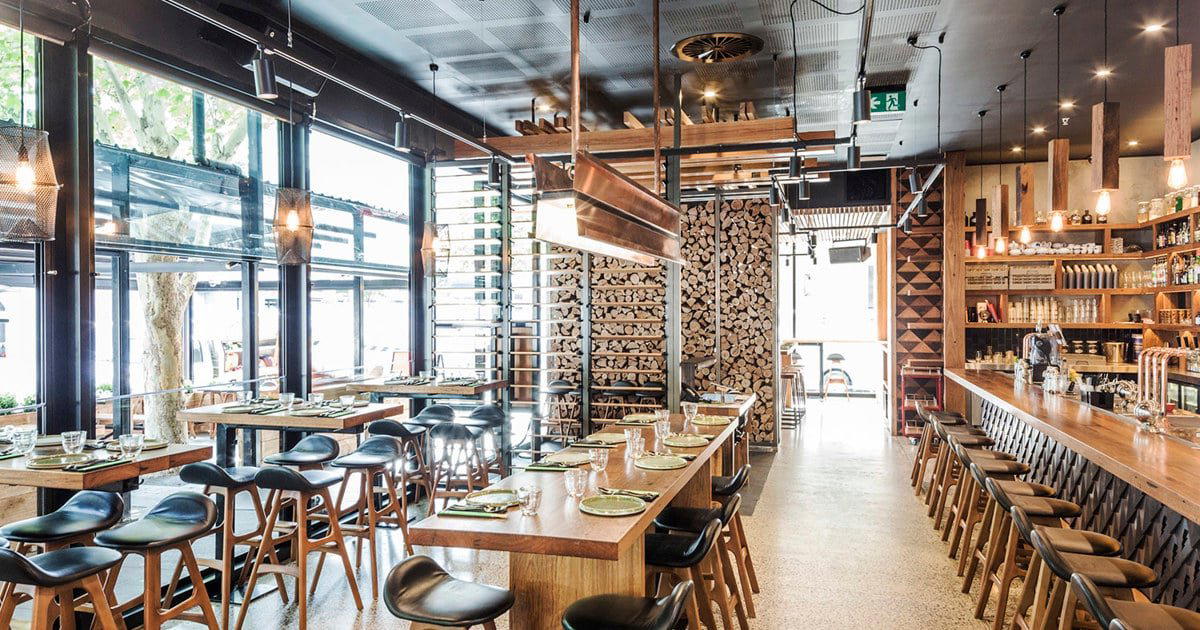
Bunda Street and the Share-Plate Shift in Canberra
Canberra's dining reputation spent years trailing Sydney and Melbourne in the national conversation, partly by circumstance and partly by design: a planned city built around institutions rather than neighbourhoods tends to produce institutional food. That has changed meaningfully since the mid-2010s, and Bunda Street in the CBD has become one of the clearer markers of that shift. The address at 40 Bunda St places Akiba inside a stretch of the city centre where the gap between what Canberra offers and what you might find in Surry Hills or Fitzroy has narrowed to something almost negligible. The Asian-inflected share-plate format that Akiba operates within is now well-established across Australian cities as a middle register between casual and formal dining, a format that suits the capital's parliamentary and professional crowd as well as it does a table of friends working through a Friday evening.
How the Meal Is Meant to Move
Share-plate dining, when done with discipline, has its own internal logic. The ritual is not simply about portions arriving out of sequence or the table becoming a game of Tetris with small dishes. In the better-executed versions of this format across Australian cities, the pacing is managed: lighter, crisper preparations come early, proteins and richer sauces arrive in the middle stretch, and the meal slows toward its end rather than stopping abruptly. This structure borrows loosely from East and Southeast Asian table traditions, where the idea of ordering everything at once and eating communally has always carried social weight. The point is that the table, not the individual plate, becomes the unit of composition.
At Akiba, this format aligns with a wider movement in Australian capital-city dining toward Asian-influenced menus that treat the share-plate arrangement as a genuine curatorial exercise rather than a shortcut to smaller portions at comparable prices. In cities like Melbourne and Sydney, venues running this model have found that it rewards tables willing to trust the kitchen's sequencing and order with some breadth. The approach also changes the rhythm of service: staff at venues in this tier typically move between guidance and restraint, recommending combinations without scripting the entire table's experience.
For a broader read on how Canberra's restaurant scene has developed across different cuisines and formats, the our full Canberra restaurants guide maps the city's current dining character with neighbourhood-level detail.
Where Akiba Sits in the Canberra Field
Canberra's mid-to-upper casual tier has filled in considerably. Venues like Flui and Champi Restaurant represent different points on the spectrum, with Flui operating in a mode that emphasises Italian-leaning contemporary cooking and Champi drawing on South Asian flavour structures. On the more casual, value-oriented end, Gravy N More, Amara Indian Restaurant, and Delhi to Canberra Indian Restaurant reflect the city's growing appetite for international flavours at accessible price points. Akiba occupies a different register: it is the kind of address that draws comparisons to the pan-Asian share-plate venues that have anchored urban dining strips in Melbourne and Sydney for years.
That comparison is worth holding in mind nationally. At the upper end of Australian dining, venues like Attica in Melbourne and Brae in Birregurra operate in a Michelin-adjacent tier that most Australian cities, including Canberra, support only at the margins. Rockpool in Sydney anchors a different kind of formal prestige. Akiba is not competing in that bracket.
The Room and What It Asks of You
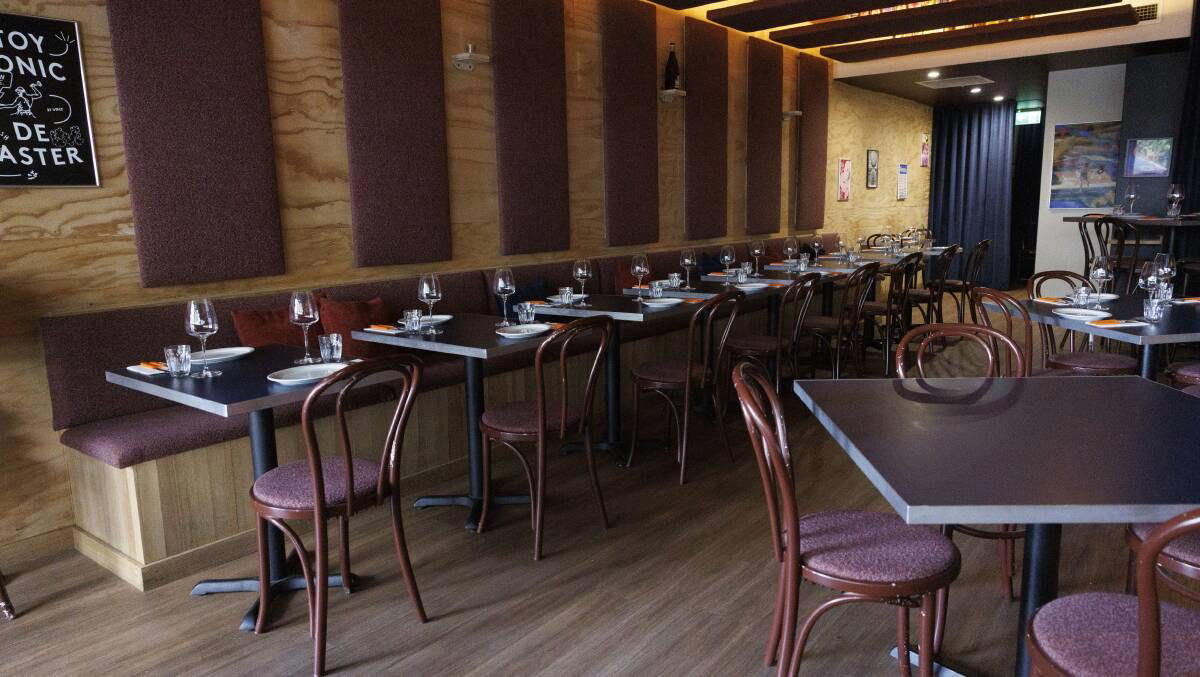
The physical character of a share-plate venue communicates expectations before the first dish arrives. Rooms built for this format in Australian cities tend toward a certain visual grammar: exposed materials, considered lighting that allows the table to remain the focal point, and a sound level that encourages conversation without requiring it to compete against a concert. The arrangement signals informality in posture but not in seriousness, which is a distinction worth drawing. These are not casual in the sense of indifferent; the format demands attentive service and kitchen timing that a genuinely casual room rarely delivers.
Akiba's Bunda Street location places it within walking distance of the parliamentary precinct and Civic, which means the room likely reads differently across the week: lunch service drawing a professional crowd with tighter time constraints, evening service skewing toward groups for whom the communal format is the point. This pattern repeats across the share-plate venues that have taken hold in Sydney's inner suburbs, from Bar Carolina in South Yarra to the neighbourhood-anchored warmth of Barry Cafe in Northcote. The format travels because it solves a specific social problem: it gives a table of four or six something to do together rather than sitting in parallel with individual plates.
Planning Your Visit
The Bunda Street address in the ACT 2601 postcode puts Akiba in central Canberra, accessible on foot from most city-centre hotels and a short ride from inner suburbs like Braddon and New Acton. For venues running this format, arriving as a complete group is worth treating as a practical rule rather than a social nicety: the pacing of share-plate service is calibrated to the table, and staggered arrivals compress the kitchen's sequencing options. The format rewards tables of three or more who order with some breadth rather than anchoring on one or two dishes each. Booking ahead is advisable for weekend evenings, when the CBD dining strip competes for a finite number of covers across a relatively concentrated group of addresses.
Those travelling specifically to eat well in Canberra will find the city's dining corridor more coherent than it was five years ago, and Bunda Street sits at the centre of that. For reference points elsewhere in Australia's dining geography, Bayly's Bistro in Kirribilli, bills in Bondi Beach, and Johnny Bird in Crows Nest offer useful calibration points for the kind of confident, mid-formal urban dining that Akiba represents in the capital. Internationally, the discipline that venues like Le Bernardin in New York City and Atomix in New York City apply to tasting-format pacing exists on a different register, but the underlying principle, that the sequence of a meal is a decision rather than an accident, translates across price tiers. Regional comparisons from elsewhere in Australia include Hungry Wolfs Italian Restaurant in Newcastle and Jaani Street Food in Ballarat, both of which reflect how mid-sized Australian cities have developed more considered dining options in recent years.
Continue exploring
More in Canberra
Restaurants in Canberra
Browse all →
Bars in Canberra
Browse all →
Hotels in Canberra
Browse all →
At a Glance
- Lively
- Trendy
- Modern
- Energetic
- Group Dining
- Casual Hangout
- Late Night
- Open Kitchen
- Craft Cocktails
- Sake Program
- Local Sourcing
Current opening hours
- Monday
- 11:30 AM–10:30 PM
- Tuesday
- 11:30 AM–10:30 PM
- Wednesday
- 11:30 AM–10:30 PM
- Thursday
- 11:30 AM–10:30 PM
- Friday
- 11:30 AM–11:30 PM
- Saturday
- 11:30 AM–11:30 PM
- Sunday
- 11:30 AM–10:30 PM
Hours can change for holidays and private events. Last verified .
Busy with neon lights, k-pop vibe, and fast-paced energy around communal tables.
Know Before You Go
- Getting there
- 40 Bunda St, Canberra ACT 2601, Australia