DEDIKO
Our verdict
Located on West Evergreen Boulevard in Vancouver, Washington, DEDIKO occupies an address that positions it within the city's emerging fine-dining conversation.

Pearl is the En Primeur Club membership app — saves, bookings, and concierge access live there. Same editors, same standards.
- Address
- 210 W Evergreen Blvd #700, Vancouver, WA 98660
- Phone
- (360) 314-4370
- Hours
- Mon ClosedTue–Thu 5–9 PMFri–Sat 12–3 PM, 5–9 PMSun Closed
- Website
- dedikos.com
- Directions
- Get directions
- Booking
- Book on OpenTable
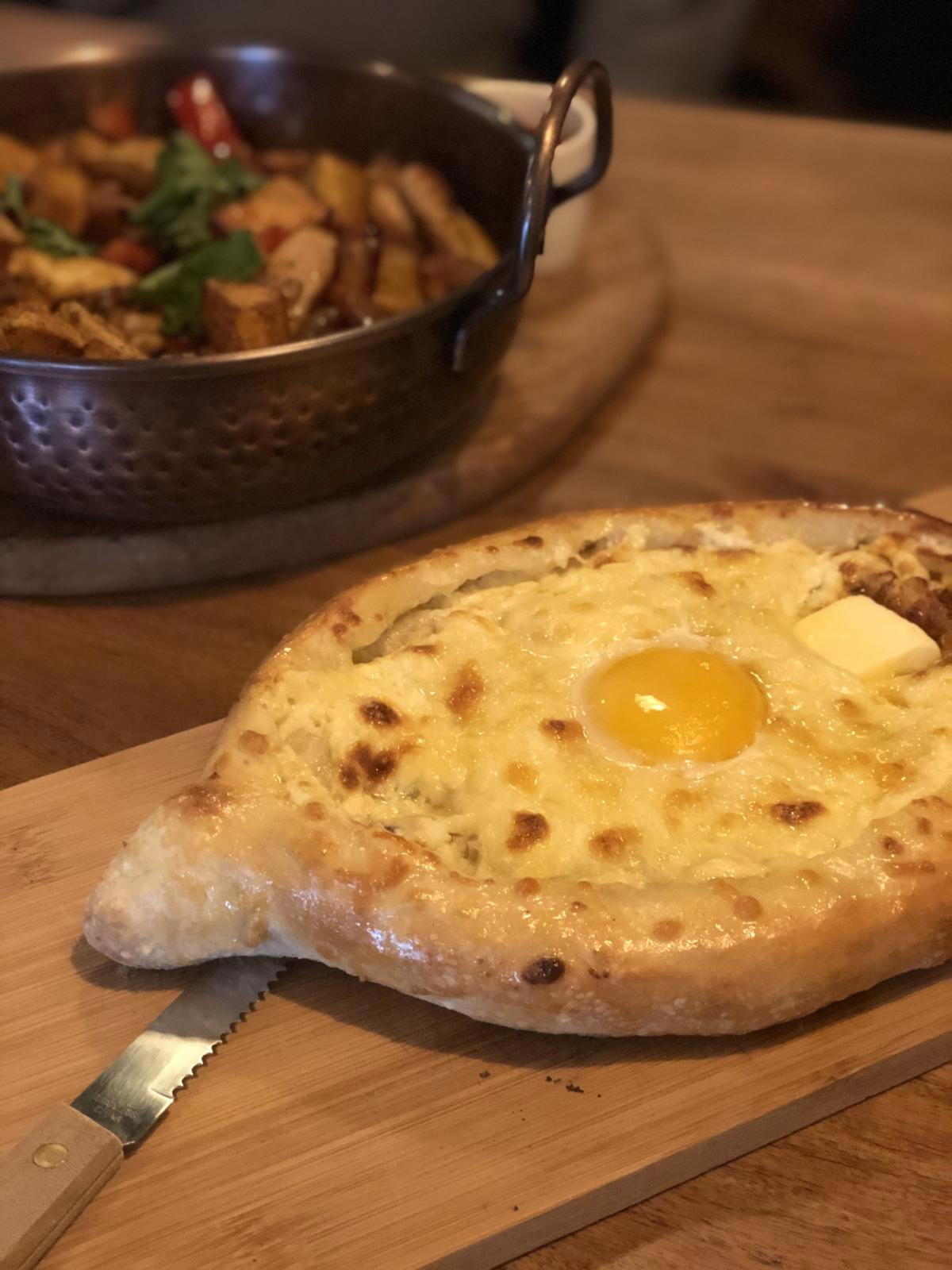
Vancouver, Washington and the Dining Gap Between Two Cities
The Columbia River has long functioned as more than a state boundary. For diners, it has historically meant that serious restaurant ambitions concentrated in Portland, Oregon, leaving Vancouver, Washington as an afterthought in Pacific Northwest food coverage. That calculus is shifting. A small cohort of addresses on the Washington side of the river is beginning to draw the kind of attention that used to require crossing a bridge. DEDIKO, at 210 West Evergreen Boulevard, sits inside that shift.
West Evergreen Boulevard occupies a specific position in Vancouver's commercial geography: close enough to the waterfront to benefit from the urban renewal energy moving through the city's downtown core, but set within a mixed-use zone where restaurant ambitions have to work harder to establish themselves. The address places DEDIKO in a district that is still defining its dining identity, which cuts both ways. Diners who arrive expecting the established infrastructure of, say, a Gastown block in Vancouver, British Columbia will find something rawer. Those who track emerging restaurant corridors will recognize the coordinates as familiar: a city in the process of developing a serious food culture, where early entrants tend to shape what comes next.
Menu Architecture as Editorial Statement
In contemporary American fine dining, how a menu is structured tells you almost as much as what is on it. The clearest divide in the current market runs between restaurants that present menus as catalogues, long lists designed to accommodate every preference, and those that treat the menu as a sequenced argument. The former hedges; the latter commits. Counters and tasting-format rooms from Atomix in New York City to Smyth in Chicago have spent years demonstrating that constraint in menu design, fewer courses, fewer choices, sharper sourcing logic, tends to produce more coherent dining experiences than maximalist alternatives.
The Pacific Northwest has its own version of this argument. Proximity to exceptional primary ingredients, Dungeness crab, wild salmon, Walla Walla produce, Hood River stone fruit, has pushed regional kitchens toward menus that foreground sourcing relationships over technique display. Single Thread Farm in Healdsburg and Blue Hill at Stone Barns in Tarrytown represent the formalized version of this approach at scale. At the neighborhood level, the same instinct produces menus built around what arrived that week rather than what was engineered for the year.
Comparing DEDIKO to restaurants across the river in Portland, or further north in the British Columbia city that shares its name, requires acknowledging that Vancouver, Washington operates at a different scale and with different infrastructure. The city has a smaller population base, a younger serious-restaurant culture, and a visitor profile that skews toward day-trippers and business travelers rather than destination diners. That context matters when positioning any ambitious restaurant on the Washington side of the Columbia.
For reference points within the broader Pacific Northwest and American fine-dining spectrum: Le Bernardin in New York City and The French Laundry in Napa represent the established apex of the American tasting-menu tradition, institutions that have spent decades accruing the booking pressure and critical recognition that new entrants are still working toward. Regional peers like Providence in Los Angeles, Addison in San Diego, and Lazy Bear in San Francisco illustrate the range of formats that serious American regional restaurants have adopted: prix-fixe, communal, counter-service hybrids, each chosen deliberately to signal something about the kitchen's priorities.
In the British Columbia city that shares Vancouver's name, the contemporary restaurant conversation includes addresses like AnnaLena, Barbara, Kissa Tanto, and Masayoshi, all operating at the $$$$ price tier with defined format commitments. iDen and QuanJuDe Beijing Duck House brings a different reference tradition to the same price point. The Washington city's restaurant development is earlier-stage, which is precisely why addresses worth tracking now matter later.
What the Address Signals
Restaurant addresses in cities with developing fine-dining cultures are not neutral. Choosing a specific block, a specific building type, a specific suite number within a mixed-use development tells experienced diners something about the operator's intended customer and competitive position. DEDIKO at suite 700 within a West Evergreen Boulevard development suggests a deliberate orientation toward the city's emerging professional and civic district, rather than a neighborhood bistro model or a destination-outside-the-city-center play.
That placement puts the restaurant in conversation with a particular kind of diner: someone already in Vancouver for business or civic reasons who wants an address that holds up against Portland alternatives without requiring a commute. Whether the menu and format deliver against that positioning is the question that only a visit can answer, but the address itself is a legible choice.
For restaurants at this stage of public data availability, the most useful comparison is structural rather than specific. Emeril's in New Orleans built its early reputation inside a city that was still developing a formal fine-dining infrastructure alongside its legendary casual food culture. The Inn at Little Washington succeeded by treating geographic remove as an asset rather than a liability. Atelier Moessmer Norbert Niederkofler in Brunico demonstrates that kitchen ambition in a secondary city can, over time, redefine what that city means on a dining map. These are not direct comparisons to DEDIKO; they are the structural templates that define what success in an emerging market can look like.
Planning Your Visit
- Address: 210 W Evergreen Blvd, Suite 700, Vancouver, WA 98660
- Phone: Not publicly listed at time of publication
- Website: Not publicly listed at time of publication
- Hours:full Vancouver restaurants guide covers the range of addresses currently worth tracking in the city.
Frequently asked questions
What is the signature dish at DEDIKO?
How hard is it to get a table at DEDIKO?
Can DEDIKO adjust for dietary needs?
Is DEDIKO worth it?
What distinguishes DEDIKO from Portland fine-dining options across the river?
Peers You’d Cross-Shop
Comparable venues nearby, for context on price, style, and recognition.
| Venue | Cuisine | Price | Notes |
|---|---|---|---|
| DEDIKOThis venue — the venue you are viewing | Authentic Georgian | Not listed | Not listed |
| La Bottega | Authentic Italian Trattoria with Deli & Wine Shop | $30–50 | downtown Vancouver |
| Kabob City Grill | Mediterranean & Armenian Grill | $20–30 | Southeast Vancouver |
| Margarita Factory - Mill Plain | Authentic Mexican with Southwestern influences | $20–30 | Mill Plain |
| Shinsen Sushi | Modern Japanese Sushi | Not listed | Vancouver Waterfront |
| Kwan Thai Cuisine | Authentic Thai | $20–30 | Central Vancouver |
Continue exploring
More in Vancouver
Restaurants in Vancouver
Browse all →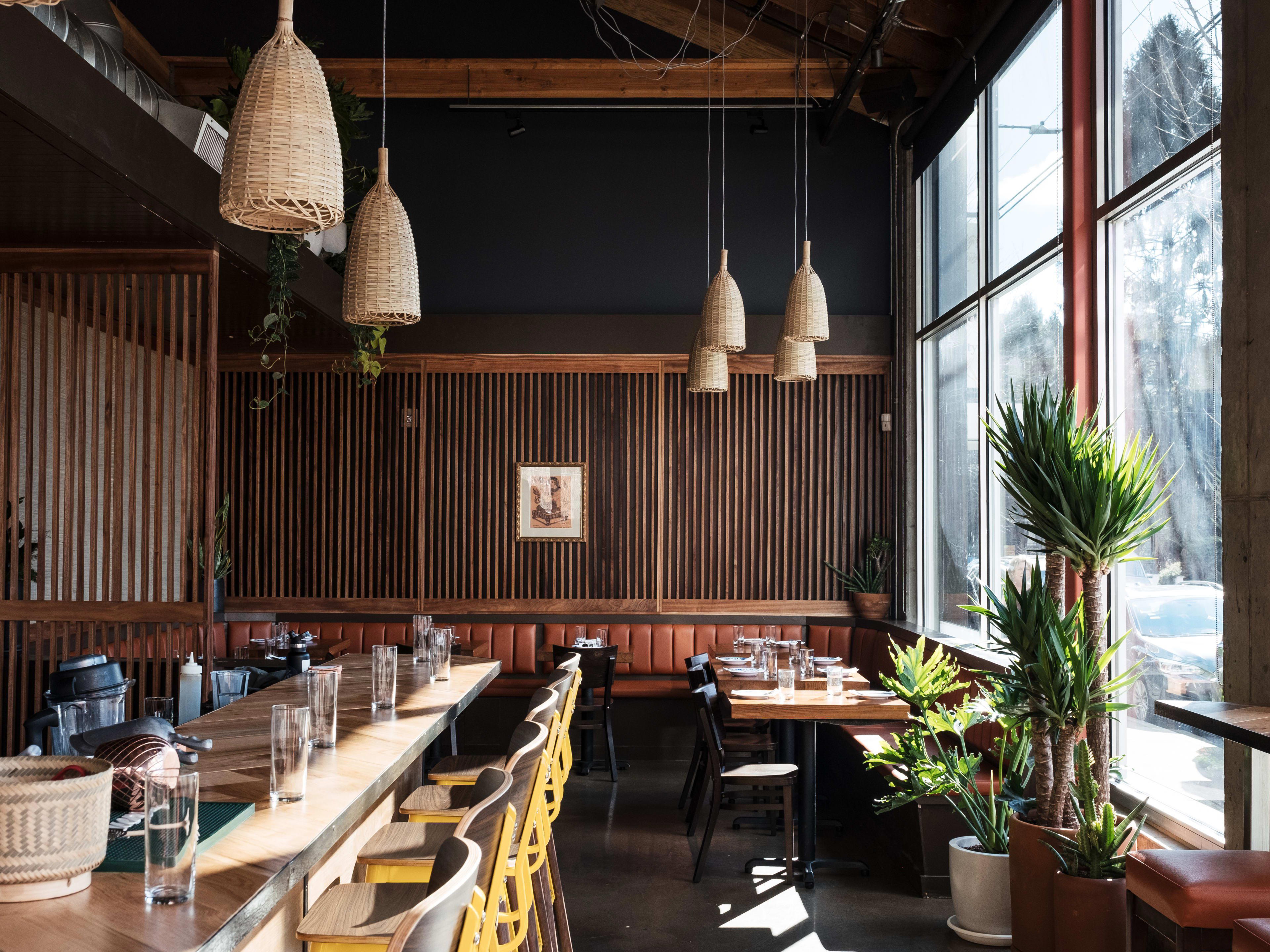
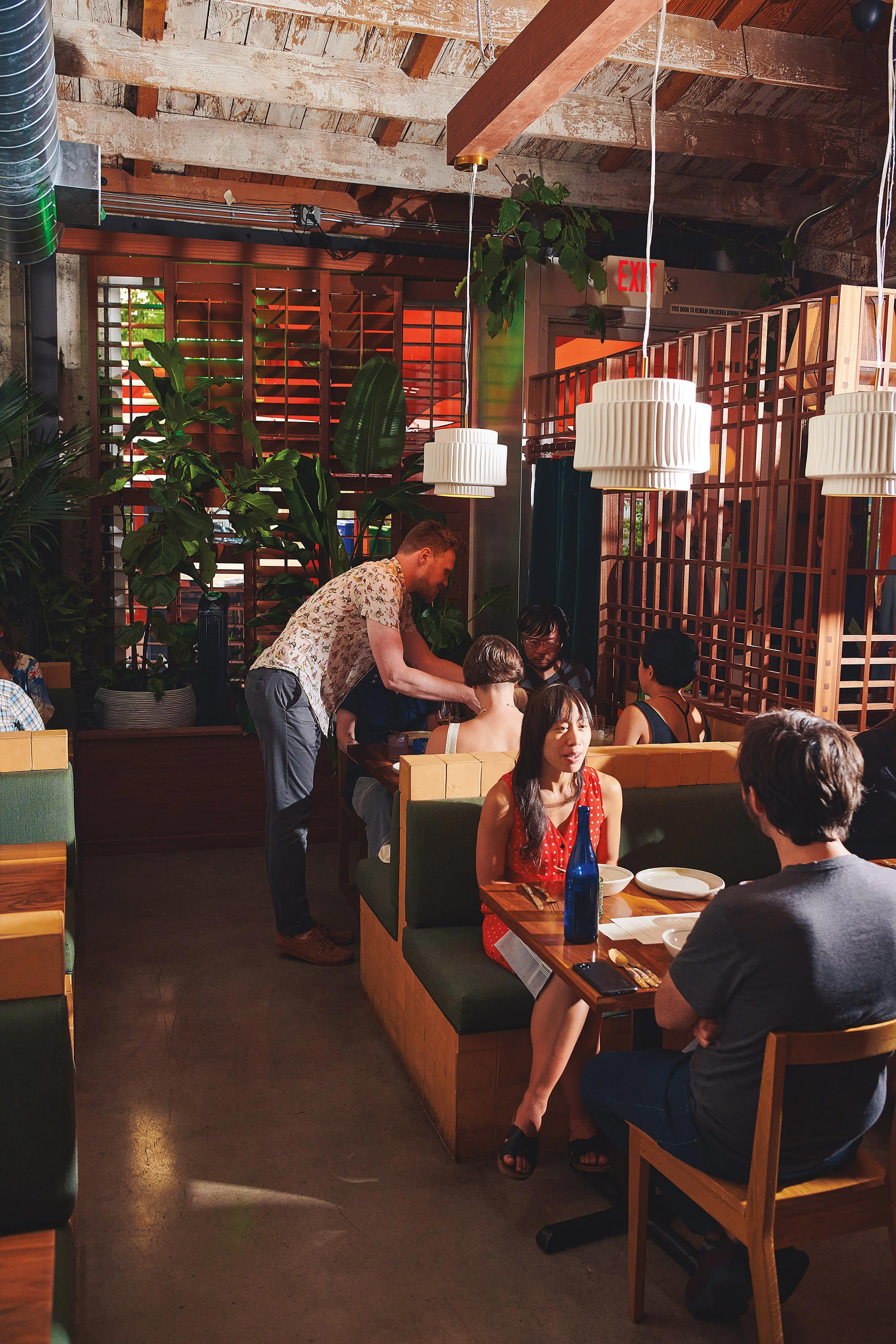
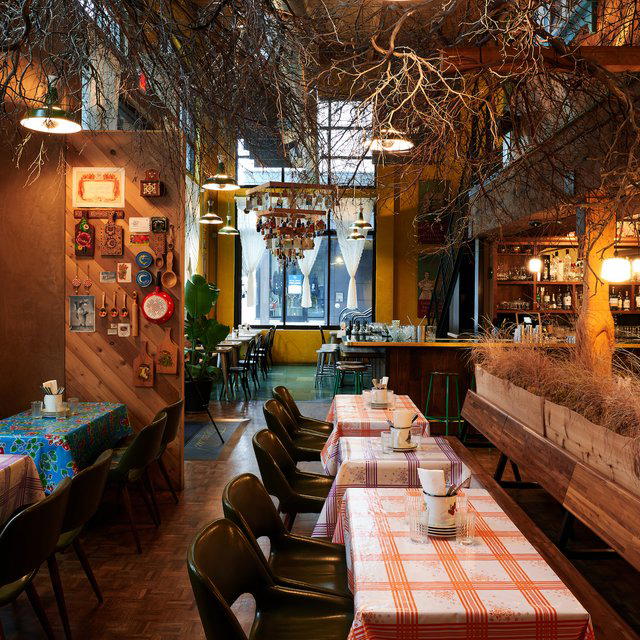
Bars in Vancouver
Browse all →
Hotels in Vancouver
Browse all →
Details
- Cozy
- Intimate
- Group Dining
- Special Occasion
- Open Kitchen
- Sake Program
- Small Plates
- A La Carte
Current opening hours
- Monday
- Closed
- Tuesday
- 5–9 PM
- Wednesday
- 5–9 PM
- Thursday
- 5–9 PM
- Friday
- 12–3 PM, 5–9 PM
- Saturday
- 12–3 PM, 5–9 PM
- Sunday
- Closed
Hours can change for holidays and private events. Last verified .
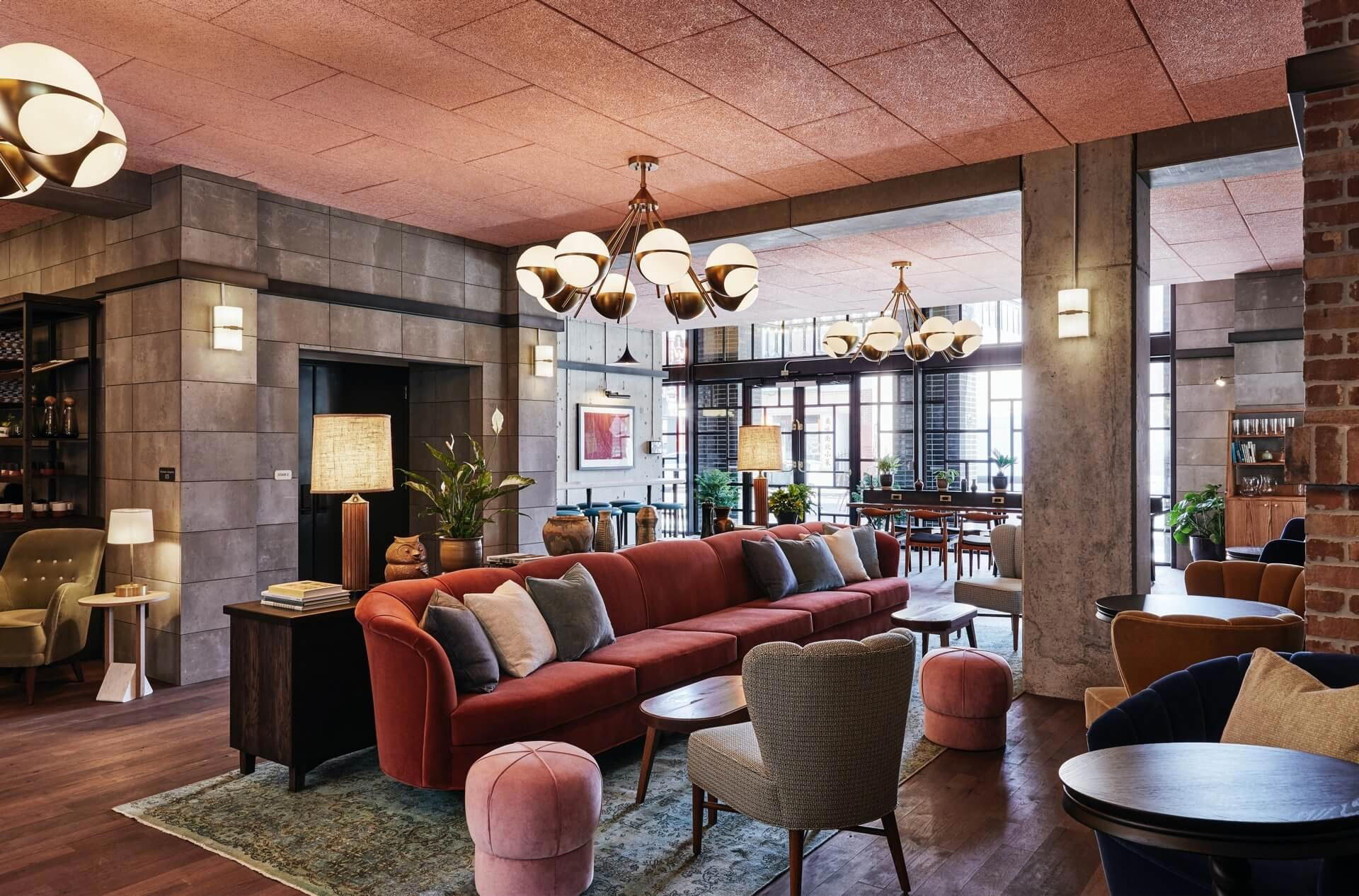
Cozy and charming with a cheery cafe atmosphere, comfortable small space praised for its pleasant and family-like feel.