Restaurant Beke
Bertastrasse 16 places Restaurant Beke in Zurich's District 3, a neighbourhood where neighbourhood-rooted dining operates well outside the Michelin-circuit hotels of the city centre. The address alone signals a particular kind of intention: a restaurant that draws on the surrounding community rather than passing luxury tourism, positioning it within a cohort of independently minded Zurich tables that resist easy categorisation.
Pearl is the En Primeur Club membership app — saves, bookings, and concierge access live there. Same editors, same standards.
- Address
- Bertastrasse 16, 8003 Zürich, Switzerland
- Phone
- +41433668502
- Website
- beke.restaurant
- Directions
- Get directions
 Saves & bookings on Pearl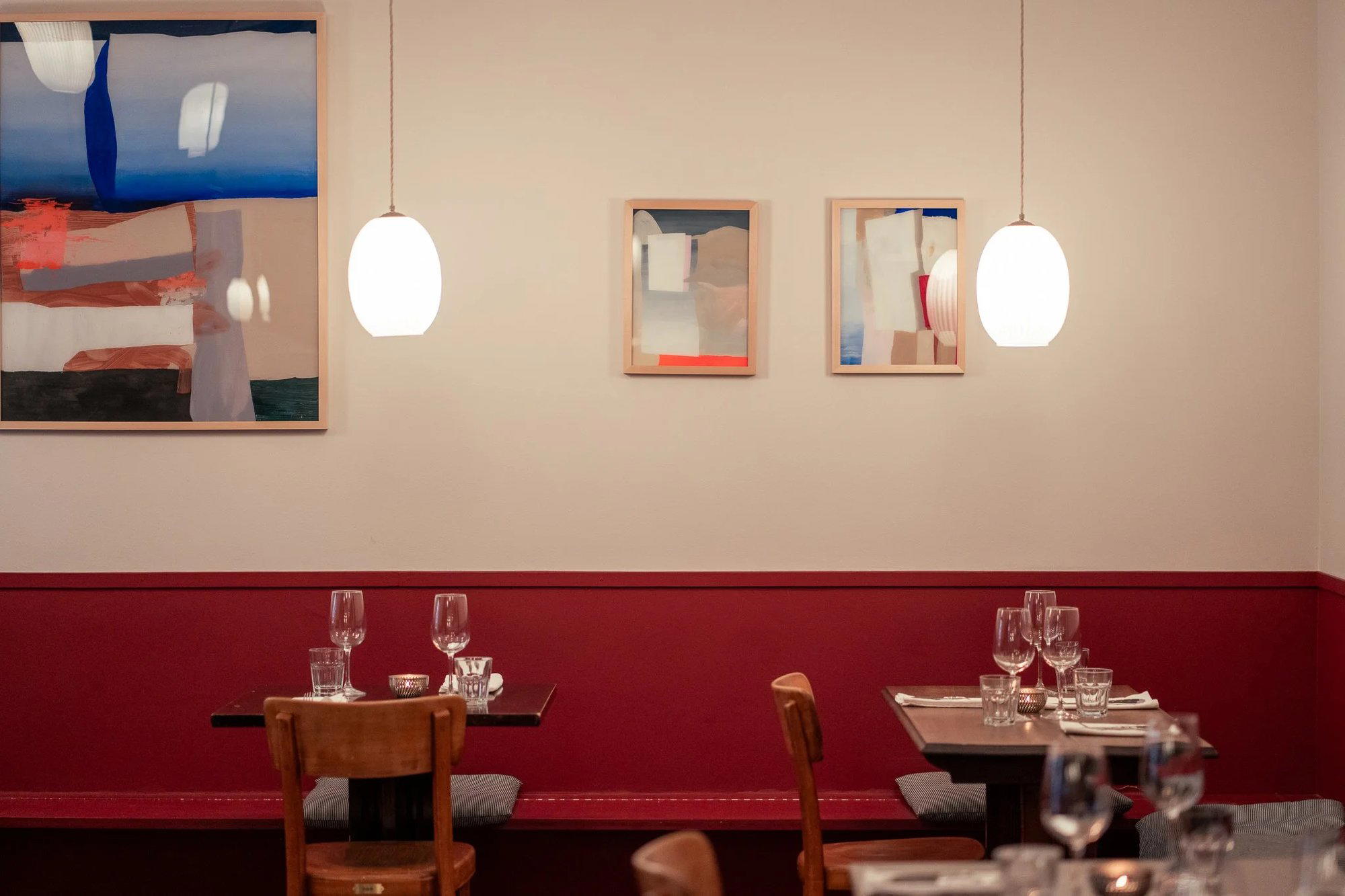
District 3 and the Logic of the Address
Zurich's dining geography has sorted itself into recognisable tiers over the past decade. The hotel-anchored fine-dining corridor runs through Bahnhofstrasse and the Langstrasse-adjacent luxury strip, where tables like The Restaurant (Creative) and IGNIV Zürich by Andreas Caminada operate within the infrastructure of five-star properties. Below that, in districts 3, 4, and 5, a separate generation of independently owned restaurants has consolidated around a different model: lower overheads, direct neighbourhood relationships, and menus that shift with what the kitchen can source rather than what a brand reputation demands.
Restaurant Beke sits at Bertastrasse 16 in District 3, Zürich-Wiedikon, a residential quarter that has accumulated a quiet density of serious independent restaurants over the past several years. The address is not incidental. District 3 trades in walk-in regulars and word-of-mouth more than in reservation-platform visibility, which shapes how a restaurant like Beke positions itself relative to the city's more legible fine-dining circuit. For context on how the broader Zurich scene is structured, the full Zurich restaurants guide maps the city's key dining clusters and price tiers.
The Physical Container: Reading the Space
Bertastrasse is a mid-width residential street in a part of Zurich that was built for inhabitants rather than visitors. The architecture is late-nineteenth-century apartment stock, ground-floor commercial units that have cycled through various uses, and almost no corporate retail. A restaurant operating here is, by default, spatially integrated into a residential block rather than carved out of a purpose-built hospitality development.
That physical context tends to produce a particular kind of interior logic. Independent restaurants in Wiedikon typically work within ground-floor footprints that were originally designed for something else: a small shop, a workshop, a residential entrance hall. The spatial constraints that result — lower ceilings, narrower floor plates, a more intimate relationship between kitchen and dining room — become the design language by necessity. The compressed formats that characterise this type of space in Swiss cities generally push the dining experience toward proximity: between tables, between guest and kitchen, and between the meal and the street outside.
Swiss restaurant interiors of this type tend to avoid the curatorial self-consciousness of Zurich's more expensively designed rooms, where material choices (raw concrete, warm brass, reclaimed timber) are deployed to signal a position in the market. The Wiedikon model runs closer to function: the space works, the light is manageable, and the table arrangement is dense enough to sustain the economics of a small independent restaurant without becoming uncomfortable. That restraint in the physical container is itself a design choice, even when it presents as an absence of one.
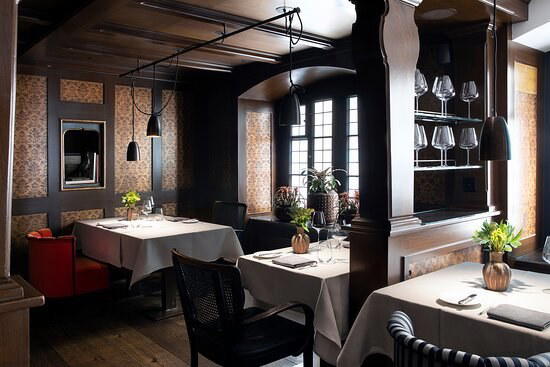
For comparison, the deliberate design ambition at The Counter (Creative) or the institutional weight of Widder (Swiss) illustrate the other end of the spatial register that Zurich restaurants can occupy. Beke's District 3 address places it in a different register entirely, where the room's character derives from the neighbourhood rather than from a commissioned interior design brief.
Where Beke Sits in the Zurich Independent Tier
The competitive set for a restaurant at this address is not the city's Michelin-tracked tables. Switzerland's decorated fine-dining circuit extends well beyond Zurich: Hotel de Ville Crissier, Schloss Schauenstein in Fürstenau, and Cheval Blanc by Peter Knogl in Basel all operate at price and format levels that are structurally separate from a neighbourhood independent in District 3. Within Zurich itself, the gap between Michelin-listed tables and the independent mid-tier has, if anything, widened since 2020, as costs of operation increased and the decorated restaurants moved further into tasting-menu-only formats with corresponding price points.
The independent tier that Beke occupies tends to compete on frequency of visit rather than occasion dining. Guests who dine at IGNIV Zürich or Eden Kitchen & Bar (Italian) may do so three or four times a year at most. A well-regarded neighbourhood table in Wiedikon can capture the same guests six to twelve times annually, particularly if it runs a format that suits both a mid-week dinner and a weekend lunch. That repeat-visit dynamic is the economic and social logic of this tier, and it makes the District 3 address a specific competitive choice rather than a default.
Internationally, the comparison point for this neighbourhood-rooted, independent format is well established. Tables at this register in cities like Copenhagen, Vienna, and Lyon have demonstrated over the past fifteen years that serious cooking does not require a hotel backdrop or a decorated address. The Swiss version of that argument is still developing, partly because Zurich's cost base makes it harder to sustain thin margins at the independent end, and partly because Swiss dining culture has historically skewed toward occasion eating rather than casual frequency.
Swiss Context and Regional Benchmarks
Switzerland's restaurant density relative to its population is high, and its award-tracked fine dining has performed consistently well in European rankings. Beyond Zurich, Memories in Bad Ragaz, 7132 Silver in Vals, focus ATELIER in Vitznau, and Colonnade in Lucerne form a geography of serious eating that extends well into the smaller cities and resort towns. Da Vittorio in St. Moritz and Einstein Gourmet in Sankt Gallen anchor the eastern Swiss tier. L'Atelier Robuchon in Geneva marks the French-Swiss end of the spectrum.
Against that backdrop, the independent neighbourhood restaurant in a Swiss city occupies a position that is structurally underrepresented in the award and media coverage relative to its actual role in how residents eat. The decorated addresses generate the editorial attention; the Bertastrasse tables generate the weekly dining culture. Both are necessary to the functioning of a city's food scene, and the more interesting critical question is often which independent tables are operating at a level that warrants the same attention as their more decorated peers.
Know Before You Go
Address: Bertastrasse 16, 8003 Zürich, Switzerland
Neighbourhood: Zürich-Wiedikon (District 3)
Nearest transport: District 3 is accessible from Zürich HB via tram lines serving the Wiedikon quarter; confirm current routes via ZVV.
How Restaurant Beke Zürich compares with similar nearby venues.
| Venue | Cuisine | Price |
|---|---|---|
| ROSI | Country cooking | €€ |
Continue exploring
More in Zürich
Restaurants in Zürich
Browse all →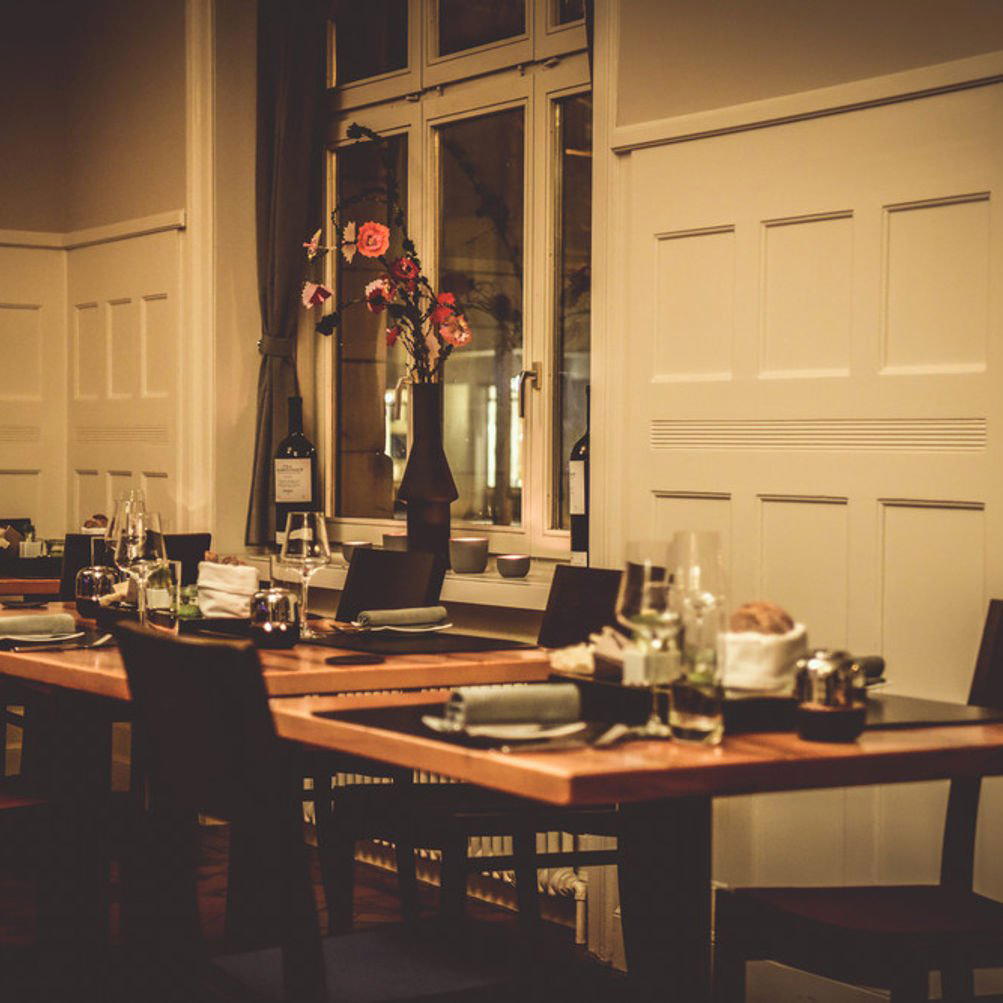
Bars in Zürich
Browse all →

Hotels in Zürich
Browse all →

At a Glance
- Cozy
- Casual
- Rustic
- Casual Hangout
- Brunch
- Family
- Group Dining
- Terrace
- Standalone
- Craft Cocktails
- Local Sourcing
- Organic
- Farm To Table
Current opening hours
- Monday
- Closed
- Tuesday
- 10 AM–12 AM
- Wednesday
- 10 AM–12 AM
- Thursday
- 10 AM–12 AM
- Friday
- 10 AM–12 AM
- Saturday
- 10 AM–12 AM
- Sunday
- 10 AM–4 PM
Hours can change for holidays and private events. Last verified .
Cozy and inviting with a fashionable yet comfortable atmosphere; charming outdoor seating under church trees in warmer weather.