Cantina
Our verdict
On Köchlistrasse in Zurich's Kreis 4, Cantina occupies a neighbourhood that has become one of the city's more closely watched dining corridors. Against a Zurich restaurant scene that increasingly tilts toward high-concept tasting formats, Cantina represents the counter-argument: a room where the cooking is the event, not the theatre around it. For readers cross-referencing the city's Italian and neighbourhood-casual options, this is a useful reference point.

Pearl is the En Primeur Club membership app — saves, bookings, and concierge access live there. Same editors, same standards.
- Address
- Köchlistrasse 35, 8004 Zürich, Switzerland
- Phone
- +41443024242
- Hours
- Mon ClosedTue–Thu 6–11 PMFri 6 PM–12 AMSat 11 AM–2 PM, 6 PM–12 AMSun 11 AM–3 PM
- Website
- cantinazurich.ch
- Directions
- Get directions
- Booking
- Book on SevenRooms
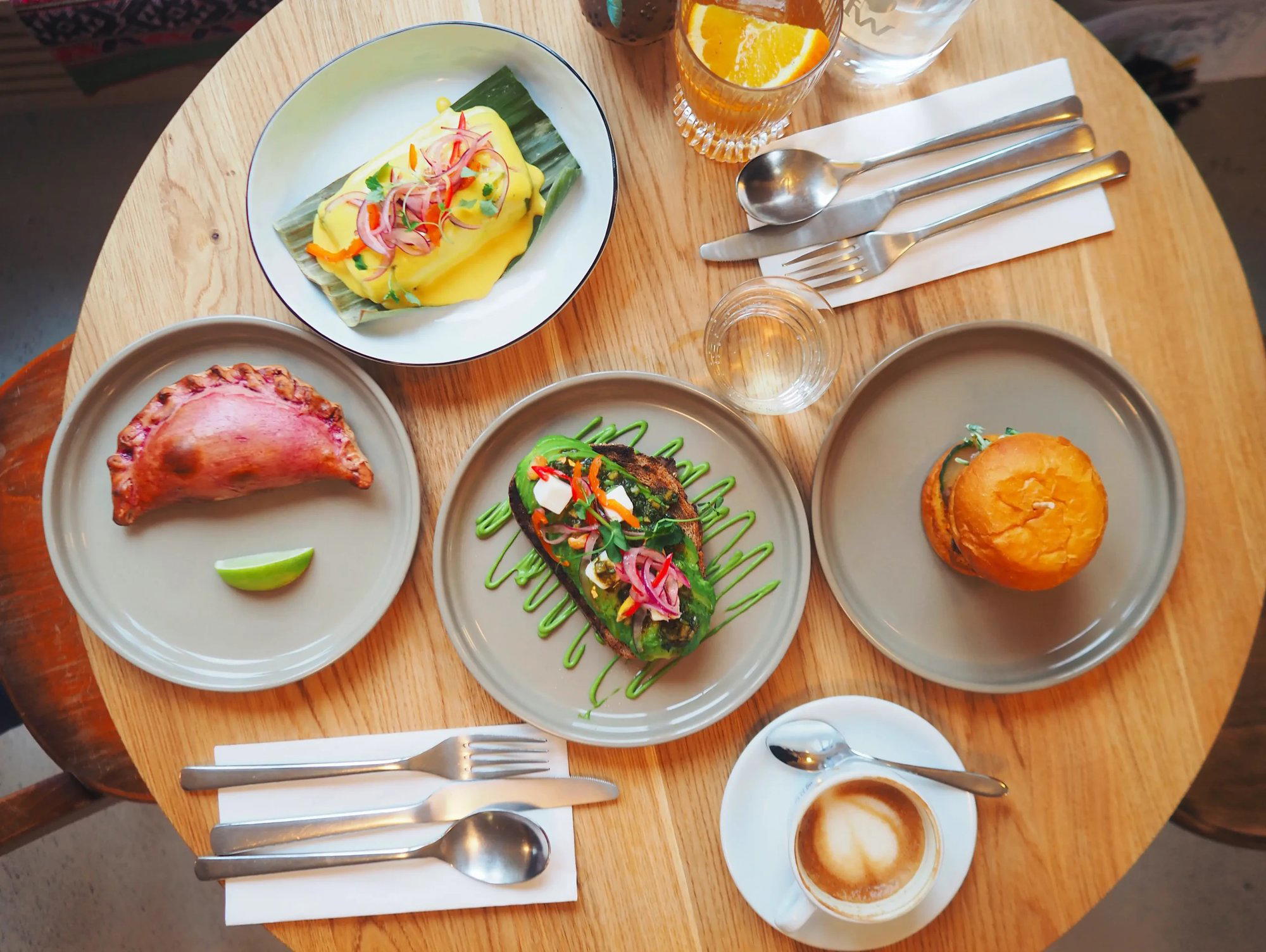
The menu
What to order
- Ceviche
- Pan con chicharrón
- Costilla de res
- Causa vegana
Kreis 4 and the Question of What Zurich Casual Actually Means
Köchlistrasse sits inside Kreis 4, the district that has done more than any other part of Zurich to complicate the city's reputation for formal, price-heavy dining. The neighbourhood runs from the main station's southern edge through Langstrasse and into a grid of streets that have, over the past decade, accumulated an unusually dense concentration of independently operated restaurants. These are not the white-tablecloth rooms that define Zurich's Michelin tier, nor are they the export-facing concept restaurants that appear in international round-ups. They are neighbourhood places, and the distinction matters more in Zurich than it might in cities where casual dining has a longer tradition.
Switzerland's restaurant culture has historically split along a sharp line: on one side, the grand hotel dining rooms and gastro-temples represented by destinations like Schloss Schauenstein in Fürstenau, Memories in Bad Ragaz, and Hotel de Ville Crissier in Crissier; on the other, a mid-market dominated for years by rösti and fondue standards. The space between — the range occupied by ambitious but unfussy neighbourhood cooking — has been filling in gradually, and Kreis 4 is where much of that filling-in has happened in Zurich specifically.
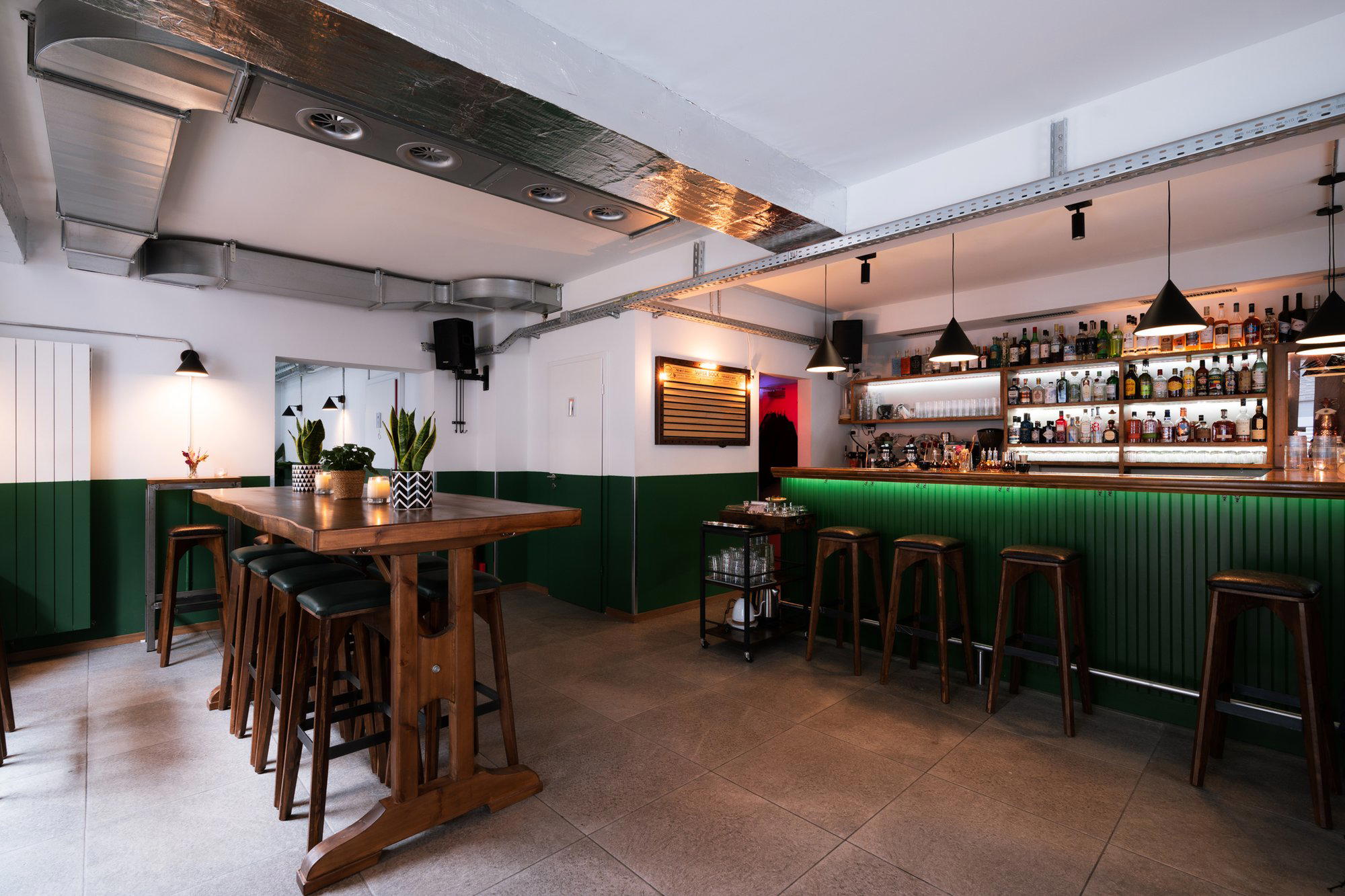
Cantina, at Köchlistrasse 35, sits in that in-between tier. The name itself signals something: cantina, in Italian and Spanish culinary traditions, refers not to a grand establishment but to a place of provision, a room where food and drink are taken practically and without ceremony. That framing, whether intentional or inherited, positions the venue against the more theatrical formats that have come to define premium Zurich dining in recent years.
The Cultural Weight of the Cantina Format
The cantina tradition carries real culinary significance that gets lost when the word is applied loosely. In Italian regional cooking, the cantina was historically the wine cellar and, by extension, the room adjacent to it where simple, producer-direct food was served. The format assumes abundance without extravagance: bread on the table, wine poured by the carafe, dishes that reflect what is available rather than what impresses. It is a democratic format, and its appeal in a city as expensive as Zurich is not difficult to understand.
Zurich's price environment makes the cantina proposition genuinely distinctive. The city consistently ranks among Europe's most expensive for dining out, which means that even mid-market restaurant meals carry price tags that would qualify as special-occasion spending in most other European capitals. Against that backdrop, a format that foregrounds informal hospitality and direct cooking occupies a real gap in the market, not a manufactured one. Compare this to the city's higher-register Italian option, Eden Kitchen and Bar, which operates at the €€€€ tier with a more structured approach to Italian-influenced cooking.
For the broader Swiss dining picture, it is worth noting how international cooking traditions have found different purchase at different price points across the country. Da Vittorio in St. Moritz represents Italian fine dining at the luxury resort tier. Cantina in Kreis 4 represents something considerably less formal, and that difference in register is the relevant comparison, not the cuisine itself.
Situating Cantina in Zurich's Current Restaurant Conversation
The Zurich restaurant scene in the mid-2020s has been shaped by a tension between two dominant models. The first is the high-concept creative tasting menu, represented locally by venues like The Counter and The Restaurant, both operating at the €€€€ tier with creative formats and sustained critical attention. The second is the sharing-forward social dining model, most prominently associated with IGNIV Zürich by Andreas Caminada, which deploys the sharing format at a premium price point and with Caminada's considerable reputation behind it.
What is less developed in Zurich, relative to cities like Berlin, Milan, or Lisbon, is the middle register: places that take their cooking seriously without constructing elaborate formats around it. Cantina's address in Kreis 4 places it in the part of the city most actively working on that gap. The neighbourhood's other institutions, including the long-standing Widder at the Swiss-traditional end of the spectrum, define the broader context within which Cantina operates.
For readers who have spent time in cities where this middle register is well established, Barcelona's neighbourhood bars, Rome's osterie, the community-anchored dining rooms of San Francisco's Mission district (where Lazy Bear represents the more formalised end of a similar impulse), the appeal of Cantina is legible immediately. For readers arriving with only Zurich's formal dining tier as a reference point, it requires a small recalibration of expectations, and a recalibration that pays off.
How Cantina Compares to International Reference Points
The cantina format, as a dining model, has proven remarkably portable across different food cultures. What makes it work in each context is not the name but the underlying logic: a focused menu, an unpretentious room, and a kitchen that has something specific to say rather than something general to please. At the far end of the seriousness spectrum, places like Le Bernardin in New York City demonstrate what happens when a single culinary idea is pursued with absolute commitment over decades. The cantina format works on a different scale and with different ambitions, but the underlying discipline, knowing what you are and staying in that register, is the same quality in different clothes.
Switzerland's own version of focused, place-rooted cooking is well represented at venues like Mammertsberg in Freidorf, Maison Wenger in Le Noirmont, focus ATELIER in Vitznau, Einstein Gourmet in Sankt Gallen, and Cheval Blanc by Peter Knogl in Basel, all of which operate at the formal or semi-formal tier. La Table du Valrose in Rougemont offers another reference point from the Alpine end of the Swiss dining map. Against all of these, Cantina's informal register and urban Kreis 4 address mark it as something different in the national picture, not lesser, just different in what it is asking of the diner.
Know Before You Go
- Address: Köchlistrasse 35, 8004 Zürich, Switzerland
- District: Kreis 4 (Langstrasse area)
- Phone: Not publicly listed
- Website: Not publicly listed, check current booking availability via Google Maps or local reservation platforms
- Booking: Specific policies not confirmed; for neighbourhood restaurants of this type in Kreis 4, walk-in availability tends to be better on weekday evenings than weekends
- Price range: Not confirmed; the cantina format and neighbourhood positioning typically sit below Zurich's €€€€ tier
- Getting there: Kreis 4 is accessible by tram from Zurich HB; Langstrasse and surrounding streets are walkable from the main station in under 15 minutes
For a broader map of the Zurich restaurant scene, see our full Zurich restaurants guide.
Frequently asked questions
What part of town is Cantina in?
Cantina is located at Köchlistrasse 35, 8004 Zürich, Switzerland, Zurich.
Is Cantina in Zurich suitable for a solo dinner at the bar or counter?
Kreis 4 neighbourhood restaurants in Zurich frequently include counter or bar seating as part of their informal format, which makes solo dining a practical option in the district. If that format matters to your visit, confirming with Cantina ahead of time is advisable.
What should I order at Cantina?
In the cantina tradition more broadly, the most rewarding choices tend to be whatever is driven by the day's supply: pasta, secondi, and vegetable sides prepared without elaborate technique. At an address like Köchlistrasse 35 in Kreis 4, where the restaurant culture skews towards honest, ingredient-led cooking, that principle is worth applying.
How far ahead should I plan for Cantina?
In Kreis 4 generally, neighbourhood-format restaurants without a high-concept premise tend to fill Thursday through Saturday evenings by midweek. For a Friday or weekend dinner at Köchlistrasse 35, a few days' notice is a reasonable baseline; for weeknights, same-day may be possible but calling ahead remains the safer approach.
What's the defining dish or idea at Cantina?
The defining idea is the cantina register itself: the premise that good cooking does not require elaborate framing, and that a neighbourhood address in Zurich's Kreis 4 is the appropriate context for it. The cantina format, in its original Italian sense, was built around direct service, a limited card, and supply-driven cooking — a model that sits deliberately apart from the high-concept tasting menus that dominate much of Zurich's mid-2020s restaurant conversation.
Can Cantina handle vegetarian requests?
The cantina format does historically include vegetable-forward dishes alongside meat and fish, but assumptions about current menus at Köchlistrasse 35 should not be made. check the venue's official channels before visiting if vegetarian or other dietary requirements are a factor.
A Tight Comparison
Comparable venues nearby, for context on price, style, and recognition.
| Venue | Cuisine | Price | Notes |
|---|---|---|---|
| CantinaThis venue — the venue you are viewing | Modern Peruvian | $30–50 | Not listed |
| Pizza Derby | Neapolitan Pizza | $20–30 | Aussersihl, Neapolitan Pizza |
| Zio Panino | Italian Panini Take-away | $20–30 | Aussersihl, Italian Panini Take-away |
| Napulé Josefstrasse | Neapolitan Pizza | $20–30 | Unterstrass, Neapolitan Pizza |
| Ayverdi's | Modern Turkish Gourmet Kebab | $20–30 | Wiedikon, Modern Turkish Gourmet Kebab |
| 01 | International Cafe and Cocktail Bar | Not listed | Oberstrass, International Cafe and Cocktail Bar |