Josefstrasse
Our verdict
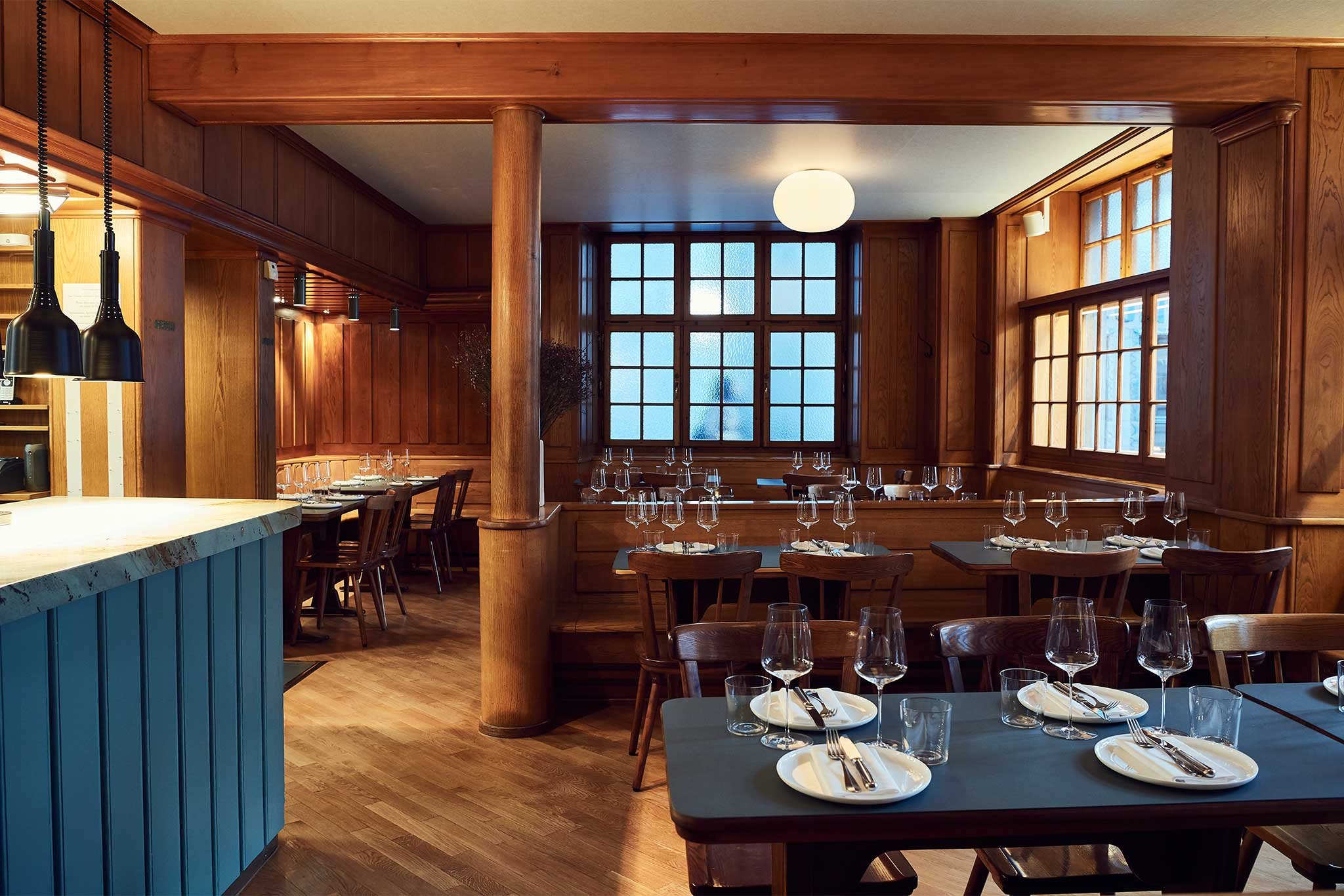
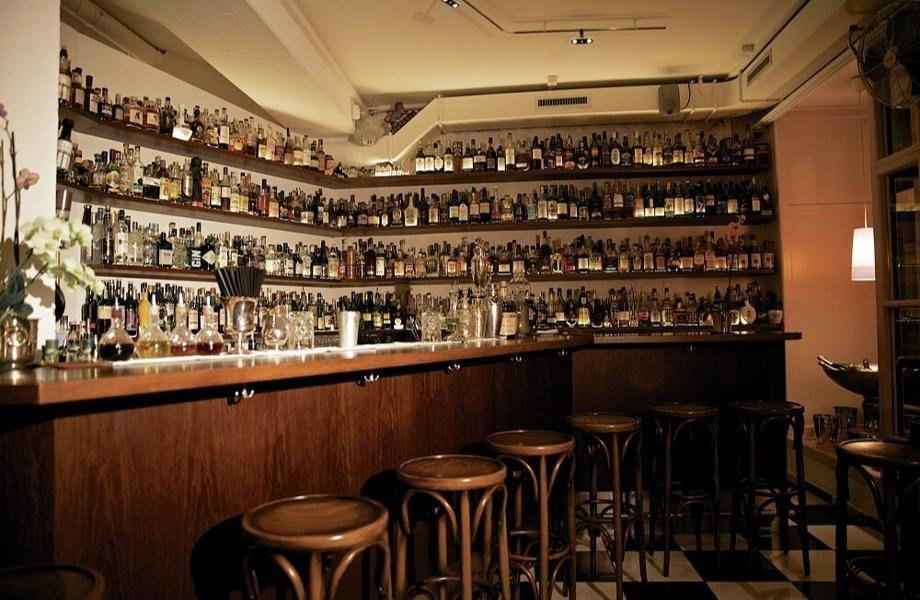
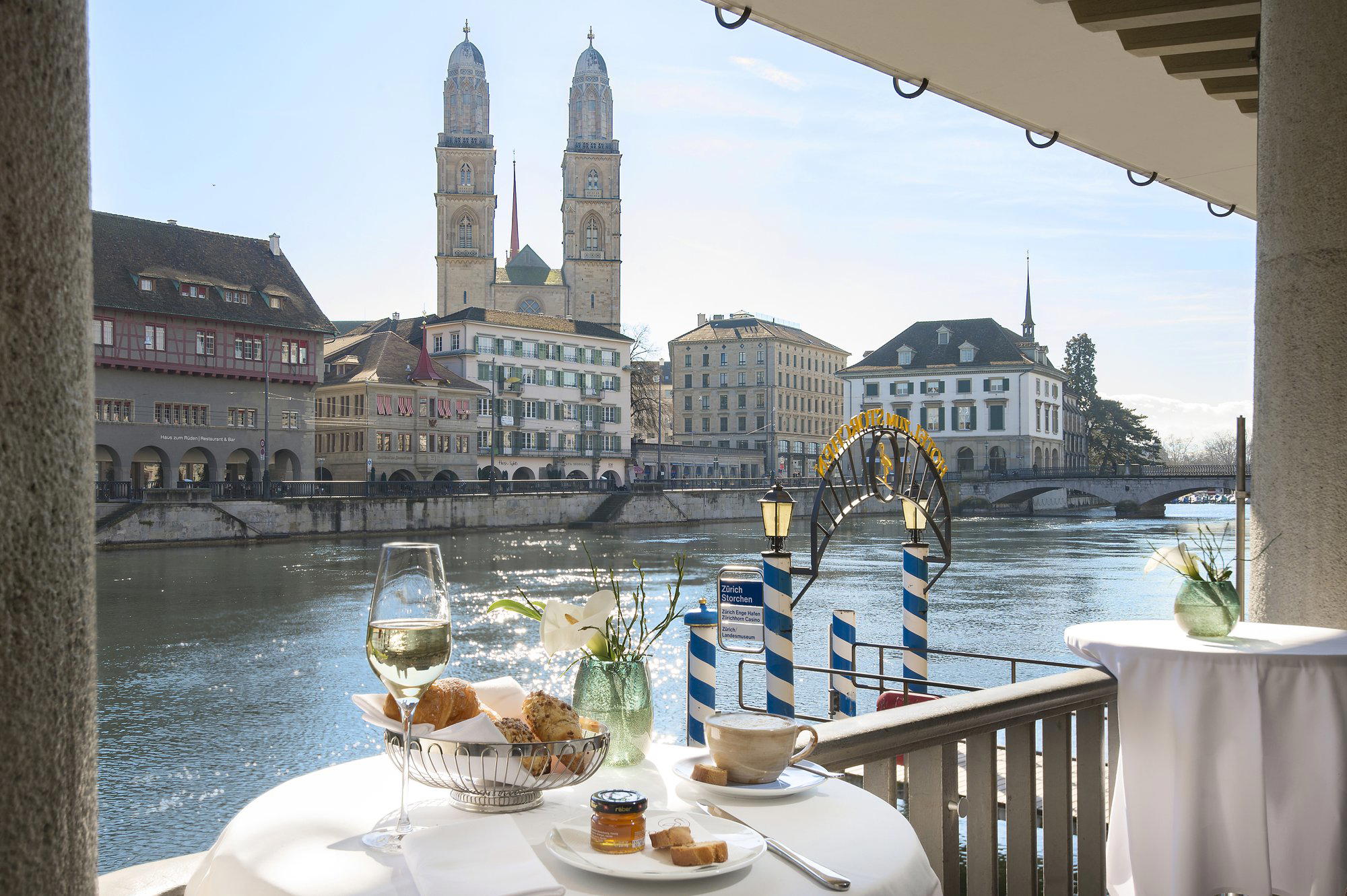
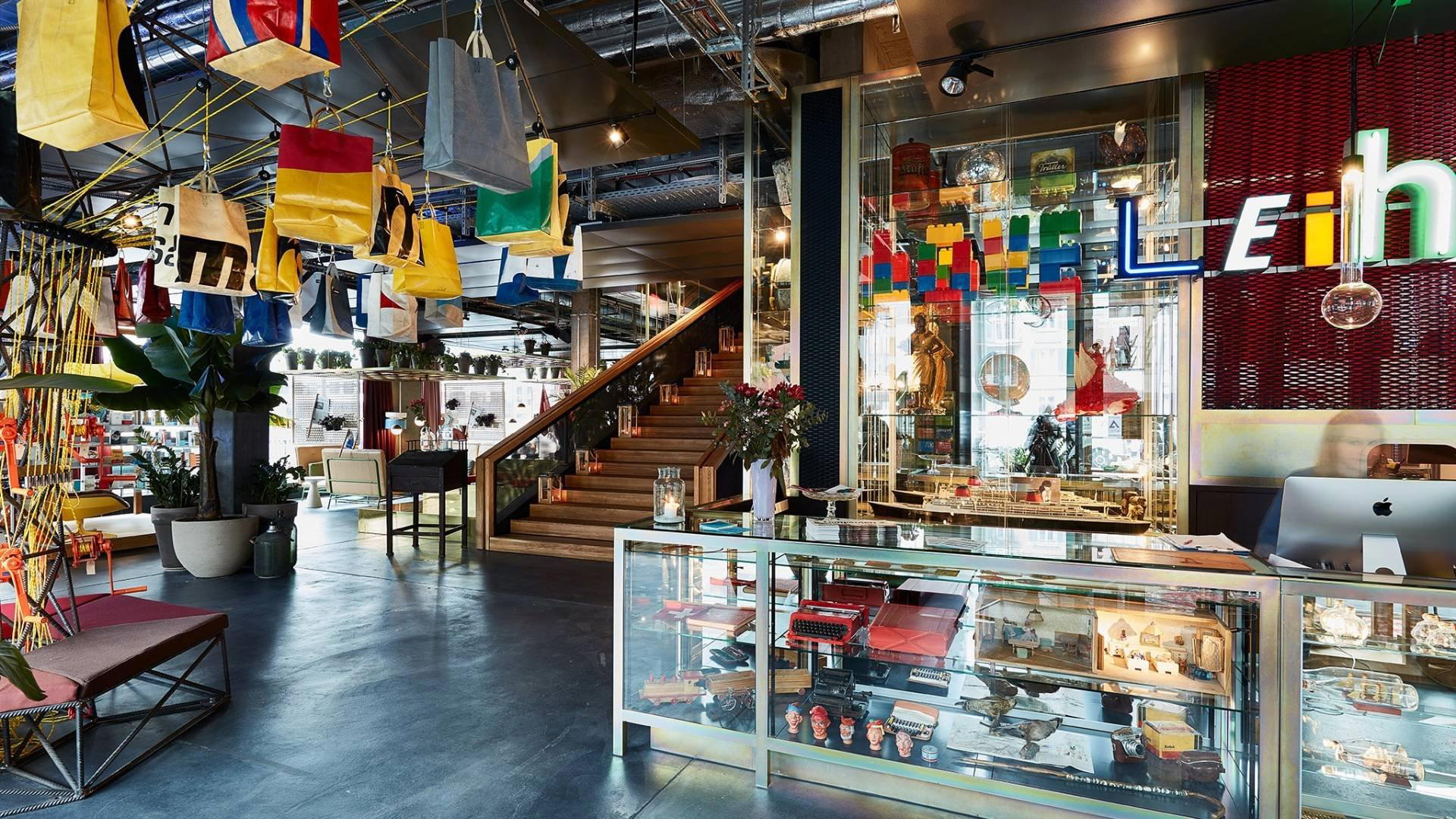
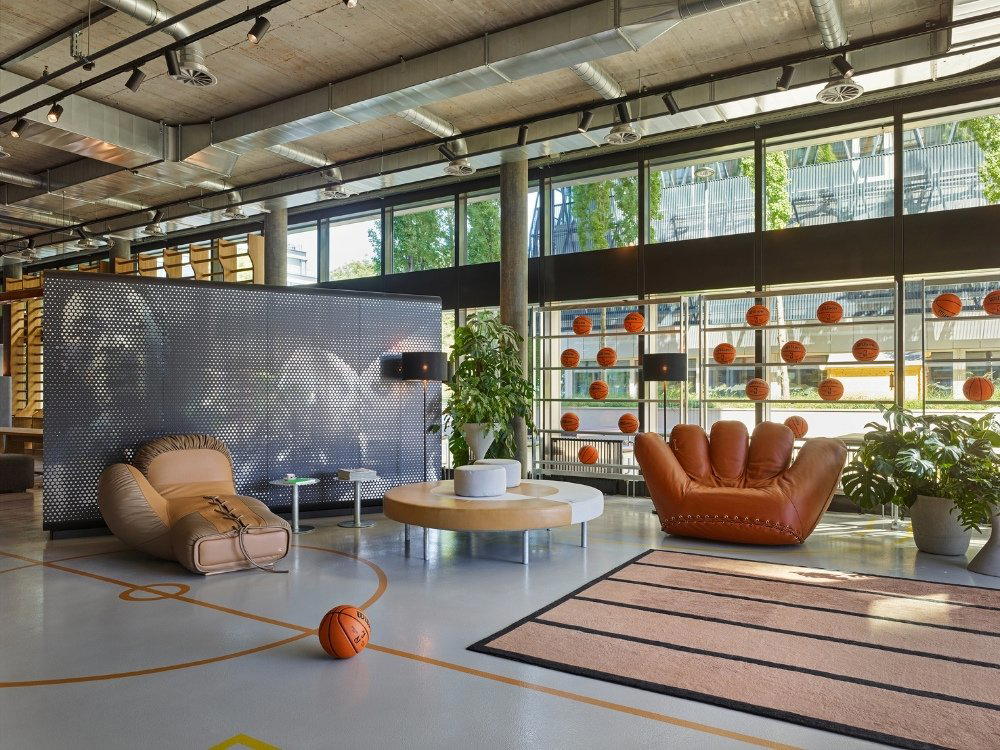
Josefstrasse sits in Zurich's District 5, a neighbourhood that has shifted from industrial fringe to one of the city's more contested dining corridors over the past decade. The street itself draws a loyal local crowd who return for the atmosphere and familiarity rather than occasion-dining theatrics. For visitors oriented toward neighbourhood character over ceremony, it offers a readable entry point into how Zurich eats when it isn't dressing up.

Pearl is the En Primeur Club membership app, where members save venues, book tables and use the concierge.

The menu
What to order
- Pizza a portafoglio
District 5 and the Street That Became a Scene
Josefstrasse runs through Zurich's fifth district, a stretch of the city that spent most of the twentieth century defined by warehouses, printing houses, and the working population that served them. The transformation since the early 2000s has been gradual rather than sudden, and the street retains enough of its original grain to resist the kind of wholesale gentrification that erases neighbourhood memory. What emerged instead is a dining and drinking corridor built around regulars: people who live in the district, work nearby, or return by habit rather than by occasion. That dynamic shapes everything about how Josefstrasse functions as a destination.
In Zurich's broader dining hierarchy, District 5 occupies a different register from the formal rooms around Bahnhofstrasse or the hotel-anchored fine dining that defines the city's Michelin tier. IGNIV Zürich by Andreas Caminada and The Restaurant represent the ceremony end of the spectrum. Josefstrasse sits at the other pole: lower ceremony, higher frequency. The clientele here are not tourists on a one-time splurge but residents building a relationship with a place over months and years.
What the Regulars Know
In most European cities with a strong neighbourhood dining culture, the regulars' advantage is invisible to the first-time visitor. They know which table catches the afternoon light. They know whether to arrive early on a Friday or whether the kitchen actually hits its stride by nine. They know the staff by name and have a working understanding of which dishes rotate and which stay. Josefstrasse, as a street address that has accumulated this kind of loyalty, encodes that knowledge in its atmosphere rather than its marketing.
The neighbourhood operates on a logic that differs from Zurich's destination dining tier. Places like The Counter or Eden Kitchen and Bar are built around considered occasions, tasting formats, or cuisine identities precise enough to justify a deliberate trip from across the city. The Josefstrasse corridor runs on different fuel: the assumption that you will be back, and that the kitchen and floor staff will remember you when you are. That compact between venue and regular is harder to manufacture than a tasting menu and, in many ways, more durable.
Switzerland's dining culture has historically leaned toward formality and precision, reflecting broader national tendencies. The Widder tradition of polished Swiss hospitality remains a real and respected mode. But there is a parallel current, especially in Zurich's denser residential districts, where informality is not a compromise but a deliberate register. Josefstrasse sits inside that current, in a part of the city where the dining proposition is closer to the French neighbourhood bistrot model than to Swiss formal dining.
The District's Position in the Swiss Fine Dining Map
Switzerland carries an unusually dense concentration of high-end dining for its size. The country holds multiple restaurants at the top of European recognition systems, from Hotel de Ville Crissier in the Lausanne orbit to Schloss Schauenstein in Graubünden. Further afield, Memories in Bad Ragaz, Cheval Blanc by Peter Knogl in Basel, and Maison Wenger in Le Noirmont represent the distributed geography of Swiss culinary ambition. The Einstein Gourmet in Sankt Gallen, Da Vittorio in St. Moritz, Mammertsberg in Freidorf, La Table du Valrose in Rougemont, and focus ATELIER in Vitznau fill out a map that rewards the traveller willing to move beyond Zurich's centre.
Josefstrasse is not competing in that register. Its relevance is neighbourhood-scaled and repeat-visit-driven. That is not a limitation so much as a different kind of value: the city's fine dining tier offers altitude, while the district offers depth of relationship. Both have a place in how a knowledgeable visitor assembles a week in Zurich.
Internationally, the neighbourhood-dining model that Josefstrasse represents has analogs in cities that have successfully exported informal dining culture. Le Bernardin in New York City and Lazy Bear in San Francisco occupy entirely different tiers, but they share the characteristic of building a loyal room that returns by choice rather than occasion. The mechanics differ dramatically, but the underlying social contract between kitchen and repeat guest is recognisable across formats.
How to Approach Josefstrasse as a Visitor
Arriving as a visitor on Josefstrasse requires adjusting the frame. This is not a street built for itinerary-ticking. The value compounds with familiarity, which is inherently harder to access on a first visit. The practical approach is to treat the first visit as reconnaissance: observe which tables are occupied by people who clearly know the staff, what they are drinking, and how the room shifts pace over the course of a sitting. That observation tends to yield more useful information than a menu read in isolation.
District 5 is accessible by tram from Zurich's central station, placing it within a short ride of the city's main transit hub. The neighbourhood is most active in the evening, and the dining rhythm leans later than the Swiss norm for less informal settings. Weekend lunches attract a different, more leisurely crowd than weekday evenings. For visitors building an itinerary around the city's dining scene, our full Zurich restaurants guide maps the broader range of options across price tiers and cuisine types.
Current contact details, hours, and booking arrangements for specific venues on Josefstrasse are best confirmed directly, as the street's offering shifts over time and individual establishments update their policies independently. The neighbourhood's character is stable enough to navigate on arrival, but reservation logistics for specific tables warrant a direct check before visiting.
Frequently asked questions
Where do I go for Josefstrasse?
Josefstrasse is located at 8005 Zürich, Switzerland, Zurich.
How does Josefstrasse compare to Zurich's more central dining districts?
Josefstrasse in Zurich's 8005 postal zone sits apart from the Bahnhofstrasse and Niederdorf circuits in both price register and atmosphere. Where those central areas draw heavily on expense-account and tourist traffic, District 5 operates on a more regular local clientele, which tends to keep menus grounded and pricing closer to the city's everyday rate. For visitors willing to move ten minutes from the main station, the trade-off generally favours value and authenticity over address prestige.
What's the best thing to order at Josefstrasse?
Josefstrasse is a street rather than a single venue, so the answer depends on which address you land at. The fifth district's dining corridor in Zurich runs from neighbourhood wine bars to more considered kitchen counters. Asking the staff what's moving that day is the most reliable strategy in a street where menus shift with the season and the supplier.
Should I book Josefstrasse in advance?
For the smaller, counter-format spots along the street in Zurich's District 5, reservations a few days ahead are sensible, particularly Thursday through Saturday. Walk-ins work more reliably at mid-week lunches and at the bar-facing seats many venues hold back. Checking directly with your chosen address is the only way to confirm current policy.
What's the standout thing about Josefstrasse?
The street's character comes from its industrial conversion history in Zurich's fifth district, where printing houses and warehouses became the structural bones of the current dining and nightlife scene. That physical context gives Josefstrasse a texture that the city's more polished quarters lack. It reads as a working neighbourhood that happens to eat and drink well, not a dining destination that has been built from scratch.
What if I have allergies at Josefstrasse?
Swiss restaurants in Zurich are legally required to flag major allergens, and the fifth district venues on Josefstrasse broadly follow that standard. Communicating dietary requirements at the point of booking, or directly with staff on arrival, is the practical approach. Smaller kitchens with shorter menus generally have more flexibility to adjust individual dishes than larger operations.
Cuisine and Awards Snapshot
A quick peer list to put this venue’s basics in context.
| Venue | Cuisine | Price | Awards | Notes |
|---|---|---|---|---|
| JosefstrasseThis venue (the venue you are viewing) | Neapolitan Pizza | Not listed | Not listed | Not listed |
| IGNIV Zürich by Andreas Caminada | Modern Swiss Fusion Sharing | $150–200 | 2 Michelin Stars · La Liste Top Restaurants | Sharing |
| KLE | Modern Vegan Fine Dining | $100–150 | 1 Michelin Star · We're Smart World Top 100 #87 | Vegan |
| Kronenhalle | Classic Swiss Fine Dining | $100–150 | Michelin Plate · World's 50 Best #32 | Swiss, Traditional Cuisine |
| The Counter | Modern Cosmopolitan Omakase with East Asian Influences | $300–500 | 2 Michelin Stars · La Liste Top Restaurants | Creative |
| Eden Kitchen & Bar | Mediterranean-Italian | $100–150 | 1 Michelin Star · Falstaff Bar - 94 Falstaff Points | Italian |
Continue exploring
More in Zürich
Restaurants in Zürich
All restaurants in Zürich →
Bars in Zürich
All bars in Zürich →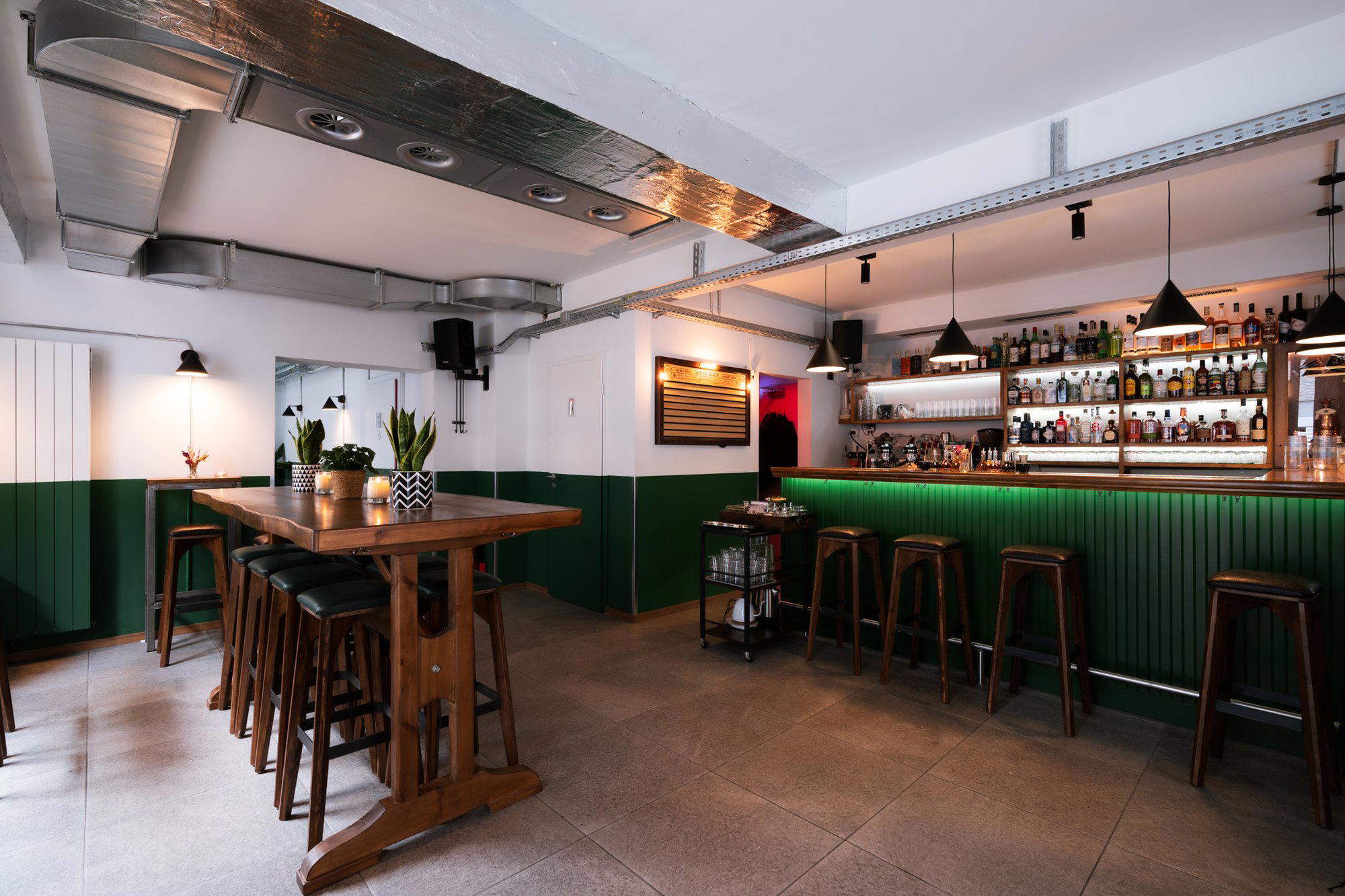

Details
- Lively
- Trendy
- Cozy
- Casual Hangout
- Late Night
- A La Carte
Current opening hours
- Monday
- 10:30 AM–2 PM, 5:30–11 PM
- Tuesday
- 10:30 AM–2 PM, 5:30–11 PM
- Wednesday
- 10:30 AM–2 PM, 5:30–11 PM
- Thursday
- 10:30 AM–2 PM, 5:30–11 PM
- Friday
- 10:30 AM–2 PM, 5:30–11 PM
- Saturday
- 5:30–11 PM
- Sunday
- 5:30–11 PM
Hours can change for holidays and private events. Hours as of .
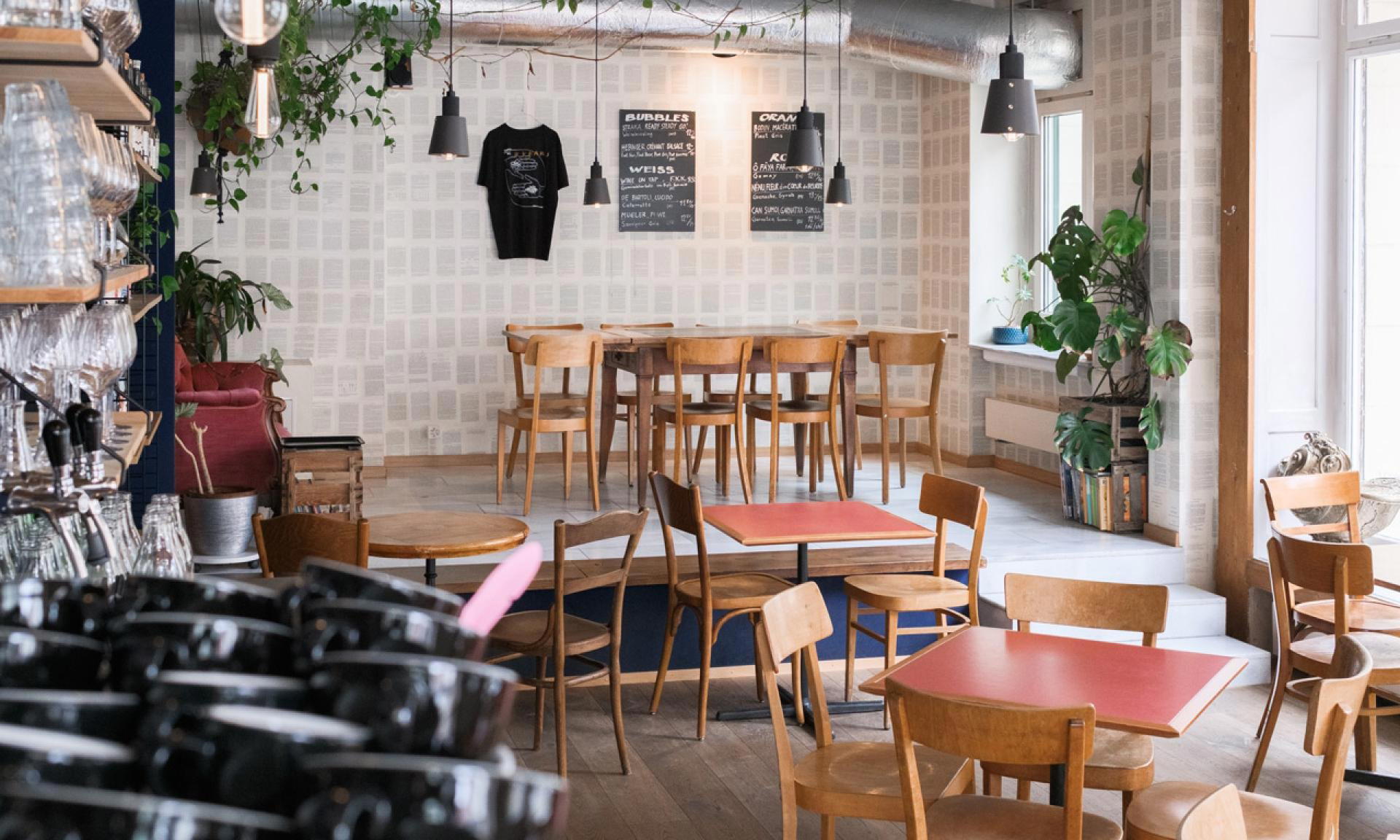
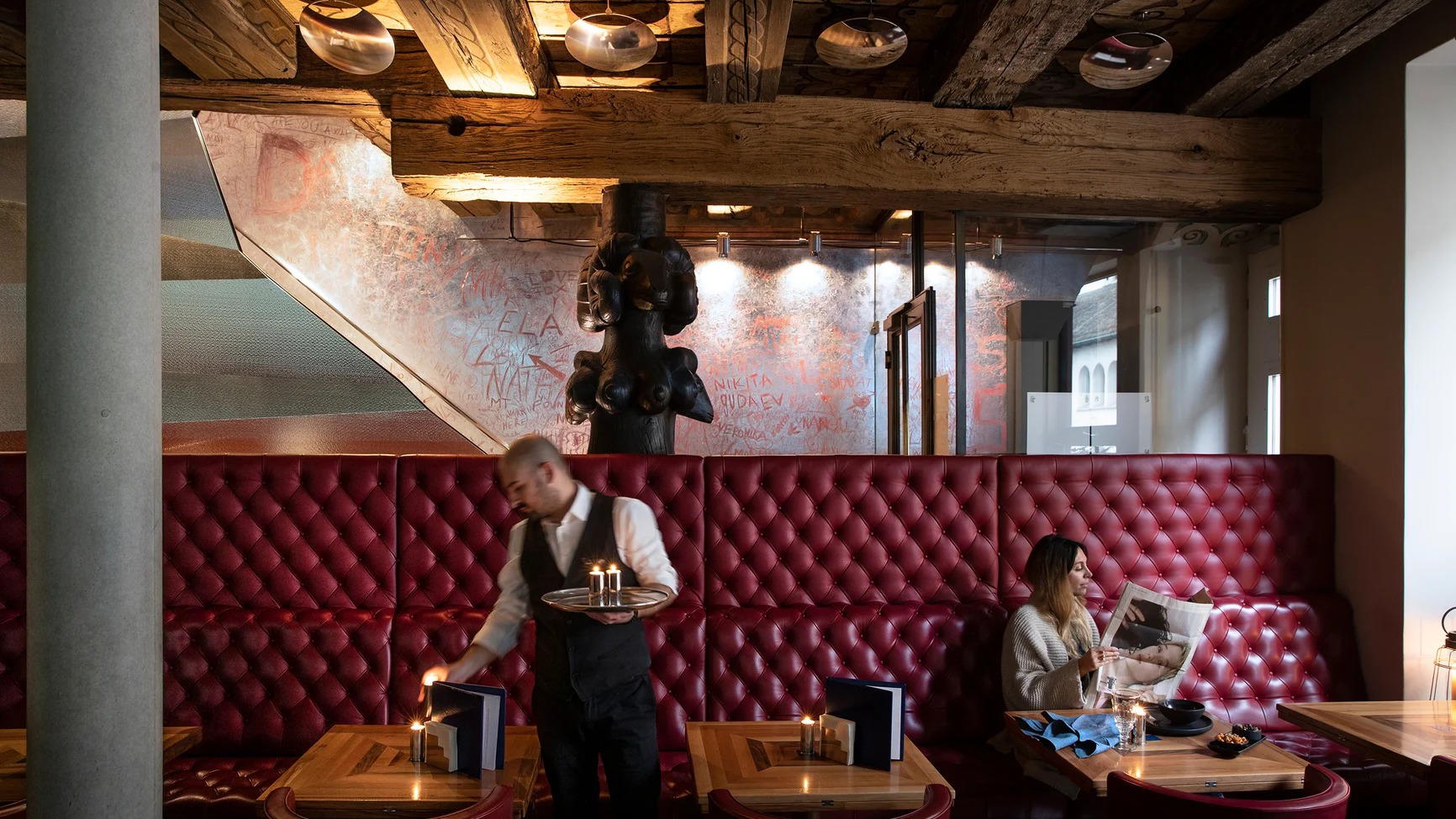
Clean, cozy atmosphere with a personal and creative vibe.