
Tabelog 100 #38
Our verdict
Dashi Men Mirai gives Gamagori a serious ramen address without the theatre of a destination tasting counter. Its Tabelog Ramen AICHI “Tabelog 100” 2025 selection and compact 14-seat format place it in the small-shop ramen tier where broth clarity, sourcing discipline, and timing matter more than luxury cues.

Pearl is the En Primeur Club membership app, where members save venues, book tables and use the concierge.
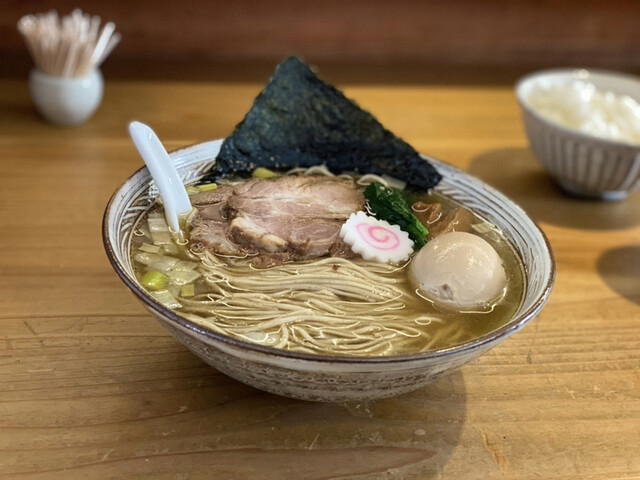
Approach in Gamagori and the signal is modest: a ramen shop rather than a polished restaurant stage. In Japan, serious noodle cooking often lives in practical, focused settings, with the service rhythm doing much of the work. Dashi Men Mirai fits that specialist register, keeping the focus closer to a purpose-built noodle kitchen than a casual chain stop.
Gamagori is better known to many travellers for its bay, hot-spring hotels, and coastal leisure economy than for a dense dining circuit. A ramen shop selected for Tabelog Hyakumeiten in 2025 is therefore more useful than a standard sightseeing meal: a clear, low-cost food anchor. The broader Gamagori dining map runs from resort spending at Choyuro Ragūna beikōto kurabu hoteru&su pa rizōto to everyday noodle and set-meal addresses; this shop sits in the latter camp, where repeat local demand matters more than room design.
Broth-first ramen in a city built around short, practical meals
The editorial point is not rarity for its own sake. Ramen credibility in regional Japan comes from consistency: soup, noodles, seasoning, service rhythm, and delivery under lunch pressure. The name points to dashi, the right frame for the shop. In Japanese noodle culture, stock is not background liquid; it defines the bowl before toppings enter. A broth-led ramen stop asks diners to notice extraction, salinity, fat, and noodle compatibility rather than decoration.
Regional ramen ranges from big-city competition to smaller-city shops that draw serious diners without becoming formal restaurants. Selection for Tabelog Hyakumeiten in 2025 places Dashi Men Mirai in a recognized bracket, with a public Tabelog score of 3.71. For travellers, the reading is simple: not a luxury detour, but a specialist ramen stop with public recognition in a category where small differences in stock and noodle handling define the meal.
The sourcing angle is practical. Dashi-led ramen depends on ingredient quality and balance often invisible on the plate. Without naming unlisted components, the broader tradition explains why a ramen venue can carry more culinary weight than its price tier suggests. Entry cost may be low, but the technical burden is high because the bowl has few places to hide mistakes.
Focused-shop discipline rather than destination-restaurant theatre
The format shapes the meal. Ramen is generally assembled to be eaten immediately, and pace is part of the craft, not a compromise. The appeal is direct rather than theatrical, with the bowl carrying the experience more than décor or ceremony.
Gamagori’s hotel and leisure market can pull visitors toward waterfront properties and higher-spend meals, but ramen follows different logic. The comparison with other Gamagori dining options shows the city’s range: resort dining, local counters, casual specialists, and day-trip meals do different jobs. Travellers can also map the stop against hotels, bars, wineries, and experiences in Gamagori without pretending this ramen shop belongs to the same spending category as a resort dinner.
Within the comparison venues provided, the spread is instructive. Choyuro Ragūna beikōto kurabu hoteru&su pa rizōto sits in a far higher spend band, while Shogetsu, Pizzeria Ocean, Sanshu Teuchi Udon Garyu, and Sushi Bito Mitoku show regional dining ranging from everyday meals to more formal occasions. Dashi Men Mirai’s value is occupying the low-cost specialist lane with award-list recognition, not behaving like a formal counter.
How to fold it into a serious Japan food itinerary
For itineraries built around everyday Japanese food rather than only tasting menus, this stop adds texture. It pairs naturally with coastal sightseeing and hotel stays where one meal can be precise and casual, not ceremonious. Keep the planning simple: treat it as a ramen stop in Gamagori, and verify current access, payment, and service details through the venue’s latest public information before going.
The practical rhythm is that of a ramen shop. Diners should expect a focused meal rather than a long reservation-led session, and the best experience is usually tied to the kitchen’s pace. Solo diners, couples, and small groups can all read it as a short, purposeful stop where the value is concentrated in the bowl.
For broader Japanese food context, the internal contrasts help without needing a long roll call of unrelated addresses. Beef specialists, charcoal-led kitchens, cafés, bars, and other regional casual formats all show that everyday dining in Japan is not one category. It is a set of formats with different expectations around speed, sourcing, technique, and spend.
Ramen also benefits from comparison with other single-specialty venues in general terms. Curry shops, udon counters, pizza specialists, sushi rooms, hamburger stands, sake bars, and onigiri shops can all carry serious culinary identity when the core product is disciplined. Dashi Men Mirai belongs in that conversation as a Gamagori ramen stop where value sits in broth focus, practical service, and Tabelog Hyakumeiten recognition.
Frequently asked questions
Is Dashi Men Mirai child-friendly?
Publicly provided details for Dashi Men Mirai identify it as a ramen venue in Gamagori, but child-specific service policies should be checked through the venue's official channels for the latest details.
What's the overall feel of Dashi Men Mirai?
It reads as a practical ramen venue rather than a formal dining room, with the focus on a straightforward bowl and a specialist noodle-shop rhythm in Gamagori.
How much does it cost to eat at Dashi Men Mirai?
Pricing at Dashi Men Mirai is listed as - JPY 999 - JPY 999, with both dinner and lunch budget shown as - JPY 999.
What time does Dashi Men Mirai open and close?
Opening hours can change, so confirm Dashi Men Mirai's current schedule through the venue's latest public information before visiting.
What part of town is Dashi Men Mirai in?
Gamagori.
What has Dashi Men Mirai built its reputation on?
Its credibility comes from ramen rather than scale: it is listed with Tabelog Hyakumeiten recognition for 2025, a Tabelog score of 3.71, and a low listed budget.
How It Stacks Up
Comparable venues by cuisine and price in the same metro.
| Venue | Cuisine | Price | Awards | Notes |
|---|---|---|---|---|
| Dashi Men MiraiThis venue (the venue you are viewing) | Japanese Ramen | Not listed | Tabelog 100 #38 | Not listed |
| Choyuro Ragūna beikōto kurabu hoteru&su pa rizōto | Upscale Chinese / Sichuan in a luxury resort hotel | $50–100 | Tabelog 100 #75 | Gamagori |
| ラーメン チョンマゲ 大阪天六店 | Japanese Ramen | $10–20 | Not listed | Tenjinbashi |
| Koja Sobaya (古謝そば屋) | Authentic Miyako Soba | $1–10 | Not listed | Hirara, Miyakojima City |
| Drive-in Ippei (ドライブイン一平) | Japanese Curry & Tonkatsu Diner | Not listed | Not listed | 小城市 |
| Tonjinchi Ramen | Himi niboshi ramen & casual dining bar | $1–10 | Tabelog 100 #52 | Himi |
Recognition history
Dated appearances from independent guides and award organizations, with the underlying list record or original source where available.
Tabelog 100 #38 · No. 38
Tabelog · Tabelog 100 - Ramen - AICHI - 2025
Continue exploring
More in Gamagori
Restaurants in Gamagori
All restaurants in Gamagori →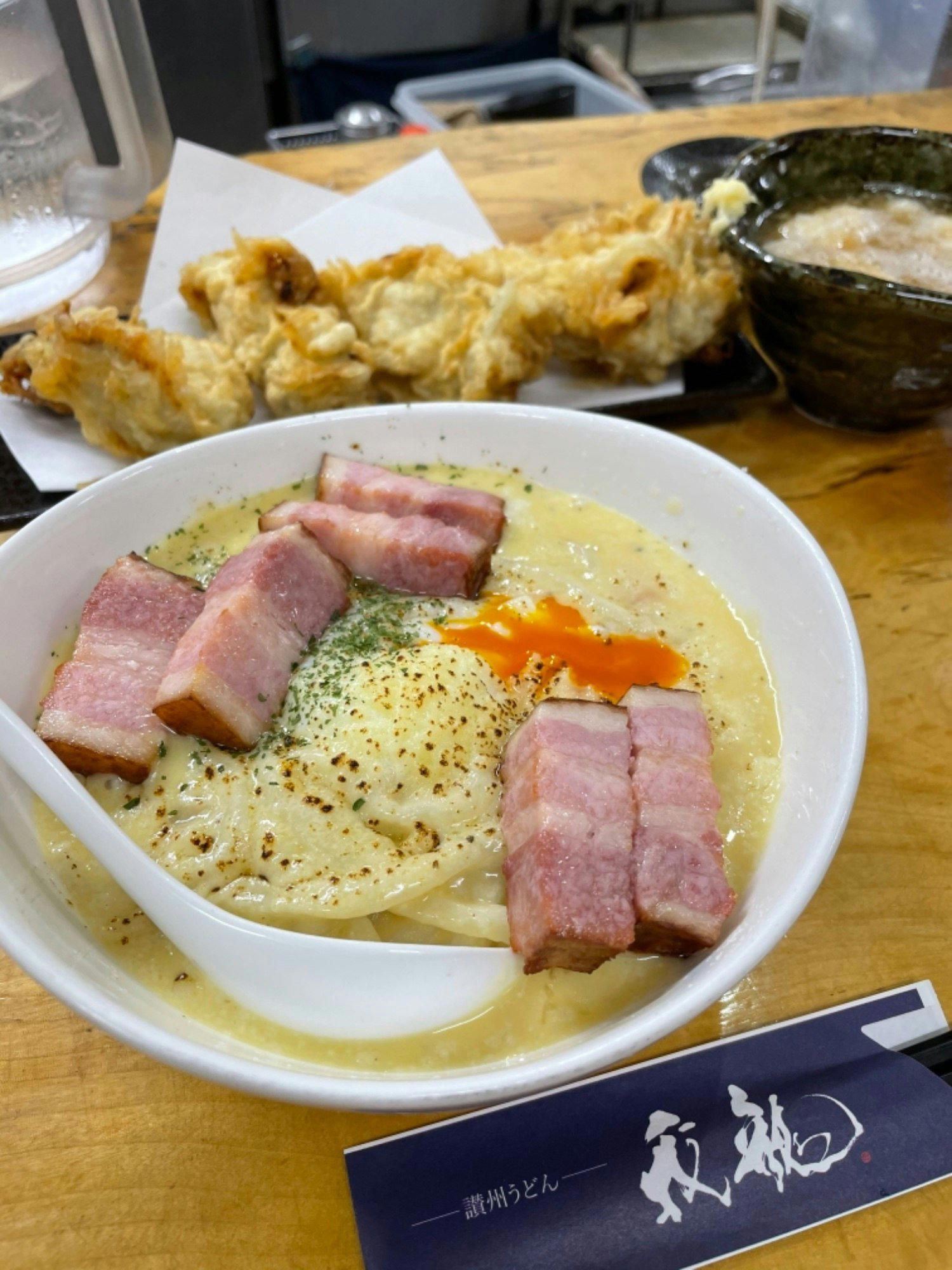




Details
- Cozy
- Classic
- Solo
- Casual Hangout
- Standalone
- A La Carte
Current opening hours
- Monday
- 11 AM–2 PM
- Tuesday
- 11 AM–2 PM
- Wednesday
- Closed
- Thursday
- 11 AM–2 PM, 5–8 PM
- Friday
- 11 AM–2 PM, 5–8 PM
- Saturday
- 11 AM–2 PM, 5–8 PM
- Sunday
- 11 AM–2 PM, 5–8 PM
Hours can change for holidays and private events. Hours as of .
Simple, no-frills ramen shop atmosphere with a local neighborhood feel.