Our verdict
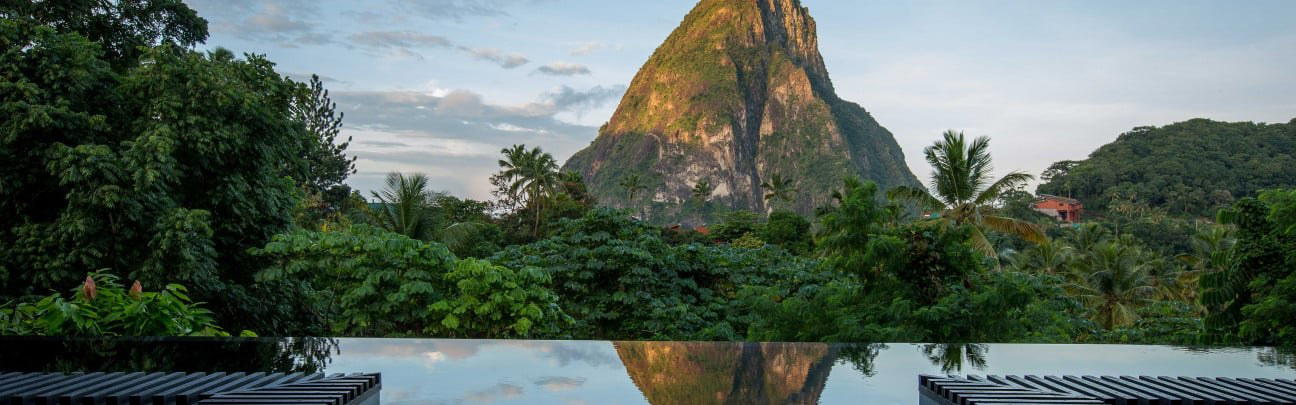
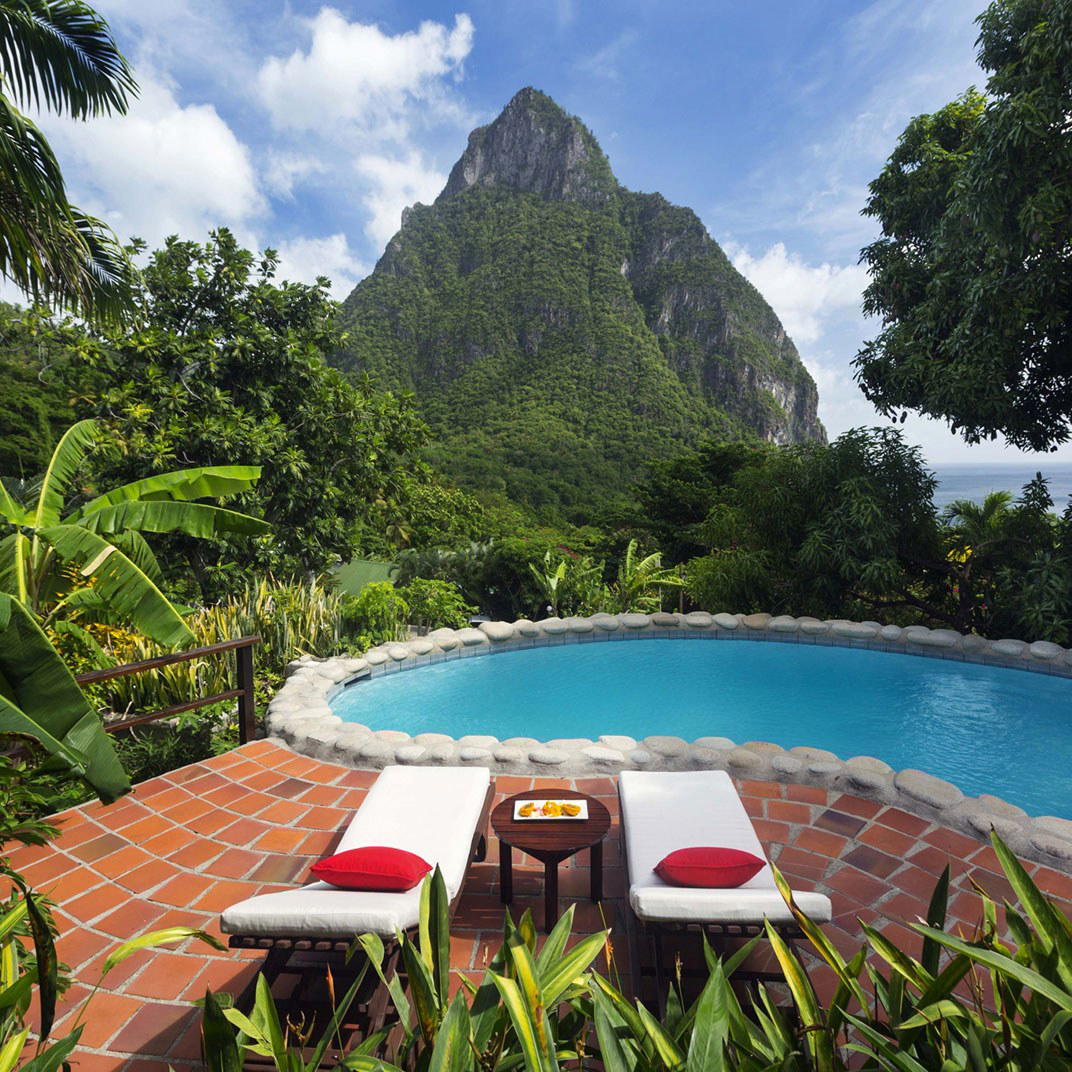
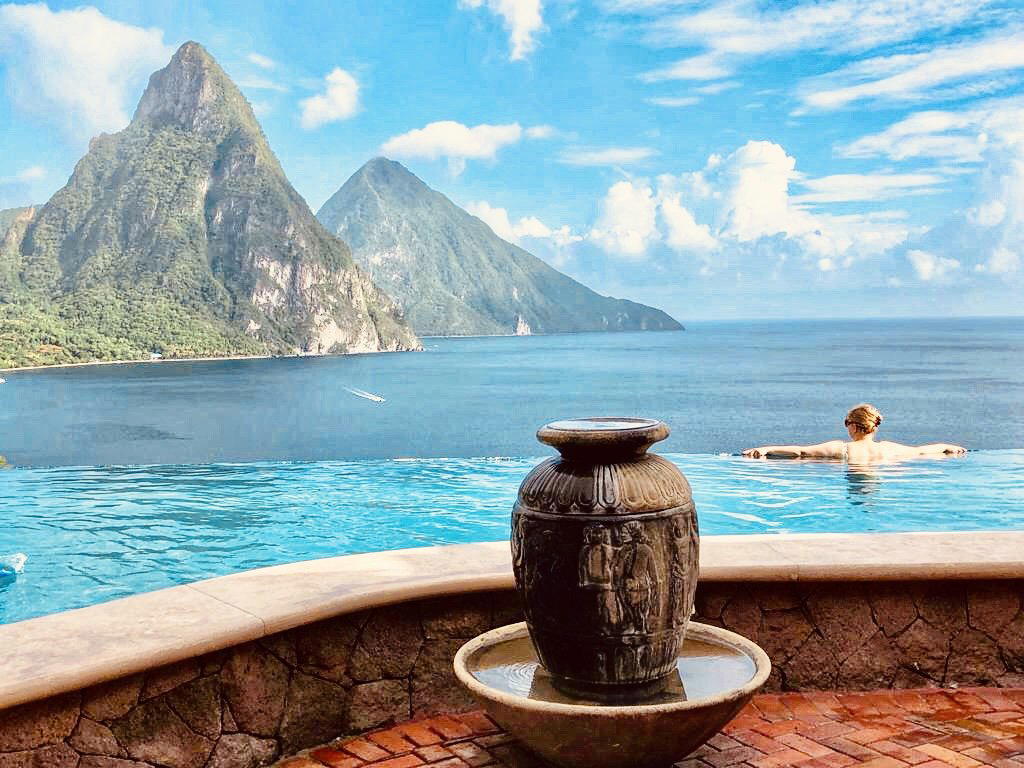
Dasheene sits in Soufriere, the town that presses closest to St Lucia's volcanic interior, and its cooking draws directly from the island's Creole traditions and market produce. The setting, framed by the Piton peaks, places it among the more scenically serious dining rooms in the eastern Caribbean. For visitors moving through St Lucia's south, it represents the clearest expression of the island's food culture in a full-service format.

Pearl is the En Primeur Club membership app, where members save venues, book tables and use the concierge.
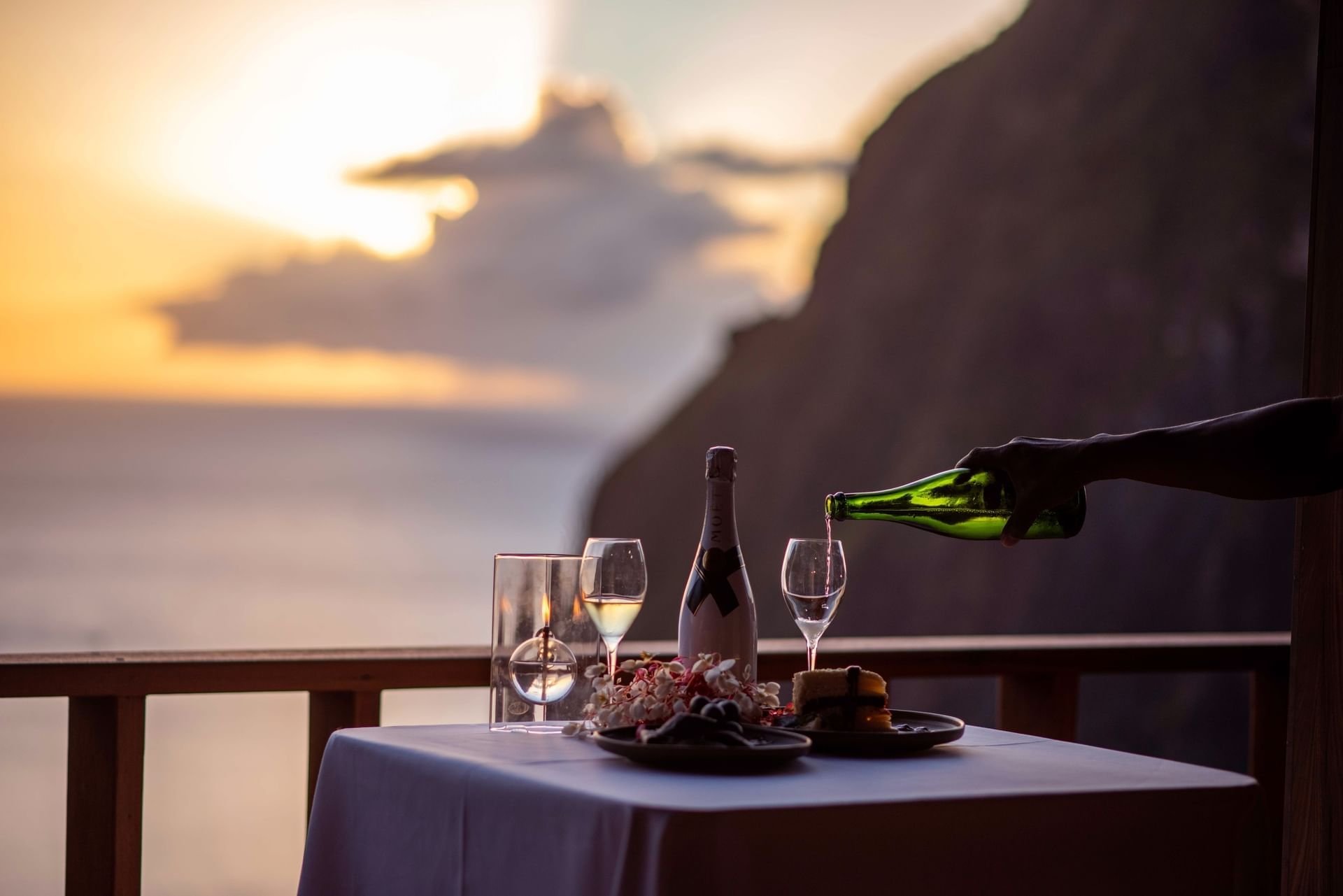
The menu
What to order
- Shrimp Dasheene
- Old Fashioned Pepper Pot
- Plantain Gratin
Dining Under the Pitons: What Soufriere Demands of Its Restaurants
There are few dining settings in the eastern Caribbean as geographically loaded as Soufriere. The town sits at the foot of the Gros Piton and Petit Piton, twin volcanic spires that appear on St Lucia's flag and define its southern identity in ways that the more developed northern coast, around Rodney Bay and Cap Estate, never quite matches. Restaurants operating in this zone carry a different weight of context: the landscape is a UNESCO World Heritage Site, the local fishing and farming culture runs deep, and visitors who make the effort to reach Soufriere tend to arrive with higher expectations of authenticity than those who stay closer to the airport. Dasheene, positioned within this geography, belongs to a category of dining rooms where the view is not decoration but argument, a case that the food served here connects to something particular about this specific island, this specific soil, this specific sea.
That argument matters because Caribbean dining has spent decades navigating a tension between international resort cooking and genuinely rooted local cuisine. The resort model, dominant across the region, typically imports technique and ingredient hierarchies from European and American kitchens, using local produce as garnish rather than foundation. The alternative model, practiced at places like Martha's Tables in Soufriere and SMO Wellness, roots the menu in what the island actually grows, catches, and has cooked for generations. Dasheene operates at the intersection of these two modes: a full-service setting with the physical infrastructure of a hotel dining room, but a culinary orientation that takes St Lucian Creole cooking seriously as a tradition worth representing at table, not just referencing in name.
St Lucian Creole: The Tradition That Frames the Menu
To understand what Dasheene is doing, it helps to understand what St Lucian Creole cooking actually is. It is not, as some resort menus imply, simply a matter of adding scotch bonnet to a French beurre blanc. St Lucia's food culture reflects a layered colonial history, French and British both left administrative marks, and West African culinary traditions arrived through the slave trade and stayed, becoming the backbone of daily cooking in ways that European influences never fully displaced. The result is a cuisine built around provisions: dasheen (taro), breadfruit, green banana, christophine, plantain. Around fish handled with the confidence of a fishing community: saltfish, jackfish, red snapper, sea urchin where available. Around spice blends and slow-cooked stews that carry more relationship to the African diaspora's cooking than to anything European.
This tradition sits in a different peer group from the polished Caribbean fusion cooking found further north in St Lucia, at places like Cap Maison Resort and Spa in Cap Estate or The Cliff at Cap in Gros Islet, where French technique and premium imported protein play larger roles. It also sits apart from the highly technical tasting-menu format practiced at internationally recognized rooms like Atomix in New York City or Atelier Moessmer Norbert Niederkofler in Brunico. Dasheene's relevant comparison set is regional: kitchens in the southern Caribbean that treat Creole cooking as a serious culinary language, not a marketing category.
The Setting and What It Asks of a Diner
Soufriere rewards those who travel to it. The drive from Castries, along the west coast road that switchbacks above sea cliffs before dropping into the town, or the water taxi from the northern resorts, takes time and intention. Visitors who reach Dasheene have generally already committed to engaging with this part of the island rather than remaining in the sanitized comfort of the resort corridor. That self-selection matters for what a restaurant can attempt: a room full of people who chose to come this far is a different audience from a captive hotel dining room in a mass-market resort zone.
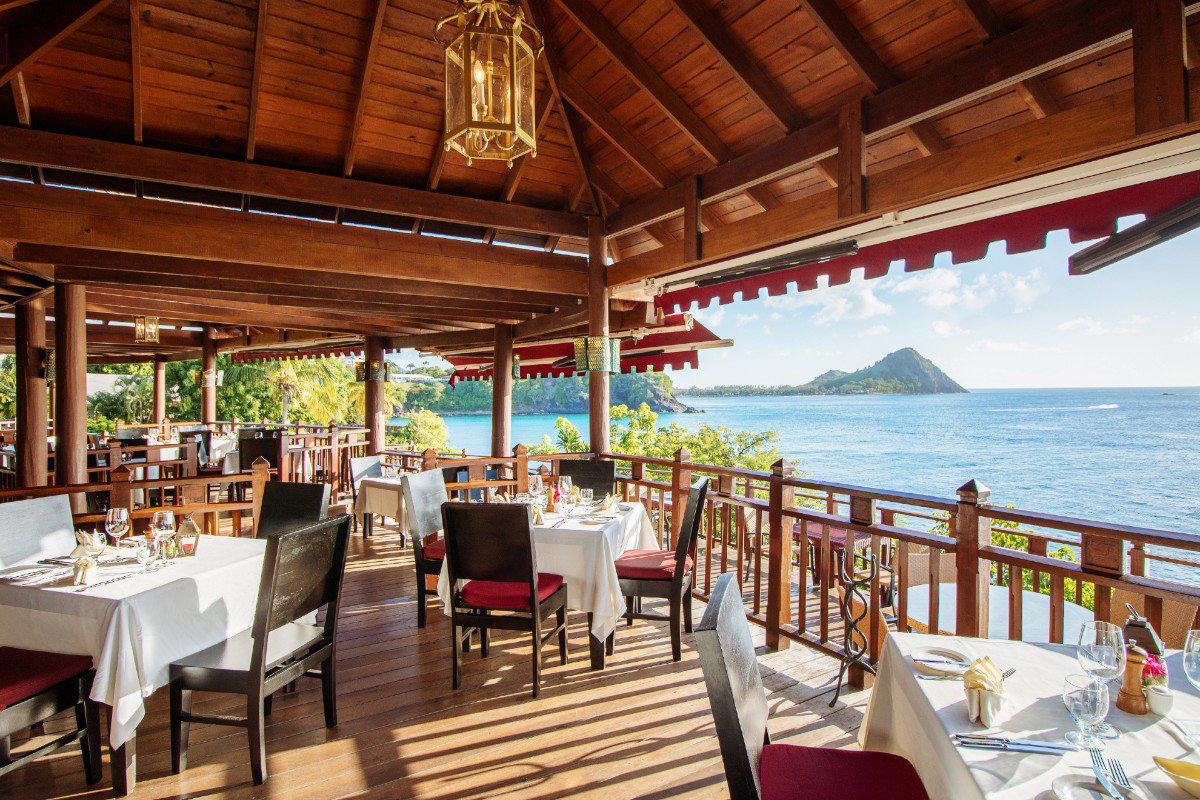
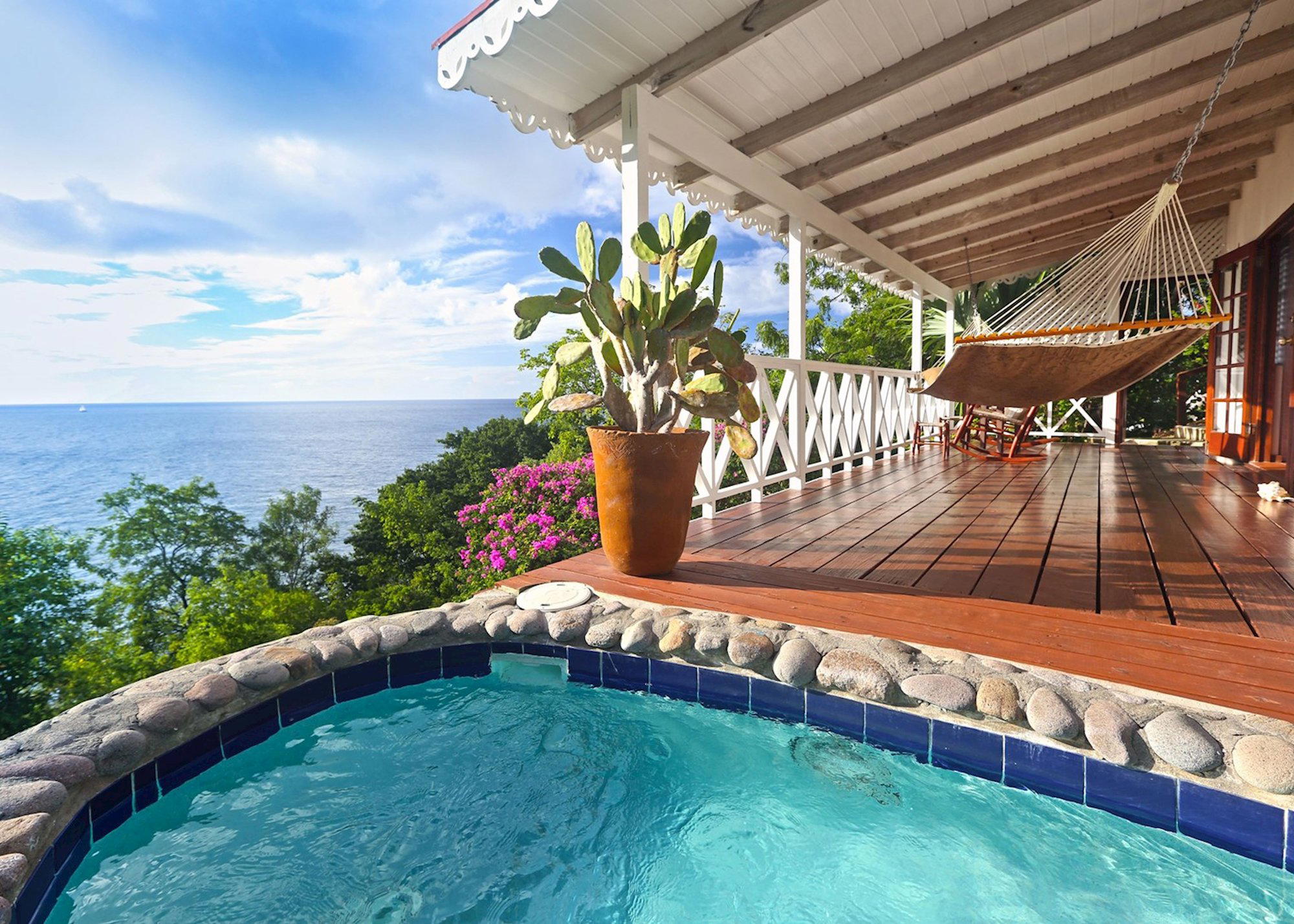
The physical setting, framed by the Pitons and oriented toward the Caribbean Sea, places Dasheene in a specific atmospheric tier. Dining in direct view of a UNESCO World Heritage Site is not a common credential in Caribbean hospitality, and the orientation of the space exploits it. This is the kind of setting that shifts the register of a meal regardless of what arrives on the plate, and Dasheene is aware of that dynamic in how it positions itself within Soufriere's dining options. For context on the wider town's food culture, our full Soufriere restaurants guide maps the range from casual local cooking to full-service dining rooms.
Where Dasheene Sits in the St Lucia Dining Conversation
St Lucia's dining scene has developed unevenly across the island. The north, around Gros Islet and Rodney Bay, holds the highest density of established full-service restaurants: Jambe de Bois in Rodney Bay and The Coal Pot Restaurant in Castries both carry long track records in that corridor. The south, by contrast, is less saturated, which concentrates the pressure on individual venues to carry the culinary identity of the area. Dasheene operates in a context where there is not much redundancy: if a visitor to Soufriere wants a full-service Creole-rooted dinner in a considered setting, the options narrow quickly.
That position is both an advantage and a responsibility. It means Dasheene does not compete on volume or accessibility in the way that a restaurant in a denser dining district would. It competes on the coherence of its offer: does the food actually connect to the place, or does the Piton view do all the editorial work? The leading dining rooms in the Caribbean region that take this question seriously tend to show their answer through sourcing discipline and menu vocabulary, not through decor or marketing language. Other Caribbean kitchens that have resolved this tension credibly include Orlando's Restaurant and Bar, which operates within a comparable southern St Lucia framework.
For those building a wider St Lucia itinerary that extends beyond Soufriere, the island's north offers additional reference points: Flavours of the Grill in Bois D'Orange Gros Islet and Big Yard in Palmiste represent the island's more casual grilling tradition, while Hardest Hard Restaurant and Bar in Charlotte and Martha's Tables in Belle Vue occupy different positions in the local dining ecosystem. Internationally, diners accustomed to rooms where place and produce drive the editorial direction, whether at Lazy Bear in San Francisco, Emeril's in New Orleans, Le Bernardin in New York City, or Dal Pescatore in Runate, will find Dasheene's orientation legible, even if the format and price tier differ considerably.
Planning Your Visit
Soufriere is most practically reached from the north of St Lucia by water taxi, which cuts the journey to roughly 45 minutes and arrives with the Pitons in full view. The drive south from Castries takes approximately 90 minutes depending on road conditions. Given Dasheene's position within a hotel property, reservations made directly through the resort's contact channels are advisable, particularly during the December to April peak season when the southern coast sees its heaviest visitor concentration. Evening is the preferred timing for most visitors, when the light on the Pitons shifts from afternoon gold to dusk, and the ambient temperature on the open terrace drops to something comfortable. Dress tends toward smart casual, consistent with the tone of hotel dining rooms across the Caribbean at this positioning level.
Frequently asked questions
Is Dasheene worth the trip from Castries or Rodney Bay?
Soufriere sits roughly 45 minutes from northern St Lucia by water taxi, which is the most practical route and arrives with the Pitons directly in view. For visitors based in the north, Dasheene represents a purposeful excursion rather than a casual dinner, the journey south is part of the calculation. The restaurant's placement within the Creole dining tradition of Soufriere, rather than the tourist-facing north coast, makes it relevant to anyone trying to understand St Lucian food on its own terms.
What should I eat at Dasheene?
The menu at Dasheene is grounded in St Lucian Creole cooking, a tradition that draws on French, African, and indigenous Carib influences rather than the generic resort fare common across the island. Dishes typically anchor around local produce, fresh catch from Caribbean waters, and seasoning traditions specific to the south of St Lucia. For context on what to prioritise, cross-reference current menus directly with the property, as offerings shift with season and sourcing.
What's the best way to book Dasheene?
Dasheene is located in Soufriere, a town most efficiently reached from northern St Lucia by water taxi rather than road. Given the setting and the draw of dining with the Pitons as backdrop, reservations are advisable, particularly during peak Caribbean season between December and April. Contact the hosting property directly for current availability and booking procedures.
What is Dasheene known for?
Dasheene is known primarily for its position in Soufriere, with the Gros Piton and Petit Piton rising directly behind the dining terrace, a geographical context that few Caribbean restaurants can match. The menu works within the St Lucian Creole tradition, which positions it differently from the more internationally oriented dining concentrated around Rodney Bay and Gros Islet in the north of the island. The combination of setting and local culinary framing is what draws visitors making the journey south.
Budget and Context
| Venue | Cuisine | Price | Awards | Notes |
|---|---|---|---|---|
| DasheeneThis venue (the venue you are viewing) | Modern Caribbean Farm-to-Table | $50–100 | Not listed | Not listed |
| Cap Maison Resort & Spa | French-Caribbean Fusion | $100–150 | Relais Chateaux Award | Caribbean Fusion |
| The Cliff at Cap | French-Caribbean Fusion | $100–150 | Relais Chateaux Award · Wine Spectator Best of Award of Excellence | Caribbean Fusion |
| Martha's Tables | St. Lucian Creole | $20–30 | Not listed | Not listed |
| Big Yard | St. Lucian Caribbean BBQ | $10–20 | Not listed | Not listed |
Continue exploring
More in Soufriere
Restaurants in Soufriere
All restaurants in Soufriere →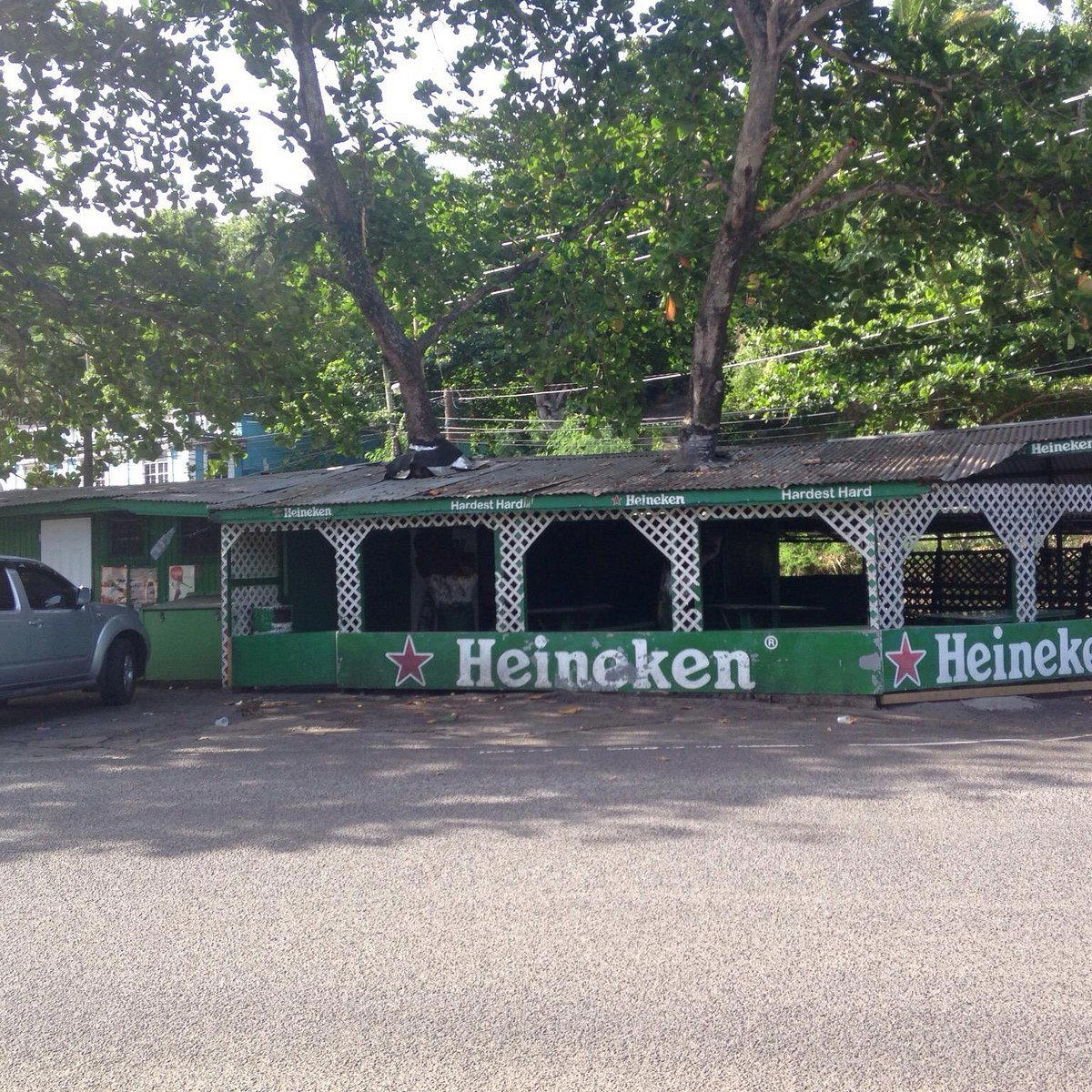
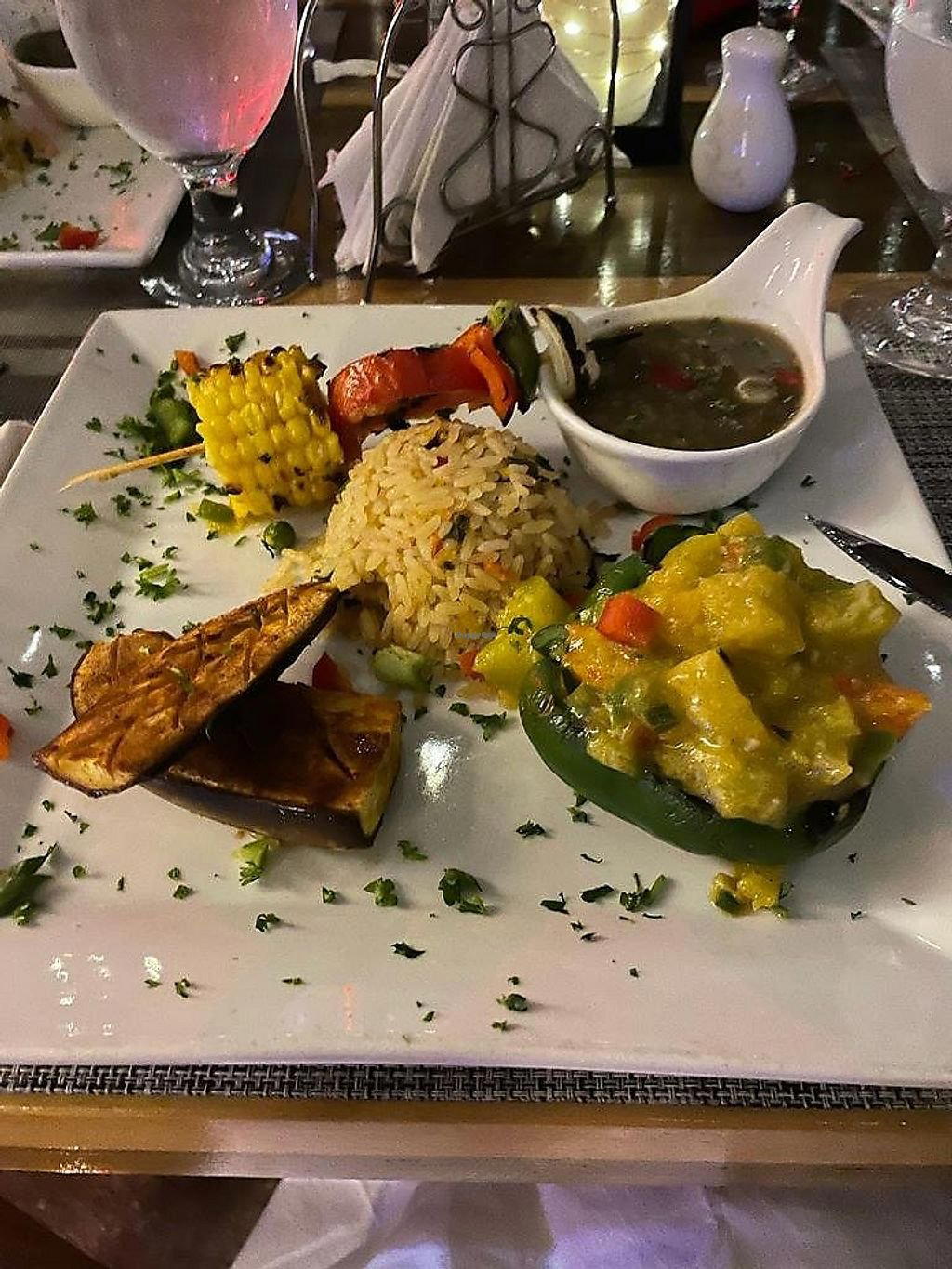
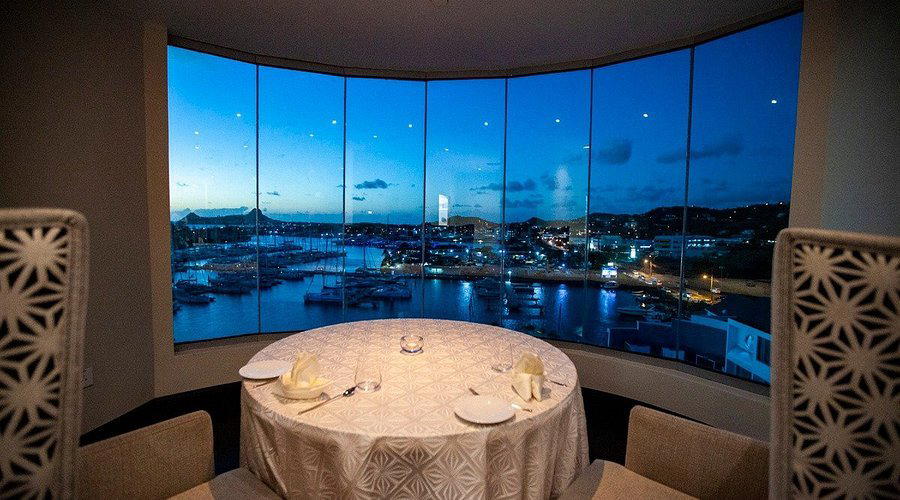
Bars in Soufriere
Browse all →
Details
- Romantic
- Scenic
- Elegant
- Sophisticated
- Date Night
- Special Occasion
- Celebration
- Waterfront
- Panoramic View
- Live Music
- Hotel Restaurant
- Terrace
- Craft Cocktails
- Farm To Table
- Local Sourcing
- Mountain
- Waterfront
- A La Carte
- Vegetarian Friendly
- Vegan Options
- Gluten Free Options
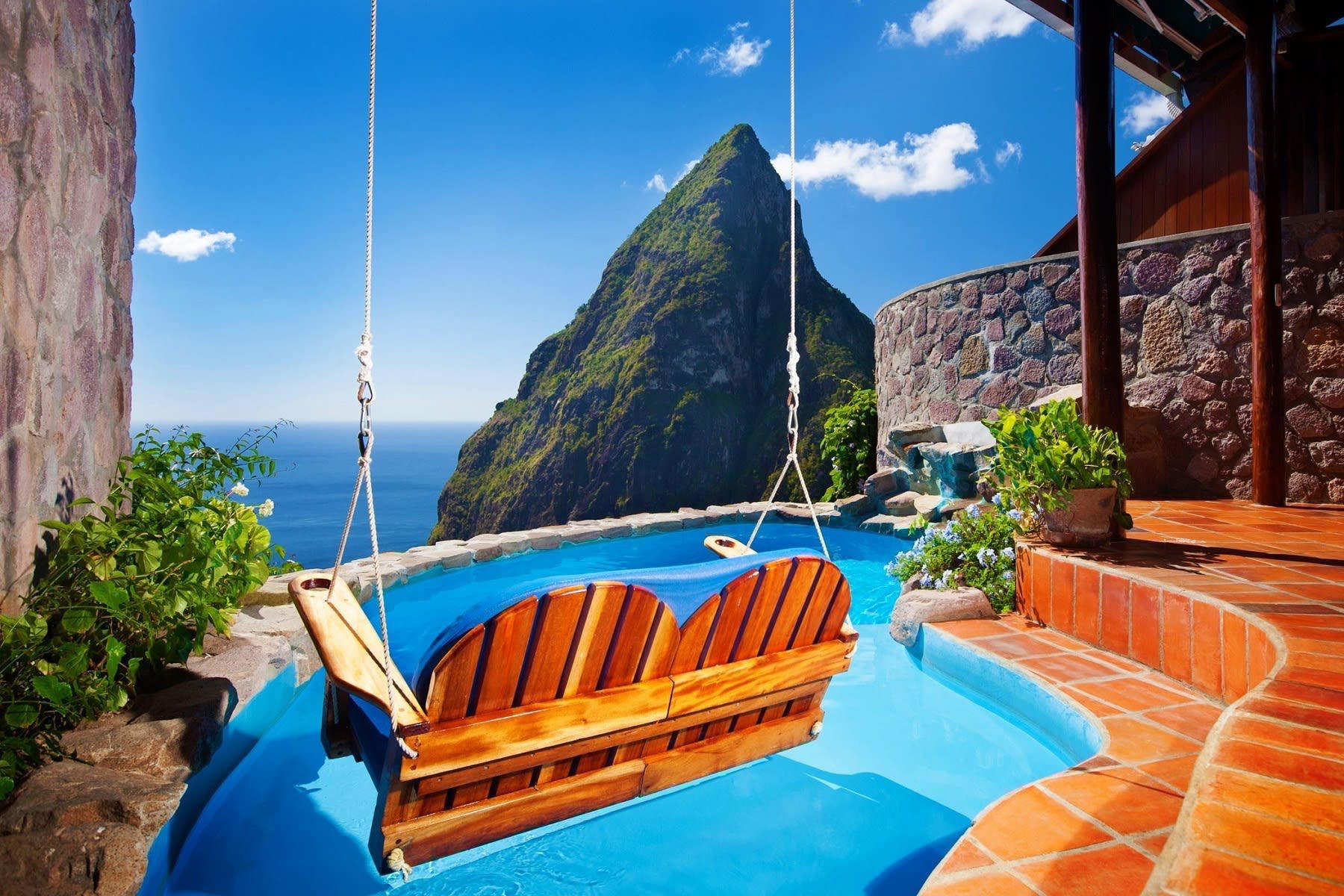
Romantic open-air setting with dramatic sunset views of the Pitons, enhanced by attentive service and live music.