
On Bonifacio's harbour quay, D'Amore by Italo Bassi brings Italian regional cooking to a corner of Corsica better known for Corsican and Mediterranean tables. Holding a 2025 Michelin Plate alongside the team's starred sibling Finestra, it positions itself as the more accessible point of entry into the Bassi-Menna kitchen. The address is Quai Jérôme Comparetti, and the price register sits at €€€.
Pearl is the En Primeur Club membership app — saves, bookings, and concierge access live there. Same editors, same standards.
- Address
- 51 Quai Jérôme Comparetti, 20169 Bonifacio, France
- Phone
- +33 4 95 10 20 34
- Website
- d-amore.fr
- Directions
- Get directions
 Saves & bookings on Pearl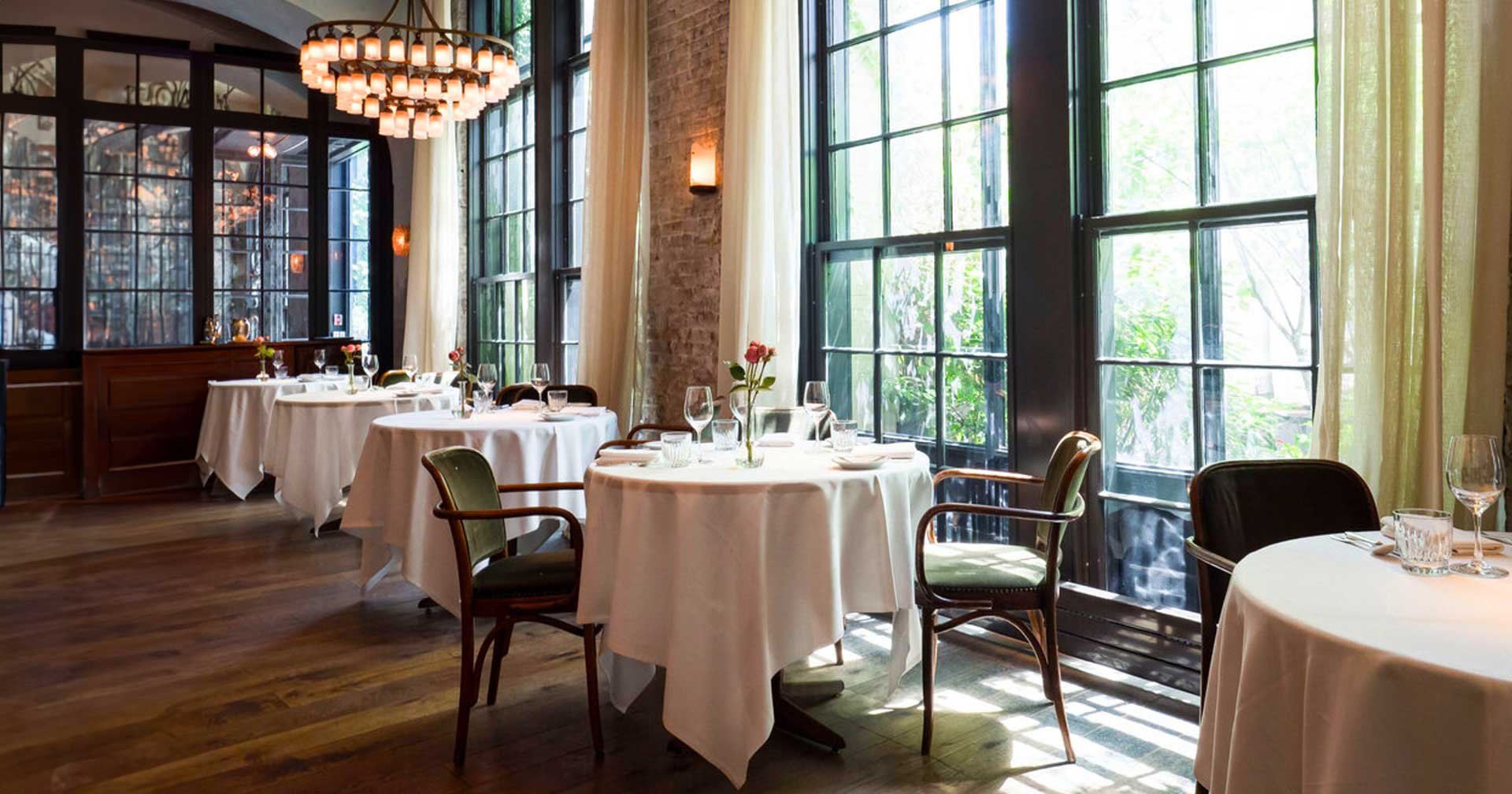
Quayside Italian in a Corsican Port Town
Bonifacio's harbourfront moves at its own pace. The lower town quay, Quai Jérôme Comparetti, runs along the water beneath the citadel cliffs, a stretch of terraces and boat traffic where the light off the Strait of Bonifacio changes the mood of a meal depending on the hour. It is into this setting that D'Amore by Italo Bassi steps, at number 51, with a proposition that reads differently from almost everything else on this particular stretch of coast: Italian regional cooking, delivered at €€€ pricing, under a kitchen team that also runs another address nearby.
That context matters. Corsica's restaurant scene has long been anchored by Corsican produce-led cooking and Mediterranean frameworks. Tables like Da Passano work within the island's own culinary identity, and the modern cuisine registers at L'A Cheda and L'An Faim fold local product into contemporary technique. D'Amore sits outside both of those lanes. It plants a specifically Italian flag in a port town where that positioning remains unusual, and it does so with credentials that go beyond a fashionable name above the door.
The Regional Italian Frame
Italian cooking is not a monolith, and the distinctions between regional traditions matter enormously to how a kitchen actually functions. The Roman table operates around cacio e pepe precision and offal confidence. Tuscan cooking favours restraint and the integrity of local bread and legume culture. Neapolitan kitchens are defined by the theology of their dough and the acidity of San Marzano tomatoes. Milanese technique brings butter and braising into a northern register that has more in common with French Burgundy than it does with Naples.
The Italian diaspora that has spread through high-end addresses globally, from 8 ½ Otto e Mezzo Bombana in Hong Kong to cenci in Kyoto, tends to resolve these tensions by anchoring the menu to a specific lineage rather than attempting a pan-Italian survey. The strongest Italian rooms outside Italy pick a lane. D'Amore, operating under the direction of Italo Bassi and Edoardo Menna, brings Italian training and perspective to Corsica; the specific regional lens the kitchen applies shapes whether this reads as a northern continental proposition or something with closer ties to southern coastal cooking. Given Bonifacio's position, geographically closer to Sardinia than to mainland France, a kitchen that can credibly navigate both registers holds a natural advantage.
Michelin Recognition and What It Signals
The Michelin Plate at D'Amore is a meaningful marker in context. The Plate designation recognises cooking that Michelin inspectors consider worth eating. In a town of Bonifacio's scale, a Michelin recognition of any category is notable: the guide is selective in smaller French markets, and the Plate signals the kitchen is being watched.
More instructive comparison is internal. Finestra by Italo Bassi, the starred sibling operating at €€€€, sits in a different tier entirely, both in price and in the level of structural ambition Michelin is recognising there. D'Amore, priced at €€€, functions as the lower-resistance entry point into the same kitchen's sensibility. This two-tier structure, where a team operates both a destination-level address and a more approachable room, appears across serious culinary operations globally; it allows a kitchen to capture different appetite and occasion types without diluting either offer. The Plate at D'Amore suggests the lower tier is holding its own rather than coasting on the reputation of the starred room.
For comparison, France's most recognised rooms, from Alléno Paris au Pavillon Ledoyen and Mirazur in Menton to regional institutions like Auberge de l'Ill, Bras in Laguiole, and Flocons de Sel in Megève, operate within a French culinary context. D'Amore's Italian positioning in a French island setting gives it a distinct identity that few comparators in the country share. Troisgros may look across the Alps for influence, but D'Amore's commitment to Italian regional cooking as a primary framework remains its own category in this geography.
The Harbour Setting as Context
The physical setting at Quai Jérôme Comparetti places D'Amore in Bonifacio's most legible tourist and visitor zone. The lower harbour is where arrivals by boat and foot converge, where the competition for outdoor terrace space is real, and where the quality gradient between tables is wide. A Michelin Plate address in this zone occupies a different position from comparable quayside tables: it signals to a visitor audience that the kitchen is operating at a different register from the surrounding seafood-and-pizza economy.
Tables along this quay also attract the summer Corsica sailing circuit, where guests arrive with international points of reference and comparative expectations. That audience tends to respond well to a specifically Italian kitchen, given the proximity to Sardinia and the island-hopping routes that connect Bonifacio to Italian ports.
Where D'Amore Sits in Bonifacio's Dining Field
Viewed against the full Bonifacio restaurant scene, D'Amore occupies a particular slot: Italian at €€€ with Michelin recognition, positioned between the two-euro Corsican tables and the four-euro starred ceiling of Finestra. Le Voilier covers Mediterranean cooking at the same price tier, giving visitors a direct choice between the two at similar spend. The differentiation is categorical rather than qualitative: Mediterranean breadth versus Italian regional focus.
D'Amore is at 51 Quai Jérôme Comparetti in the lower harbour district.
How It Stacks Up
Comparable venues nearby, for context on price, style, and recognition.
| Venue | Cuisine | Price | Awards | Notes |
|---|---|---|---|---|
| D'Amore by Italo BassiThis venue — the venue you are viewing | Italian Riviera Fine Dining | $$$$ | Michelin Plate | Not listed |
| Le Voilier | Modern Mediterranean Seafood | $$$$ | Michelin Plate | Port de plaisance |
| L'A Cheda | Corsican Gastronomic Fine Dining | $$$$ | Michelin Plate | Cavallo Morto |
| L'An Faim | Modern Corsican-French Bistro | $$$ | Michelin Plate | Citadella |
| Stella D'Oro | Traditional Corsican | $$$ | Not listed | Old Town (Citadel) |
| Ciccio | Traditional Corsican Bistro | $$ | Not listed | Citadel |
Recognition history
Dated appearances from independent guides and award organizations, with the underlying list record or original source where available.
Michelin Plate
Michelin
Michelin Plate
Michelin
Continue exploring
More in Bonifacio
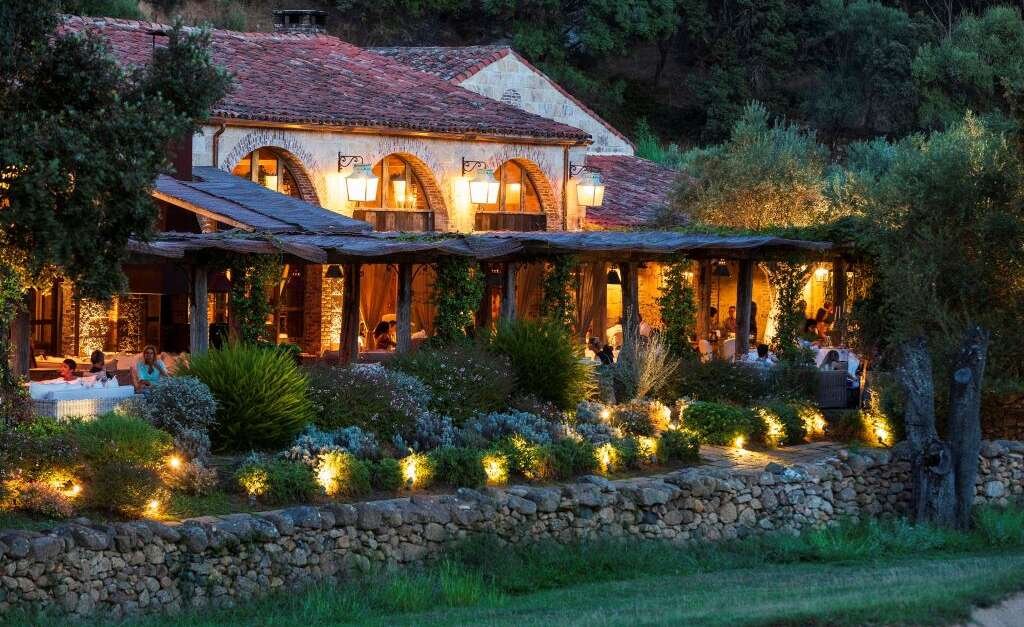
Restaurants in Bonifacio
Browse all →
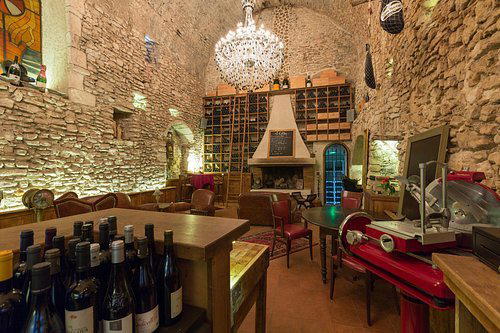
Bars in Bonifacio
Browse all →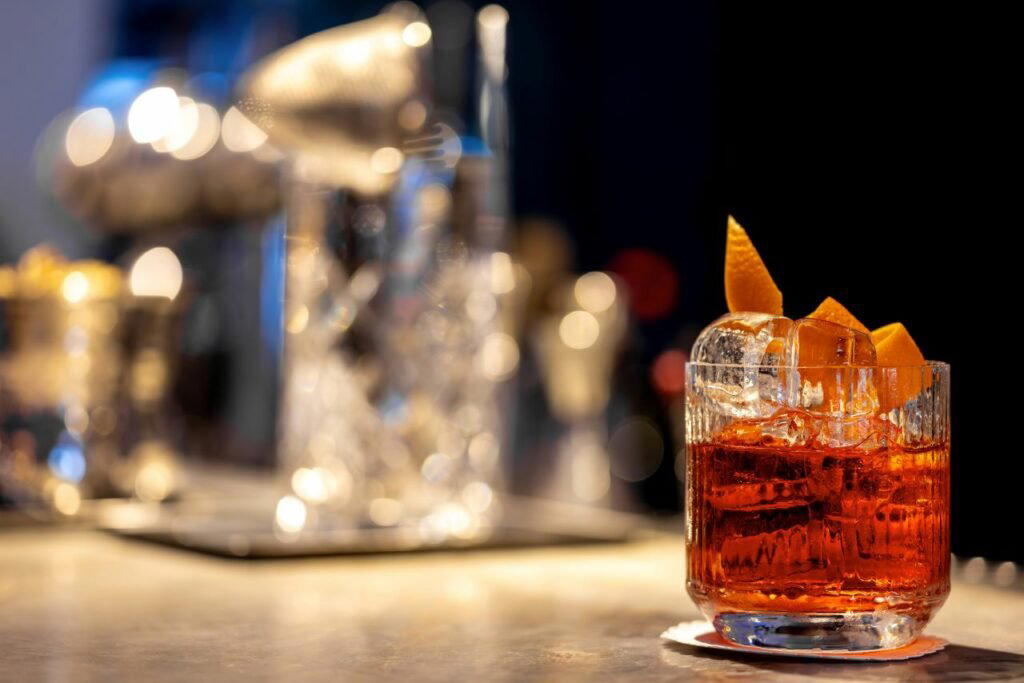
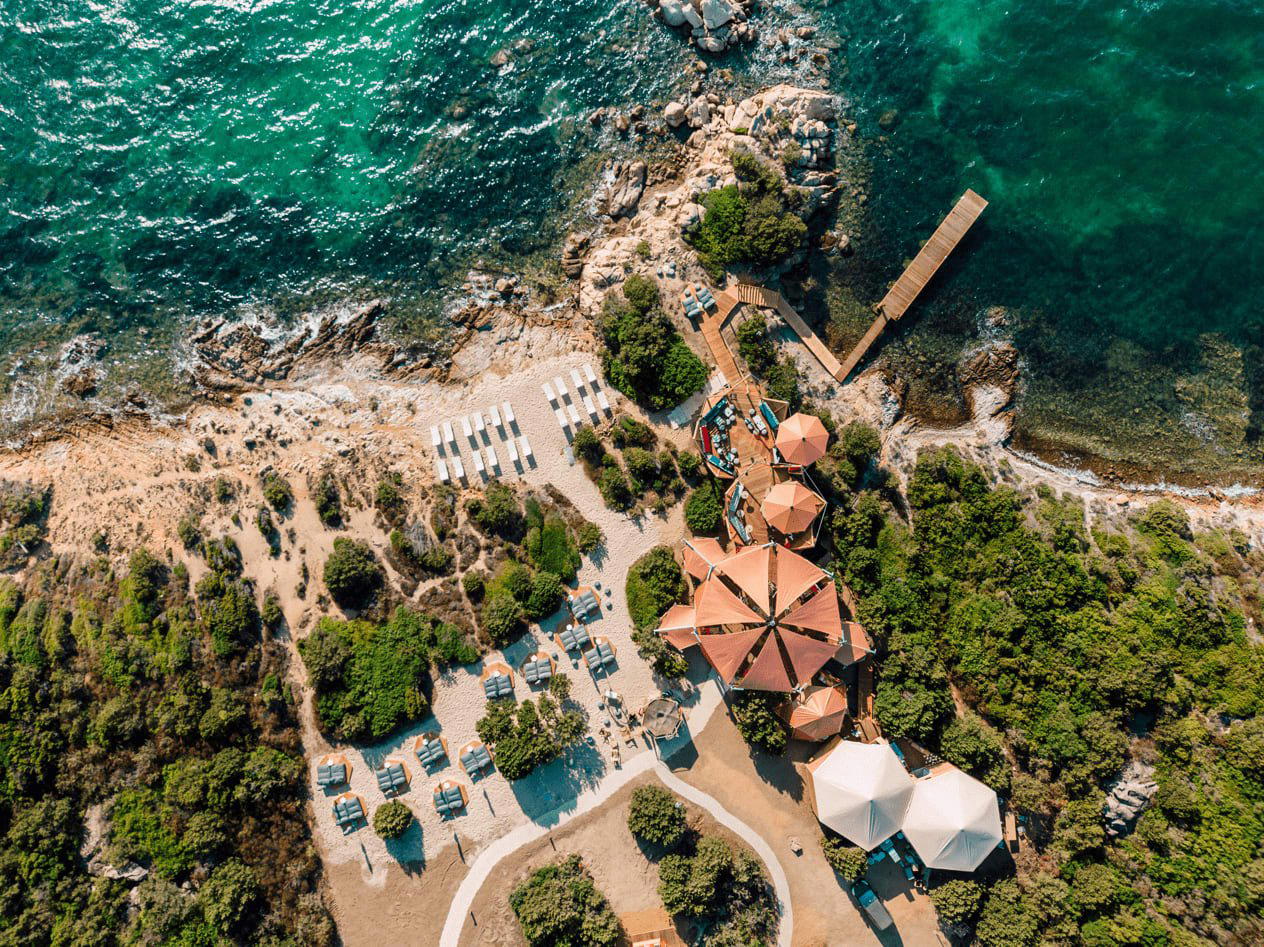
Hotels in Bonifacio
Browse all →

At a Glance
- Elegant
- Sophisticated
- Romantic
- Cozy
- Date Night
- Special Occasion
- Waterfront
- Extensive Wine List
- Waterfront
Current opening hours
- Monday
- 12–2:15 PM, 7–11:30 PM
- Tuesday
- 12–2:15 PM, 7–11:30 PM
- Wednesday
- 12–2:15 PM, 7–11:30 PM
- Thursday
- 12–2:15 PM, 7–11:30 PM
- Friday
- 12–2:15 PM, 7–11:30 PM
- Saturday
- 12–2:15 PM, 7–11:30 PM
- Sunday
- 12–2:15 PM, 7–11:30 PM
Hours can change for holidays and private events. Last verified .
Bright, colorful decor with sun-washed tones, refined details, warm and sunny atmosphere evoking chic Italian Dolce Vita.