Dakota
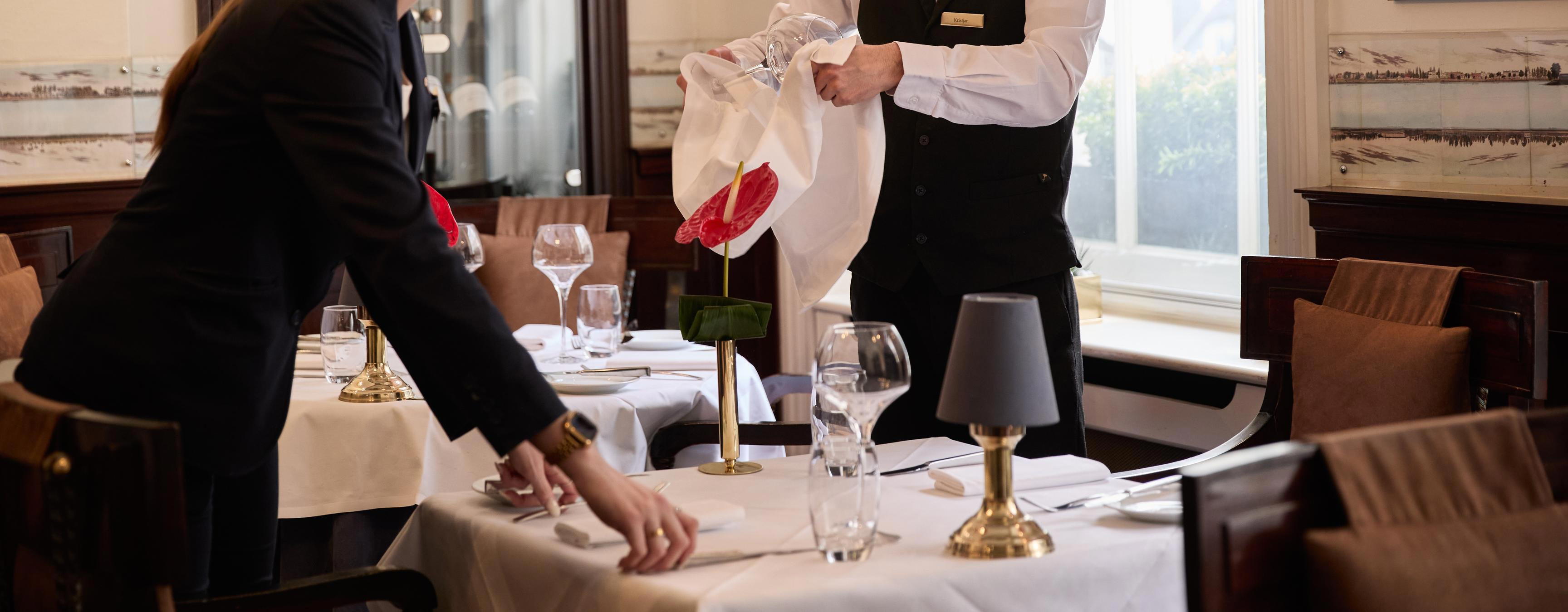
On Nicollet Mall in downtown Minneapolis, Dakota occupies a tier of the city's dining scene where evening pacing and serious cooking carry equal weight. The room draws a crowd that treats dinner as a deliberate event rather than a convenience stop, placing it in the company of Minneapolis's more considered fine-dining addresses. Plan ahead and arrive ready to spend time at the table.
Pearl is the En Primeur Club membership app — saves, bookings, and concierge access live there. Same editors, same standards.
- Address
- 1010 Nicollet Mall, Minneapolis, MN 55403
- Phone
- +1 612 332 5299
- Website
- dakotacooks.com
- Directions
- Get directions
 Saves & bookings on Pearl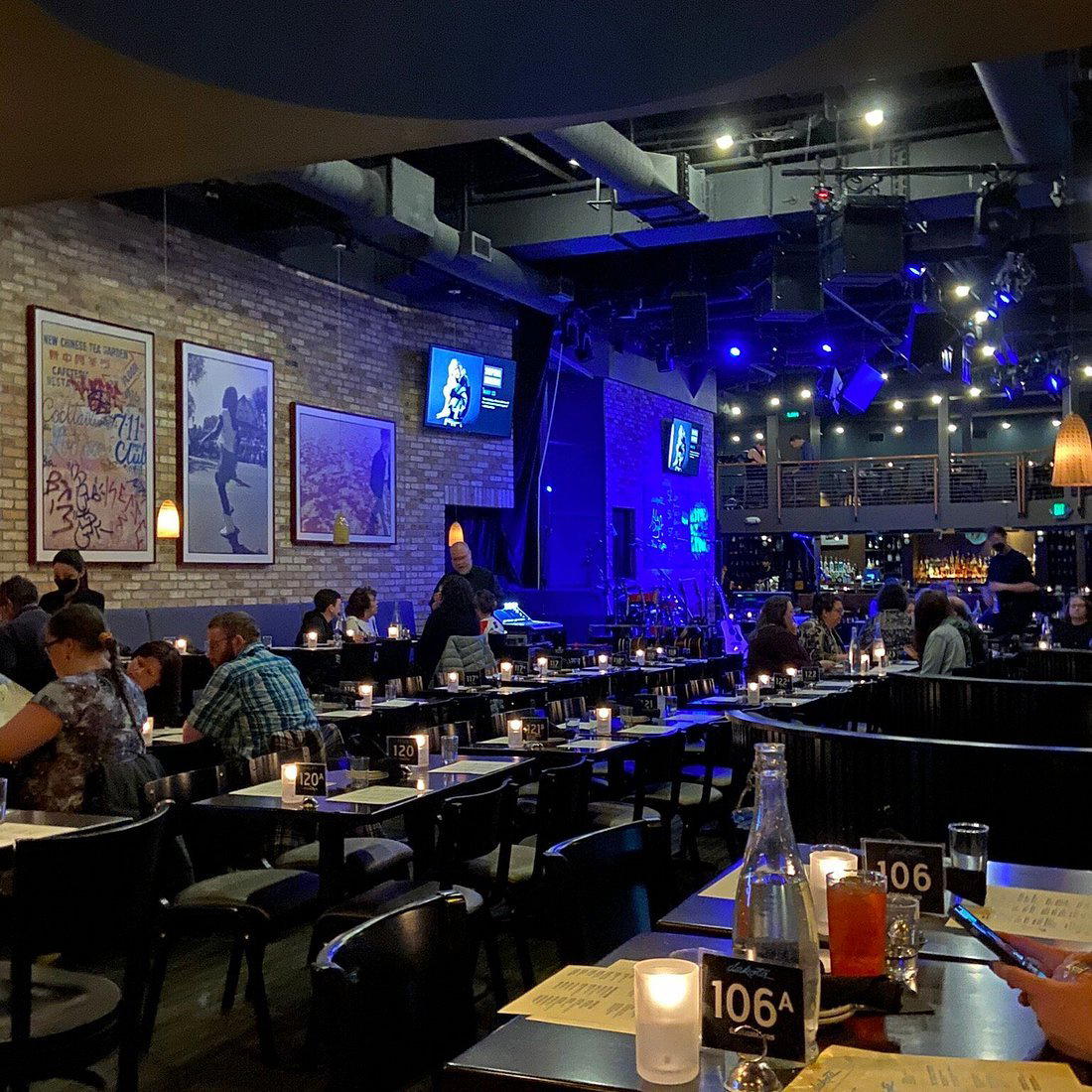
Dinner as a Deliberate Act on Nicollet Mall
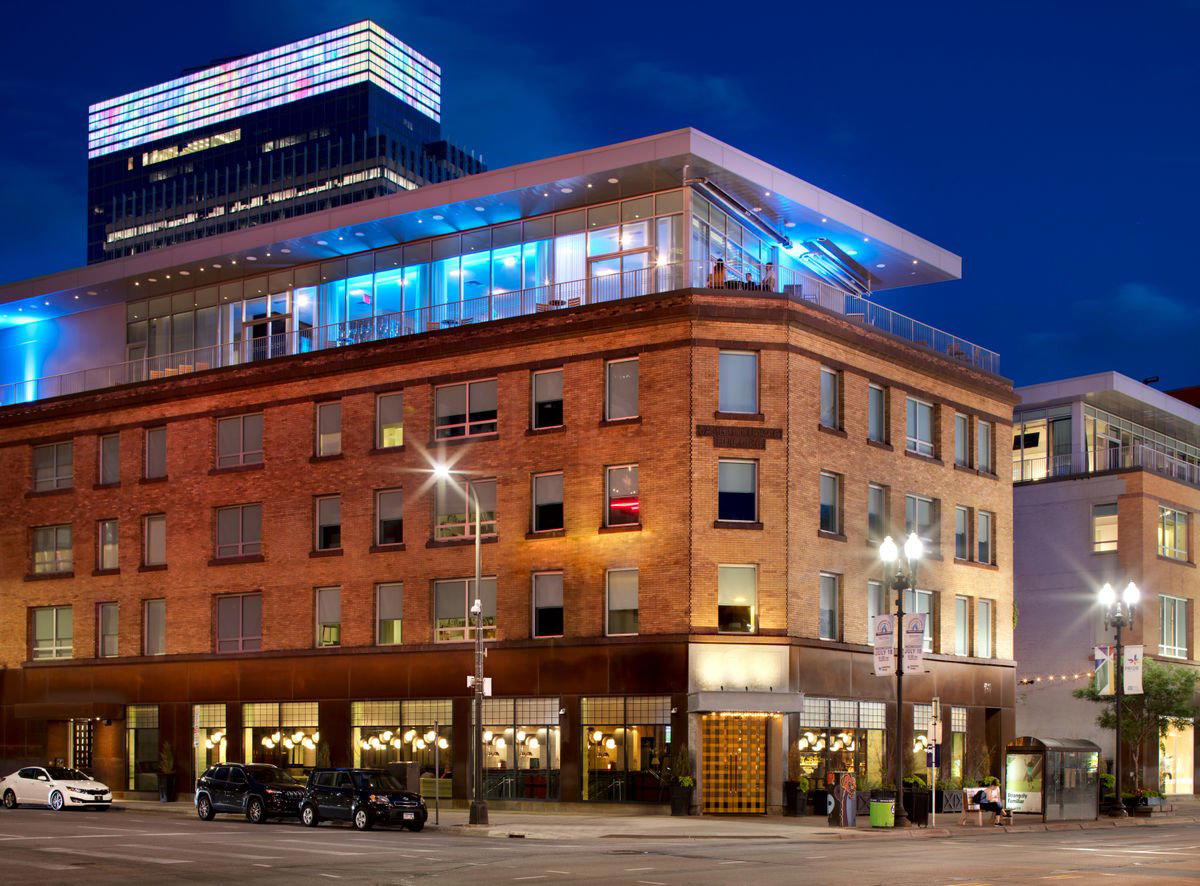
Dakota is a restaurant and live jazz venue in downtown Minneapolis. Dakota, at 1010 Nicollet Mall, occupies that register. The address places it at the commercial and cultural spine of downtown, within reach of the arts district and a short walk from venues that draw pre-theater and post-concert diners who want something more considered than a quick bite. The physical approach, along a pedestrian-friendly stretch lined with transit stops and civic architecture, sets expectations before you reach the door.
Minneapolis's fine-dining tier has matured considerably over the past two decades, moving from a scene defined almost entirely by steakhouses like Manny's and Kincaid's into a broader range that includes Indigenous-focused cooking at Owamni, modern New American at Spoon & Stable, and the late-night Italian approachability of 112 Eatery. Dakota fits inside that evolution: a downtown anchor that draws on the city's appetite for restaurants where the format of the meal is part of the offering, not incidental to it. The broader Twin Cities scene now competes with coastal peers.
The Ritual of the Meal
Across American cities, the gap between casual dining and the upper tier has widened, and the restaurants that survive in that upper bracket do so partly by making the ritual of eating feel worth the commitment. The meal unfolds over time, with sequenced courses, deliberate service pacing, and a room designed to hold attention for two hours rather than push tables. This is the format Dakota operates within. It rewards guests who arrive without a hard deadline and suits those who want to stay for the evening.
That dining ritual is a distinctly American evolution of European service traditions. Where Le Bernardin in New York City or The French Laundry in Napa represent one codified versions of that format, mid-market cities like Minneapolis have developed their own interpretations: rooms that carry the pacing and seriousness of fine dining without the full ceremonial weight of a tasting menu institution. The comparison is instructive. Restaurants like Smyth in Chicago and Lazy Bear in San Francisco have pushed that format in more experimental directions; Dakota's Nicollet Mall position suggests a version calibrated for downtown regulars and visitors who want substance without theatre.
The Musical Dimension
Dakota has a documented identity as both a restaurant and a jazz venue, which places it in a specific American dining tradition: the room where food and live music share floor space. This format carries its own etiquette demands. Tables near the stage will be inside the sound. Tables further back offer more conversational distance but less proximity to the performance. The service rhythm tends to sync with set breaks rather than following a purely kitchen-driven pace. For guests primarily invested in the food, booking away from live performance nights or arriving early gives the kitchen the leading conditions to sequence the meal on its own terms. For guests who want the full room, music audible, room animated, that particular quality of a downtown jazz club on a Thursday or Friday, the two elements compound each other in a way that purely restaurant-focused spaces cannot replicate.
This dual format has a precedent in American dining culture that extends from the supper clubs of the Midwest to venues like Emeril's in New Orleans, where atmosphere is structural rather than decorative. The Midwest supper club tradition, in particular, built its identity around exactly this: a room where eating and entertainment operated in parallel, where the evening was a complete social event rather than a meal with music tacked on.
Placing Dakota in the Minneapolis Hierarchy
Minneapolis's fine-dining addresses now span enough variety that a visitor choosing where to spend a serious dinner has real decisions to make. Owamni offers a perspective on Indigenous cooking that has no direct equivalent nationally. Spoon & Stable competes with New American rooms in any major city. 4801 S Minnehaha Dr anchors a different neighbourhood context entirely. Dakota's downtown Nicollet Mall position makes it the natural anchor for pre-event dinners and out-of-town visitors staying in the core hotel district. That positioning is a specific competitive advantage: walkability to the theater and concert infrastructure means a certain category of customer, the one who wants a full evening organised around a performance, finds it the practical choice as well as a culinary one.
Against national peers in the jazz-venue-plus-serious-food category, the comparison set is narrow. Providence in Los Angeles, Blue Hill at Stone Barns in Tarrytown, and Addison in San Diego represent the upper end of American fine dining but none carry the jazz component. The Inn at Little Washington or Atomix in New York City sit in a different register altogether. Dakota's comparable set is genuinely specific: a downtown American room where food quality justifies the price point independently of the music, and where the music is programme rather than background. That combination is rarer than it sounds.
Planning a Visit
Dakota sits at 1010 Nicollet Mall, accessible by the Nicollet Mall light rail corridor and within the central hotel zone. For diners who want the full room experience on a live music night, reservations should account for the performance schedule alongside table availability. Guests whose primary interest is the food and pacing of the meal may find non-performance evenings offer a quieter, more kitchen-focused experience. Check the venue's current programme in advance: the performance calendar drives the room's energy in a way that affects every table. Those interested in how the format compares internationally can look at European parallels like Atelier Moessmer Norbert Niederkofler in Brunico, where the relationship between place, programme, and food operates on similar structural principles, even if the culinary tradition differs entirely. Single Thread Farm in Healdsburg offers another model of the total-experience restaurant where every element of the evening is deliberately composed.
Cuisine and Credentials
Comparable venues nearby, for context on price, style, and recognition.
| Venue | Cuisine | Price | Notes |
|---|---|---|---|
| DakotaThis venue — the venue you are viewing | Modern American with Live Jazz | $$$ | Not listed |
| Tullibee | Scandinavian-Inspired Midwestern | $$$ | North Loop |
| Tao Organic Cafe + Herbery | Organic American Cafe | $$ | East Isles |
| Modern Times | Eclectic American Cafe | $$ | Central |
| Jax Cafe | Classic American Steakhouse | $$$ | Northeast Minneapolis Arts District |
| Black Coffee and Waffle Bar | American Waffle Bar | $$ | Como |
Continue exploring
More in Minneapolis
Restaurants in Minneapolis
Browse all →
Bars in Minneapolis
Browse all →
At a Glance
- Intimate
- Cozy
- Date Night
- Special Occasion
- Live Music
Current opening hours
- Monday
- 5:30–9 PM
- Tuesday
- 5:30–9 PM
- Wednesday
- 5:30–9 PM
- Thursday
- 5:30–9 PM
- Friday
- 5:30–11 PM
- Saturday
- 5:30–11 PM
- Sunday
- 5:30–9 PM
Hours can change for holidays and private events. Last verified .
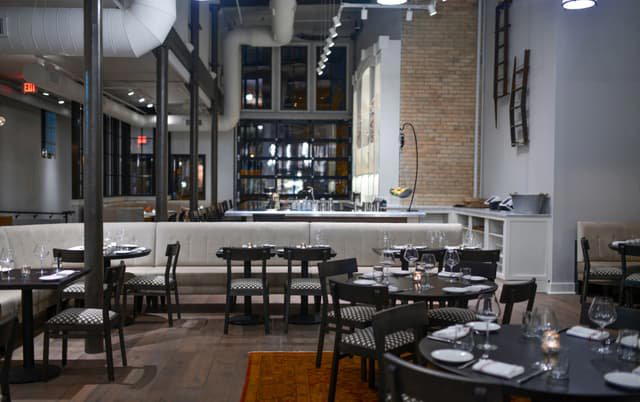
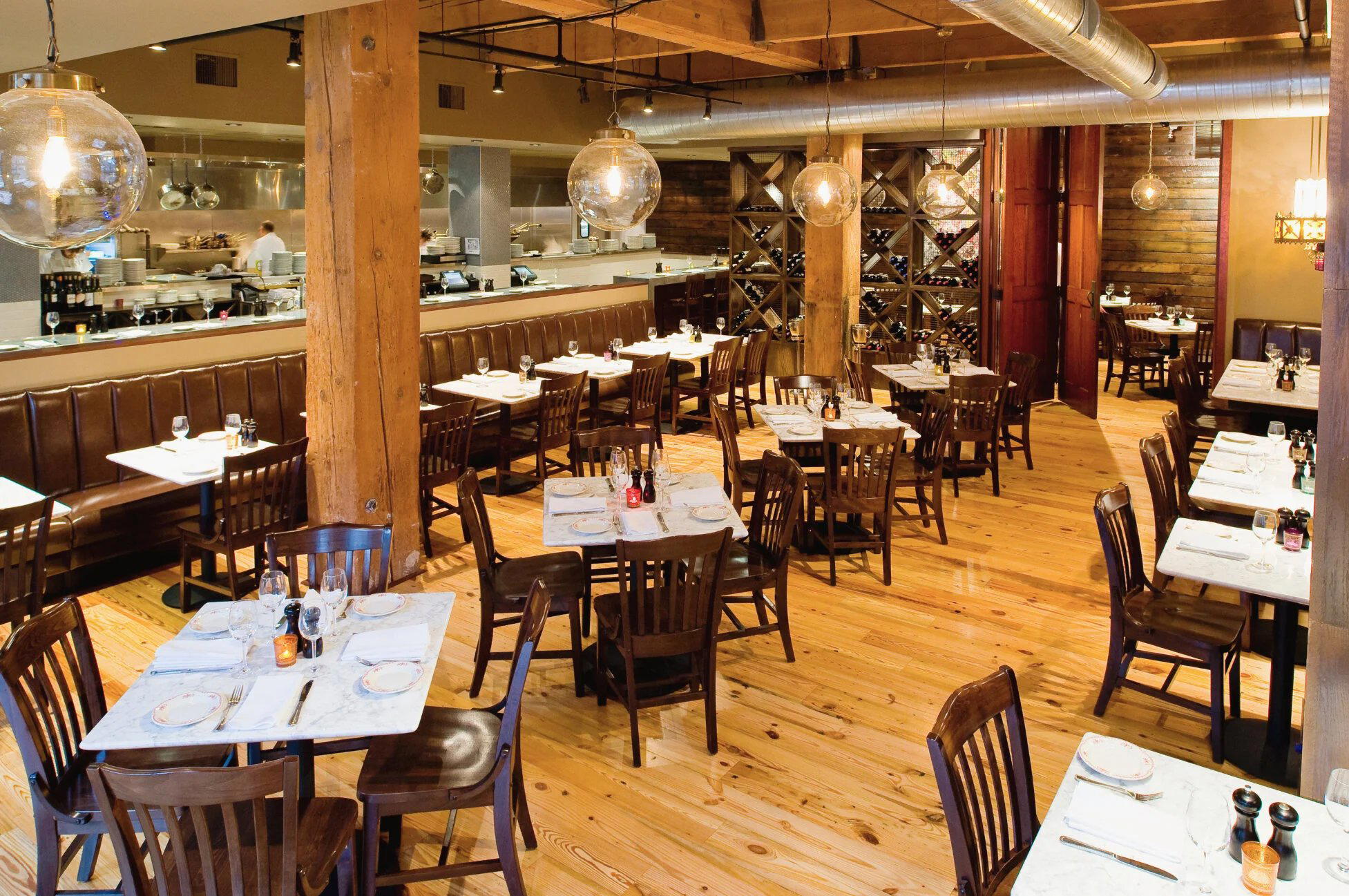
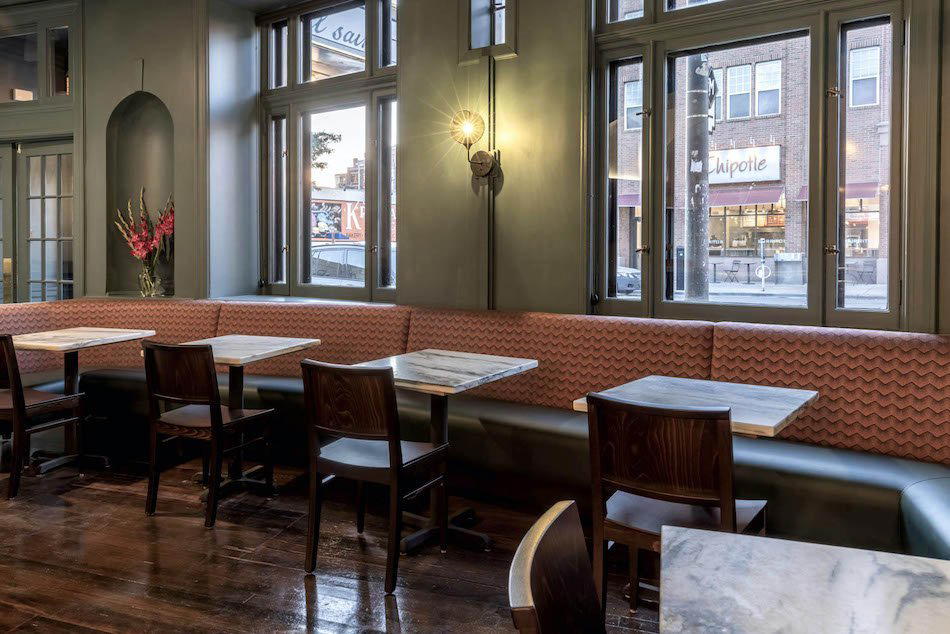
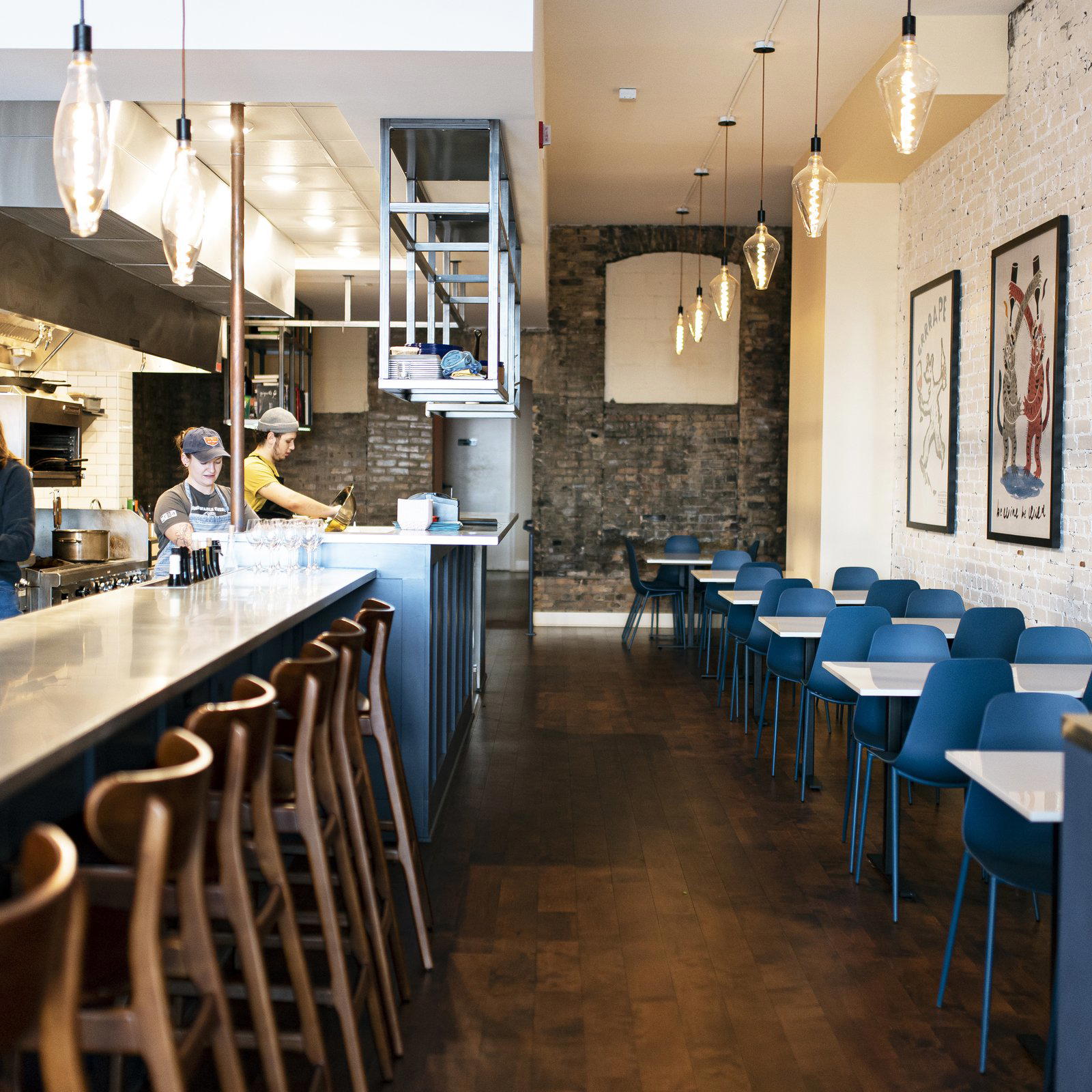
Warm atmosphere with exposed brick walls, dark woods, and live jazz performances creating a cozy yet sophisticated vibe.