.png)
Dabbanna carries fifty years of family history across Piazza Principe di Napoli, where a 1971 rotisserie started by grandfather Carmelo now has a restaurant counterpart run by his grandchildren. The menu draws on Sicilian ingredients and island recipes while folding in South American inflections, a ceviche known locally as "Ciauru ri mari" among them, presented with care by an all-female service team.
Pearl is the En Primeur Club membership app — saves, bookings, and concierge access live there. Same editors, same standards.
- Address
- Piazza Principe di Napoli 8/9
- Phone
- +39 333 464 7935
- Website
- dabbannamodica.it
 Saves & bookings on Pearl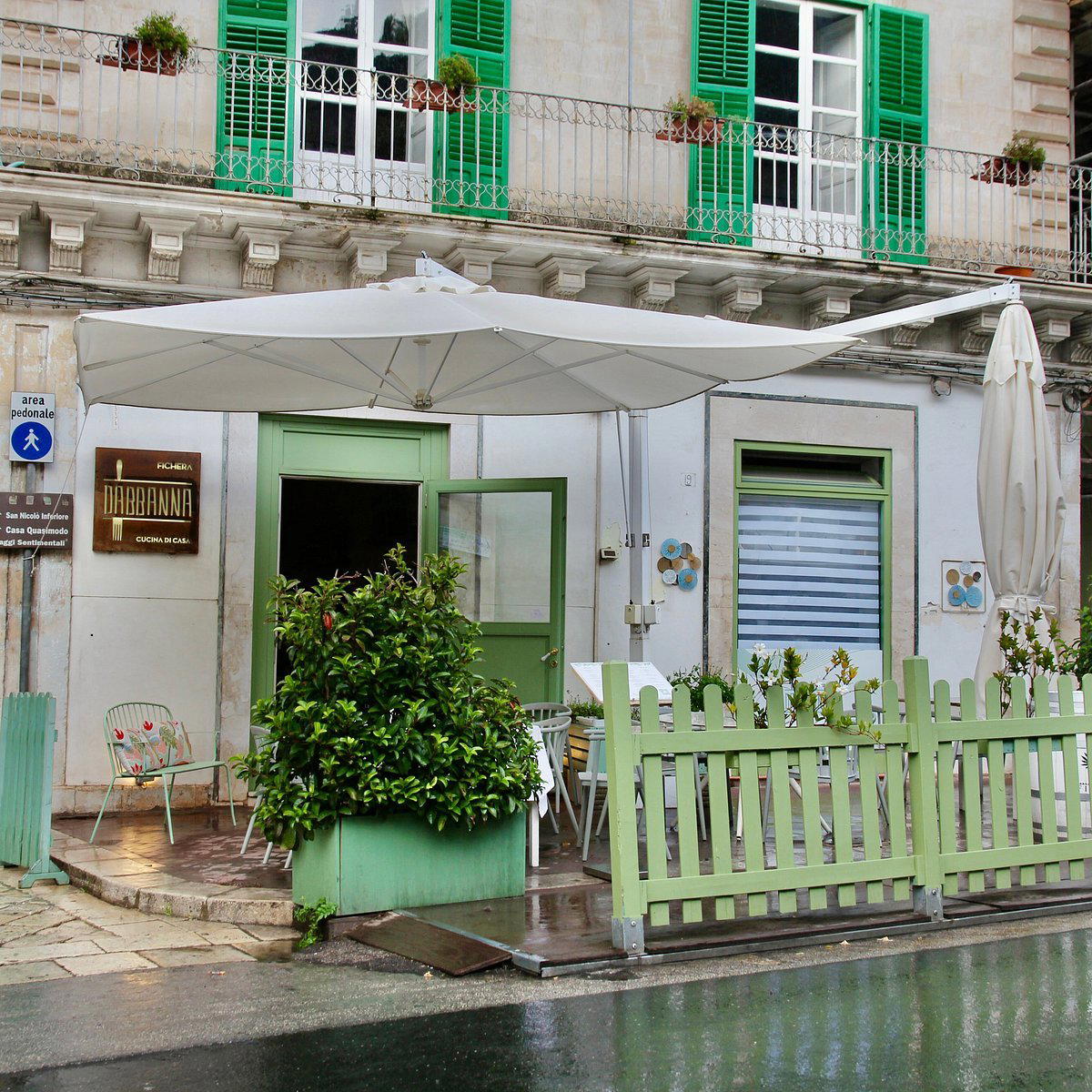
Where Lower Modica Sets Its Table
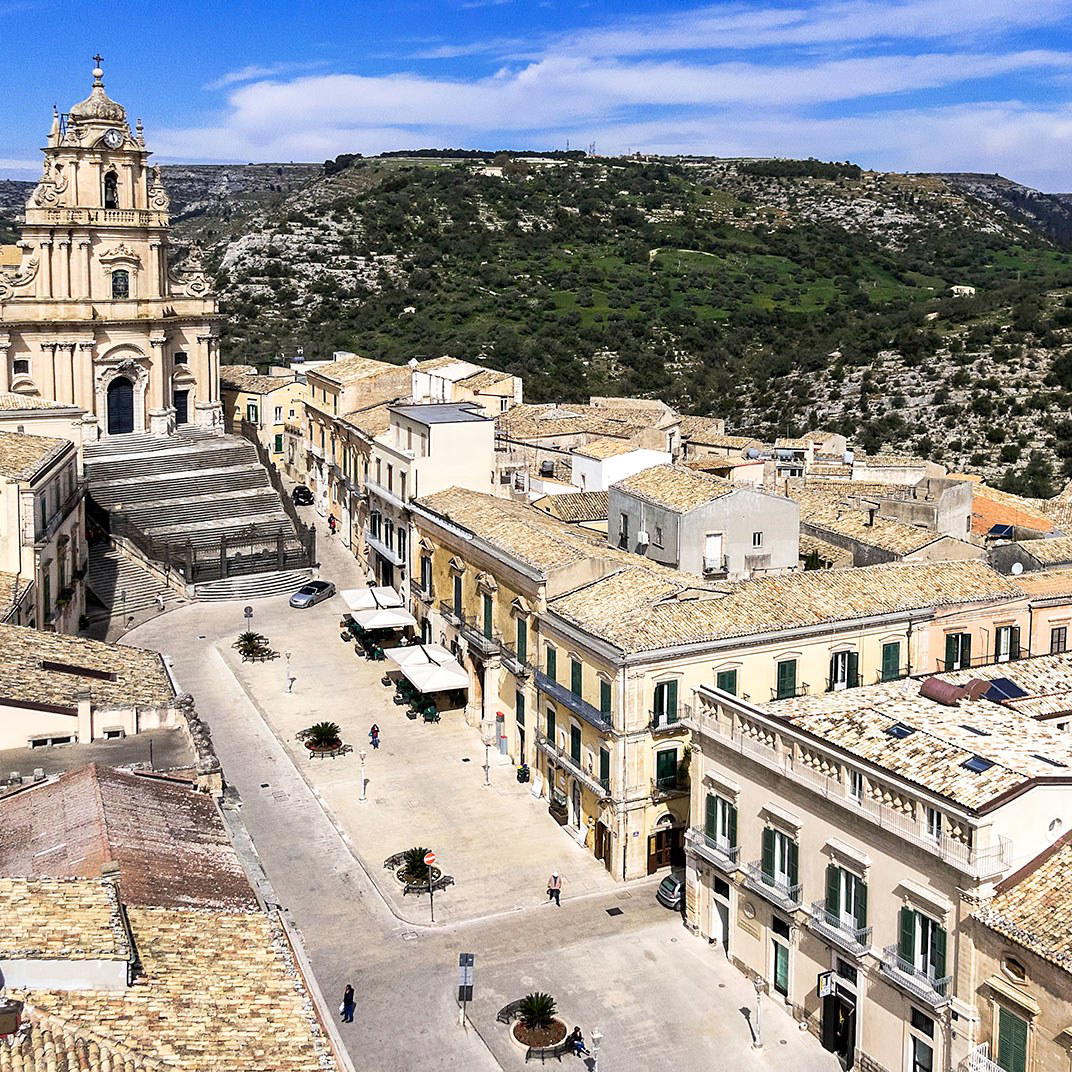
Piazza Principe di Napoli anchors the lower, flatter quarter of Modica, the section of the city that functions more as a living neighbourhood than a baroque set piece. Arriving here on foot from the famous cathedral district, the scale drops, the foot traffic thins, and the square opens up with the kind of unhurried tempo that makes you reconsider your itinerary. Dabbanna sits on one side of that piazza, its outdoor tables occupying the pavement in summer, its interiors, described as tasteful and welcoming, visible through the frontage. Directly opposite stands the Cabbanna rotisserie that the same family has operated since 1971. The visual symmetry of the two is not incidental: it summarises half a century of one family's relationship with this corner of Sicily.
A Fifty-Year Line from Rotisserie to Restaurant
The sequence that produced Dabbanna is worth understanding because it shapes the kitchen's instincts. Grandfather Carmelo opened the Cabbanna rotisserie on this piazza in 1971, after a period living in Venezuela. That South American chapter was not merely biographical, it introduced an ingredient sensibility and a flavour register that now, two generations later, surfaces in the restaurant his grandchildren run opposite. The long arc from a 1970s rotisserie to a contemporary Sicilian kitchen is the context within which dishes like the ceviche known as "Ciauru ri mari" make sense. This is not fusion for novelty's sake; it is a family working through an inherited set of references, Sicilian on one side, South American on the other, and finding a coherent expression for both.
That kind of multigenerational continuity is relatively rare in the Italian restaurant scene, where family-run establishments often plateau at the format of the founding generation. Sicily has produced some notable exceptions, compare the institutional weight of Fattoria delle Torri in the same city, or the approach taken at Radici, but the dynamic at Dabbanna, where an existing business and a new one face each other across a piazza, gives the project a specific kind of grounding. The restaurant is not trying to shed its origins; it is extending them.
The Sourcing Logic Behind the Menu
Sicily's ingredient credentials are substantial and well-documented: the island's volcanic soils, its long growing season, its position at the intersection of Mediterranean and North African supply routes, and the fishing traditions of its coastal towns combine to produce a larder that mainland Italian kitchens have spent decades trying to access. For a restaurant in Modica, that larder is local by default. The question is what a kitchen chooses to do with it.
At Dabbanna, the stated foundation is Sicilian ingredients and recipes, interpreted with a contemporary sensibility. The description of dishes as colourful and carefully presented suggests a kitchen that thinks about the visual architecture of a plate, which in turn implies attention to the sourcing decisions that make visual clarity possible: a good tomato holds its colour, a well-sourced fish has the texture that allows precise preparation. The ceviche, reframed locally as "Ciauru ri mari", is a useful case study in how the menu works. Ceviche is a technique that depends entirely on the quality of its raw material; the acid cure in lime juice amplifies imperfections as readily as it heightens freshness. Choosing to include it on a Sicilian menu implies confidence in the fish sourcing, and the local renaming signals an intention to absorb the technique into the island's vocabulary rather than import it wholesale.
This approach to ingredient sourcing as the backbone of a contemporary menu connects Dabbanna to a broader conversation happening across Italy's more ambitious kitchens. Restaurants like Atelier Moessmer Norbert Niederkofler in Brunico and Dal Pescatore in Runate have built sustained reputations on hyper-local sourcing philosophies. At the more technically driven end, Osteria Francescana in Modena and Le Calandre in Rubano demonstrate how Italian regional identity can hold its own at an international level when the sourcing and execution are aligned. Dabbanna operates at a different scale and in a different register, but the underlying logic, know your ingredients, let the place speak through the plate, runs through all of them.
The Room and the Service
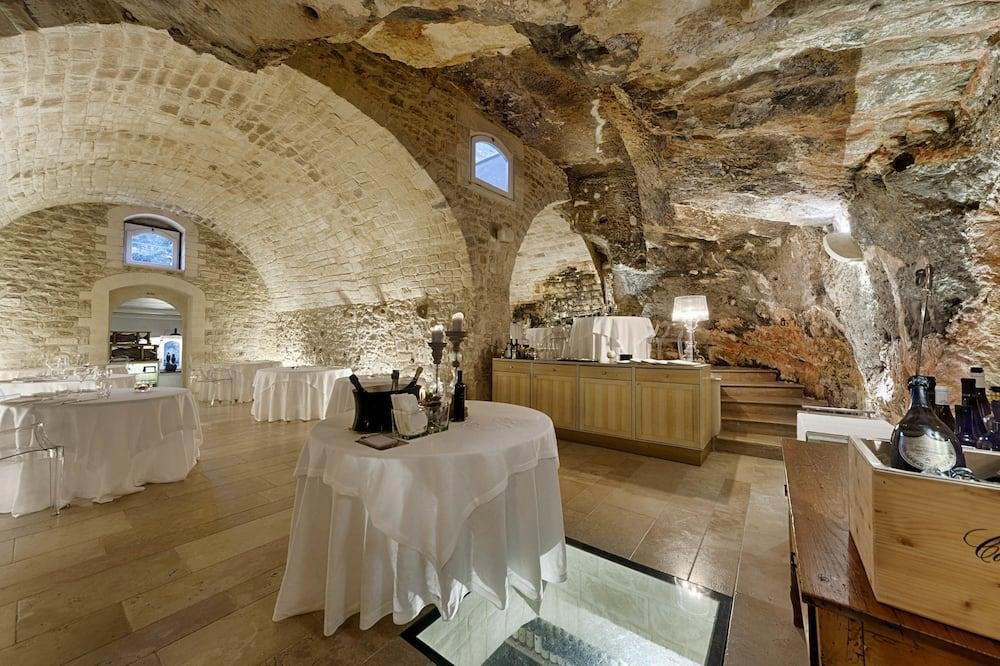
The interiors are described as charming, tasteful, and welcoming, language that in Italy usually points to a considered design sensibility rather than a boutique hotel aesthetic. Modica's architectural context, a baroque city with serious UNESCO credentials, creates an expectation of a certain visual register, and a restaurant that describes itself as charming without being fussy is positioning itself within that context rather than against it. The summer outdoor tables on Piazza Principe di Napoli are a practical asset in a city that rewards evening dining under open sky.
The service is provided by an all-female team, which is noted in the venue's own description as a defining characteristic rather than a footnote. In a sector where front-of-house composition rarely receives this kind of explicit framing, the emphasis suggests the team is understood as central to the experience rather than incidental to it. The description of service as delicate and attentive reinforces a register of attentiveness over performance.
For readers comparing options in Modica, Lorenzo Ruta offers a further point of reference in the city's contemporary dining tier.
Planning Your Visit
Dabbanna occupies the ground floor at Piazza Principe di Napoli 8/9, in the lower Modica quarter. The outdoor terrace operates in summer; the interior is available year-round. Modica is a well-established stop on the southeastern Sicilian circuit, typically approached via Ragusa or Catania, and the city's compact size means most visitors are on foot once they arrive. Given the restaurant's profile and the piazza's central position, reservations are advisable, particularly during the summer months when the outdoor terrace is in use and visitor numbers in the baroque valley are at their highest. Reservations are recommended, especially for dinner and summer terrace seating.
Comparison Snapshot
Comparable venues nearby, for context on price, style, and recognition.
| Venue | Cuisine | Price | Awards | Notes |
|---|---|---|---|---|
| DabbannaThis venue — the venue you are viewing | Modern Sicilian Fine Dining | $$ | Michelin Plate | |
| Radici | Refined Sicilian Osteria | $$$ | Michelin Plate | historic center |
| Accursio | Dining | , | Modica | |
| Fattoria delle Torri | Modern Sicilian | $$$ | Michelin Plate | historic center |
| Lorenzo Ruta | Contemporary Sicilian Fine Dining | $$$ | Michelin Plate | Modica |
| Caffè Sicilia | Traditional Sicilian Pastries & Café | $$$ | Ragusa |
Continue exploring
More in Modica
Restaurants in Modica
Browse all →
Bars in Modica
Browse all →
Hotels in Modica
Browse all →
Wineries in Modica
Browse all →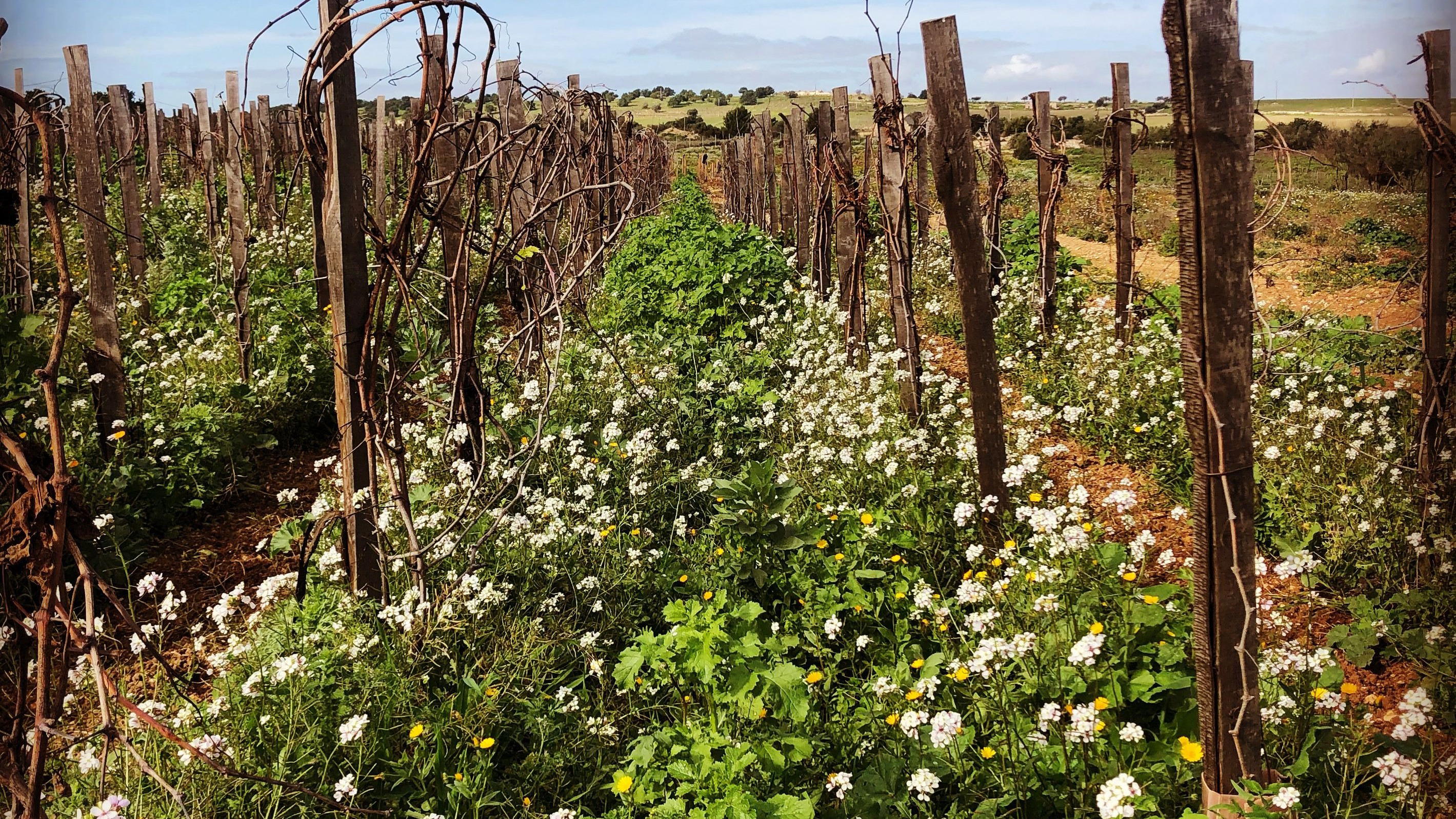
At a Glance
- Intimate
- Elegant
- Rustic
- Date Night
- Special Occasion
- Open Kitchen
- Local Sourcing
Intimate spot with harmonious color scheme, refined glamorous decor, and delicate attentive service by a female team.