
Caffè Sicilia Ragusa elevates traditional Sicilian pastry to art form through Corrado Assenza's Netflix-famous mastery, where four generations of family craft meets scientific precision. This celebrated confectionery laboratory transforms local almonds, sheep's milk ricotta, and seasonal fruit into extraordinary dolci that honor Sicily's terroir while revolutionizing classical techniques.
 Discover on Pearl
Pearl is the En Primeur Club membership app — saves, bookings, and concierge access live there. Same editors, same standards.
- Address
- Viale Sicilia, 12, 97100 Ragusa RG, Italy
- Phone
- +39 0932 682160
- Website
- caffe-sicilia.it
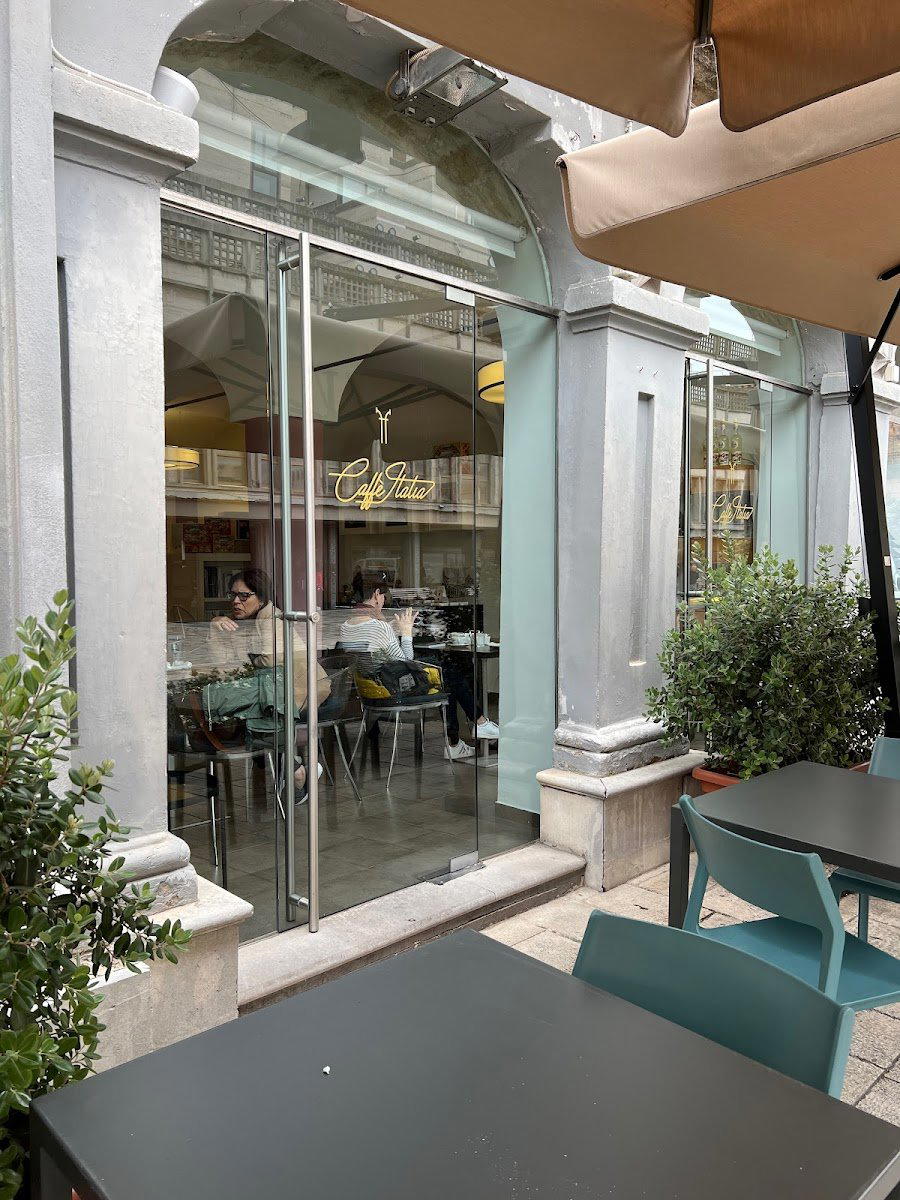
Where Baroque Architecture Meets the Counter
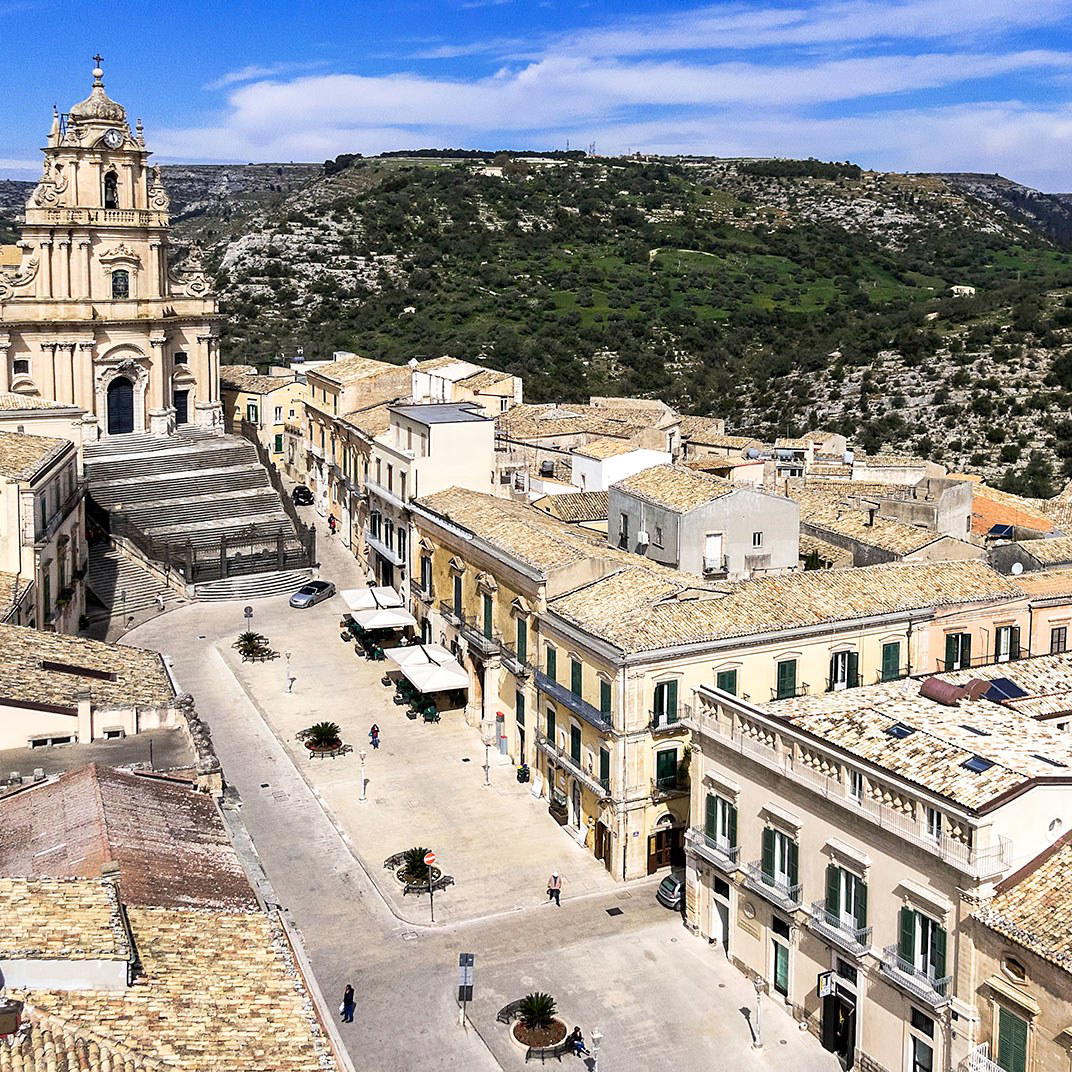
Viale Sicilia sits in Ragusa with the unhurried confidence of a street that knows it has been important for a long time. The address on the sign reads Ragusa, and Caffè Sicilia is a traditional Sicilian pastries and café in the city, shaped by Corrado Assenza's family practice over four generations. What arrives in both locations is the same proposition: Sicilian pastry as agricultural record, not decoration.
The category of Sicilian pastry carries more intellectual and historical weight than its casual appearance suggests. This is a confectionery tradition shaped by Arab, Norman, and Spanish occupations, by almond groves in the Hyblaean hills, by pistachio orchards near Bronte, by ricotta from sheep pastured on dry limestone plateaus. The granita and cannoli that tourists photograph are not simply sweet things, they are the distilled residue of several centuries of agricultural exchange, and the craft of working with them properly requires an understanding of those origins that most pasticcerie no longer bother to maintain.
A Fourth-Generation Practice
Assenza is a fourth-generation pastry chef, and the editorial angle EA-GN-01 fits here precisely because his career illustrates a wider pattern in how Italian artisan food culture renews itself. The Chef's Table: Pastry documentary (Netflix, Season 1, Episode 2) brought Assenza to an international audience and framed him as something the series called a culinary philosopher, a description that sounds promotional until you consider what it actually means in practice. His approach connects the agricultural sourcing of raw ingredients to their finished form in a way that most pastry work, which begins with commodity ingredients already stripped of provenance, does not.
The lineage matters here as context for the product, not as biography for its own sake. Four generations of institutional knowledge about Sicilian almonds, about the correct texture of a granita made with Avola almonds rather than imported paste, about the seasonal availability of jasmine and citrus blossom, produces a different result than contemporary pastry training alone would. Assenza's peers in Italy are artisan producers, cheesemakers, olive oil producers, and small winemakers who treat craft as the continuation of place-specific knowledge.
The Opinionated About Dining Signal
Opinionated About Dining has placed Caffè Sicilia on its Cheap Eats in Europe list three consecutive years: ranked 11th in 2023, 20th in 2024, and 13th in 2025. OAD's methodology aggregates assessments from a large panel of experienced diners rather than a small group of anonymous inspectors, which makes sustained presence on that list a meaningful signal. It positions Caffè Sicilia not merely in the register of local pastry shops but in a European conversation that includes significant addresses from Paris, Copenhagen, and Barcelona.
The three-year consistency is the more telling data point. Pastry shops that appear on lists through novelty tend to fall away as the next discovery arrives. Consistent ranking over multiple cycles suggests a repeatable standard rather than a single exceptional visit. Within Italy, it places Caffè Sicilia in a different register from the fine-dining addresses that dominate recognition in Ragusa's wider province: Duomo with its contemporary two-Michelin-star format, Locanda Don Serafino with its creative Italian approach, and the more casual I Banchi at a lower price tier. Caffè Sicilia occupies a different axis entirely: high craft, low ceremony, accessible price, rooted category.
For context on what that means inside Italian fine-food culture, consider that the restaurants drawing serious attention in Italy, Osteria Francescana in Modena, Le Calandre in Rubano, Enoteca Pinchiorri in Florence, Piazza Duomo in Alba, Enrico Bartolini in Milan, Atelier Moessmer Norbert Niederkofler in Brunico, Quattro Passi in Marina del Cantone, Dal Pescatore in Runate, operate in a register that is expensive, formal, and reservation-driven. Caffè Sicilia earns European-level recognition without any of those structures. It is a walk-in counter experience, operating at pastry-shop prices, that has maintained craft standards serious enough to be ranked alongside those environments by the people who also frequent them.
Internationally, the pastry-specialist format that earns comparably serious recognition includes places like Cakes and Bubbles in London and Pavé in Milan, each operating in a major metropolitan market with different price points and formats, but sharing the conviction that pastry deserves the same sourcing and technical discipline applied to savoury cooking.
What to Order and When to Arrive
Caffè Sicilia opens at 7am Monday through Saturday and at 7:30am on Sunday, closing at 8:30pm on all days. The granita, particularly versions using Sicilian almonds, pistachio, or citrus, is the product most directly tied to the agricultural sourcing philosophy the operation is built around. Cannoli and cassata represent the broader Sicilian confectionery canon. The Google review score of 4.3 across 717 reviews is consistent with a place that draws serious visitors as well as local regulars.
The morning window, before midday, is when granita is at its intended texture and the counter is at its most representative. Arriving mid-afternoon in summer carries the practical risk of supply depletion on the most sought-after preparations. There is no booking system for a pastry counter; logistics are simply a matter of timing and proximity.
Ragusa as a Base for This Register of Eating
The broader Ragusa food environment supports this kind of visit well. The province concentrates a density of serious eating addresses across different price tiers and formats that is disproportionate to its size and tourist profile. For anyone building a day around craft food rather than fine dining, Caffè Sicilia is a compelling reason to spend time in this corner of southeastern Sicily.
Side-by-Side Snapshot
Comparable venues nearby, for context on price, style, and recognition.
| Venue | Cuisine | Price | Awards | Notes |
|---|---|---|---|---|
| Caffè Sicilia | Traditional Sicilian Pastries & Café | $$$ | Ragusa | |
| I Banchi | Modern Sicilian Bistro | $$ | Michelin Plate | Ragusa Ibla |
| Locanda Don Serafino | Modern Sicilian Fine Dining | $$$$ | Michelin 1 Star | Ragusa Ibla |
| Duomo | Modern Sicilian Haute Cuisine | $$$$ | Michelin 2 Star | Ragusa Ibla |
| Fattoria delle Torri | Modern Sicilian | $$$ | Michelin Plate | historic center |
| Locanda Gulfi | Sicilian Seafood and Wine Bar | $$$ | Michelin Plate | Chiaramonte Gulfi |
Continue exploring
More in Ragusa
Restaurants in Ragusa
Browse all →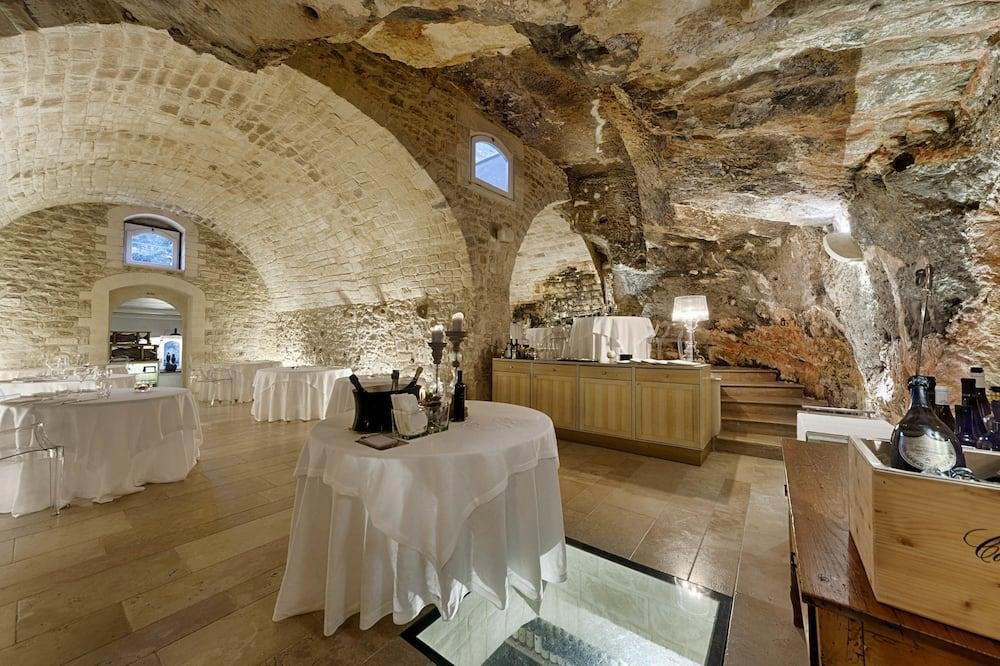
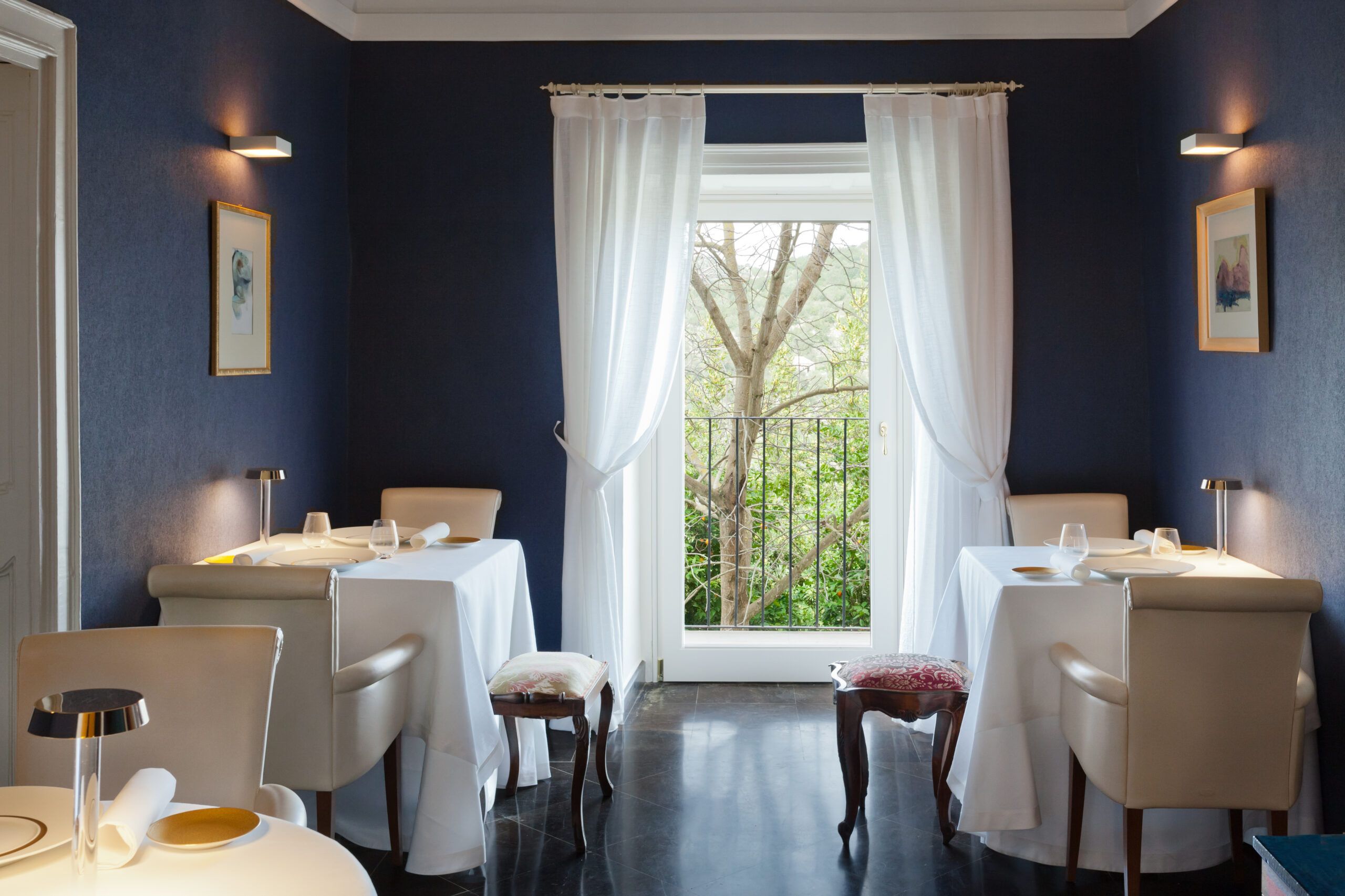
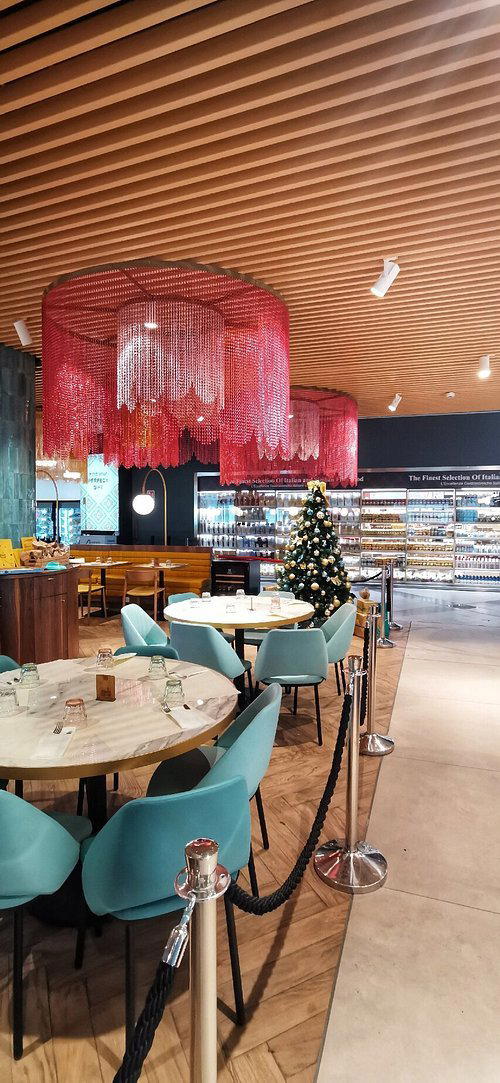
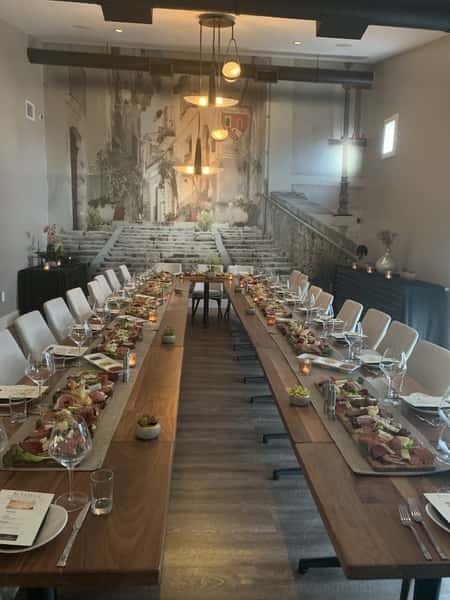
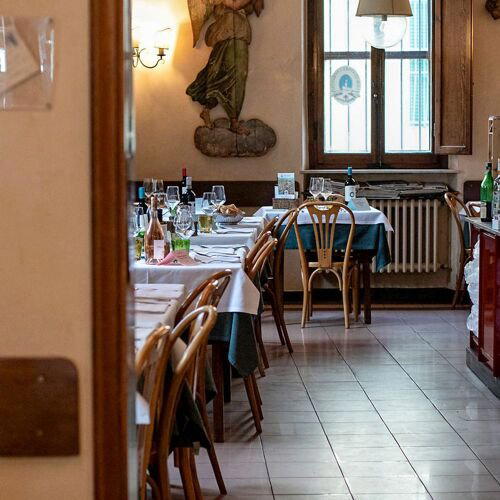
Bars in Ragusa
Browse all →
Hotels in Ragusa
Browse all →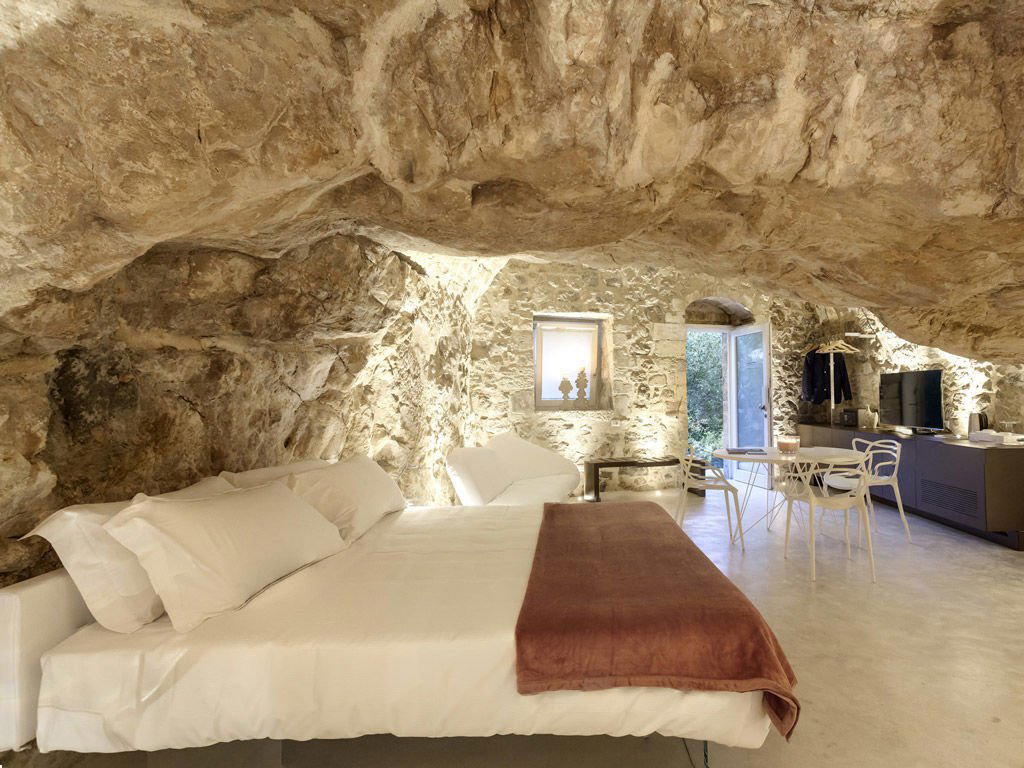
Wineries in Ragusa
Browse all →
At a Glance
- Classic
- Elegant
- Cozy
- Rustic
- Casual Hangout
- Solo
- Standalone
- Beer Program
- Local Sourcing
- Street Scene
Warm and welcoming atmosphere with rustic charm; described as pleasant and traditional Italian bar with high-quality furnishings, though some note inconsistent air conditioning.