

Hidden within the honeyed stone labyrinth of Ragusa Ibla, Locanda Don Serafino distills Sicily’s sun, sea, and centuries into a Michelin-starred conversation between memory and modernity. Chef’s seasonal tasting menus honor island terroir—wild herbs, line-caught seafood, pistachio, and citrus—elevated by precise technique and lyrical plating. Candlelit alcoves carved from ancient rock, a quietly impeccable service cadence, and a cellar deep with Etna crus and Old World jewels transform dinner into an intimate pilgrimage for the senses. For travelers who collect experiences rather than reservations, Locanda Don Serafino is Sicily at its most refined: soulful, rarefied, and unforgettable.
Pearl is the En Primeur Club membership app — saves, bookings, and concierge access live there. Same editors, same standards.
- Address
- Via Avvocato Giovanni Ottaviano, 13, 97100 Ragusa RG, Italy
- Phone
- +39 0932 248778
- Website
- locandadonserafino.it
- Directions
- Get directions
 Saves & bookings on Pearl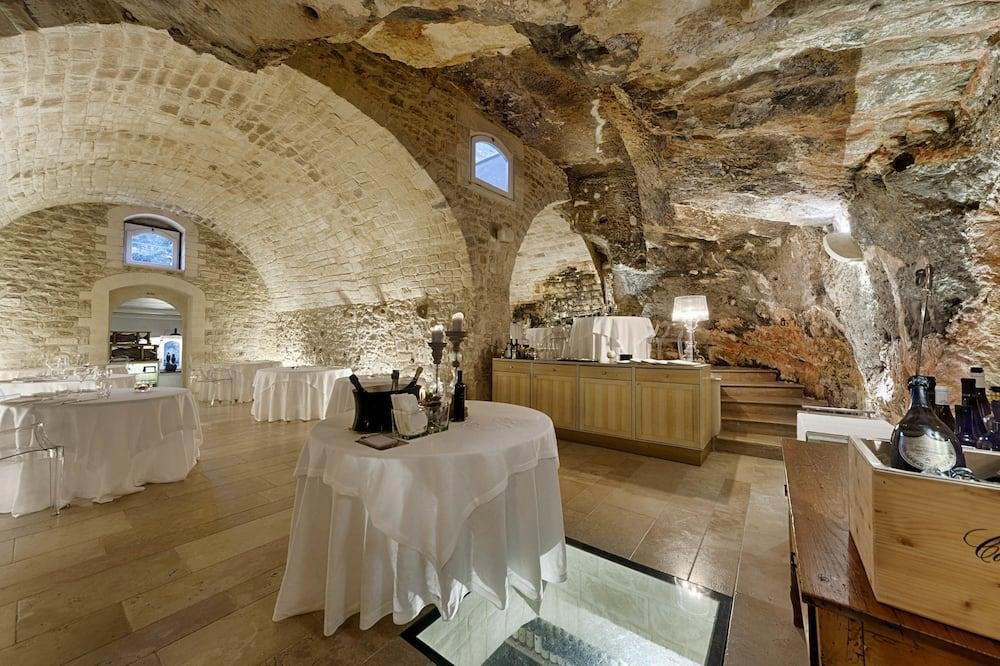
Stone, Elegance, and the Sicilian Table in Ibla
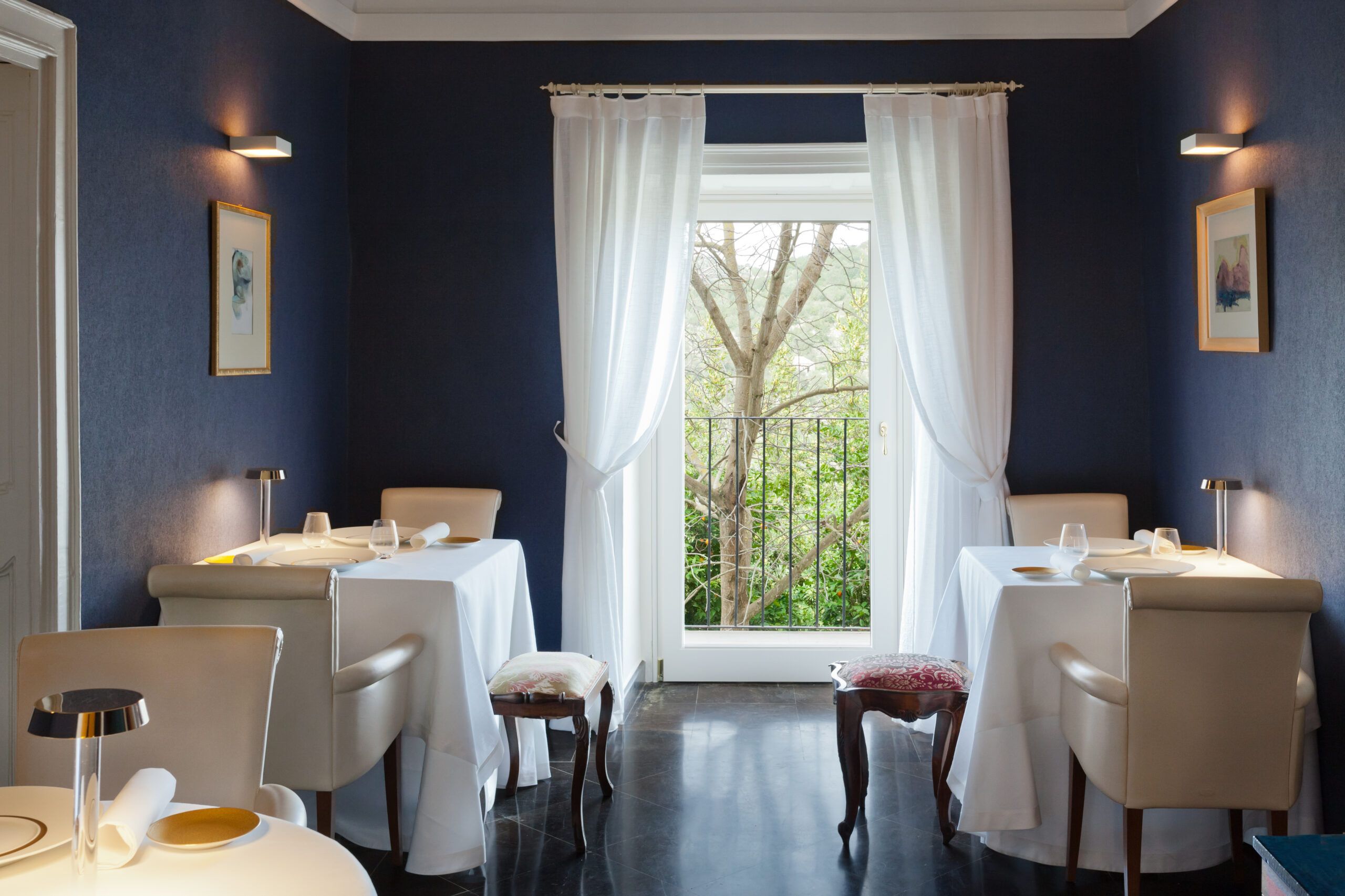
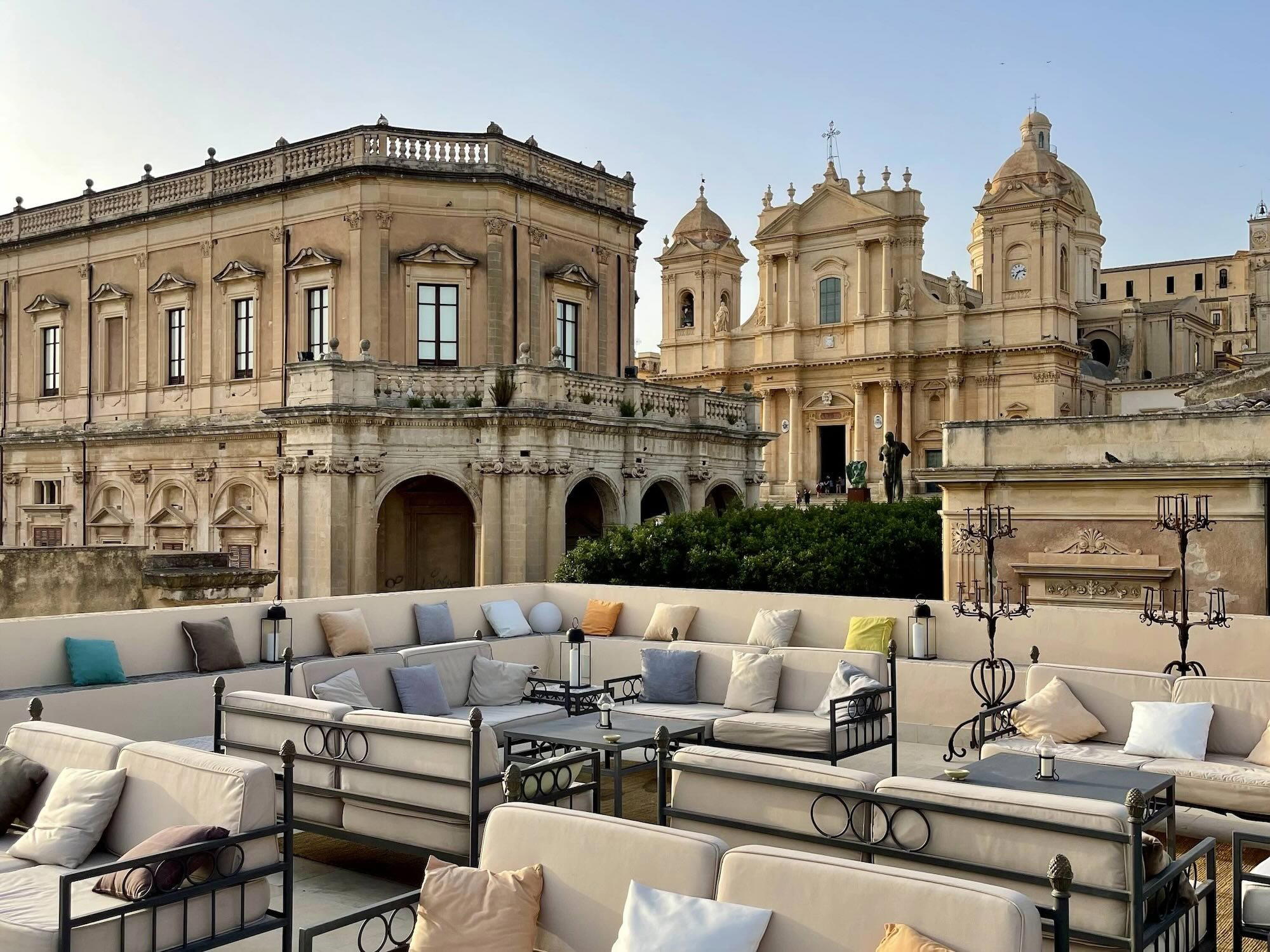
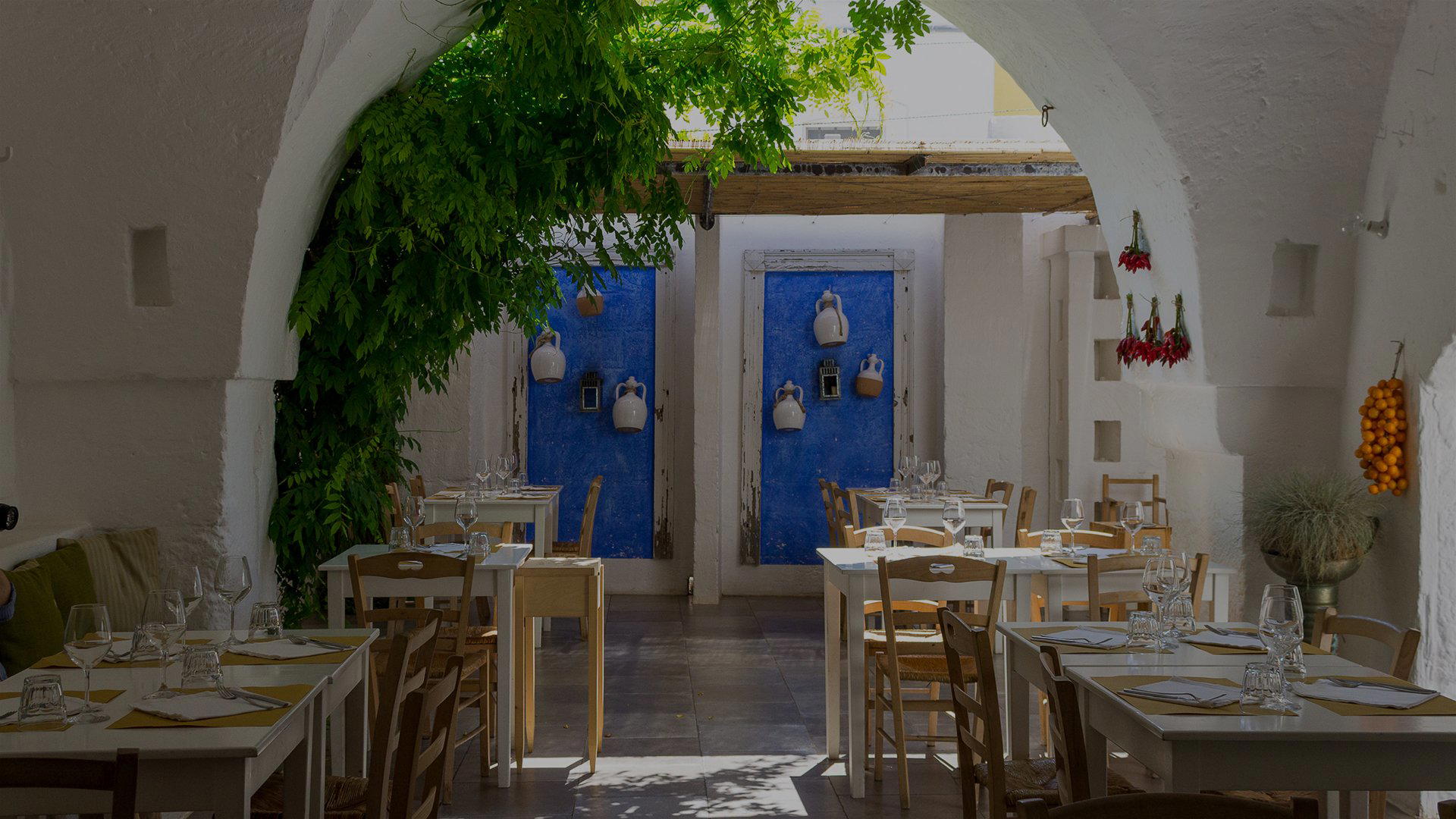
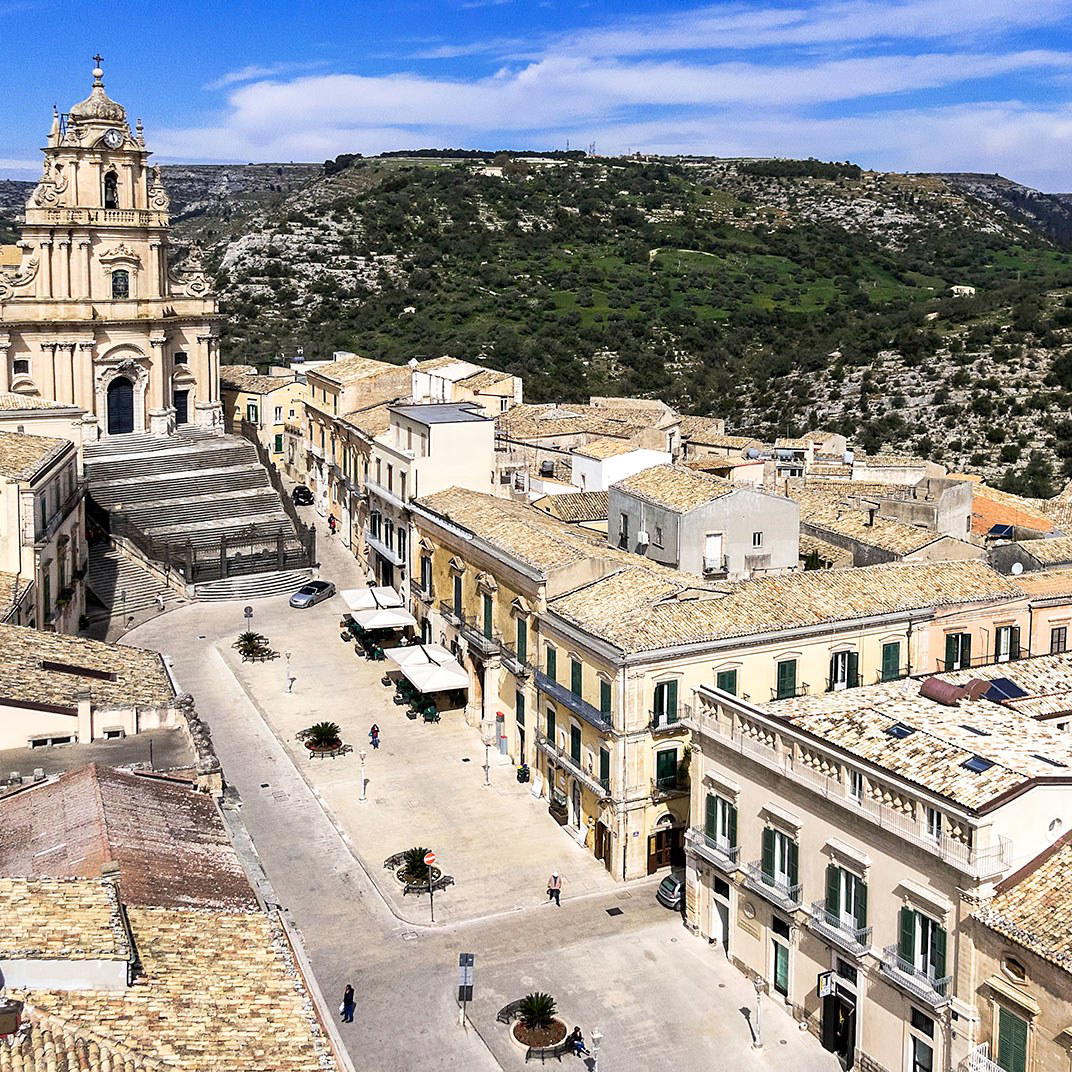
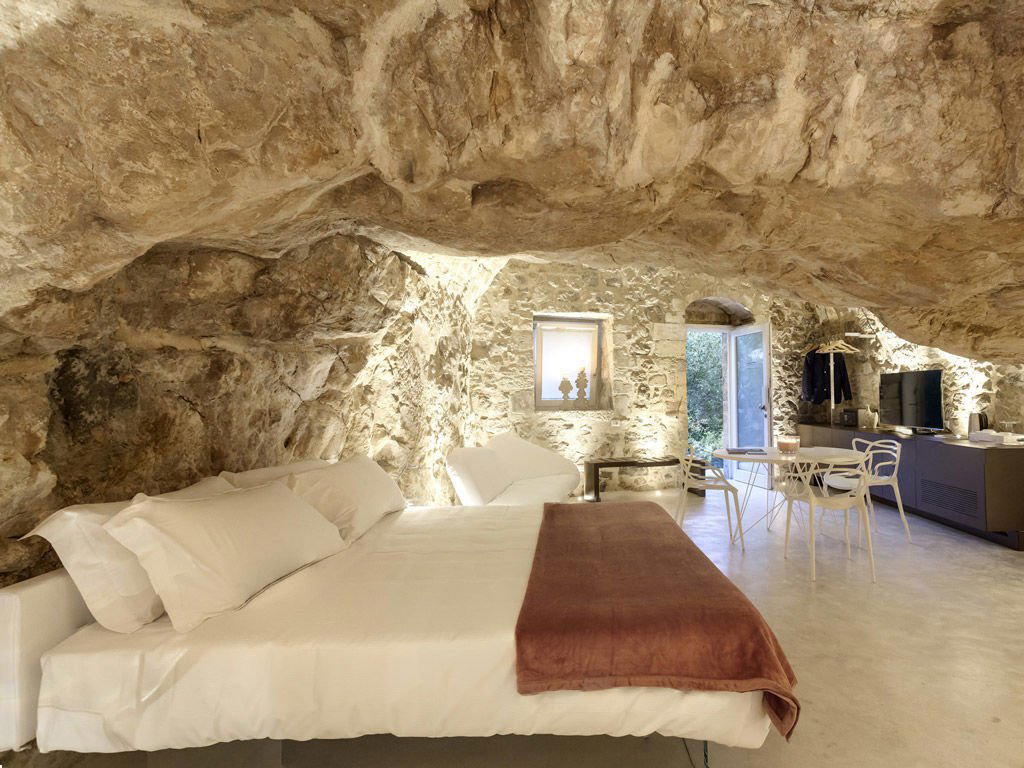
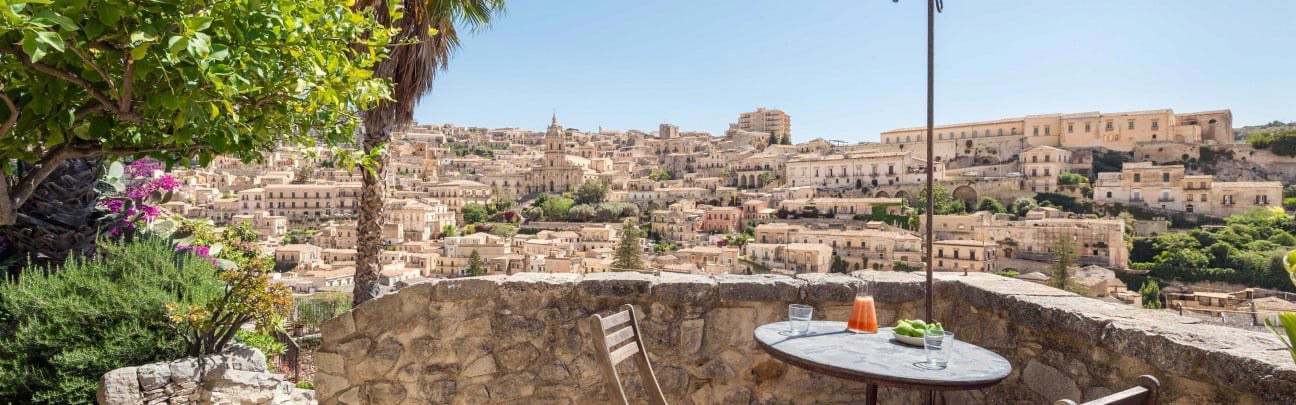
The ring road that traces the edge of Ragusa Ibla is one of those routes where the architecture does most of the talking. Baroque facades, carved balconies, and the slow amber light of the Val di Noto UNESCO zone accumulate before you even sit down. Locanda Don Serafino occupies a position on that road that feels almost structural to the neighborhood itself: partly carved into the rock face beneath Ibla, its interior resolves into something far more polished than the raw geology outside would suggest. The dining room reads as elegant rather than rustic, the kind of deliberate contrast that signals serious intent.
Southern Sicily has a complicated relationship with fine dining. The island's culinary identity is so strong and so specific that restaurants operating at the top of the price bracket face a genuine question: how much do you preserve, and how much do you extend? The answer at Locanda Don Serafino, under chef Vincenzo Candiano, sits clearly on the side of Sicilian continuity, with creative technique applied inside that tradition rather than against it. Opinionated About Dining ranked the restaurant at #376 in its Classical Europe list for 2025, having previously included it as a Recommended entry in 2023. That upward movement within the OAD rankings reflects a kitchen that is not static.
Pasta as Architecture: How the Kitchen Reads the Sicilian Tradition
Sicily's pasta tradition is regional in the most granular sense. What is made in Catania differs from what appears in Palermo, and what the southeast of the island does with pasta reflects the particular agricultural history of the Val di Noto: a zone that connects Arab-Norman food memory, Spanish influence, and the extraordinarily productive land around Ragusa and Modica. Sauces in this tradition tend toward ingredients rather than technique, with excellent tomatoes, almonds, pistachios, and preserved fish doing work that cream-based northern preparations assign to dairy.
A kitchen operating at the level of Locanda Don Serafino takes that context as its foundation. The approach Candiano has built over years here treats classic Sicilian shapes and sauce logic as starting points, then applies contemporary technique at specific points in the process: in the precision of pasta texture, in the sourcing and preparation of secondary ingredients, in the structural relationships between components on the plate. The result is a menu that sits legibly inside Sicilian tradition for anyone who knows the regional reference points, while delivering the kind of precision and internal consistency that distinguishes a serious creative kitchen from a well-executed trattoria. The wine list, described in OAD documentation as renowned and including vertical tasting options, is a further signal: this is a restaurant where the full meal, from first glass to last course, is considered as a unit.
Where Don Serafino Sits in the Ragusa Fine Dining Picture
Ragusa has assembled a concentration of serious restaurants that is disproportionate to the city's population. That density makes more sense when you understand the city's position as one of the reference points for Sicilian baroque tourism, and when you consider the quality of local produce: the Val di Noto black pig, Ragusa caciocavallo, local olive oil, and the fishing catch from the nearby Mediterranean coastline create a raw-ingredient base that serious kitchens can work with.
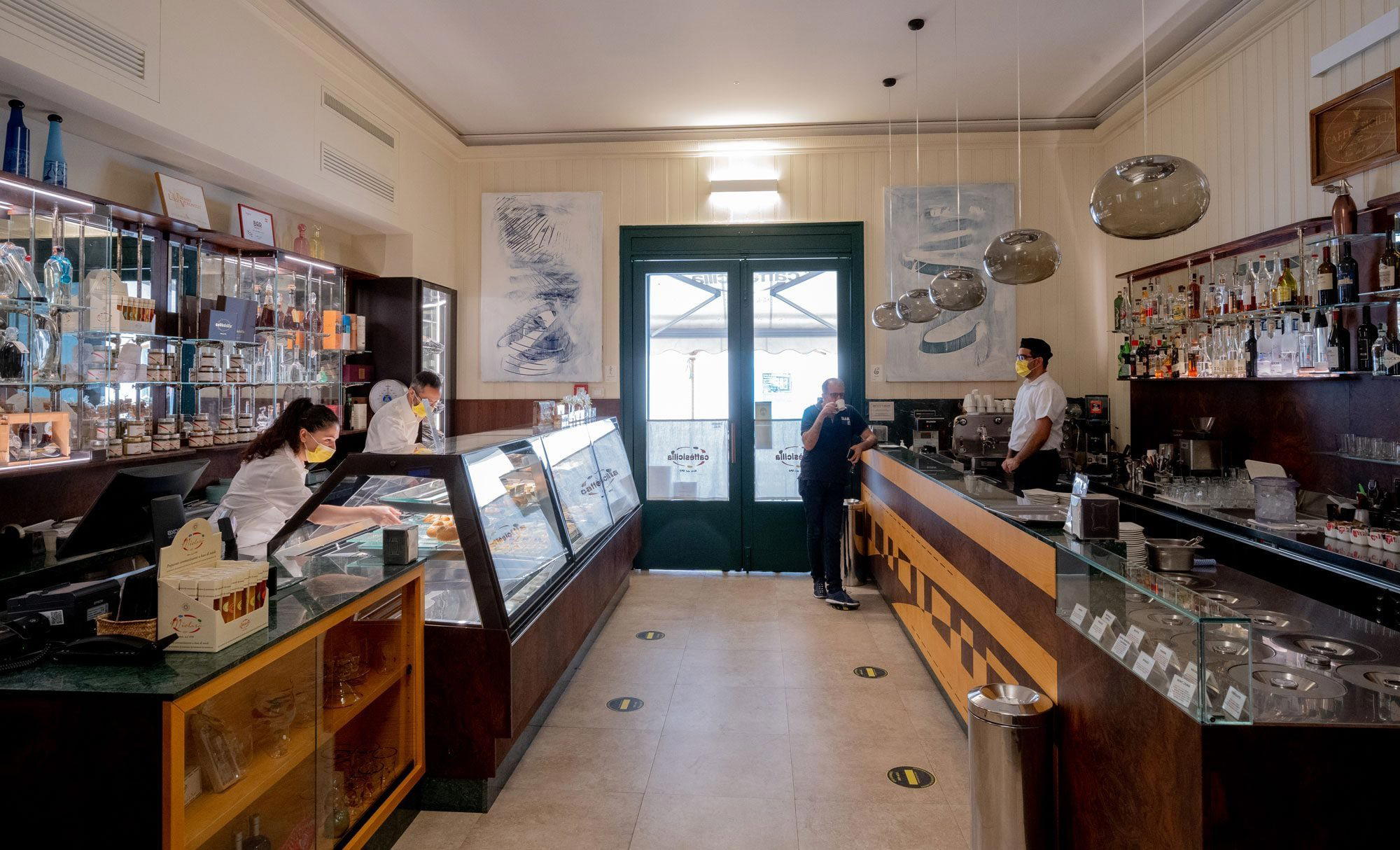
At the top of the price tier, Duomo operates in Contemporary mode at the same price bracket (€€€€), making the two restaurants natural comparisons for visitors booking a single dinner at that level. Both address Sicilian identity but through different lenses. Elsewhere in the city, I Banchi covers the Sicilian register at a lower price point (€€), and Caffè Sicilia addresses the pastry tradition that is inseparable from any serious account of Sicilian food culture. Don Serafino's OAD Classical ranking places it in a specific position: classical in the sense that the Sicilian culinary heritage is not treated as raw material to be deconstructed, but as a living tradition that rewards extension through precision.
Further up the Italian fine dining hierarchy, the points of reference extend to Osteria Francescana in Modena, Enoteca Pinchiorri in Florence, Enrico Bartolini in Milan, and Le Calandre in Rubano. The contrast is instructive: Don Serafino is doing serious work at the top end of a provincial Sicilian city, and its OAD Classical ranking suggests the food holds its own measured against European restaurant programs operating in much larger markets.
Other Italian restaurants that reward comparison include Dal Pescatore in Runate, Uliassi in Senigallia, Quattro Passi in Marina del Cantone, and Atelier Moessmer Norbert Niederkofler in Brunico, each of which approaches Italian regional identity from a different geography and with a different set of creative priorities.
The Wine Program
Sicily's wine scene has changed substantially over the past two decades. Nero d'Avola, once primarily a blending grape for northern producers, now anchors serious single-varietal programs from estates in the southeast. Nerello Mascalese from Etna has attracted international attention. Carricante, Grillo, and Catarratto are finding more precise expressions as producers reduce yields and improve cellar work. A restaurant at Don Serafino's level, with a wine list that OAD documentation specifically identifies as renowned and offering vertical tastings, is positioned to draw from this improving regional base while also reaching into the broader Italian and European canon. Vertical options in particular signal cellar depth and a kitchen that expects guests to engage with the wine program as seriously as the food.
Planning Your Visit
The restaurant operates at €€€€ pricing, placing it at the top of Ragusa's fine dining tier. The dining room's combination of carved-rock setting, elegant interior, and attentive service makes it a natural choice for dinner rather than a casual lunch, though the kitchen operates lunch service on most days. The weekly schedule closes on Tuesday entirely and opens for dinner only on Wednesday, with lunch and dinner service running Thursday through Sunday and on Monday. One guestroom sits on the premises, with additional accommodation available within walking distance at the associated hotel of the same name, which is worth factoring in if the intention is to keep the evening unhurried.
For anyone building a broader Ragusa itinerary, EP Club's guides cover the city's full range of options: our full Ragusa restaurants guide, our full Ragusa hotels guide, our full Ragusa bars guide, our full Ragusa wineries guide, and our full Ragusa experiences guide.
Cuisine and Credentials
| Venue | Cuisine | Price | Awards |
|---|---|---|---|
| Locanda Don SerafinoThis venue — the venue you are viewing | Italian, Creative | €€€€ | Not listed |
| Duomo | Contemporary | €€€€ | Michelin 2 Star |
| Caffè Sicilia | Pastry | Not listed | Pastry |
| I Banchi | Sicilian | Not listed | Sicilian, €€ |
Recognition history
Dated appearances from independent guides and award organizations, with the underlying list record or original source where available.
Michelin 1 Star
Michelin
Michelin 1 Star
Michelin
Opinionated About Dining Classical in Europe Ranked #376
Opinionated About Dining
Michelin 1 Star
Michelin
Opinionated About Dining Classical in Europe Recommended
Opinionated About Dining

At a Glance
- Romantic
- Elegant
- Sophisticated
- Intimate
- Date Night
- Special Occasion
- Celebration
- Business Dinner
- Wine Cellar
- Historic Building
- Private Dining
- Hotel Restaurant
- Extensive Wine List
- Sommelier Led
- Local Sourcing
Current opening hours
- Monday
- 12:45–2:30 PM, 7:45–10:30 PM
- Tuesday
- Closed
- Wednesday
- 8–10:30 PM
- Thursday
- 12:45–2:30 PM, 7:45–10:30 PM
- Friday
- 12:45–2:30 PM, 7:45–10:30 PM
- Saturday
- 12:45–2:30 PM, 7:45–10:30 PM
- Sunday
- 12:45–2:30 PM, 7:45–10:30 PM
Hours can change for holidays and private events. Last verified .
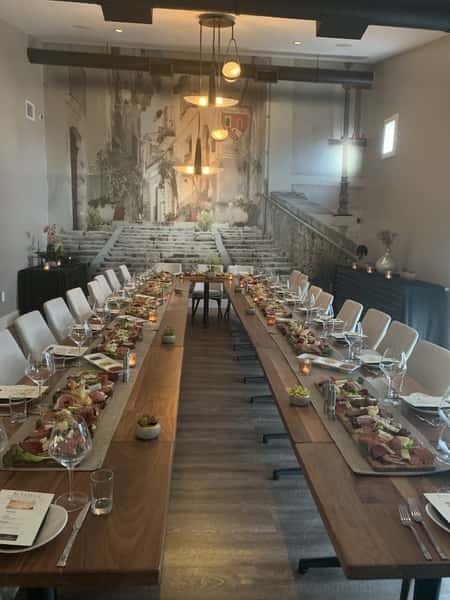
Elegant and theatrical dining experience in a naturally vaulted stone cave setting with refined lighting, sophisticated service, and an atmosphere that balances grandeur with approachability.
Know Before You Go
- Getting there
- Via Avvocato Giovanni Ottaviano, 13, 97100 Ragusa RG, Italy