Da Benito

Da Benito at 200 Walton Ave puts Union, NJ on the map for a style of neighborhood dining that rewards locals who know where to look. The kitchen draws on ingredient-focused cooking traditions that have defined the better end of suburban Italian-American dining for decades. For the area, it occupies a reliable middle register between fast-casual options and the kind of destination dining that requires a trip into Manhattan.
Pearl is the En Primeur Club membership app — saves, bookings, and concierge access live there. Same editors, same standards.
- Address
- 200 Walton Ave, Union, NJ 07083
- Phone
- +19089645850
- Website
- dabenito.com
- Directions
- Get directions
 Saves & bookings on Pearl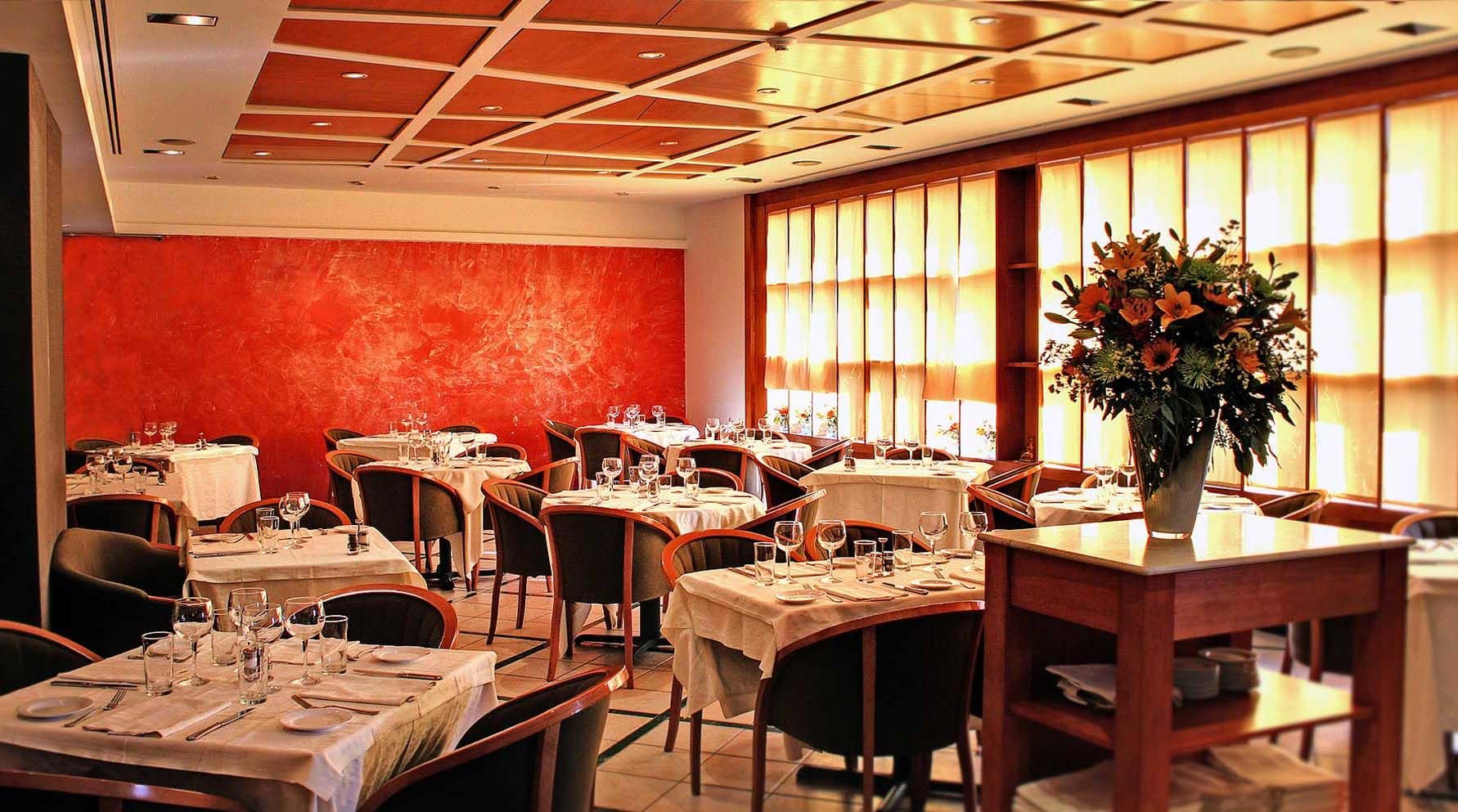
Union, NJ and the Neighborhood Restaurant Question
Union County sits in a curious position relative to New York City's dining gravity. Close enough that residents commute daily, far enough that the borough-level restaurant density never materialized. What did develop, across decades of immigration waves and neighborhood stabilization, is a tier of family-run restaurants that serve a genuinely local clientele rather than a tourist rotation. Da Benito, at 200 Walton Ave, belongs to that category. The address alone tells you something: Walton Avenue is not a destination strip. There is no foot traffic from hotel guests, no spillover from a theater district. The people eating here are, by and large, the people who live nearby, and that dynamic shapes everything from portion logic to the sourcing rhythms that keep a kitchen like this viable over time.
Where the Food Comes From: Sourcing in a Suburban Context
The ingredient-sourcing conversation in American dining has been dominated, for at least two decades, by a handful of high-profile operations: Blue Hill at Stone Barns in Tarrytown built an entire identity around the farm-to-table vertical. Single Thread Farm in Healdsburg extended that logic into a full hospitality ecosystem. At the other end of the spectrum, Smyth in Chicago uses hyper-local sourcing as a formal tasting menu proposition. These are temples to the provenance idea, and they price accordingly.
What gets less editorial attention is how sourcing works at the neighborhood level, where a kitchen has to balance cost-per-cover against the aspirations of a cooking tradition that was always ingredient-dependent. Italian and Italian-American cooking, at its core, is not technique-forward. It is ingredient-forward. The quality of the olive oil, the age and type of the cheese, the freshness of the tomatoes: these are not finishing touches but structural elements. A kitchen operating in Union, NJ faces the same fundamental questions as one in Bologna, just with different supply chain logistics and a different margin structure.
New Jersey's agricultural output is routinely underestimated outside the region. The state produces tomatoes, peppers, eggplant, and stone fruit at a scale that makes it a legitimate sourcing region, not a fallback. For a restaurant on Walton Avenue, proximity to that production is an advantage that comparable establishments in Manhattan's more expensive zip codes do not necessarily share. Whether Da Benito exploits that proximity directly is something the kitchen's daily output would answer more reliably than any marketing language. What the address confirms is that the supply logistics are favorable.
The Dining Room as Evidence
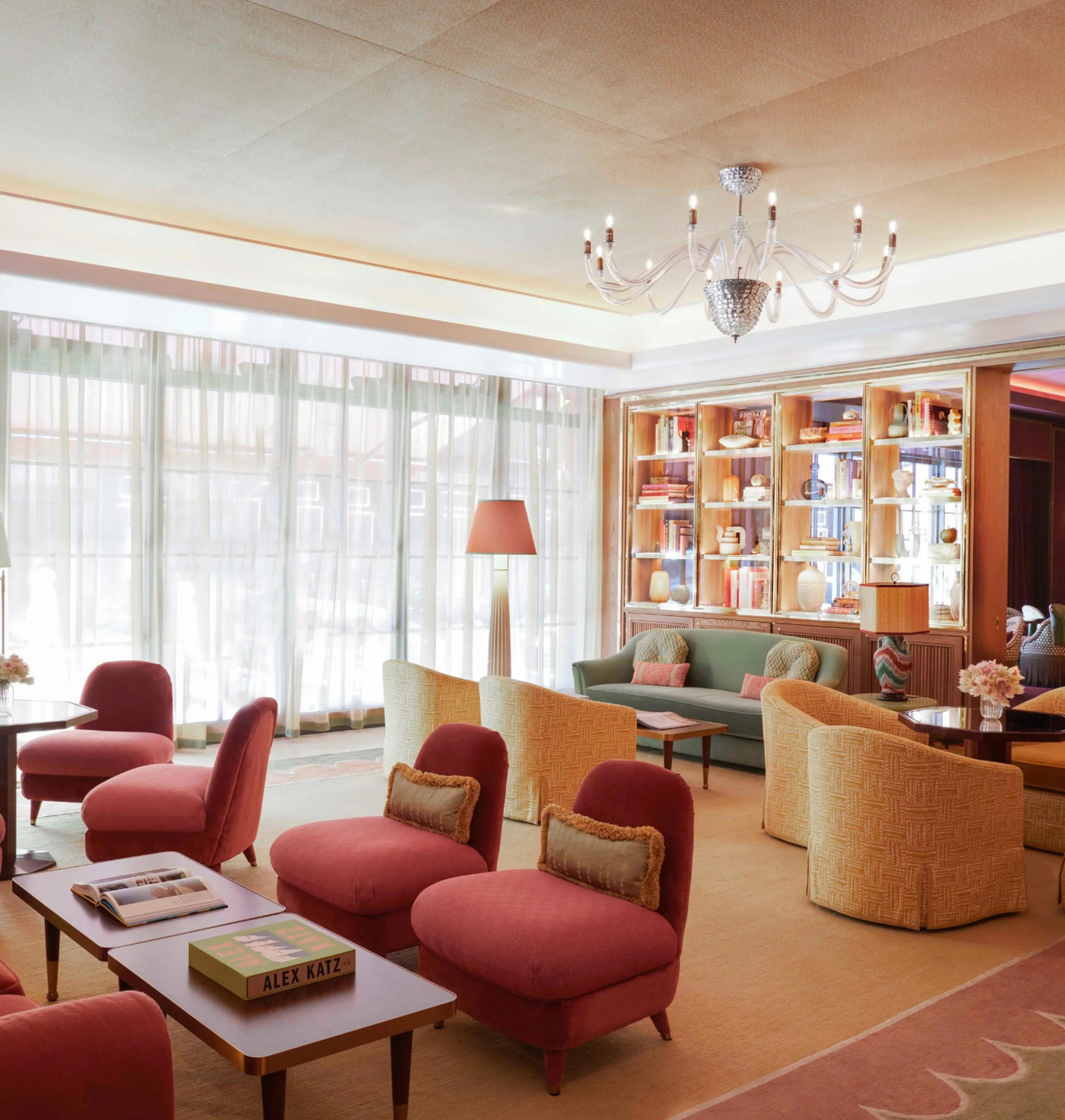
Approaching a restaurant like Da Benito, the physical environment signals intent before the menu does. Neighborhood Italian dining rooms in New Jersey tend to fall into legible types: the large-format red-sauce hall with vinyl booths and portion sizes calibrated for a 1970s longshoreman, or the tighter, more considered room where the tablecloths and the lighting suggest that someone in the kitchen takes the cooking seriously. The address at 200 Walton Ave places Da Benito in a commercial strip context, which typically favors accessibility over atmosphere. That is not a criticism. Particularly ingredient-honest cooking in the northeastern United States has always happened in rooms with fluorescent lighting and laminate menus. The cooking is not less serious for the setting.
For practical planning: the restaurant's phone and website details are not currently listed in available directories, so one reliable approach is to visit in person or check current local listings before making a special trip. Union is accessible from Newark and the broader Essex and Union County area without significant transit difficulty, which positions the restaurant as a realistic local option rather than a cross-state undertaking.
Da Benito in the Broader Union Dining Scene
Union's restaurant scene is thinner than its population density might suggest, which is partly a function of the town's commercial geography and partly a historical artifact of residents defaulting to Newark, Westfield, or Manhattan for destination meals. What remains is a functional tier of neighborhood operations that serve a repeat clientele. Monchy's Fast Food represents one end of that spectrum: fast, affordable, Latin-inflected. The restaurant occupies a different register, where the expectation is a sit-down meal with some ambition behind it. The two venues are not in competition; they serve different occasions and different appetites.
For context on what the upper end of regional cooking looks like, the New York metro area has examples across several traditions. Le Bernardin in New York City remains the benchmark for seafood-focused precision. Atomix in New York City has repositioned what a tasting menu can accomplish within a Korean culinary framework. These are different animals entirely from a neighborhood Italian in Union County, but they define the ceiling of the regional conversation, and that ceiling affects expectations even at the local level. Diners who have eaten at The French Laundry in Napa or Providence in Los Angeles bring calibrated palates back to their home neighborhoods. That is not a burden for a restaurant like Da Benito; it is a pressure that, when a kitchen rises to meet it, produces better cooking.
Other reference points from the broader national conversation: Lazy Bear in San Francisco demonstrated that progressive American cooking can operate outside fine-dining formality. Emeril's in New Orleans built a regional ingredient identity into a recognizable brand. Frasca Food and Wine in Boulder made the case that Italian regional cooking, executed with sourcing rigor, could anchor a serious restaurant far outside Italy's borders. Addison in San Diego, The Inn at Little Washington, ITAMAE in Miami, Oyster Oyster in Washington, D.C., The Wolf's Tailor in Denver, and Atelier Moessmer Norbert Niederkofler in Brunico each represent a different answer to the question of how ingredient sourcing becomes a restaurant's defining argument. The restaurant is working at a different scale and price point, but the underlying question is the same: does the food taste like it came from somewhere specific?
For a fuller picture of Union's current dining options across price tiers and cuisine types, see our full Union restaurants guide.
Planning Your Visit
The restaurant is located at 200 Walton Ave, Union, NJ 07083. Given the absence of a listed website or confirmed phone number in current directories, confirming hours and reservation availability before visiting is advisable. The restaurant draws primarily from the local Union County residential base, which means weekday evenings tend to be quieter and more accommodating for walk-ins than Friday and Saturday nights, when neighborhood regulars fill the room early.
A Quick Peer Check
| Venue | Cuisine | Price | Awards |
|---|---|---|---|
| Da BenitoThis venue — the venue you are viewing | This venue | Not listed | Not listed |
| Le Bernardin | French, Seafood | $$$$ | Michelin 3 Star |
| Lazy Bear | Progressive American, Contemporary | $$$$ | Michelin 2 Star |
| Atomix | Modern Korean, Korean | $$$$ | Michelin 2 Star |
| Per Se | French, Contemporary | $$$$ | Michelin 3 Star |
| Masa | Sushi, Japanese | $$$$ | Michelin 3 Star |
Recognition history
Dated appearances from independent guides and award organizations, with the underlying list record or original source where available.
Wine Spectator Best of Award of Excellence
Wine Spectator
Continue exploring
More in Union
Restaurants in Union
Browse all →
Bars in Union
Browse all →
Hotels in Union
Browse all →



At a Glance
- Classic
- Elegant
- Intimate
- Date Night
- Special Occasion
- Business Dinner
- Private Dining
- Extensive Wine List
- Local Sourcing
Current opening hours
- Monday
- 11:30 AM–3:30 PM, 5–10 PM
- Tuesday
- 11:30 AM–3:30 PM, 5–10 PM
- Wednesday
- 11:30 AM–3:30 PM, 5–10 PM
- Thursday
- 11:30 AM–3:30 PM, 5–10 PM
- Friday
- 11:30 AM–3:30 PM, 5–10 PM
- Saturday
- 5–10 PM
- Sunday
- Closed
Hours can change for holidays and private events. Last verified .
Warm and welcoming fine dining atmosphere with attention to detail and polished service.