Alba

Wine Spectator Best of Award of Excellence
Our verdict
Alba on Melrose Avenue sits inside the tier of Los Angeles restaurants where the meal is structured as a deliberate progression rather than a collection of individual dishes. The address places it in West Hollywood's densest corridor of serious dining, where Italian-inflected fine dining has long competed with the city's expanding roster of Michelin-recognised counters and tasting-format rooms.

Pearl is the En Primeur Club membership app — saves, bookings, and concierge access live there. Same editors, same standards.
- Address
- 8451 Melrose Ave, Los Angeles, CA 90069
- Phone
- (424) 484-3992
- Hours
- Mon–Sat 5:30–10:30 PMSun 5:30–8:30 PM
- Website
- cucinaalba.com
- Directions
- Get directions
- Booking
- Book on SevenRooms

The menu
What to order
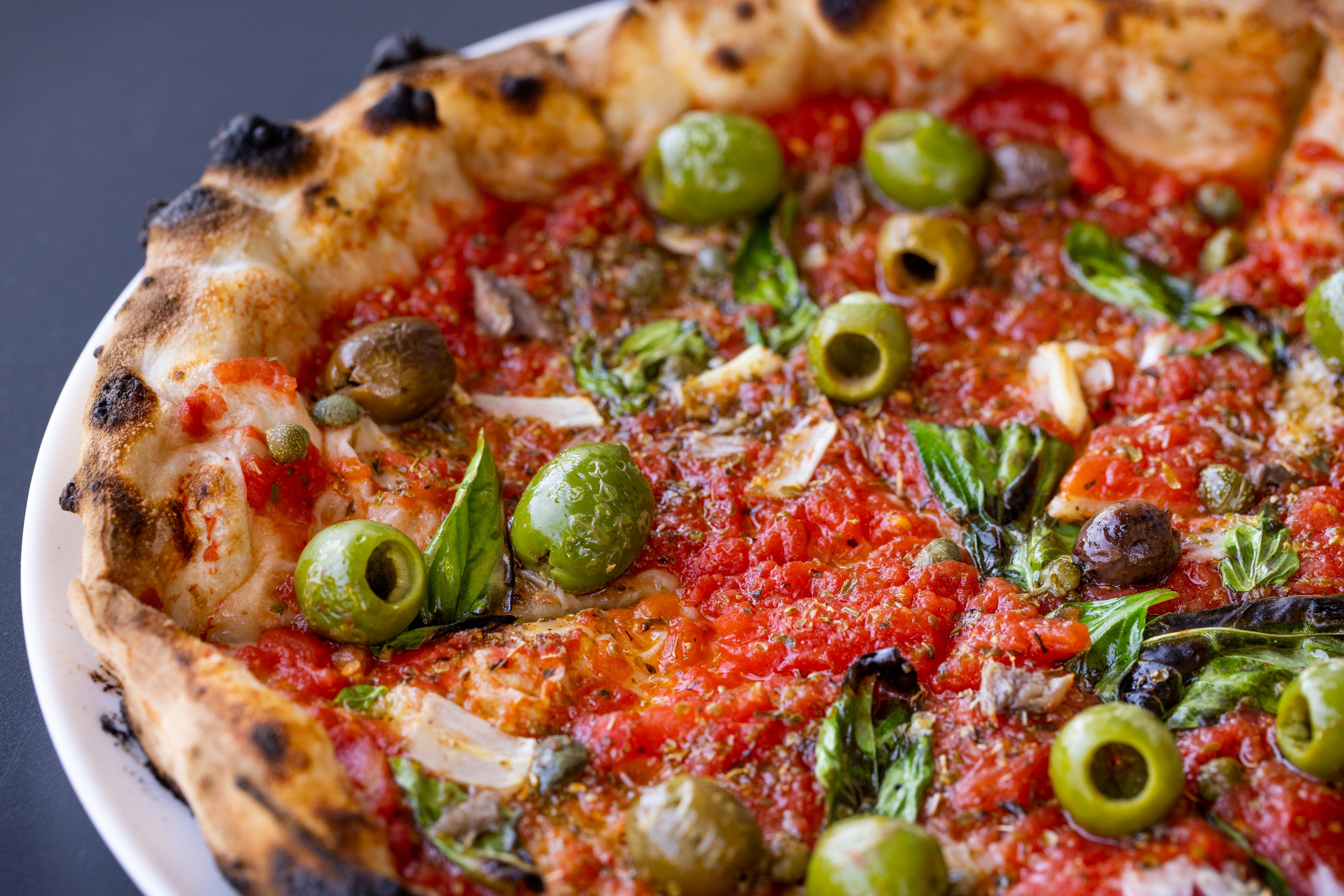
- Chicken Alla Diavola
- Orecchiette arrabbiata
- Focaccia della Casa
Melrose Avenue and the Architecture of the Long Meal
Melrose Avenue between La Cienega and Fairfax has accumulated, over the past decade, one of the more concentrated runs of serious dining in Los Angeles. The street carries a particular kind of ambition: rooms that read as polished but not cold, menus that commit to a culinary direction without announcing it at volume. Alba, at 8451 Melrose, belongs to this register. Before you reach the door, the block itself signals the tier you are entering — this is not the city's experimental fringe, where venues like Somni push molecular technique to its limits, nor is it the neighbourhood trattoria end of the Italian spectrum anchored by Osteria Mozza a short distance away. Alba occupies the middle register of that range: composed, considered, and structured around the idea that a meal should move through phases with intention.
How the Progression Works
The tasting-progression format that defines higher-end dining in Los Angeles has matured considerably since the mid-2010s. Early iterations leaned heavily on visual theatrics or exotic-ingredient signalling. The current cohort — which includes Kato with its New Taiwanese sequences and Hayato operating through the strict arc of kaiseki, tends to find its identity in the logic of the sequence itself: what each course sets up, what it resolves, how pace and portion interact to sustain attention over two or more hours.
At Alba, the name alone is instructive. Alba in the Piedmontese sense, the town, the white truffle, the Langhe wine culture, positions the kitchen inside a European fine-dining tradition that prizes restraint in seasoning, quality of primary ingredients, and the kind of structural formality that allows a tasting menu to feel like an argument with a clear arc rather than a sequence of unrelated impressions. Whether that reference is literal or aspirational matters less than what it tells you about the intended register: this is a room asking to be measured against the Italian fine-dining canon, not against the city's more freewheeling New American tier.
In practical terms, the progression-first format means the meal is designed to be eaten in order, at the kitchen's pace. Courses build on each other in weight and intensity, lighter, more acidic openers giving way to richer, more textured middle courses before a dessert sequence that typically works to dissolve what came before it.
West Hollywood's Fine-Dining Tier in Context
Los Angeles fine dining has never been as monolithic as New York's, where the city's leading tasting rooms tend to cluster in a recognisable prestige tier, think Le Bernardin or Atomix, with reasonably clear signals about what each room costs and how it performs. In LA, the tiers are more porous. Michelin recognition arrived late (the guide returned to California in 2019 after a decade's absence) and the city's dining culture has historically rewarded informality and ingredient sourcing over classical technique and formal service. The result is a market where a room structured around a European tasting progression competes not just against comparable fine-dining addresses but also against a casual-luxury register that has no direct equivalent in Chicago (where Alinea sits at an unambiguous apex) or in New York.
Within Michelin's LA coverage, the Italian-leaning tasting format is a smaller niche than the Japanese-influenced counter format, which dominates the two- and three-star tier. Hayato's kaiseki precision and the Japanese-American sequences at Kato represent a significant portion of the city's current fine-dining credibility. Italian fine dining in LA, at the structured, multi-course end rather than the pasta-and-pizza end, competes against that Japanese-led dominance while drawing on a different set of reference points: Piemontese ingredients, northern Italian wine logic, the classical European service model. That is a harder sell in this particular city, which may be precisely why rooms that commit to it tend to attract a guest profile looking for something the broader LA market does not default toward.
For a sense of how Italian fine dining at this level performs in other markets, the relevant comparison is not a California peer but an international one: 8½ Otto e Mezzo Bombana in Hong Kong demonstrates how Italian technique, when applied with rigour in a non-Italian city, can build sustained Michelin recognition across multiple decades. The question for Alba is whether the same logic holds in a city whose dining culture trends toward the informal and the ingredient-led rather than the formally structured.
Comparable Rooms and Where Alba Sits Among Them
These rooms share a commitment to the meal as a structured whole rather than a menu of individually ordered dishes, and that shared logic is what places them in a meaningful comparative tier regardless of geography or cuisine type.
Within Los Angeles specifically, see our full Los Angeles restaurants guide for the current breadth of the city's serious dining options, from Japanese counters to progressive tasting rooms. For planning beyond dinner, our Los Angeles hotels guide, bars guide, wineries guide, and experiences guide cover the rest of the city at the same editorial level.
Planning Your Visit
Alba sits on Melrose Avenue in West Hollywood, an address with reliable valet options given the corridor's density of evening dining traffic. Reservations at this tier of Los Angeles restaurant typically open several weeks in advance, and weekend tables at tasting-format rooms in this neighbourhood fill faster than weekday slots, mid-week booking windows are worth monitoring if a specific date is not fixed. The meal's progression-first format means build in time: two to two-and-a-half hours is the standard commitment for a structured tasting menu in this city, and rooms designed around that format are not suited to guests working against a hard departure time. Dress codes at West Hollywood fine-dining rooms of this tier are generally smart casual to business casual, though the room's tone will signal more clearly than any written policy.
Frequently asked questions
Can I bring kids to Alba?
Alba sits within Melrose Avenue's higher-end fine-dining corridor in West Hollywood, where the tasting-progression format typically runs two or more hours at the table. That format suits adults and older teenagers with patience for a multi-course structure, less so young children. Check directly with the restaurant before booking a table for younger guests.
What's the vibe at Alba?
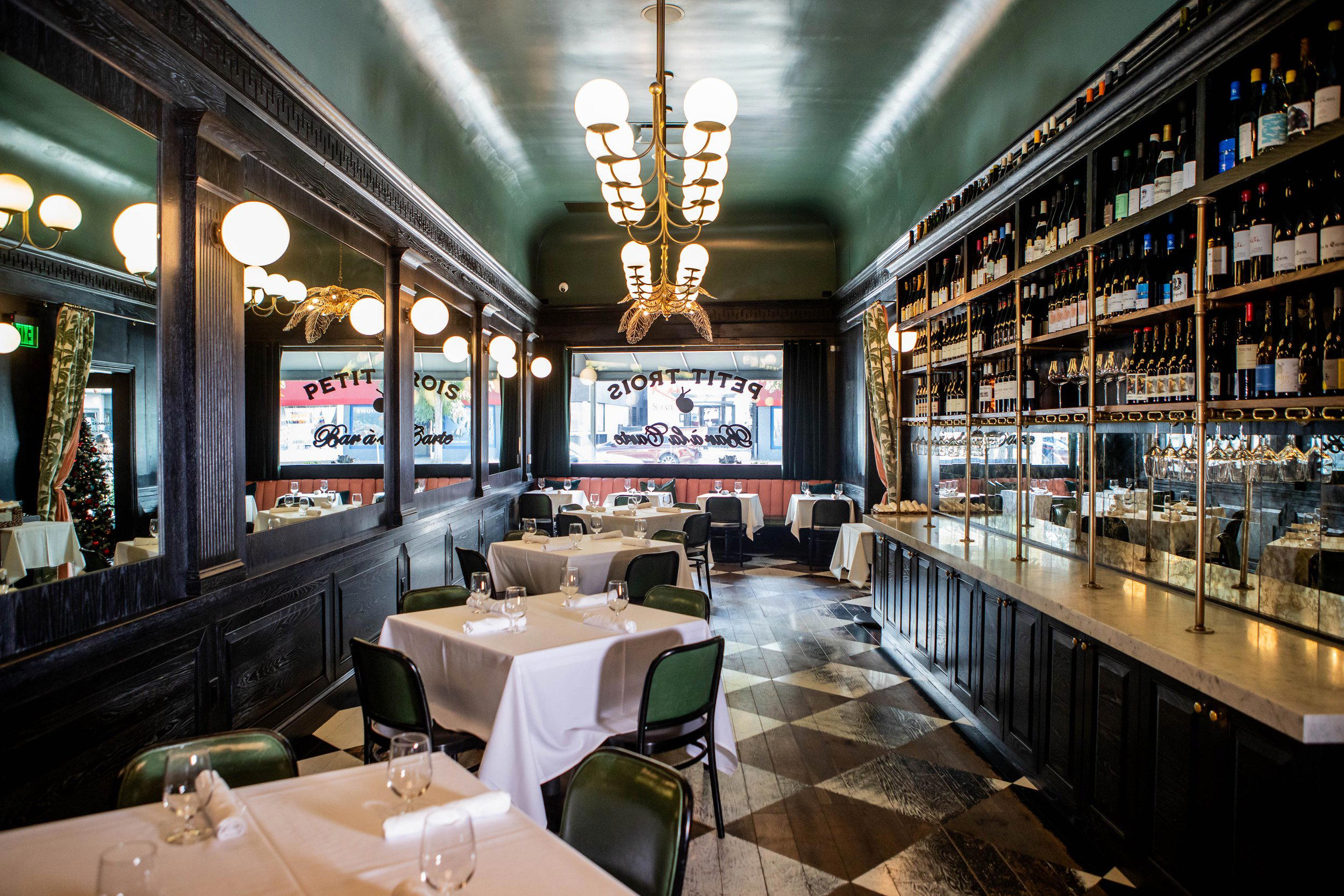
The address on Melrose Avenue places Alba squarely in one of Los Angeles's more concentrated evening-dining stretches, between La Cienega and Fairfax, where the room tone tends toward composed and adult-focused rather than loud or casual. A tasting-progression room at this address reads as deliberate and unhurried, built around the rhythm of a long meal rather than a high-turnover dining floor.
How does Alba compare to other fine-dining tasting rooms on the Westside of Los Angeles?
Alba occupies the same Melrose Avenue corridor, which concentrates several serious dining options within a short stretch of the street.
What's the must-try dish at Alba?
The most reliable approach is to go without fixed expectations and let the progression run its course, which is the premise the format is built on.
Reputation First
Comparable venues nearby, for context on price, style, and recognition.
| Venue | Cuisine | Price | Awards | Notes |
|---|---|---|---|---|
| AlbaThis venue — the venue you are viewing | Modern Italian | $50–100 | Wine Spectator Best of Award of Excellence | Not listed |
| Rao's | Italian | Not listed | Not listed | Hollywood |
| Della Terra | Northern Italian Trattoria | $30–50 | Not listed | Fairfax |
| BRERA Ristorante | Northern Italian Osteria | Not listed | Not listed | Arts District |
| Pecorino | Authentic Italian Trattoria | $50–100 | Not listed | Brentwood |
| Cecconi’s | Classic Italian Trattoria | Not listed | Not listed | Norma Triangle |
Recognition history
Dated appearances from independent guides and award organizations, with the underlying list record or original source where available.
Wine Spectator Best of Award of Excellence
Wine Spectator
Continue exploring
More in Los Angeles
Restaurants in Los Angeles
Browse all →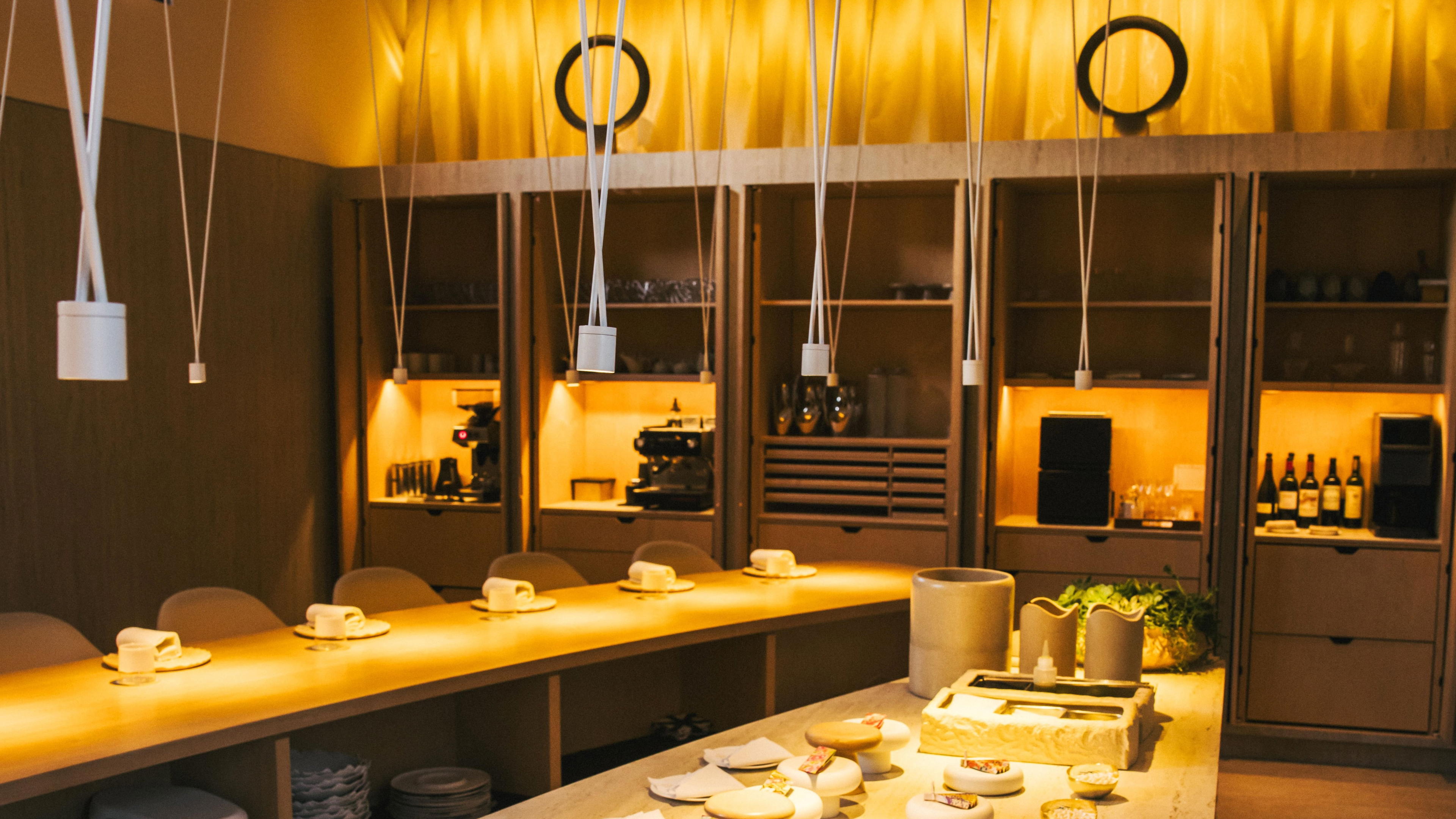
Bars in Los Angeles
Browse all →
Hotels in Los Angeles
Browse all →
Wineries in Los Angeles
Browse all →
Details
- Elegant
- Sophisticated
- Trendy
- Modern
- Date Night
- Special Occasion
- Business Dinner
- Open Kitchen
- Extensive Wine List
- Craft Cocktails
- Local Sourcing
- A La Carte
- Small Plates
- Cocktails
- Wine
Current opening hours
- Monday
- 5:30–10:30 PM
- Tuesday
- 5:30–10:30 PM
- Wednesday
- 5:30–10:30 PM
- Thursday
- 5:30–10:30 PM
- Friday
- 5:30–10:30 PM
- Saturday
- 5:30–10:30 PM
- Sunday
- 5:30–8:30 PM
Hours can change for holidays and private events. Last verified .
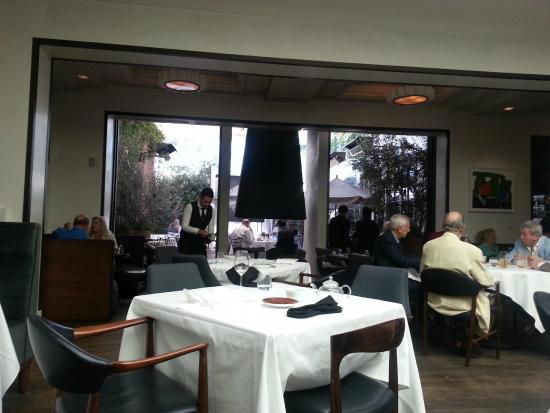
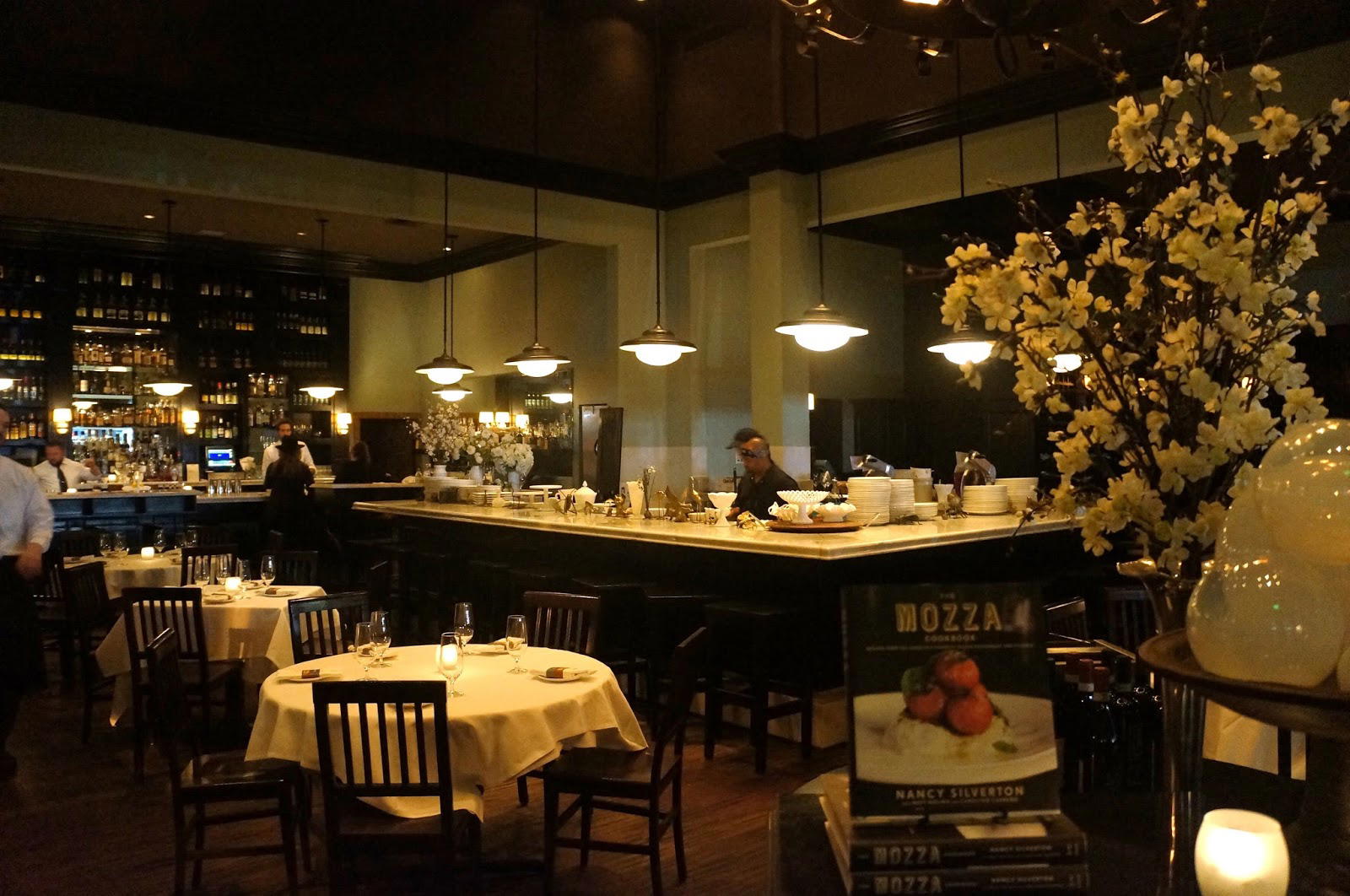
Splashy and elegant with fine dining sophistication blended with relaxed trattoria vibes, evoking an Italian coastal town atmosphere.