Cured
Our verdict
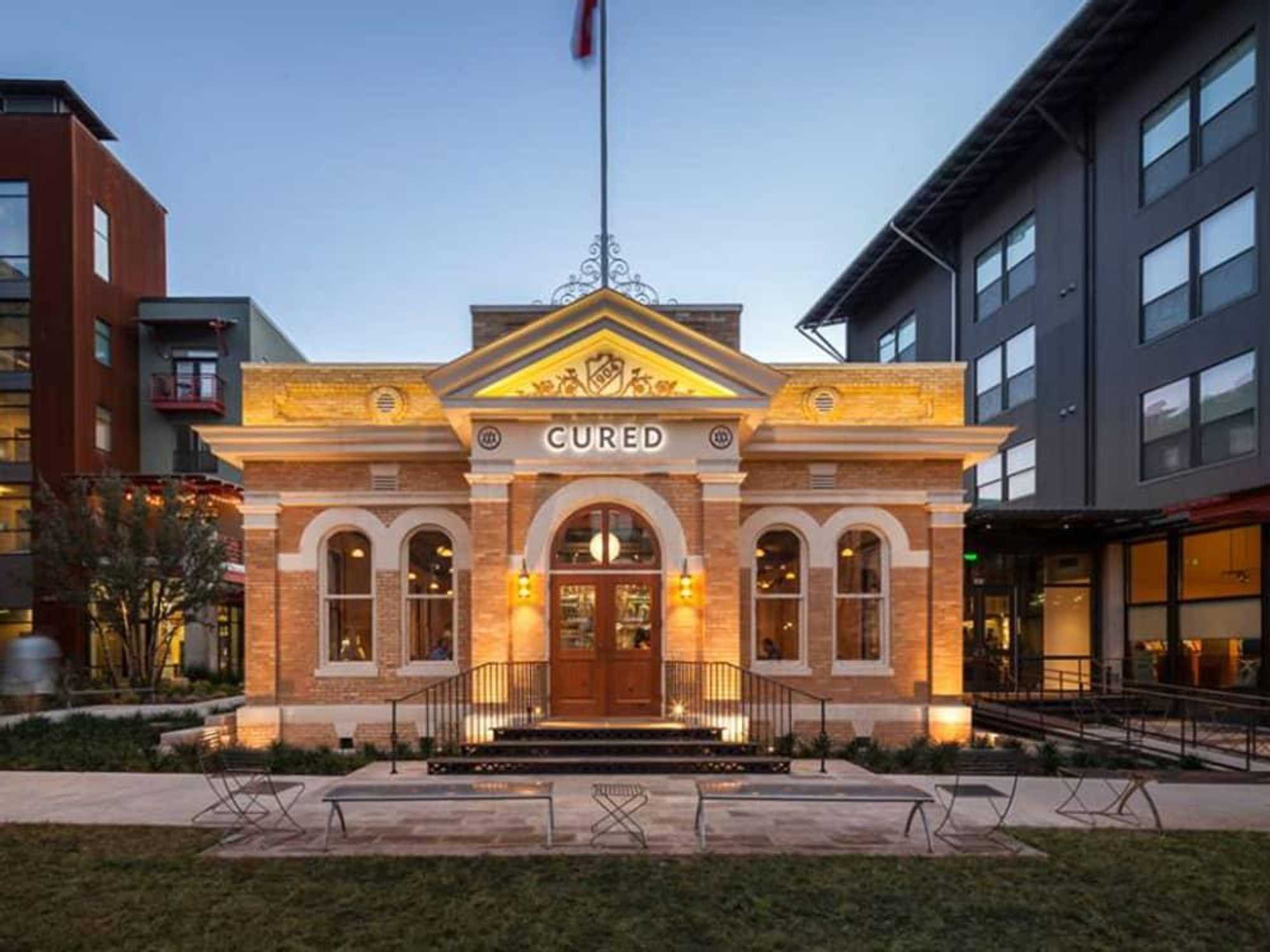
Cured occupies a restored historic building inside San Antonio's Pearl district, one of the city's most concentrated dining corridors. The restaurant centers its program around house-cured charcuterie and a kitchen approach that draws from the broader American craft-preservation movement. Its Pearl address places it within easy reach of several other serious dining options in a neighbourhood that has become a meaningful reference point for Texas food culture.
- Address
- 306 Pearl Pkwy UNIT 101, San Antonio, TX 78215
- Phone
- (210) 314-3929
- Website
- curedatpearl.com
- Directions
- Get directions
The menu
What to order
- 5-month cured pork belly
- Apple & jalapeño pork rillettes
- Salami diabla
- Beet salad
The Pearl District and the Architecture of a Meal
San Antonio's Pearl district has spent the better part of the last decade becoming something more than a redevelopment story. The former Pearl Brewery complex, at 306 Pearl Pkwy, now anchors a walkable corridor where the dining options range from weekend market stalls to proper tasting-format restaurants. Within that corridor, Cured operates at the intersection of two durable culinary traditions: the American craft-charcuterie revival and the broader farm-to-counter ethos that has defined serious regional dining since roughly the mid-2000s. The building itself signals something before you eat a single thing: repurposed industrial architecture, the kind of space that carries enough ambient history to set a particular pace for the meal ahead.
That pacing matters more than most restaurant commentary acknowledges. In the American craft-preservation tradition, the meal is structured around what takes time: cured meats, aged cheeses, fermented preparations that require days or weeks before they reach the table. Restaurants built around this approach tend to ask the diner to slow down in response, to treat the opener as the argument and the main as the elaboration rather than the reverse. Cured's position in Pearl places it in good company for that kind of evening: Mixtli (Mexican), a few minutes away, runs a tasting format that demands similar attention and patience from its guests.
Charcuterie as a Dining Philosophy
The craft-charcuterie movement in the United States owes a clear debt to European traditions, particularly those of southern France and northern Italy, but it has evolved into something recognisably American in the hands of kitchens that source locally and cure in-house. The defining characteristic is transparency: when a restaurant makes its own charcuterie, the sourcing decisions and curing methods become part of what you're being asked to evaluate. There's nowhere to hide a mediocre ingredient inside a properly made country ham or a clean, lactic-fermented salami.
In San Antonio, that philosophy carries additional weight because the city's food culture already has strong preservation traditions rooted in Mexican and Tejano cooking. The use of dried, salted, and smoked proteins is not a trend here; it's embedded in the region's culinary grammar. A restaurant that extends those techniques through a European charcuterie lens is entering a conversation the city has been having for a long time. Whether Cured makes that connection explicit on the plate is something the menu itself would need to demonstrate, but the geographical and cultural conditions for it are present.
For comparison, restaurants at a similar conceptual register elsewhere in the country include Smyth in Chicago, which integrates preserved and fermented elements into a broader tasting format, and Blue Hill at Stone Barns in Tarrytown, where agricultural sourcing is the organising principle of every dish. Both operate at higher price points and with more formal tasting structures, but the underlying commitment to time-intensive preparation is the shared thread.
The Ritual of the Table
Dining at a charcuterie-forward restaurant rewards a specific approach: arrive without agenda, let the opening courses dictate the pace, and resist the reflex to rush toward protein. The initial spread of cured items is not a preamble; it is the first chapter of an argument about what the kitchen values and how much labour it is willing to invest before the diner arrives. Pairing those early courses with wine or a thoughtful cocktail slows the room further and extends the window before the kitchen's heavier preparations arrive.
San Antonio in general leans toward generous hospitality rather than formal restraint, which means the pacing at restaurants like Cured tends to feel warm rather than ceremonial. That's a different register from the hushed precision of, say, The French Laundry in Napa or Atomix in New York City, but it suits a city that treats a long dinner as a social occasion first and a technical demonstration second. That warmth is part of the value, not a compromise of it.
For those building a longer evening in the district, the Pearl corridor offers options at both ends of the formality spectrum. Isidore (Texan) occupies a considered, produce-led register nearby, while 2M Smokehouse (Barbecue) represents the city's other great preservation tradition, a few miles out from the district centre. 410 Diner and 1Watson round out the broader local picture for those spending more than a single evening in San Antonio.
Where Cured Sits in the National Craft-Preservation Conversation
The American craft-preservation tier is more diffuse than the Michelin-starred tasting-menu circuit, but it has its own reference points. Lazy Bear in San Francisco and Single Thread Farm in Healdsburg both operate with an agricultural sourcing philosophy that overlaps with the charcuterie-forward approach, even if their formats differ. Providence in Los Angeles and Le Bernardin in New York City represent the more technique-forward end of the American fine-dining spectrum, where the product is still paramount but the cooking intervenes more visibly. Cured sits closer to the former group in its orientation, even if its Pearl district setting gives it a distinct regional character that neither California nor New York easily replicates.
Internationally, the alpine approach to preservation and fermentation at places like Atelier Moessmer Norbert Niederkofler in Brunico points toward a more austere, ingredient-first idiom, while Emeril's in New Orleans and Addison in San Diego both demonstrate how regional American cooking can carry genuine fine-dining ambition without abandoning locality. The Inn at Little Washington in Washington represents the older American country-house tradition, a different lineage but one that shares the underlying belief that provenance and patience are the first ingredients.
Planning a Visit
Cured is located at 306 Pearl Pkwy, Unit 101, in San Antonio's Pearl district, making it accessible by foot from several nearby hotels and a short ride from the River Walk corridor. The Pearl district rewards arriving early enough to walk the broader complex before sitting down. Reservations are advisable given the neighbourhood's draw and the restaurant's focused format; checking directly via the venue's current booking channels is the most reliable approach. For a wider view of what San Antonio's dining scene offers across price points and styles, see our full San Antonio restaurants guide.
Frequently asked questions
How do I find Cured?
Cured is located at 306 Pearl Pkwy UNIT 101, San Antonio, TX 78215, San Antonio.
How does Cured fit into the broader Texas craft-preservation dining scene?
Texas has a deeply rooted preservation culture in smoked meats, but Cured's charcuterie approach draws more directly from European traditions — southern French and northern Italian in particular — than from the state's barbecue lineage. That distinction places it in conversation with craft-preservation restaurants nationally rather than solely within Texas's pit-smoke canon. Located in San Antonio's Pearl district, it occupies a position in one of the state's more considered food environments, where the surrounding farmers' market and restaurant cluster create a context that supports this kind of programme.
What should I order at Cured?
The charcuterie program is where the kitchen makes its clearest statement, so start there before moving to the main courses. In restaurants built around preservation, the opening courses carry the most technical weight — house-cured meats reflect months of preparation and are the benchmark against which the rest of the meal should be read. Resist the impulse to skip past them in favour of familiar protein-forward mains.
What's the best way to book Cured?
Cured sits at 306 Pearl Pkwy in one of San Antonio's most active dining corridors, which means weekend tables and peak-season slots fill ahead of time. Spring and autumn are San Antonio's busiest shoulder periods, so booking several days in advance during those windows is advisable. Check the restaurant's current reservation channel directly, as Pearl district restaurants in this tier typically maintain online booking.
What do critics highlight about Cured?
Coverage of Cured consistently centres on two things: the depth of the house charcuterie program and the restaurant's role as an anchor tenant in the Pearl district's broader food identity. The Pearl's positioning as a serious food destination in Texas gives Cured a natural reference point, and the kitchen's commitment to preservation techniques is the detail that separates it from more generalist San Antonio dining.
Can Cured accommodate dietary restrictions?
A menu built around house-made charcuterie is meat-heavy by design, which makes it a difficult fit for guests avoiding animal proteins. Guests with specific dietary requirements should check the venue's official channels before booking; kitchens operating at this level in active food districts generally have some flexibility, but the core identity of the menu is not easily reoriented.
Is Cured worth the price?
The value case at a preservation-focused restaurant rests on understanding what goes into the product: curing, smoking, and fermenting meats takes weeks or months before a single plate reaches the table. That labour cost is embedded in the pricing at restaurants of this type, which positions Cured alongside craft-driven peers rather than conventional San Antonio dining. If the charcuterie tradition is what you're after, the depth of the program justifies the spend.
Cuisine Lens
| Venue | Cuisine | Price | Awards | Notes |
|---|---|---|---|---|
| CuredThis venue — the venue you are viewing | Artisanal Charcuterie & Contemporary American Gastropub | Not listed | Not listed | Not listed |
| Leche de Tigre | Peruvian Cevichería & Pisco Bar | $30–50 | Michelin Plate · James Beard Award Semi Finalist | Not listed |
| Mixtli | Progressive Mexican Tasting Menu | $200–300 | 1 Michelin Star · James Beard Award Semi Finalist | Mexican |
| Boudro’s on the Riverwalk | Texas Bistro with Southwestern Fusion | $30–50 | Not listed | Not listed |
| The Jerk Shack | Jamaican Caribbean | $20–30 | Michelin Bib Gourmand · Diners, Drive-Ins and Dives Featured Restaurant | Not listed |
| Cullum's Attaboy | Modern American Diner with French Influences | $30–50 | Michelin Bib Gourmand | Not listed |
Continue exploring
More in San Antonio
Restaurants in San Antonio
Browse all →
Bars in San Antonio
Browse all →

Hotels in San Antonio
Browse all →


Wineries in San Antonio
Browse all →
Cured
The wine
- Wine program
- Curated wine list
- Craft cocktails
- Beer program
Details
- Elegant
- Sophisticated
- Intimate
- Well Known
- Date Night
- Group Dining
- Special Occasion
- Casual Hangout
- Historic Building
- Standalone
- Open Kitchen
- Craft Cocktails
- Beer Program
- Farm To Table
- Local Sourcing
- Small Plates
- A La Carte
- Craft Cocktails
- Full Bar
- Vegetarian Friendly
- Gluten Free Options
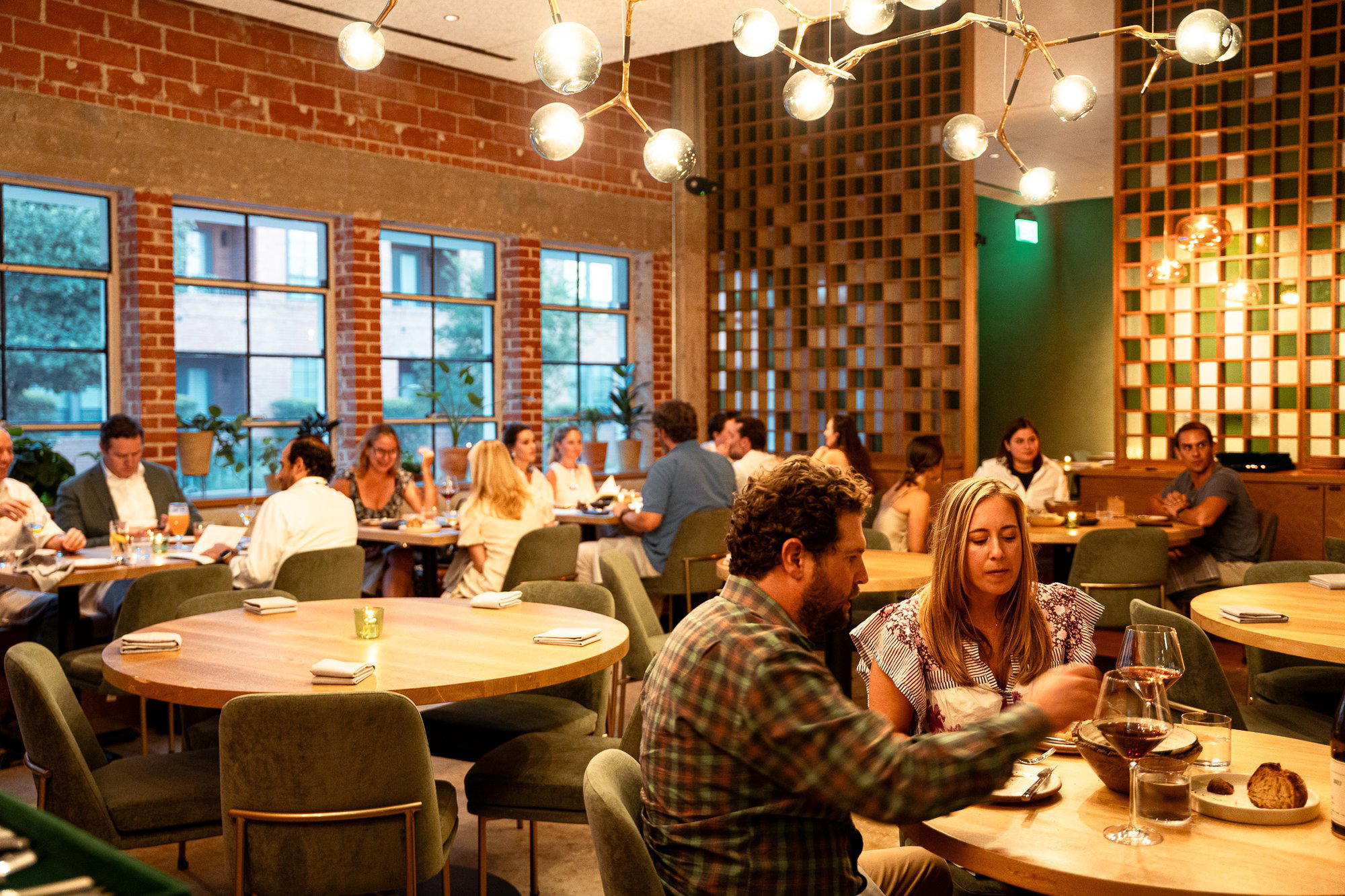
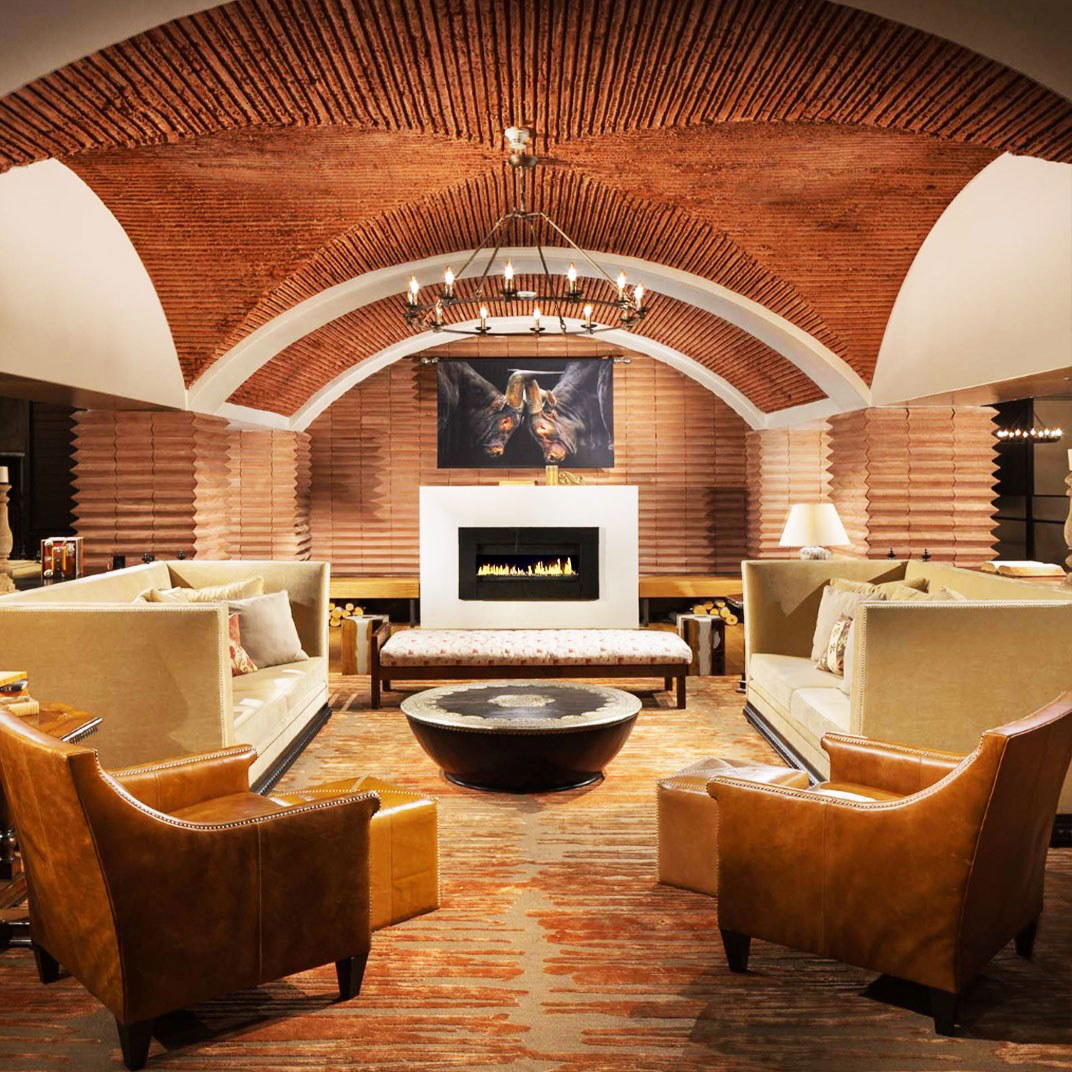
Charming, intimate setting in a renovated historic building with warm lighting and a sophisticated yet approachable atmosphere; winterized outdoor patio with heating available.