Culichi Town
Our verdict
Culichi Town brings the coastal seafood traditions of Sinaloa to San Jose's Curtner Avenue, translating the raw-bar and aguachile culture of Mexico's Pacific coast into a Bay Area context. The kitchen draws on a sourcing philosophy rooted in the ingredients that define northern Mexican coastal cooking, from fresh shellfish to dried chiles. For San Jose diners tracking regional Mexican cuisine beyond the Jalisco standard, this address is worth noting.

Pearl is the En Primeur Club membership app — saves, bookings, and concierge access live there. Same editors, same standards.
- Address
- 131 Curtner Ave, San Jose, CA 95125
- Phone
- (408) 708-7702
- Hours
- Mon–Thu 11 AM–10 PMFri 11 AM–12 AMSat 10 AM–12 AMSun 10 AM–11 PM
- Website
- culichitown.com
- Directions
- Get directions
- Booking
- Book on OpenTable
The menu
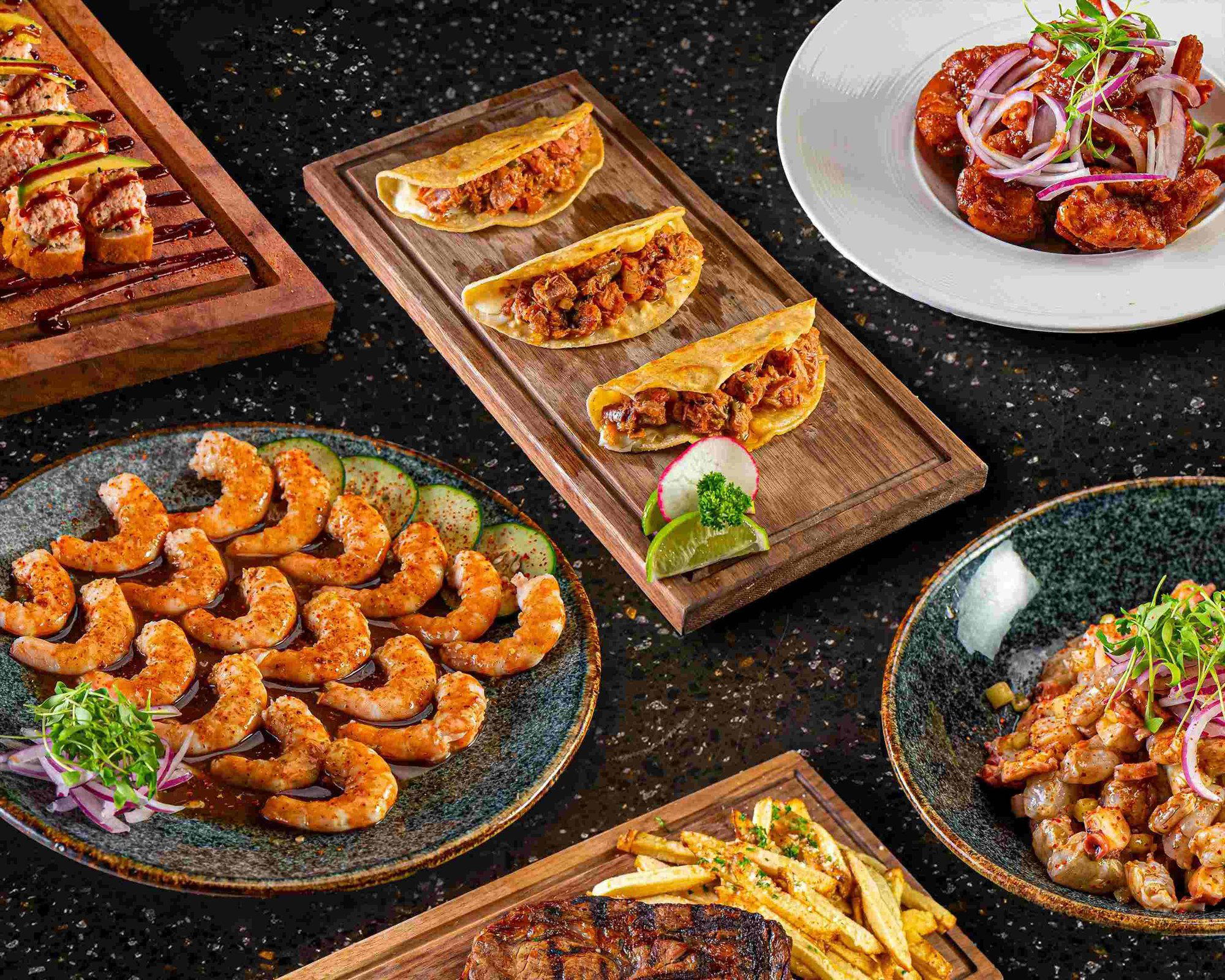
What to order
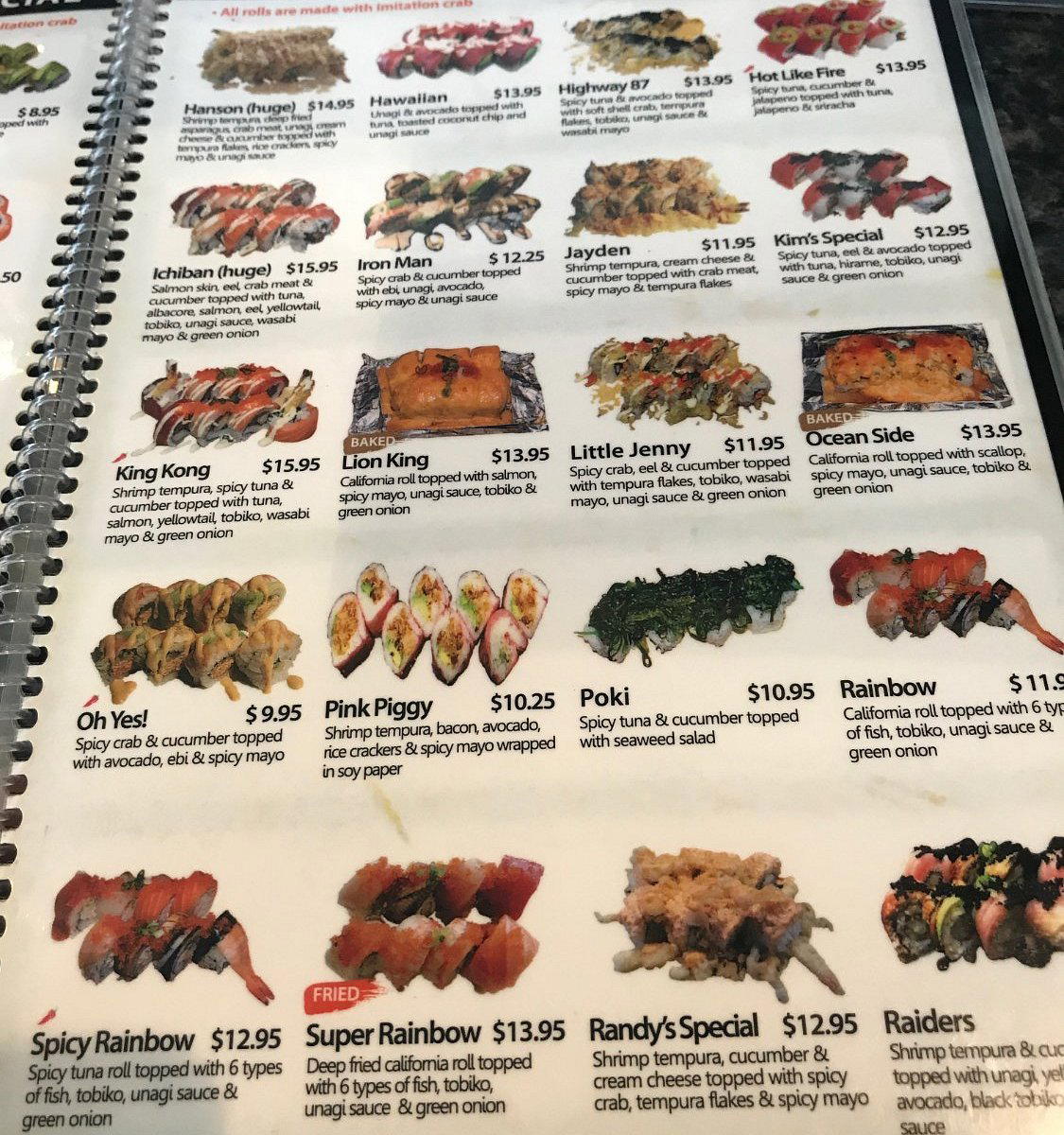
- Hot Cheetos™ Roll
- Shrimp Empanadas
- Tacos de Pescado
Sinaloa's Coastline, Interpreted in the South Bay
Most Mexican restaurants in the Bay Area operate within a familiar culinary grammar: tacos, moles, and the Jalisco-inflected cooking that has defined the region's Mexican food scene for decades. Culichi Town represents a different tradition entirely. The restaurant draws from Culiacán, the capital of Sinaloa state on Mexico's Pacific coast, where seafood is the dominant culinary language and the cold, briny intelligence of aguachile defines the local palate as clearly as barbecue defines Texas or clam chowder defines coastal New England. On Curtner Avenue in San Jose, that coastal register lands in a neighbourhood that has absorbed wave after wave of Latin American dining energy, making it a plausible home for cooking this regionally specific.
The Sinaloan tradition is not widely represented across Northern California's restaurant scene. While destinations like The French Laundry in Napa or Single Thread Farm in Healdsburg have made farm-to-table sourcing a structural commitment, the sourcing logic behind Culichi Town operates on a different register: the freshness of the catch, the quality of the shrimp, the acidity of the lime, and the heat of the chile are what the dish is built around. There is no menu architecture disguising indifferent ingredients. The cooking is too transparent for that.
What Sinaloan Sourcing Actually Means
Understanding Culichi Town requires a brief account of what makes Sinaloan coastal cooking distinct as a sourcing tradition. The state of Sinaloa sits along the Gulf of California, a body of water known for its exceptional marine biodiversity and the quality of its shellfish and shrimp. Culiacán sits inland but the city's food culture is inseparable from coastal supply chains: fresh shrimp, octopus, clams, and fish arrive quickly and inform a cuisine that prizes rawness, acidity, and minimal intervention. Aguachile, the region's most recognisable contribution to Mexican gastronomy, is effectively a ceviche pushed to an extreme: raw shrimp bathed in a blended chile-lime liquid that cooks the protein via acid rather than heat, with the result entirely dependent on the quality of the shrimp.
When this tradition migrates to the Bay Area, the sourcing question sharpens. California's proximity to Pacific fishing grounds and the Bay Area's infrastructure of Latin ingredient importers give a Sinaloan-focused kitchen more to work with than it would find in, say, a landlocked Midwestern city. San Jose specifically sits close enough to the Bay and the Pacific coast to access the cold-water shellfish and shrimp that Sinaloan cooking demands at its most honest. That geographic advantage is not trivial. It is part of what makes a restaurant like Culichi Town viable in this market rather than a pale regional approximation.
The Broader Context: Regional Mexican Cooking in San Jose
San Jose's Mexican food scene has long been anchored by the Jalisco and Michoacán traditions that travelled north with earlier migration waves. Restaurants like Alma de Amón and Back A Yard Caribbean Grill illustrate the city's appetite for diaspora cooking rooted in regional specificity, but the full range of Mexico's coastal northern states has been underrepresented. The rise of Sinaloan-style restaurants in California over the last decade reflects both demographic shifts and a broader appetite among diners for Mexican cooking beyond the assumed defaults. In Los Angeles, Sinaloan mariscos have moved from strip-mall operations to a category that serious food media now tracks closely. San Jose is following a version of that trajectory, though at its own pace.
For context within San Jose's wider dining range, the city hosts everything from the Michelin-decorated Adega (Portuguese) at the fine-dining tier to the neighbourhood-anchored Antipastos by DeRose and the casual directness of Augustine. Culichi Town sits outside that continuum in a meaningful way: it is not bidding for the same audience as Adega, and it is not a neighbourhood Italian. It occupies the specific tier of regionally committed, sourcing-led casual dining that has become one of the more interesting categories to track in American cities with substantial Latino populations. That tier, when it works, produces some of the most ingredient-honest food in any given city.
Where Culichi Town Fits Among American Seafood Traditions
American coastal seafood cooking has developed a range of serious institutional expressions: Le Bernardin in New York City at one extreme, Providence in Los Angeles in the tasting-menu register, and the farm-to-table integration of Blue Hill at Stone Barns in Tarrytown applying sourcing rigour to a broader agricultural canvas. Sinaloan mariscos sit entirely outside that institutional framework but share one structural value: the quality of the raw ingredient is non-negotiable. You cannot make aguachile work with mediocre shrimp any more than a three-Michelin-star counter can paper over poor sourcing with technique. The discipline is different, but the dependency on the ingredient is the same.
That comparison is not a claim of equivalence in ambition or price. It is an observation about what kind of cooking Sinaloan tradition represents: one where there is nowhere to hide, and where the commitment to fresh, quality seafood is the entire premise. Restaurants like Smyth in Chicago and Addison in San Diego make sourcing a visible editorial statement; Culichi Town makes it a functional necessity. Both are, in their own registers, forms of ingredient honesty.
Planning a Visit to Curtner Avenue
Culichi Town is located at 131 Curtner Ave, San Jose, CA 95125, in a part of the city that rewards a short drive from downtown. The surrounding stretch of Curtner has a working-neighbourhood character rather than a curated dining-district feel, which tracks with the type of restaurant Culichi Town is: a place that built its following through word of mouth and the quality of the food rather than through location advantage or design spend. For timing, the mariscos tradition generally peaks when the catch is freshest, which in practical terms means weekday lunch and early dinner often offer better turnover of ingredients than late-weekend service. Arriving without a reservation is common practice in this category of restaurant, but calling ahead is sensible given the address's following. For a broader map of where Culichi Town sits within San Jose's dining range, our full San Jose restaurants guide covers the city's full spread across cuisines and price points.
Frequently asked questions
What part of town is Culichi Town in?
Culichi Town is located at 131 Curtner Ave, San Jose, CA 95125, San Jose.
How does Culichi Town's Sinaloan cooking differ from other Mexican seafood restaurants in San Jose?
Most Mexican seafood in San Jose draws from Gulf Coast or generalised mariscos traditions rather than the Pacific-facing Sinaloan sourcing model. Culichi Town's cooking is rooted in the culinary conventions of Culiacán and the Sinaloa coast, where preparations like aguachile negro and zarandeado-style fish developed as distinct regional forms. That geographic specificity separates it from the broader mariscos category operating along the same corridor of the city.
What's the signature dish at Culichi Town?
Culichi Town's menu centers on Sinaloan coastal seafood preparations — the kind of Pacific-facing cooking built around aguachile, ceviche, and whole-fish dishes that define the state's port culture. Specific dishes rotate with availability, so the counter is the best place to ask what came in fresh. This is sourcing-led cooking, not a fixed greatest-hits menu.
Do they take walk-ins at Culichi Town?
Culichi Town is located at 131 Curtner Ave, San Jose, CA 95125, and current reservation or walk-in policy isn't publicly confirmed. Arriving early or during off-peak hours is the safer approach for any restaurant of this size and following in the South Bay. Call ahead if you're travelling specifically for a meal.
What makes Culichi Town worth seeking out?
The Bay Area's Mexican restaurant scene has long defaulted to Jalisco and Michoacán traditions. Culichi Town addresses a specific gap: Sinaloan coastal cooking, which treats the Pacific as a sourcing corridor rather than an afterthought. That focus on seafood-forward preparation from a distinct regional tradition is not replicated at most addresses in San Jose.
Is Culichi Town good for vegetarians?
Sinaloan coastal cooking is structurally built around seafood, so vegetarians will find limited options at Culichi Town. The kitchen's identity sits with Pacific catches, mariscos preparations, and fish-forward dishes. Vegetarians looking for a dedicated plant-based menu will be better served elsewhere in San Jose.
Is Culichi Town overpriced or worth every penny?
Pricing data for Culichi Town isn't publicly documented, but Sinaloan seafood restaurants in California generally sit below the cost of comparable coastal-focused dining at places like Nopalito or high-end mariscos destinations. The question of value is really about specificity: if Sinaloan Pacific seafood is what you're after, there are few alternatives at any price in the South Bay.
Peers Worth Knowing
Comparable venues nearby, for context on price, style, and recognition.
| Venue | Cuisine | Price | Notes |
|---|---|---|---|
| Culichi TownThis venue — the venue you are viewing | Mexican Seafood Fusion with Sushi | $30–50 | Not listed |
| Iguanas Home Of The Burritozilla | Mexican Burritos | Not listed | South Campus |
| Castillo's Mexican Restaurant | Traditional Mexican | $20–30 | Village Oaks |
| Faz - San Jose | Modern Mediterranean with Persian Influences | $30–50 | Westwinds |
| Mango Garden | Chinese-Malaysian | Not listed | Naglee Park |
| Super Taqueria | Authentic Mexican Taqueria | $10–20 | Little Saigon |