
The Sunday Times Ireland’s 100 Best Restaurants
Our verdict
Crudo in Sandymount has built one of Dublin's most coveted tables through cooking that earns its reputation on the plate alone. Sean Crescenzi and Jamie McCarthy's D4 neighbourhood restaurant draws guests well beyond its postcode with dishes like morcilla flambé and halibut with mandarin butter sauce. Walk-ins are not a realistic option, advance booking is the only strategy.

Pearl is the En Primeur Club membership app, where members save venues, book tables and use the concierge.
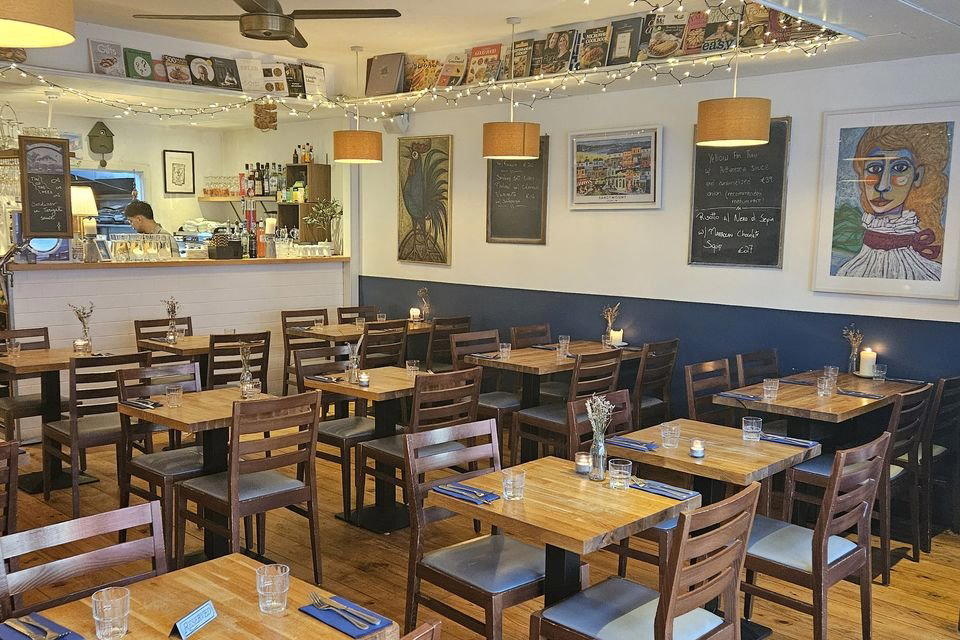
The Sandymount Effect
Dublin's restaurant gravity has long pulled toward the city centre, with the canal and southside neighbourhoods treated as secondary territory for serious cooking. That assumption has been quietly dismantled over the past several years. A clutch of neighbourhood restaurants, operating outside the traditional dining corridors of Dame Street and Merrion Square, have developed reputations that draw guests well past their own postcode. Crudo on Seafort Avenue sits at the sharper end of that shift: a D4 address that generates city-wide demand without any of the institutional scaffolding, no hotel backing, no high-profile group affiliation, that typically accelerates that kind of traction.
The broader Irish dining scene has seen this pattern emerge elsewhere. Liath in Blackrock occupies a similar position south of the city, and dede in Baltimore demonstrates the reach of destination-level cooking far beyond any urban centre. What these places share is the absence of a safety net: the kitchen has to deliver every service, because the location does not do the work for you.
A Room That Earns Its Clamour
The neighbourhood restaurant format, when it functions correctly, operates on a particular kind of trust between the dining room and the local community. Repeat custom is not optional, it is structural. Crudo has built that trust through what arrives on the plate rather than through any manufactured atmosphere or designed experience. The result is a room where enthusiasm from the front-of-house team reads as genuine rather than performative, because the food gives them something concrete to be enthusiastic about.
That quality of service, where the floor operates with real knowledge of and investment in what the kitchen produces, is a marker that separates a functioning neighbourhood restaurant from a merely competent one. At Crudo, the reported energy of the room reflects that alignment between kitchen output and front-of-house delivery. This is the kind of collaboration, between the cooking, the floor team, and the returning guest, that defines what Sean Crescenzi and Jamie McCarthy have built at this Sandymount address.
What the Kitchen Produces
The dishes associated with Crudo span classical European technique applied to ingredient-led cooking, with a range that moves across bold and refined registers within the same menu. The morcilla flambé represents the dramatic end of that spectrum: Spanish-influenced, visually arresting, and built on the kind of confidence that only works when execution is consistent. Red mullet with cockles and orzo places firm-fleshed fish against briny shellfish in a format that has roots in southern European coastal cooking, a combination that demands precise timing to avoid the orzo overwhelming the mullet.
The torched Goatsbridge trout with leek and basil velouté anchors the menu in specifically Irish provenance. Goatsbridge, the Kilkenny trout farm, has become a marker of sourcing credibility in Irish kitchens, and its presence signals a kitchen that pays attention to where ingredients come from. The halibut with mandarin butter sauce represents the kind of restrained technical work that is easier to describe than to execute: a butter sauce flavoured with citrus needs balance at every stage of reduction, and mandarin's sweetness makes that balance harder to hold than lemon. That this dish is cited as a standout suggests the kitchen has that calibration right.
Tiramisu deserves a note of its own. In a room defined by confident cooking, a well-executed version of a dish that every diner thinks they know is a statement. It signals that the kitchen is not trying to out-concept itself, it is trying to cook things properly.
Where Crudo Sits in the Dublin Dining Picture
Dublin's restaurant tier has expanded and stratified considerably over the past decade. At the formal end, Patrick Guilbaud holds two Michelin stars and represents the city's longest-standing fine dining benchmark. Chapter One by Mickael Viljanen and Glovers Alley occupy the starred contemporary tier. Bastible has held a Michelin star while maintaining a neighbourhood-first identity. D'Olier Street represents the modern casual end of ambitious city-centre cooking.
Crudo operates in a distinct register from all of these: the pricing is reported as accessible relative to the quality on the plate, the format is informal rather than ceremonial, and the location is deliberately residential. The comparison set is less the city's starred rooms and more the tier of neighbourhood restaurants that have expanded what Dublin dining means geographically. For further context on how the wider Irish scene has developed in this direction, Aniar in Galway, Bastion in Kinsale, Campagne in Kilkenny, and Terre in Castlemartyr each represent the same broader pattern of serious cooking operating well outside the traditional restaurant centre of gravity.
Internationally, the neighbourhood restaurant model that Crudo represents has parallels in how some of New York's most discussed rooms, like Atomix, have built reputations that outrun their physical scale. The principle is the same: consistent execution and a loyal local base that generates wider word-of-mouth. The contrast with rooms built on spectacle and scale, like Le Bernardin in its institutional tier, illustrates how different the ambition and mechanism can be.
Planning a Visit
Crudo is located at 11 Seafort Avenue, Sandymount, Dublin 4. The restaurant sits within walking distance of Sandymount DART station, making it accessible from the city centre without requiring a car. What requires planning is the booking itself. Walk-ins are not a viable strategy, the demand reported around this table means that securing a reservation well in advance is the only realistic approach. How far ahead the booking window runs can vary by season, but treating this as a restaurant that requires the same advance planning as a starred city-centre room is the correct frame. The pricing, by contrast, is reported as good relative to what the kitchen produces, which makes the planning effort proportionally worthwhile.
For broader guidance on Dublin's dining scene, our full Dublin restaurants guide covers the city's range from neighbourhood rooms to formal dining. If you are building a longer Dublin itinerary, our Dublin hotels guide, bars guide, wineries guide, and experiences guide cover the full picture.
Frequently asked questions
How do I find Crudo?
Crudo is located at 11 Seafort Ave, Sandymount Rd, Dublin, 4, Ireland, Dublin.
What's Crudo known for in terms of accolades?
Crudo has received recognition including: Don’t go to Sandymount hoping to chance your luck with a walk-in to Crudo. That is not going to happen any time soon because Sean Crescenzi and Jamie McCarthy have created a D4 dynamo, and there’s a clamour to get a table. Crudo has got her….
What dish is Crudo famous for?
Several dishes have drawn attention at Crudo, including a dramatic morcilla flambé, halibut with mandarin butter sauce, and torched Goatsbridge trout with leek and basil velouté. The red mullet with cockles and orzo and the tiramisu also feature consistently in editorial coverage of the restaurant. The kitchen moves between bold and refined without defaulting to one register.
How far ahead should I plan for Crudo?
Walk-ins at Crudo are not a realistic option. The restaurant at 11 Seafort Avenue, Sandymount, Dublin 4 fills its tables well in advance, and editorial coverage of the venue explicitly advises against arriving without a reservation. Booking ahead by several weeks is the practical approach, particularly for weekend sittings.
What's the defining dish or idea at Crudo?
The defining idea is classical European technique applied to ingredient-led cooking, delivered at neighbourhood pricing without the formality of city-centre fine dining. The morcilla flambé is the most theatrically distinctive dish, but the kitchen's range, from cockles and orzo to mandarin butter sauces, points to a consistent philosophy rather than a single signature.
How does Crudo handle allergies?
Specific allergy protocols for Crudo are not documented in available editorial coverage of the restaurant. Given the kitchen's focus on ingredient-led cooking with dishes that include shellfish, dairy, and meat, contacting the restaurant directly before booking is advisable for anyone with dietary restrictions. Crudo is located at 11 Seafort Avenue, Sandymount, Dublin 4.
Cuisine-First Comparison
| Venue | Cuisine | Price | Awards | Notes |
|---|---|---|---|---|
| CrudoThis venue (the venue you are viewing) | Modern Italian Trattoria | $50–100 | The Sunday Times Ireland’s 100 Best Restaurants | Not listed |
| Patrick Guilbaud | Modern French Fine Dining | $150–200 | 2 Michelin Stars · La Liste Top Restaurants | Irish - French, Modern French |
| Bastible | Modern Irish | $100–150 | 1 Michelin Star · The Sunday Times Ireland’s 100 Best Restaurants | Modern Cuisine |
| Host | Modern Italian | $50–100 | Michelin Plate | Nordic, Modern Cuisine |
| mae | Modern Irish Fine Dining | $50–100 | Michelin Plate · The Sunday Times Ireland’s 100 Best Restaurants | Southern, Modern Cuisine |
| Matsukawa | Authentic Edomae Omakase | $100–150 | Michelin Plate · La Liste Top Restaurants | Kaiseki, Japanese |
Recognition history
Dated appearances from independent guides and award organizations, with the underlying list record or original source where available.
The Sunday Times Ireland’s 100 Best Restaurants
The Sunday Times
Continue exploring
More in Dublin
Restaurants in Dublin
All restaurants in Dublin →
Bars in Dublin
All bars in Dublin →
Details
- Cozy
- Rustic
- Intimate
- Trendy
- Date Night
- Casual Hangout
- Family
- Special Occasion
- Open Kitchen
- Extensive Wine List
- Local Sourcing
- Small Plates
- A La Carte
- Vegetarian Friendly
Current opening hours
- Monday
- 10 AM–10 PM
- Tuesday
- 10 AM–10 PM
- Wednesday
- 10 AM–10 PM
- Thursday
- 10 AM–10 PM
- Friday
- 10 AM–10 PM
- Saturday
- 10 AM–10 PM
- Sunday
- 10 AM–9 PM
Hours can change for holidays and private events. Hours as of .
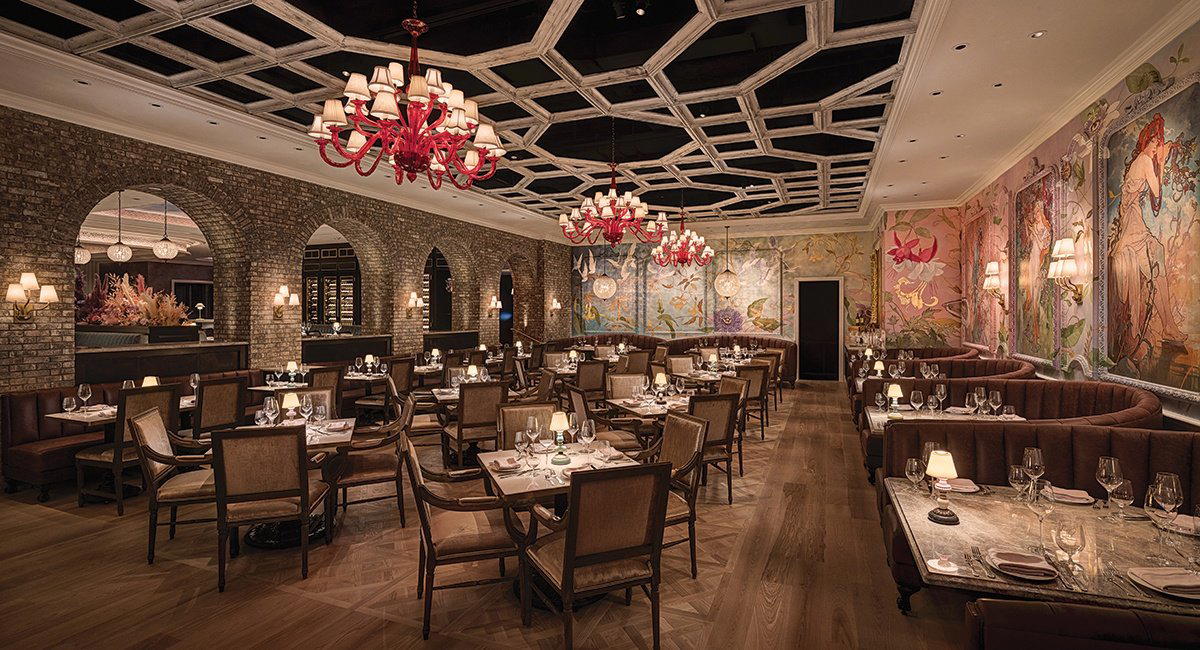
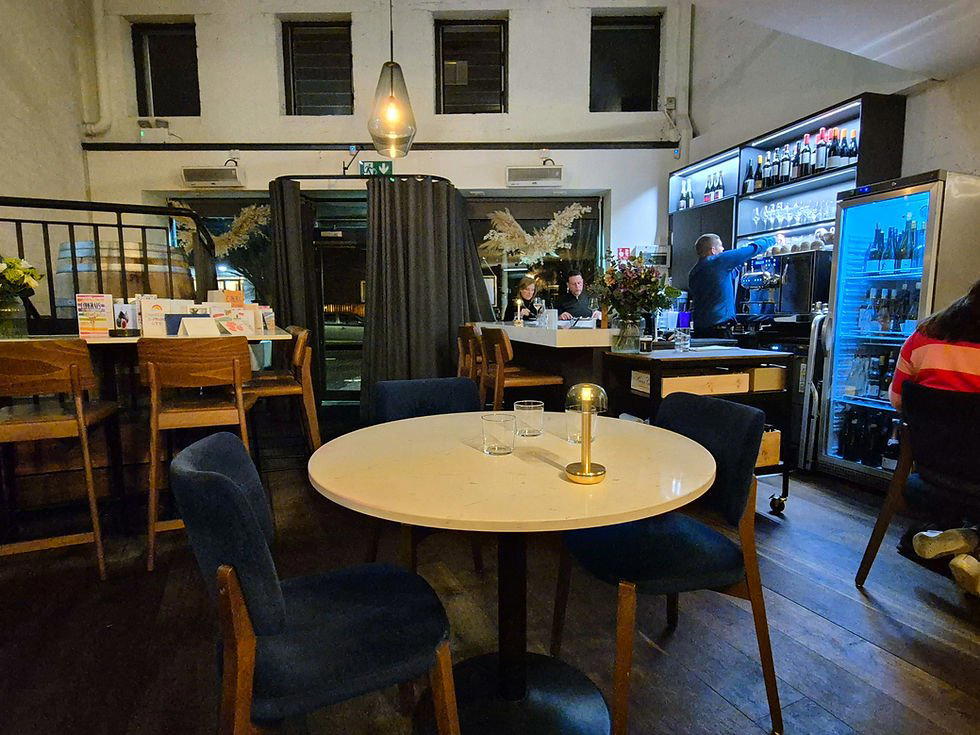
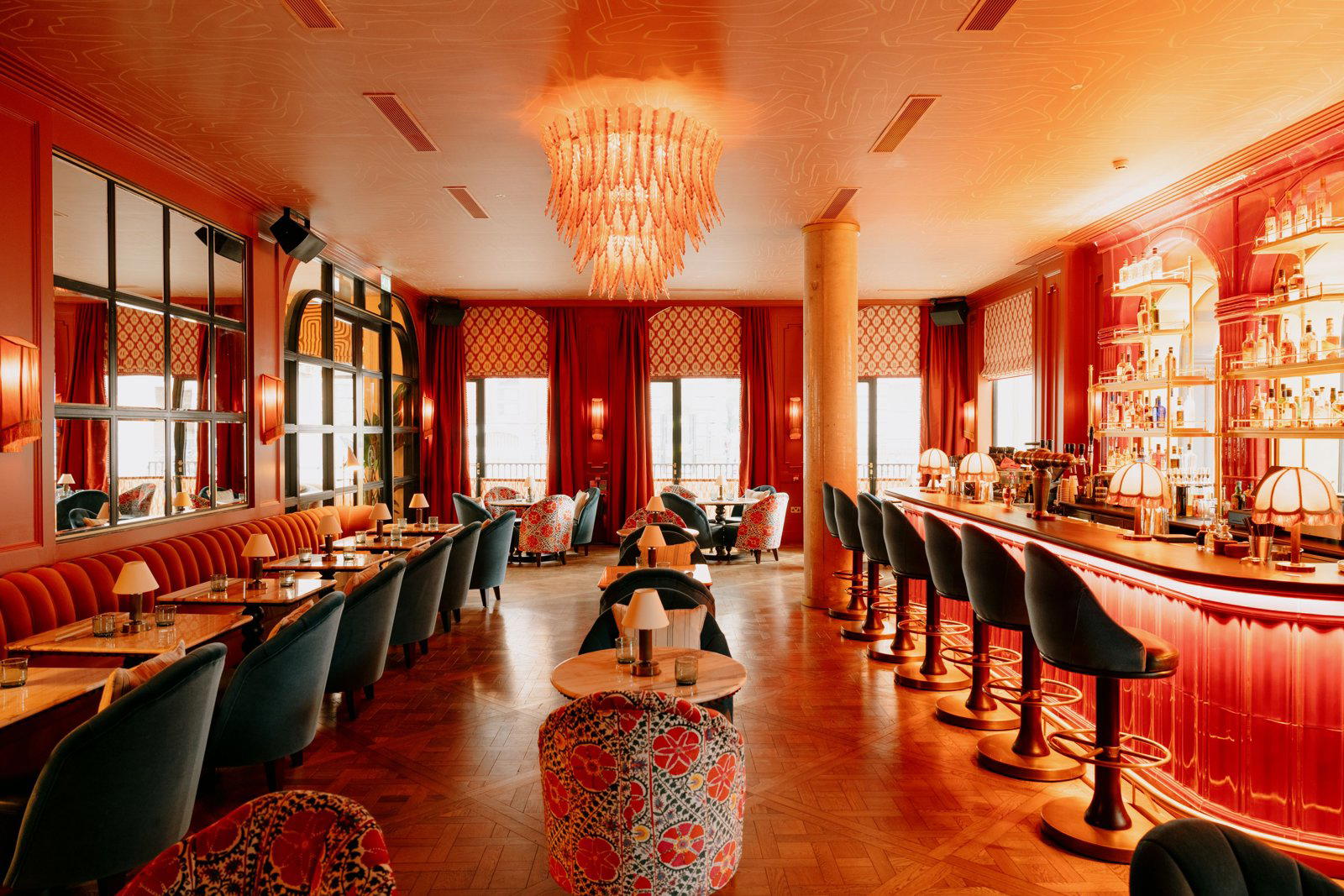
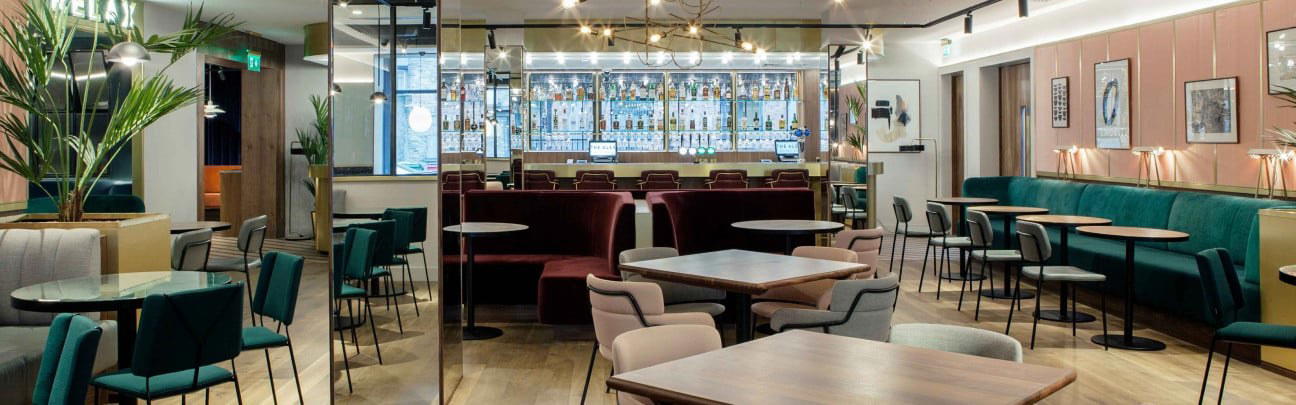
Cosy and buzzy with tightly packed tables, warm welcoming atmosphere, and a homely trattoria feel.