Crêperie Les Salines
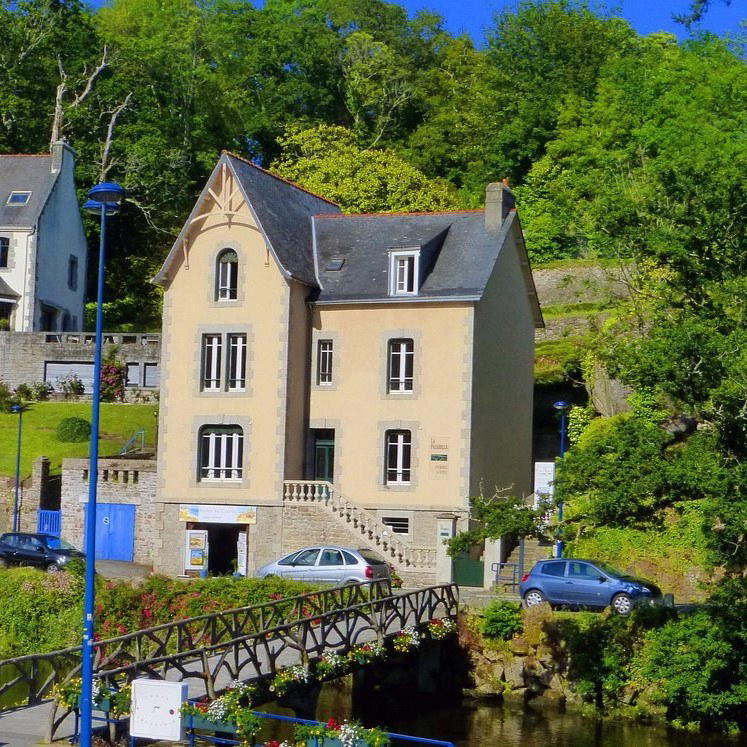
Crêperie Les Salines serves Breton crêpes in a historic building on Rue Brizeux, with local and organic sourcing and casual service for lunch or dinner.
Pearl is the En Primeur Club membership app — saves, bookings, and concierge access live there. Same editors, same standards.
- Address
- 23 Rue Brizeux, 29270 Carhaix-Plouguer, France
- Phone
- +33666495959
- Directions
- Get directions
 Saves & bookings on Pearl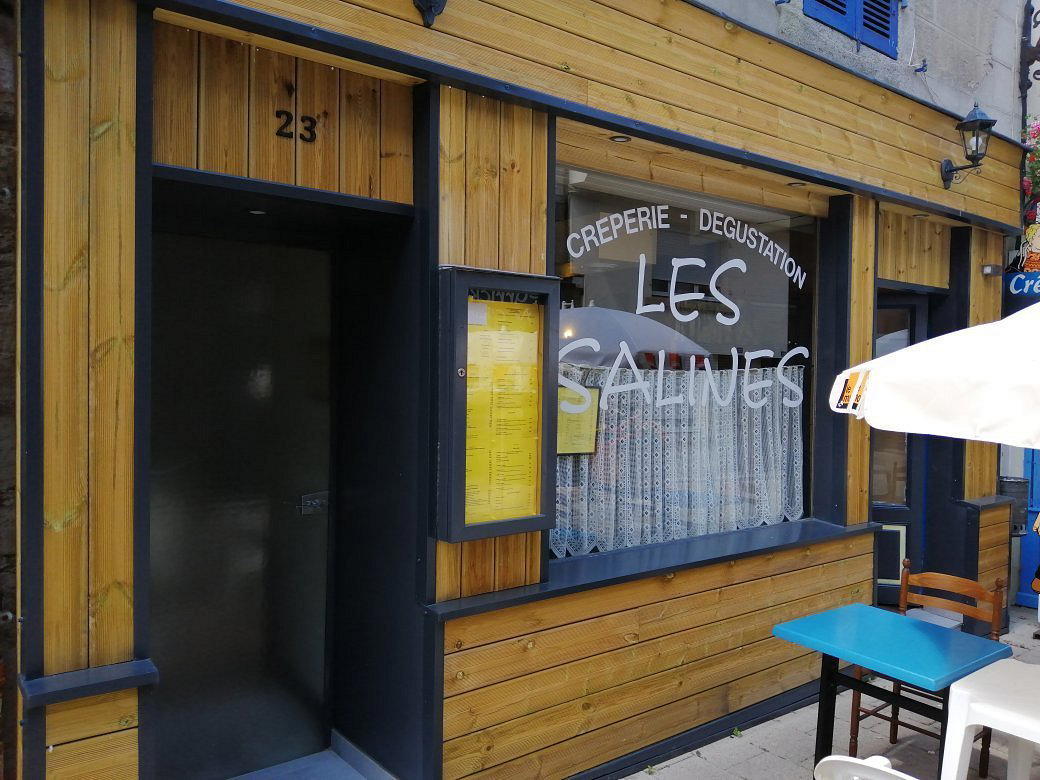
Buckwheat Country: The Galette Tradition of Central Finistère
In the inland reaches of Brittany, far from the oyster bars of Cancale and the tourist circuits of Quimper, a different register of regional cooking holds its ground. Carhaix-Plouguer sits at the geographic heart of Finistère, a market town more associated with the Festival des Vieilles Charrues than with restaurant tourism. The crêperie tradition here is not a concession to visitors but a fixture of everyday eating, rooted in an agricultural landscape where sarrasin (buckwheat) has been cultivated since the Middle Ages. Crêperie Les Salines, at 23 Rue Brizeux, belongs to this working tradition rather than the heritage-performance version of it.
The question of ingredient provenance matters more in Breton crêperies than the format might suggest. A galette is a simple object, buckwheat flour, water, salt, egg, but the sourcing of that flour and the quality of the fillings determine whether the result has character or is simply filling. In Carhaix and the surrounding Poher region, smaller producers still supply stone-ground buckwheat to local crêperies, and the difference in texture and nuttiness compared to industrially milled flour is measurable. The region's dairy tradition, tied to a cooperative economy centred on the Sodiaal group (whose Carhaix plant remains one of the largest milk-processing facilities in France), means that butter, cream, and eggs in this part of Brittany are not imported as afterthoughts. They are, quite literally, local infrastructure.
The Room and the Rhythm
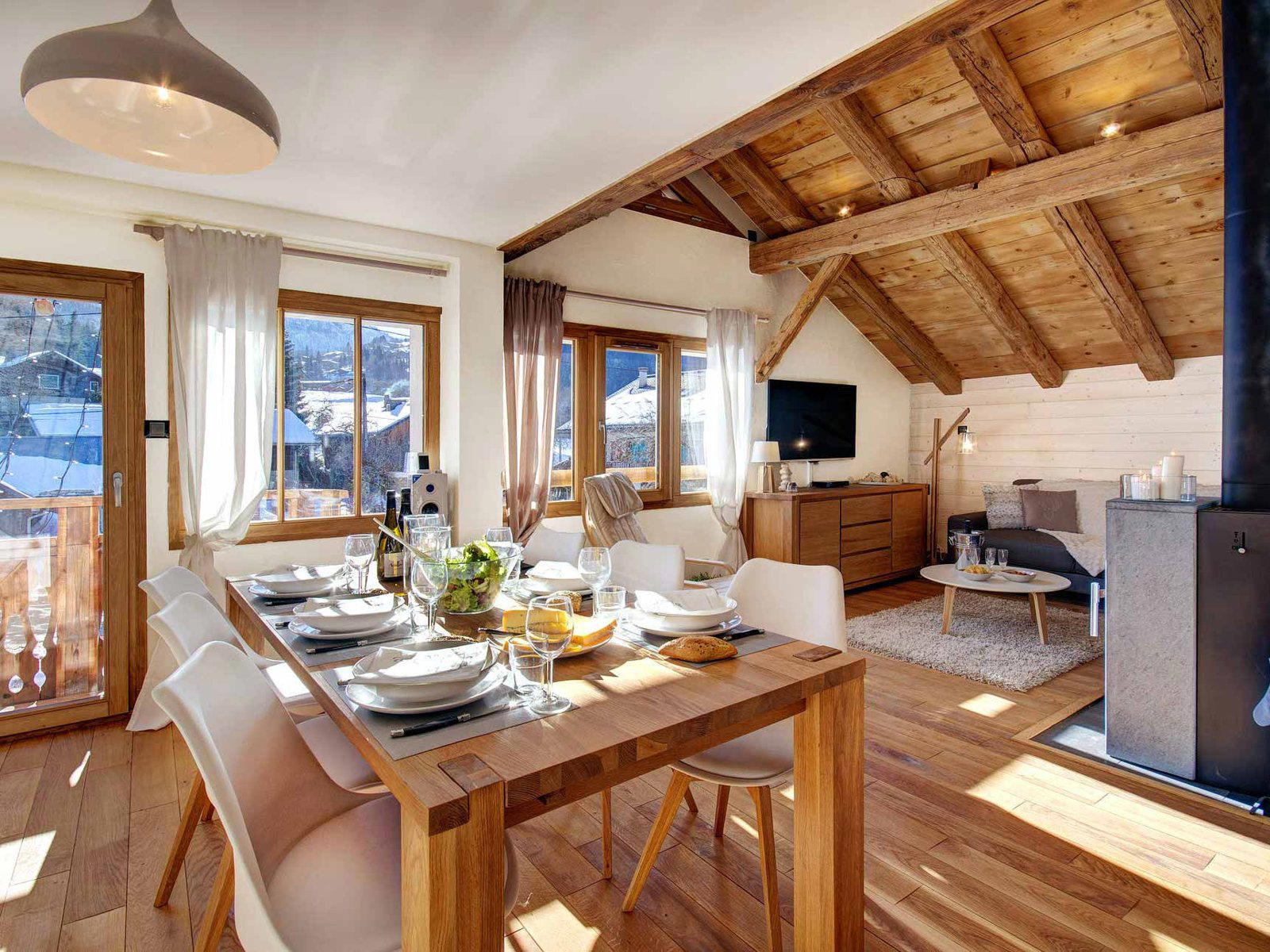
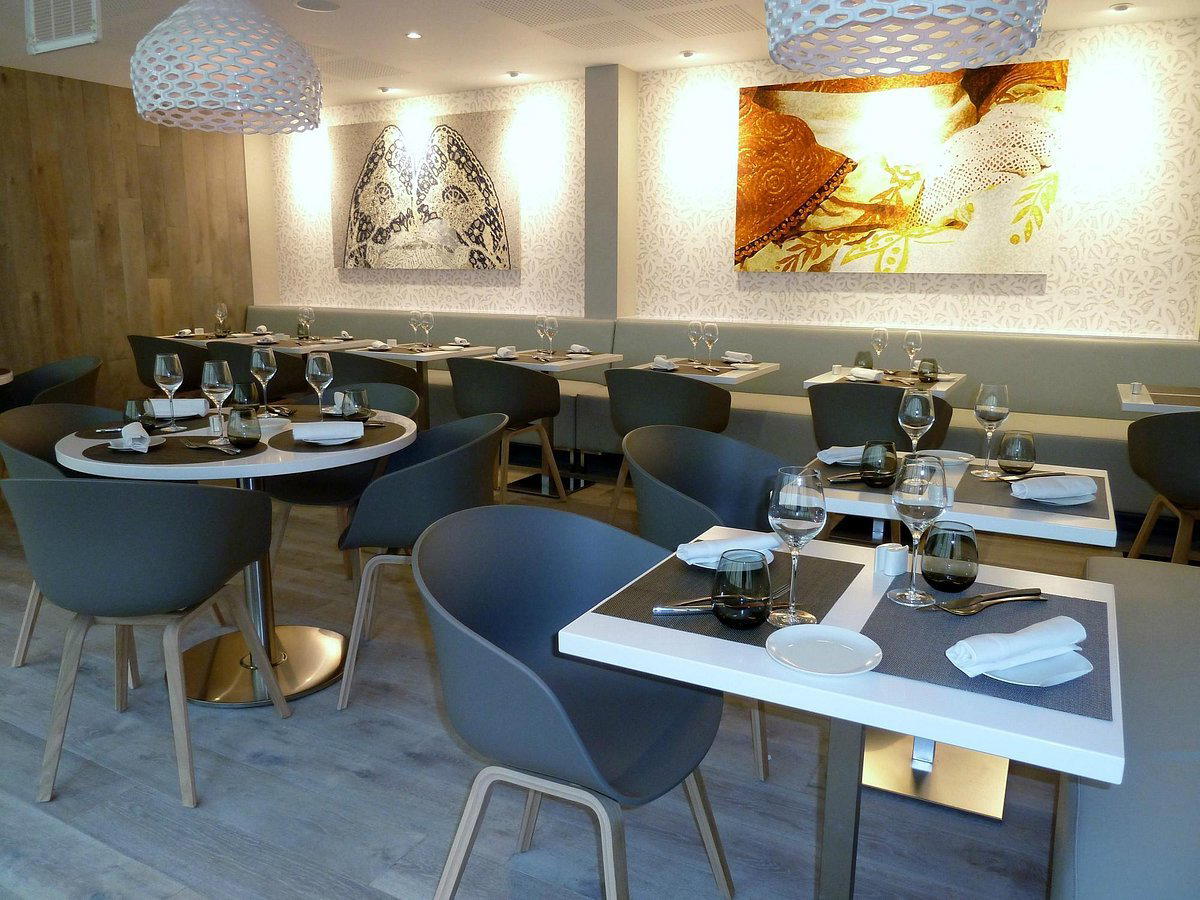
Approaching a crêperie on Rue Brizeux in a Breton town midweek, the cues are familiar: the faint smell of hot beurre salé on the griddle, the sound of conversation conducted at a volume that suggests no one is performing for anyone else. Les Salines sits within this unhurried register. This is not a destination address in the way that, say, Bras in Laguiole or Auberge de l'Ill in Illhaeusern function as destinations, drawing travellers across regions. It is a neighbourhood room in a town of roughly 7,000 people, where the rhythm is set by locals eating lunch rather than by a tasting menu's pacing.
That distinction matters for what you should expect when you arrive. The atmosphere at a crêperie of this type is defined by informality and speed relative to the sit-down restaurant sector, not by any attempt to approximate fine dining. Tables are turned, the menu is short, and the craft is in the execution of a narrow set of preparations rather than in invention or range. For visitors who have been tracking France's Michelin tier, Alléno Paris au Pavillon Ledoyen, Mirazur in Menton, or Le 1947 à Cheval Blanc in Courchevel, Les Salines operates in an entirely different category. The comparison is not relevant. The relevant comparison is to the other crêperies in Carhaix itself, where Les Bonnets Rouges represents the town's other established address in this format.
Why Sourcing Is the Argument Here
Across Brittany, the crêperie sector has split along a clear fault line. On one side are operations that use commodity flour blended for consistency and pre-portioned fillings sourced from catering suppliers. On the other are those that maintain direct or near-direct relationships with local producers, farmers supplying free-range eggs, creameries providing unpasteurised butter, smallholders growing the leeks, mushrooms, and ham that fill the savoury galettes. The distance between these two approaches is invisible on a menu and significant on the plate.
In a town like Carhaix-Plouguer, where agricultural supply chains remain short by French standards, a crêperie has structural access to the better end of those inputs. The Poher valley's farms are not the same as the intensive grain production of the Parisian basin. This regional specificity is what makes the inland Breton crêperie tradition editorially interesting rather than merely convenient: the food is an argument about place, expressed through the simplest possible vehicle. You find analogues in different registers at addresses like Auberge du Vieux Puits in Fontjoncouse or Georges Blanc in Vonnas, where the sourcing logic is formalised and celebrated. At a crêperie it is simply assumed.
Carhaix in the Wider Breton Dining Picture
Carhaix-Plouguer does not appear in French gastronomic surveys. It is not a food tourism destination in the way that the Breton coast or Rennes's restaurant scene have become. What it offers instead is an accurate cross-section of everyday regional eating in inland Brittany: crêperies, local brasseries, and the occasional specialist address. For travellers already in the area, for the festival, for cycling routes through the Poher, or for a slower circuit of central Finistère, understanding that context is more useful than expecting the town to operate on a different axis than it does.
One instructive comparison within France is not to three-star addresses like Flocons de Sel in Megève or Maison Lameloise in Chagny but to the broader category of France's embedded regional traditions, the mâchon in Lyon, the winstub in Alsace, the crêperie in Brittany. These are formats where the interest lies in fidelity to a local standard rather than in progression beyond it. Our full Carhaix-Plouguer restaurants guide maps the town's options in that frame.
For context on what the French fine-dining tier looks like at its most ambitious, Paul Bocuse - L'Auberge du Pont de Collonges and Troisgros - Le Bois sans Feuilles in Ouches represent the historical benchmark of French regional cooking done at the highest formal level. Les Prés d'Eugénie - Michel Guérard and La Table du Castellet occupy a similar tier in their respective regions. Les Salines does not operate in that register, and that is precisely the point. International reference points like Le Bernardin in New York City or Lazy Bear in San Francisco reflect how far French culinary logic travels beyond its borders, but the inland Breton crêperie tradition travels nowhere, it is fixed to its place by definition. L'Oustau de Baumanière in Les Baux makes a similar claim about Provençal rootedness at a different price point.
Planning Your Visit
Les Salines is located at 23 Rue Brizeux in the centre of Carhaix-Plouguer, walkable from the town's main square. Lunchtimes on market days, Carhaix holds its weekly market on Mondays, are typically the busiest sessions. Arriving early or at off-peak hours is the practical hedge against a wait. The price is about $15 per person.
At-a-Glance Comparison
Comparable venues nearby, for context on price, style, and recognition.
| Venue | Cuisine | Price | Awards | Notes |
|---|---|---|---|---|
| Crêperie Les SalinesThis venue — the venue you are viewing | Breton Crêperie | $$ | Not listed | Not listed |
| Les Bonnets Rouges | Breton French Bistro with Pizzas | $$ | Not listed | Carhaix-Plouguer |
| Erasmo | Modern French with Italian Touches | $$$ | Bib Gourmand | centre-ville |
| Karantez | Refined French Bistro | $$ | Not listed | Centre Ville |
| BIGOUD'N'LOVE | Breton Crêperie | $$ | Not listed | Quimperlé |
| Le Bistrot de P'tit Louis | French Bistro | $$ | Not listed | near Brest train station |
Continue exploring
More in Carhaix-Plouguer
Restaurants in Carhaix-Plouguer
Browse all →
At a Glance
- Cozy
- Rustic
- Classic
- Family
- Casual Hangout
- Historic Building
- Local Sourcing
- Organic
Current opening hours
- Monday
- 12–1:30 PM
- Tuesday
- 12–1:30 PM
- Wednesday
- 11:30 AM–1:30 PM
- Thursday
- 12–1:30 PM
- Friday
- 12–1:30 PM
- Saturday
- 12–1:30 PM
- Sunday
- Closed
Hours can change for holidays and private events. Last verified .
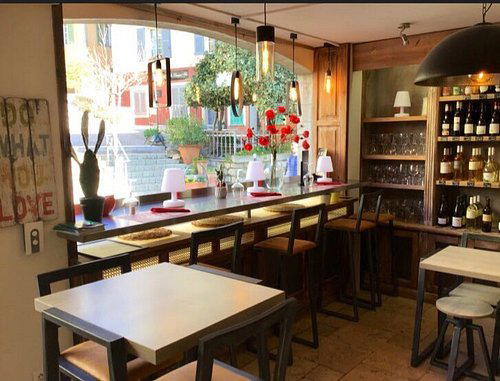
Cadre simple et vieillot avec ambiance conviviale et cozy.