Le Bistrot de P'tit Louis occupies a corner of Brest's Rue de Kerros, operating in the tradition of the French neighbourhood bistrot where the room, the rhythm, and the cooking matter more than spectacle. In a port city whose restaurant scene has grown steadily more ambitious, it holds the kind of local position that fills tables through word of mouth rather than award citations.
Pearl is the En Primeur Club membership app — saves, bookings, and concierge access live there. Same editors, same standards.
- Address
- 2 bis Rue de Kerros, 29200 Brest, France
- Phone
- +33298802275
- Website
- lebistrotdeptitlouis.com
- Directions
- Get directions
 Saves & bookings on Pearl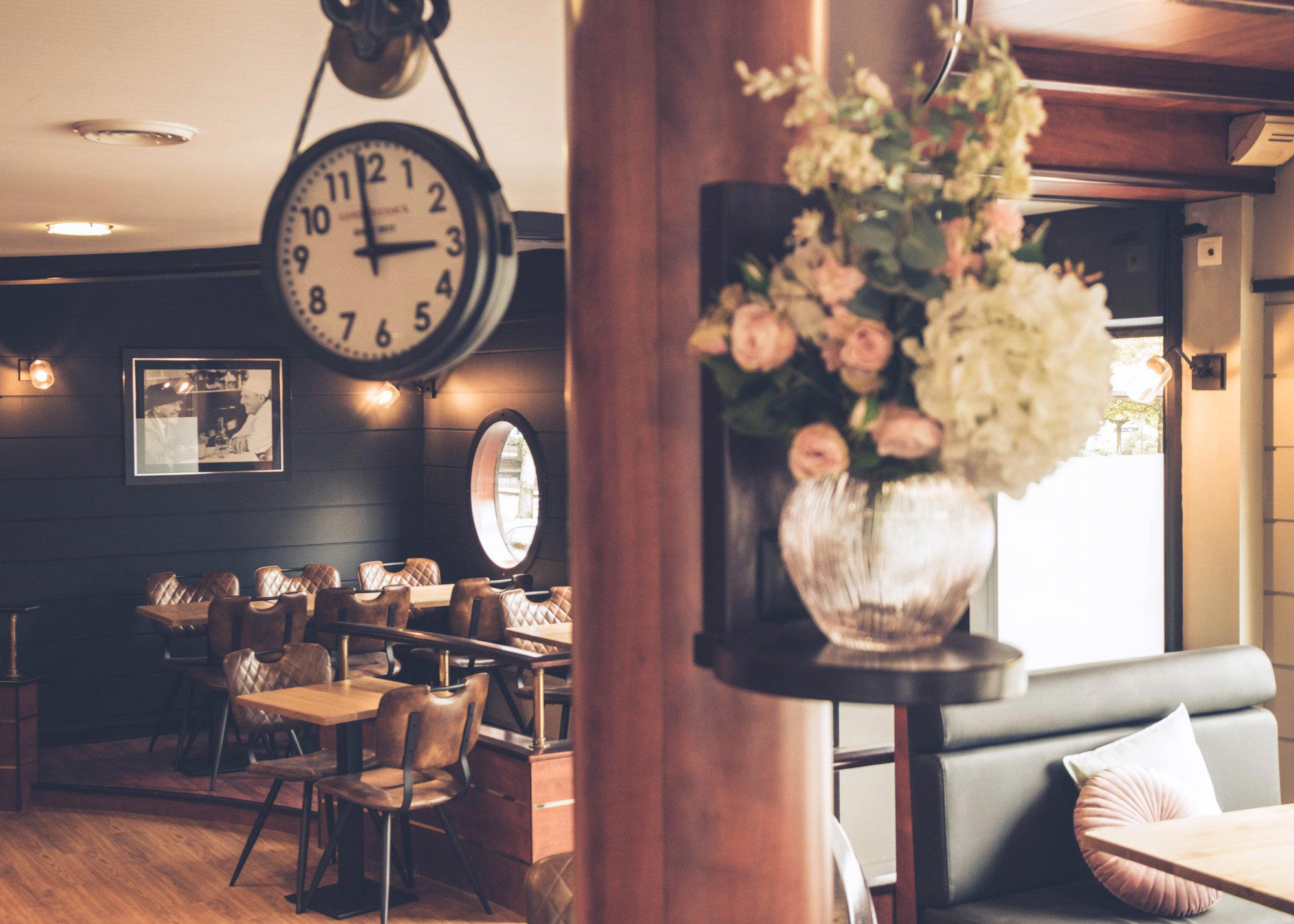
Where Port-City Bistrot Culture Holds Its Ground
Brest is not a city that rewards dining on reputation alone. The Atlantic weather rolls in hard off the Penfeld estuary, the streets around the commercial port carry the pragmatic energy of a working naval city, and the restaurants that last here tend to last because they earn their regulars one service at a time. Le Bistrot de P'tit Louis, at 2 bis Rue de Kerros, operates inside that logic. The address sits in a part of the city where the building stock is largely postwar — Brest was almost entirely rebuilt after wartime destruction — and the bistrot format fits the neighbourhood's unpretentious grain. You arrive not for theatre but for the particular comfort a well-run French bistrot provides: close tables, a room that smells of cooking rather than cologne, and a pace set by the kitchen rather than by any front-of-house choreography.
The Bistrot Format in Brittany's Context
Brittany's food identity is strong enough to make Parisian bistrot conventions feel imported when they appear here without local anchoring. The region's larder, Atlantic seafood, Breton butter, lamb from the salt meadows of the bay, local cider and Muscadet from the Loire's western edge, has historically been treated leading by cooks who resist the temptation to over-elaborate. The bistrot format, at its most honest, suits that approach: shorter menus, daily market discipline, and cooking that stops before it becomes performance. In Brest specifically, that tradition has co-existed with a newer wave of more structured dining. L'Embrun operates at the modern cuisine tier, and Hinoki at the top of the city's price range with a Japanese counter format. Le Bistrot de P'tit Louis sits below both in formality, occupying the segment of the market where the cooking is expected to be honest rather than ambitious, and where the room's atmosphere carries as much weight as the plate.
That segment of the Brest dining scene is competitive in a specific way. Locals use these addresses regularly rather than occasionally, which means quality discipline is enforced not by critics but by the return rate of the same faces. A neighbourhood bistrot that loses its touch loses its room within a season or two. The ones that hold, and P'tit Louis has the kind of address that accumulates street-level familiarity over years, tend to do so by maintaining consistency in a format that punishes inconsistency immediately.
Atmosphere as the First Argument
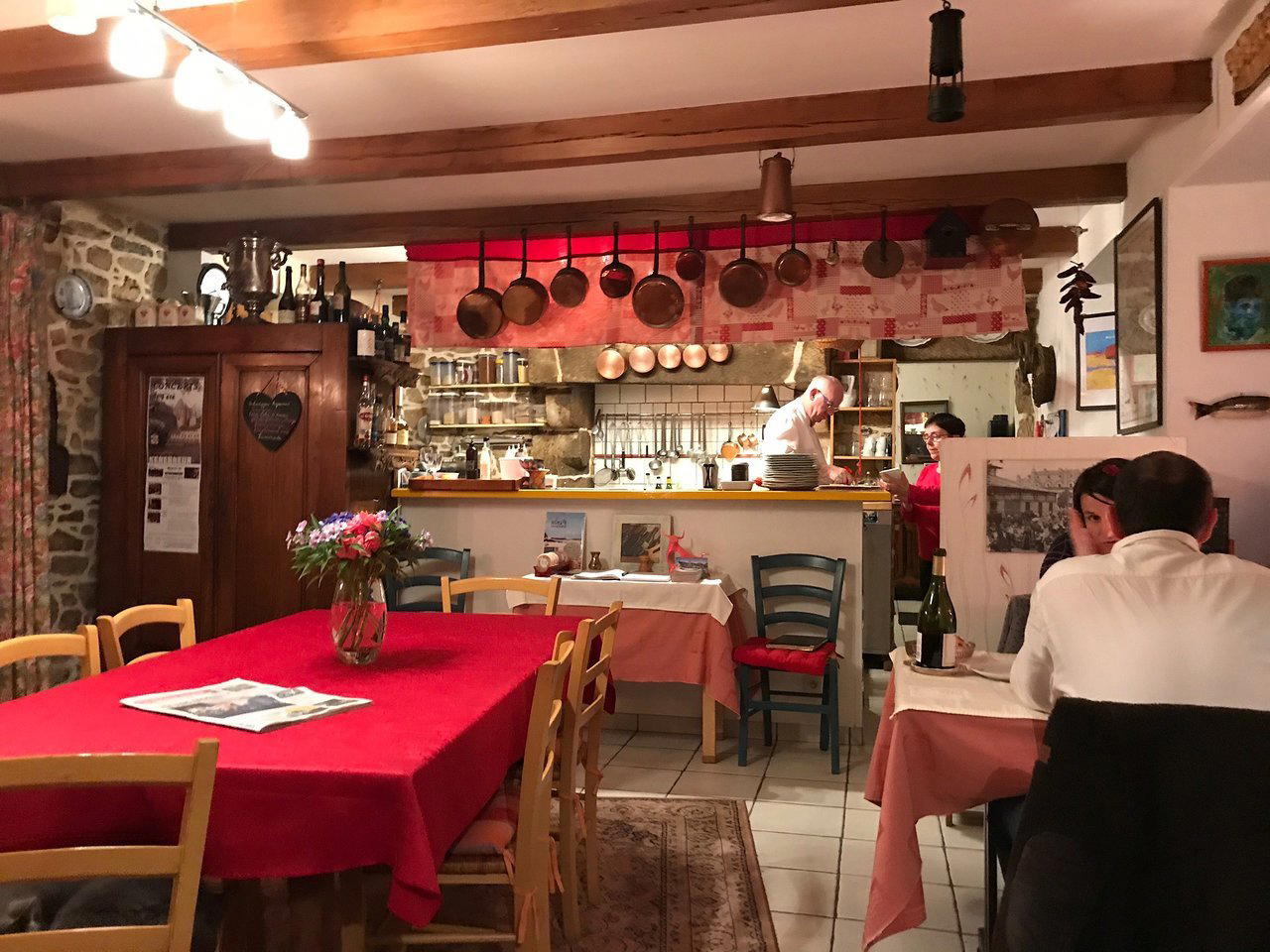
The sensory case for a bistrot of this type is made before the food arrives. In autumn and winter, when Brest's Atlantic climate means most of the city's outdoor life retreats indoors, the interior warmth of a room like this becomes functional rather than decorative. The compression of bistrot seating, tables close enough that neighbouring conversations blur into ambient sound, is not a design oversight but a defining condition of the format. It is what distinguishes a bistrot from a brasserie in the experiential sense: the scale is human, the noise is human, and the cooking responds to that scale rather than working against it.
The French bistrot canon that informs a room of this type has deep precedents. Where institutions like Paul Bocuse - L'Auberge du Pont de Collonges or Auberge de l'Ill represent the formal end of French dining tradition, the neighbourhood bistrot has always been its working register, the format in which French culinary culture is reproduced daily rather than celebrated occasionally. In Brittany, with its particular relationship to Atlantic produce and seasonal change, that working register has its own local inflection.
Brest's Dining Scene in 2025
Broader restaurant picture in Brest has developed unevenly across price tiers. At the informal end, addresses like Kafe Gagarin and Désordre draw younger crowds with formats that sit outside the traditional bistrot model, while L'arôme antique operates in a different register again. The city has never achieved the critical mass of restaurant press attention that Rennes or Nantes generate, which means its leading addresses tend to be discussed locally and overlooked nationally. That dynamic works in the visitor's favour at the bistrot level: the places that sustain themselves through local trade rather than tourism are often more reliable than those calibrated to occasional visitors.
For context on where Brest sits within France's wider dining geography, the country's most decorated restaurants, from Mirazur in Menton to Flocons de Sel in Megève and Troisgros in Ouches, operate in a different tier entirely, as do urban institutions like Alléno Paris au Pavillon Ledoyen or Assiette Champenoise in Reims. Brittany's regional cooking has its own arguments to make, but they are made mostly at the bistrot and mid-range levels rather than through Michelin accumulation. Bras in Laguiole and AM par Alexandre Mazzia in Marseille illustrate how French regional cooking can achieve international recognition when the terroir argument is made with sufficient rigour. Brittany's bistrot tier makes a quieter case, but it is no less honest for that.
See our full Brest restaurants guide for a broader mapping of the city's dining options by format and price tier.
Planning Your Visit
Rue de Kerros is accessible from the city centre on foot, and the bistrot's format suggests booking ahead rather than walking in, particularly on weekend evenings when neighbourhood tables fill early. French bistrot service typically runs at lunch and dinner with a break between services, so timing matters: the room at lunch will read differently from dinner, with less ambient noise and a faster pace suited to working-day diners. The season shapes what arrives on the plate, Brittany's Atlantic seafood supply peaks in cooler months, and autumn through spring is generally when the region's market-driven cooking is at its most characterful. There are no confirmed hours or booking details in EP Club's current data; checking directly with the address before visiting is recommended.
How Le Bistrot de P'tit Louis Brest compares with similar nearby venues.
| Venue | Cuisine | Price |
|---|---|---|
| Hinoki | Japanese | €€€€ |
| Peck & Co | Farm to table | € |
Continue exploring
More in Brest
Restaurants in Brest
Browse all →

At a Glance
- Cozy
- Classic
- Rustic
- Casual Hangout
- Historic Building
- Local Sourcing
Current opening hours
- Monday
- 8:30 AM–7 PM
- Tuesday
- 8:30 AM–7 PM
- Wednesday
- 8:30 AM–7 PM
- Thursday
- 8:30 AM–7 PM
- Friday
- 8:30 AM–9 PM
- Saturday
- Closed
- Sunday
- Closed
Hours can change for holidays and private events. Last verified .
Authentic and welcoming bistro atmosphere with generous, high-quality local dishes in a cozy, bustling setting.
Know Before You Go
- Getting there
- 2 bis Rue de Kerros, 29200 Brest, France