Chekka Sur Mer brings Lebanese coastal cooking to Villawood, one of Sydney's western suburbs with a long-established Middle Eastern community. The kitchen sits at an intersection that defines much of Sydney's most interesting dining right now: technique absorbed from elsewhere applied to ingredients sourced close to home. For those tracking where the city's dining energy is genuinely moving, this address rewards attention.
Pearl is the En Primeur Club membership app — saves, bookings, and concierge access live there. Same editors, same standards.
- Address
- 1 Villawood Rd, Villawood NSW 2163, Australia
- Phone
- +61458885660
- Website
- opentable.com
- Directions
- Get directions
 Saves & bookings on Pearl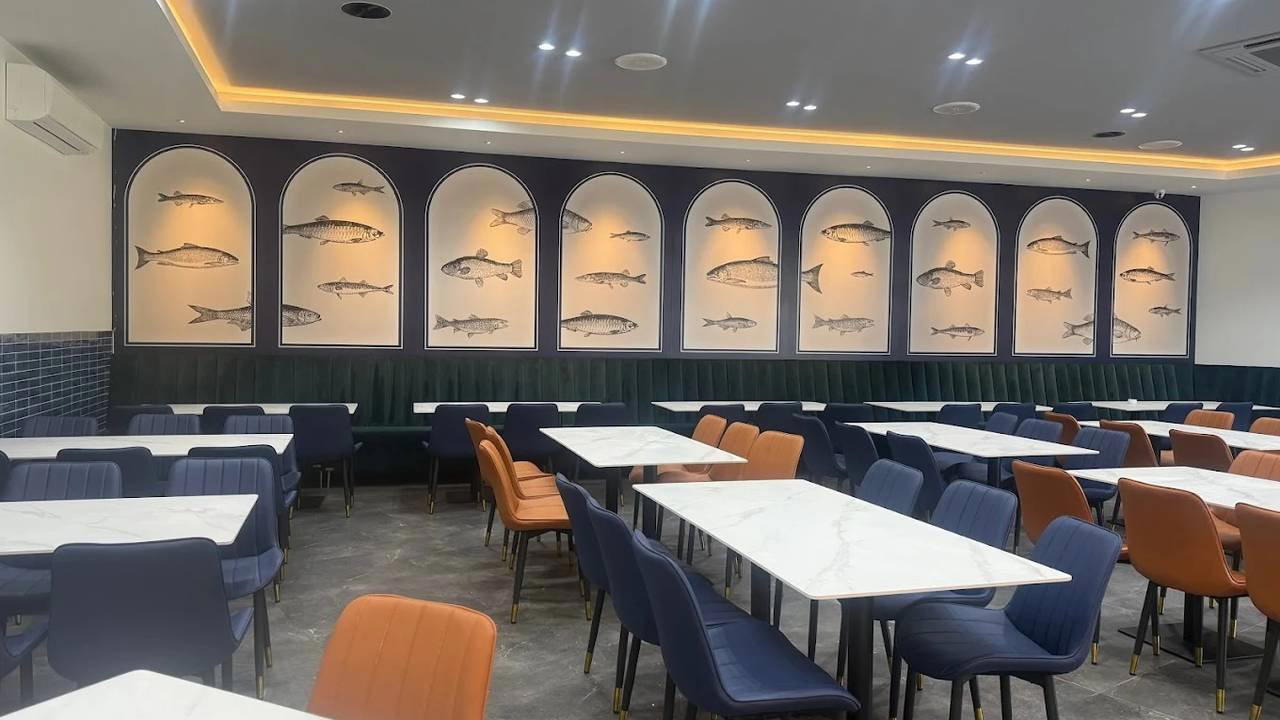
Where the Western Suburbs Meet the Mediterranean Coast
Sydney's most discussed restaurants tend to cluster around the harbour, the inner east, or the CBD fringe. Villawood, in the city's southwest, operates on a different register entirely. The suburb has carried a dense Lebanese and broader Middle Eastern community for decades, and the food culture that grew from that settlement is less about trend-chasing and more about accumulated domestic knowledge made public. Chekka Sur Mer, at 1 Villawood Road, sits inside that tradition while pulling from a wider set of cooking references than the neighbourhood's older establishments typically employ.
The name references Chekka, a coastal town in northern Lebanon known for its seafood markets and open-air fish restaurants built over the Mediterranean. That geographic anchor matters. Lebanese coastal cooking is a distinct register from the mezze-and-grill shorthand most Australian diners associate with the cuisine. It is lighter, more dependent on the quality of individual fish, and shaped by techniques that treat the sea's produce as the point rather than the platform. Bringing that sensibility to Sydney, a city with access to genuinely exceptional seafood, creates real potential.
The Case for Cooking at This Intersection
Australian dining has spent the better part of two decades working through the tension between imported culinary frameworks and local produce. The more interesting resolution, as demonstrated by places like Saint Peter (Australian Seafood) and Rockpool (Australian Cuisine), is not to choose between the two but to let each sharpen the other. Lebanese coastal technique, with its emphasis on wood fire, citrus acidity, and restraint in seasoning, applies to Southern Ocean fish and New South Wales estuary prawns in ways that feel less like fusion and more like a logical extension of what both traditions already value.
This approach echoes broader patterns visible across Australian fine and mid-casual dining. At Brae in Birregurra and Attica in Melbourne, the dominant editorial question is always: what happens when a highly trained international palate meets the specific textures and flavours this country produces? At Chekka Sur Mer, the question is posed from within a diasporic community rather than from outside it, which changes the answer in ways worth paying attention to.
Internationally, the closest analogue in approach is something like Le Bernardin in New York City, where a coastal European tradition finds expression through produce sourced thousands of kilometres from its origin point. The scale and price bracket are different, but the underlying editorial logic, that a deeply specific regional seafood tradition can translate without dilution, is comparable.
Sydney's Western Suburbs as a Dining Proposition
For EP Club readers accustomed to tracking tables in Surry Hills or Potts Point, Villawood requires a recalibration of expectations and a longer drive. The suburb sits roughly 30 kilometres west of the CBD, accessible via the T2 train line to Villawood station or by car from Parramatta in under fifteen minutes. What the area lacks in postcode prestige it compensates for with the kind of institutional community knowledge that cannot be manufactured. The Lebanese grocers, bakeries, and butchers within the surrounding streets represent an informal supply network that restaurants in the inner city spend considerable effort trying to replicate through formal supplier relationships.
This is not a neighbourhood you arrive at by accident. The dining culture here rewards the reader who is tracking where Sydney's food energy is moving rather than where it has already been documented. In that sense, Villawood belongs in the same conversation as the outer-ring suburbs of other cities where diaspora cooking has outpaced the restaurant press: Footscray in Melbourne, Lakemba a few kilometres south, or the strip along Auburn Road that has been feeding Sydney's Lebanese community since the 1970s.
For context on the city's broader geography and dining character, our full Sydney restaurants guide maps the spread from harbour-facing institutions to the western suburbs' less-documented but often more compelling addresses.
Within Sydney's seafood-forward dining tier, the comparison points are instructive. Saint Peter operates at the premium end of the Australian seafood argument, with Josh Niland's whole-fish butchery approach attracting sustained international coverage. Ormeggio at The Spit in Mosman brings Italian coastal technique to Sydney Harbour produce. Chekka Sur Mer's positioning, Lebanese coastal rather than Italian or contemporary Australian, occupies a gap in that market that is genuinely underserved at the restaurant level even as the domestic cooking tradition is well-established in the community.
Further afield, the Australian restaurant scene's engagement with imported technique and local produce has produced some of its most discussed addresses in unlikely postcodes. Pipit in Pottsville, Provenance in Beechworth, and Hentley Farm in Seppeltsfield all demonstrate that the country's most compelling cooking frequently happens outside its major urban centres or, in Villawood's case, outside the inner-city precincts that attract most of the press attention. The pattern at Laura at Pt Leo Estate in Merricks and Botanic in Adelaide confirms that serious technique applied to serious Australian produce can land anywhere.
For readers whose frame of reference extends to international coastal dining, Lazy Bear in San Francisco offers a useful parallel: a kitchen that absorbed formal technique and applied it in a context that the mainstream dining press took time to catch up with. The trajectory for Chekka Sur Mer may follow a similar arc.
Other Sydney addresses worth cross-referencing for the same reader include 10 William St, 10 Pounds, and 1021 Mediterranean, the last of which shares the Mediterranean coastal frame if not the specific Lebanese register. For seafood in tropical settings, Salt Water Restaurant in Cairns and Lizard Island Resort in Lizard Island represent the northern end of Australia's coastal dining argument.
Know Before You Go
- Address: 1 Villawood Rd, Villawood NSW 2163, Australia
- Getting There: T2 Western line to Villawood station; by car, approximately 30 minutes from the Sydney CBD outside peak hours
- Price Range: Not publicly listed; contact the venue for current menu pricing
- Hours: Confirm directly with the restaurant before visiting
- Phone / Website: Not currently available through public listings
Cuisine Context
| Venue | Cuisine | Awards |
|---|---|---|
| Chekka Sur MerThis venue — the venue you are viewing | This venue | Not listed |
| Rockpool | Australian Cuisine | World's 50 Best |
| Saint Peter | Australian Seafood | World's 50 Best |
| BENTLEY Restaurant & Bar | Australian Modern | Australian Modern |
| Bennelong | Australian Cuisine | Australian Cuisine |
Continue exploring
More in Sydney
Restaurants in Sydney
Browse all →
Bars in Sydney
Browse all →
Hotels in Sydney
Browse all →

At a Glance
- Cozy
- Family
- Group Dining
- Casual Hangout
Current opening hours
- Monday
- Closed
- Tuesday
- 12–11 PM
- Wednesday
- 12–11 PM
- Thursday
- 12–11 PM
- Friday
- 12–11 PM
- Saturday
- 12–11 PM
- Sunday
- 12–11 PM
Hours can change for holidays and private events. Last verified .
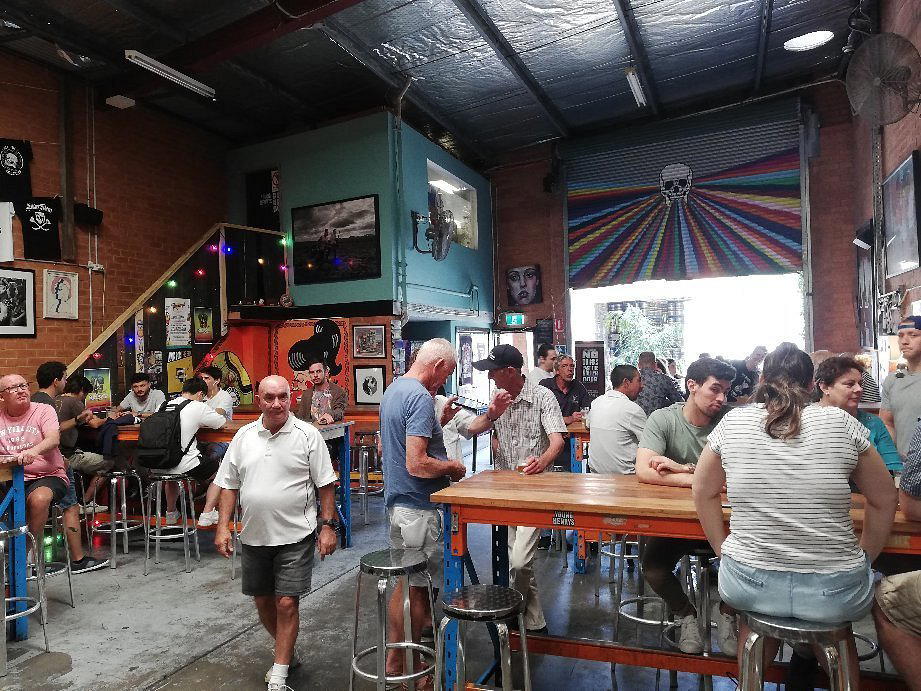
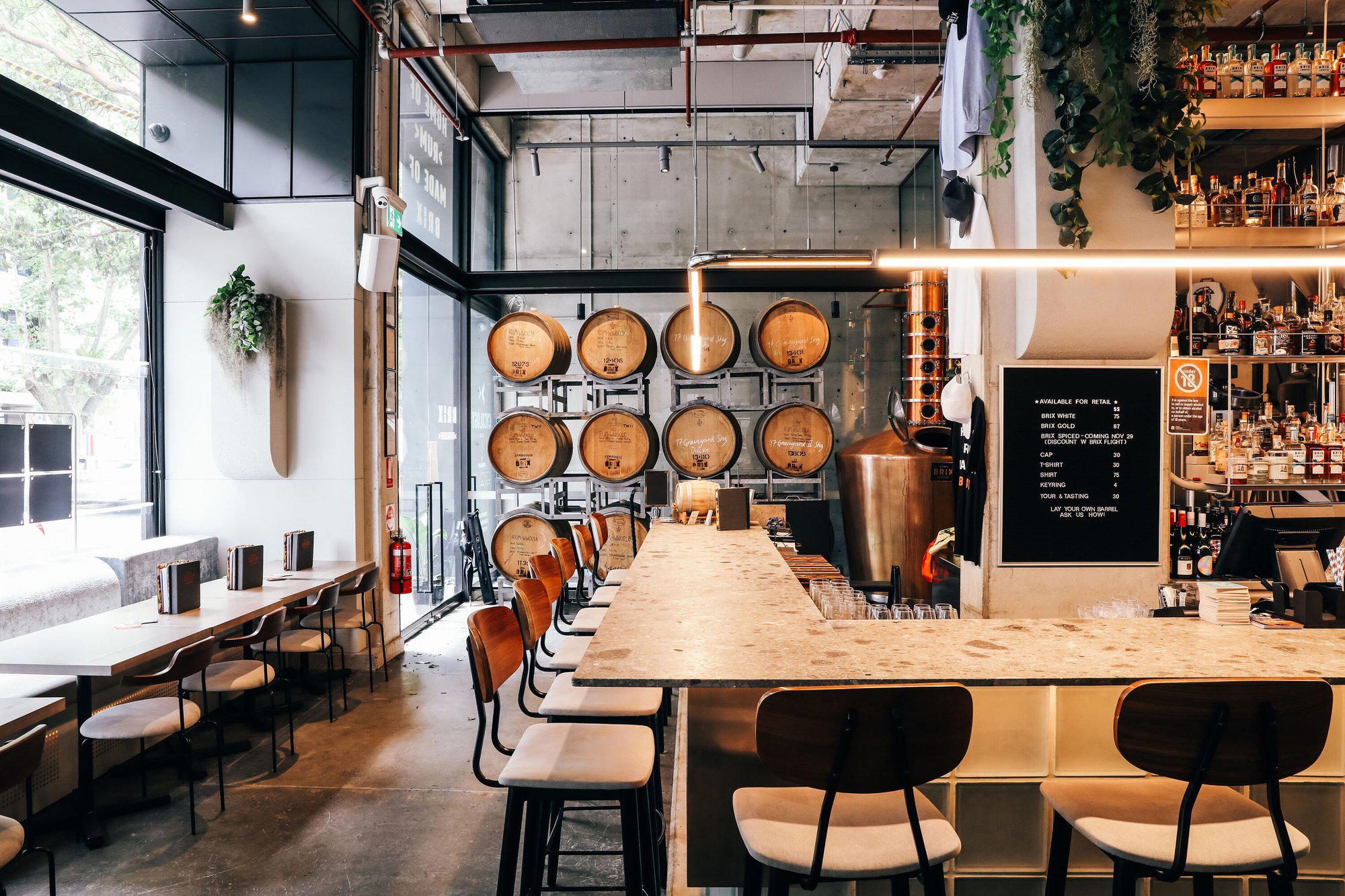
Warm and welcoming atmosphere reflecting Lebanese hospitality.
Know Before You Go
- Getting there
- 1 Villawood Rd, Villawood NSW 2163, Australia