Country House
Country House sits along North Country Road in Stony Brook, a stretch of Long Island where farm stands and historic estates have shaped the local table for generations. The address places it inside one of the North Shore's more food-conscious communities, where sourcing from nearby Suffolk County producers carries genuine weight. For visitors building an itinerary around the region's dining scene, it belongs on the same planning horizon as Stony Brook's other serious options.
Pearl is the En Primeur Club membership app — saves, bookings, and concierge access live there. Same editors, same standards.
- Address
- 1175 N Country Rd, Stony Brook, NY 11790
- Phone
- +16317513332
- Website
- countryhouserestaurant.com
- Directions
- Get directions
 Saves & bookings on Pearl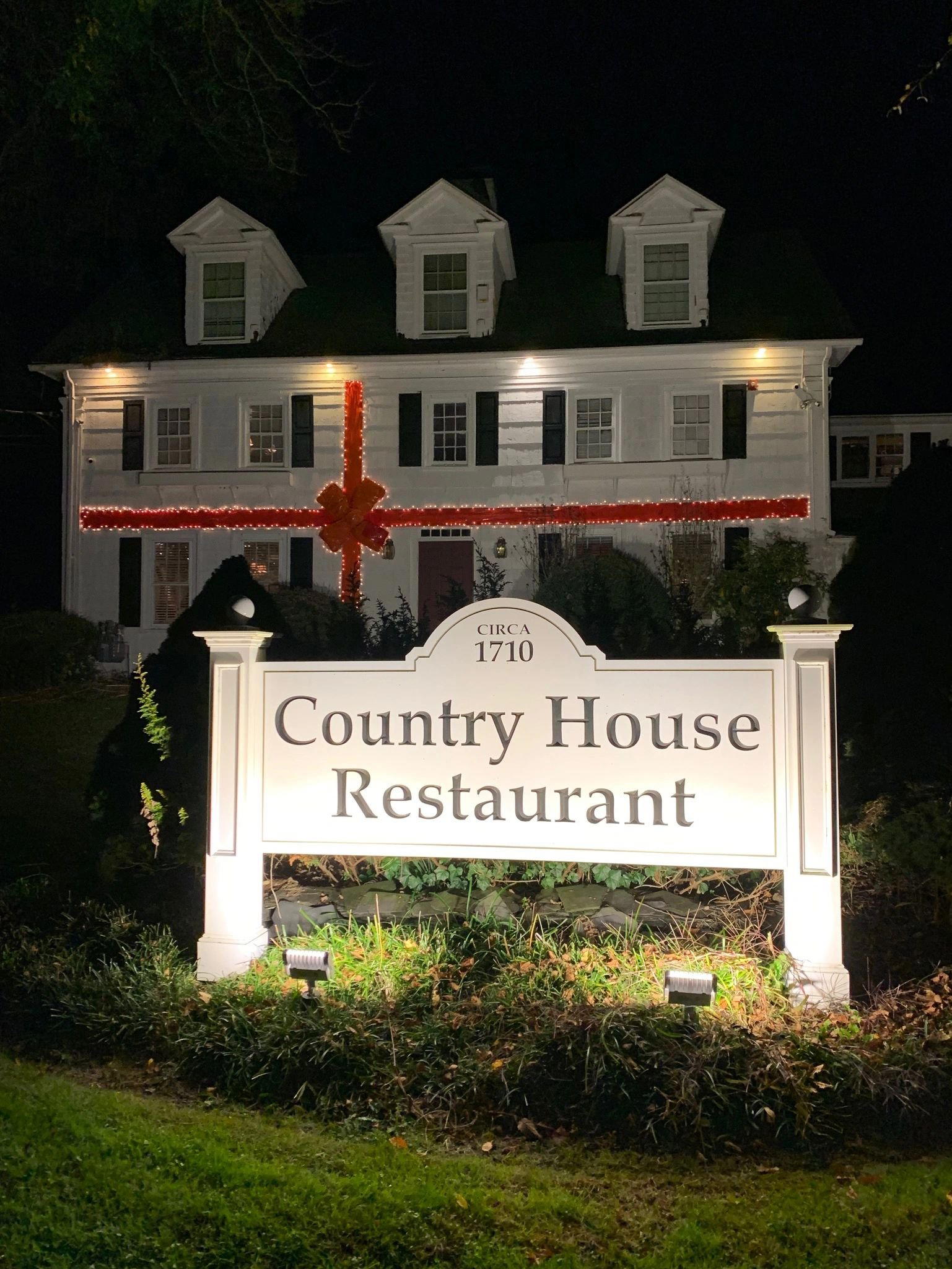
North Country Road and the Long Island Sourcing Tradition
The North Shore of Long Island occupies a particular position in the American farm-to-table conversation that rarely gets the credit it deserves. Suffolk County's agricultural output, the proximity of the Sound's shellfish beds, and a wine region stretching toward the North Fork have created a supply chain that serious kitchens in this corridor have drawn on for decades. Restaurants positioned along routes like North Country Road in Stony Brook inherit that geography whether they choose to engage with it or not. The ones that do tend to build menus around what the season allows rather than what a broadline distributor delivers. Country House, a Contemporary American restaurant in Stony Brook at 1175 N Country Rd, sits in that physical and culinary corridor.
Stony Brook itself is a town whose identity has always been shaped by the university on one side and the historic village on the other, with a dining scene that reflects both the academic calendar and the habits of a well-travelled residential base. It is not a restaurant city in the way that a dense urban neighbourhood is, but that's precisely why the venues that succeed here tend to do so on quality of sourcing and consistency rather than on foot traffic and novelty cycles.
What the Setting Tells You Before You Sit Down
Approaching along North Country Road, the architectural character shifts away from the commercial strip that defines much of Long Island's interior. The road here runs through a canopy of mature trees, past stone walls and colonial-era structures that place the address firmly in the historic village fabric of Stony Brook rather than in its commercial periphery. That physical context is not incidental to how a room like this operates. Country houses in the New England and North Shore tradition have historically functioned as spaces where the formality of a dining room coexists with the informality of a landscape that feels genuinely local, and where the sourcing story is legible in the room itself.
That tradition of the country house as a dining destination with regional identity rather than metropolitan ambition connects Country House to a longer lineage of American restaurants that have prioritized place over prestige signalling. You find it at Blue Hill at Stone Barns in Tarrytown, where the farm is literally visible from the dining room, and at Single Thread Farm in Healdsburg, where the sourcing radius is treated as a formal curatorial constraint. The ambition at those addresses is more explicitly codified, but the underlying logic, that where food comes from shapes what it tastes like, applies at every price point in the format.
Ingredient Sourcing as the Organizing Principle
Long Island's agricultural and maritime resources give North Shore kitchens access to a sourcing palette that most American regions cannot replicate within a comparable radius. The North Fork wine corridor, the South Fork's potato and produce farms, the shellfish beds of the Great South Bay and the Sound, the duck farms that have supplied New York kitchens for over a century, these are not abstract credentials but specific supply chains with documented histories. Restaurants that engage seriously with that geography tend to show it most clearly in their seasonal transitions, when a menu shifts from early root vegetables and stored alliums to the first asparagus and ramps of a Long Island spring, or from summer stone fruit to the apple and squash harvest of early fall.
Across the United States, particularly respected farm-anchored formats have built their reputations on exactly this kind of disciplined geographic commitment. The French Laundry in Napa sources from its on-site garden and a network of named producers whose identities appear in the menu's language. Lazy Bear in San Francisco works within a Northern California regional frame. Smyth in Chicago maintains its own farm in Tennessee as a sourcing anchor. The common thread is that ingredient origin is the argument, not the garnish. On Long Island's North Shore, that argument has geographic credibility built into the address.
Country House in the Context of Stony Brook Dining
Within Stony Brook's dining scene, the closest point of comparison is Mirabelle Tavern, which occupies the Three Village Inn and represents the North Shore's more formal European-influenced tradition. The two venues serve different moments in a traveller's itinerary, and understanding where each sits helps in planning a stay rather than a single meal. Nationally, the restaurant format that combines lodging, dining, and a strong sense of place has its clearest American expression at properties like The Inn at Little Washington, where the restaurant and the building are inseparable from each other's identity.
For visitors building a broader picture of farm-anchored American dining, the comparable set extends well beyond the Northeast. Addison in San Diego and Providence in Los Angeles represent the California end of the sourcing-first spectrum, with seafood and regional produce as primary coordinates. Oyster Oyster in Washington, D.C. takes a more explicitly environmental framing to the same underlying commitment. Frasca Food and Wine in Boulder maps its sourcing to a specific Italian regional template. The Wolf's Tailor in Denver works a seasonal Colorado frame. Each of these addresses makes the case that where food comes from is one honest signal of what a kitchen is actually doing.
Further afield, international comparisons reinforce the point. Atelier Moessmer Norbert Niederkofler in Brunico has made Alpine ingredient geography the explicit premise of its entire program. ITAMAE in Miami applies a sourcing discipline rooted in Peruvian-Japanese tradition to Florida's fisheries. Atomix in New York City and Le Bernardin in New York City represent the urban end of the same conversation, where sourcing networks are constructed at greater cost and with greater deliberate effort precisely because the geography is not automatically local. Emeril's in New Orleans has long tied its identity to Gulf Coast and Louisiana farm sourcing as a regional signature.
Planning a Visit
The restaurant is located at 1175 N Country Rd in Stony Brook, New York, accessible from the Long Island Expressway and well-positioned for visitors combining a meal with time at the Stony Brook Village Center or the university's cultural venues. The restaurant is open Wednesday through Sunday from 12 to 10 PM, and reservations are recommended.
A Quick Peer Check
Comparable venues nearby, for context on price, style, and recognition.
| Venue | Cuisine | Price | Notes |
|---|---|---|---|
| Country HouseThis venue — the venue you are viewing | Contemporary American | $$$ | Not listed |
| Mirabelle Tavern | French Bistro & Contemporary American | $$$ | Stony Brook |
| George McNally restaurant | american | $$$ | Tribeca |
| Freds Downtown | American Comfort Food & Gourmet Burgers | $$$ | Chelsea-Hudson Yards |
| Emilio Ristorante | Northwest-inspired Fine Dining | $$$ | Harrison |
| Jams | Seasonal New American | $$$ | Midtown-Times Square |
Continue exploring
More in Stony Brook
Restaurants in Stony Brook
Browse all →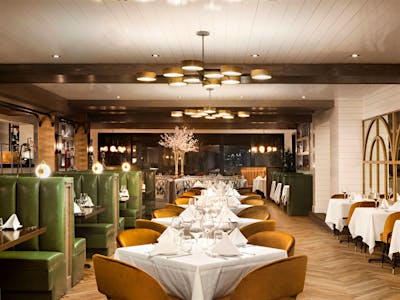
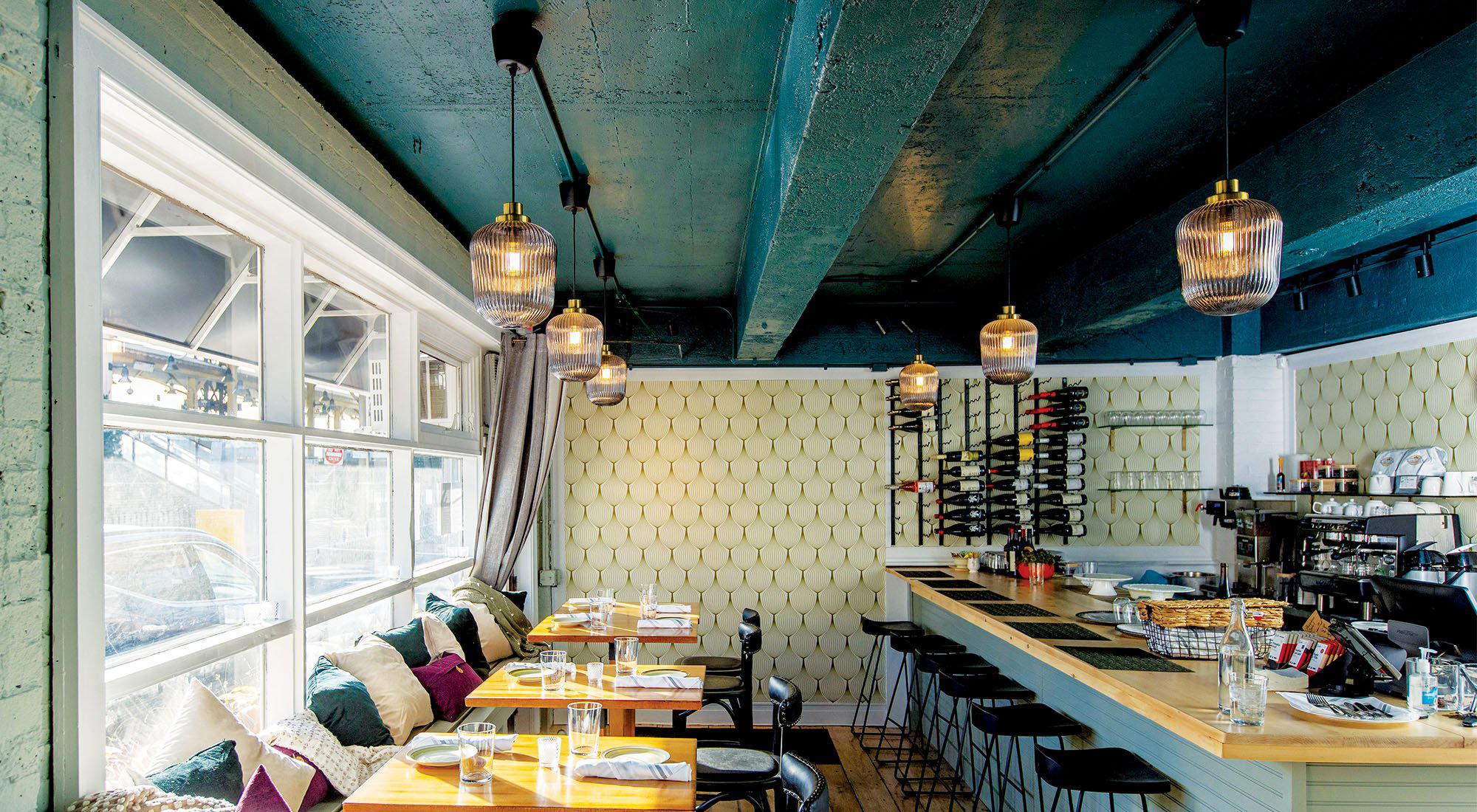
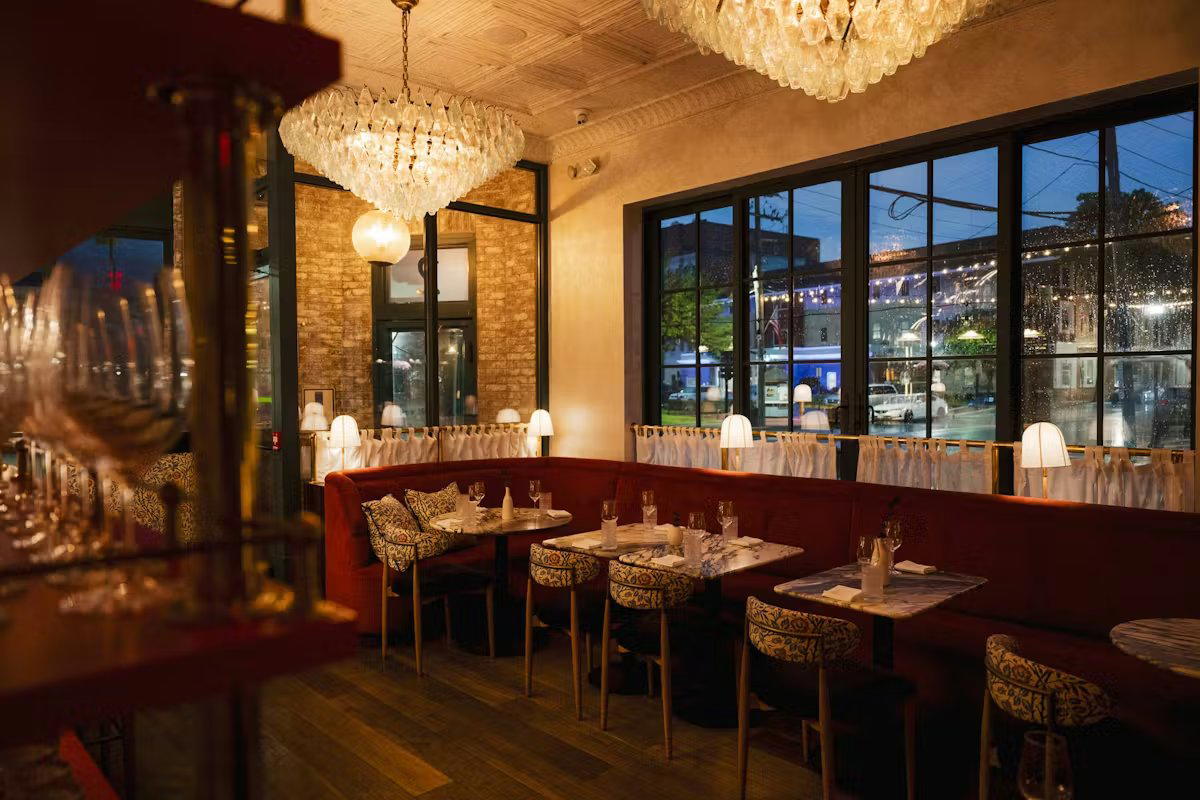
Bars in Stony Brook
Browse all →

Hotels in Stony Brook
Browse all →
Wineries in Stony Brook
Browse all →
At a Glance
- Romantic
- Cozy
- Elegant
- Historic
- Date Night
- Special Occasion
- Brunch
- Historic Building
- Private Dining
- Garden
- Garden
Current opening hours
- Monday
- Closed
- Tuesday
- Closed
- Wednesday
- 12–10 PM
- Thursday
- 12–10 PM
- Friday
- 12–10 PM
- Saturday
- 12–10 PM
- Sunday
- 12–10 PM
Hours can change for holidays and private events. Last verified .
Cozy and elegant with working fireplaces in multiple rooms, floral motifs, seasonal decor, and a romantic, slightly spooky historic atmosphere.