Cornelius Sjømatrestaurant
Cornelius Sjømatrestaurant sits at Katlavika 14 in Bjørøyhamn, a coastal settlement on the island of Bjørøy outside Bergen, where the proximity to open fjord waters defines everything on the plate. The kitchen draws on a seafood tradition rooted in the immediate coastline, placing it within a broader Norwegian movement that treats provenance as the central organising principle. It is the kind of address that rewards the effort of getting there.
Pearl is the En Primeur Club membership app — saves, bookings, and concierge access live there. Same editors, same standards.
- Address
- Katlavika 14, 5177 Bjørøyhamn, Norway
- Phone
- +4756334880
- Website
- corneliusrestaurant.no
- Directions
- Get directions
 Saves & bookings on Pearl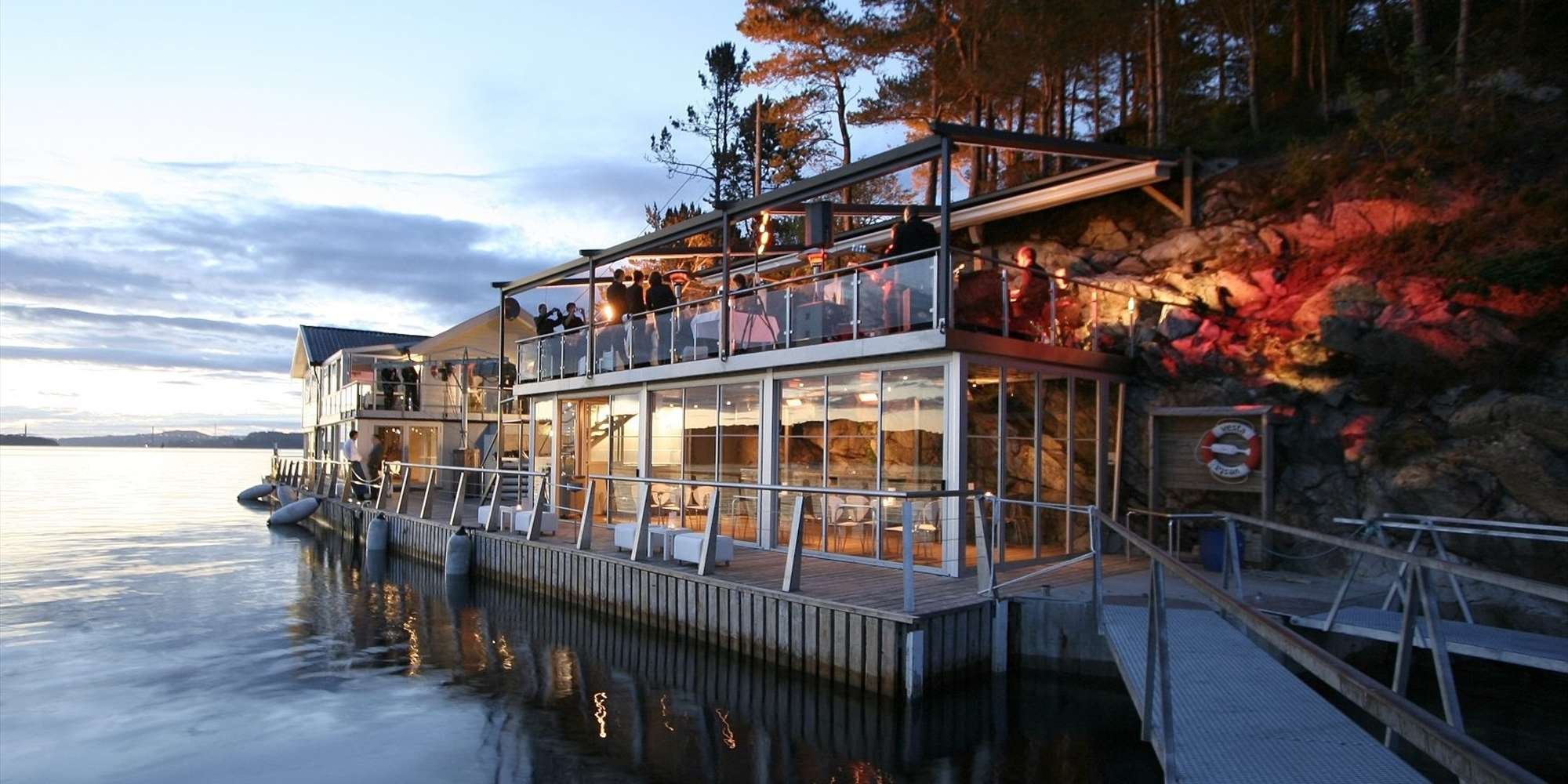
Arriving at the Edge of the Fjord
Bjørøyhamn is not a place you pass through. The island of Bjørøy sits in the outer archipelago southwest of Bergen, accessible by ferry across water that, depending on the season, ranges from slate-grey to a cold, luminous green. When you arrive at Katlavika, the harbour is immediately present: the smell of salt and cold rock, the sound of rigging, the low profile of buildings that have always faced the sea rather than turned away from it. Cornelius Sjømatrestaurant occupies that context directly. The address, Katlavika 14, 5177 Bjørøyhamn, is not incidental. It is the point.
Restaurants positioned this close to working waterfronts in Norway operate within a culinary logic that differs substantially from the urban fine-dining circuit. The supply chain collapses to near zero. What the kitchen uses is what the surrounding waters and local producers can deliver, and that constraint is also the identity. For context on how Norway's most discussed restaurants handle similar source material at greater remove from the coast, Maaemo in Oslo and RE-NAA in Stavanger both anchor their programs in Nordic provenance, but they do so from city addresses where sourcing is a logistical and philosophical choice. At a harbour restaurant in Bjørøyhamn, geography removes the philosophy and leaves only the fact.
What Coastal Sourcing Actually Means Here
The Norwegian coastline produces some of Europe's most carefully documented seafood, from the skrei cod of the Lofoten season to the langoustines pulled from cold west-coast waters. Restaurants that sit directly on working harbours in this part of Norway have access to catch that is measured in hours rather than days. The distinction matters more than it might seem. Fish handled and served within hours of landing has a different texture and a cleaner flavour than product transported even short distances through standard distribution. It is the argument that the leading fish restaurants in Japan have made for decades about proximity to Tsukiji and its successors, and it applies with equal force to the outer Bergen archipelago.
This is the tradition Cornelius Sjømatrestaurant operates within. The term sjømat translates directly as seafood, and a restaurant that places that word in its name is making a clear declaration about what the kitchen centres on. Along Norway's west coast, that centres a menu on shellfish, white fish, and whatever the season and the local fleet determine. For comparison, Under in Lindesnes built an internationally recognised program around a similar premise, that Norwegian coastal waters, sourced with discipline, can anchor serious cooking, though it does so through a format designed for international visibility. Cornelius Sjømatrestaurant operates in a register that is more local in orientation and more directly tied to the immediate harbour.
Other Norwegian addresses pursuing comparable sourcing logic in non-urban settings include MiraBelle by Ørjan Johannessen in Bekkjarvik and Glime Restaurant in Hardanger Fjord, both of which treat their coastal or fjord-adjacent positions as the foundation of the menu rather than a backdrop to it. The pattern is consistent: distance from the urban dining circuit in Norway often correlates with tighter sourcing, not looser.
The Atmosphere and What to Expect
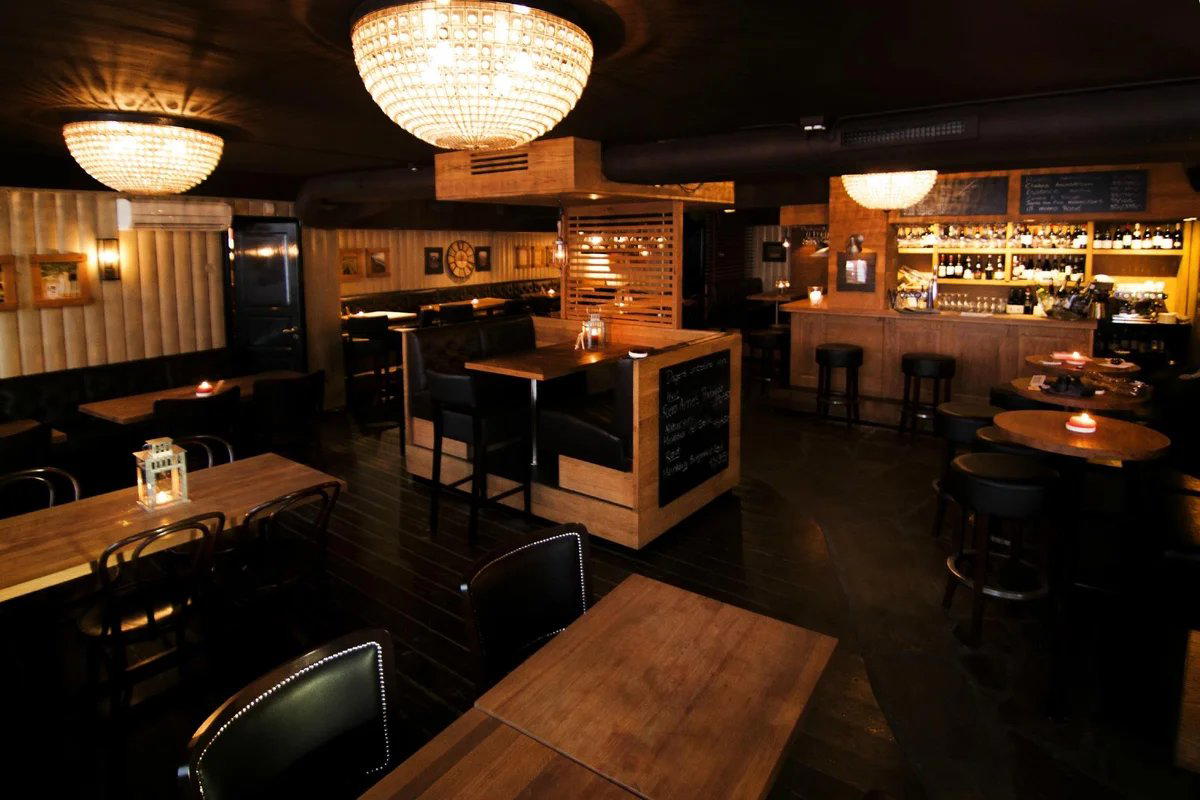
Harbour restaurants in small Norwegian settlements like Bjørøyhamn tend toward a particular atmosphere: unhurried, spatially direct, oriented outward toward the water rather than inward toward the kind of interior design that signals ambition to a metropolitan audience. The physical environment does the work that décor budgets do elsewhere. Expect the room to feel in proportion with a small island community rather than scaled for tourism, and expect the service pace to match the setting rather than a city lunch rush.
The broader Norwegian dining tradition at this scale is one of directness. There is less of the ceremony that surrounds the tasting-menu circuit, less the experience of Speilsalen in Trondheim or the conceptual framework of Lysverket in Bergen, and more of what happens when a kitchen is close enough to its source material that elaboration becomes optional. The case for restraint in Norwegian coastal cooking is made most convincingly when the raw ingredient is doing most of the work, and a harbour address argues for that case by default.
For those accustomed to the international seafood fine-dining register, Le Bernardin in New York City being the reference point against which much of that category is measured, the Bjørøyhamn experience will read as quieter in register and more plainly local in character. That is not a diminishment. It is a different argument about what a seafood restaurant is for.
Getting There and Planning the Visit
Bjørøy is a car-free island, which means the journey to the restaurant begins with a ferry from the Bergen area. The crossing is part of the experience: you arrive already removed from the rhythms of the city, already adjusted to a pace that the harbour setting will reinforce. Plan the visit as a half-day or full-day excursion from Bergen rather than a quick dinner. Ferry schedules govern the timing, so checking crossings before booking is the practical first step. Given the island's size and the restaurant's position within a small residential harbour community, arriving without a reservation is a risk not worth taking.
For those building a broader western Norway itinerary, the region offers a range of addresses across different formats and price points: Buer Restaurant in Odda, Vianvang in Vågå, and further afield, Restaurant 1893 in Stokmarknes each represent the pattern of serious cooking anchored in Norwegian regional identity rather than international fine-dining convention. Our full Bjørøyhamn restaurants guide covers the local options in greater depth.
Elsewhere in Norway's broader dining geography, Hvelvet in Lillehammer, Smakeriet in Geilo, Lily Country Club in Kløfta, Boen Gård in Tveit, and Smag & Behag Grimstad in Grimstad collectively demonstrate how Norwegian hospitality outside the major cities has developed a confident regional identity. Lazy Bear in San Francisco offers a useful international counterpoint for readers calibrating what destination-format dining at a remove from city centres can achieve when the format is well-executed.
Fast Comparison
Comparable venues nearby, for context on price, style, and recognition.
| Venue | Cuisine | Price | Notes |
|---|---|---|---|
| Cornelius SjømatrestaurantThis venue — the venue you are viewing | Modern Norwegian Seafood | $$$$ | Not listed |
| Conservatory | Seasonal Nordic Fine Dining | $$$$ | Norangsfjorden |
| Bålyveien 48 | Seasonal Nordic Seafood Tasting Menu | $$$$ | Spangereid |
| Hotel Union Øye | Norwegian Seasonal Fine Dining | $$$$ | Norangsfjorden |
| Fiskeriet | Norwegian Seafood | $$ | Gardermoen Airport |
| Enhjørningen | Traditional Norwegian Seafood | $$$ | Vågen |
Continue exploring
More in Bj R Yhamn
Restaurants in Bj R Yhamn
Browse all →
Bars in Bj R Yhamn
Browse all →
At a Glance
- Elegant
- Sophisticated
- Intimate
- Date Night
- Special Occasion
- Business Dinner
- Waterfront
- Open Kitchen
- Extensive Wine List
- Sommelier Led
- Sustainable Seafood
- Local Sourcing
- Waterfront
Current opening hours
- Monday
- 6–10:30 PM
- Tuesday
- 6–10:30 PM
- Wednesday
- 6–10:30 PM
- Thursday
- 6–10:30 PM
- Friday
- 6–10:30 PM
- Saturday
- 6–10:30 PM
- Sunday
- Closed
Hours can change for holidays and private events. Last verified .
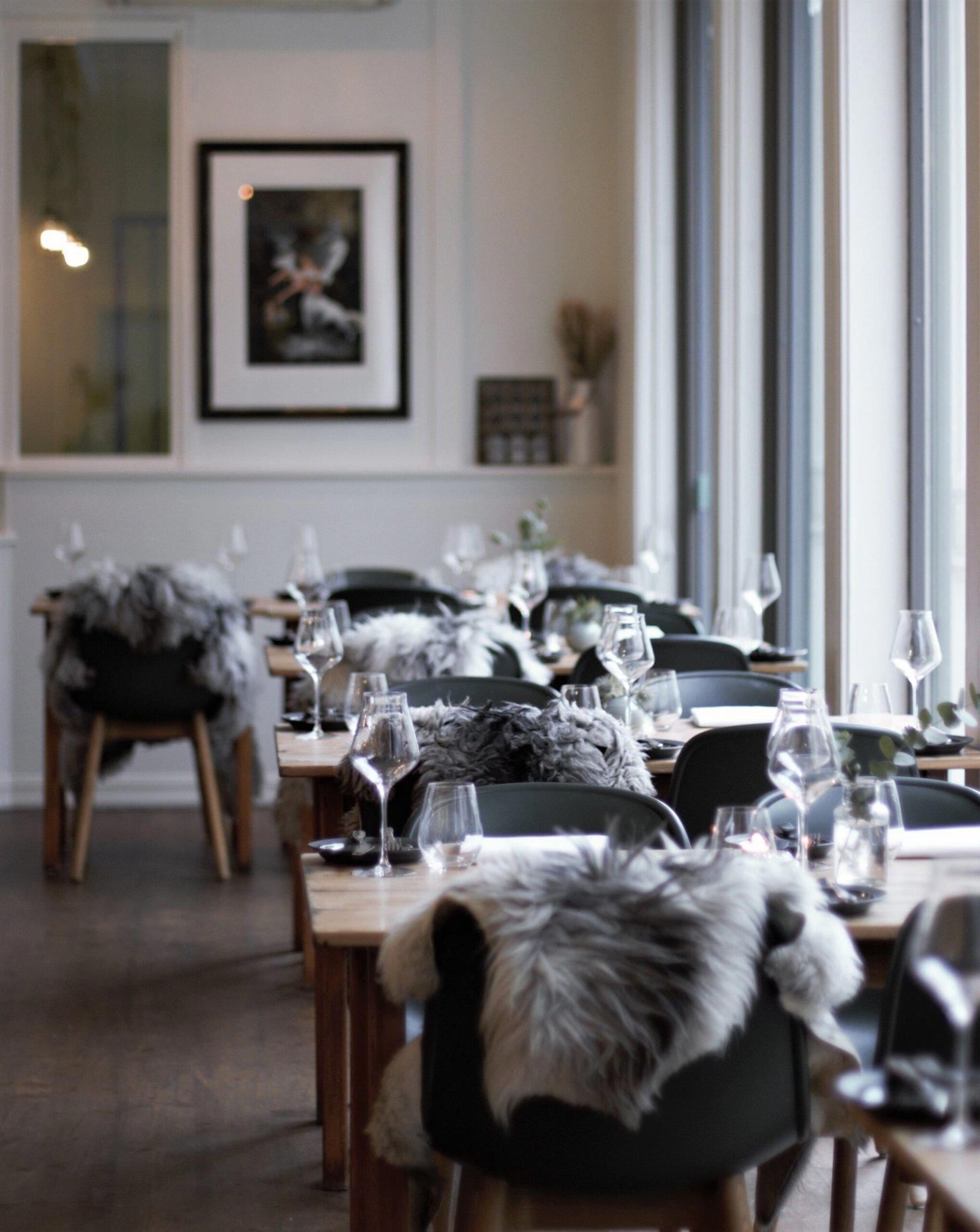
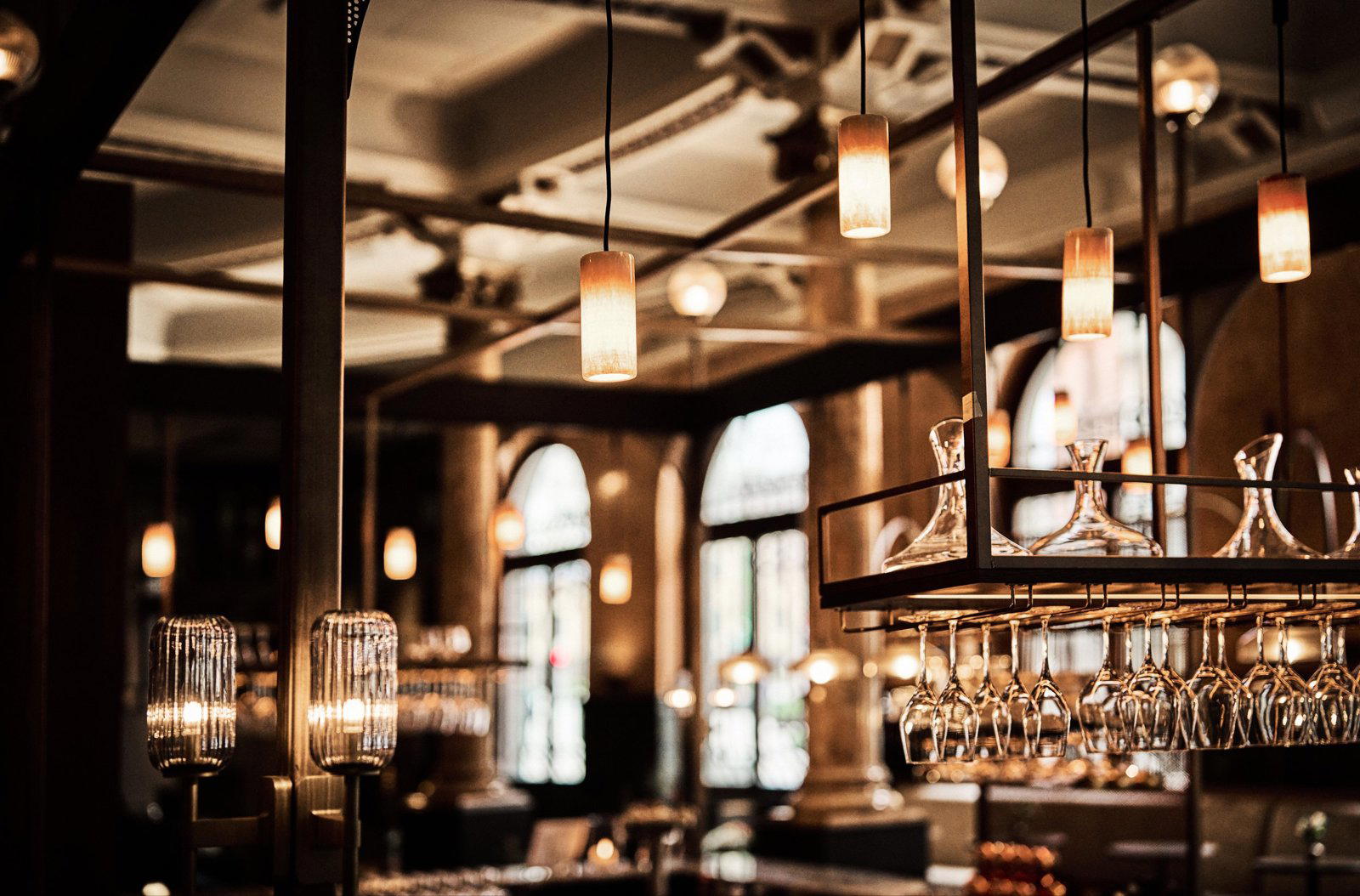
Elegant and serene with soft lighting, contemporary Nordic design, and dramatic views of the Oslofjord.