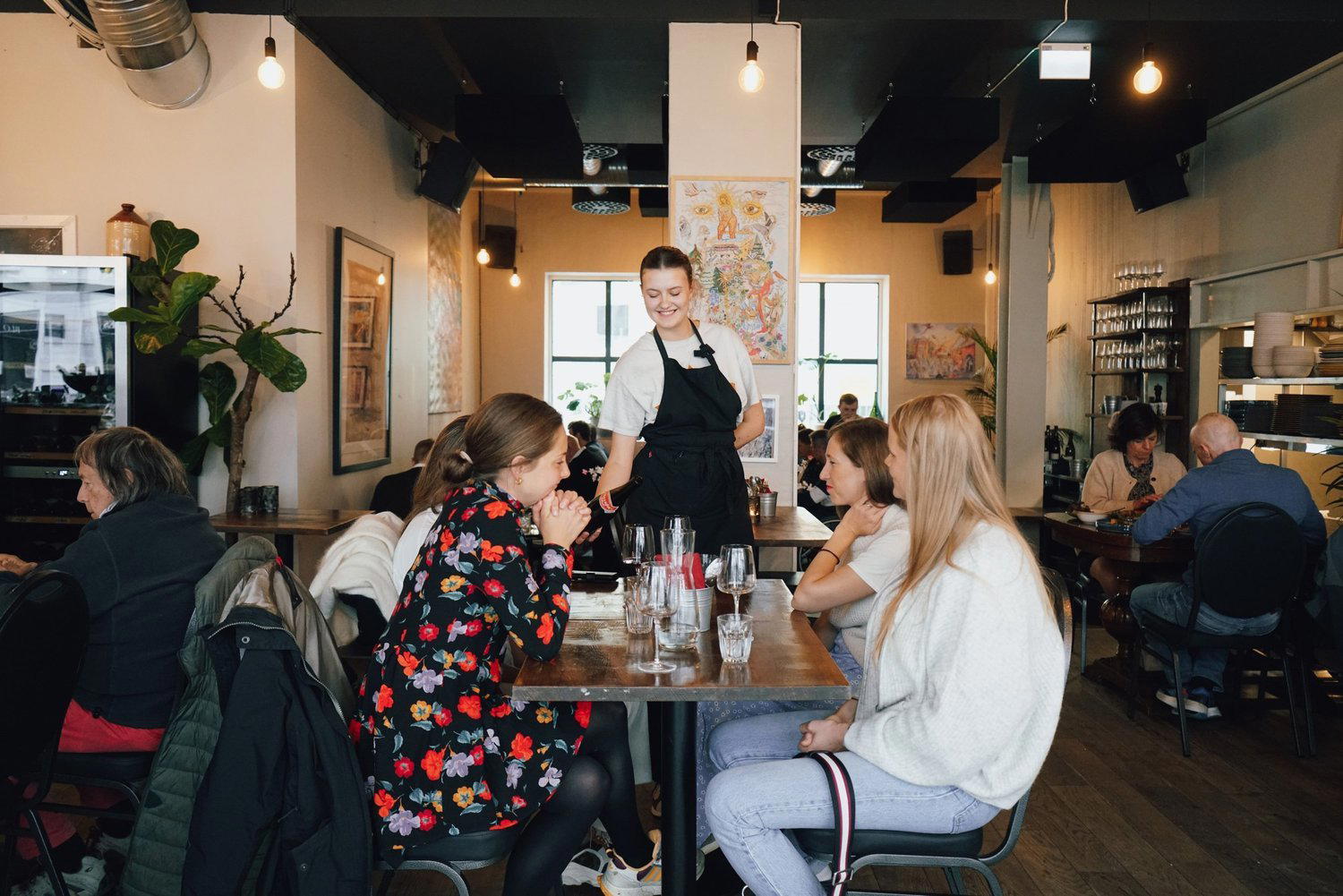
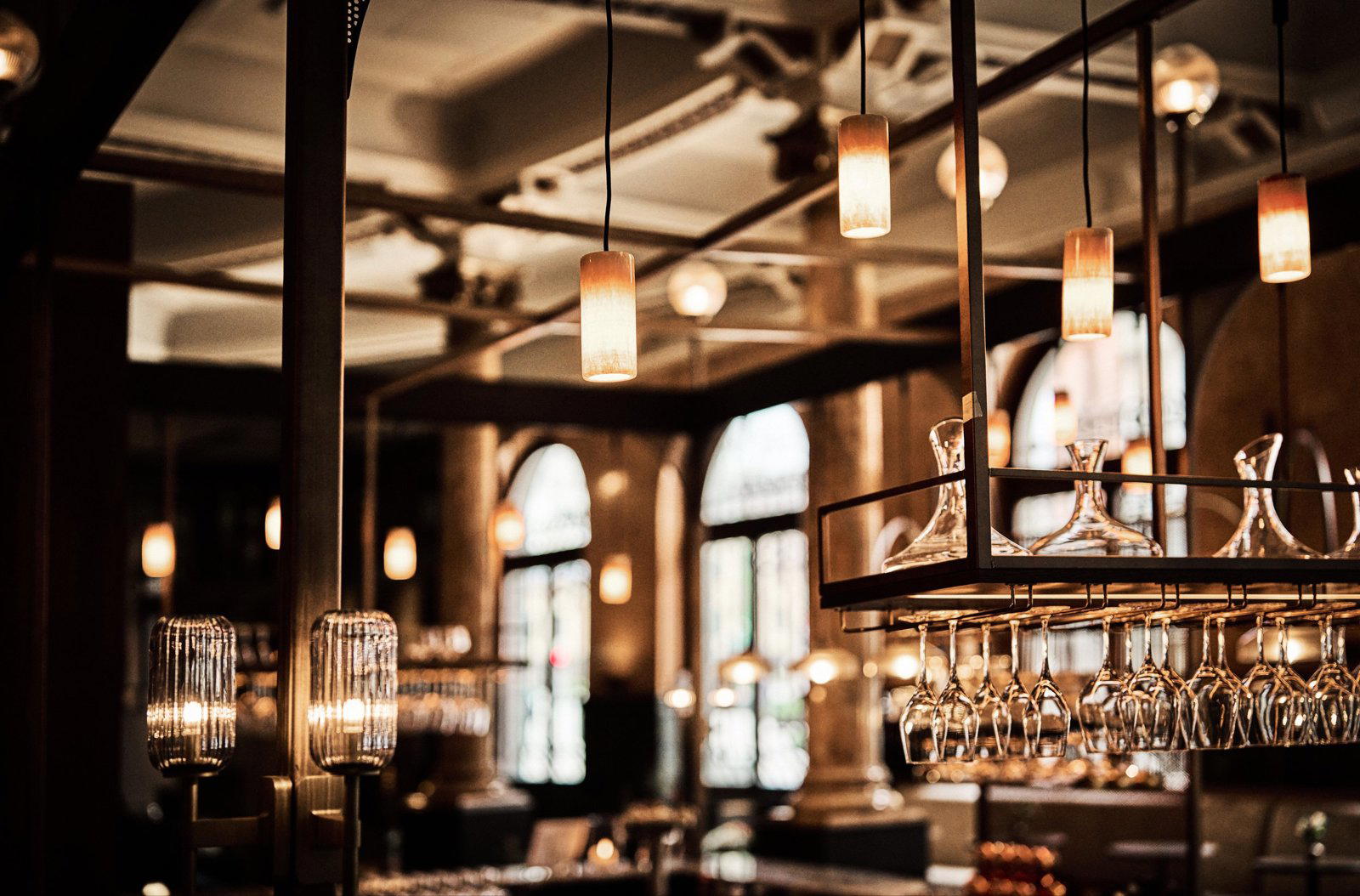
BARK Mat in Bergen runs as upscale casual Modern Nordic Fine Dining with a leisurely dinner pace, open kitchen, and an extensive wine list.
Pearl is the En Primeur Club membership app — saves, bookings, and concierge access live there. Same editors, same standards.
- Address
- Baneveien 16, 5010 Bergen, Norway
- Phone
- +4790785055
- Website
- barkrestaurant.no
- Directions
- Get directions
 Saves & bookings on Pearl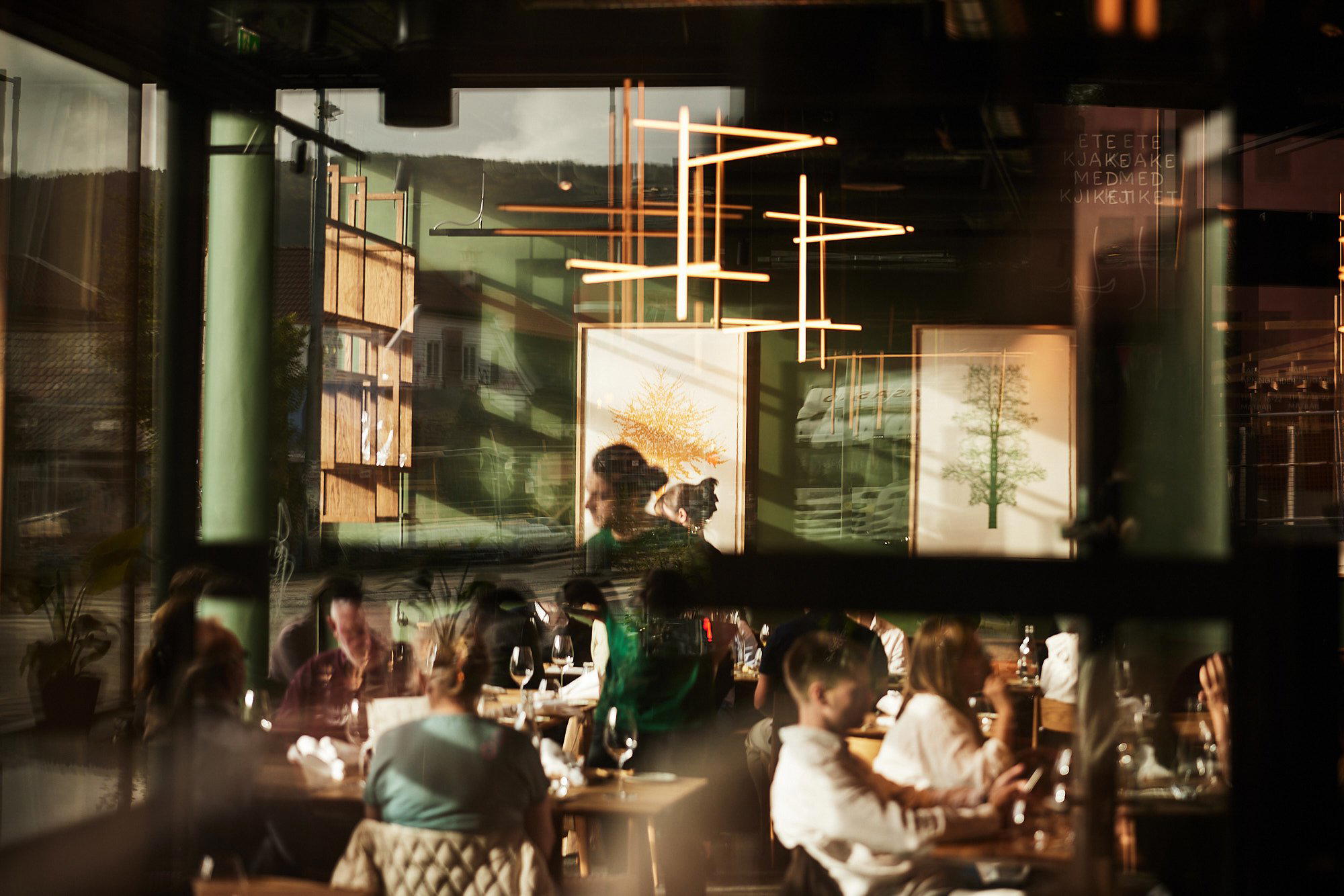
Where Bergen's Dining Scene Meets the Forest Edge
Baneveien 16 sits at the kind of address that rewards the walk: away from the Bryggen waterfront crowds, past the funicular station, into a quieter residential fold of Bergen where the city starts yielding to the hills. Arriving at BARK Mat, the name itself signals the pitch before you reach the door. Bark is Norwegian for bark, the outermost layer of a tree, and in a culinary culture built on foraging, fermentation, and the careful translation of landscape into plate, that naming choice is deliberate framing rather than decoration.
Bergen occupies a particular position in Norway's dining conversation. Oslo commands institutional weight, with Maaemo anchoring the country's Michelin ceiling. Stavanger has RE-NAA. Trondheim has Speilsalen. Bergen's answer has been to develop a dense, competitive dining tier in a compact city of roughly 285,000 people, one where the competition among serious restaurants is fiercer than population size would suggest. BARK Mat enters that tier at Baneveien 16, carrying the weight of a Norwegian culinary tradition that has spent two decades redefining what Nordic ingredients can do at table.
The Cultural Logic of New Nordic Cooking in a Western Norwegian Port
To understand what BARK Mat is attempting, it helps to understand what Bergen has historically been. This was Norway's largest city for centuries, a Hanseatic trading port built on cod, herring, and North Atlantic commerce. The relationship between the sea and the table is not a recent marketing angle here; it is structural. Bergen's serious restaurants inherit that relationship and must decide what to do with it.
The New Nordic movement, which emerged from Copenhagen in the mid-2000s and spread across Scandinavia through the following decade, gave Western Norwegian kitchens a framework for answering that question. The framework prioritises provenance, seasonal discipline, and fermentation, smoke, and preservation techniques drawn from traditional methods rather than classical French cookery. At its most considered, this approach produces food that tastes specifically of its geography, not of culinary technique applied to interchangeable ingredients.
Bergen's position amplifies this logic. The city sits at the edge of the fjords, with access to particularly carefully managed seafood in Europe, mountain foraged ingredients from the surrounding Vestland region, and a micro-season structure that shifts faster than most European capitals. Restaurants that pay attention to that calendar rather than working against it tend to produce food that reads as coherent rather than assembled. The restaurant's address, away from the tourist-facing waterfront and toward the residential hills, suggests a kitchen oriented toward that local coherence rather than toward visitor expectations.
Within Bergen's current restaurant field, the restaurant operates in the same premium tier as Lysverket, which holds Michelin recognition and has built its reputation on New Nordic with a global lens, and Gaptrast, which sits at the more experimental edge of modern cuisine in the city. Across Bergen there is also Omakase by Sergey Pak, which takes an entirely different direction through Japanese format, and more casual addresses like Allmuen Bistro and Banzha at lower price points. The restaurant's positioning within this spread becomes clearer when you consider the name's deliberate alignment with forest and foraged ingredients rather than with the port.
Norway's Wider Fine-Dining Map and Where Bergen Fits
For visitors building a wider Norwegian itinerary, Bergen functions as a logical anchor. The fjord region beyond the city contains its own serious dining options: Glime Restaurant in Hardanger Fjord and MiraBelle by Ørjan Johannessen in Bekkjarvik represent the destination-restaurant format that has become a feature of Norwegian culinary tourism, where the journey to the table is part of the editorial argument. Further afield, Under in Lindesnes takes that argument to its structural extreme, operating as Europe's largest underwater restaurant and placing the marine environment at the centre of the experience in a way that is literal rather than metaphorical. In the north, Restaurant 1893 in Stokmarknes and the mountain setting of Vianvang in Vågå extend the map into Norway's less-visited culinary regions. Buer Restaurant in Odda adds another fjord-adjacent address worth noting for those travelling through Vestland. Bergen itself, with its concentration of serious kitchens, remains one efficient single base for exploring this dining culture.
For comparative reference outside Norway, the philosophy of hyper-local tasting menus built around seasonal discipline connects the restaurant to a broader international movement. Lazy Bear in San Francisco operates a somewhat analogous model in terms of communal format and producer-focused sourcing. At the technical ceiling, Le Bernardin in New York City demonstrates what sustained mastery of a single ingredient category, in that case seafood, can produce over decades. The restaurant, working within a Norwegian rather than French classical framework, inherits a different tradition but faces the same essential question: does the food justify the level of attention the format demands?
Outside Norway's immediate orbit but worth noting for visitors who connect through the UK, Lily Country Club in Kløfta extends the map of serious Norwegian dining to the Oslo airport region, useful context for understanding how distributed the country's ambition has become. Our full Bergen restaurants guide covers the city's dining field in more depth for those planning an extended stay.
Planning a Visit
The restaurant is located at Baneveien 16 in central Bergen, accessible on foot from the city centre and close to the Fløibanen funicular base station. Bergen itself is served by Bergen Airport Flesland, approximately 20 kilometres from the city centre, with connections to Oslo and major European hubs. For booking, visiting the restaurant directly is advisable, particularly during summer when Bergen receives significant visitor volume from the fjord tourism season. Late May through August concentrates demand, while shoulder season months offer more availability. Visitors arriving by the Bergen Light Rail from the airport can reach Baneveien on foot from the central station.
Pricing, Compared
Comparable venues nearby, for context on price, style, and recognition.
| Venue | Cuisine | Price | Awards | Notes |
|---|---|---|---|---|
| BARK MatThis venue — the venue you are viewing | Not listed | $$$ | Not listed | Not listed |
| Marg og Bein | Sentrum, Modern Norwegian Nose-to-Tail | $$$ | Not listed | Not listed |
| Allmuen Bistro | Sentrum, Norwegian Seafood Bistro | $$$ | Not listed | Not listed |
| Izakaya Skostredet | Not listed | $$$ | Michelin Plate | Skostredet (city center), Contemporary Japanese Izakaya |
| Enhjørningen | Vågen, Traditional Norwegian Seafood | $$$ | Not listed | Not listed |
| Fjellskål | Vågen, Norwegian Seafood | $$$ | Not listed | Not listed |
At a Glance
- Cozy
- Modern
- Trendy
- Date Night
- Special Occasion
- Open Kitchen
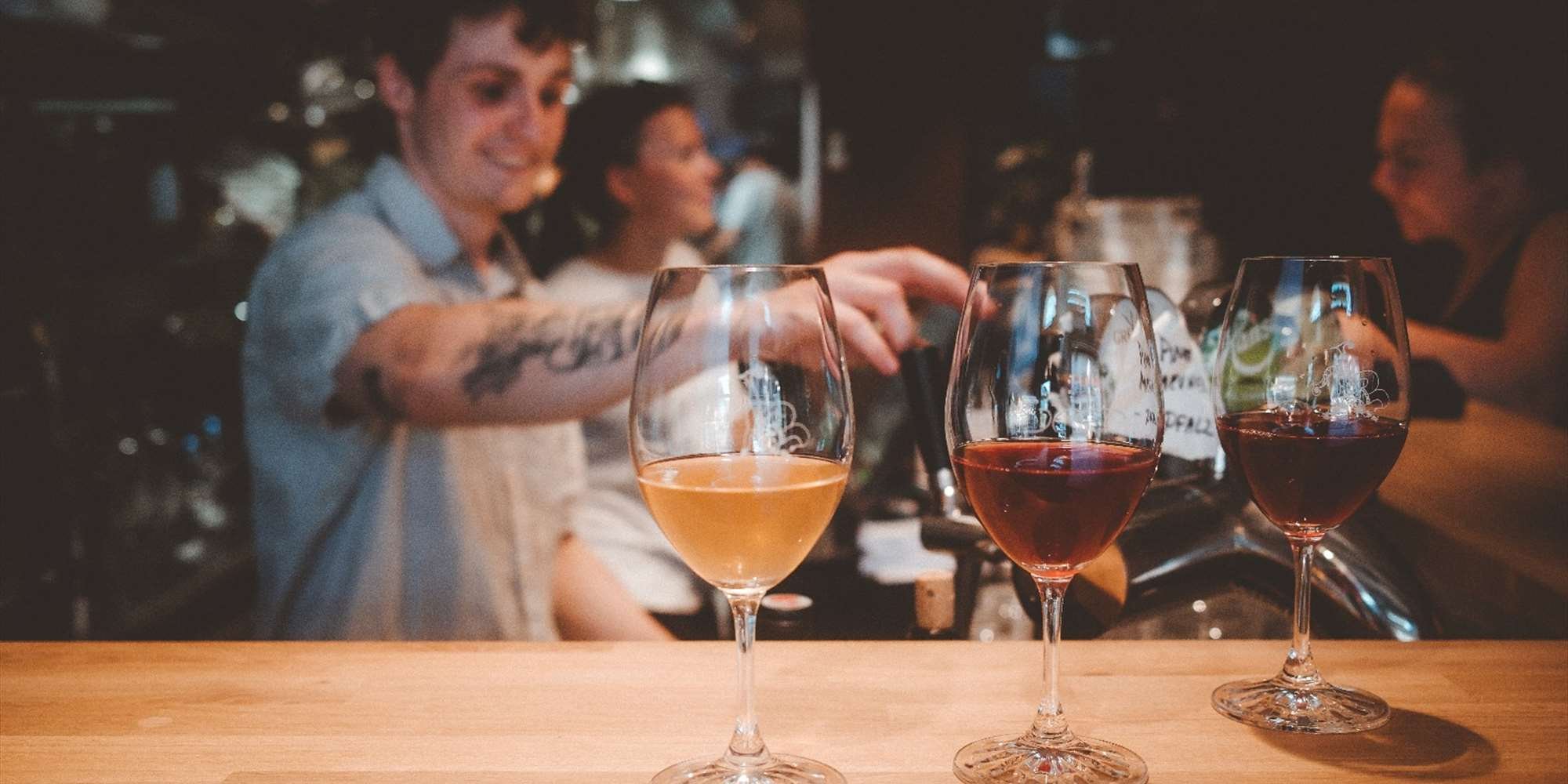
- Extensive Wine List
- Local Sourcing
Current opening hours
- Monday
- 11 AM–10 PM
- Tuesday
- 11 AM–10 PM
- Wednesday
- 11 AM–10 PM
- Thursday
- 11 AM–10 PM
- Friday
- 11 AM–10 PM
- Saturday
- 1–10 PM
- Sunday
- Closed
Hours can change for holidays and private events. Last verified .
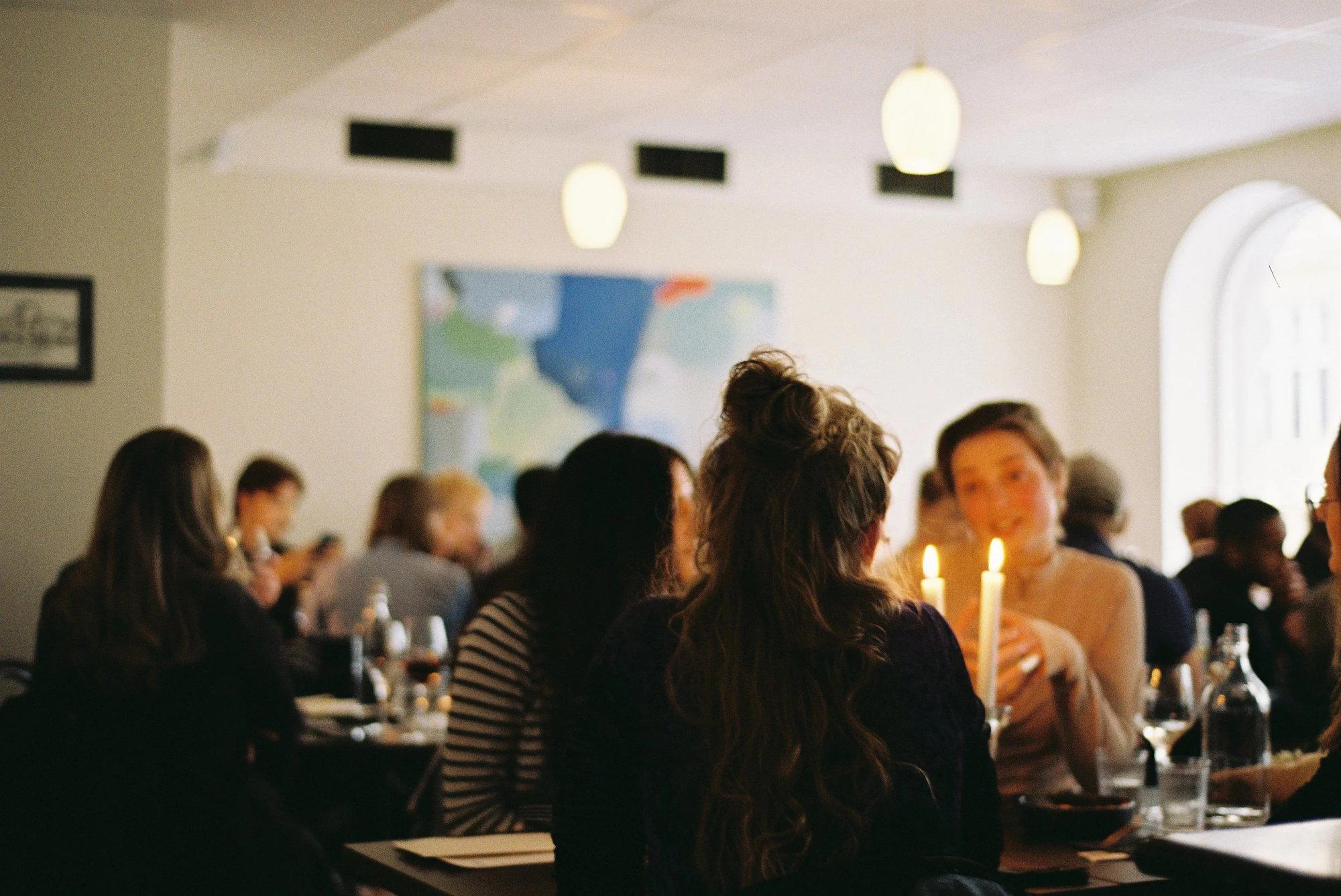
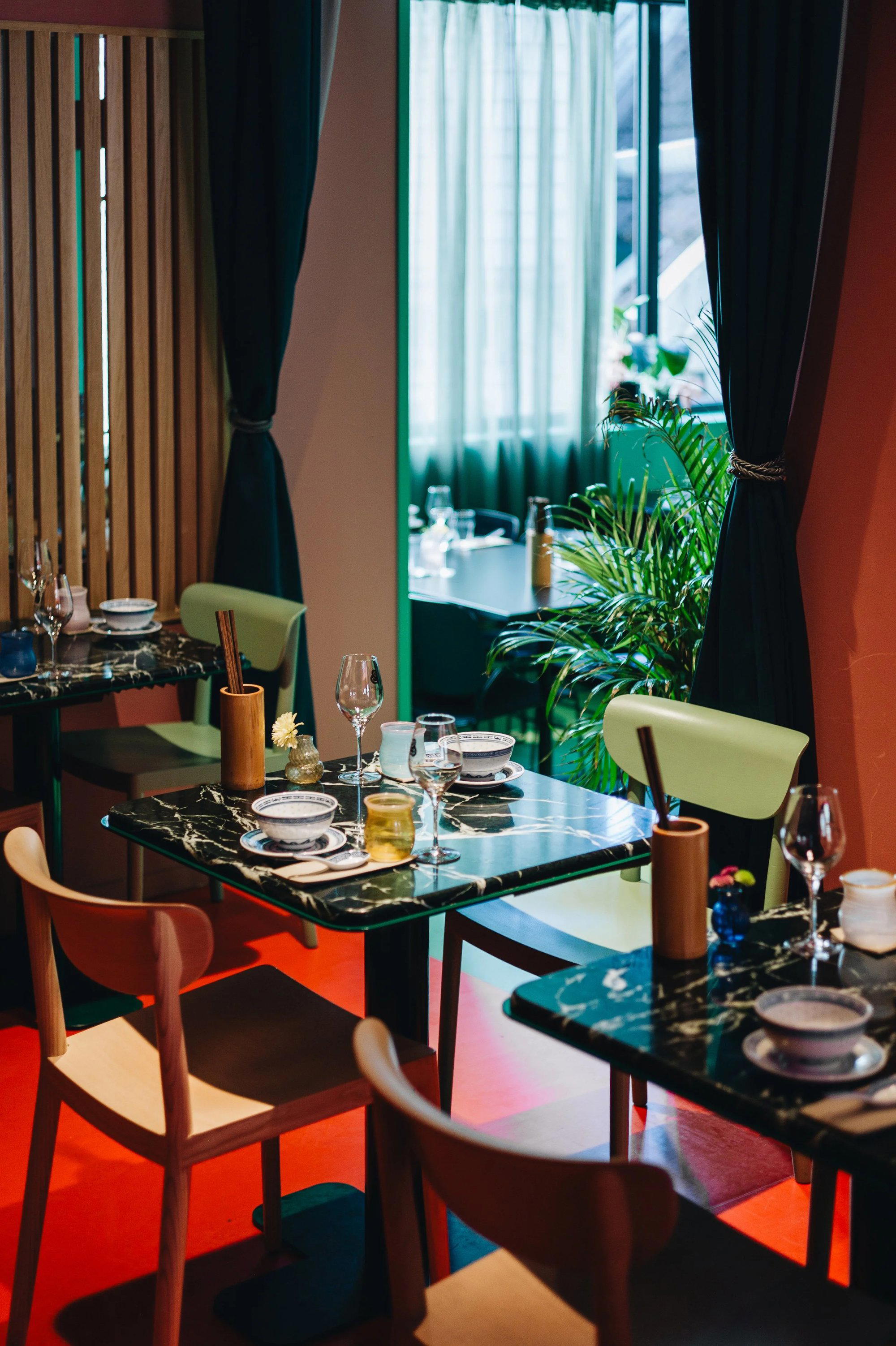
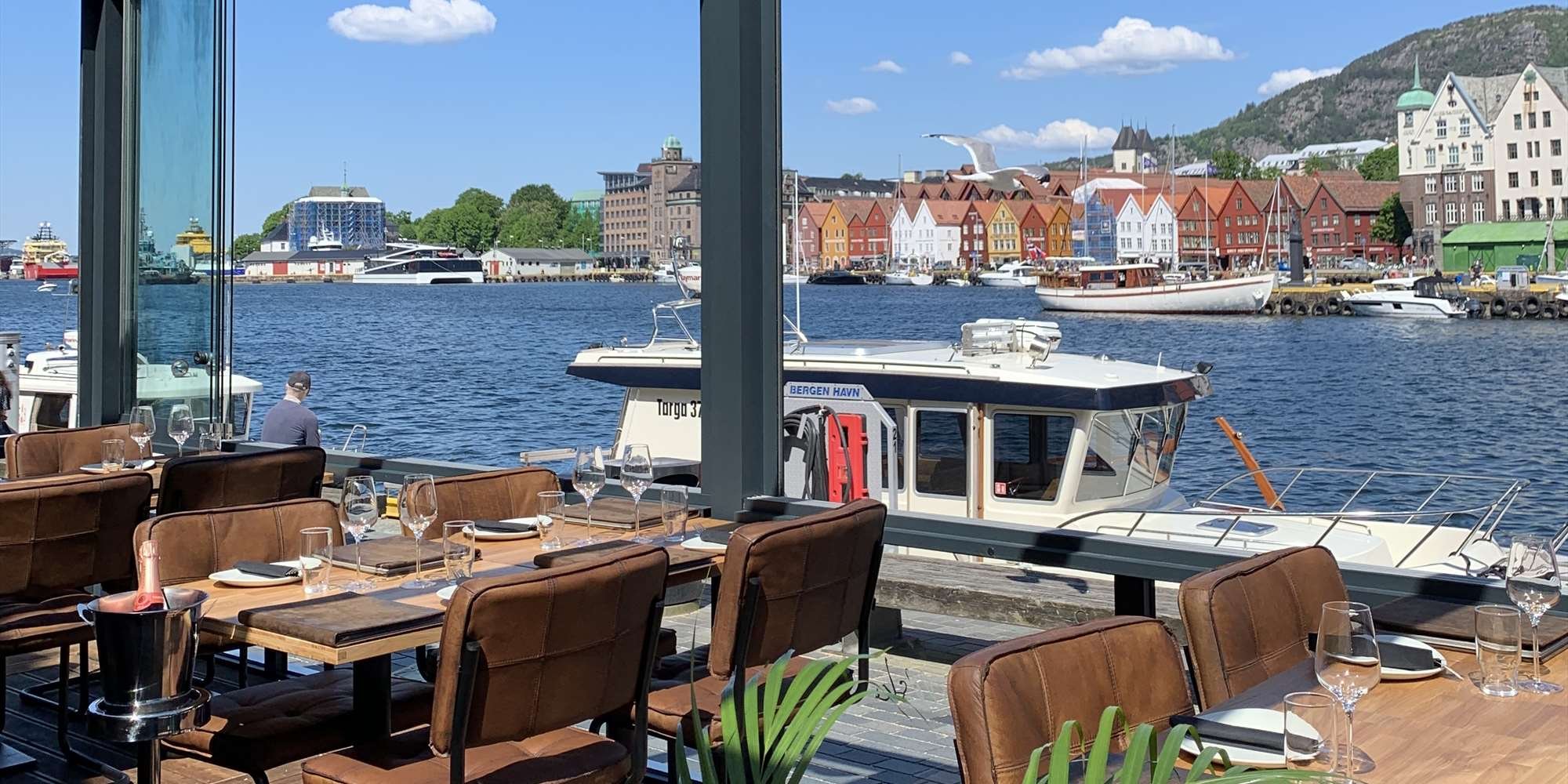
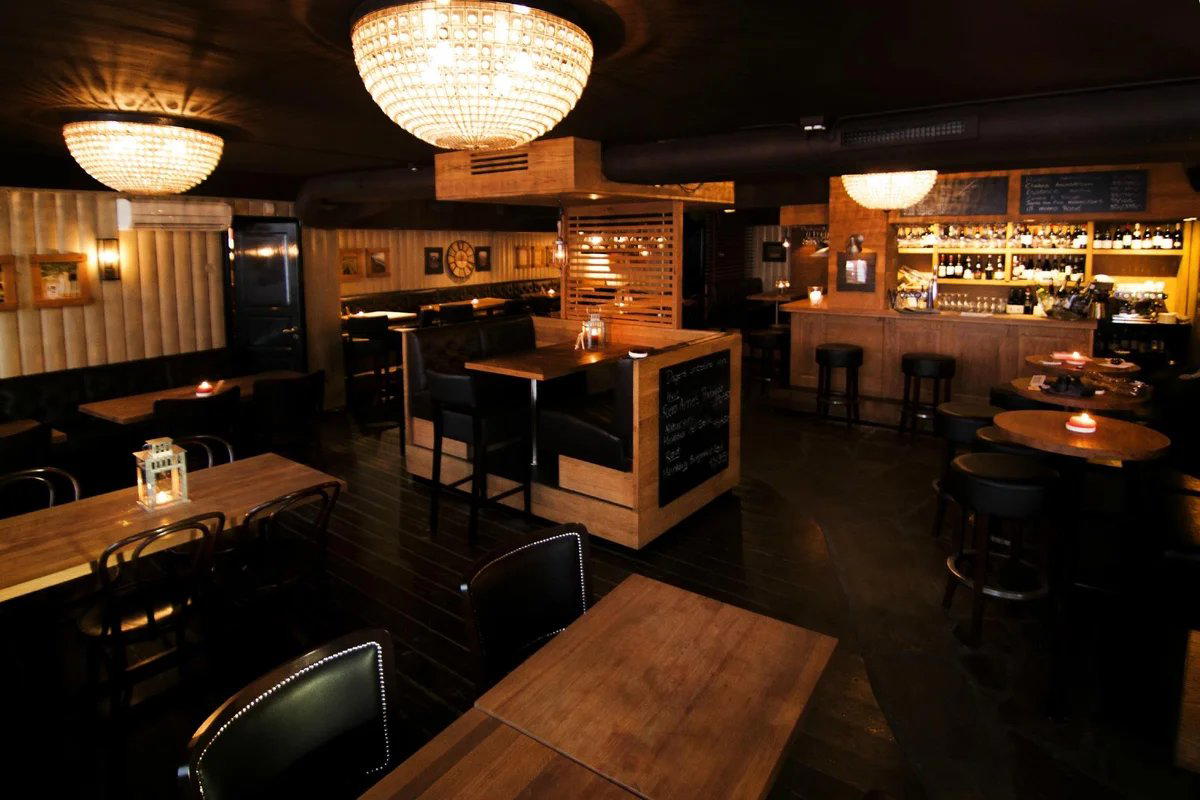
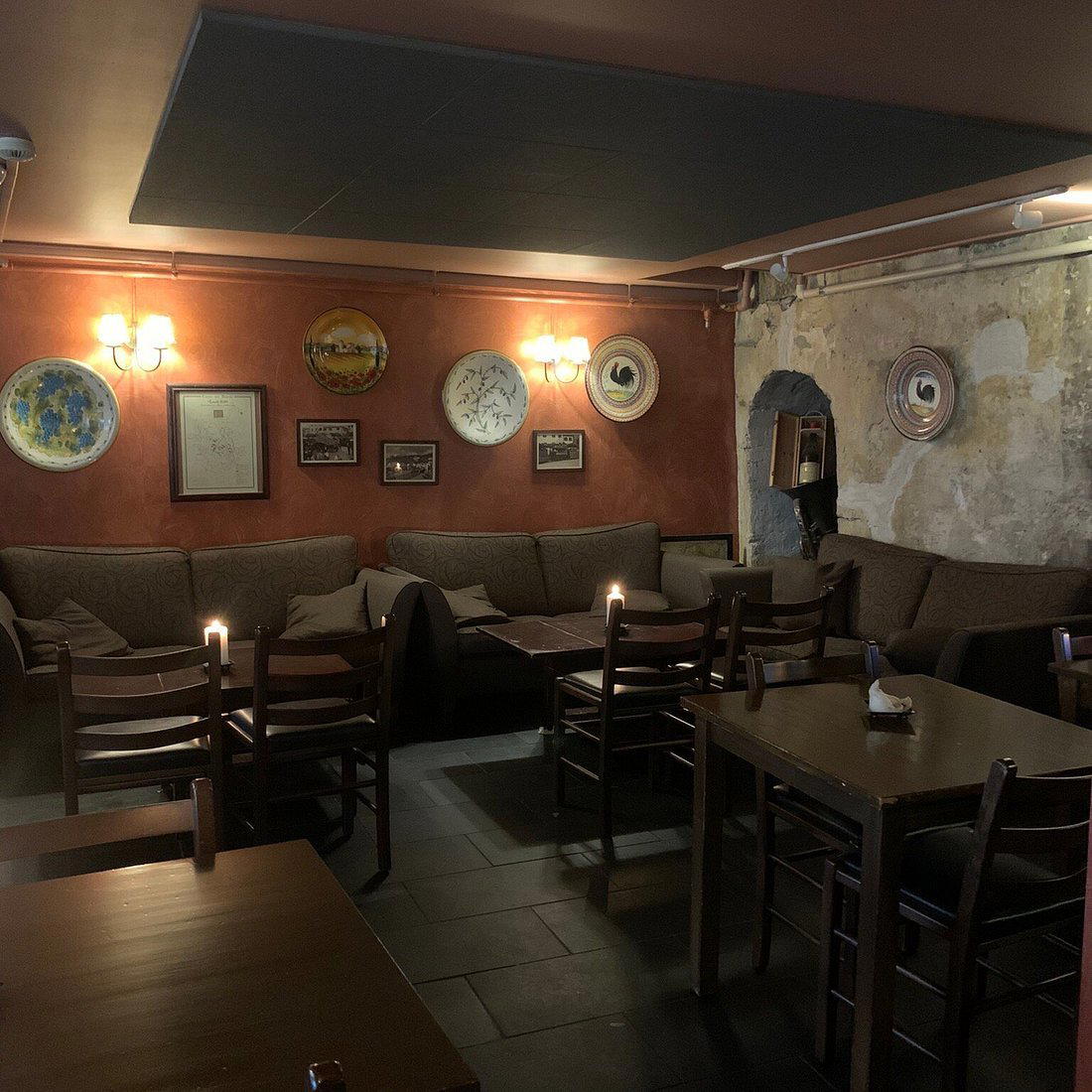
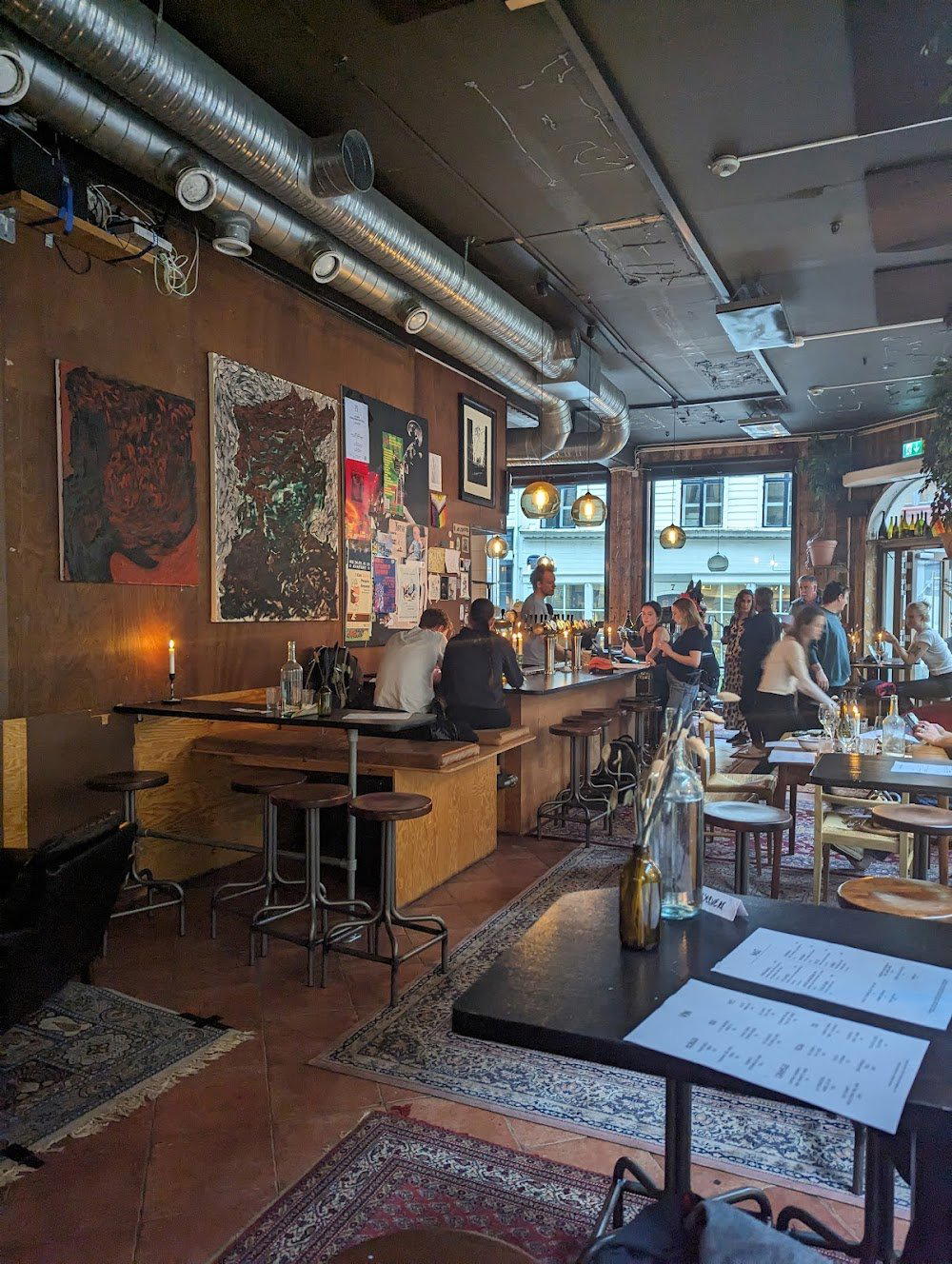
Cozy and welcoming atmosphere with warm, modern design and casual service.