Our verdict
Bålyveien 48 sits in Spangereid, at the southern tip of Norway's Lindesnes peninsula, where the North Sea and Skagerrak converge. The address places it inside one of Norway's most ingredient-rich coastal corridors, a region that has drawn serious kitchen attention following the rise of destination dining at this latitude. Lindesnes rewards the detour for those tracking where Norwegian coastal produce actually ends up on a plate.

Pearl is the En Primeur Club membership app, where members save venues, book tables and use the concierge.
The menu
What to order
- Ceviche
- Grilled camel shell
Where the Two Seas Meet the Table
The Lindesnes peninsula is Norway's southernmost point, where the North Sea and the Skagerrak press against each other in waters that produce some of the country's most prized shellfish, cold-water fish, and coastal kelp. This is not incidental geography. The convergence of two currents at different temperatures creates conditions that accelerate marine biodiversity, and the kitchens that have emerged in this corner of Agder county have, in recent years, built their identities almost entirely around that fact. Bålyveien 48, addressed to Spangereid on the outer edge of the peninsula, sits directly inside that producing zone.
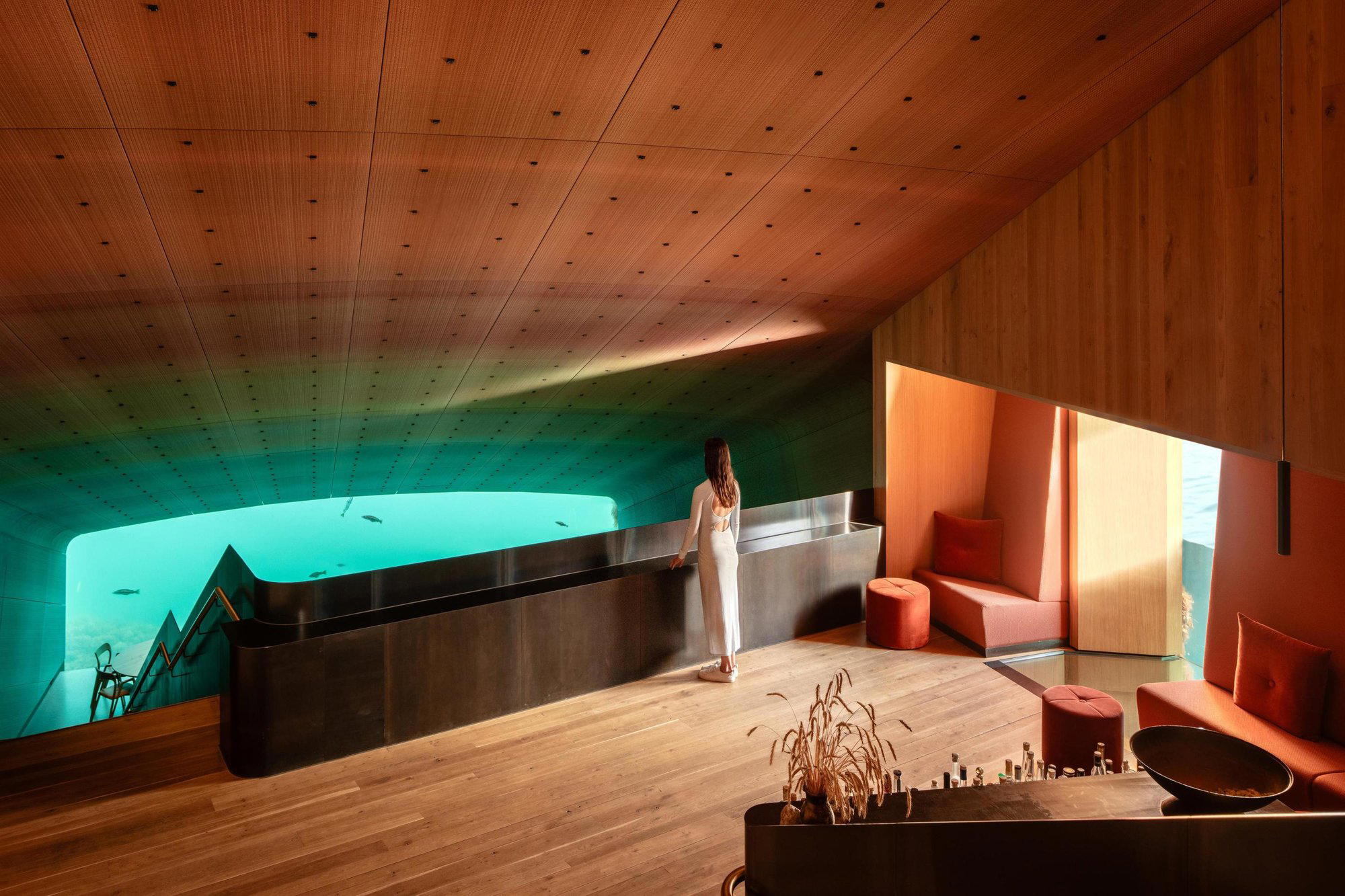
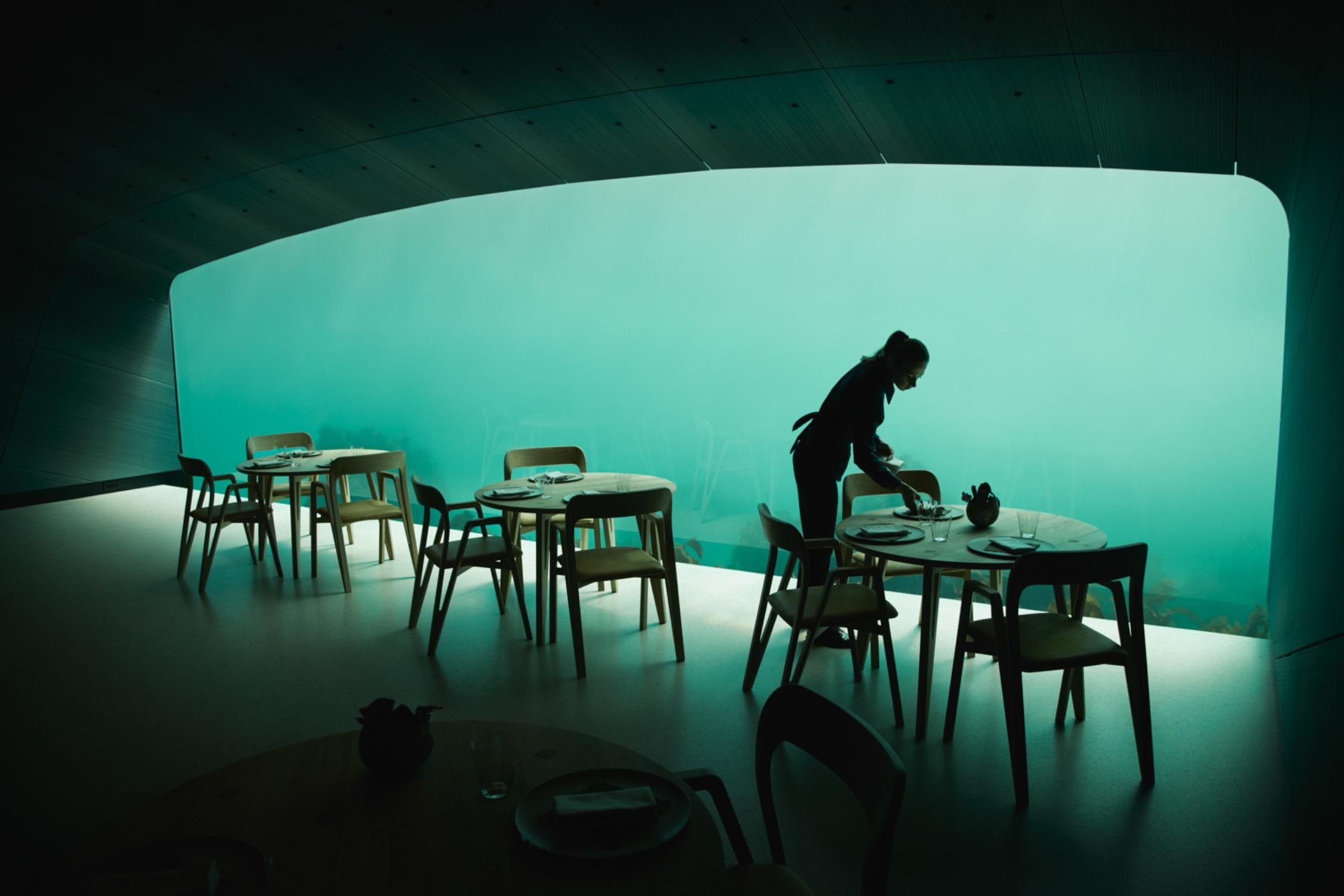
The address itself carries weight in the Norwegian dining conversation. Spangereid is the narrow land bridge that technically connects the Lindesnes headland to the mainland, a strip of terrain flanked by water on both sides. That proximity to the source is not rhetorical. It translates into ingredient transit times measured in minutes rather than days, which places Bålyveien 48 in the same coastal-proximity category that has made Under one of the most discussed restaurant openings in Norwegian culinary history. Under, built into the seabed just off Lindesnes, has focused international attention on what this stretch of coastline produces. The comparison is useful: both addresses operate in the same ingredient corridor, though at different scales and formats.
The Ingredient Logic of Norway's Southern Tip
Norwegian coastal dining has undergone a meaningful shift over the past decade. The New Nordic movement, as codified by the generation of kitchens around Maaemo in Oslo and RE-NAA in Stavanger, established a framework in which provenance documentation became as important as technique. That framework has since filtered down from flagship tasting-menu destinations to a broader tier of regional addresses that operate with shorter supply chains and deeper local specificity. Lindesnes sits at a productive node of that shift.
The shellfish argument for this coastline is grounded in measurable conditions: water temperatures in the Skagerrak-facing waters support slow-growing Norway lobster (langoustine), blue mussel beds, and sea urchin populations that benefit from the clean, cold-current circulation. These are not ambient claims. The same conditions that made Norwegian langoustine a reference ingredient at Speilsalen in Trondheim and Lysverket in Bergen apply with particular force to the Lindesnes corridor, where the catching grounds are closer to shore and the harbours smaller. Smaller harbour infrastructure tends to mean less industrial processing, which preserves quality at the point of landing.
Inland from the coast, the Agder region offers a different register of produce: game from the forested interior, heritage-breed livestock from farms on the peninsula's sheltered eastern side, and wild plants that shift markedly through the seasons. The short growing window at this latitude concentrates flavour in ways that longer-season climates do not replicate. Restaurants in coastal Norway that draw from both marine and inland Agder sources are working with a pantry that functions almost as a closed ecosystem, which is the underlying logic that regional addresses in this format tend to share with operations like Glime Restaurant in Hardanger Fjord and MiraBelle by Ørjan Johannessen in Bekkjarvik.
Lindesnes as a Dining Region
The emergence of Lindesnes as a dining reference point is relatively recent and largely traceable to the attention Under generated internationally after 2019. Before that, the peninsula was known domestically as a coastal holiday destination and a waypoint for sailors rounding Norway's southern tip. The restaurant infrastructure that followed represents a category of destination dining that rewards visitors willing to travel beyond the obvious urban nodes. Lindesnes Havhotell anchors the accommodation side of that equation, providing a base from which the wider area becomes accessible without a daily drive.
For context on what this kind of regional destination format means in practice, comparable Norwegian addresses in smaller communities, such as Restaurant 1893 in Stokmarknes, Vianvang in Vågå, and Buer Restaurant in Odda, operate on the premise that the journey is part of the proposition. The ingredient sourcing that defines these addresses only makes sense when the diner is physically close enough to the producing landscape to register its logic. That is the strongest argument for the Lindesnes format as a travel decision, not just a dining one.
Within the broader Agder region, there is also a quieter dining scene worth noting. Addresses like Smag & Behag Grimstad in Grimstad and Boen Gård in Tveit operate on different scales and formats but draw from the same regional produce system, which gives the area more dining depth than a single destination address would suggest. Our full Lindesnes restaurants guide covers these options with the same sourcing lens.
Planning a Visit to Spangereid
Spangereid sits approximately two and a half hours south of Stavanger by road and around three hours from Kristiansand by coastal route, depending on the chosen approach. The peninsula is accessible by car year-round, though winter driving on the exposed headland requires standard winter-tyre preparation. The summer window, roughly late May through early September, brings the longest daylight hours and the peak of the local shellfish and coastal harvest season, which is also when regional dining addresses in this format tend to operate at their fullest capacity. Booking well in advance of peak summer is advisable for any Lindesnes area reservation.
For those contextualising a Norwegian coastal itinerary against international reference points, the farm-to-table, source-first format that characterises this tier of Norwegian regional dining shares structural logic with addresses like Lazy Bear in San Francisco and, at the seafood-focused end, draws comparisons to the sourcing discipline of Le Bernardin in New York City, though the Norwegian model operates with far shorter supply chains and a more austere seasonal range. The comparison is useful precisely because it places the Norwegian coastal approach inside a global conversation about ingredient provenance rather than treating it as a curiosity of latitude.
For similar formats operating in different Norwegian geographies, Lily Country Club in Kløfta and Hvelvet in Lillehammer represent inland takes on the regional-sourcing model, where the pantry logic shifts from marine to agricultural but the underlying commitment to short supply chains remains consistent.
Frequently asked questions
Is Bålyveien 48 child-friendly?
No child policy is documented for Bålyveien 48. Given its location in Spangereid on the Lindesnes peninsula, a rural coastal setting roughly two and a half hours south of Stavanger, the environment itself is low-traffic and quiet, which tends to suit families traveling with older children rather than very young ones. check the venue's official channels to confirm suitability before booking.
What kind of setting is Bålyveien 48?
Bålyveien 48 is set in Spangereid, at Norway's southernmost tip where the North Sea meets the Skagerrak. The address places it in a remote coastal environment far from urban centres, a context that defines how dining at this end of Agder county typically works: proximity to the water is the premise, not the backdrop. Expect a setting shaped by landscape rather than by metropolitan hospitality conventions.
Is Bålyveien 48 in Lindesnes worth a special journey from Kristiansand or Stavanger?
Lindesnes as a dining region gained international attention largely because of the profile Under generated after opening nearby, that recognition shifted how seriously food travellers treat the peninsula as a destination. Bålyveien 48 sits within that same southernmost zone of Agder, roughly three hours from Kristiansand by coastal route. Whether the drive justifies itself depends on confirmed current programming, so contacting the venue ahead of any journey south is the practical first step.
What's the must-try dish at Bålyveien 48?
Specific menu details for Bålyveien 48 are not currently on record. What is documented is the broader culinary context of the Lindesnes peninsula: waters that sit at the junction of two seas yield shellfish and fish with distinct characteristics, and kitchens in this region have built their menus around that proximity since the New Nordic movement reoriented Norwegian coastal cooking. Reach out directly to the venue for current menu information.
In Context: Similar Options
Comparable venues nearby, for context on price, style, and recognition.
| Venue | Cuisine | Price | Awards | Notes |
|---|---|---|---|---|
| Bålyveien 48This venue (the venue you are viewing) | Seasonal Nordic Seafood Tasting Menu | $300–500 | Not listed | Not listed |
| Lindesnes Havhotell | Seasonal Norwegian Seafood | $50–100 | Not listed | Spangereid |
| Under | Modern Nordic Seafood | $200–300 | 1 Michelin Star · Star Wine List | Lindesnes |
| Hos Moi | Modern Nordic Brasserie | $100–150 | Star Wine List · Wine Spectator Best of Award of Excellence | Fiskebrygga |
| Anita's Sjomat | Traditional Norwegian Seafood Bar | $20–30 | Not listed | Sakrisøy |
| MiraBelle by Ørjan Johannessen | Modern Nordic Island Gastronomy | $200–300 | 1 Michelin Star · Star Wine List | Bekkjarvik |
Continue exploring
More in Lindesnes
Restaurants in Lindesnes
All restaurants in Lindesnes →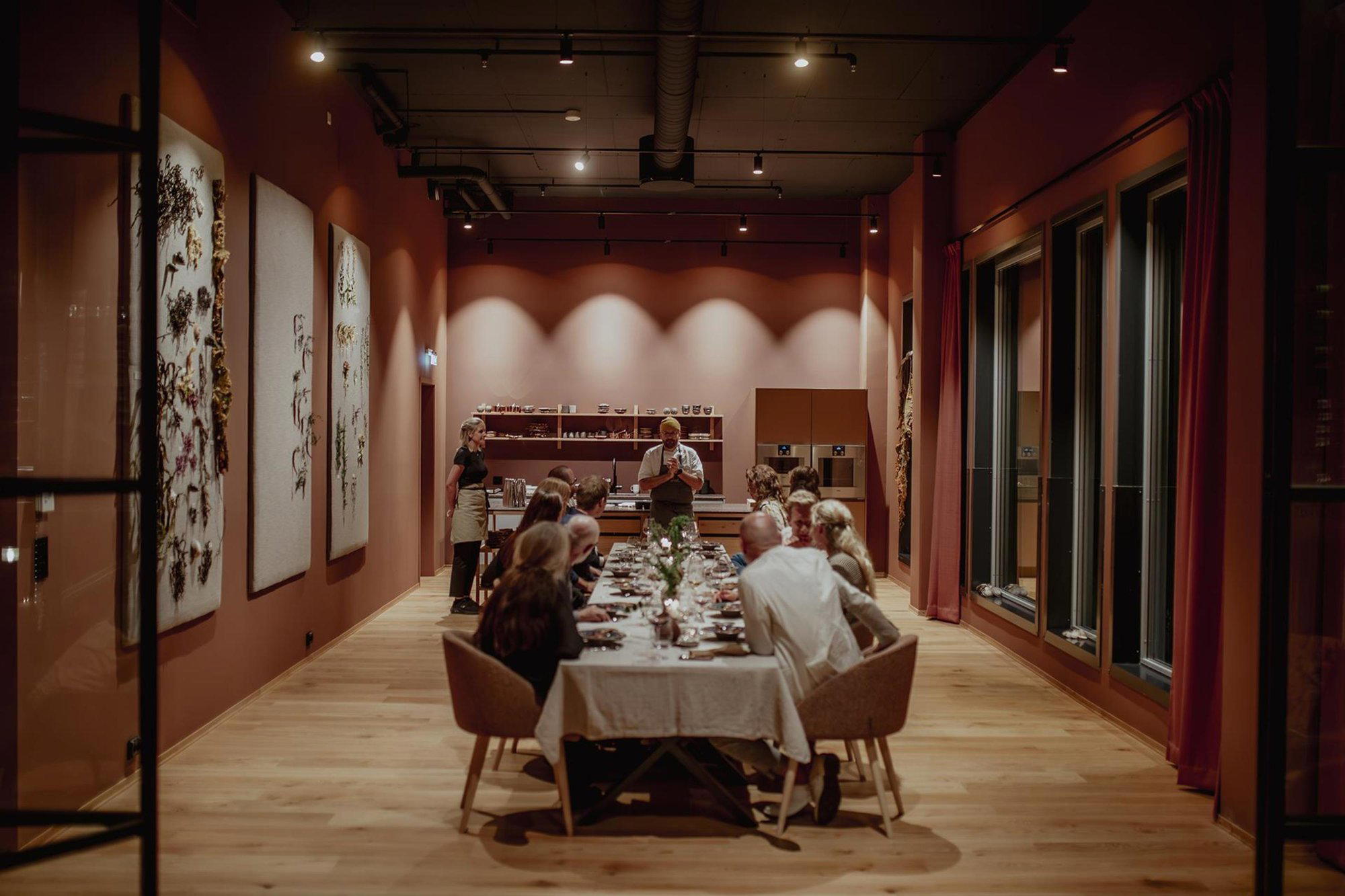
Details
- Scenic
- Modern
- Intimate
- Sophisticated
- Date Night
- Special Occasion
- Celebration
- Waterfront
- Extensive Wine List
- Local Sourcing
- Waterfront
- Tasting Menu
- Wine
- Vegetarian Friendly
Warm lighting, subdued music, and dramatic underwater views create a pleasant, otherworldly atmosphere.