Corkscrew Cafe
Corkscrew Cafe sits on West Carmel Valley Road at the quieter, inland end of one of California's most agricultural corridors. The cafe format fits the valley's prevailing logic: proximity to working farms, ranches, and vineyards shapes what lands on the plate, and the relaxed pace of Carmel Valley village sets the tone for how it's served. For a feel of the wider dining scene, see our full Carmel Valley restaurants guide.
Pearl is the En Primeur Club membership app — saves, bookings, and concierge access live there. Same editors, same standards.
- Address
- 55 W Carmel Valley Rd, Carmel Valley, CA 93924
- Phone
- +18316598888
- Website
- corkscrewcafe.com
- Directions
- Get directions
 Saves & bookings on Pearl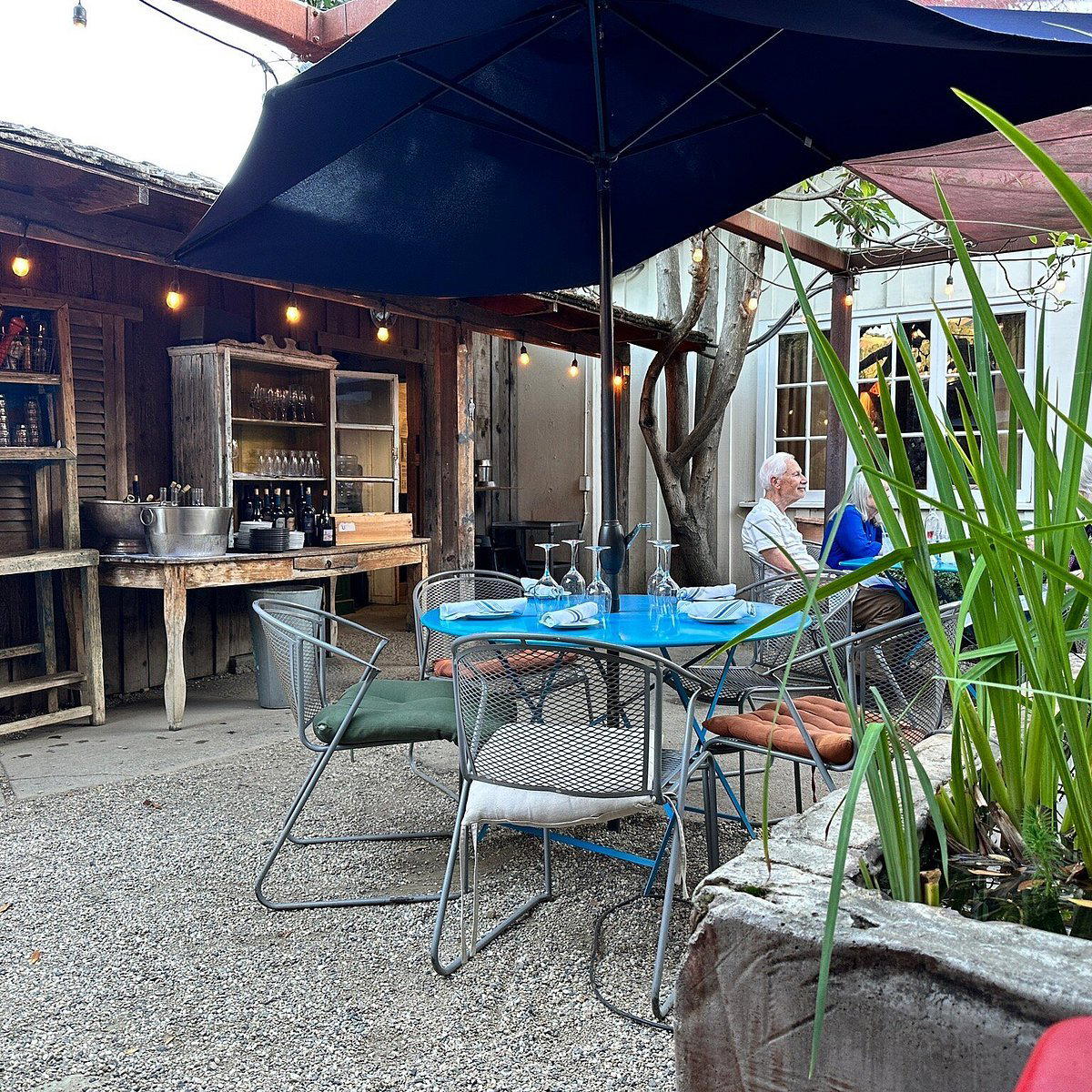
Where the Valley Floor Feeds the Table
Carmel Valley Road runs east from the coast through a corridor that produces some of California's most concentrated agricultural output per square mile: wine grapes, cattle, stone fruit, and cool-climate vegetables all within a short drive of each other. The cafes and restaurants that line this road at the village end don't need to import a farm-to-table philosophy from elsewhere. The supply chain is visible from the dining room window. Corkscrew Cafe, at 55 W Carmel Valley Road, sits within that context, occupying a position in the village that places it close to the ranches, small farms, and tasting rooms that define the valley's agricultural identity.
That geography matters more than any single menu decision. California's Central Coast has spent the last two decades developing a regional food identity distinct from the louder narratives of Napa and Sonoma. Where places like Single Thread Farm in Healdsburg or Blue Hill at Stone Barns in Tarrytown have built entire architectural and agrarian systems around sourcing, the village cafe model in Carmel Valley operates on a more compressed scale: shorter supply distances, less ceremony, and a direct relationship between what the surrounding land produces and what gets cooked that day.
The Carmel Valley Village Format
Carmel Valley village functions differently from the coastal strip at Carmel-by-the-Sea. The tourism pressure is lower, the pace slower, and the dining options tend toward a more local-serving register rather than a destination-visitor one. This shapes what a cafe here can reasonably be. The format is not the elaborate tasting-menu theater you'd associate with The French Laundry in Napa or the technically driven progression of Lazy Bear in San Francisco. It's a different category altogether: accessible, ingredient-led, and calibrated to a clientele that includes both visiting wine tourists and the ranchers, vineyard workers, and long-term residents who make up the valley's actual population.
That dual audience creates its own discipline. A cafe serving regulars who know what good local produce tastes like can't rely on novelty or spectacle. The sourcing has to be honest because the people eating there already know where the food comes from. This is a different kind of accountability than the one that operates at, say, Addison in San Diego or Providence in Los Angeles, where the credential chain runs through press recognition and formal awards. In Carmel Valley, the credential is geographic: the valley floor and the ranches that border it.
Ingredient Sourcing and the Central Coast Logic
The Central Coast's agricultural output is wide enough to support serious cooking without importing much. Monterey County alone produces a significant share of California's leafy greens, and the valley's inland warmth supports stone fruit and tomatoes that the fog-cooled coast cannot. Cattle ranching has a long history here, and the proximity of Carmel Valley to Pacific waters means that fish sourcing, when it appears on menus, can run through the same short-chain logic that applies to produce.
This is the sourcing environment that determines what a conscientious kitchen on Carmel Valley Road is working with, regardless of the specific menu format. The question for any cafe in this position is how directly it draws from that supply and how transparently it communicates that relationship to the table. Across the American dining scene, ingredient transparency has become a competitive signal at every price tier, from the hyper-detailed provenance notes at places like Smyth in Chicago and Oyster Oyster in Washington, D.C. to the simpler but equally deliberate sourcing choices that define the leading regional cafes. In a valley where the farms are visible from the road, the sourcing logic is already embedded in the address.
Where Corkscrew Sits in the Local comparable set
Within Carmel Valley's dining options, the cafe occupies a distinct position from the more formally structured offerings at Lucia Restaurant and Bar, which operates within a resort context and carries the service formality and price tier that comes with it. The cafe register is lower-pressure, higher-frequency, and typically more focused on a tight, seasonal menu that changes with what's available locally rather than a fixed format built around a set culinary identity.
That flexibility is its own editorial point. Particularly ingredient-honest restaurants in the American scene tend to resist fixed menus precisely because seasonal sourcing demands adaptability. Comparable philosophies operate at different scales and price points from Frasca Food and Wine in Boulder to The Wolf's Tailor in Denver, but the underlying logic, that the calendar and the supplier determine the menu rather than the other way around, runs through the same category of kitchen.
Planning Your Visit
Corkscrew Cafe is located at 55 West Carmel Valley Road in Carmel Valley village, the loose cluster of tasting rooms, shops, and restaurants that serves as the valley's social centre. The village is approximately 12 miles inland from Carmel-by-the-Sea, a drive that takes visitors away from the coastal fog and into a warmer, drier climate that shifts noticeably even in the short distance from the bay. For visitors combining a meal with wine tasting, the concentration of small-production wineries in the surrounding area means the village can anchor a half-day itinerary without requiring additional transport.
Quick Comparison
Comparable venues nearby, for context on price, style, and recognition.
| Venue | Cuisine | Price | Awards | Notes |
|---|---|---|---|---|
| Corkscrew CafeThis venue — the venue you are viewing | American Cafe with Pizza | $$ | Not listed | Not listed |
| Lokal | Contemporary American Small Plates | $$ | Not listed | Carmel Valley Village |
| Lucia Restaurant & Bar | Seasonal California Fine Dining | $$$$ | Michelin Plate | Carmel Valley |
| Gaby’s | California Fresh Bowls & Sandwiches | $$ | Not listed | Los Angeles |
| From Scratch Restaurant | Classic American Breakfast & Lunch | $$ | Not listed | Barnyard Shopping Village |
| Rosine's | American-Italian Comfort Food | $$ | Not listed | Downtown Monterey |
Continue exploring
More in Carmel Valley
Restaurants in Carmel Valley
Browse all →
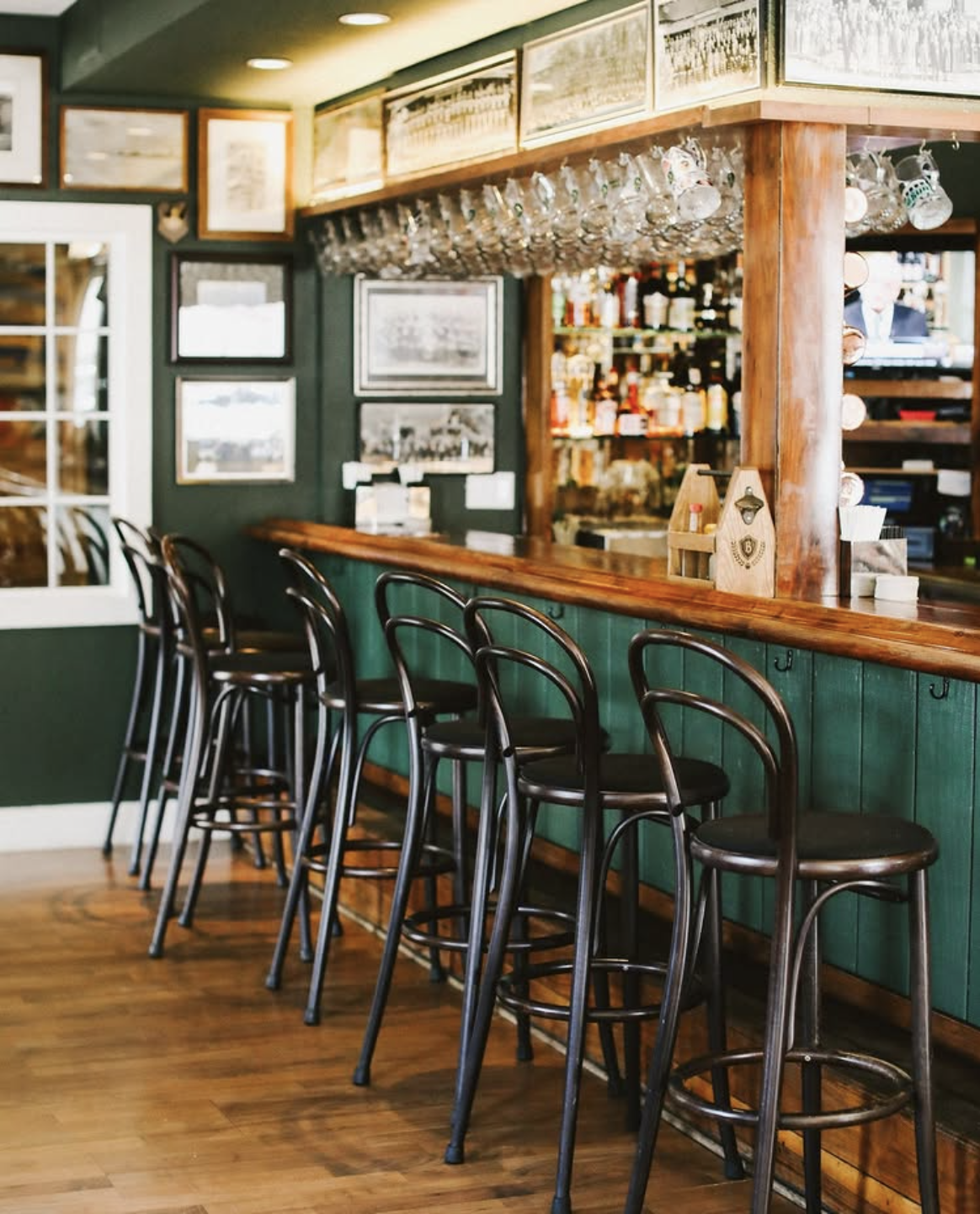
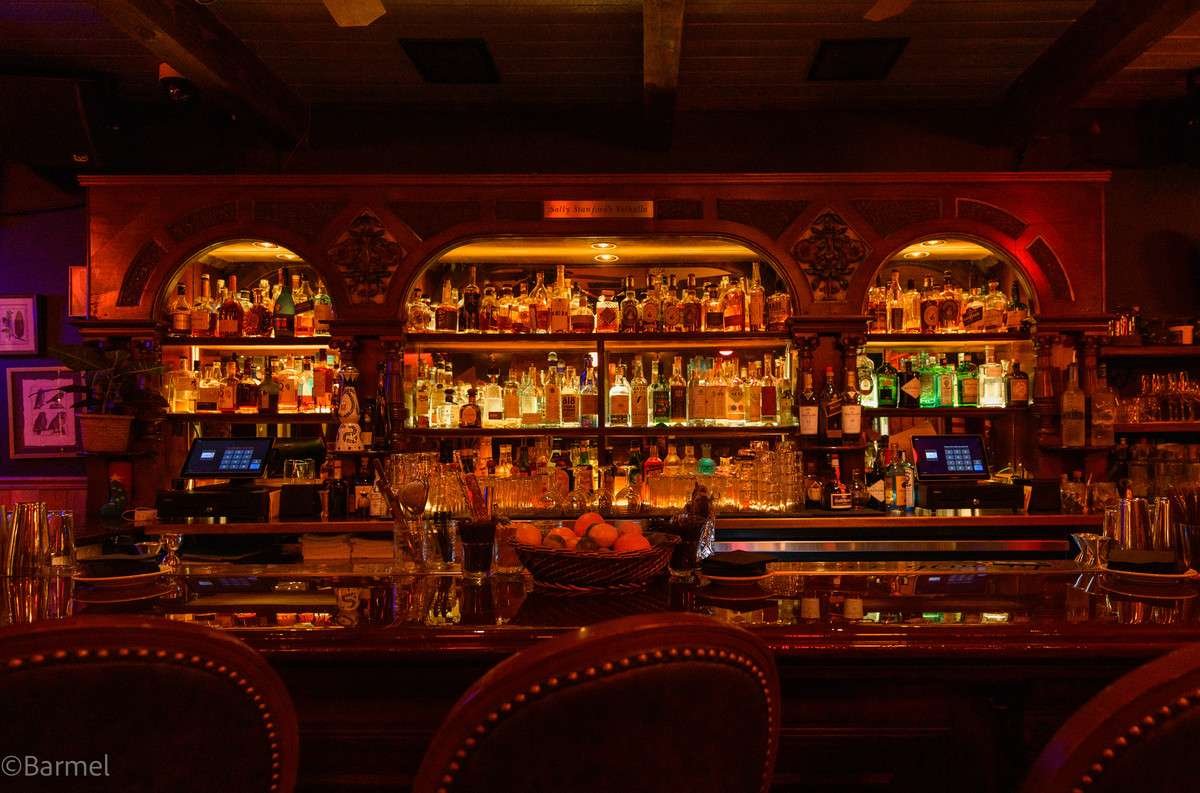
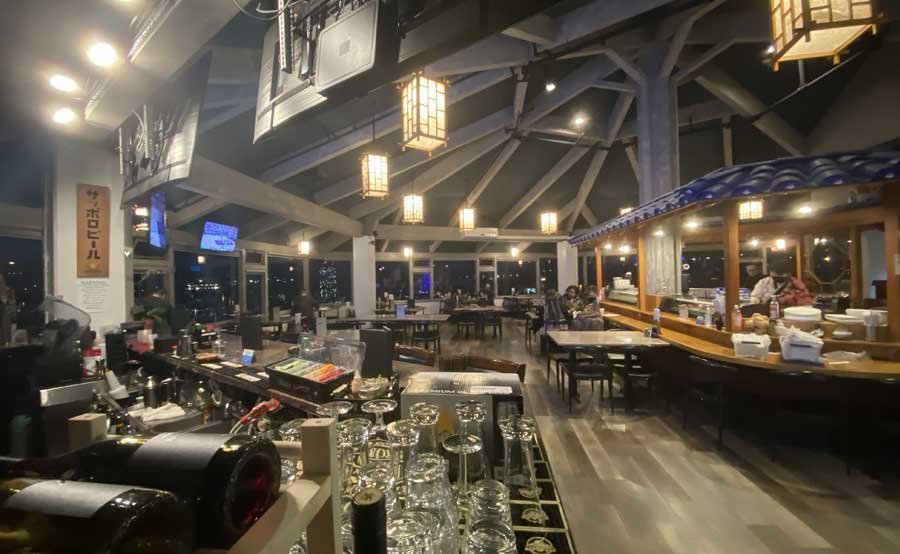
Bars in Carmel Valley
Browse all →
Hotels in Carmel Valley
Browse all →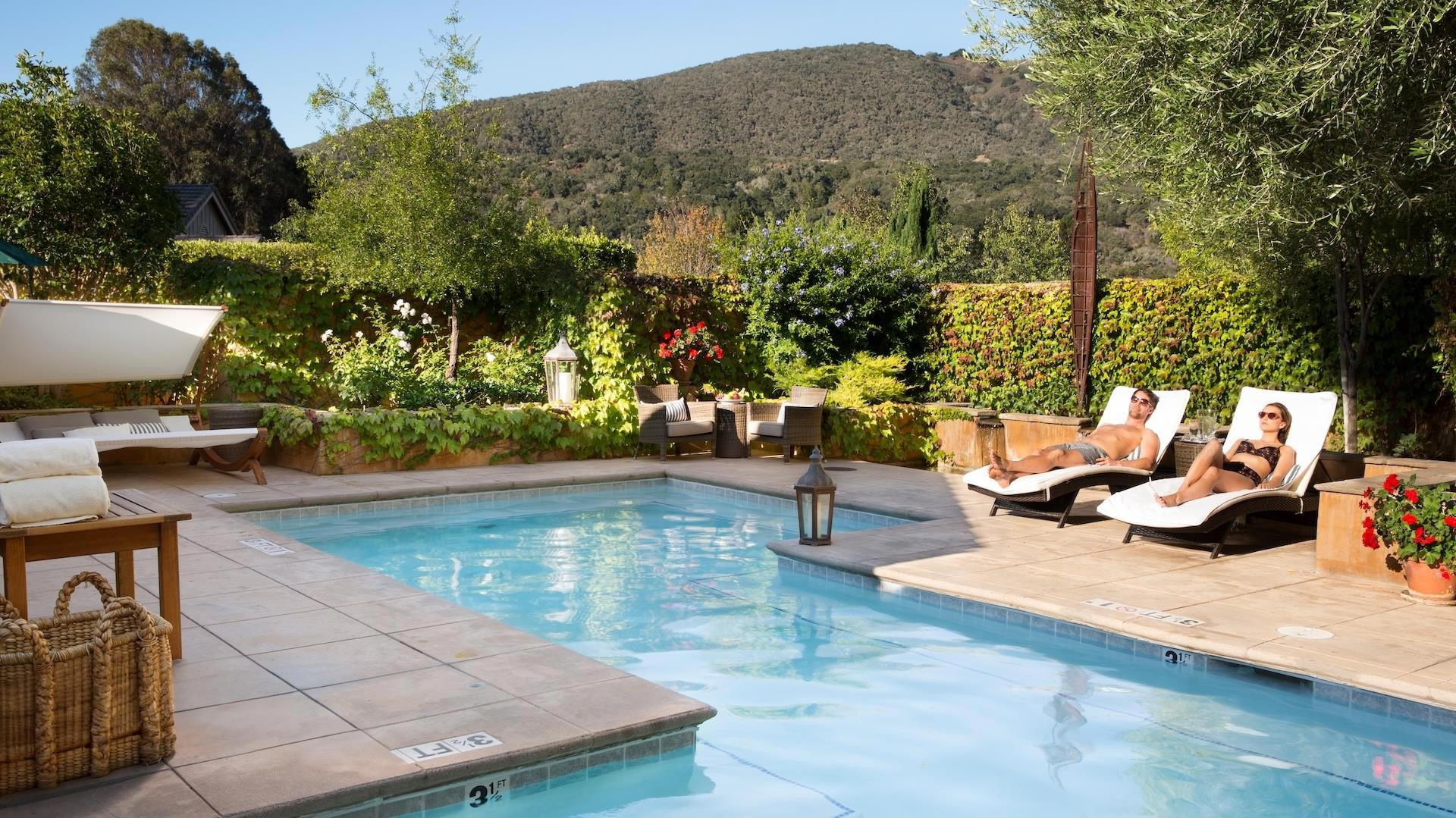
Wineries in Carmel Valley
Browse all →
At a Glance
- Cozy
- Rustic
- Intimate
- Casual Hangout
- Brunch
- Garden
- Terrace
- Extensive Wine List
- Local Sourcing
- Garden
Current opening hours
- Monday
- 11:30 AM–8:30 PM
- Tuesday
- 11:30 AM–3 PM
- Wednesday
- 11:30 AM–3 PM
- Thursday
- 11:30 AM–8:30 PM
- Friday
- 11:30 AM–8:30 PM
- Saturday
- 11:30 AM–8:30 PM
- Sunday
- 11:30 AM–8:30 PM
Hours can change for holidays and private events. Last verified .
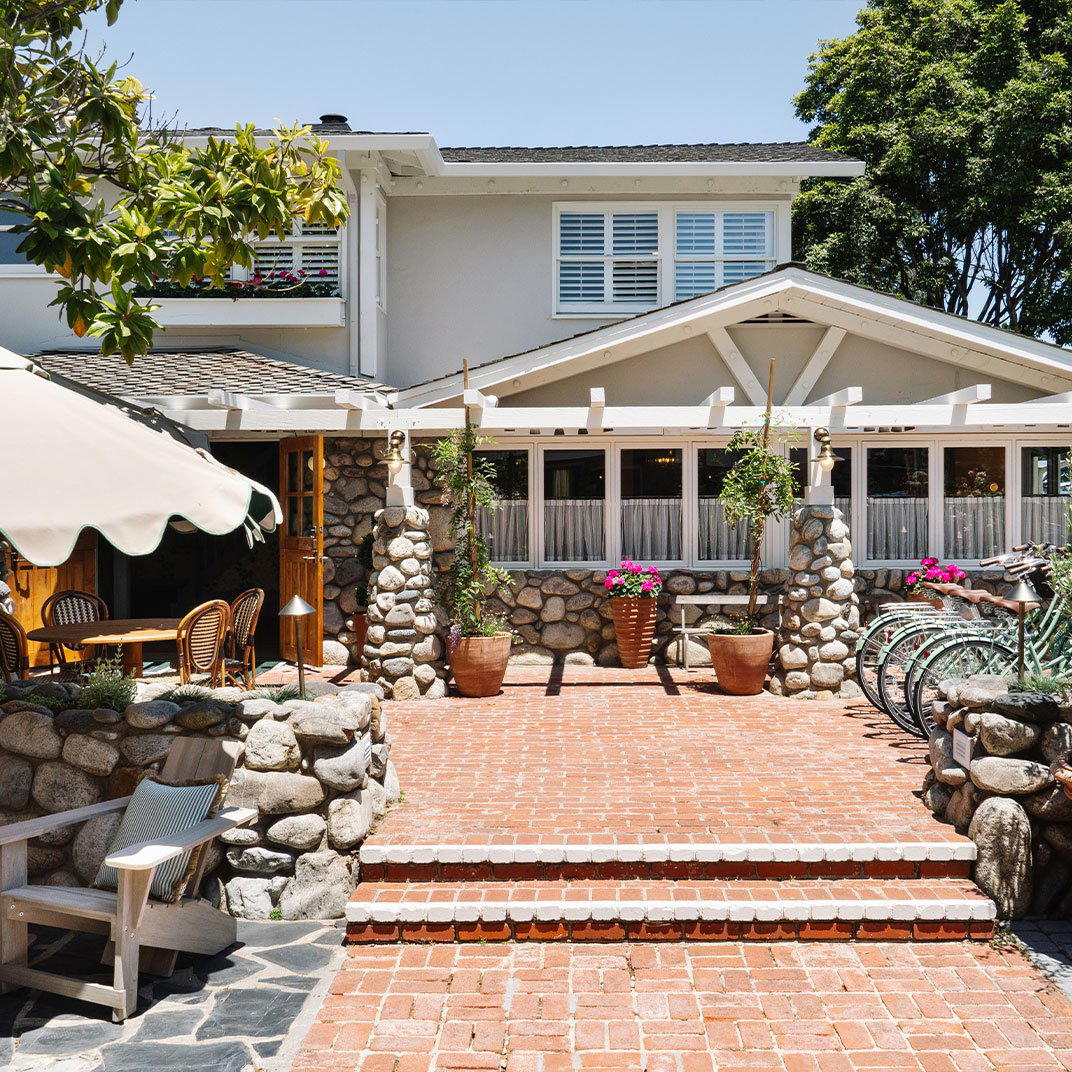
Relaxed 1970s vibe with cozy outdoor courtyard seating under shady cover.