Coquette Cafe
Coquette Cafe occupies a notable address on North Milwaukee Street in the East Town district, where the neighborhood's appetite for thoughtful, European-influenced cooking has long found a comfortable home. The cafe sits in a tier of Milwaukee dining that values craft and atmosphere over spectacle, drawing a clientele that returns more than it discovers.
- Address
- 316 N Milwaukee St, Milwaukee, WI 53202
- Phone
- +14142912655
- Website
- coquettecafe.com
- Directions
- Get directions
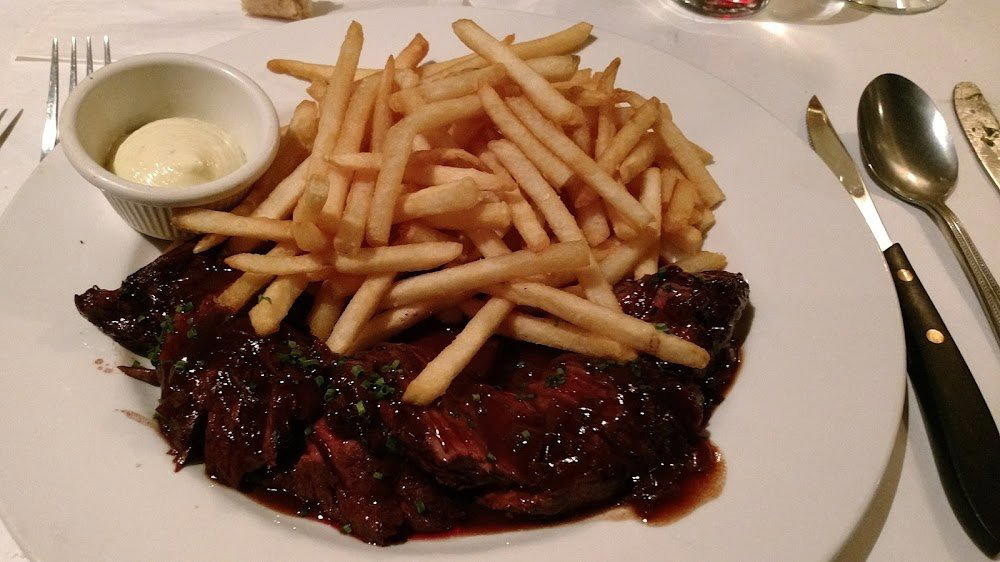
A Room That Sets Its Own Tempo
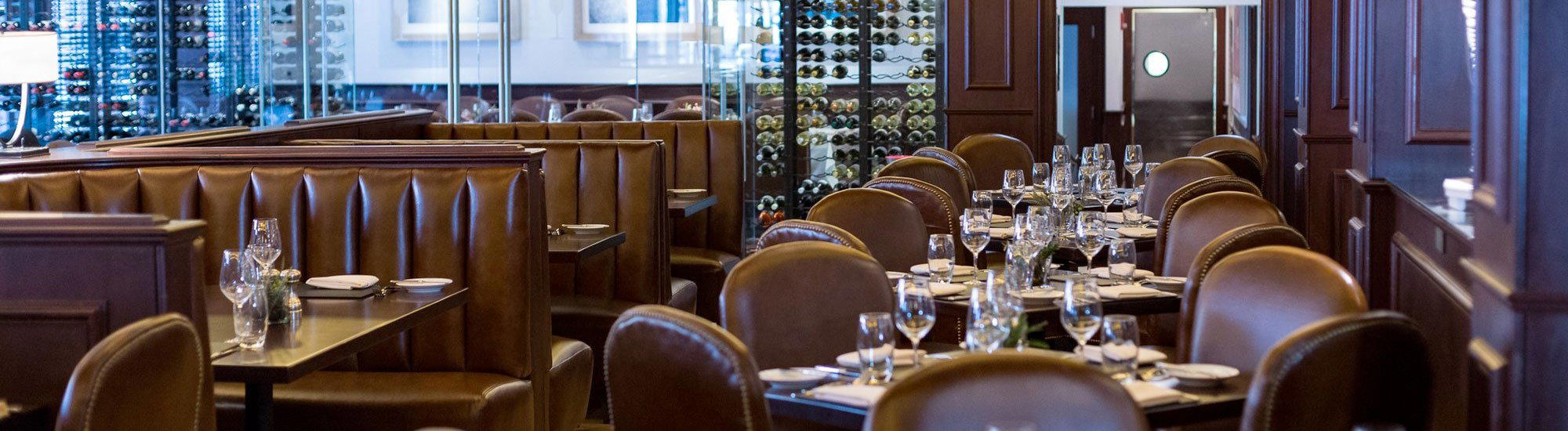
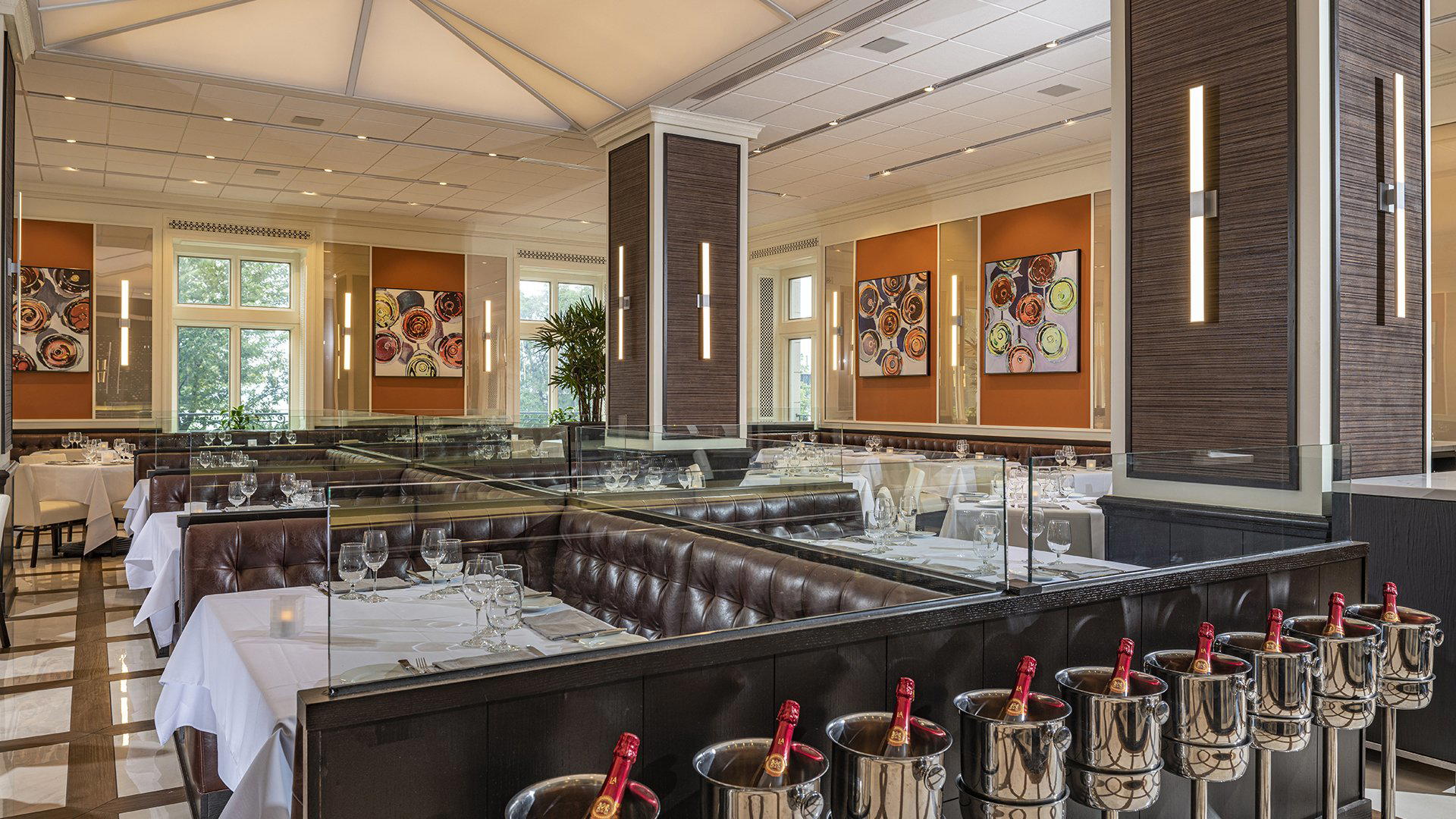
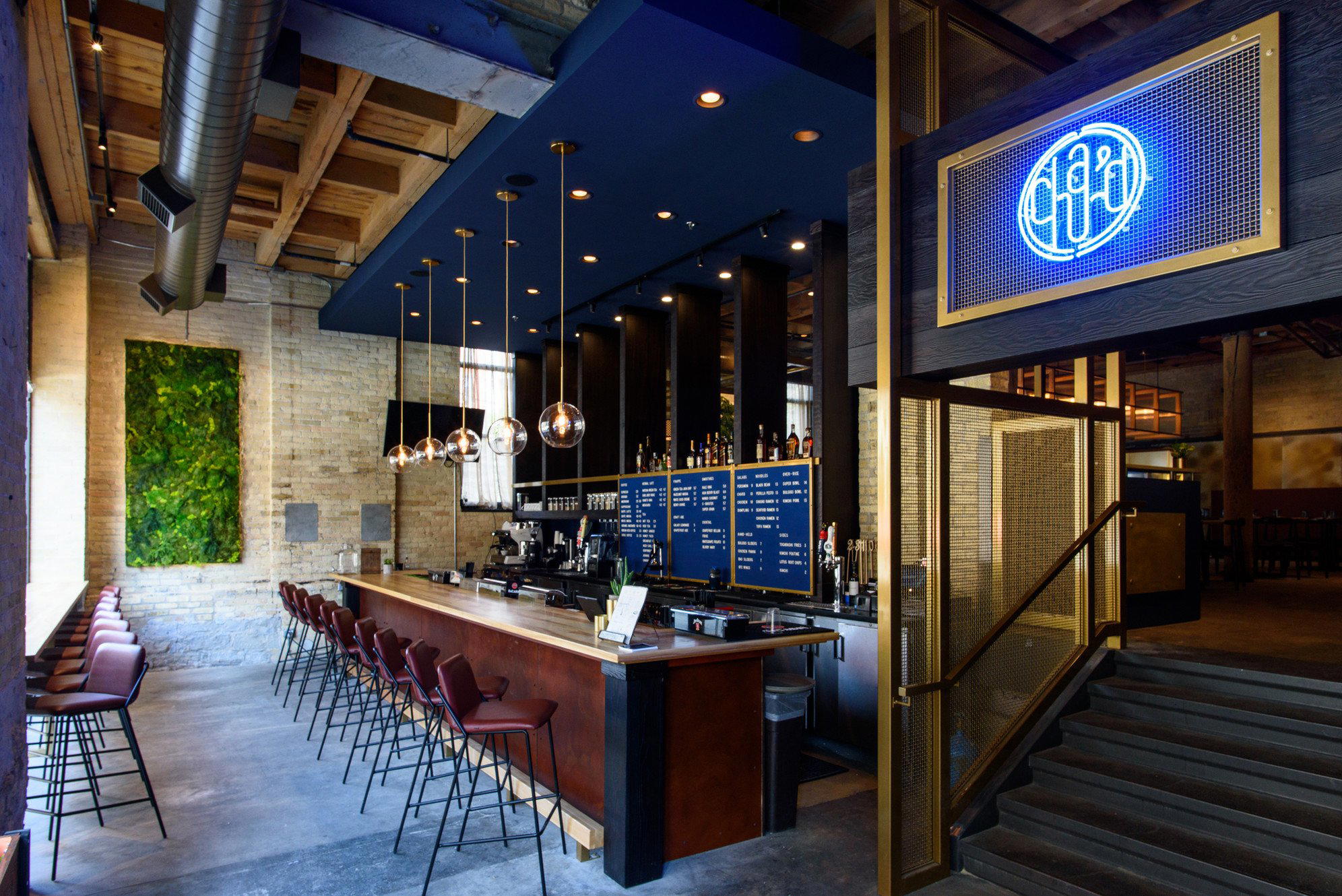
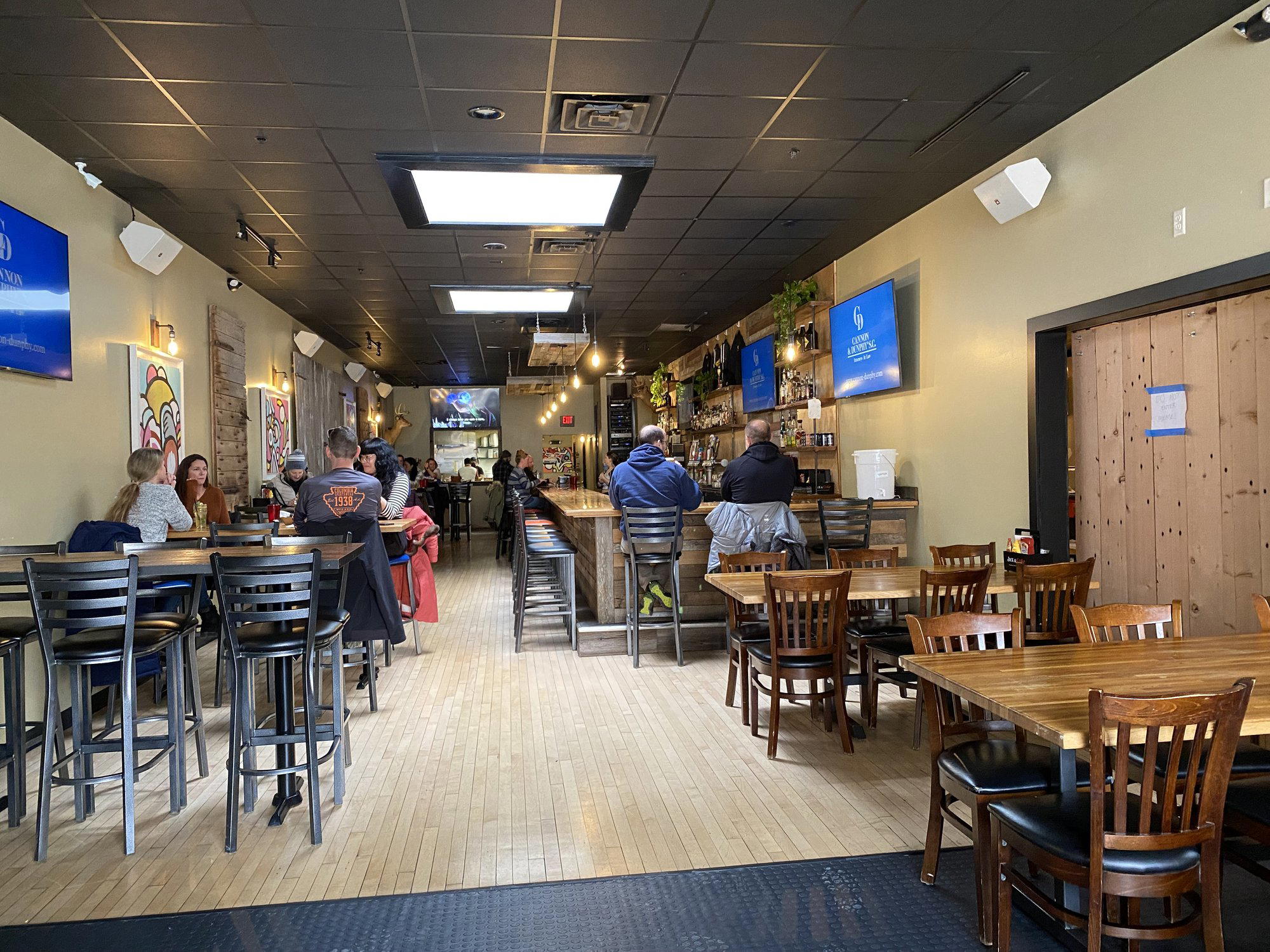
Coquette Cafe is a French bistro in Milwaukee's East Town district, at 316 N Milwaukee St. The address, 316 N Milwaukee St, sits in the East Town corridor where converted commercial buildings share blocks with law offices and independent galleries. Inside, the room reads as French brasserie filtered through a Midwestern sensibility: materials that feel used rather than staged, a pace that allows conversation, and a light level that shifts meaningfully between lunch and late evening.
That atmospheric register connects Coquette to a longer tradition in American dining, where the Franco-American bistro format has served as a vehicle for serious cooking without the formality of a full tasting-room experience. Restaurants like The French Laundry in Napa and Le Bernardin in New York City represent the upper bracket of that French-influenced tradition in the United States. Coquette operates at a different scale and price point, but shares the underlying premise that French technique applied with discipline produces cooking worth seeking out, even in a market that rarely generates national attention.
Where Coquette Sits in Milwaukee's Dining Order
Milwaukee's fine-casual tier has developed a coherent identity around European-influenced formats and sourcing-focused kitchens. Amilinda draws on Iberian and Portuguese frameworks; The Diplomat occupies a different corner of the neighborhood with its own bistro orientation. Bacchus, A Bartolotta Restaurant and Bartolotta's Lake Park Bistro anchor a separate but related tier, carrying the institutional weight of the Bartolotta group across multiple formats. Birch represents the more contemporary wood-fire end of the spectrum.
Coquette's position in this set is that of the French-leaning anchor. That combination, approachable room, serious kitchen, is the same proposition that has sustained similar restaurants in cities like Chicago. Smyth in Chicago operates at the upper edge of that city's chef-driven dining tier; Coquette works closer to the everyday end, which in Milwaukee means it functions as a genuine neighborhood restaurant rather than a destination-only proposition.
The Sensory Argument for Bistro Dining
The Franco-American bistro is a format built on sensory consistency rather than revelation. The smell of butter and wine reduction in a well-run kitchen carries its own specific authority. The sound profile of a properly occupied bistro room, voices at mid-volume, glassware, the occasional kitchen signal, operates as ambient evidence that the place knows what it is doing. These are not incidental details. They are the product of intentional decisions about room size, service pace, and menu discipline.
Coquette has had time to settle into a consistent room rhythm. Long-standing Milwaukee restaurants often survive by holding a consistent register across changing dining fashions. The cafe format, with its emphasis on midday and early evening service alongside a card that allows ordering in parts rather than as a set progression, suits a city that eats with practical intent alongside genuine appetite.
For comparison, the full-commitment tasting format favored by restaurants like Lazy Bear in San Francisco, Blue Hill at Stone Barns in Tarrytown, or Single Thread Farm in Healdsburg asks the diner to surrender control of pace and sequence entirely. The bistro counter-proposition is that particularly satisfying meals happen when you order two courses and stay for a third because the room and the food earn the time. Coquette operates from that second premise.
French Technique in a Midwestern Market
French-influenced cooking in American cities outside the coastal hubs has historically occupied an interesting position: technically demanding, culturally familiar enough to attract a broad base, and substantive enough to hold the attention of more experienced diners. Cities like New Orleans built entire dining identities around that synthesis; Emeril's in New Orleans represents one version of how French foundations meet local identity at scale.
In Milwaukee, that synthesis takes a quieter form. The region's German and Eastern European heritage inflects how French bistro traditions land here: heavier proteins, an affinity for preserved and pickled elements, and a preference for cooking that reads as substantive rather than decorative. A cafe like Coquette operates in that overlap. The French bistro grammar, classic sauces, composed plates, a serious wine list, meets a Midwestern appetite for portions and preparation that favor satisfaction over statement.
Other American cities pursuing that same caliber of ingredient-driven precision at comparable price points include restaurants like Providence in Los Angeles, Addison in San Diego, Atomix in New York City, and The Inn at Little Washington in Washington, though those operate at considerably higher price floors and formality levels. The international reference point for cooking that prioritizes regional sourcing within a fine-dining framework is something like Atelier Moessmer Norbert Niederkofler in Brunico, which treats its alpine context as a structuring principle rather than an aesthetic choice. Coquette applies a version of that logic at a fraction of the formality: French technique as a structuring principle, Midwestern context as the limiting and defining variable.
Planning Your Visit
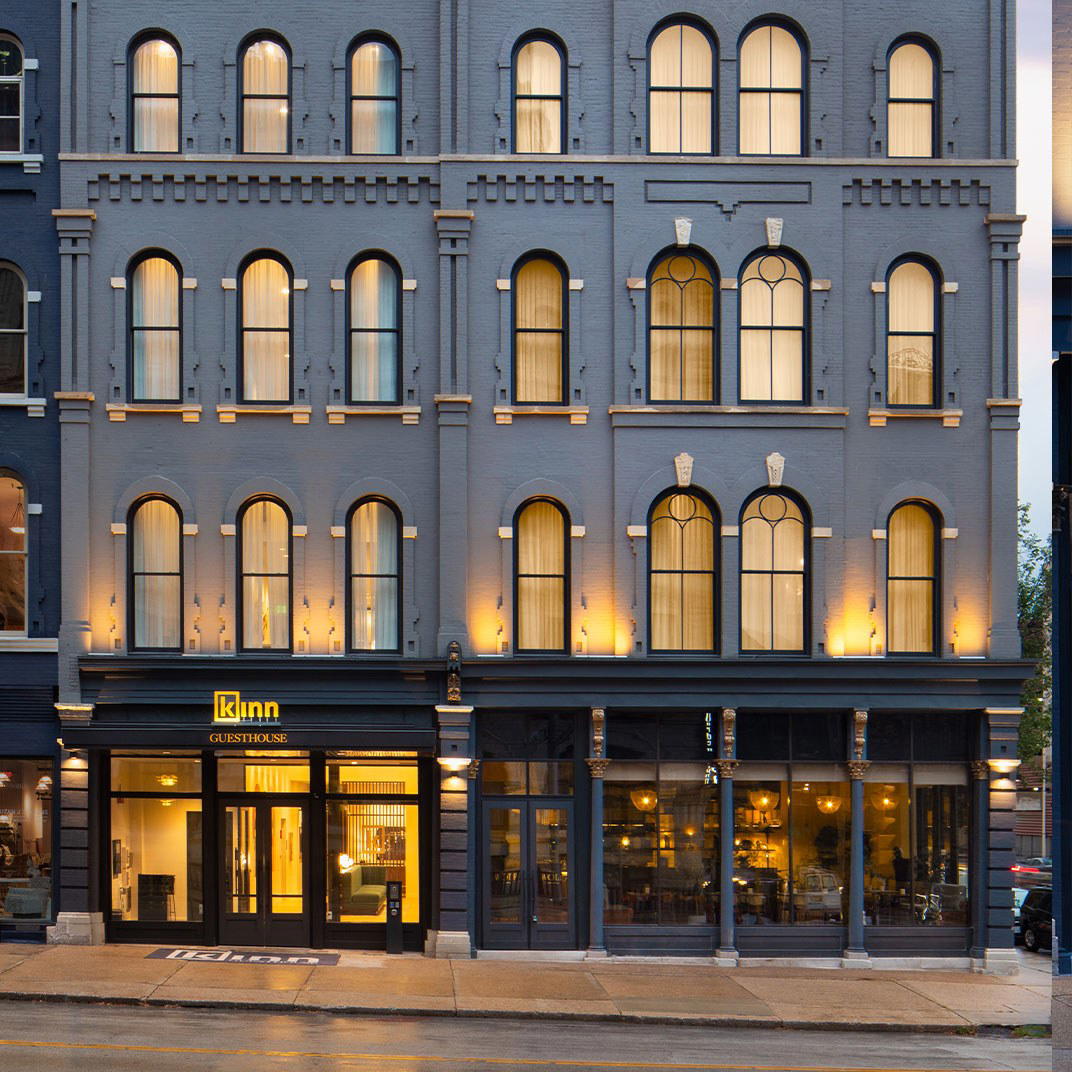
Coquette Cafe is located at 316 N Milwaukee St in Milwaukee's East Town district, walkable from the city center and reachable by most downtown parking structures.
Comparable Spots
Comparable venues nearby, for context on price, style, and recognition.
| Venue | Cuisine | Price | Notes |
|---|---|---|---|
| Coquette CafeThis venue — the venue you are viewing | French Bistro | $$ | Not listed |
| Story Hill BKC | New American Share Plates | $$ | Story Hill |
| LuLu | Eclectic American Cafe | $$ | Bay View |
| Swig | Modern American Small Plates | $$ | Historic Third Ward |
| Cafe Hollander | Dutch-Belgian Café | $$ | Northpoint |
| Harbor House | New England-Style Seafood & Steakhouse | $$$ | Lakefront |
Continue exploring
More in Milwaukee
Restaurants in Milwaukee
Browse all →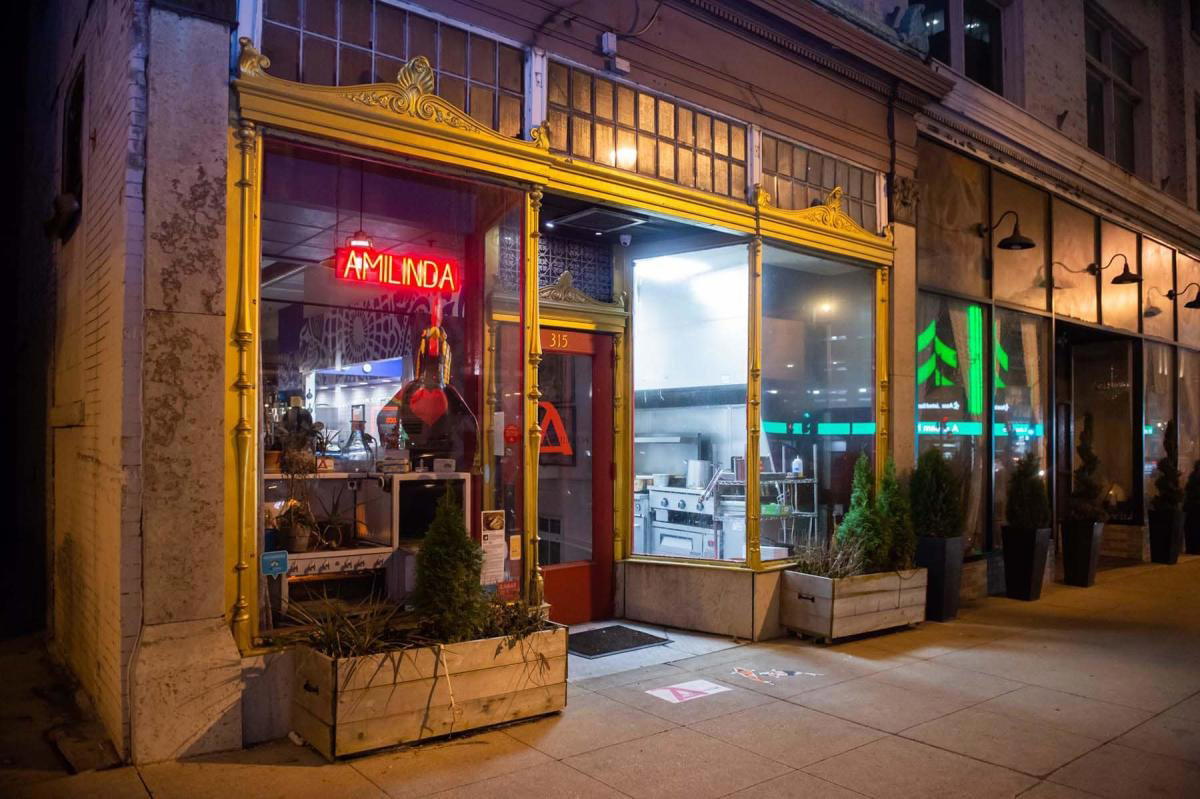
Bars in Milwaukee
Browse all →
At a Glance
- Rustic
- Modern
- Cozy
- Elegant
- Date Night
- Brunch
- Historic Building
- Street Scene
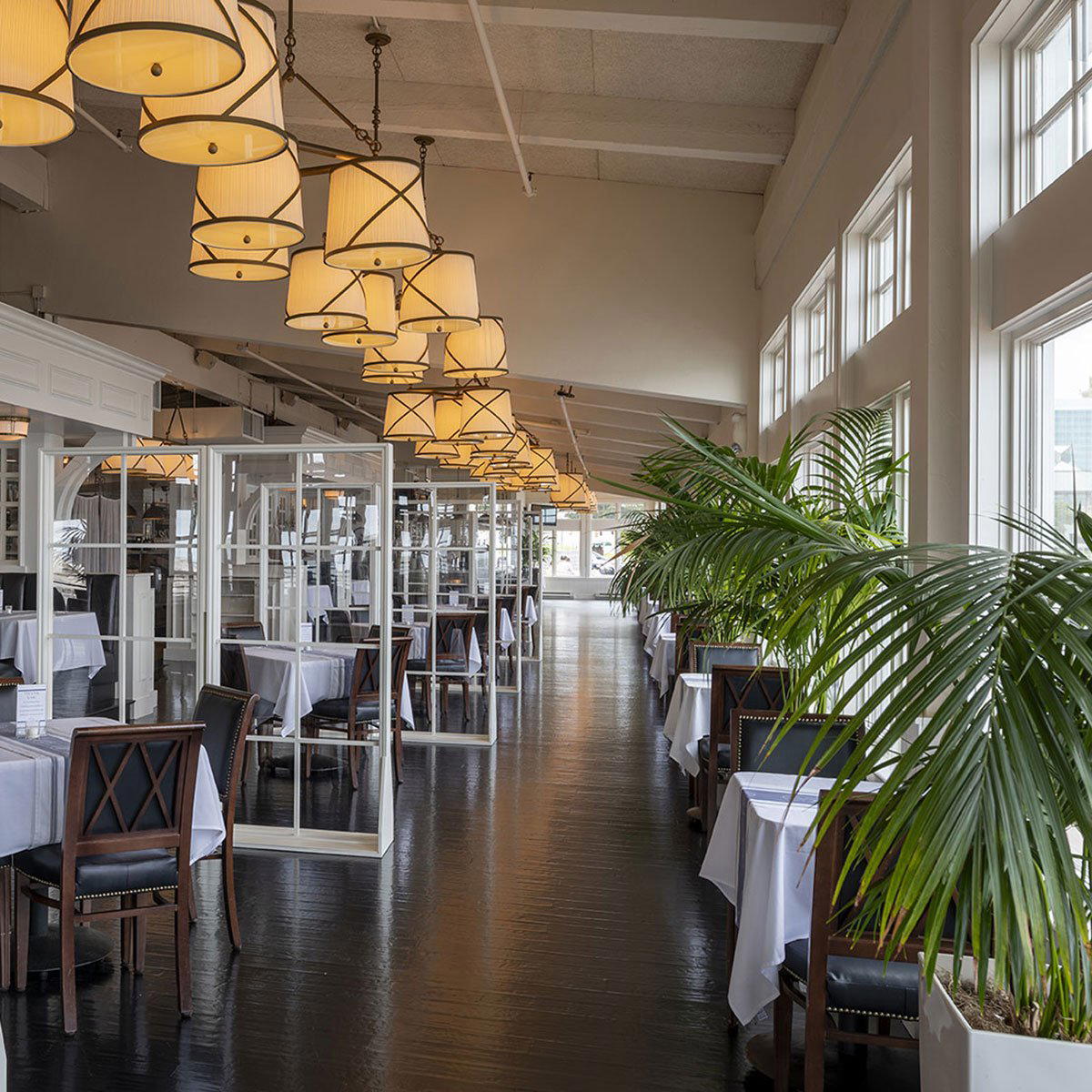
Serene, softly-lit dining room with rustic-yet-modern decor, pale-peachy walls, white tablecloths, and large picture windows.