The Pfister Hotel

Milwaukee's grande dame of hospitality, The Pfister Hotel has anchored East Wisconsin Avenue since 1893, operating across 307 rooms in a building that set the standard for Gilded Age ambition in the Midwest. The property sits at the intersection of historic preservation and full-service hotel tradition, drawing guests who want a genuine sense of place alongside professional, attentive service.
Pearl is the En Primeur Club membership app — saves, bookings, and concierge access live there. Same editors, same standards.
- Address
- 424 E Wisconsin Ave, Milwaukee, WI 53202
- Phone
- +1 414-273-8222
- Website
- thepfisterhotel.com
- Directions
- Get directions
 Saves & bookings on Pearl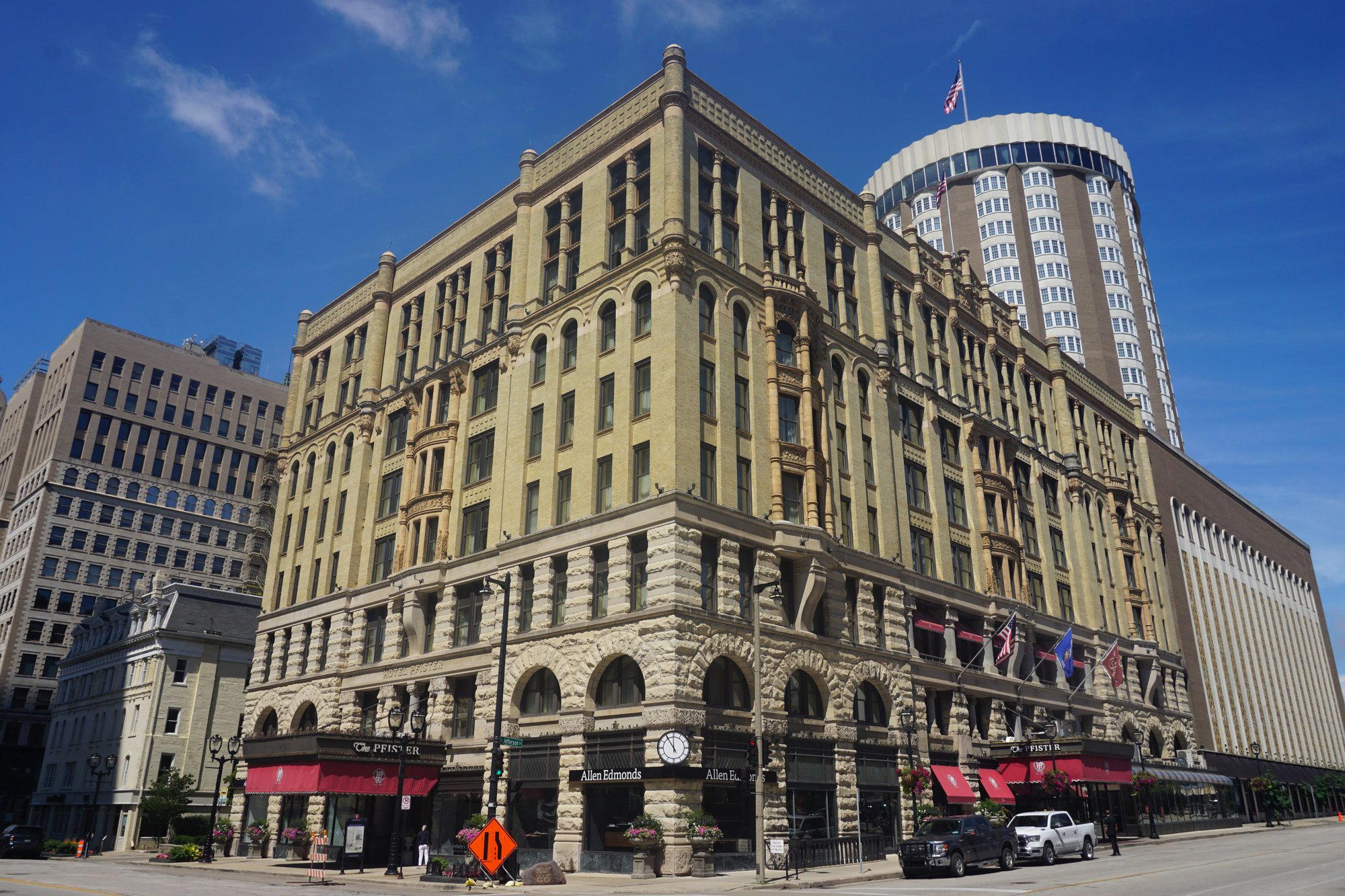
The Weight of a Room on Wisconsin Avenue
The Pfister Hotel is a 5-star hotel in Milwaukee, with 307 rooms and a nightly rate around $300. East Wisconsin Avenue has changed considerably since The Pfister Hotel opened in 1893, but the building itself reads as a fixed point in Milwaukee's civic identity. This is not the kind of hotel that arrived recently with a concept and a branding deck. It belongs to an older tradition of grand American hotels that were built as civic statements first and lodgings second, properties where the lobby was designed to impress a city, not just its guests. The Pfister sits in that tradition alongside a small cohort of surviving Victorian-era hotels in the United States, each of which carries a different relationship between preservation and operation. Here, across 307 rooms, that relationship has been maintained with seriousness.
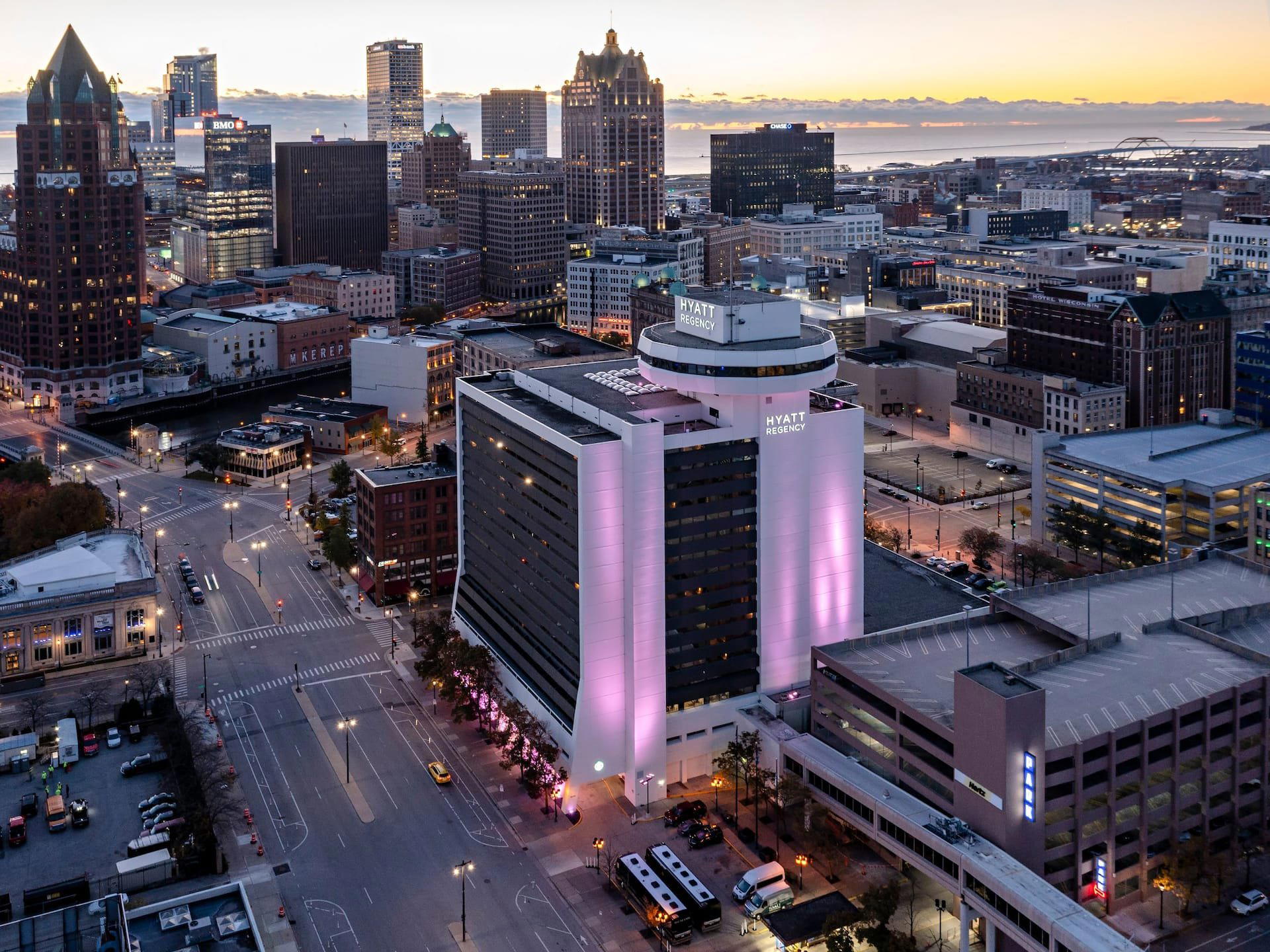
For context on where this property sits relative to Milwaukee's broader hotel market: the city now has a competent mid-range and convention tier, represented by properties like the Hyatt Regency Milwaukee, and a newer design-led segment anchored by places like Saint Kate - The Arts Hotel. The Pfister occupies a different tier entirely: the full-service historic hotel that carries institutional memory and staff depth that newer entrants simply cannot replicate in the short term. It is the reference point against which other Milwaukee hotels are implicitly measured.
Service as the Defining Architecture
In American hotel history, the full-service grand hotel model was built around an idea of anticipatory care, staff who read the room before the guest speaks, systems designed to reduce friction at every point of contact. That model largely collapsed through the latter half of the twentieth century as hotel groups standardized their service to reduce labor costs. A small number of properties held on. The Pfister is one of them, and its service culture is the argument for staying here rather than anywhere else in Milwaukee.
The 307-room scale matters in this context. It is large enough to sustain a professional front-of-house operation with genuine depth, concierge staff who know the city rather than reading from a laminated sheet, housekeeping that runs on a deliberate rather than mechanical schedule, but not so large that guests disappear into the anonymity of a convention block. Properties in this size range, when operated with serious intent, can deliver something that both boutique hotels and large convention properties structurally cannot: the full-service experience at a scale that still feels personal.
This approach to hospitality has parallels in a handful of American urban hotels that have maintained their historic positioning without retreating into museum-piece passivity. The The Fifth Avenue Hotel in New York City operates in a comparable tradition of serious urban hospitality. The Chicago Athletic Association in Chicago, a short drive from Milwaukee, shows how a historic building can be reactivated without abandoning the bones that made it significant. The Pfister's own approach leans toward continuity over reinvention, which carries risks but also delivers a consistency that redesign cycles tend to disrupt.
The Physical Environment
The building's Victorian-era architecture is not incidental to the guest experience, it is the experience. The lobby communicates scale and permanence in a way that contemporary hotel design rarely achieves, partly because contemporary design does not attempt it. High ceilings, substantial materials, and an accumulation of Victorian-era detail set the visual register before a guest reaches the front desk. This is an environment that takes some time to absorb, which is itself a statement about how the hotel understands hospitality: arrival should be an event, not a transaction.
The hotel's Victorian art collection is among the largest permanently displayed in any American hotel, a fact that positions the property in a specific cultural niche. It is less common for a commercial hotel to commit to this kind of collection at this scale, and it shapes the character of the building in ways that extend well beyond decoration. The collection gives the public spaces a coherence and seriousness that many historic hotels lose when they modernize their interiors room by room over decades.
For guests more accustomed to the design-led end of American luxury, properties like Hotel Bel-Air in Los Angeles or the resort-format properties like Amangiri in Canyon Point, the Pfister's idiom is a deliberate shift in register. The drama here is architectural rather than landscape-driven, and the luxury is expressed through service depth and material permanence rather than conceptual minimalism or natural spectacle.
Placing The Pfister in the Broader Grand Hotel Tradition
American grand hotels from the late nineteenth century now occupy a complicated position in the hotel market. They are frequently particularly recognizable addresses in their cities, but sustaining both the building and the service model requires a level of operational commitment that has driven many comparable properties toward event-space and wedding-market dependency. The ones that hold their ground as genuine hotels, rather than historic shells running a lodging side business, tend to do so through consistent investment in staff training and in the physical plant itself.
The Pfister's position in Milwaukee is not unlike what properties such as Raffles Boston in Boston or Auberge du Soleil in Napa represent in their respective markets: a reference-class property that sets the ceiling for what full-service hospitality means in that geography. In Milwaukee's case, the ceiling is set by a building that predates the city's twentieth-century industrial peak and has outlasted it. That kind of institutional continuity is not manufactured. It either exists or it doesn't.
Travelers with a specific appetite for American historic hotel culture, rather than resort escapes of the kind found at Little Palm Island Resort & Spa in Little Torch Key or Post Ranch Inn in Big Sur, will find here a property that is unambiguous about what it is. That clarity is worth something.
Planning Your Stay
The Pfister Hotel is located at 424 E Wisconsin Ave, Milwaukee, WI 53202, in the heart of downtown, within walking distance of the Milwaukee Art Museum and the central business district. The property runs 307 rooms across its historic tower and connected spaces, giving it the footprint of a full-service urban hotel. Given the hotel's position as Milwaukee's reference address for visiting executives, athletes, and cultural travelers, advance booking is advisable for weekend dates and during Summerfest and other major city events, when Milwaukee's overall hotel demand compresses availability sharply across all tiers.
Cuisine-First Comparison
Comparable venues nearby, for context on price, style, and recognition.
| Venue | Cuisine | Price | Awards | Notes |
|---|---|---|---|---|
| The Pfister HotelThis venue — the venue you are viewing | Historic European-style boutique hotel with contemporary tower addition, blending 1893 Victorian architecture with modern luxury amenities. | $$$$ | 5-Star | Not listed |
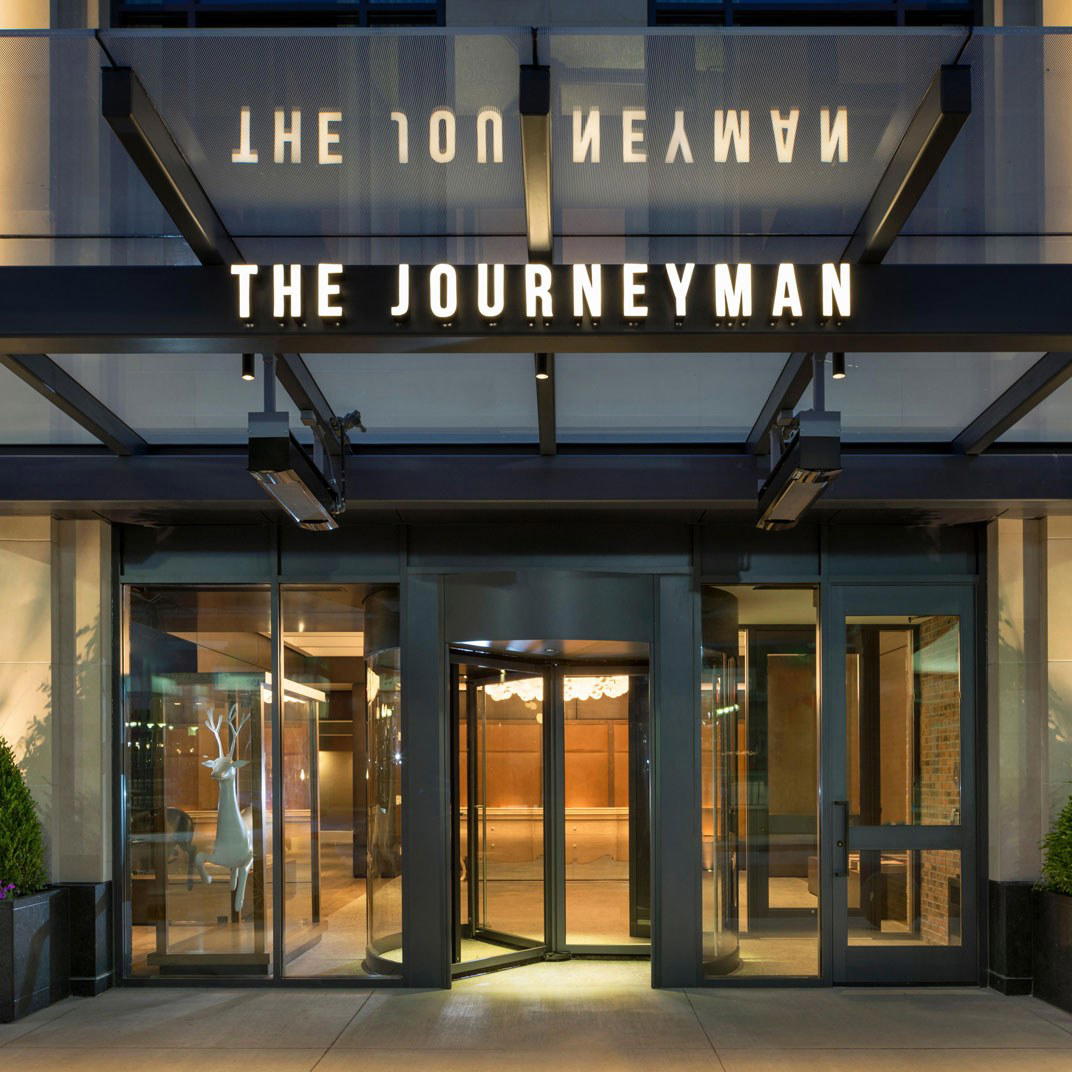
| Kimpton Journeyman Hotel | Contemporary boutique with playful design philosophy honoring historic district heritage | $$$ | 4-Star | Historic Third Ward |
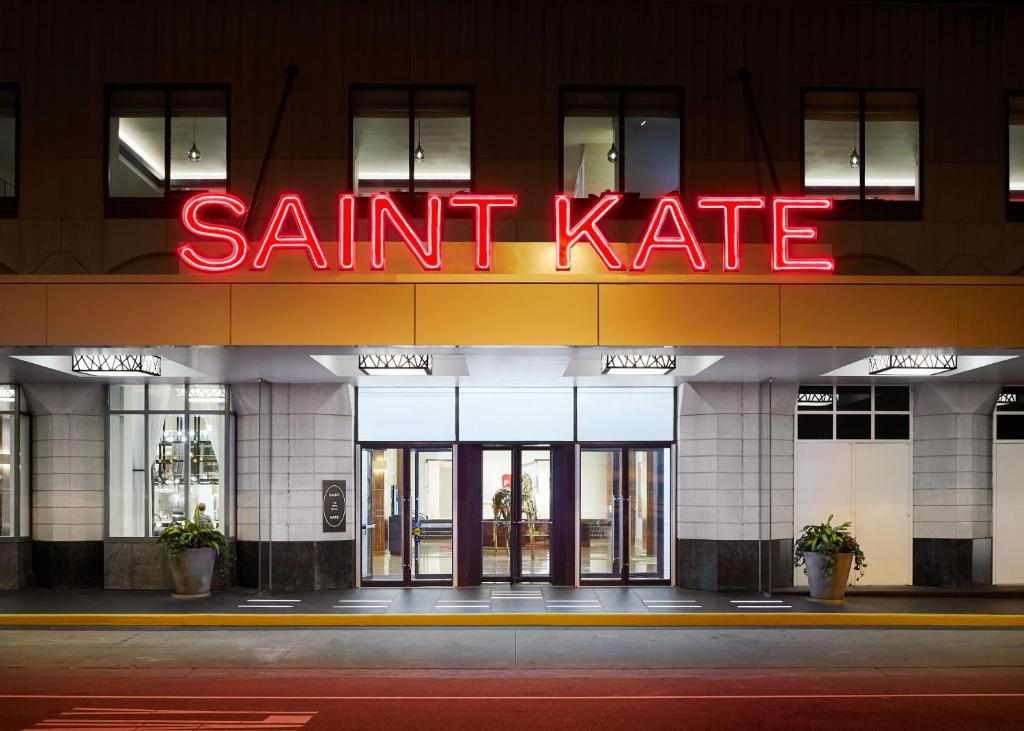
| Saint Kate - The Arts Hotel | Modern luxury boutique hotel celebrating visual and performing arts with curated artist collaborations and community cultural partnerships. | $$$ | 4-Star | Juneau Town |
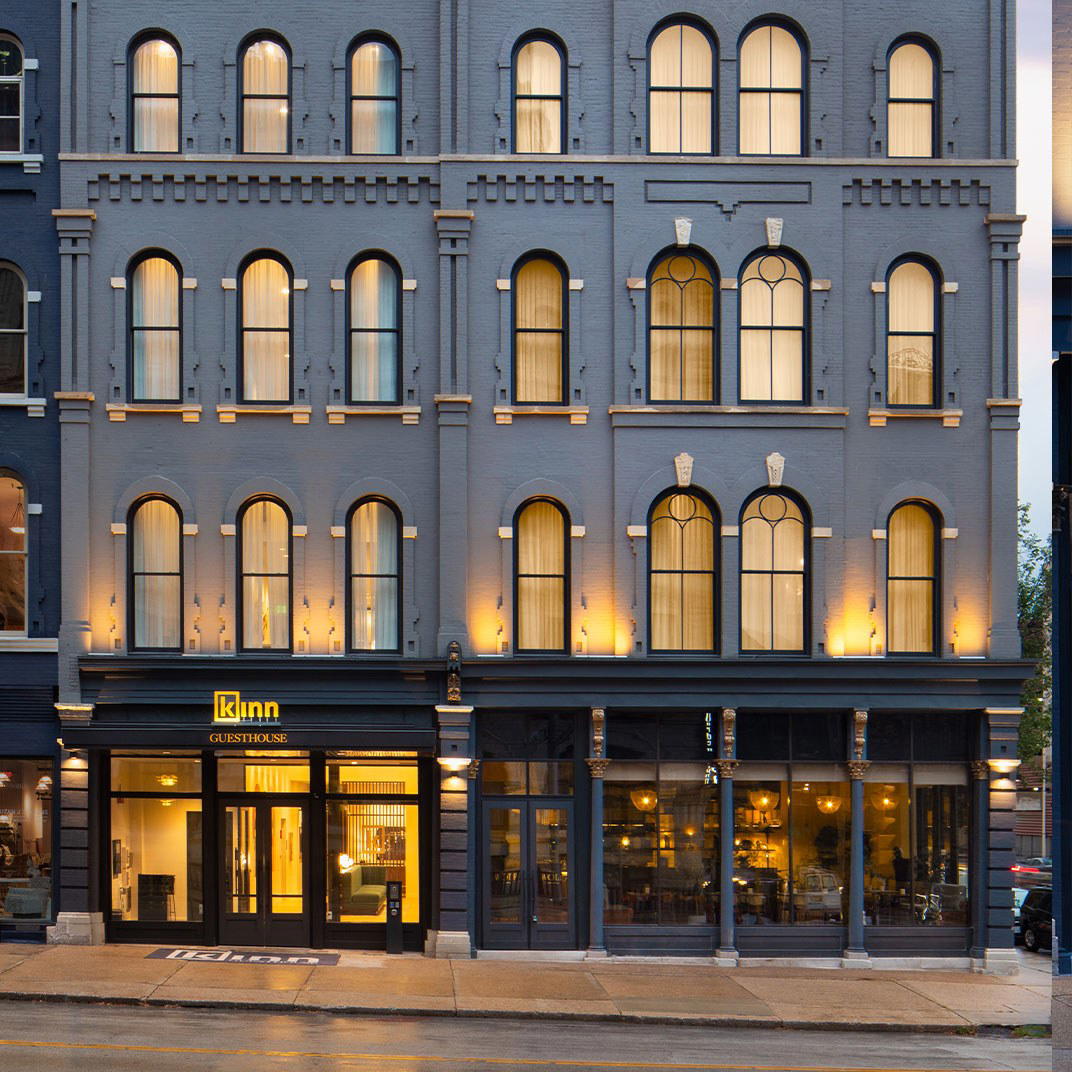
| Kinn Guesthouse | Modern boutique guesthouse concept fusing Airbnb-style residential living with curated hotel design and communal spaces. | $$$ | 4-Star | Juneau Town |
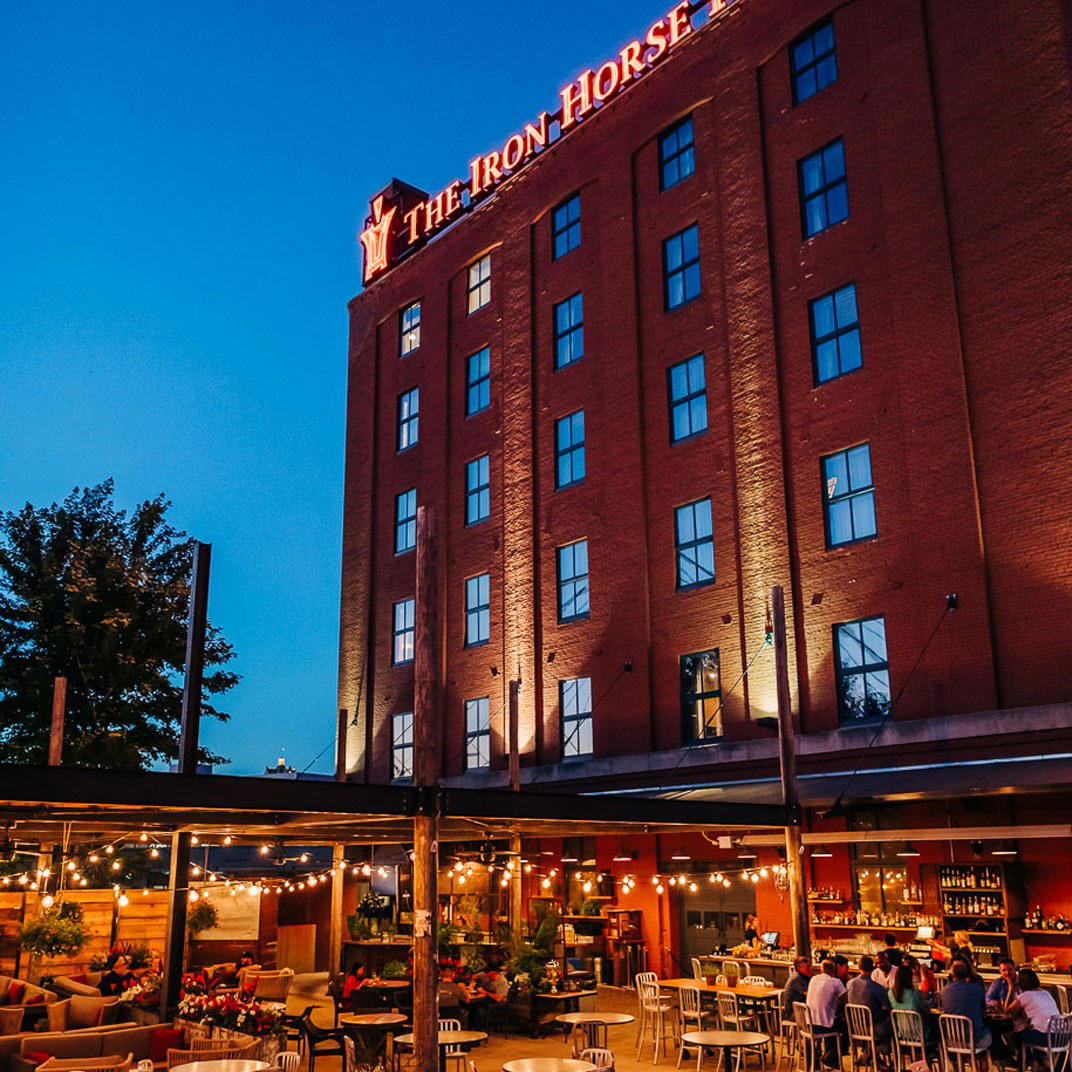
| The Iron Horse Hotel | Historic warehouse transformed into luxury loft-style boutique | $$$$ | 4-Star | Walker'S Point |
| Hyatt Regency Milwaukee | Contemporary downtown business hotel with skywalk connections to convention centers | $$$ | 4-Star | Kilbourn Town |
Recognition history
Dated appearances from independent guides and award organizations, with the underlying list record or original source where available.
Preferred Hotels L.V.X. Collection
Preferred Hotels

At a Glance
- Elegant
- Classic
- Sophisticated
- Well Known
- Romantic Getaway
- Business Trip
- Wellness Retreat
- Anniversary
- Family Vacation
- Rooftop Pool
- Historic Building
- Panoramic View
- Destination Spa
- Waterfront
- Wi Fi
- Pool
- Spa
- Fitness Center
- Room Service
- Concierge
- Business Center
- Valet Parking
- EV Charging
- Restaurant
- Bar
- Waterfront
- Skyline
- Wi Fi
- Pool
- Spa
- Fitness Center
- Room Service
- Concierge
- Business Center
- Valet Parking
- EV Charging
- Restaurant
- Bar
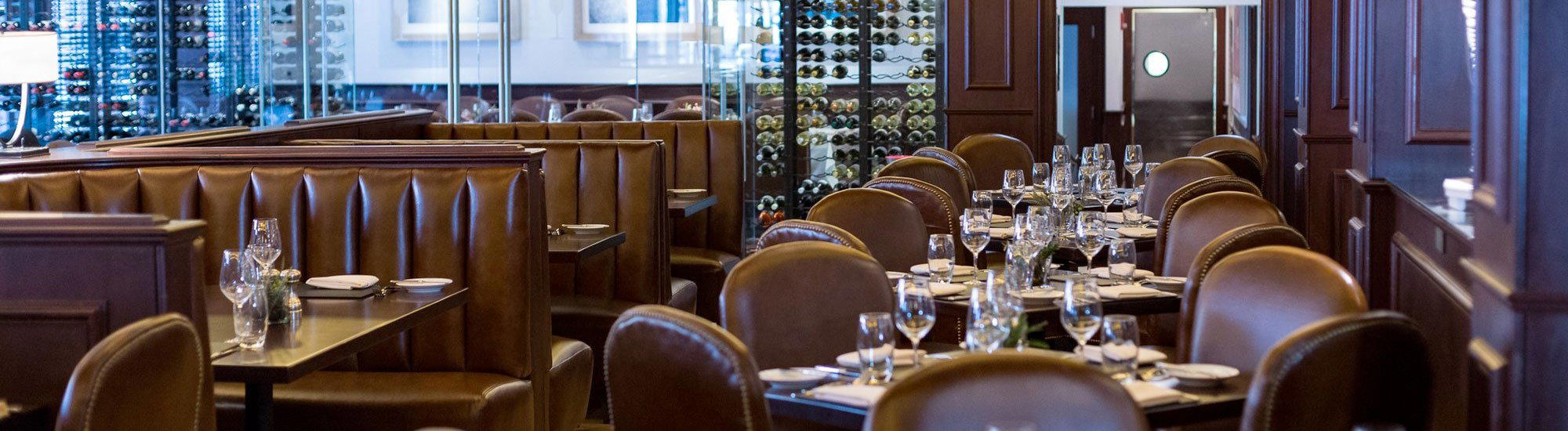
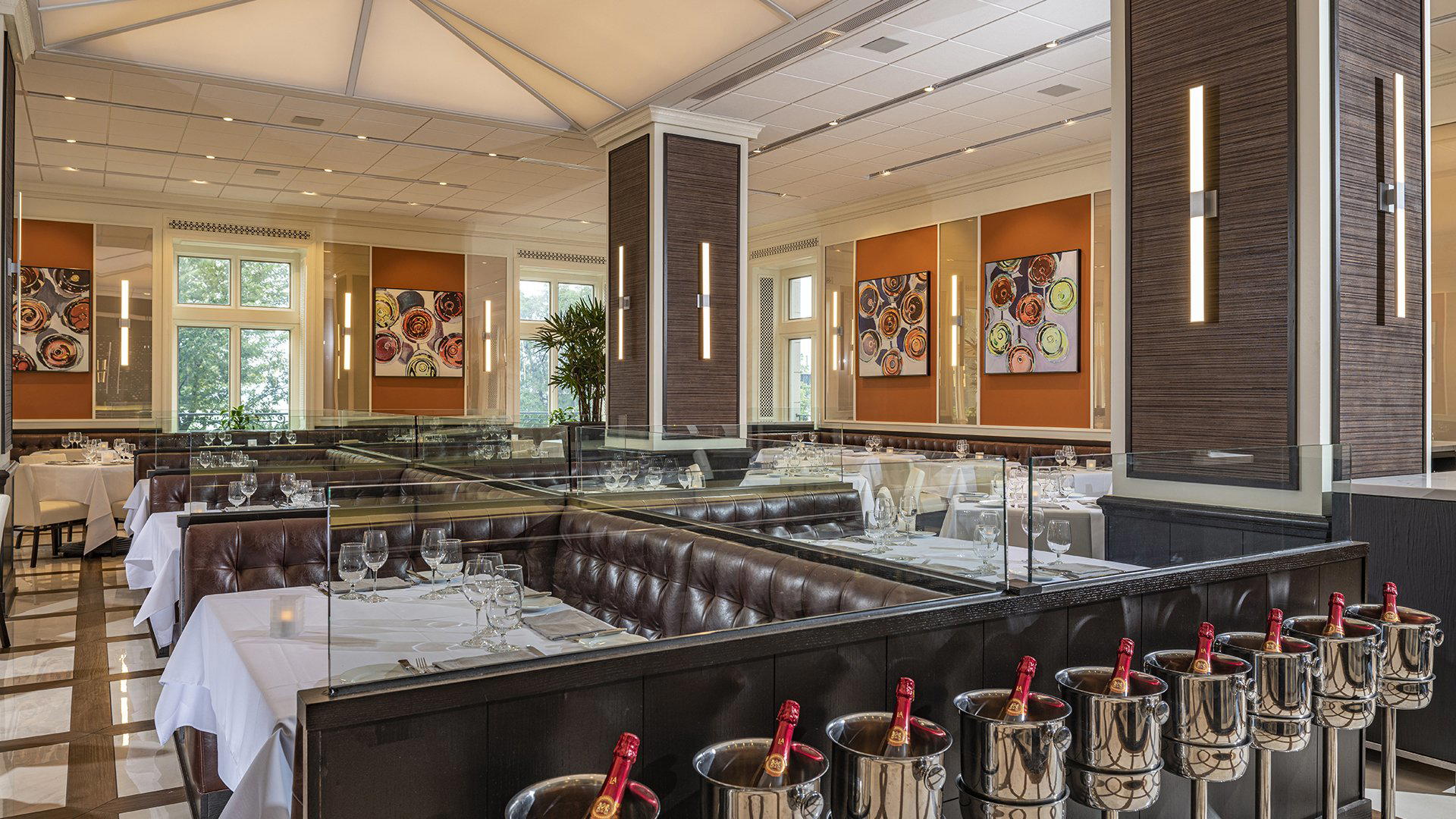
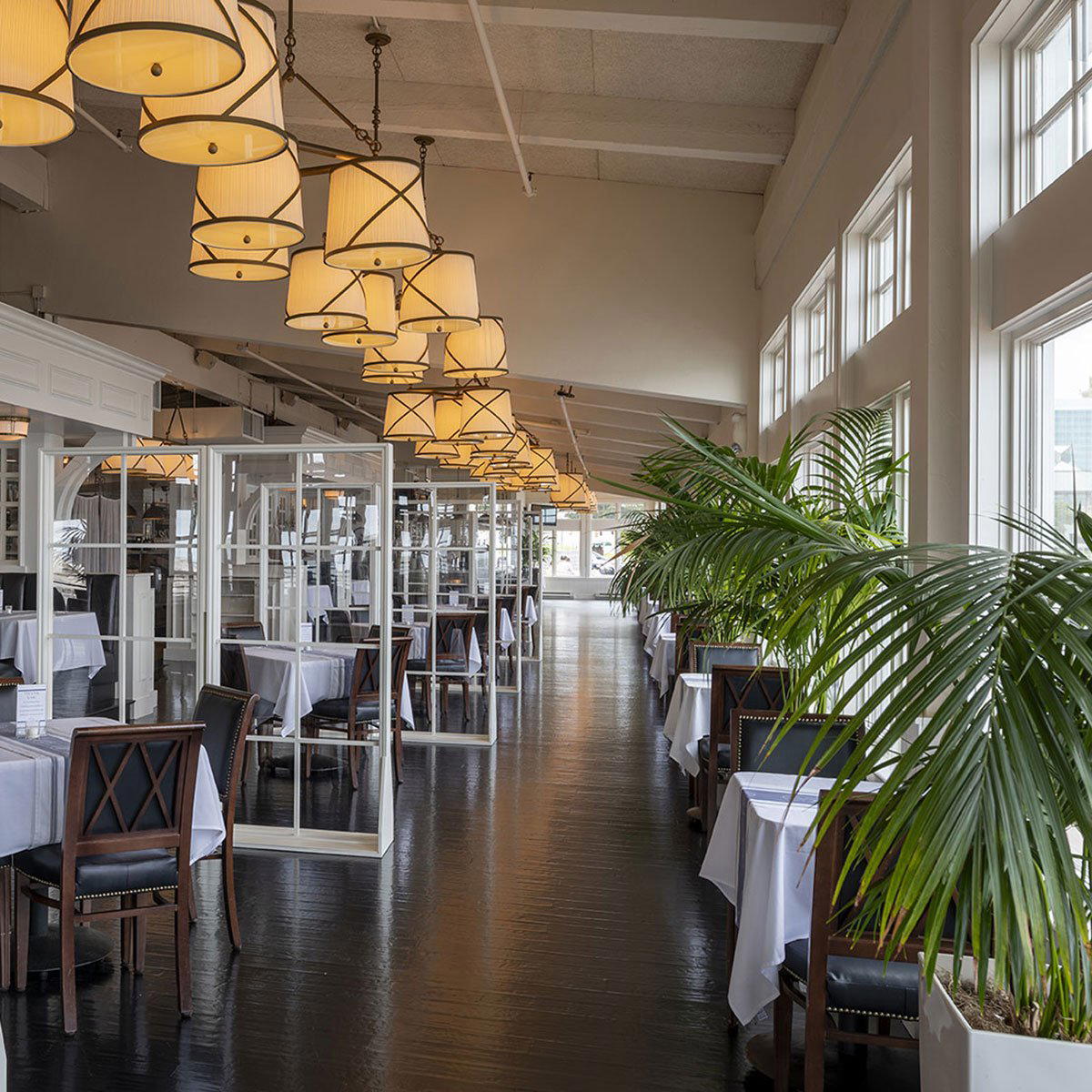
Elegant and refined with Victorian charm blended with contemporary design; guests praise the spotless, beautifully maintained spaces with warm lighting and sophisticated decor honoring the hotel's historic heritage.