Cafe Hollander
Our verdict
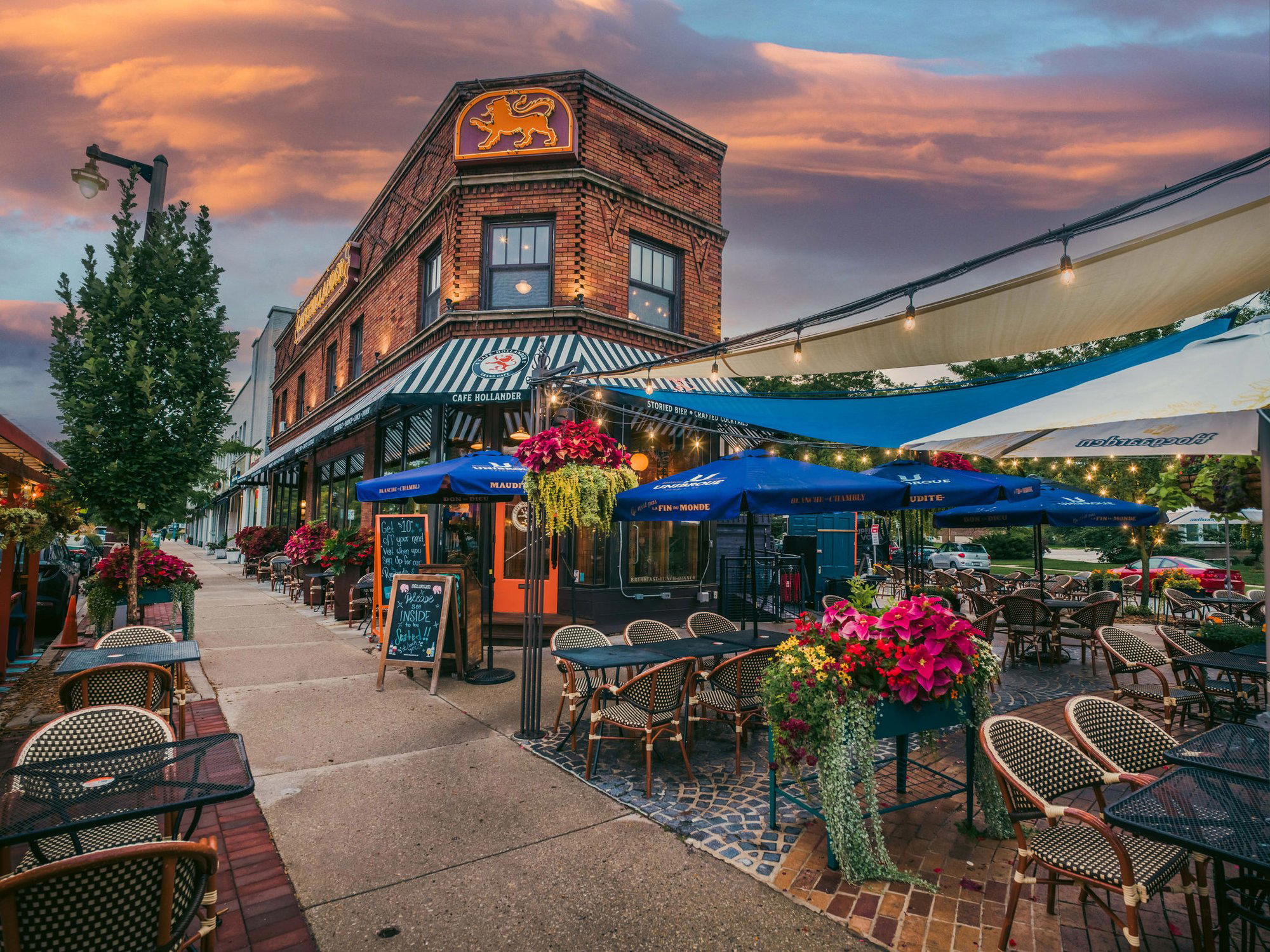
On Milwaukee's Downer Avenue, Cafe Hollander occupies the kind of neighbourhood anchor role that most cities struggle to sustain: a Belgian-inflected beer cafe where the draft list and the crowd are equally considered. It sits in a different tier from the city's formal dining rooms, operating instead as the social infrastructure of a walkable, residential stretch that rewards visitors who arrive without a reservation and leave later than planned.

Pearl is the En Primeur Club membership app, where members save venues, book tables and use the concierge.
The menu
What to order
- Buckatabon Cheese Curds
- Moules Frites
- Classic Fish Fry
- Double Smashed Veggie Beet Burger
- Spice-Rubbed Salmon with Cilantro Zhoug
Downer Avenue and What It Asks of a Neighbourhood Restaurant
Downer Avenue in Milwaukee's East Side has the particular quality of a street that knows what it is. Lined with independent retailers, older apartment buildings, and the kind of foot traffic generated by proximity to the University of Wisconsin-Milwaukee, it operates as a genuine neighbourhood corridor rather than a curated dining district. A restaurant that works here has to function across multiple modes simultaneously: morning coffee, afternoon lunch, post-work drinks, weekend brunch, late-evening casual dining. Cafe Hollander, at 2608 N Downer Ave, has settled into that multi-role position in a way that few single addresses manage.
The Belgian cafe format is the structural logic behind that flexibility. In Belgium, the neighbourhood cafe is not primarily a restaurant or primarily a bar but something that refuses the distinction: a space organised around beer, open across most of the day, with a kitchen that supports the drinking rather than competing with it for primacy. That format transplants well to a residential Milwaukee street, where the social rhythm of the neighbourhood demands exactly that kind of permeable, low-commitment entry. You can arrive for a single glass and stay for dinner, or eat quickly and leave. The format accommodates both without pressure.
The Belgian Beer Cafe as a Milwaukee Category
Milwaukee has a longer and more serious relationship with beer culture than most American cities, a legacy of the German and Central European immigration that shaped the city's industrial and social character through the nineteenth and early twentieth centuries. The city that housed Pabst, Schlitz, Miller, and Blatz built its working-class social life around taverns and beer halls in a way that left a durable imprint on how Milwaukeeans relate to drinking as a communal activity. The Belgian cafe, which Hollander parent company Lowlands Group introduced to the city's East Side, slots into that tradition while redirecting it toward a more European, draft-focused model.
The practical expression of that is a beer list weighted toward Belgian and Belgian-style ales: witbiers, saisons, dubbels, tripels, and the stronger abbey-style formats that require more careful drinking. Alongside those, the tap list typically includes a selection of German lagers and a rotating cast of American craft options, which positions the program as educated rather than exclusionary. The draft format matters here: Belgian ales are served at specific temperatures and in specific glassware in a way that bottled service rarely replicates, and a bar that takes that seriously produces a different drinking experience than one that treats beer as a default category.
For Milwaukee visitors building an itinerary around the city's dining scene, Cafe Hollander sits in a different register from the formal rooms that define the city's upper tier. Properties like Bacchus, A Bartolotta Restaurant and Bartolotta's Lake Park Bistro operate with tasting menus and wine programs oriented toward a different kind of occasion. Amilinda and The Diplomat occupy a middle tier that prizes culinary ambition and sourcing discipline. Hollander is the baseline social layer beneath all of that: the place where none of those concerns apply and the only real decision is which beer and whether to eat.
Kitchen Output Relative to Format
Belgian cafe kitchens are not neutral: the tradition comes with a set of dishes that make sense within it, and the Hollander kitchen works within those parameters. Moules frites is the reference point, the dish that most clearly signals the format's Belgian allegiances. Frites served with Belgian-style dipping sauces are the logical accompaniment to strong ales, and a good friterie approach applies the same care to temperature and fry technique that a serious kitchen applies to more complex preparations.
The menu extends into American comfort territory in ways that reflect the East Side customer base rather than strict Belgian orthodoxy: burgers, salads, sandwiches that function as bar food for people who want to eat properly rather than snack. That flexibility is part of what makes the format work across different visit occasions. A table ordering appetisers and sharing plates functions differently from a table ordering main courses, and the kitchen has to be able to serve both without either feeling like an afterthought.
This is a different proposition from what you'd encounter at Smyth in Chicago or the tasting-menu formats at places like Lazy Bear in San Francisco or Le Bernardin in New York City. The ambition here is horizontal rather than vertical: breadth of occasion served, not depth of any single culinary statement. Whether that trade-off suits a given visit depends entirely on what the visit requires.
East Side Context and Who This Works For
The East Side's residential density means Hollander draws a genuinely mixed crowd in terms of age and occasion type, which is rarer than it sounds. University proximity brings younger drinkers; the neighbourhood's housing stock attracts long-term residents with different patterns; the Downer Avenue retail corridor generates afternoon foot traffic from people who were doing something else and decided to stop. The result is a room that rarely feels like it belongs to one demographic, which is one of the format's social advantages.
For visitors staying outside the immediate neighbourhood, the East Side is accessible enough from downtown Milwaukee that it functions as a reasonable evening destination rather than a detour. The concentration of independent venues along Downer Avenue means a single visit can extend across multiple stops without needing a car between them, which is a different experience from the more dispersed geography of Milwaukee's Third Ward or Walker's Point dining corridors. For a fuller picture of where Hollander sits within Milwaukee's broader dining options, our full Milwaukee restaurants guide maps the city's various tiers and neighbourhoods.
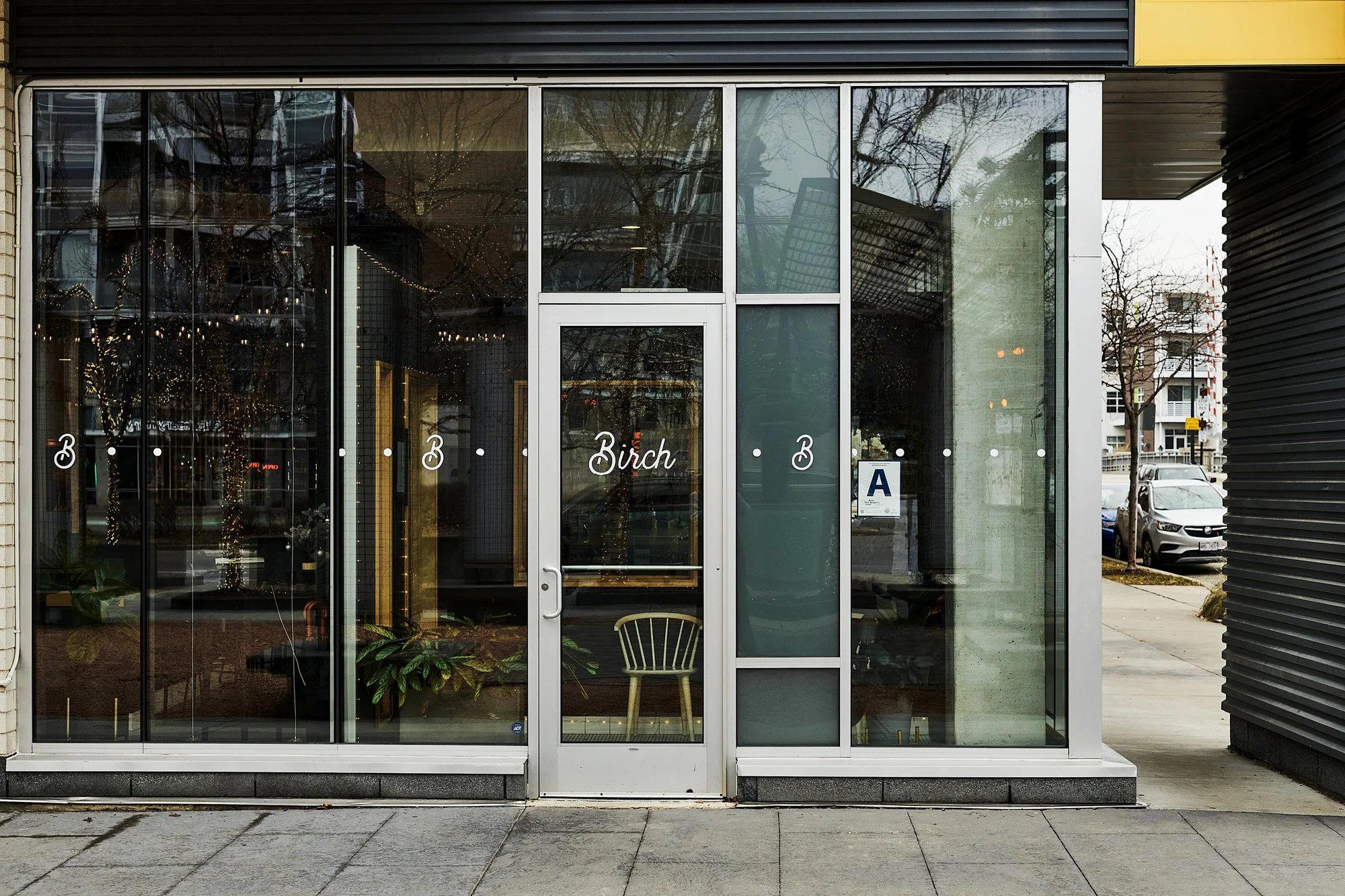
Other venues in the city's upper registers, including Birch, offer a point of comparison for visitors calibrating how much formality a Milwaukee evening warrants. For those building itineraries around Midwest dining more broadly, the gap between Hollander's casual register and the Michelin-recognised work at Smyth in Chicago or farm-driven formats like Blue Hill at Stone Barns in Tarrytown illustrates how wide the category of American restaurant has become. Hollander is not competing in that space and is more useful for it.
Planning a Visit
Cafe Hollander operates as a walk-in venue in the Belgian cafe tradition, meaning reservations are not the primary access mechanism and the space is designed to absorb drop-in traffic across the day. Downer Avenue has street parking and is served by Milwaukee County Transit routes that connect the East Side to downtown. The most useful planning note is simply time of day: late weekend afternoons when the neighbourhood is most active and the beer list becomes the main event, versus weekday lunches when the kitchen is the primary draw. Both work; they produce different visits.
Frequently asked questions
Is Cafe Hollander good for families?
The format works well for families, particularly at lunch or early dinner. The menu is broad enough to accommodate different preferences, the atmosphere is informal, and the Downer Avenue location on Milwaukee's East Side draws a mixed crowd by age and occasion. It is not a quiet, white-tablecloth setting, which is precisely what makes it manageable with children.
How would you describe the vibe at Cafe Hollander?
The room operates in the Belgian cafe tradition: low formality, draft beer at the centre of the program, and a floor plan that handles both a solo drink at the bar and a table dinner without either feeling out of place. On Downer Avenue, the crowd skews residential and local rather than tourist-driven, which keeps the energy grounded rather than performative.
How does Cafe Hollander fit into Lowlands Group's Milwaukee presence?
Cafe Hollander is one of several Belgian cafe-format venues operated by Lowlands Group across Milwaukee and Madison, making the group one of the more developed practitioners of that specific format in the Midwest. The Downer Avenue location was among the earlier sites in that expansion, which gives it a degree of neighbourhood integration that newer outposts are still building. For anyone tracing Milwaukee's serious engagement with beer culture, the Lowlands footprint is a useful reference point.
What should I order at Cafe Hollander?
The Belgian cafe format is the clearest guide: moules frites and Belgian-style draft beer are the dishes and drinks the kitchen and bar program are built around. Ordering anything in that direction puts you in line with what the format does best, rather than treating it as a generic American bar and grill.
What's Cafe Hollander's location?
Cafe Hollander is located at 2608 N Downer Ave, Milwaukee, WI 53211, Milwaukee.
What's the best way to book Cafe Hollander?
Cafe Hollander operates primarily as a walk-in venue, consistent with the Belgian cafe model where drop-in access is part of the format's character. For larger groups or peak weekend times at the 2608 N Downer Ave location, arriving early in the service is the most reliable approach rather than waiting on a reservation system.
The Essentials
Comparable venues nearby, for context on price, style, and recognition.
| Venue | Cuisine | Price | Awards | Notes |
|---|---|---|---|---|
| Cafe HollanderThis venue (the venue you are viewing) | Dutch-Belgian Café | $20–30 | Not listed | Not listed |
| Birch | Contemporary Midwest Farm-to-Table | Not listed | James Beard Award Semi Finalist · Wine Spectator Award of Excellence | Lower East Side, Contemporary Midwest Farm-to-Table |
| Milwaukee Waterfront Deli | American Deli | $10–20 | Not listed | Juneau Town, American Deli |
| Swig | Modern American Small Plates | Not listed | Not listed | Historic Third Ward, Modern American Small Plates |
| Jing's | Shanghai Chinese | Not listed | Not listed | Historic Third Ward, Shanghai Chinese |
| Botanas Restaurant | Authentic Mexican | $20–30 | Not listed | Walker'S Point, Authentic Mexican |
Continue exploring
More in Milwaukee
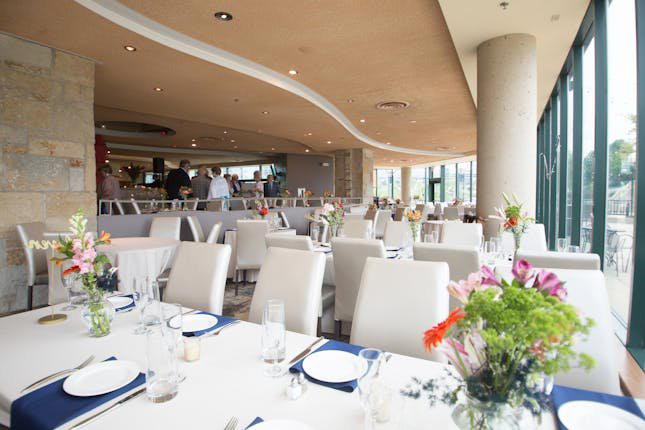
Restaurants in Milwaukee
All restaurants in Milwaukee →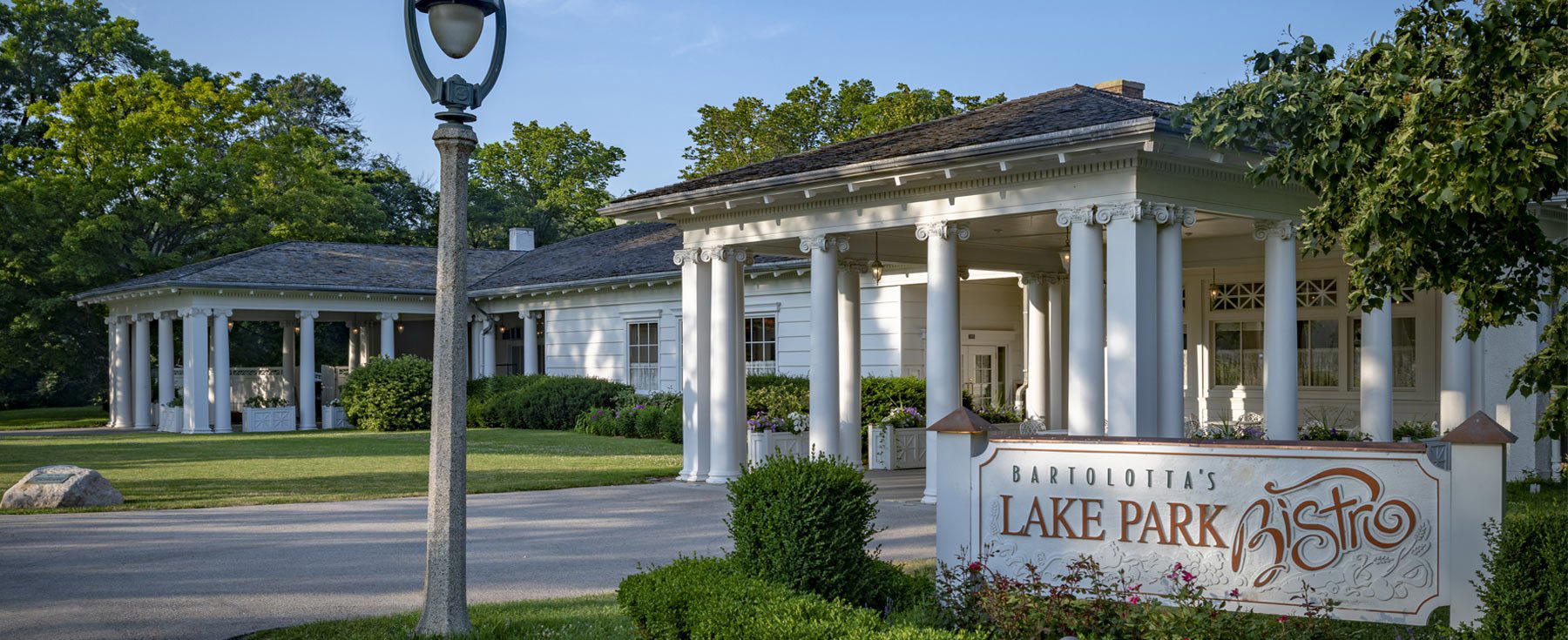
Bars in Milwaukee
All bars in Milwaukee →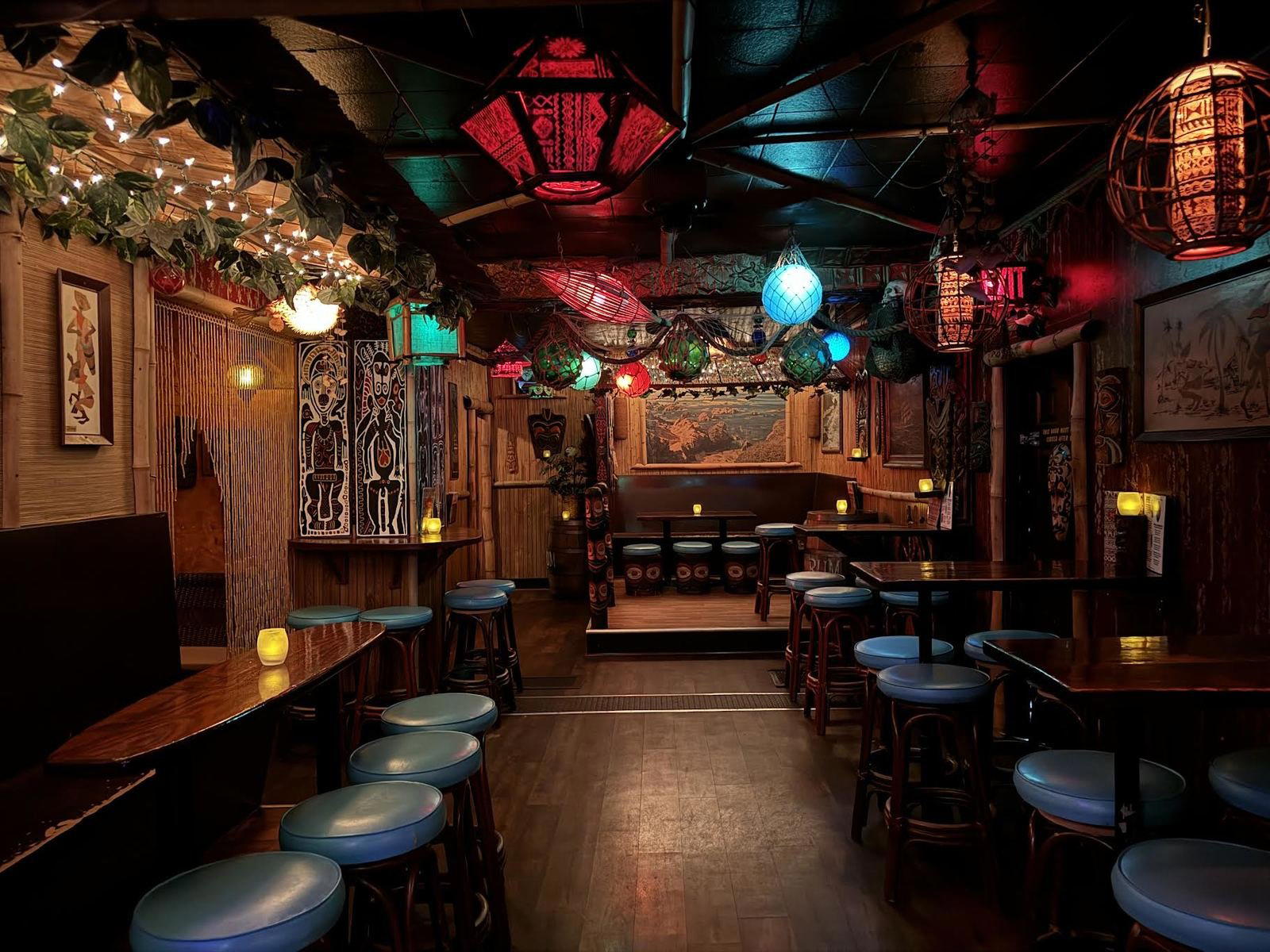
Details
- Cozy
- Well Known
- Lively
- Casual
- Brunch
- Casual Hangout
- Group Dining
- Family
- Celebration
- Terrace
- Private Dining
- Beer Program
- Craft Cocktails
- Zero Proof
- Local Sourcing
- Farm To Table
- A La Carte
- Family Style
- Belgian Beer
- Craft Cocktails
- House Made Bloody Marys
- Vegetarian Friendly
- Vegan Options
- Gluten Free Options
- Allergy Accommodating
Current opening hours
- Monday
- 8 AM–10 PM
- Tuesday
- 8 AM–10 PM
- Wednesday
- 8 AM–10 PM
- Thursday
- 8 AM–10 PM
- Friday
- 8 AM–11 PM
- Saturday
- 8 AM–11 PM
- Sunday
- 8 AM–10 PM
Hours can change for holidays and private events. Last verified .
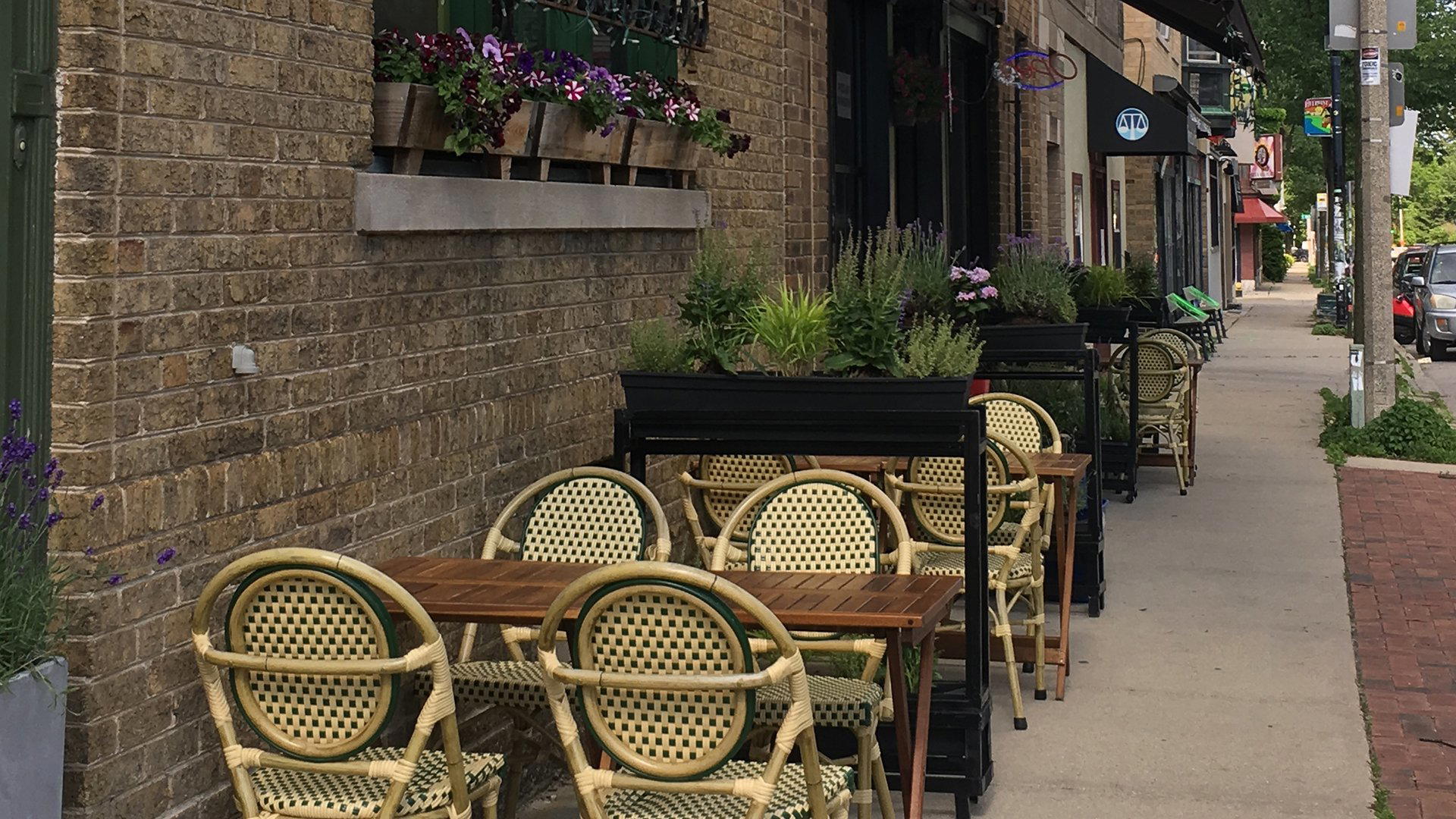
Warm, neighborhood-focused European café with a 2nd floor dining loft, expansive seasonal patio, and winter domes; casual yet refined with a perennial all-day dining atmosphere.