Central Standard Crafthouse & Kitchen & Craft Distillery
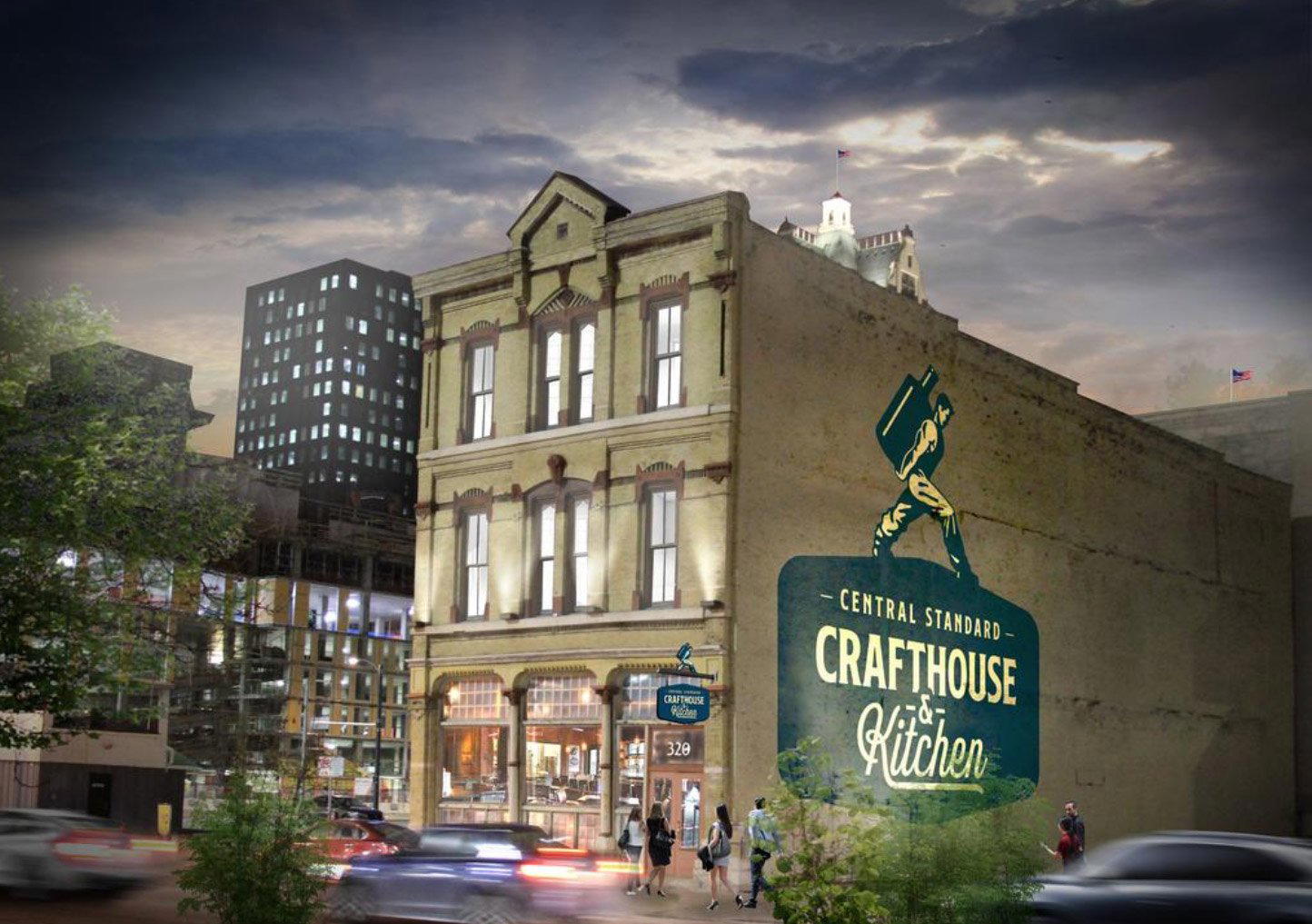
Central Standard Crafthouse & Kitchen sits at 320 E Clybourn St in Milwaukee's lower east side, operating as both a working craft distillery and a full-service bar and kitchen. The menu architecture reflects that dual identity: house-distilled spirits anchor the cocktail program, while the kitchen builds around formats that hold their own against the drinks rather than playing second fiddle to them.

Pearl is the En Primeur Club membership app, where members save venues, book tables and use the concierge.
Where the Still Meets the Bar Program
Milwaukee's craft spirits scene has matured steadily over the past decade, moving from novelty distillery tours with token cocktails toward operations where the distillery credential genuinely informs the drinking experience. Central Standard Crafthouse & Kitchen, at 320 E Clybourn St in the lower east side, sits in that more developed tier: a working craft distillery whose bar program draws directly from production rather than using house spirits as a branding footnote. The building itself signals intent before you order anything. The industrial-meets-tavern format common to serious Midwest craft operations is present here, but the throughline is the still visible from the bar floor, which frames every pour with a quiet argument about provenance.
That physical arrangement is not decorative. It reflects a structural choice about how the menu is organised and what the venue is actually trying to say. In a city with a long tavern culture and a competitive bar scene that includes well-regarded programs like Boone & Crockett and the mid-century classicism of At Random, Central Standard has chosen to build its identity around production rather than curation. The difference matters: a curative bar program is only as good as its sourcing decisions, while a production-anchored program carries the accountability of what it makes.
Menu Architecture: The Distillery as Editorial Frame
The way a menu is structured tells you what a venue believes its own strength to be. At Central Standard, the cocktail list is organised around the house spirits portfolio, which means the menu reads less like a greatest-hits collection of classic templates and more like an extended argument for what the distillery produces. Whiskey, vodka, and gin occupy different parts of the menu with drinks built to show each spirit's character rather than bury it under competing flavours.
This is a specific editorial stance, and it carries risk. When a venue ties its cocktail menu this tightly to its own production, inconsistency in the distillery output becomes immediately visible at the bar. The upside, when execution holds, is a coherence that programs rarely achieve: every cocktail on the list is traceable to a single source of creative and production authority. Operations like Kumiko in Chicago and Bar Leather Apron in Honolulu demonstrate that tight conceptual frameworks produce more memorable bar experiences than menus attempting to be everything at once. Central Standard applies that principle through a production lens rather than a purely technical one.
The kitchen side of the menu functions as a counterweight. Rather than positioning food as a revenue layer bolted onto a bar operation, the Crafthouse format suggests the kitchen is meant to extend a visit rather than justify it. That is a meaningful distinction for pacing: a menu built around extending visits gives the kitchen permission to build dishes with weight and staying power, formats that hold up through two or three rounds of drinks rather than plates designed for quick turnover.
Milwaukee's Craft Spirits Tier and How Central Standard Fits
Wisconsin's craft distillery movement has followed a similar arc to its brewing counterpart: early growth driven by local pride, then a consolidation period where operations with genuine production depth separated from those relying on novelty positioning. Milwaukee's market reflects that maturation. The city's drinking culture, shaped by its historic lager brewing identity and a tavern-per-capita ratio that remains among the highest in the country, has proven receptive to craft spirits that arrive with a clear point of view.
Central Standard's address on E Clybourn places it within walking distance of the Historic Third Ward and the lower east side's denser hospitality cluster, which means it operates in a neighbourhood where visitors are already primed to spend time across multiple venues rather than committing to a single destination. That geography is an advantage: it encourages the kind of considered, unhurried visit that a distillery-bar format rewards. For comparison, the more technical bar programs in cities like Jewel of the South in New Orleans or Julep in Houston have shown that spirits-forward bars perform leading when the surrounding neighbourhood supports a longer, more exploratory evening rather than a high-turnover format.
Other Milwaukee venues operating with distinct program identities include Birch and Braise Restaurant & Culinary School, which approaches its food program with an explicitly educational framework. Across these different operations, what holds in Milwaukee's current bar and restaurant tier is that specificity of concept produces more durable reputations than breadth. Central Standard's production-anchored model is a clear position in that range of choices.
Placing This Visit in Context
Craft distillery bars occupy a niche that rewards repeat visits more than most hospitality formats. The first visit answers the question of what the operation produces. Subsequent visits test whether the bar program develops in response to what the distillery learns. The operations that sustain serious attention over time, from ABV in San Francisco to Superbueno in New York City to The Parlour in Frankfurt, do so because their menus evolve in response to a defined production or curatorial philosophy rather than chasing external trends.
Central Standard's position as both producer and purveyor means it carries that responsibility directly. The still on the floor is both an asset and a commitment: it signals that the house spirits are the reason to be here, not a supporting detail. For a visitor to Milwaukee building an evening across the lower east side and Historic Third Ward, the Crafthouse format makes most sense as an anchor point rather than a quick stop. The menu architecture, built around house production, works well when given the time to be read properly. See our full Milwaukee restaurants guide for broader context on how the city's bar and dining scene is currently structured.
Planning Your Visit
Central Standard Crafthouse & Kitchen is located at 320 E Clybourn St, Milwaukee, WI 53202. The venue sits in a walkable section of the lower east side, accessible on foot from the Historic Third Ward. Given the distillery-bar format and the kitchen's role in extending visits, arriving with time to spend across both the cocktail program and the food menu will produce a more complete read of what the operation is doing. Current hours, reservation options, and any private event or tour availability are best confirmed directly with the venue before visiting.
A Credentials Check
| Venue | Price |
|---|---|
| Central Standard Crafthouse & Kitchen & Craft DistilleryThis venue (the venue you are viewing) | $20–30 |
| La Dama | Mexican Kitchen & Bar | $30–50 |
| Vendetta Coffee Bar | $10–20 |
| Club Garibaldi | $20–30 |
| Il Cervo | $30–50 |
Central Standard Crafthouse & Kitchen & Craft Distillery
Featured Guides

Continue exploring
More in Milwaukee
Bars in Milwaukee
All bars in Milwaukee →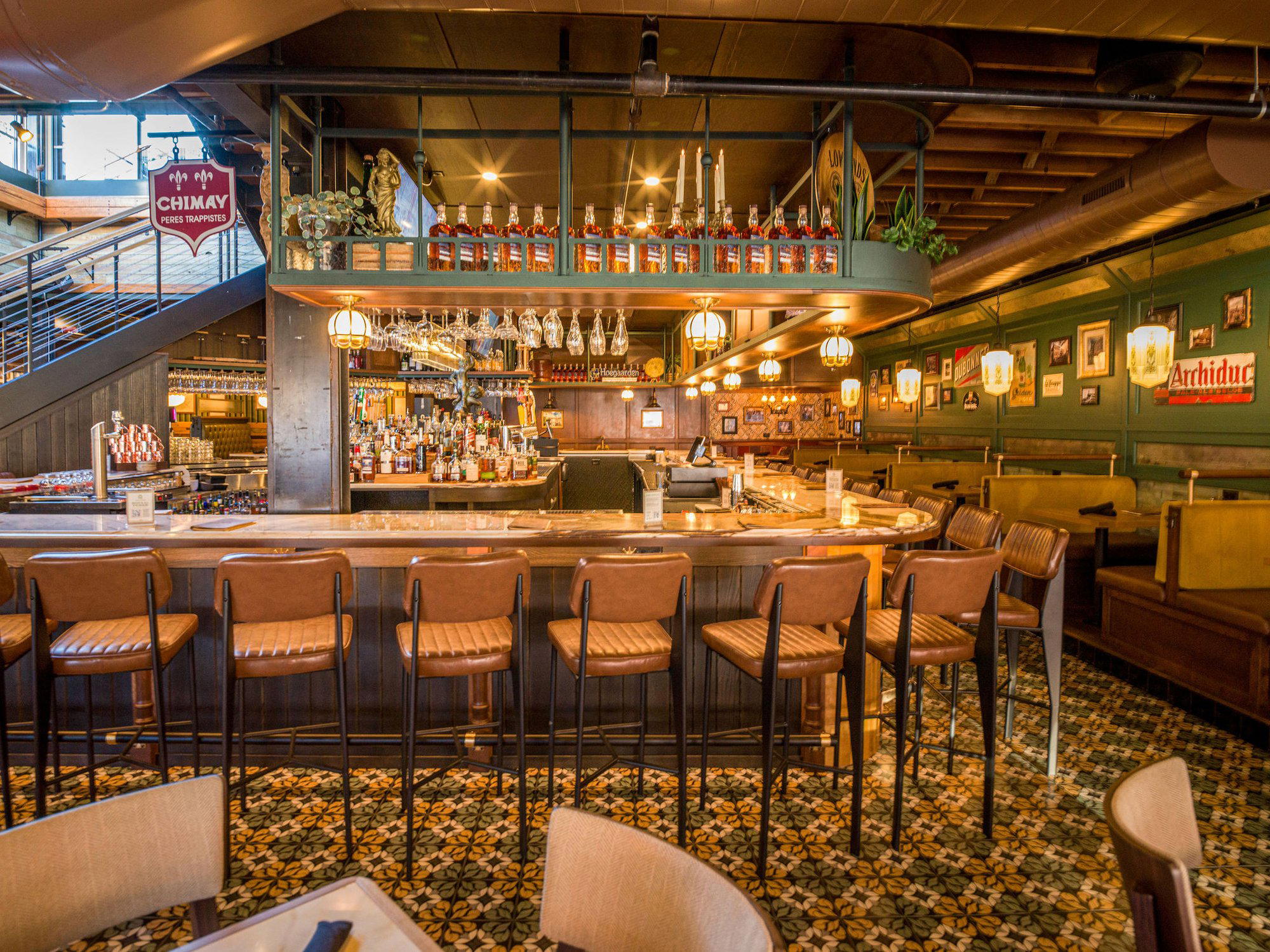
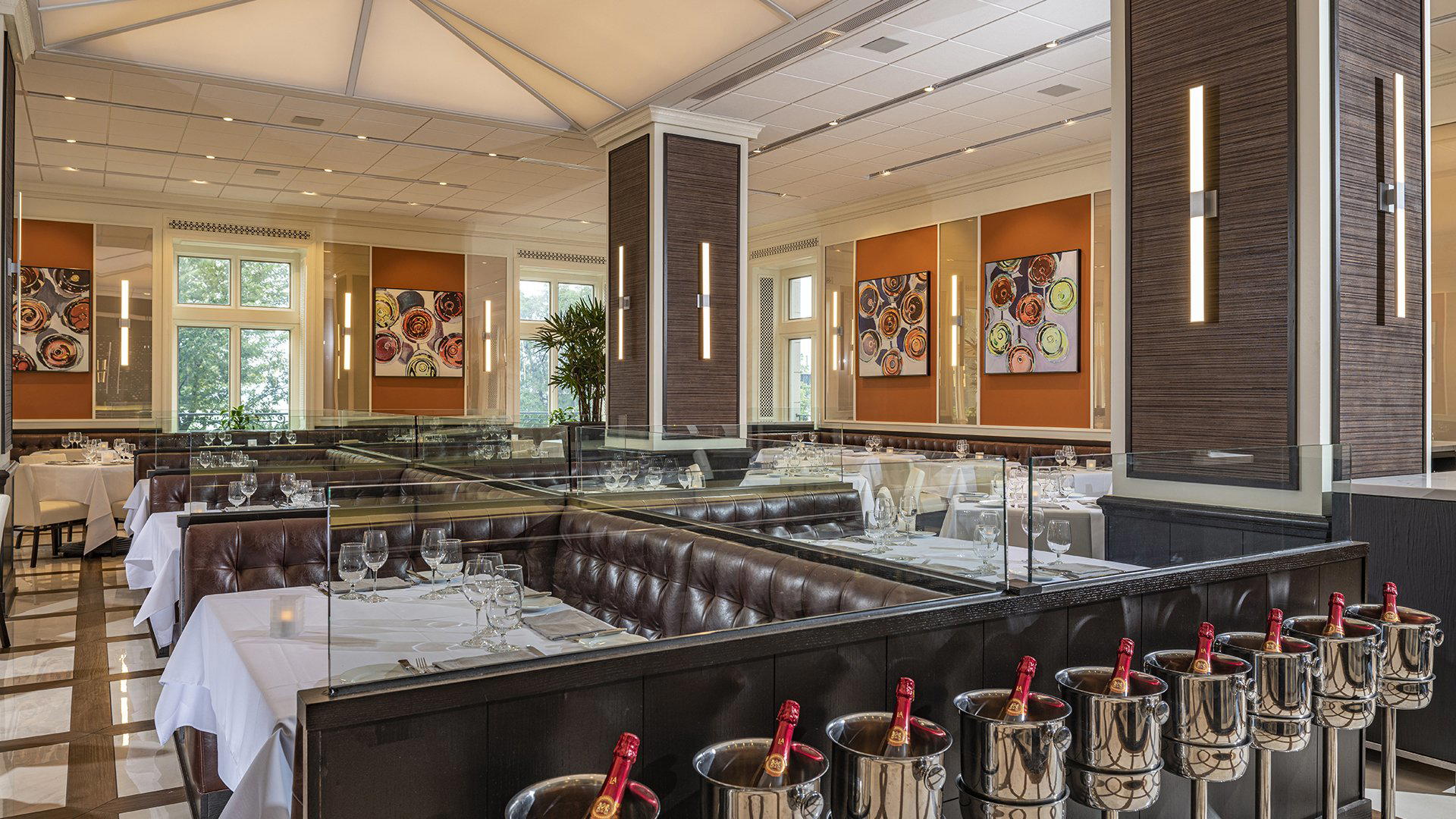
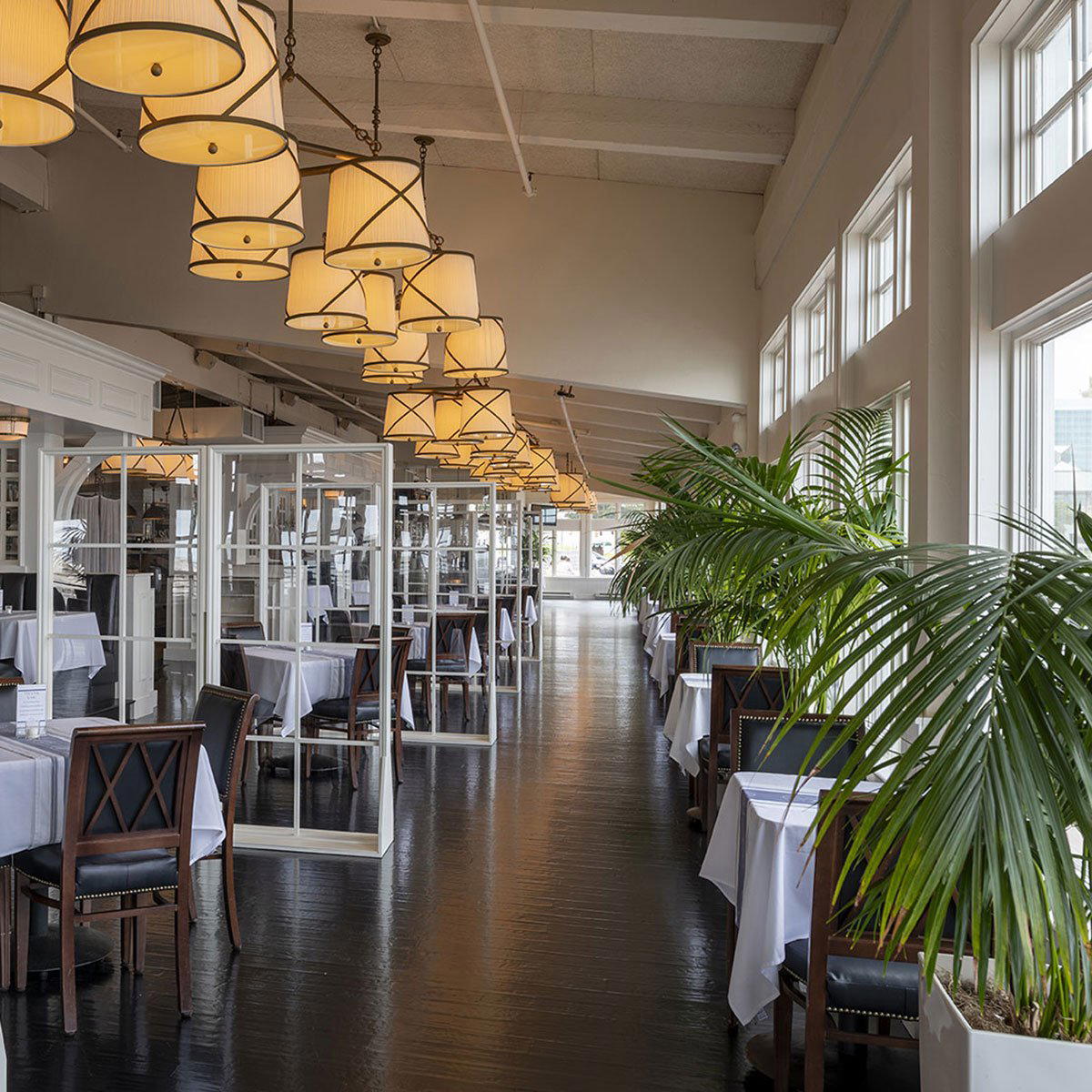
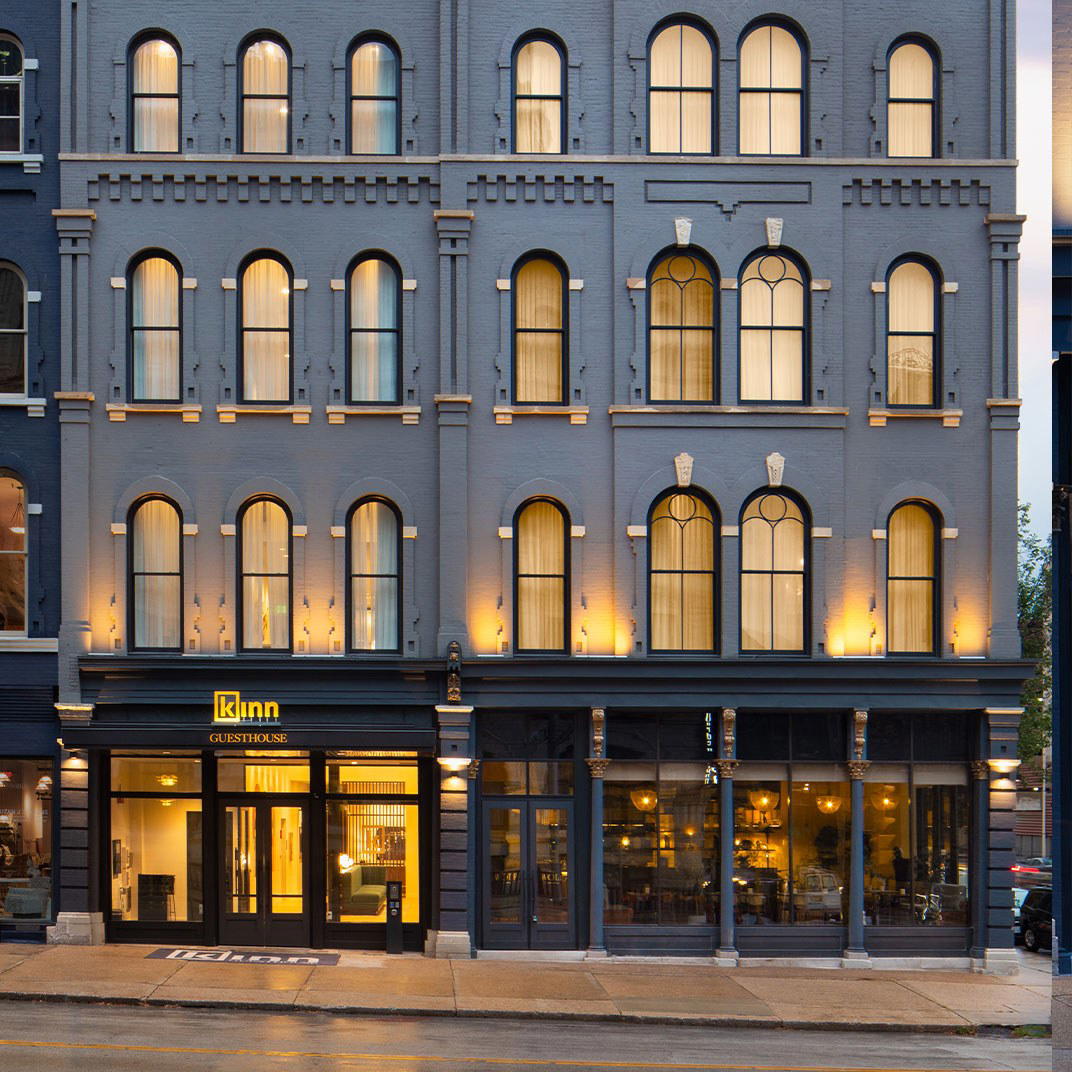
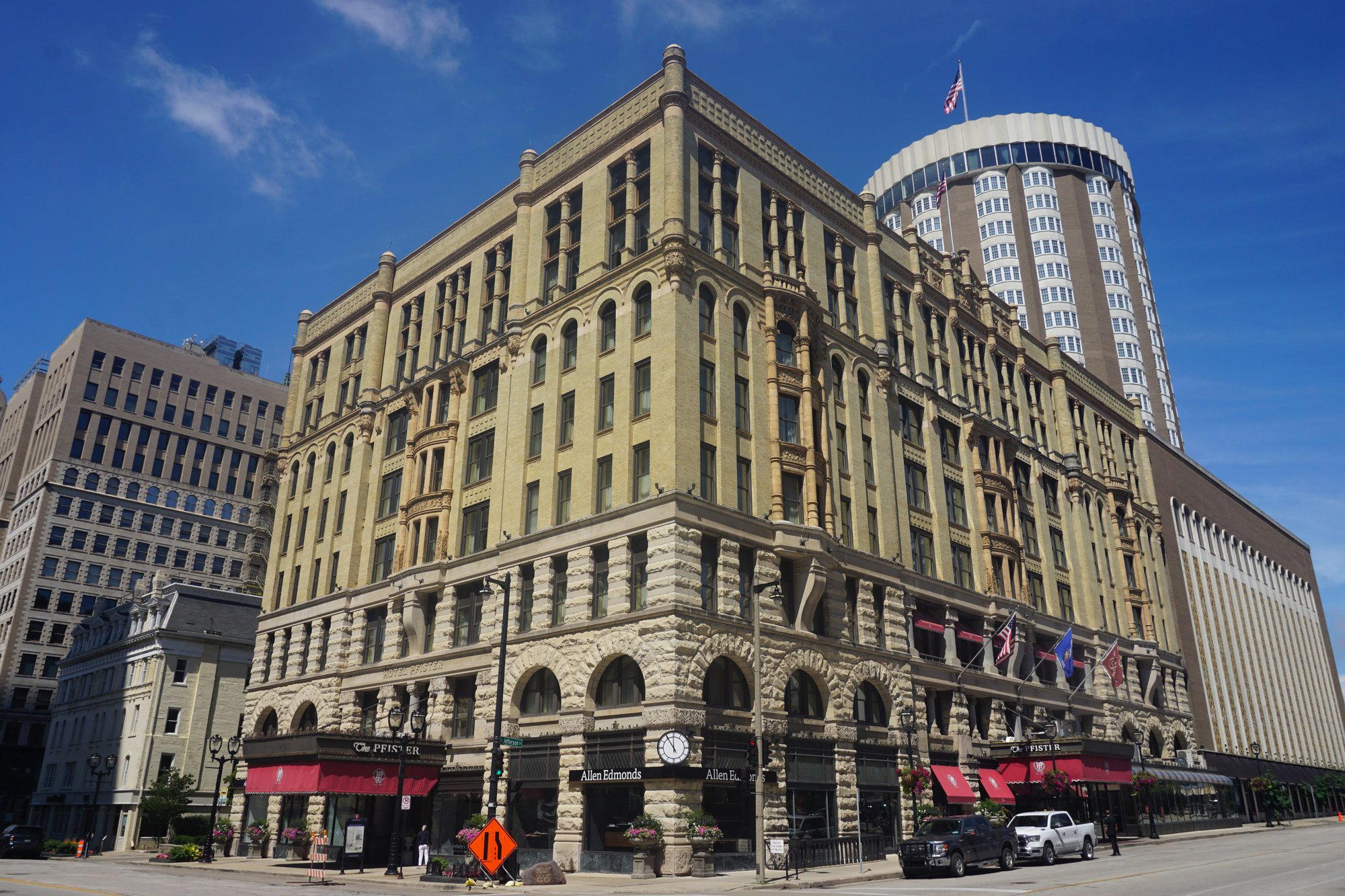
Central Standard Crafthouse & Kitchen & Craft Distillery
The drinks
- Craft cocktails
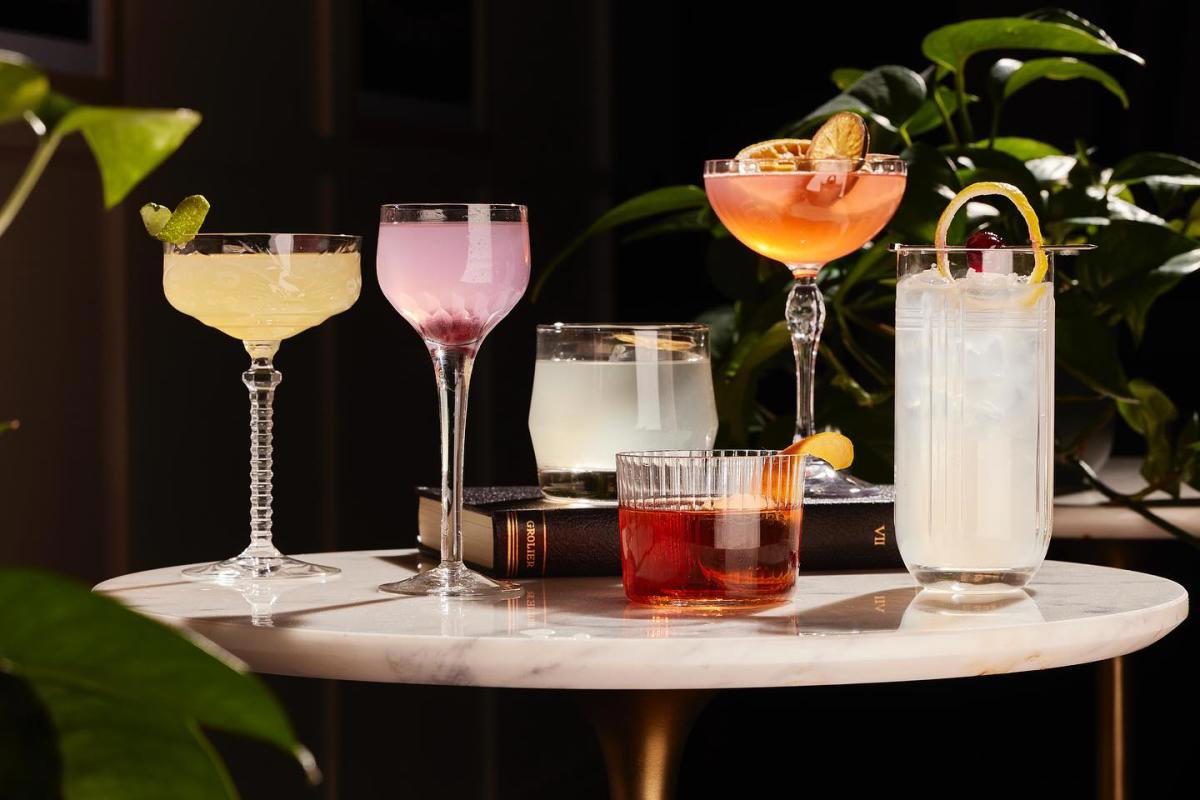
Signature drinks: Basil Gimlet, Bomb Pop, Crafthouse Collins.
Details
- Industrial
- Trendy
- Lively
- Date Night
- Group Outing
- Celebration
- Rooftop
- Live Music
- Historic Building
- Lounge Seating
- Craft Cocktails
- Whiskey
- Skyline
Current opening hours
- Monday
- 11 AM–10 PM
- Tuesday
- 11 AM–10 PM
- Wednesday
- 11 AM–10 PM
- Thursday
- 11 AM–10 PM
- Friday
- 11 AM–1 AM
- Saturday
- 10 AM–1 AM
- Sunday
- 10 AM–10 PM
Hours can change for holidays and private events. Hours as of .
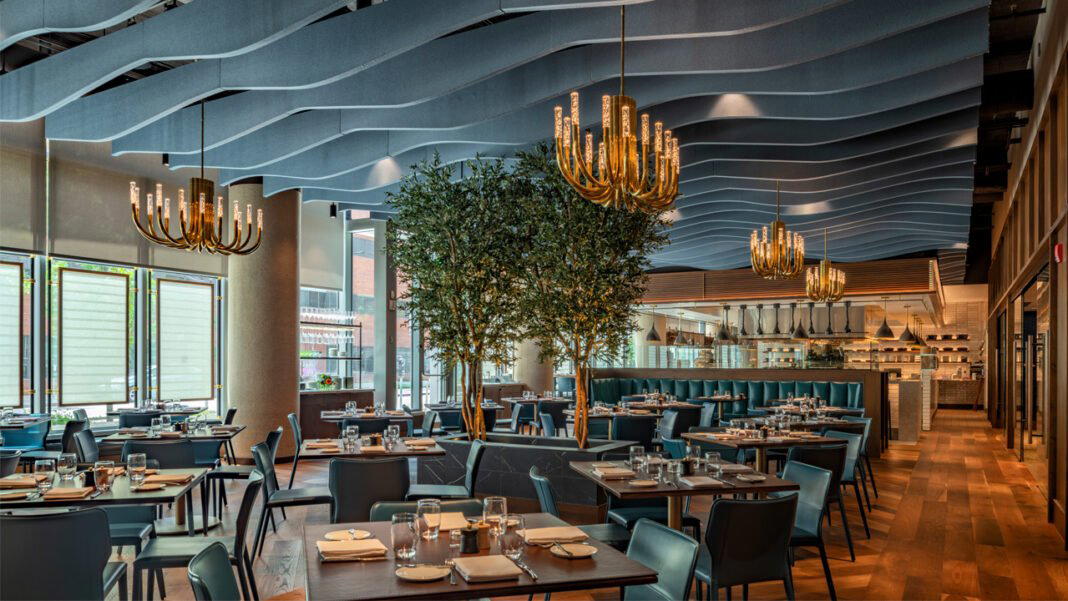
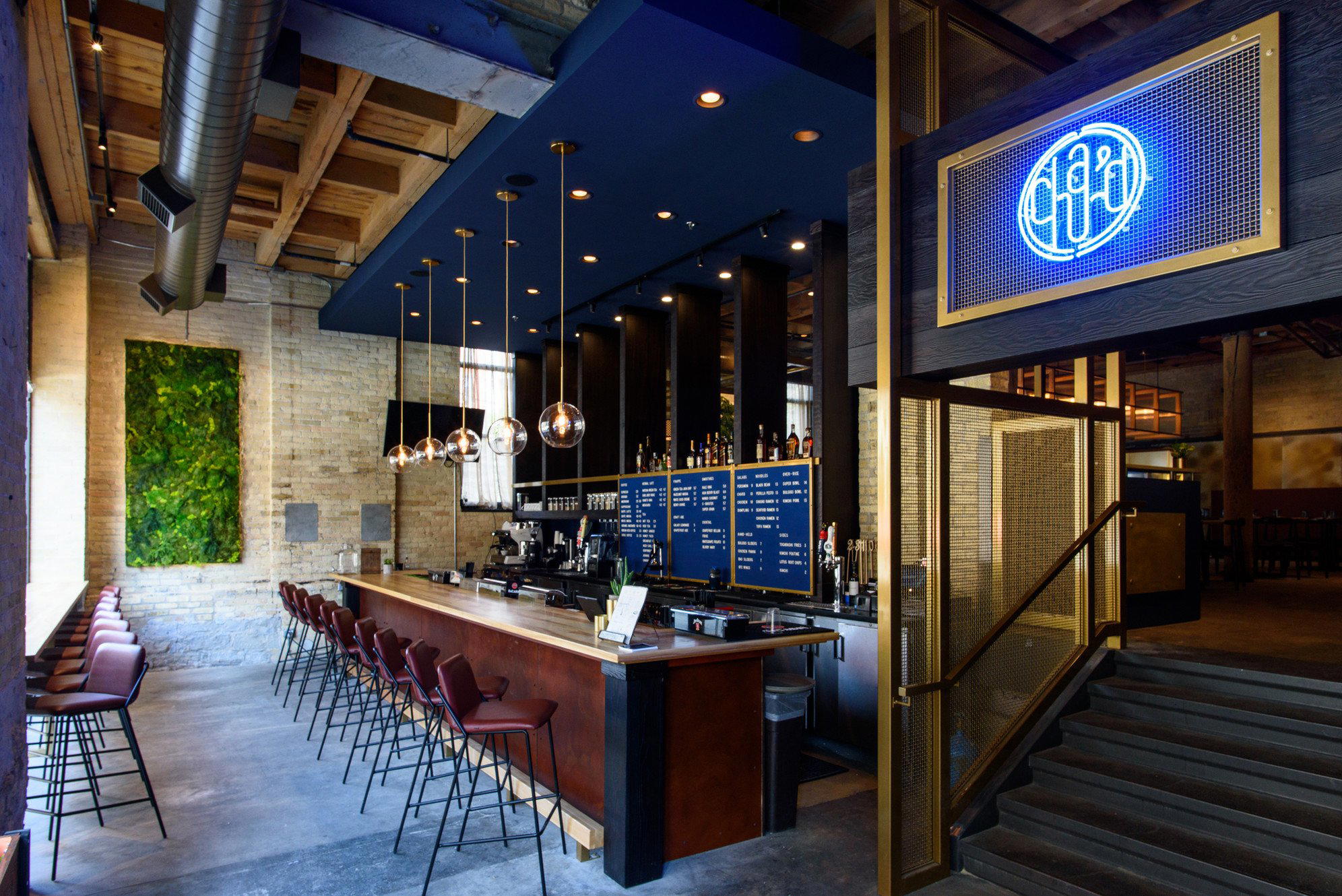
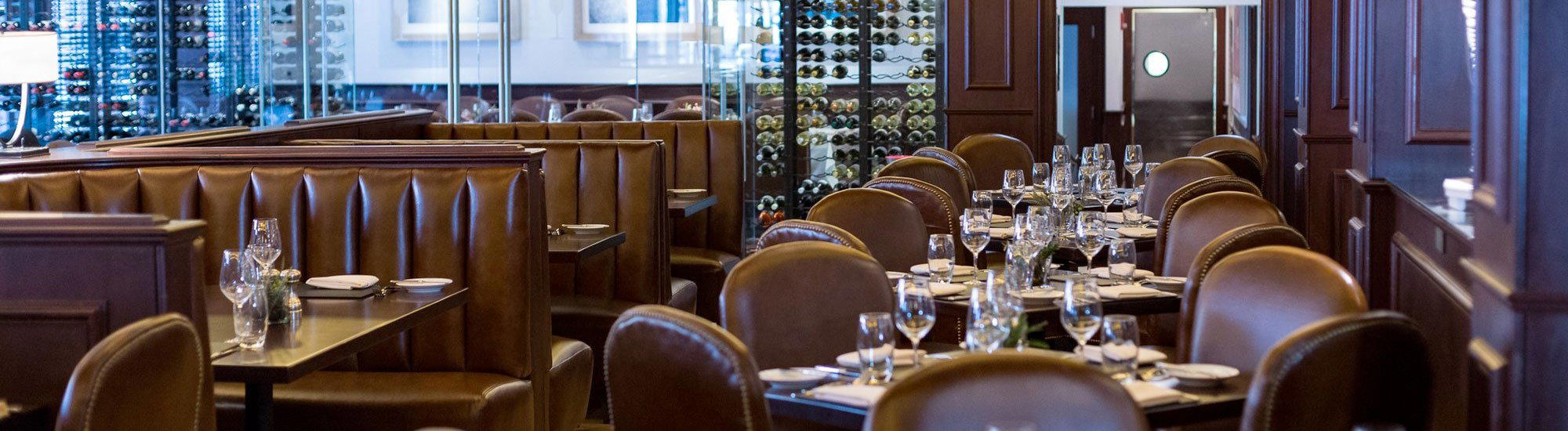
Industrial-inspired atmosphere with open-concept tasting room and lively rooftop patio ambiance.