Saint Kate - The Arts Hotel
Saint Kate - The Arts Hotel occupies a deliberate position in Milwaukee's hotel market: a property where visual art programming runs through every public space and guest room rather than functioning as lobby decoration. Located at 139 E Kilbourn Ave in the heart of downtown, it operates as a working cultural venue as much as an accommodation address, with gallery-style installations, performance programming, and food and beverage outlets that draw a non-guest audience.
 Discover on Pearl
Pearl is the En Primeur Club membership app — saves, bookings, and concierge access live there. Same editors, same standards.
- Address
- 139 E Kilbourn Ave, Milwaukee, WI 53202
- Phone
- +1 414 276 8686
- Website
- saintkatearts.com
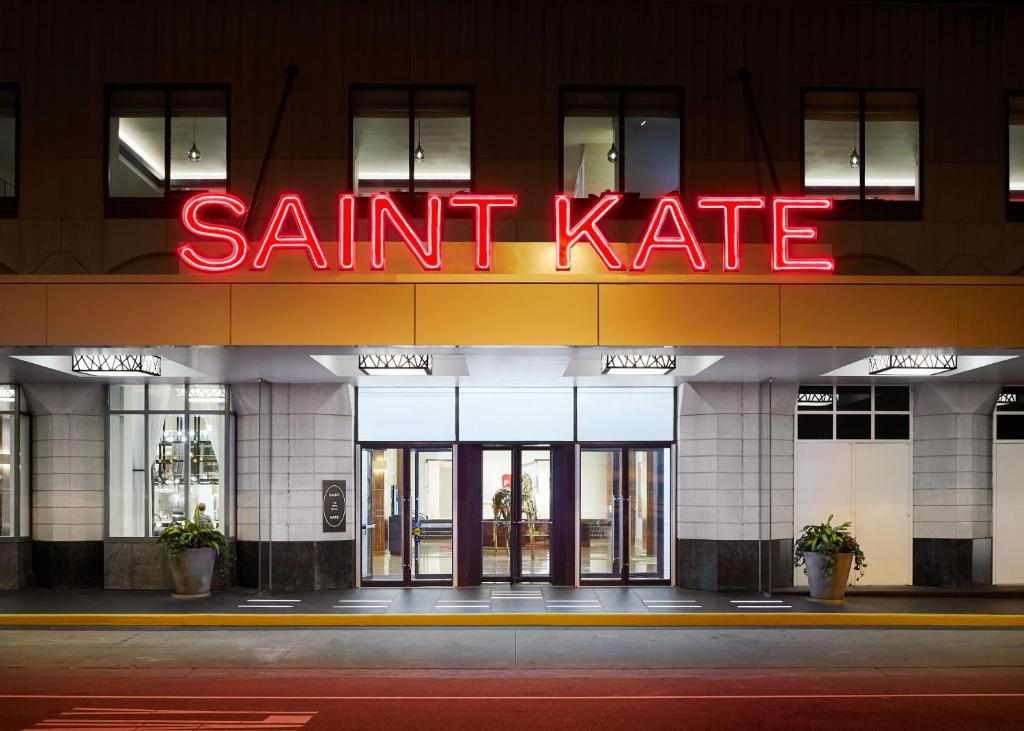
Where Milwaukee's Arts District Meets Its Dining Scene
Downtown Milwaukee's hotel market divides broadly into two camps: historic grande dame properties like The Pfister Hotel and large-format convention anchors like Hyatt Regency Milwaukee. Saint Kate - The Arts Hotel at 139 E Kilbourn Ave sits in neither. It operates in a smaller category of properties that use cultural programming as the organizing logic of the entire building, not just a branding layer applied to an otherwise standard hotel. That positioning has precedent in American hospitality: the Chicago Athletic Association redefined a historic Chicago landmark around a similar philosophy of public activation and food-and-beverage energy, and Saint Kate draws from the same playbook in Milwaukee's context.
The property takes its name from Saint Catherine of Alexandria, patron saint of philosophers and scholars, a reference that gestures toward its ambitions as a place of ideas rather than simply lodging. The building functions as a rotating gallery environment: works from local and national artists move through the corridors, lobby, and guest rooms on a programmatic basis rather than sitting in permanent installation. This curatorial rhythm gives the property a character that shifts visit to visit, which is a meaningful distinction from hotels where the design identity is fixed at opening and then maintained indefinitely.
The Food and Beverage Programme as Cultural Anchor
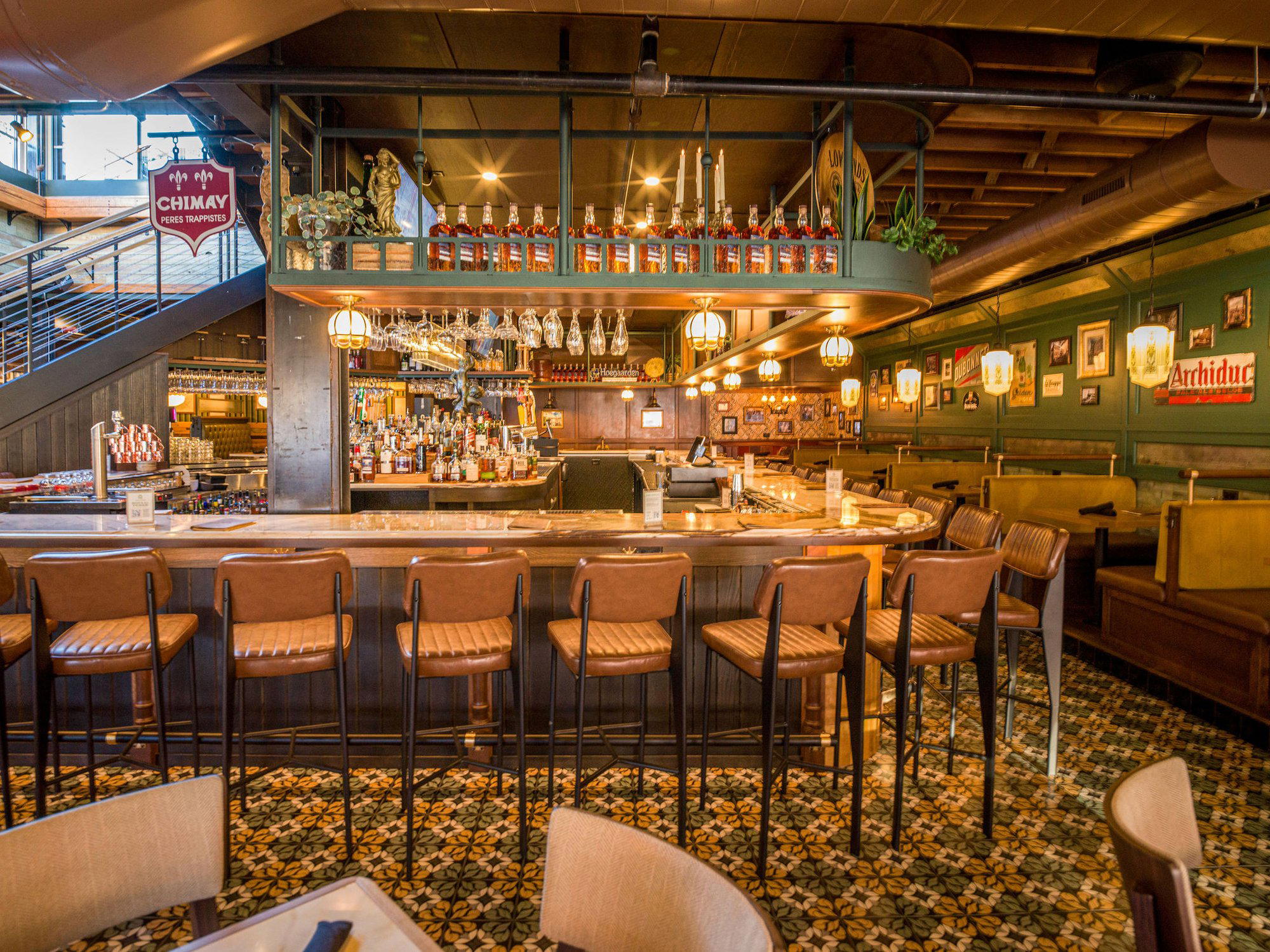
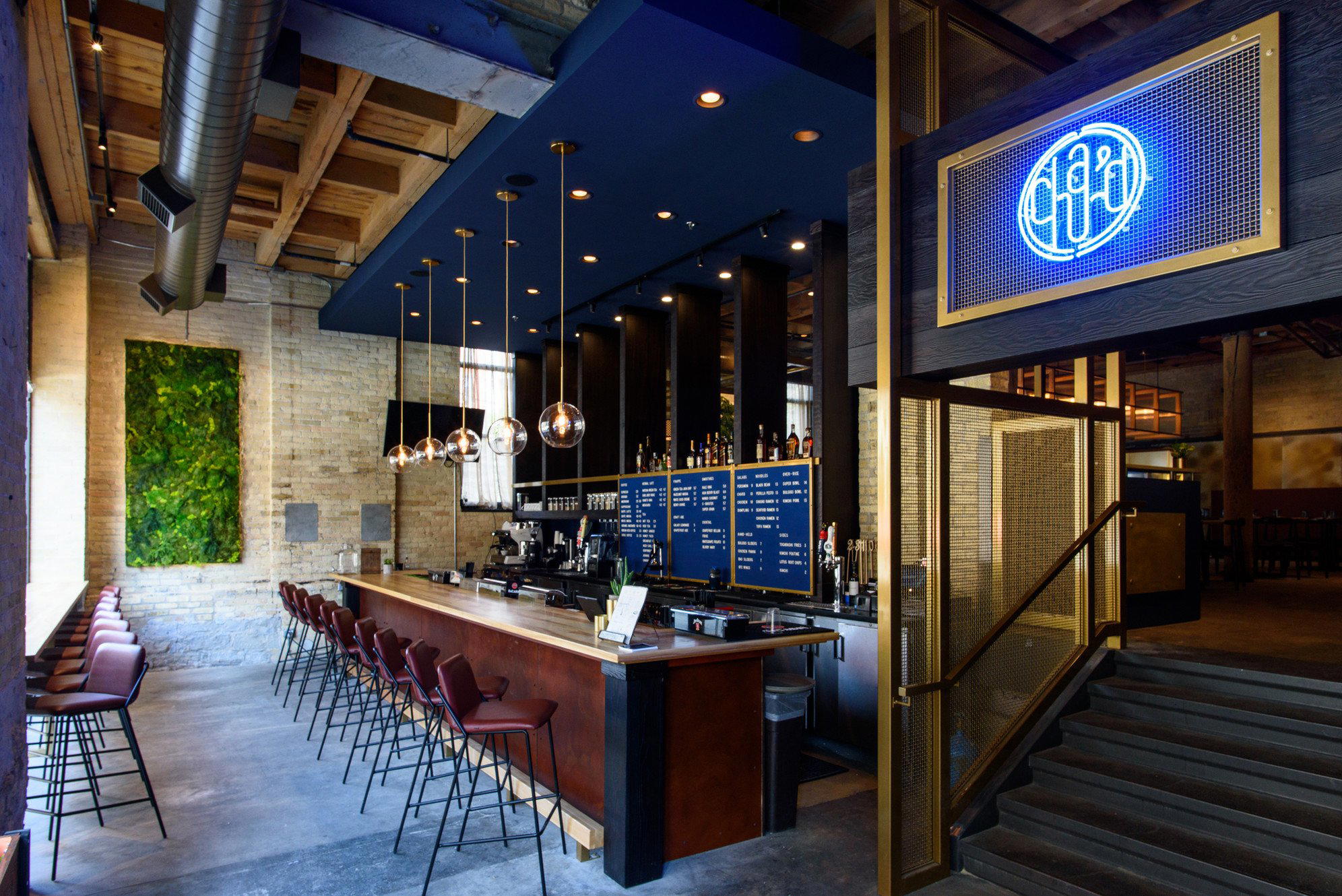
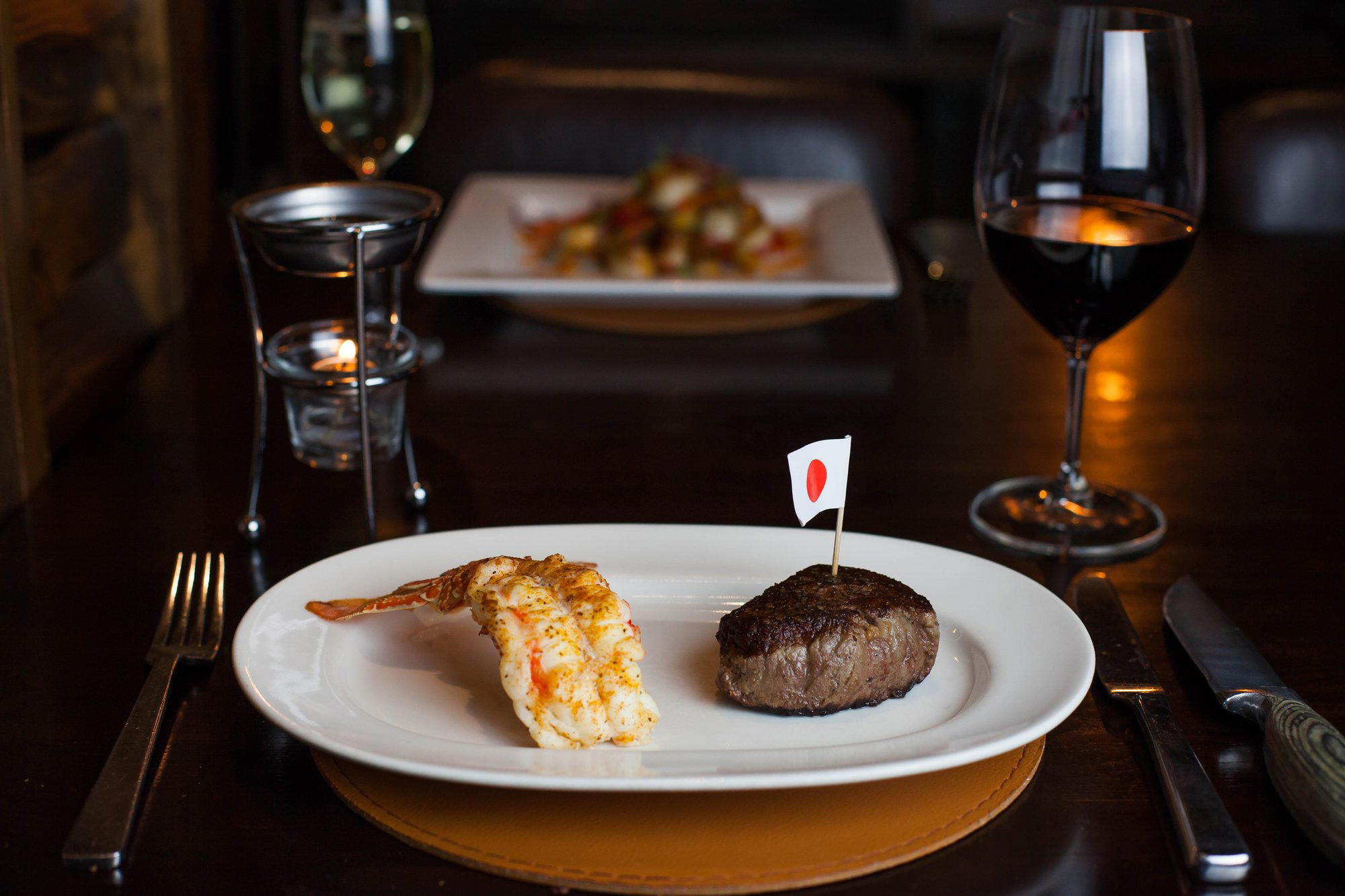
Art-hotel concepts live or die by whether their food and beverage programme has genuine identity or simply echoes the aesthetic vocabulary of the rooms. Saint Kate has invested in making its restaurant and bar outlets destinations with pull beyond the guest list, which is the marker that separates a hotel with good food from a hotel that operates as part of a neighbourhood's dining culture.
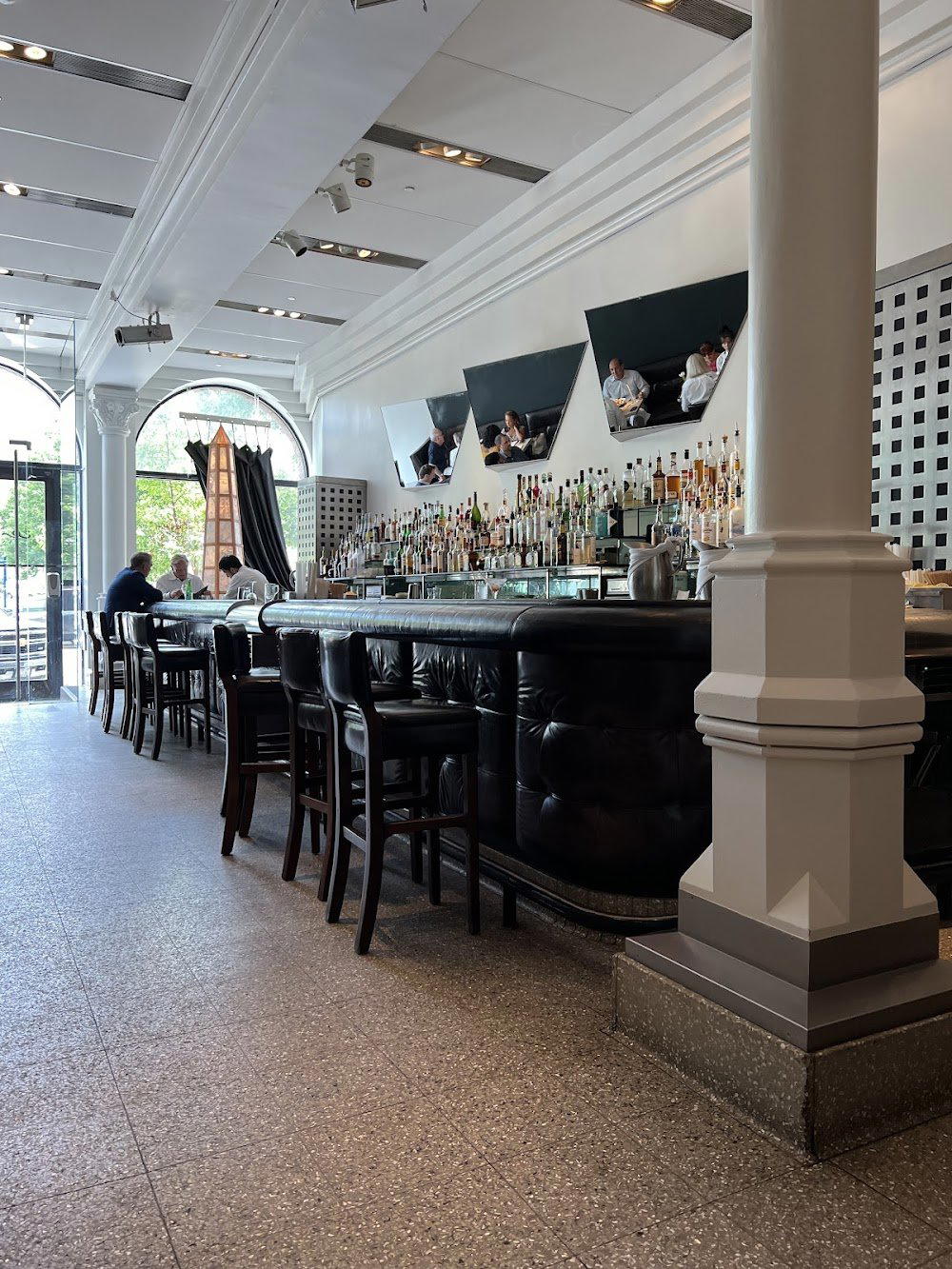
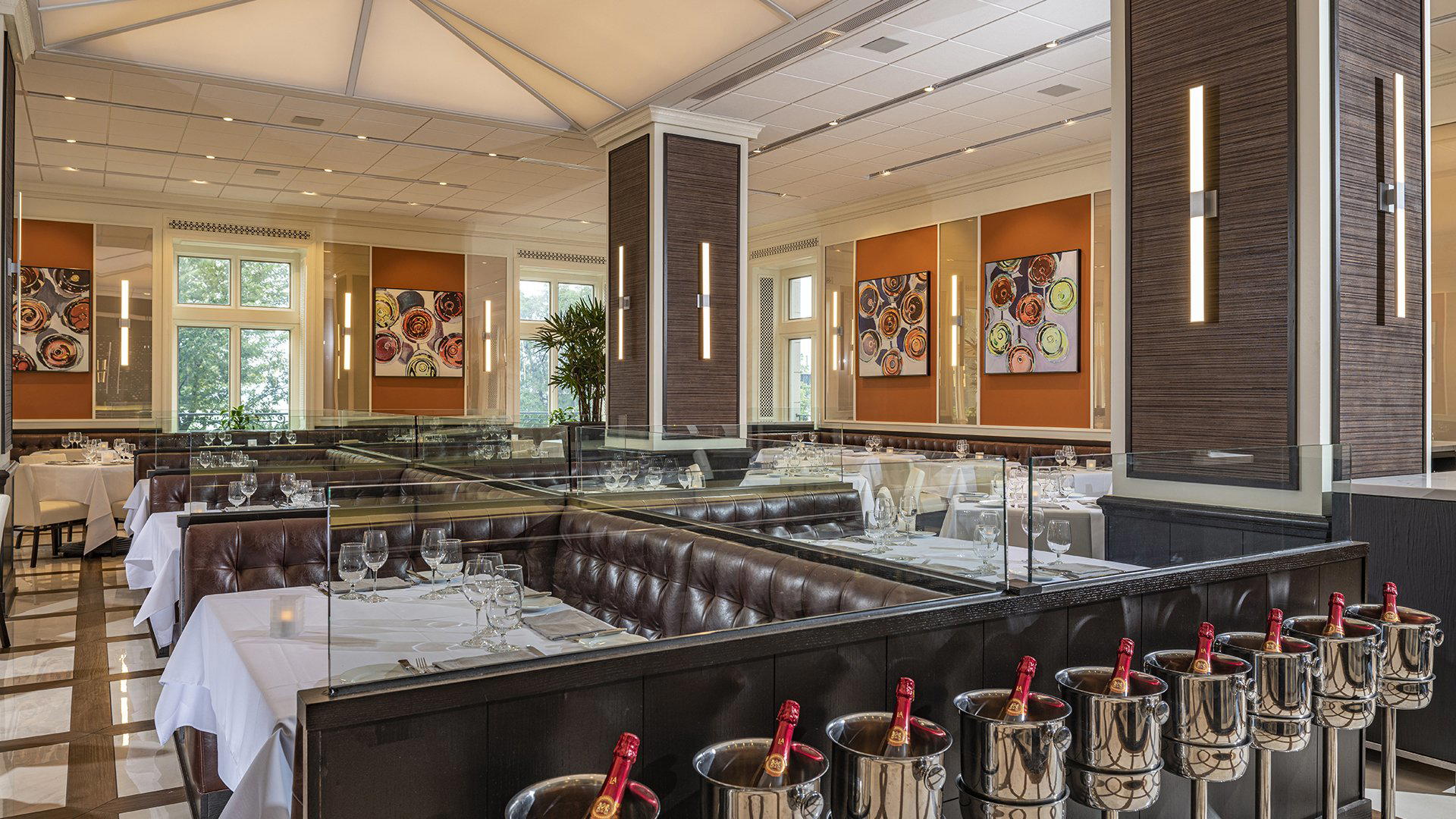
The property houses multiple food and beverage outlets, each operating with distinct formats rather than sharing a unified brasserie model. This multi-outlet structure is increasingly common among properties that want to serve different guest needs across the day without forcing every interaction through the same room and menu register. For a hotel in Milwaukee's downtown core, it also means the outlets can serve the pre-theatre, post-conference, and weekend-brunch crowds that move through this part of the city for reasons unrelated to hotel accommodation. See our full Milwaukee restaurants guide for how Saint Kate's outlets sit within the broader dining picture.
Milwaukee's dining scene has matured considerably over the past decade, moving from a market defined primarily by supper clubs and German-heritage taverns into one with a functioning mid-to-upper tier that draws comparisons to mid-size Midwestern cities with stronger culinary reputations. Saint Kate's position in that evolution is as a gathering point that makes arts programming and quality food available in the same building, reducing the friction of evening planning for visitors and residents alike.
Guest Rooms Designed as Gallery Space
The guest room format at Saint Kate follows the logic of the public spaces: original art is incorporated into individual rooms rather than reserved for corridors and lobbies. This approach requires active curation and refresh cycles that most hotel operations prefer to avoid, which explains why the format remains relatively rare even among properties that identify as art-focused. Properties like Troutbeck in Amenia and Hotel Bel-Air in Los Angeles each demonstrate how design identity can be woven into the physical fabric of a property rather than applied decoratively, and Saint Kate takes a comparable approach through the lens of contemporary art rather than landscape or heritage.
For guests whose hotel choice is partly driven by the environment they'll inhabit during the stay, this matters. The alternative in Milwaukee at comparable positioning is a room that reflects professional hospitality design competence without particular character. Saint Kate offers the trade-off of a more demanding aesthetic environment in exchange for one that has genuine curatorial intention behind it.
Planning Your Stay
Saint Kate sits at 139 E Kilbourn Ave, placing it within walking distance of the Milwaukee Theatre District, the Milwaukee Art Museum, and the broader downtown core. That location makes it a practical base for visitors whose itinerary combines cultural programming with dining, which aligns with the hotel's own identity. The Midwest's art-hotel tier has expanded in recent years, with properties in Chicago and Minneapolis establishing the category more firmly, but Milwaukee's market remains less crowded at this positioning, which means Saint Kate operates with less direct local competition than comparable concepts in larger cities.
For context on how Saint Kate's format compares to art-forward and design-led hotels in other American markets, the The Fifth Avenue Hotel in New York City, 1 Hotel San Francisco, and Raffles Boston each represent how design-forward hospitality operates at different scales and market contexts. Further afield, properties like Amangiri in Canyon Point, Amangani in Jackson Hole, and Post Ranch Inn in Big Sur demonstrate what happens when design identity is built around landscape rather than cultural programming. SingleThread Farm Inn in Healdsburg and Bernardus Lodge & Spa in Carmel Valley show how hospitality properties can make food and beverage the primary identity driver. Auberge du Soleil in Napa, Four Seasons at The Surf Club in Surfside, Kona Village, A Rosewood Resort in Kailua Kona, Little Palm Island Resort & Spa in Little Torch Key, and Canyon Ranch Tucson occupy entirely different positioning. For European reference points, Aman Venice and Badrutt's Palace Hotel in St. Moritz show how art and heritage intersect in old-world hospitality contexts, while Aman New York and Ambiente, A Landscape Hotel in Sedona reflect how concept-driven American properties operate at the premium end. Alpine Falls Ranch in Superior and Sage Lodge in Pray anchor the Midwest and mountain West end of the design-led spectrum.
Cost and Credentials
Comparable venues nearby, for context on price, style, and recognition.
| Venue | Price | Awards | Notes |
|---|---|---|---|
| Saint Kate - The Arts HotelThis venue — the venue you are viewing | $$$ | 4-Star | |
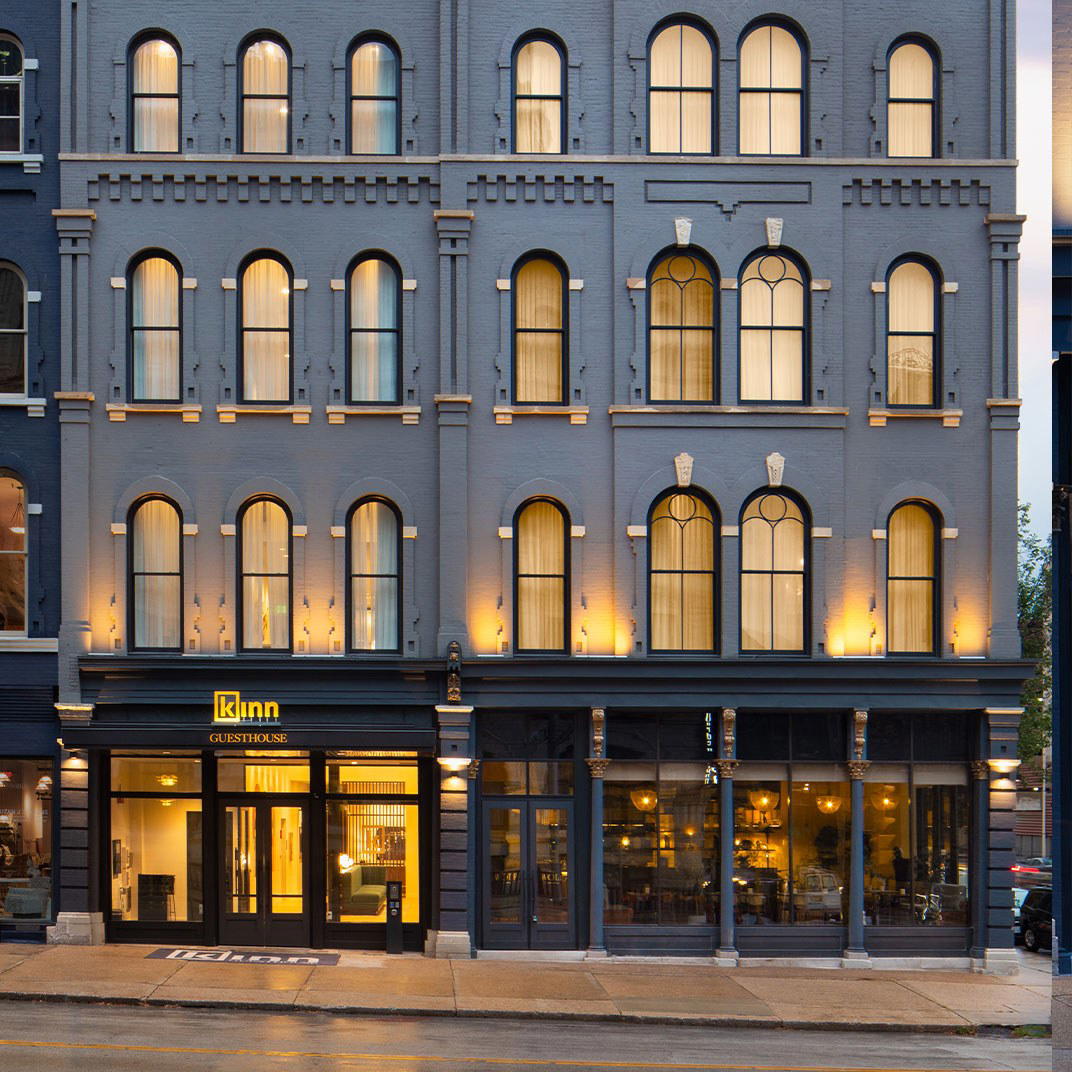
| Kinn Guesthouse | $$$ | 4-Star | Juneau Town, Modern boutique guesthouse concept fusing Airbnb-style residential living with curated hotel design and communal spaces. |
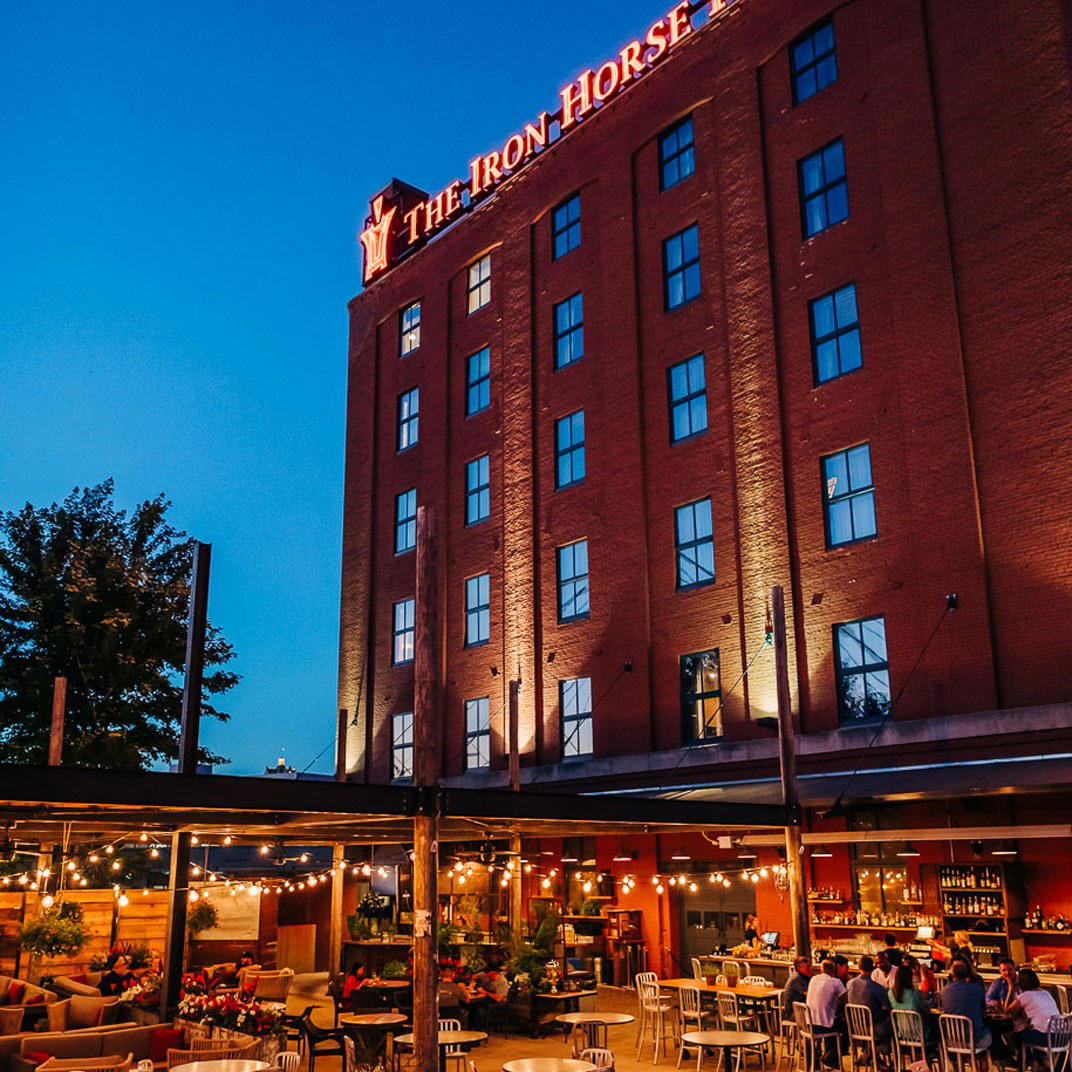
| The Iron Horse Hotel | $$$$ | 4-Star | Walker'S Point, Historic warehouse transformed into luxury loft-style boutique |
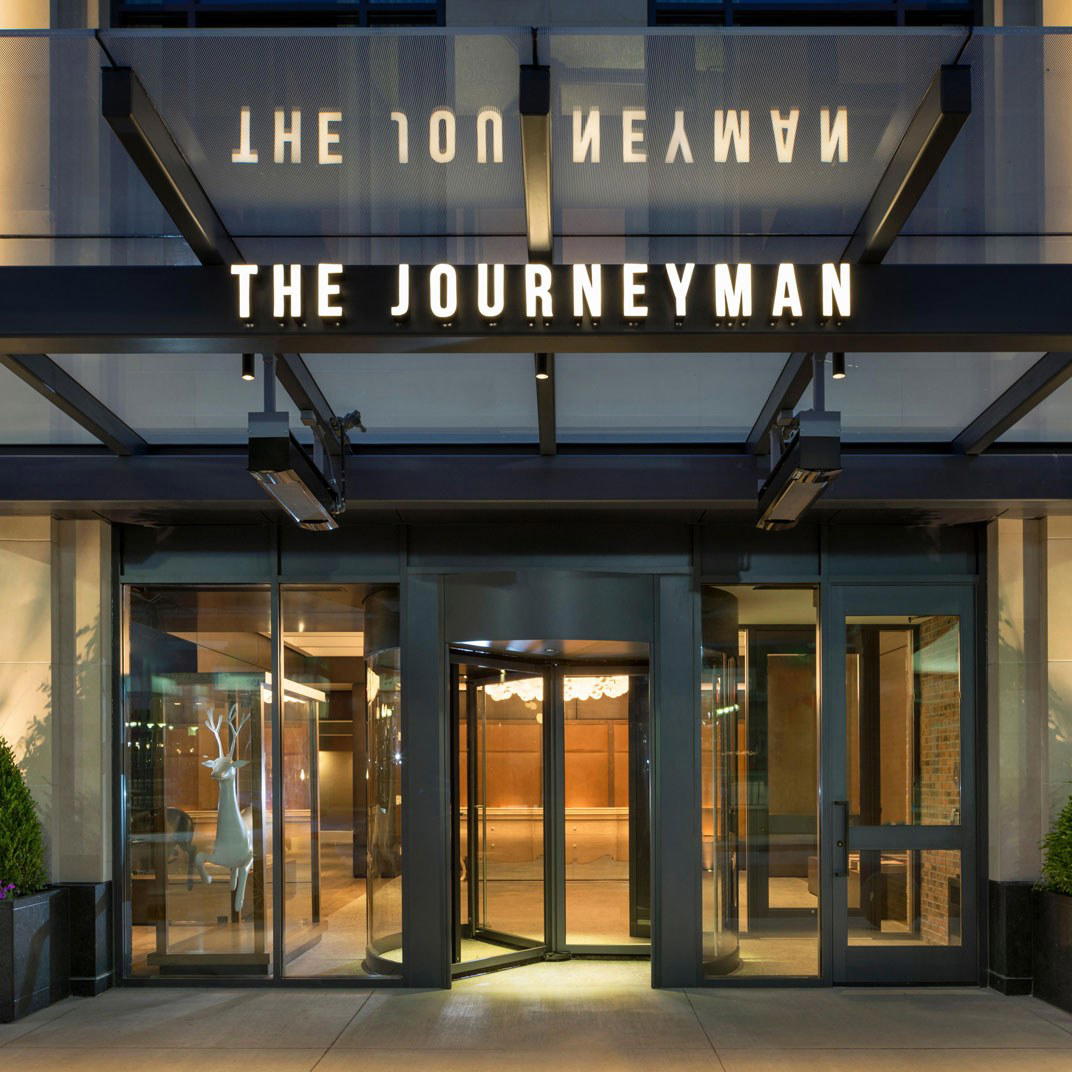
| Kimpton Journeyman Hotel | $$$ | 4-Star | Historic Third Ward, Contemporary boutique with playful design philosophy honoring historic district heritage |
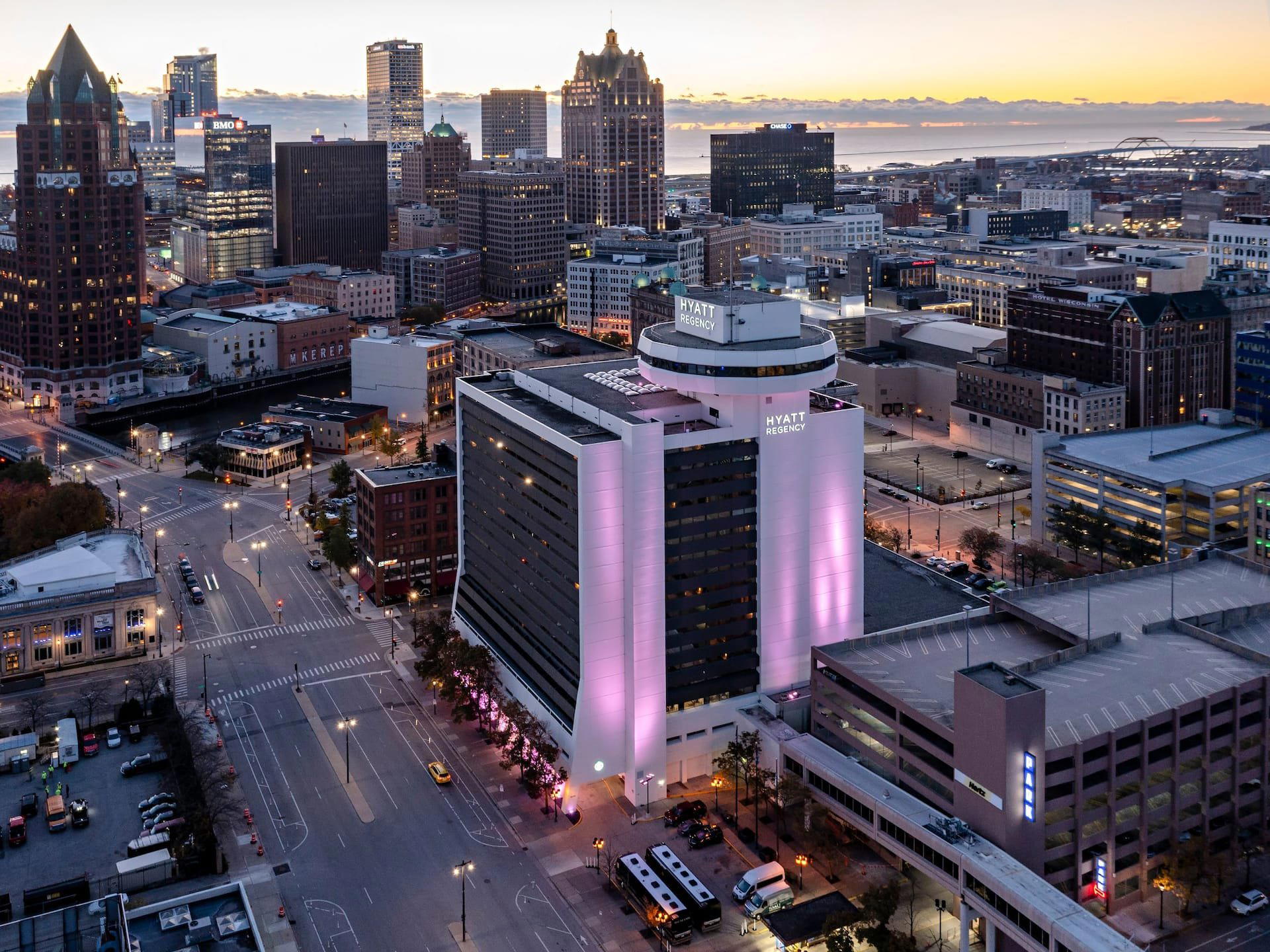
| Hyatt Regency Milwaukee | $$$ | 4-Star | Kilbourn Town, Contemporary downtown business hotel with skywalk connections to convention centers |
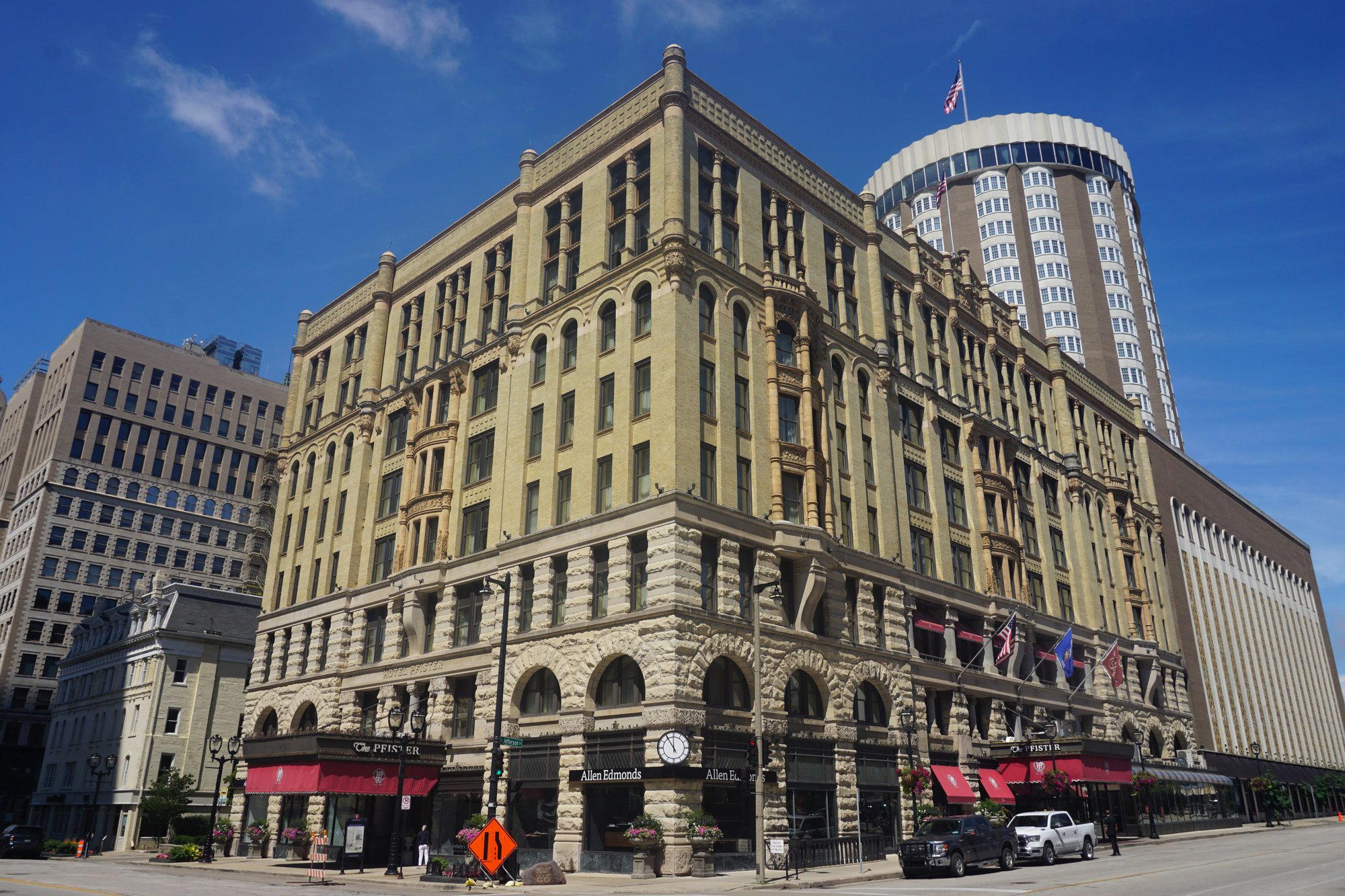
| The Pfister Hotel | $$$$ | 5-Star | Juneau Town, Historic European-style boutique hotel with contemporary tower addition, blending 1893 Victorian architecture with modern luxury amenities. |
At a Glance
- Modern
- Lively
- Sophisticated
- Trendy
- Romantic Getaway
- Business Trip
- Weekend Escape
- Celebration
- Design Destination
- Panoramic View
- Historic Building
- Terrace
- Wifi
- Fitness Center
- Room Service
- Concierge
- Valet Parking
- Restaurant
- Bar
- Theater
- Art Galleries
- Live Music
- Skyline
- Street Scene
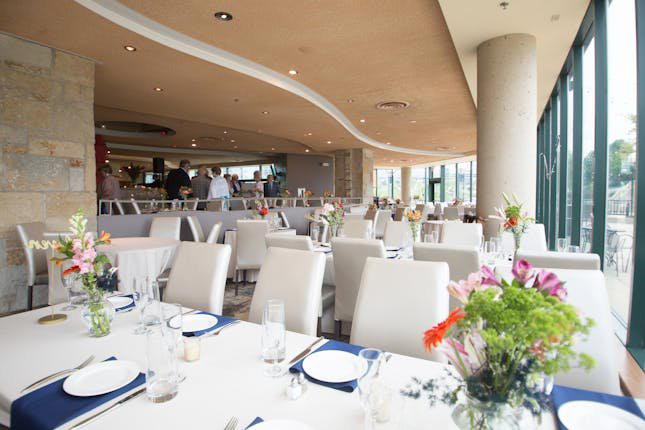
Vibrant and creative with modern art installations, live performances, and dynamic lighting throughout the lobby and galleries; energetic yet sophisticated atmosphere.