Swig
Swig occupies a spot on North Broadway in Milwaukee's Historic Third Ward, placing it inside one of the city's most concentrated corridors for serious drinking and dining. The bar draws on a downtown scene that has increasingly traded novelty theatrics for program depth, making it a reference point for understanding how Milwaukee's cocktail culture has matured in recent years.
- Address
- 217 N Broadway, Milwaukee, WI 53202
- Phone
- +14144317944
- Website
- swigmilwaukee.com
- Directions
- Get directions
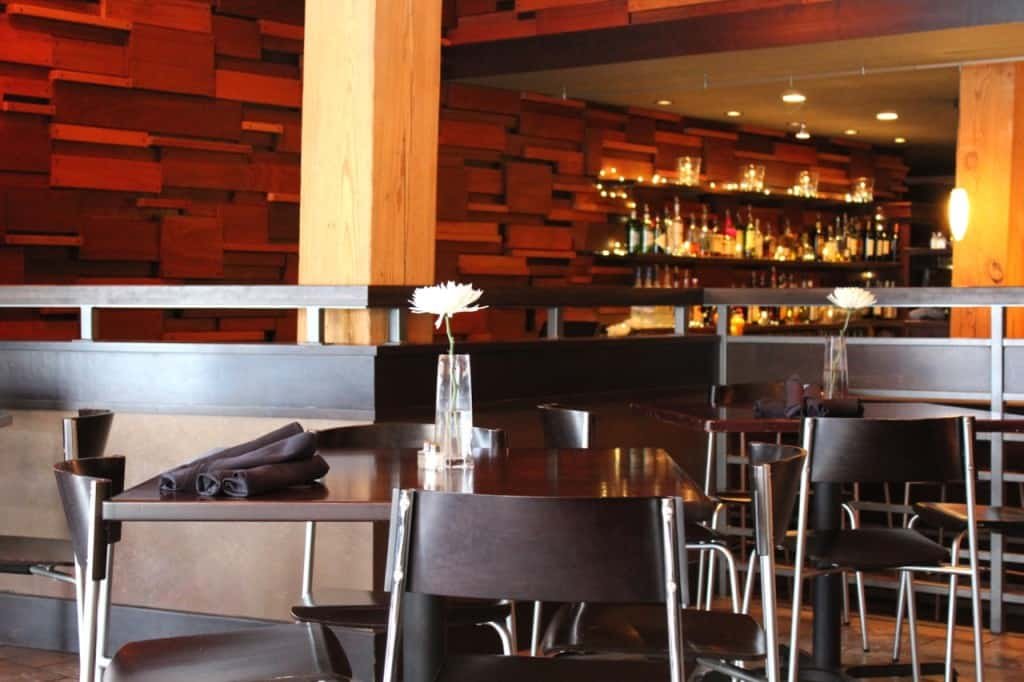
North Broadway and the Architecture of Milwaukee's Drinking Scene
Swig is a restaurant serving Modern American Small Plates at 217 N Broadway in Milwaukee's Historic Third Ward. North Broadway, where Swig sits at 217, is the spine of that argument. The street runs through a neighbourhood that converted warehouse and light-industrial stock into gallery space, wholesale showrooms, and hospitality venues over the past two decades, a pattern common to post-industrial American downtowns, but executed in Milwaukee with enough density to produce actual critical mass rather than isolated outposts. For a bar operating in this environment, the neighbourhood context is not incidental; it shapes the customer, the price expectation, and the competitive set.
American cocktail culture has gone through a legible arc over the past fifteen years. The first wave of the revival leaned heavily on secrecy: unmarked doors, reservation-only seating, and menus written in cipher. The second wave, still ongoing in many cities, has shifted toward transparency and technique, programs built around house-made ingredients, documented sourcing, and service that explains rather than mystifies. Milwaukee has tracked this national arc, though on a timeline slightly behind the coastal markets, which means the city's better bars are now operating at a level of program seriousness that visitors accustomed to judging Milwaukee against its own earlier reputation will find genuinely surprising. Swig belongs to this current chapter of the city's bar history.
Where Milwaukee's Bar Program Sits in a National Frame
To understand what a serious Milwaukee bar is competing against, it helps to triangulate against the national tier. Operations like Lazy Bear in San Francisco or Atomix in New York City represent the absolute upper edge of American hospitality programs, where beverage service is fully integrated into a multi-course tasting format and the bar team carries as much institutional weight as the kitchen. Below that tier, but above the mass-market bracket, sits a layer of independently operated bars in second and third-tier American cities that have absorbed the technical lessons of the past decade and are applying them in markets with lower overhead and different customer bases. This is the tier Milwaukee's North Broadway corridor occupies, and it produces a different kind of experience than either the destination flagship or the neighborhood dive, one defined by proximity, regularity, and a less performative relationship between guest and staff.
The Third Ward's bar scene also sits in productive tension with its restaurant neighbours. The Diplomat and Amilinda represent the kitchen-forward end of Milwaukee's serious dining, while Bacchus, A Bartolotta Restaurant and Bartolotta's Lake Park Bistro anchor the wine-and-dining tradition. A bar operating in this context is not competing with those kitchens so much as completing a circuit, giving the neighbourhood's dining guests somewhere to land before or after, and giving the city's bar-first drinkers a destination that can hold its own in a conversation about food-adjacent craft. Birch represents another node in the same network of venues shaping downtown Milwaukee's current identity.
Local Ingredients, Global Method: The Editorial Angle That Matters Here
One interesting development in American bar programs over the past decade is not the spread of any single technique, it is the collision between globally sourced methodology and locally contingent ingredients. Bartenders trained in the clarification and fat-washing techniques associated with elite programs in London, Tokyo, or New York are now applying those methods to ingredients that are specific to their geography: regional spirits, foraged botanicals, locally cultured acids. In the Upper Midwest, this means working with a pantry that includes distinct cold-climate produce, dairy-forward local agriculture, and a craft spirits scene that has grown substantially in Wisconsin over the past eight years.
This intersection, imported technical rigor applied to indigenous product, is what separates a genuinely regional bar program from one that is simply replicating a coastal template. The same dynamic appears at the restaurant level in venues like Blue Hill at Stone Barns in Tarrytown and Single Thread Farm in Healdsburg, where the sourcing philosophy is the primary editorial statement. In a bar context, the expression is different, a cocktail program cannot replicate the farm-to-table formalism of a tasting menu, but the underlying logic is the same: technique is portable, ingredient character is not, and the bars that understand this distinction produce something that could not be reproduced in another city without losing something essential.
Milwaukee's geography reinforces this logic. The city sits between the Great Lakes and the agricultural interior of Wisconsin, which means access to cold-water ingredients, dairy-derived products, and a grain economy that has historically fed both the brewing industry and, more recently, a craft distilling sector. A bar program that ignores these inputs in favour of generic spirit brands and standardised citrus is leaving the interesting local story untold. The bars in the Third Ward that have recognised this, and applied professional technique to regional material, are the ones that warrant attention from visitors whose frame of reference includes Le Bernardin in New York City or The French Laundry in Napa but who come to Milwaukee precisely because the city operates outside those markets' pricing and reservation pressure.
Planning Your Visit to Swig
Swig is located at 217 N Broadway in Milwaukee's Historic Third Ward, making it walkable from both the downtown hotel district and the lakefront. Swig is walk-in friendly and has a smart casual dress code.
Comparable Options
Comparable venues nearby, for context on price, style, and recognition.
| Venue | Cuisine | Price | Notes |
|---|---|---|---|
| SwigThis venue — the venue you are viewing | Modern American Small Plates | $$ | Not listed |
| Story Hill BKC | New American Share Plates | $$ | Story Hill |
| Milwaukee Waterfront Deli | American Deli | $$ | Juneau Town |
| Maxie's | Southern Cajun & Creole | $$ | Bluemound Heights |
| Cafe Hollander | Dutch-Belgian Café | $$ | Northpoint |
| Botanas Restaurant | Authentic Mexican | $$ | Walker'S Point |
Continue exploring
More in Milwaukee
Restaurants in Milwaukee
Browse all →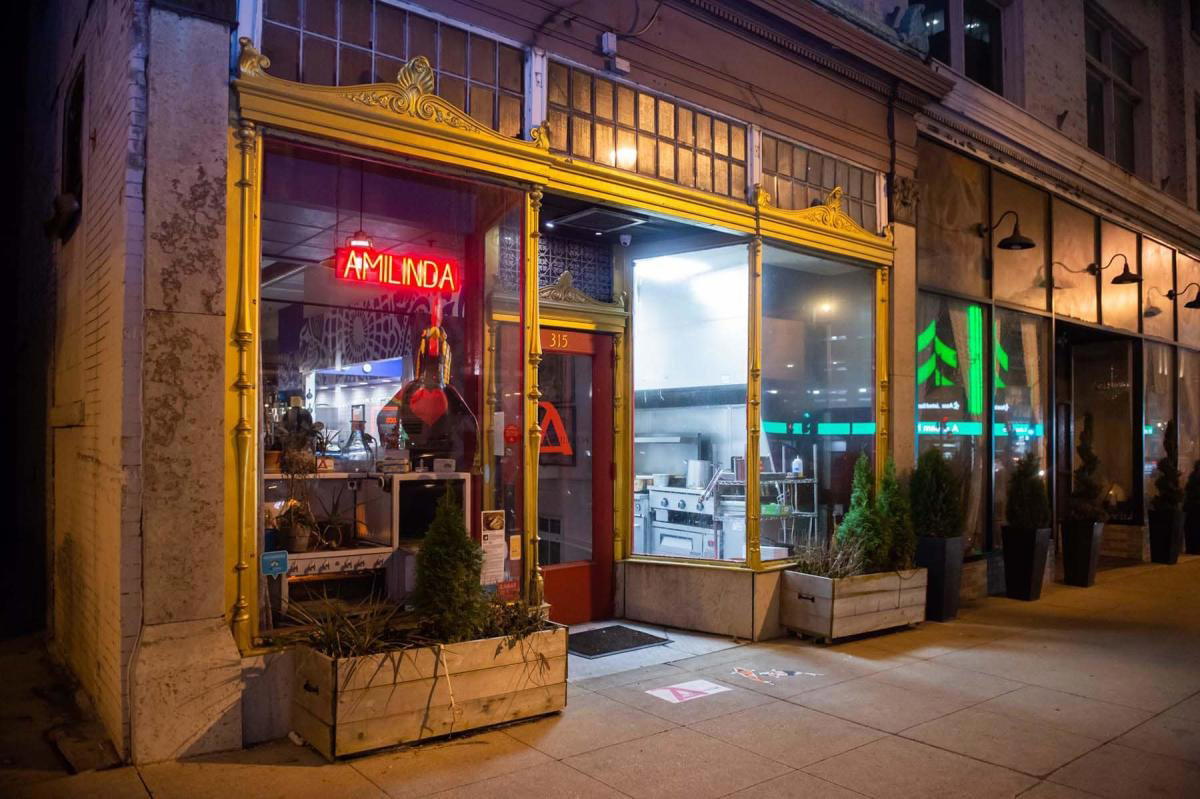
Bars in Milwaukee
Browse all →
At a Glance
- Cozy
- Modern
- Rustic
- Trendy
- Casual Hangout
- Date Night
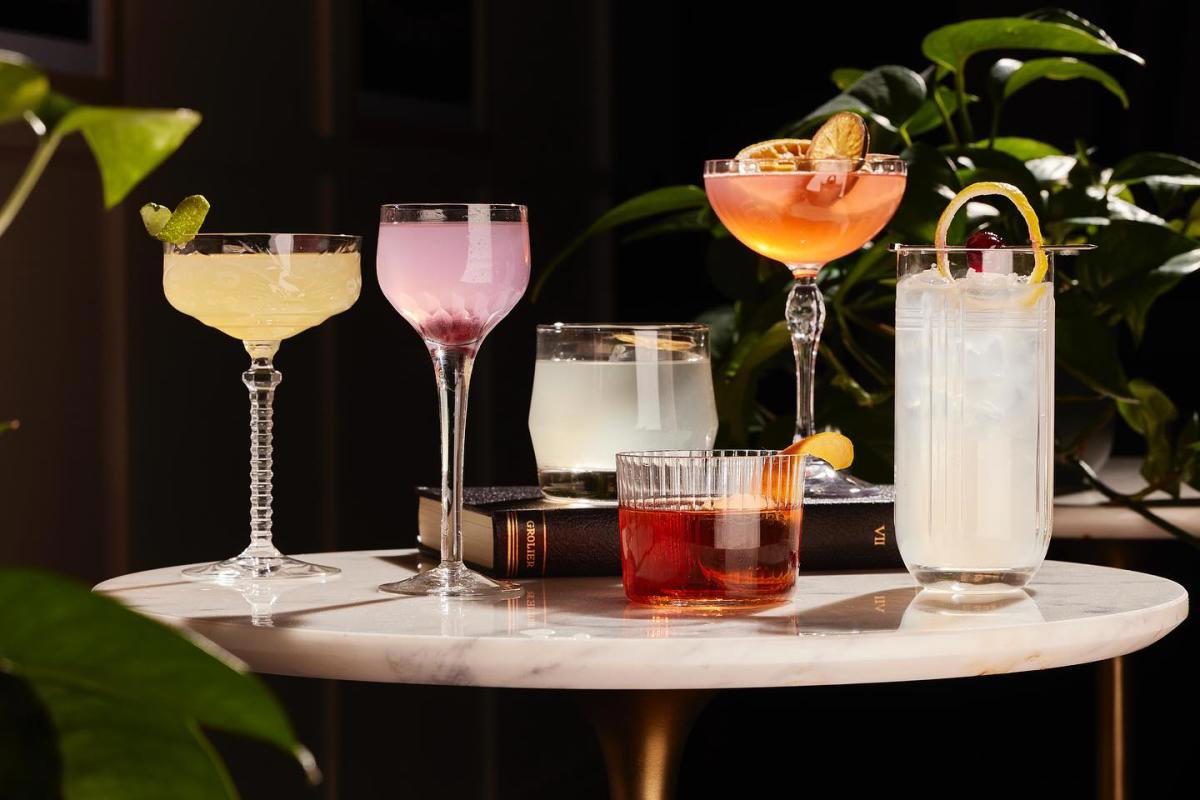
- Craft Cocktails
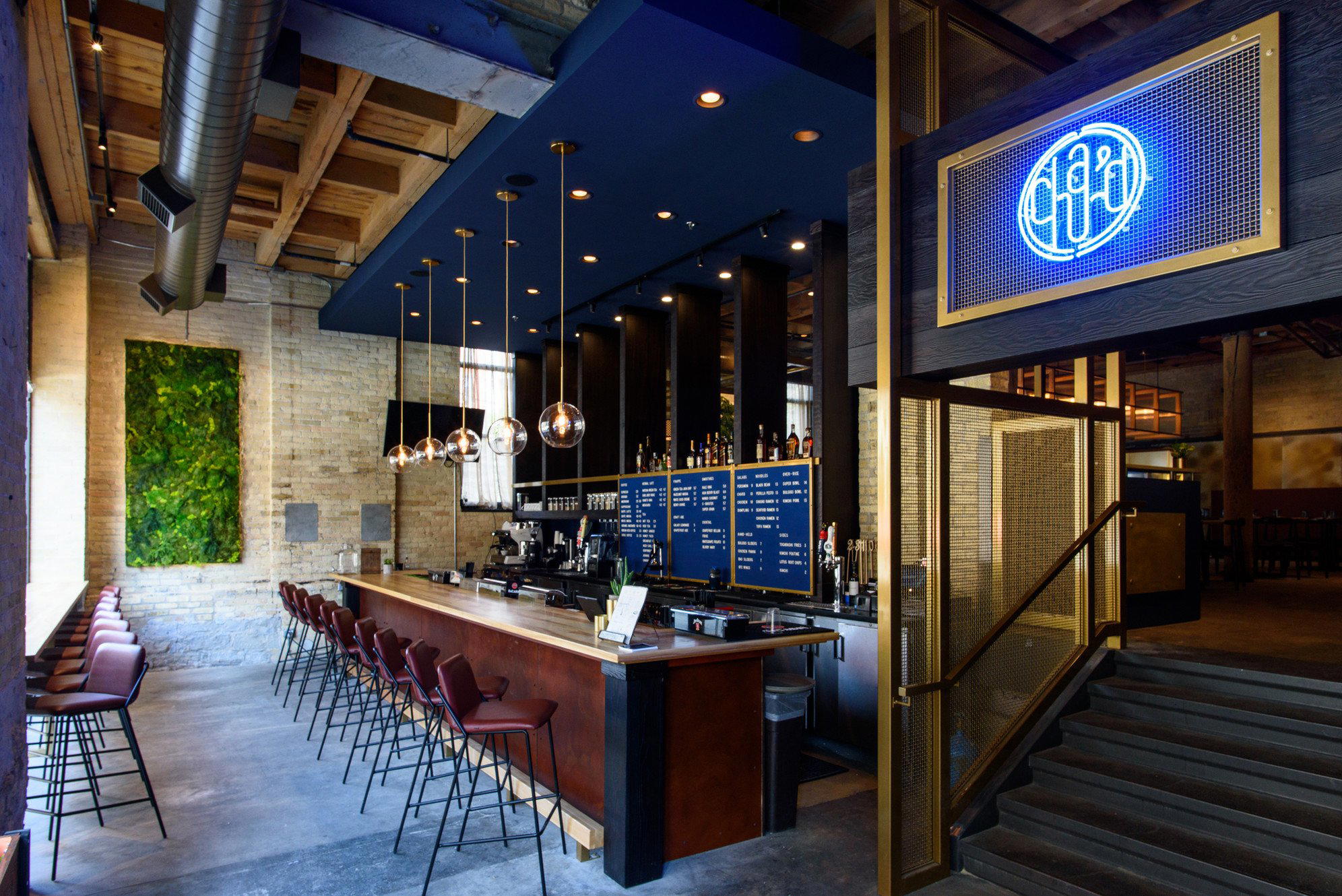
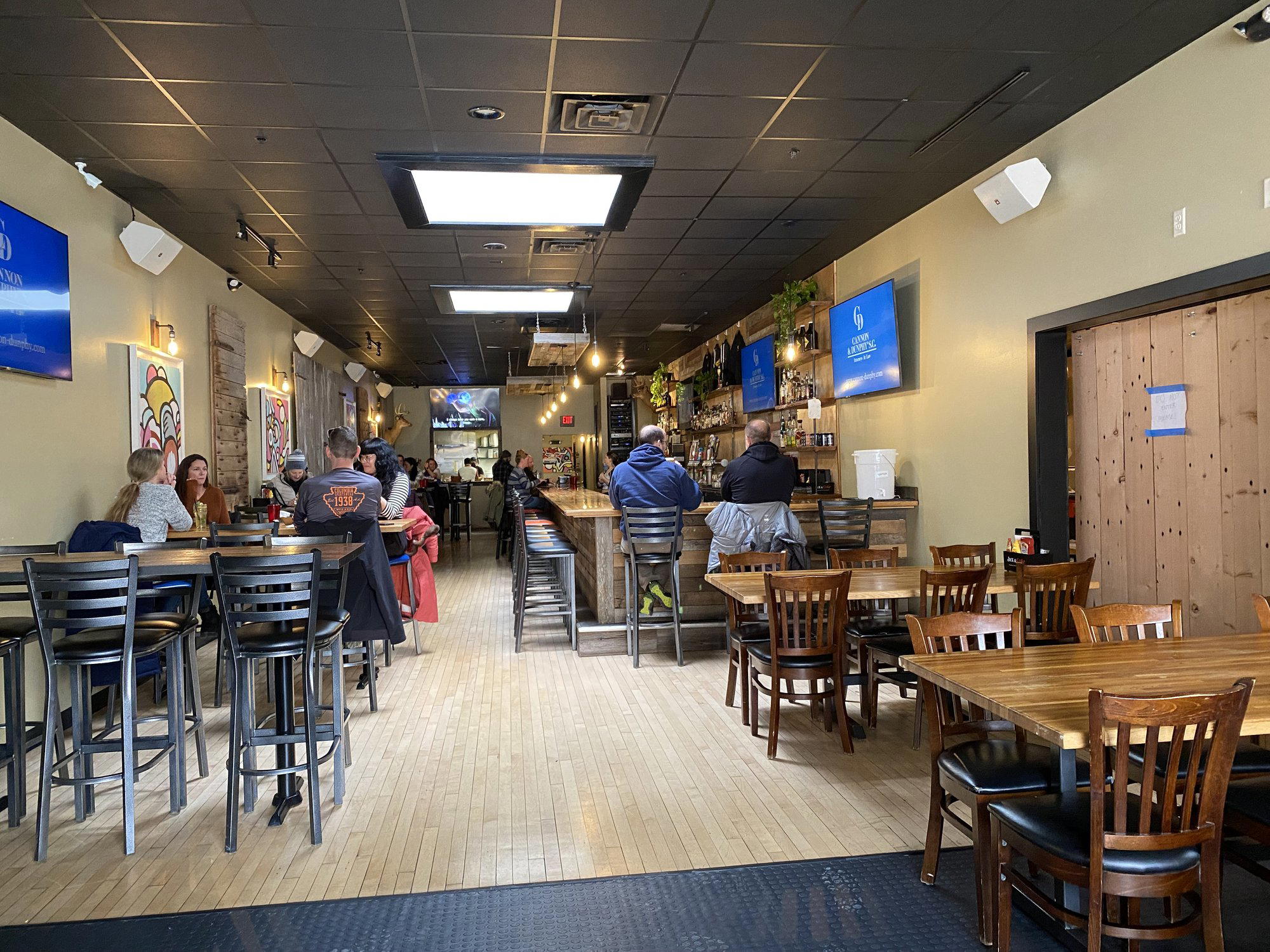
Rustic brick interior with modern decor, Edison bulbs, warm and inviting atmosphere, cozy yet chic feel.