Go Brewing
Go Brewing operates out of Naperville's Quincy Avenue corridor, bringing a craft-focused brewing program to Chicago's western suburbs. The taproom format places it in a growing tier of destination breweries that treat the pint as seriously as any cocktail program. For Naperville drinkers stepping beyond the downtown bar strip, it represents a different kind of evening.

Pearl is the En Primeur Club membership app, where members save venues, book tables and use the concierge.
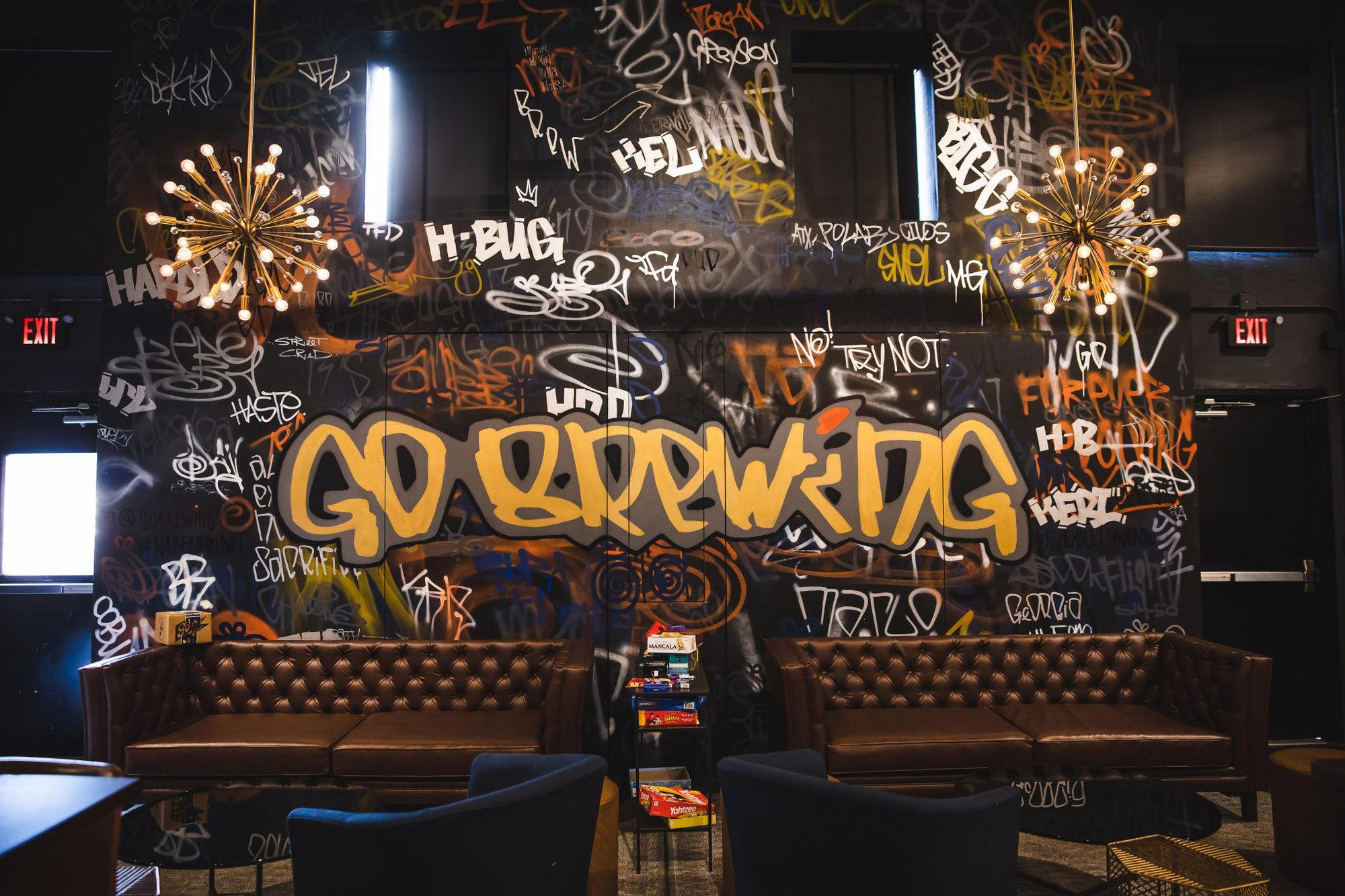
Craft Beer in Chicago's Western Suburbs: Where Go Brewing Sits
Naperville's drinking scene has, for most of its modern history, organized itself around the downtown corridor: sports bars, wine-forward restaurants, and a handful of cocktail-oriented rooms like IKKAI and Jackson Avenue Pub. The craft brewery format represents a different spatial logic entirely. Rather than competing for foot traffic on Jefferson Avenue, production-focused taprooms tend to anchor in light-industrial or mixed-use corridors where square footage supports both brewing equipment and a guest-facing space. Go Brewing, at 1665 Quincy Ave, follows that pattern precisely.
The broader Chicago suburban belt has seen a meaningful expansion in craft brewing over the past decade, with DuPage County in particular developing a cluster of independent operations that serve a commuter population accustomed to city-level quality expectations. Drinkers who spend weekday evenings at places like Kumiko in Chicago or weekends exploring ABV in San Francisco return to the suburbs with calibrated palates. Go Brewing positions itself for that audience.
The Taproom Format and What It Signals
There is a useful distinction in American craft brewing between the production brewery with a tasting room bolted on and the taproom that treats hospitality as its primary output. The former tends toward utilitarian benches and a rotating handle list posted on a chalkboard. The latter invests in the physical environment, the pour, and the conversation around it. Approaching the Quincy Ave address, the industrial-park context immediately frames the expectation: this is a destination you choose deliberately rather than stumble into, which tends to self-select for guests who arrive with genuine curiosity about what's on draft.
That deliberateness matters. The taproom model rewards repeat visits in a way that the restaurant bar or hotel lounge does not. A guest who returns fortnightly will encounter different seasonal releases, rotating small-batch experiments, and the gradual accumulation of knowledge about what a particular brewery does well across styles. It is, in its own register, closer to the allocated-wine model than to the standard bar visit. For a point of comparison, consider how Jewel of the South in New Orleans treats its spirits program as a living document rather than a static back bar: the logic is similar, even if the liquid differs.
Reading the Beer Program as a Curation Exercise
Curation in a taproom context means the decisions around which styles to produce, how many handles to run simultaneously, and what balance to strike between accessible flagships and more demanding specialty releases. A brewery that runs twenty taps of broadly similar IPAs is making a different curatorial statement than one that commits to a narrower, more considered range spanning lager, farmhouse ale, dark beer, and mixed fermentation.
In the American craft context, breweries that earn repeat destination status outside major urban cores tend to do so through stylistic range rather than volume alone. They function as educators as much as producers, which is why the physical environment of the taproom matters: a space that invites lingering supports the longer conversation that a complex beer warrants. Compare this to how Bar Leather Apron in Honolulu treats its cocktail menu as a teaching instrument, or how The Parlour in Frankfurt uses its spirits selection to make an argument about quality thresholds. The ambition differs in category but not in kind.
Naperville Context: Where Go Brewing Fits the Evening
For visitors or residents building an evening in Naperville, the geography of the city's drinking and dining options creates a natural sequencing question. The downtown restaurant cluster, which includes places like Little Italian Pizza and the Spanish-leaning Mesón Sabika, concentrates energy and foot traffic in a walkable core. Go Brewing, by contrast, requires a short drive from that center, which positions it as a deliberate destination rather than an after-dinner walk. That distinction shapes how it fits into a night out: it works better as a primary destination with food ordered in or on-site, rather than as a final stop after a full restaurant dinner.
The Quincy Ave corridor is not a nightlife strip in the conventional sense, which is precisely why a well-run taproom can create genuine community gravity there. In markets from Denver to Grand Rapids to the outer neighborhoods of Chicago itself, destination taprooms outside the urban core have repeatedly demonstrated that quality and consistency build loyal local followings faster than location advantage. The trade-off is discoverability for first-timers, which is partly what platforms like this one exist to address. See our full Naperville restaurants guide for a broader map of the city's options.
Arriving and Planning Your Visit
Go Brewing sits at 1665 Quincy Ave, Suite 155, in a multi-unit commercial building that requires a moment of orientation on arrival. Parking is available on-site, as is typical for this type of suburban industrial address, which removes one of the friction points that downtown locations create. For visitors comparing the experience to cocktail bars in the city proper, such as Julep in Houston or Superbueno in New York City, the pace and physical register will feel different: less performative, more self-directed.
Booking and Cost Snapshot
Comparable options at a glance, pulled from our tracked venues.
| Venue | Price |
|---|---|
| Go BrewingThis venue (the venue you are viewing) | $20–30 |
| IKKAI | $30–50 |
| Jackson Avenue Pub | $20–30 |
| Little Italian Pizza | $20–30 |
Continue exploring
More in Naperville
Bars in Naperville
All bars in Naperville →
Restaurants in Naperville
All restaurants in Naperville →
Hotels in Naperville
Browse all →
Details
- Modern
- Trendy
- Cozy
- Casual Hangout
- After Work
- Group Outing
- Standalone
- Seated Bar
- Craft Beer
- Zero Proof
Current opening hours
- Monday
- Closed
- Tuesday
- Closed
- Wednesday
- 3–9 PM
- Thursday
- 3–9 PM
- Friday
- 12–10 PM
- Saturday
- 12–10 PM
- Sunday
- 12–7 PM
Hours can change for holidays and private events. Hours as of .
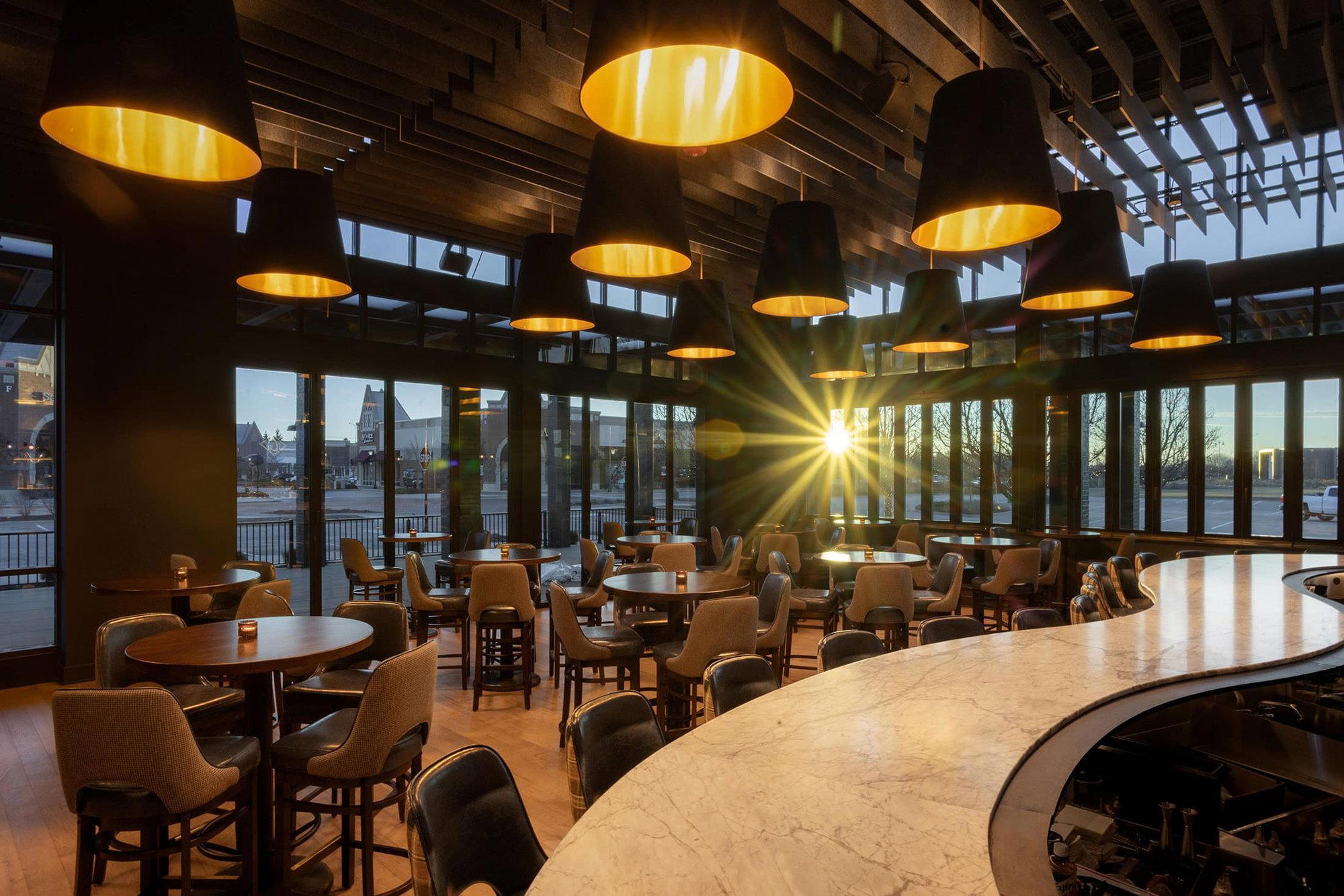
Modern vintage country club atmosphere with brick graffiti walls by Chicago street artists, creating an edgy yet cozy taproom vibe.