.png)
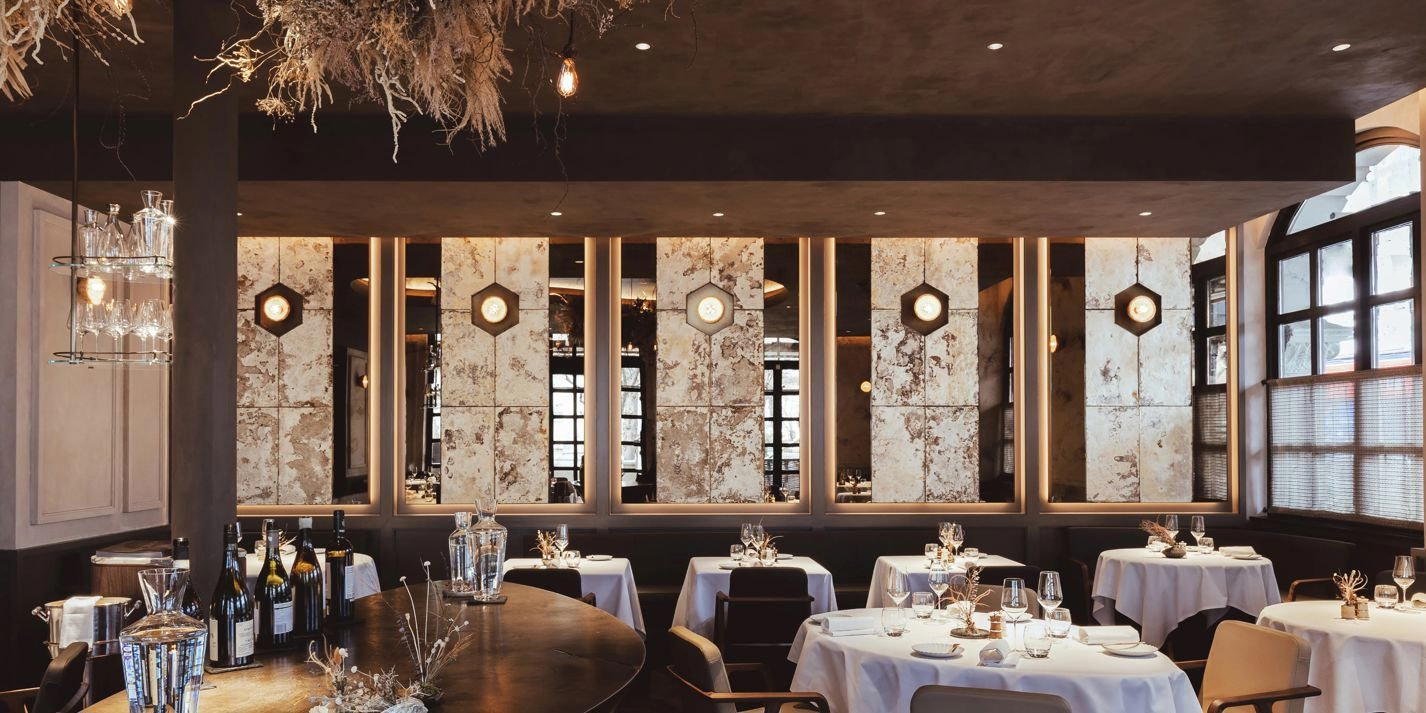
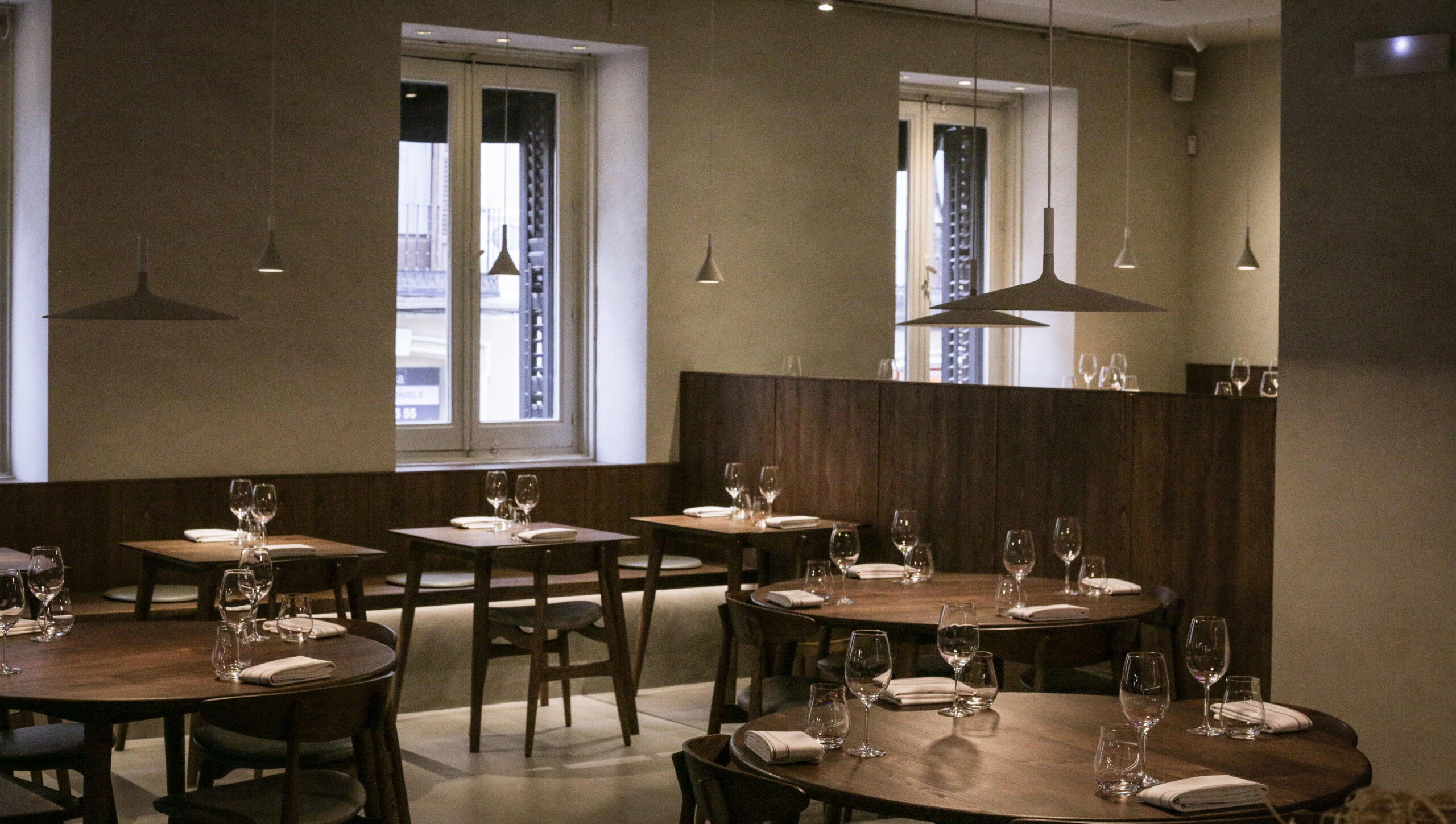
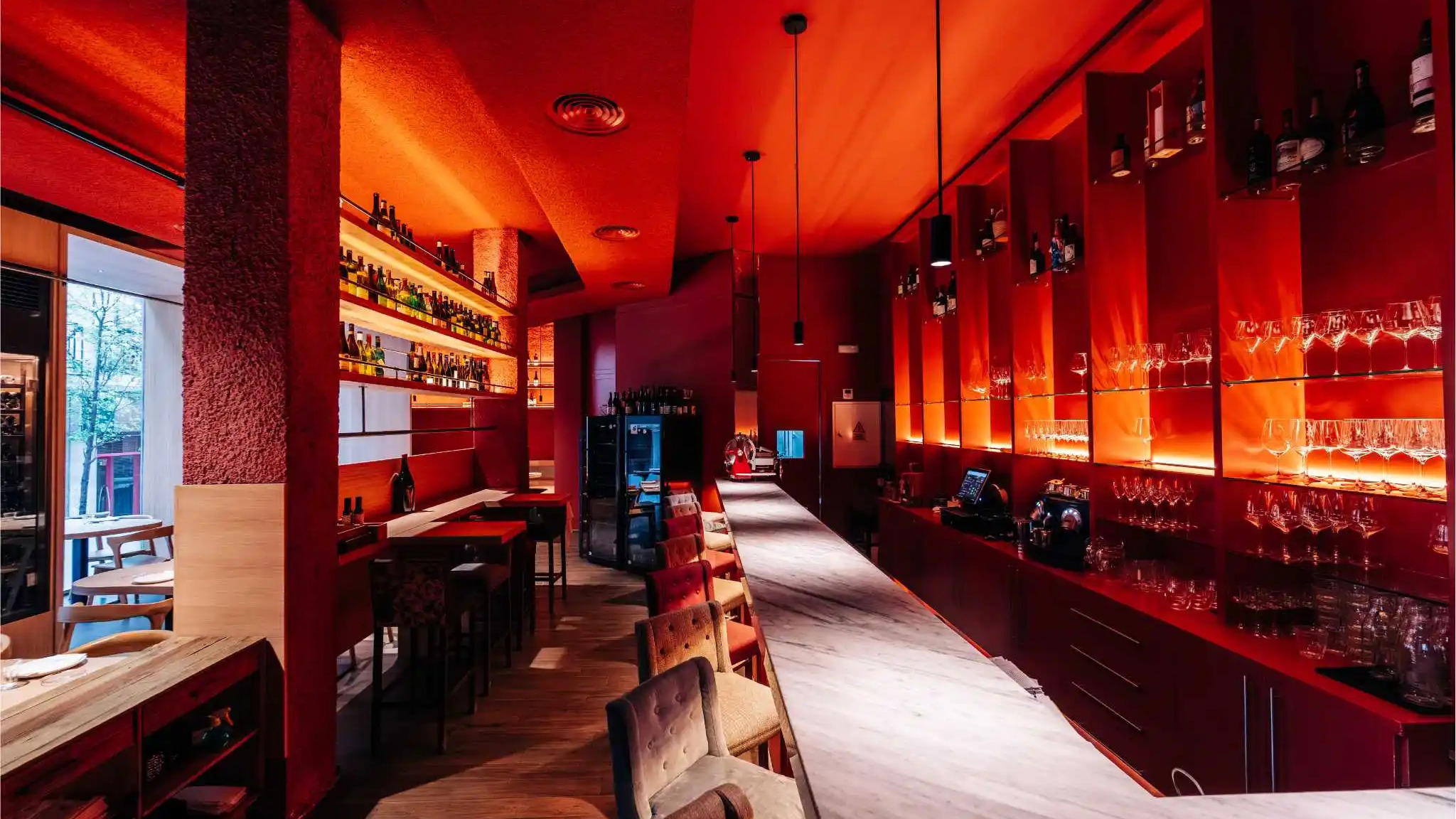
Set on Jorge Juan 56 in Madrid's Salamanca district, Contrastes by Diego Ferreira channels a Brazilian-born chef's cross-cultural instincts through bold, deliberately approachable cooking. Dishes like smoked eel bami noodles with soy and crispy temaki of nori seaweed signal a menu that draws from multiple culinary traditions without losing coherence. Diners choose between à la carte and several set menus in a room with a considered retro interior.
Pearl is the En Primeur Club membership app — saves, bookings, and concierge access live there. Same editors, same standards.
- Address
- Jorge Juan 56
- Phone
- +34 919 29 58 35
- Website
- restaurantecontrastes.es
 Saves & bookings on Pearl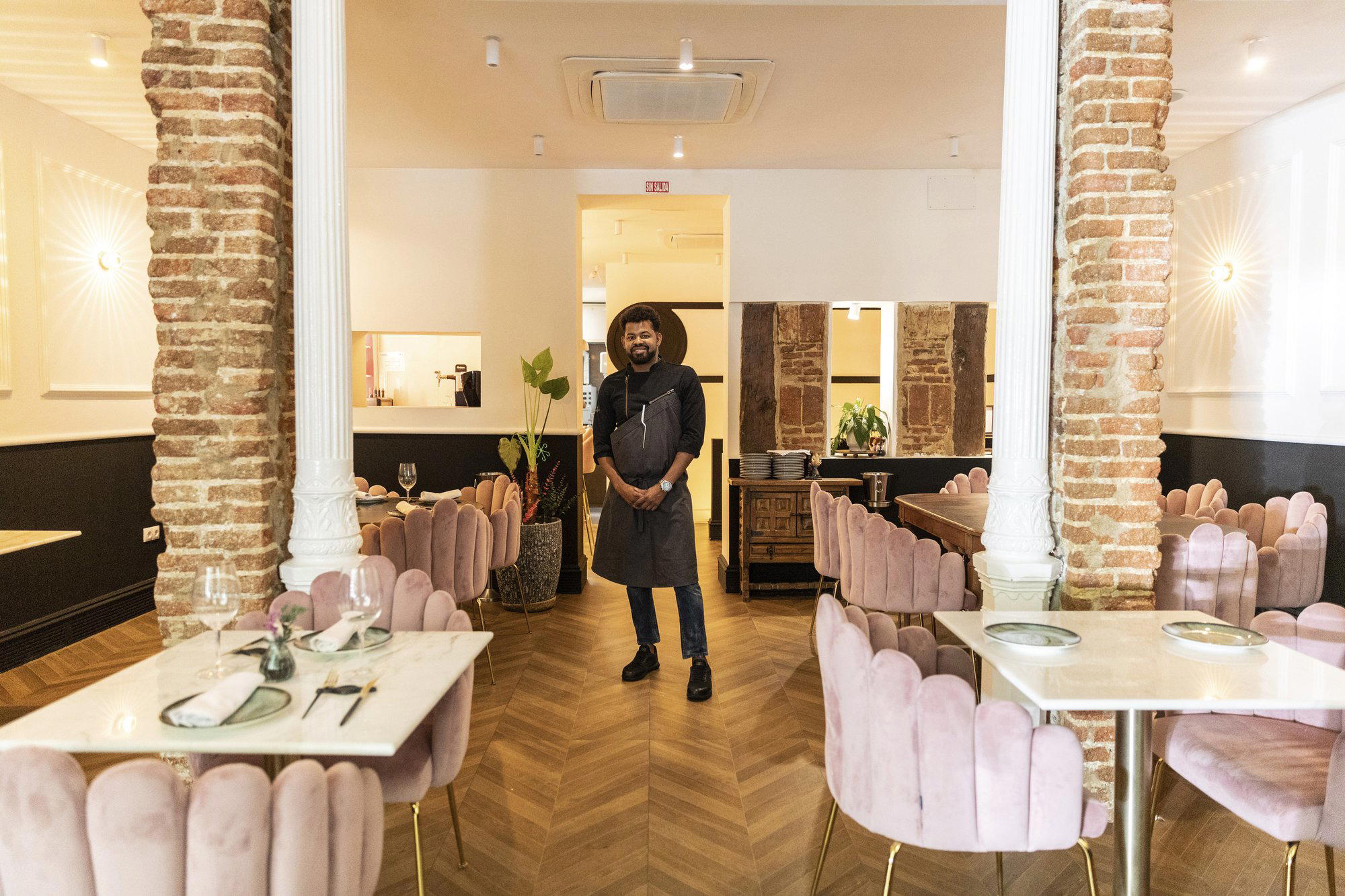
Where Jorge Juan Meets the World Beyond Spain
Madrid's Salamanca district has long been the address of choice for serious dining in the capital, and Jorge Juan in particular has become a corridor where restrained Spanish classicism and more globally minded cooking coexist at close quarters. The street's better-known neighbours lean into native tradition, from the high-wire creativity at DiverXO to the architectural Spanish cooking at Coque. Contrastes by Diego Ferreira occupies a different register entirely: a room with retro interior details and a kitchen that draws from South American instinct, Japanese technique, and Northern European influence in roughly equal measure.
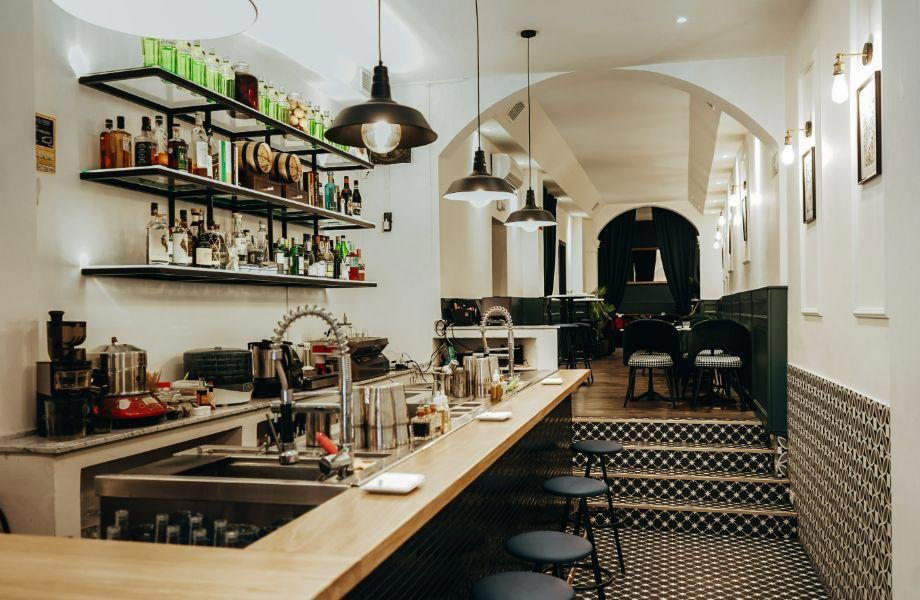
That breadth of reference is not incidental. The name is instructive. Contrast, in cooking, is the discipline of placing elements in productive tension rather than comfortable harmony, and the menu here is structured around that principle. The retro interior provides an anchor of familiarity, a deliberate counterweight to the kitchen's willingness to move across continents on a single plate.
The Cultural Logic of Cross-Provenance Cooking
Spanish fine dining has spent much of the past two decades in a productive argument with itself about what the cuisine is and where it belongs. The Basque country defined one pole, rooted and technically adventurous at the same time, as seen at Arzak in San Sebastián and Azurmendi in Larrabetzu. Catalan cooking charted another path, where Gallic precision and Mediterranean ingredients intersect, leading expressed at El Celler de Can Roca in Girona and Cocina Hermanos Torres in Barcelona. Madrid's contribution has been more heterogeneous, partly because the capital lacks the singular regional identity that powers Basque or Catalan gastronomy. That absence creates space for a different kind of proposition.
Contrastes operates in that space. The kitchen's cross-provenance approach, combining flavours from Brazil, Japan, Alaska, and beyond, reflects a broader trend in Madrid's contemporary dining scene, where first- and second-generation chefs with international training are building practices that have no obvious precedent in Spanish culinary tradition. This is not fusion cooking in the pejorative sense. The distinction matters: fusion implies a muddling of sources; cross-provenance cooking at its most disciplined implies fluency in each tradition independently, then a considered editorial choice about when and how they meet on the plate.
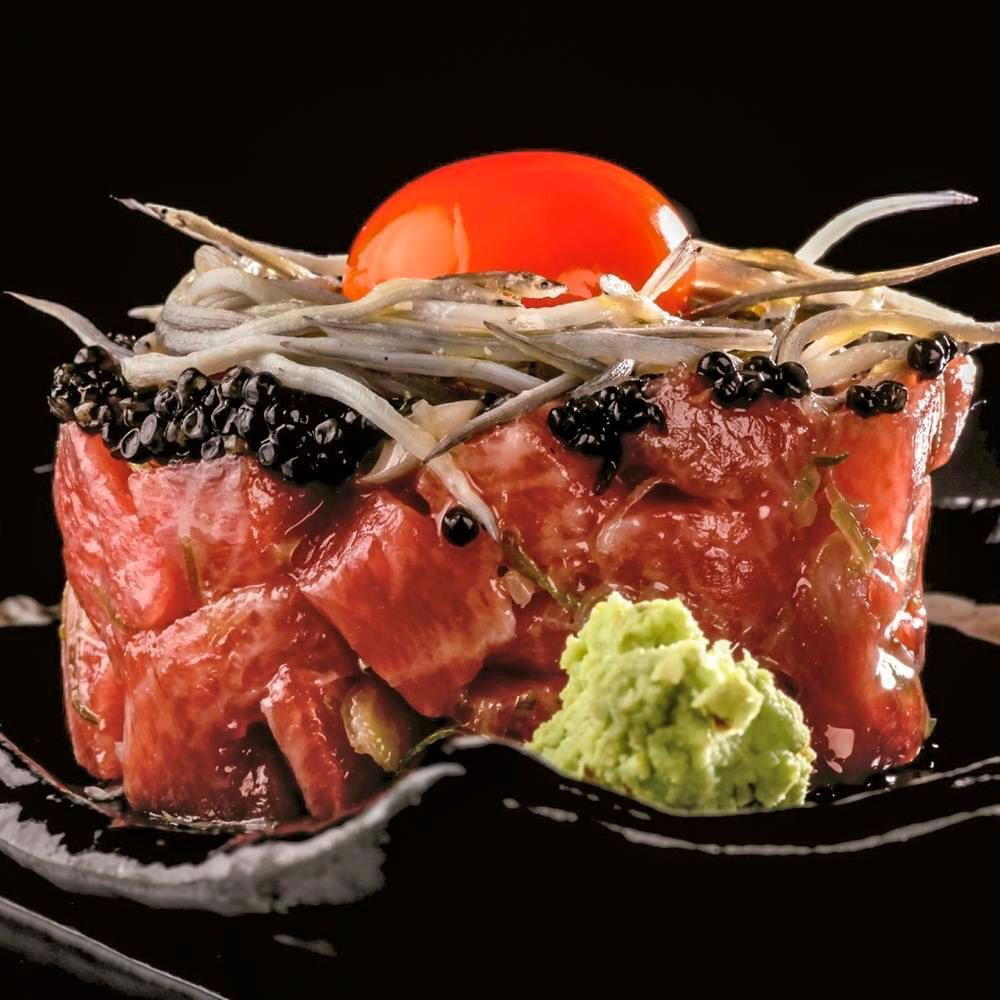
The dish descriptions available from the venue make that distinction tangible. A dish named "Journey to Alaska" suggests a cooking intelligence comfortable with narrative framing. Smoked eel bami noodles with soy is a construction that draws from Japanese and Southeast Asian pantries simultaneously. Crispy temaki of nori seaweed takes a form closely associated with Japanese hand-roll tradition and places it in a tasting context defined by a South American sensibility. Each element has an identifiable cultural origin; the editorial choice is in the combination and proportion.
This approach has analogs elsewhere. Le Bernardin in New York City built its identity around French technique applied to non-European ingredients. Emeril's in New Orleans positioned Louisiana cooking as a living creole tradition rather than a fixed regional canon. The common thread is a refusal to treat cultural origin as a constraint. Contrastes is making a similar argument from its Jorge Juan address.
The Original in Vilanova and What It Signals for Madrid
The venue's awards data notes that the original Contrastes restaurant remains open in Vilanova i la Geltrú, a coastal town south of Barcelona. The Madrid opening is therefore not a rebranding but an expansion, which carries specific implications. When a chef extends a concept from a smaller, regionally rooted context to the capital, the proposition is tested against a more demanding and more diverse comparable set. Madrid diners who routinely cross-reference against Deessa, DSTAgE, and Paco Roncero bring comparative expectations that differ substantially from those of a Catalan coastal town. The fact that the Madrid outpost is building a distinct reputation rather than trading on the original's recognition suggests the concept translates.
The model also places Contrastes in a specific niche within Madrid's tiered dining market. The city's premium tier is largely occupied by set-menu-only formats at high price points, often with significant booking lead times, as at the restaurants listed above. Contrastes offers both à la carte and several set menus, a structural flexibility that positions it as accessible to diners who want the cross-cultural kitchen without committing to a fixed progression. That format sits between the freedom of a brasserie and the ceremony of a full tasting experience, a position that several of Madrid's more interesting mid-to-upper restaurants have found productive. Comparable positioning, though in different culinary registers, can be seen at similarly format-flexible addresses in Aponiente in El Puerto de Santa María and Martin Berasategui in Lasarte-Oria, both of which calibrate their format to the type of diner they are trying to reach.
Planning a Visit
Contrastes by Diego Ferreira is at Jorge Juan 56, in the Salamanca district of Madrid, well connected by metro and within walking distance of the Jorge Juan and Serrano dining cluster. Given the restaurant's dual format, those building an itinerary around Madrid's broader dining and cultural offer would do well to consult our Madrid restaurants guide, alongside our Madrid hotels guide, Madrid bars guide, Madrid wineries guide, and Madrid experiences guide.
Budget and Context
Comparable venues nearby, for context on price, style, and recognition.
| Venue | Cuisine | Price | Awards | Notes |
|---|---|---|---|---|
| Contrastes by Diego FerreiraThis venue — the venue you are viewing | Goya, Modern Global Fusion | $$$$ | Michelin Plate | |
| Per Sé Bistró | Chueca, Modern Fusion Bistro | $$$$ | Michelin Plate | |
| Doppelgänger Bar | Lavapies, Creative Asian-Spanish Fusion | $$$ | Michelin Plate | |
| TonTon | Trafalgar, Modern French-Spanish Fusion | $$$ | Michelin Plate | |
| Mudrá | Recoletos, Modern Plant-Based Fusion | $$$$ | Michelin Plate | |
| Palm Court | $$$$ | Michelin Plate | Jeronimos, Traditional Spanish Fine Dining |



At a Glance
- Modern
- Intimate
- Sophisticated
- Date Night
- Special Occasion
- Open Kitchen
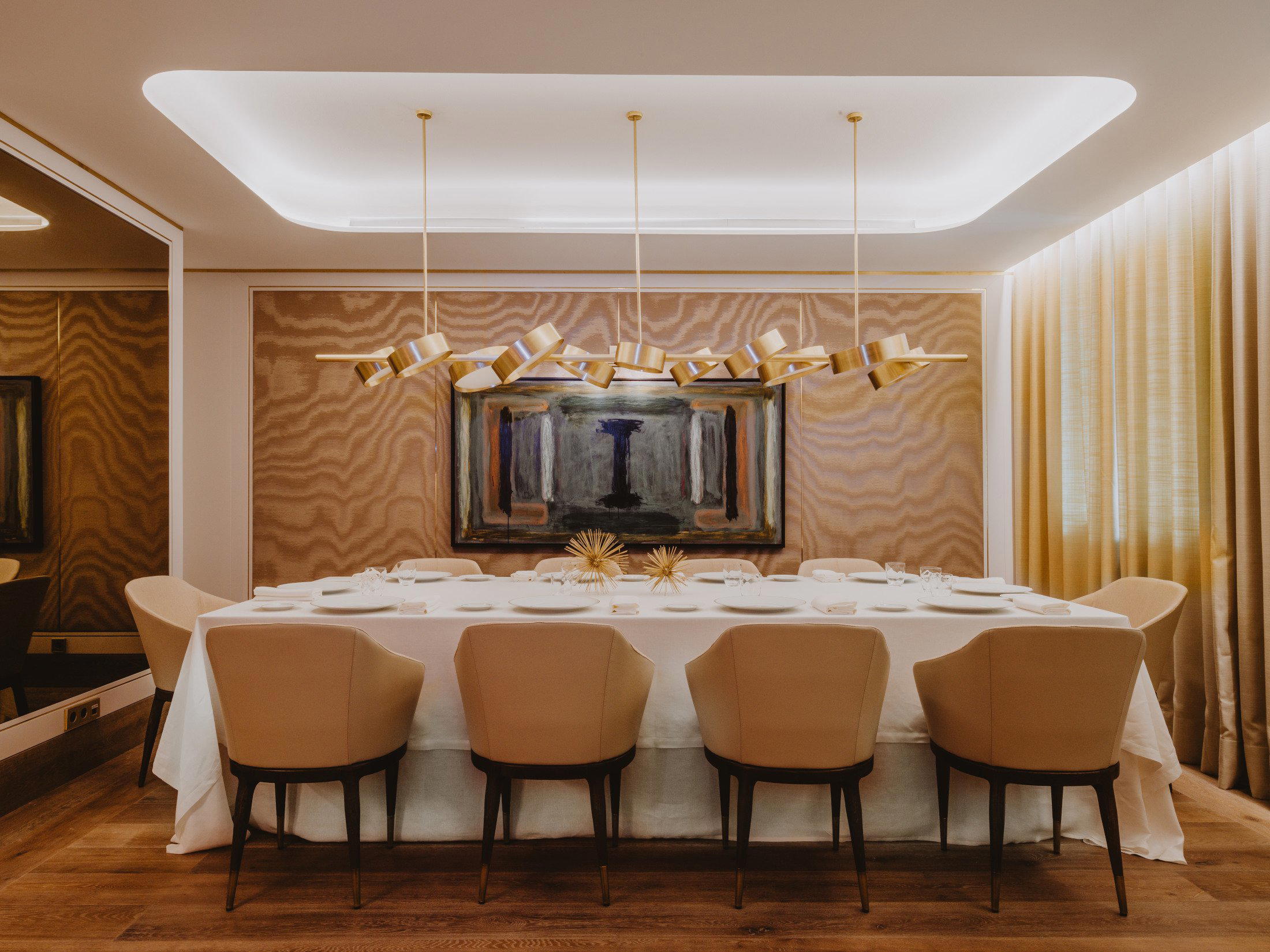
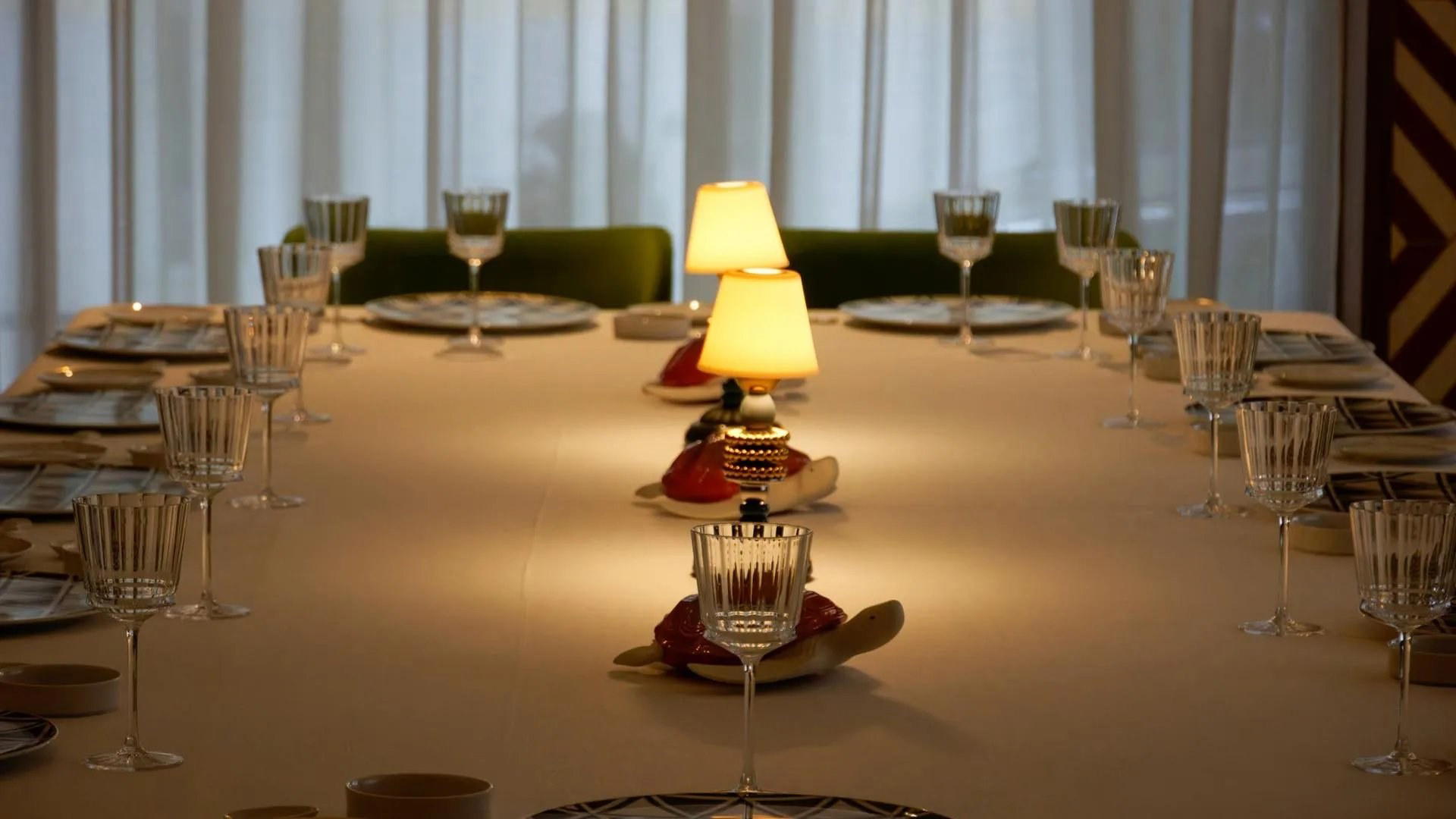
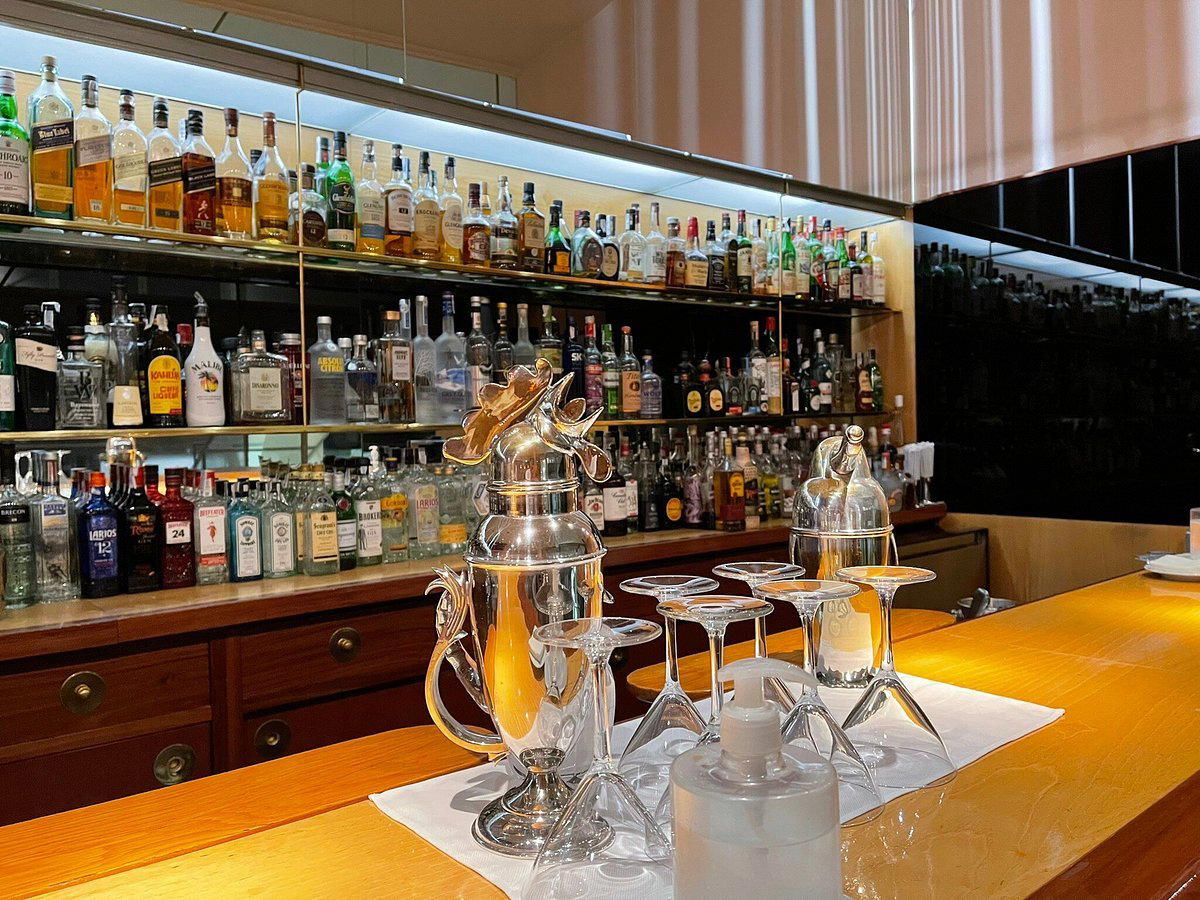
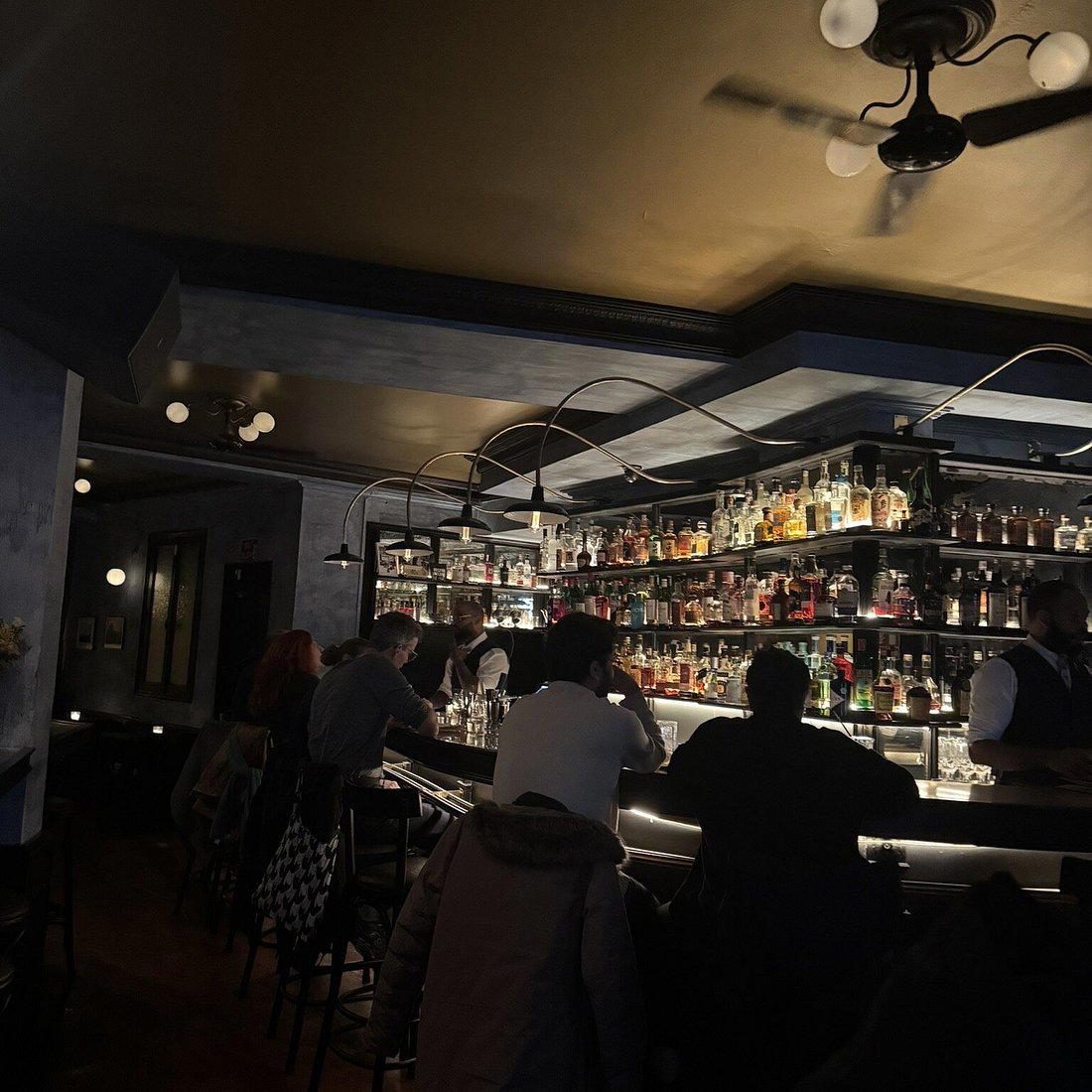
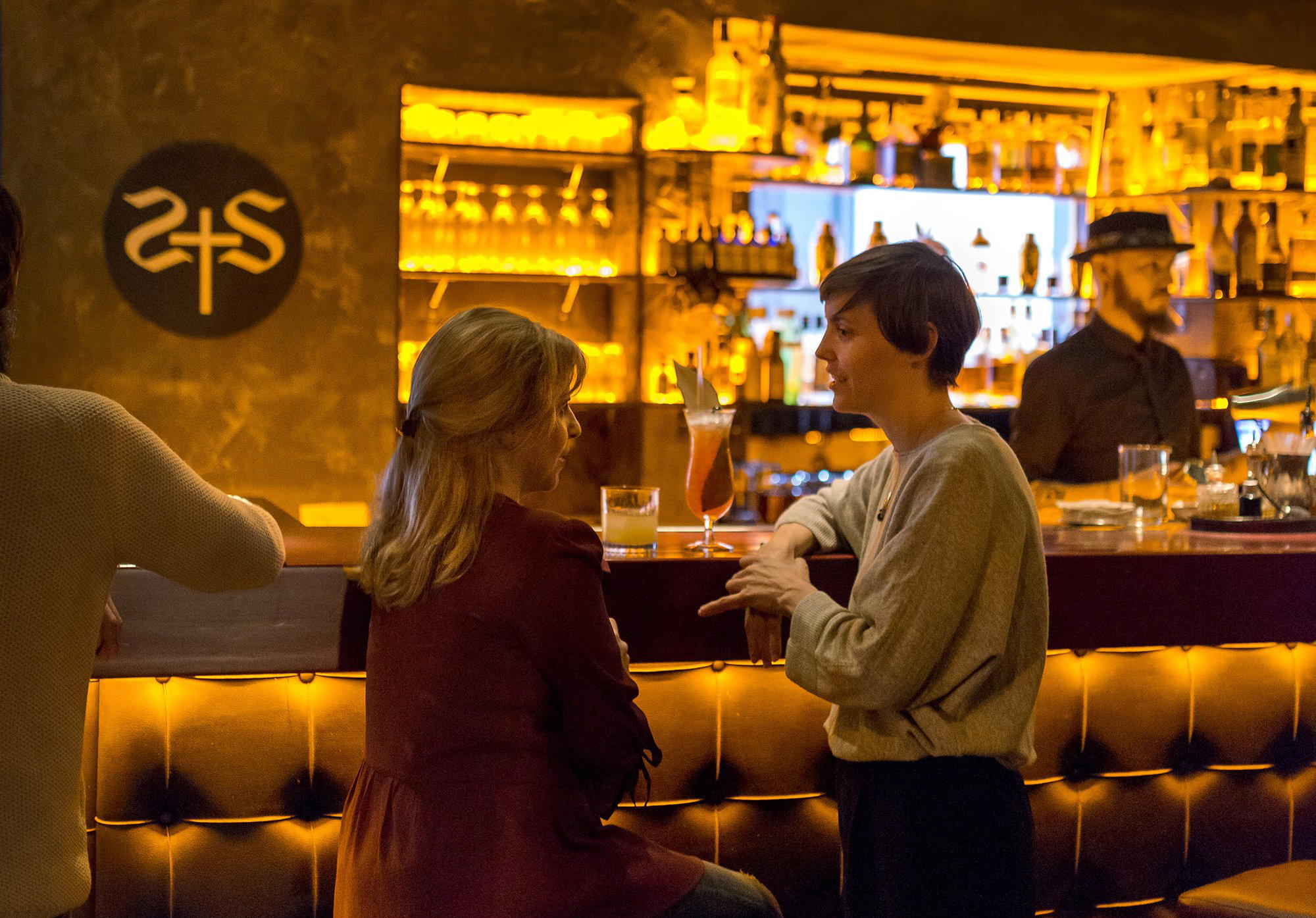
Informal contemporary feel with central counter and open kitchen, hint of retro style.