Communion Mission Hills
Communion Mission Hills occupies a position in San Diego's community-driven dining scene where the ritual of the meal takes precedence over spectacle. Located at 901 W Washington Street in one of the city's most residential dining corridors, it draws a neighborhood crowd that returns for the pacing and familiarity of the experience as much as the food itself. For visitors, it offers a lower-key counterpoint to the city's formal tasting-menu circuit.
Pearl is the En Primeur Club membership app — saves, bookings, and concierge access live there. Same editors, same standards.
- Address
- 901 W Washington St Suite 801, San Diego, CA 92103
- Phone
- +16196065568
- Website
- dinecommunionsd.com
- Directions
- Get directions
 Saves & bookings on Pearl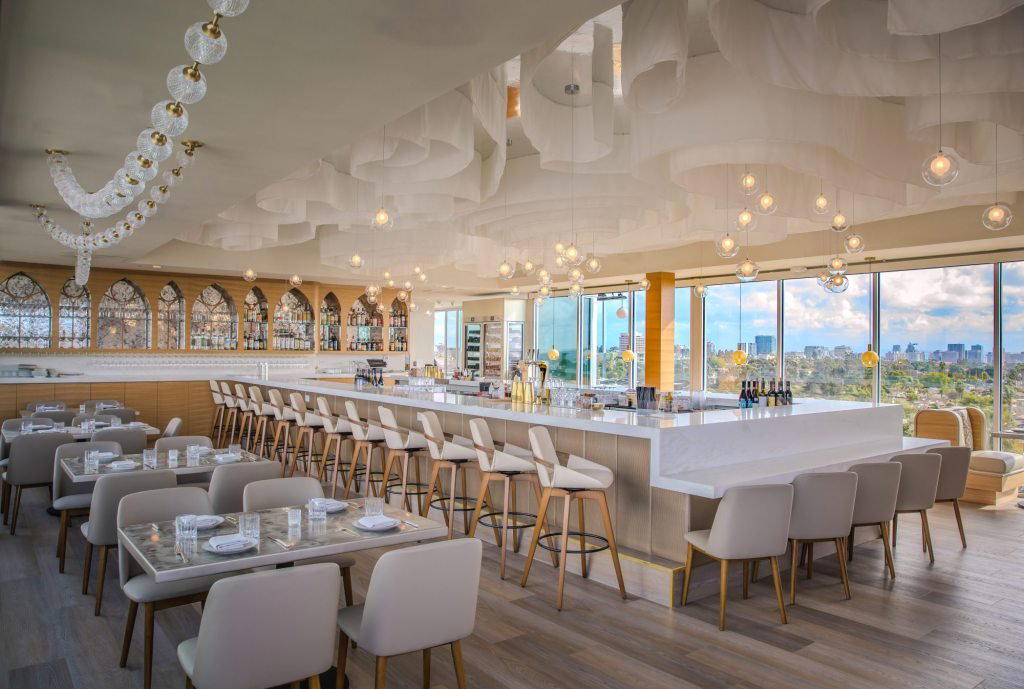
The Ritual Before the Plate
There is a particular kind of restaurant that San Diego does quietly well: the neighborhood anchor where the meal follows a rhythm set by the room rather than by a kitchen's ambitions. Mission Hills, a hillside residential district northwest of Balboa Park, has long supported this format. The streets around West Washington Street hold a cluster of independently owned spots that function less as destination dining and more as community infrastructure, places where regulars arrive at the same time on the same nights, where the staff know the returning faces, and where the pacing of the evening is unhurried by design.
Communion Mission Hills is a restaurant in San Diego serving modern globally inspired small plates at about $60 per person. Communio The address places it at the edge of a commercial strip that softens into bungalow blocks within half a block in either direction, a setting that shapes the atmosphere before you step inside. Restaurants in this part of San Diego tend to absorb the character of the surrounding streets, and Communion reads as part of that fabric: not the kind of room that announces itself loudly, but one that earns its place through consistency and presence.
Where It Sits in the San Diego Dining Order
San Diego's restaurant scene has developed distinct tiers over the past decade. At the formal end, Addison, with its French contemporary framework and Michelin recognition, sets the benchmark for white-tablecloth ambition in the region. Further into the city, spots like Soichi demonstrate that San Diego can sustain a serious omakase counter at the summit of its Japanese dining tier. 1450 El Prado, 777 G St, and 94th Aero Squadron each occupy different registers of the broader dining map, from cultural dining rooms to experience-led formats.
Communion sits outside that formal tier, operating instead in the middle register where price, format, and atmosphere align around neighborhood accessibility rather than occasion dining. That position is not a limitation, it reflects a deliberate relationship with the community it serves. The dining ritual here is not structured by a tasting menu's sequenced logic or a sommelier's opening patter. It is structured by the room: by who else is there, how the tables are arranged, and how the service paces the evening without theatrical intervention.
The Dining Ritual: Pacing, Presence, and Neighborhood Time
Across American dining cities, the community-anchor format has proven more durable than the concept restaurant. The neighborhoods that sustain interesting dining scenes, from San Francisco's Mission District to Chicago's Logan Square, share a common feature: a cohort of independently operated rooms where the meal is structured around conversation and recurrence rather than performance. The ritual is familiarity itself.
That dynamic applies directly to what Mission Hills supports. The corridor along West Washington Street functions as a neighborhood dining strip in the older sense: a place where you go back because it fits your evening rather than because you are marking an occasion. The pacing of a meal at a room like Communion reflects that ethos. Courses, if there are multiple, arrive at conversational tempo. The service model tends toward attentive without being hovering, a register that is harder to calibrate than it sounds and that distinguishes practiced neighborhood operations from newer spots still finding their footing.
Compare this to the ritual frameworks at the far end of the formality spectrum. At Lazy Bear in San Francisco, the communal-table format turns the meal into a shared event with structured social choreography. At Smyth in Chicago, the tasting format demands a kind of sustained attention from the diner that resembles attending a performance. Single Thread Farm in Healdsburg and Blue Hill at Stone Barns in Tarrytown both require the diner to accept the kitchen's narrative arc as the organizing principle of the evening. The neighborhood anchor operates on a different contract entirely: the diner sets the pace, and the room accommodates.
That distinction matters when choosing where to eat in any city. The formal tasting circuit, which at its global apex includes Le Bernardin in New York City, The French Laundry in Napa, and The Inn at Little Washington, asks something specific of its diners. The neighborhood restaurant gives something back instead: time, ease, and the low-stakes pleasure of returning.
Mission Hills and Its Dining Context
Mission Hills as a neighborhood has a long dining history among San Diego's residential districts. Its residential density and older building stock have kept the strip commercial rather than chain-heavy, which creates the conditions for independent operators to persist across years rather than seasons. That tenure matters for dining ritual: a room that has been open for several years in a residential neighborhood develops a different relationship with its regulars than a restaurant that opened recently into a high-footfall tourist zone.
The geographic position also matters for visitors. Mission Hills sits close enough to the downtown core and Hillcrest to be accessible without requiring a destination-dining commitment. For travelers who have already covered the formal circuit, a meal in this part of the city offers a different register of San Diego dining that those flagship rooms cannot provide. The comparison is not about quality; it is about what the meal is for.
Across the broader American dining scene, that mid-register neighborhood format has found its most articulate expressions in cities with strong independent dining cultures. Frasca Food and Wine in Boulder demonstrates how a community-anchored room can achieve national recognition without abandoning its neighborhood character. Emeril's in New Orleans and Providence in Los Angeles show different scales at which the neighborhood-anchor ethos operates. Atomix in New York City and Atelier Moessmer Norbert Niederkofler in Brunico sit at the opposite end of the formality axis, where ritual is choreographed to the minute. The range of references clarifies what the community-format restaurant is not trying to be, and why that refusal is itself a position.
A Tight Comparison
Comparable venues nearby, for context on price, style, and recognition.
| Venue | Cuisine | Price | Notes |
|---|---|---|---|
| Communion Mission HillsThis venue — the venue you are viewing | Not listed | $$$ | Not listed |
| Zama San Diego | Not listed | $$$ | Downtown, Latin American & Japanese Fusion |
| Liberty Public Market | Not listed | $$ | Peninsula, Multi-Vendor Food Hall - Global Cuisine |
| Parc Bistro-Brasserie | Not listed | $$$ | Uptown, Modern French Bistro with Fresh Seafood |
| Top of the Market | San Diego Bay, Fine Seafood Dining | $$$ | Not listed |
| AKA San Diego | Downtown, Asian Fusion | $$$ | Not listed |
Continue exploring
More in San Diego
Restaurants in San Diego
Browse all →
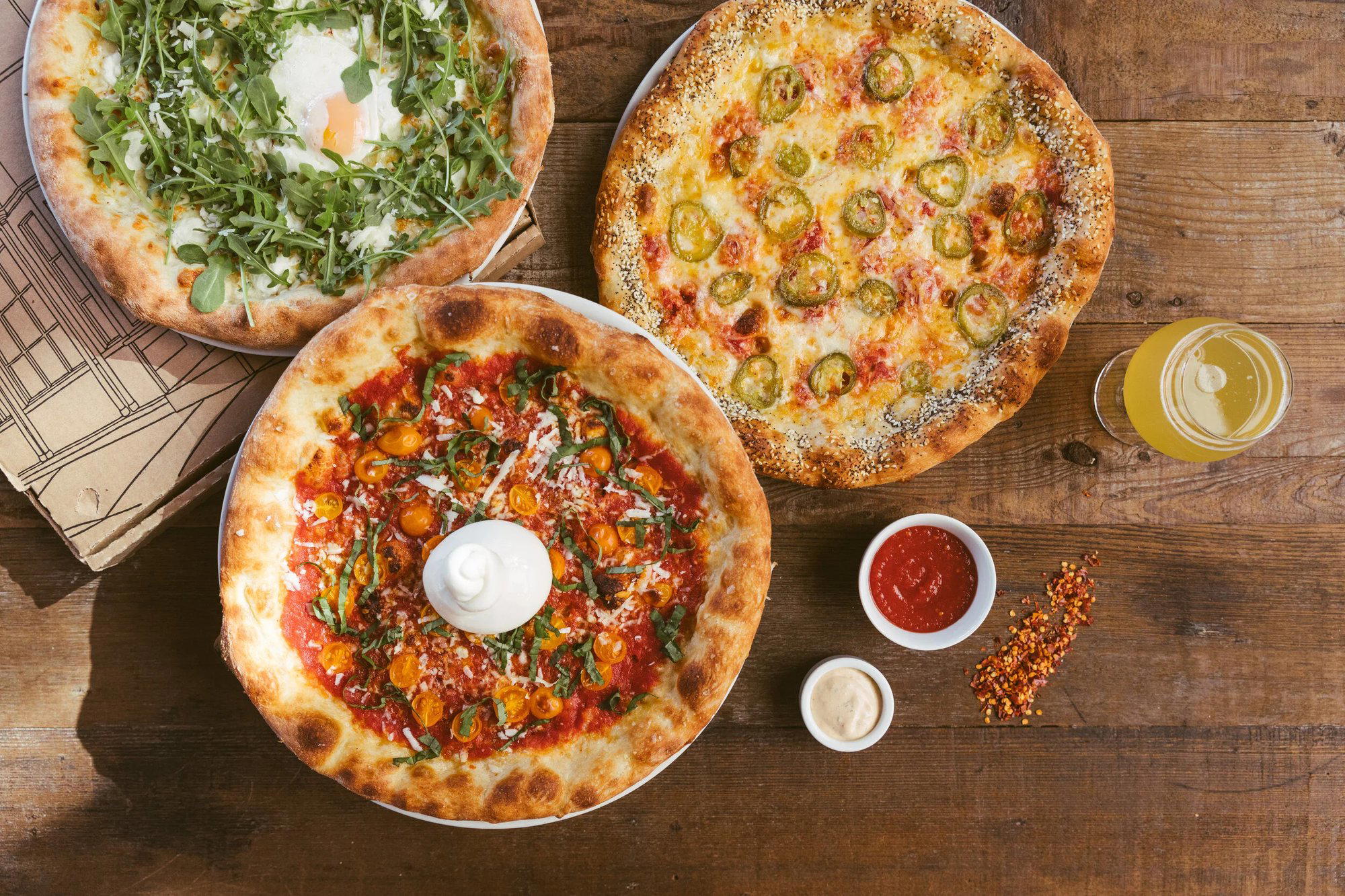
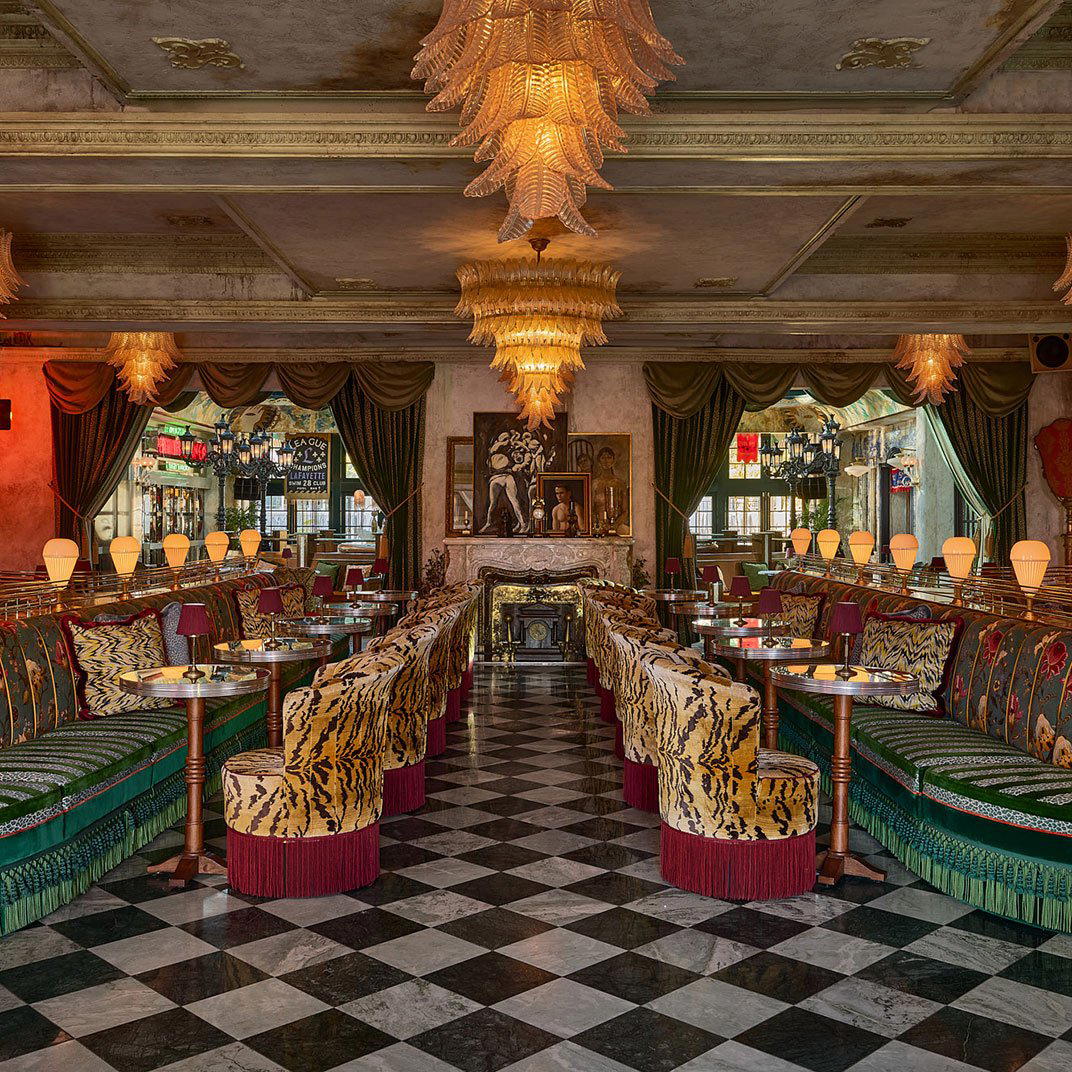
Bars in San Diego
Browse all →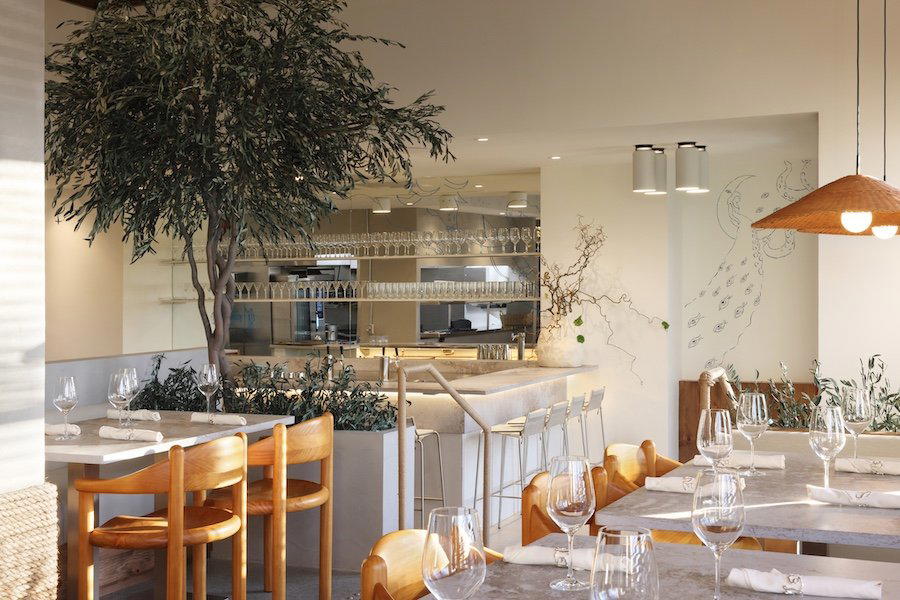
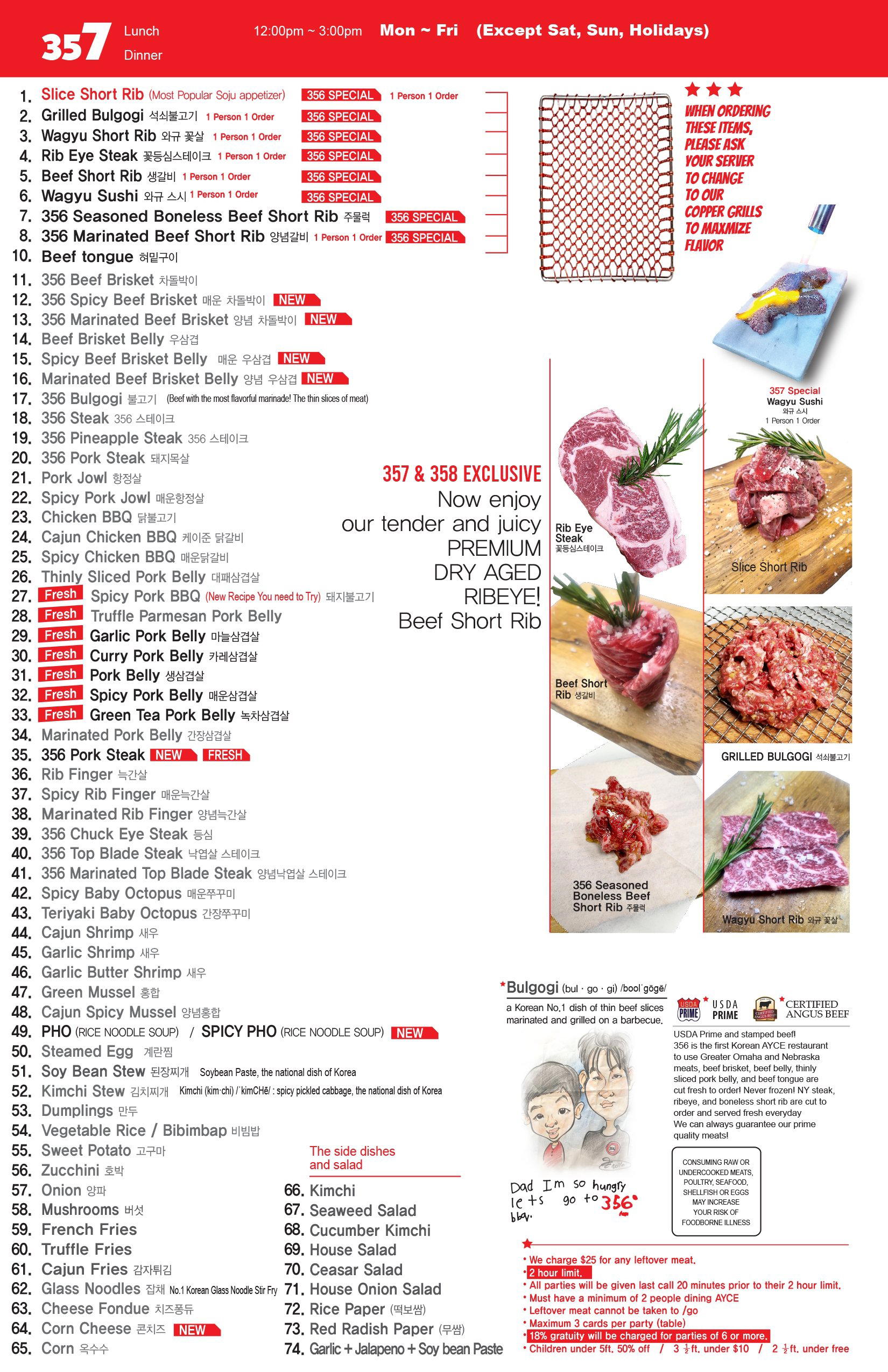
At a Glance
- Lively
- Modern
- Trendy
- Scenic
- Date Night
- Group Dining
- Special Occasion
- Rooftop
- Panoramic View
- Craft Cocktails
- Local Sourcing
- Skyline
Current opening hours
- Monday
- 4–8:30 PM
- Tuesday
- 4–8:30 PM
- Wednesday
- 4–8:30 PM
- Thursday
- 4–9 PM
- Friday
- 4–9 PM
- Saturday
- 4–9 PM
- Sunday
- 10 AM–8:30 PM
Hours can change for holidays and private events. Last verified .
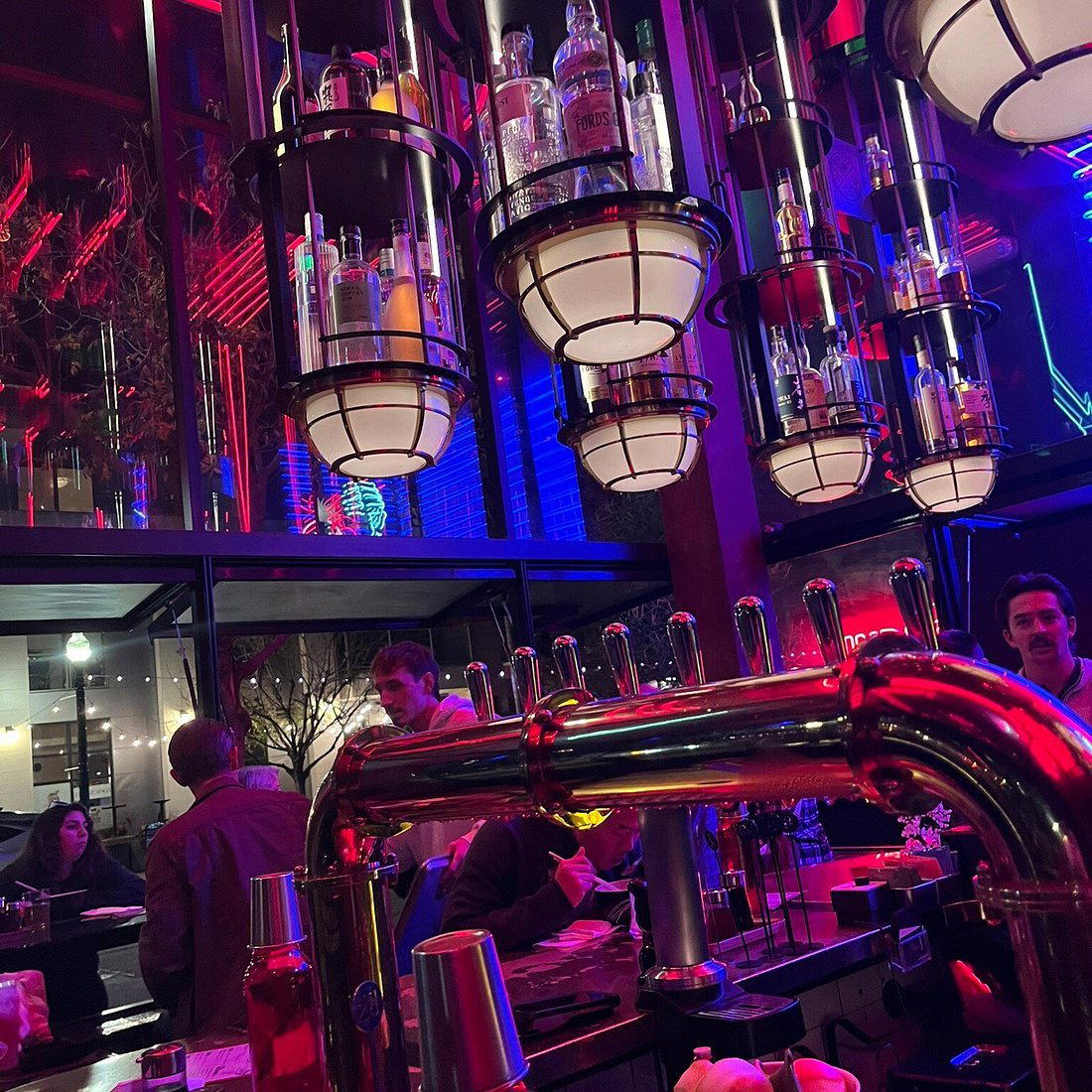
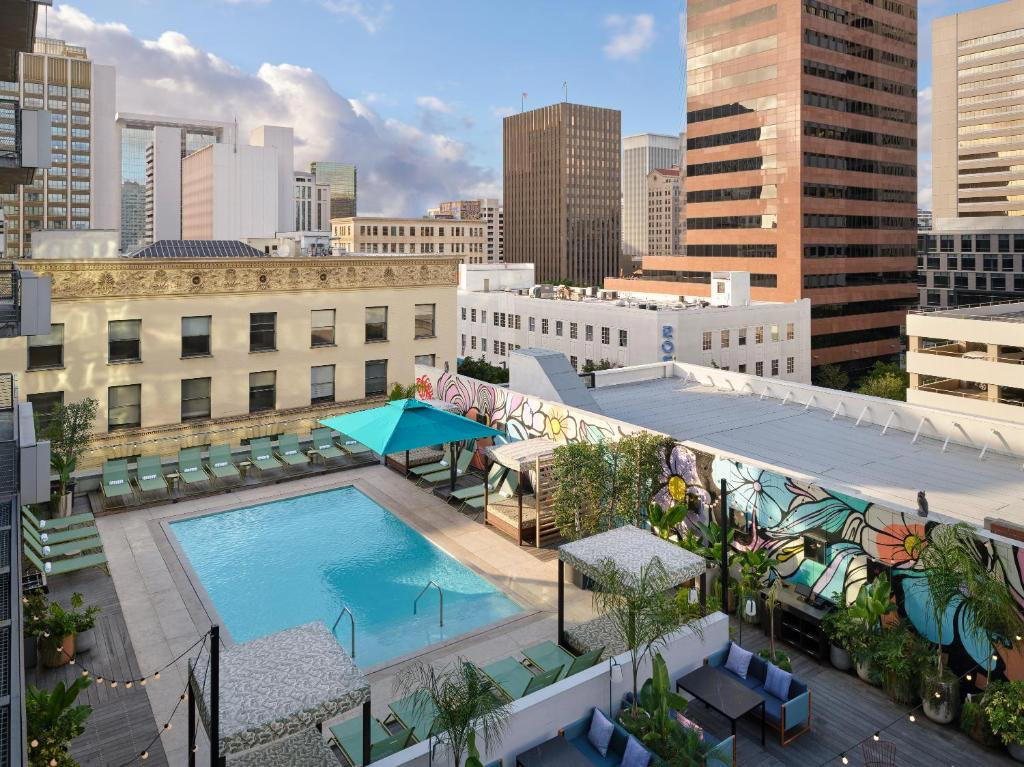
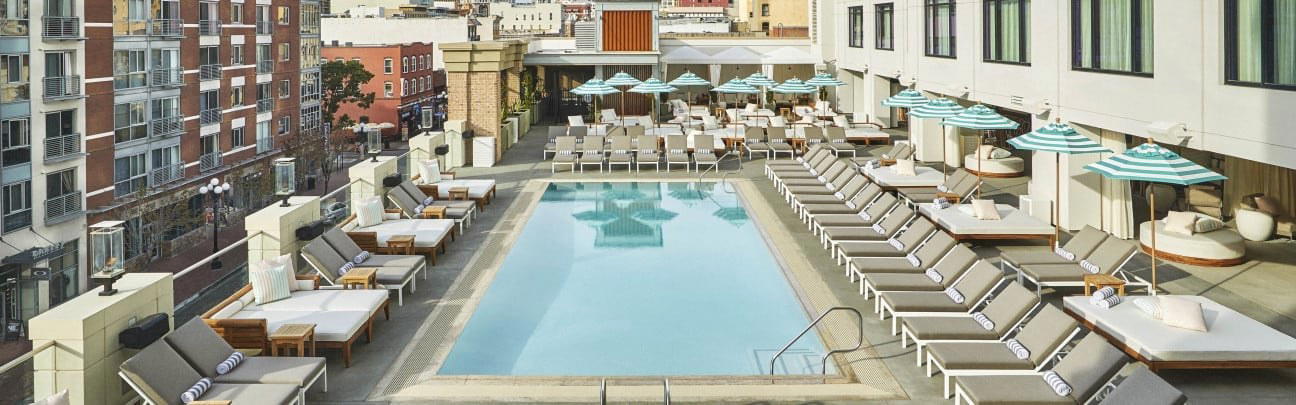
Lively atmosphere encouraging gathering and togetherness, rooftop setting with scenic coastal views.