Top of the Market
Positioned on the edge of San Diego Bay at 750 N Harbor Drive, Top of the Market occupies one of the city's most direct waterfront settings for seafood dining. The restaurant sits within the broader Fish Market family, placing it in a local tradition of harbour-adjacent seafood that stretches back decades. Its location on the Embarcadero puts it alongside the working port rather than apart from it.
Pearl is the En Primeur Club membership app — saves, bookings, and concierge access live there. Same editors, same standards.
- Address
- 750 N Harbor Dr, San Diego, CA 92101
- Phone
- +16192344867
- Website
- topofthemarketsd.com
- Directions
- Get directions
 Saves & bookings on Pearl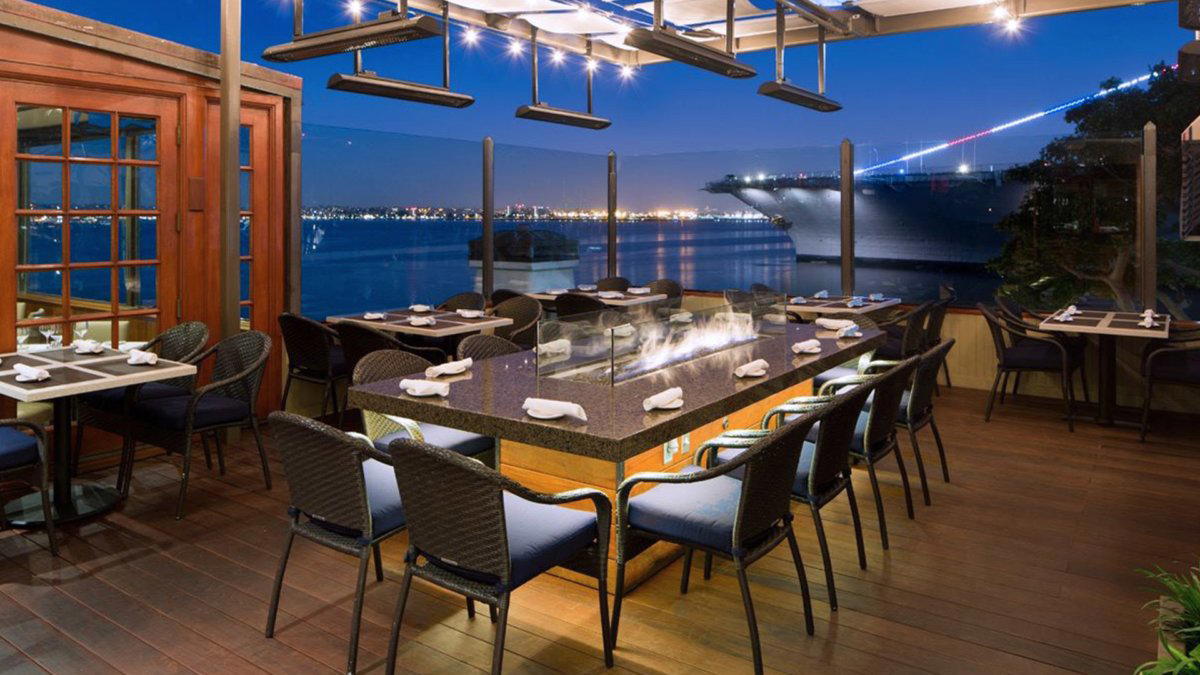
Where the Bay Does the Talking
San Diego's Embarcadero has long operated as the city's connective tissue between working port and leisure waterfront. Walking north along Harbor Drive toward 750 N Harbor Dr, the approach is unambiguous: container ships move slowly in the distance, the air carries brine and diesel in equal measure, and the Fish Market complex announces itself before you reach the door. Top of the Market occupies the upper floor of that complex, and the positioning is not incidental. Waterfront dining in American port cities has historically meant one of two things, tourist-facing shellfish shacks or destination seafood restaurants where the view is secondary to the plate. Top of the Market has long tried to occupy both registers, and that tension defines the experience.
Harbour-adjacent seafood dining carries a particular cultural weight on the California coast. From the cannery traditions of Monterey to the tuna-fishing heritage that shaped San Diego specifically, the relationship between the city's identity and its proximity to the Pacific is not decorative. San Diego was the undisputed tuna capital of the United States through much of the twentieth century, and that history sits beneath any serious seafood meal eaten here. Restaurants positioned on the actual waterfront inherit that context whether they address it or not.
The Seafood Dining Tier in San Diego
San Diego's upper-tier restaurant conversation has expanded considerably in recent years. Addison, the city's sole Michelin two-star, operates in a different register entirely, French contemporary tasting menus in Del Mar, well removed from the harbour. Soichi anchors the omakase end of the market with a Japanese counter format that books weeks in advance. Neither competes directly with a harbour-view seafood house, which occupies its own category: accessible in format, specific in ingredient focus, and heavily dependent on sourcing transparency to justify its price positioning.
The question worth asking about any restaurant in this category is whether the seafood justifies the waterfront premium or whether the view is doing the heavy lifting. Across American port cities, the pattern is familiar: the same geography that grants a restaurant atmospheric legitimacy also attracts diners whose expectations are set by the scenery. Le Bernardin in New York City long ago demonstrated that serious seafood and fine-dining rigor are not mutually exclusive, but it operates entirely without a water view, which clarifies where the commitment lies. Harbour restaurants face the opposite challenge.
San Diego's waterfront dining tier includes a range of formats and intentions. 94th Aero Squadron and the nearby 94th Aero Squadron San Diego anchor a different kind of destination dining rooted in theatrical setting. 1450 El Prado represents the Balboa Park cultural-dining axis. Top of the Market sits apart from both, defined by its ingredient category rather than its architectural conceits.
California Seafood and the Pacific Identity
California's seafood dining tradition draws on a convergence of supply chains that most American coastal cities cannot replicate. The Pacific yields Dungeness crab, Pacific halibut, albacore, yellowtail, and California spiny lobster across overlapping seasons. Baja California, less than thirty miles from San Diego's southern border, adds another dimension: the fishing villages of the peninsula have supplied San Diego restaurants with product for generations, and the culinary crossover between Baja and Southern California is structural, not cosmetic.
That proximity shapes what a serious San Diego seafood restaurant can put on the menu during peak seasons. Spring and summer bring the shallower-water species; Dungeness season runs roughly November through June on the California coast; spiny lobster season opens in October. A restaurant positioned as a harbour seafood destination carries an implicit obligation to track those windows and adjust sourcing accordingly. How any given restaurant honours or ignores that seasonal calendar tells you a great deal about its actual commitments.
Across the country, the restaurants that have done this most credibly tend to share an approach: sourcing specificity stated on the menu, relationships with named fishers or fishing operations, and a willingness to remove dishes when the product isn't available rather than substitute with inferior alternatives. Providence in Los Angeles has modelled that approach at the fine-dining end of the Southern California market. Blue Hill at Stone Barns in Tarrytown has applied the same discipline to land-based sourcing. The principle transfers regardless of category.
Placing Best of the Market in the Broader American Seafood Conversation
American seafood dining has a complicated relationship with formality. The restaurants that have achieved one critical traction in the category tend to sit at one of two poles: hyper-casual with notable sourcing, or formally structured with an explicit fine-dining framework. The middle ground, white tablecloths, harbour views, and broad menus, has historically attracted the diners and the least critical attention.
Destination seafood programs at restaurants like Emeril's in New Orleans or ingredient-driven operations such as Single Thread Farm in Healdsburg demonstrate different solutions to the same problem: how do you build credibility around a menu category that most diners treat as comfort food? The answer almost always involves sourcing specificity, seasonal discipline, and a kitchen with clear technical ambitions. Lazy Bear in San Francisco and Alinea in Chicago have applied different versions of format discipline to achieve recognition at the highest tier. Seafood-specific restaurants face the additional constraint that their core ingredient is perishable, seasonal, and supply-dependent in ways that meat-focused kitchens are not.
For context on what the highest end of American restaurant ambition looks like, The French Laundry in Napa, The Inn at Little Washington, Atomix in New York City, Bacchanalia in Atlanta, and 8 1/2 Otto e Mezzo Bombana in Hong Kong each represent different national traditions applied with sustained rigor. The restaurant operates in a more accessible register, but the standards by which the wider category is judged are set by restaurants operating at that level of commitment.
Peers in This Market
Comparable venues nearby, for context on price, style, and recognition.
| Venue | Cuisine | Price | Notes |
|---|---|---|---|
| Top of the MarketThis venue — the venue you are viewing | Fine Seafood Dining | $$$ | Not listed |
| Oceana Coastal Kitchen | Coastal California Seafood | $$$ | Mission Beach |
| Vistal | Baja-Cali Sustainable Seafood | $$$ | Downtown |
| Lionfish Modern Coastal Cuisine – San Diego | Modern Coastal Cuisine with Sushi | $$$ | Downtown |
| The Fish Market | Fresh Seafood with Bay Views | $$$ | San Diego Bay |
| Ironside Fish & Oyster | Modern Seafood & Oyster Bar | $$ | Downtown |
Continue exploring
More in San Diego
Restaurants in San Diego
Browse all →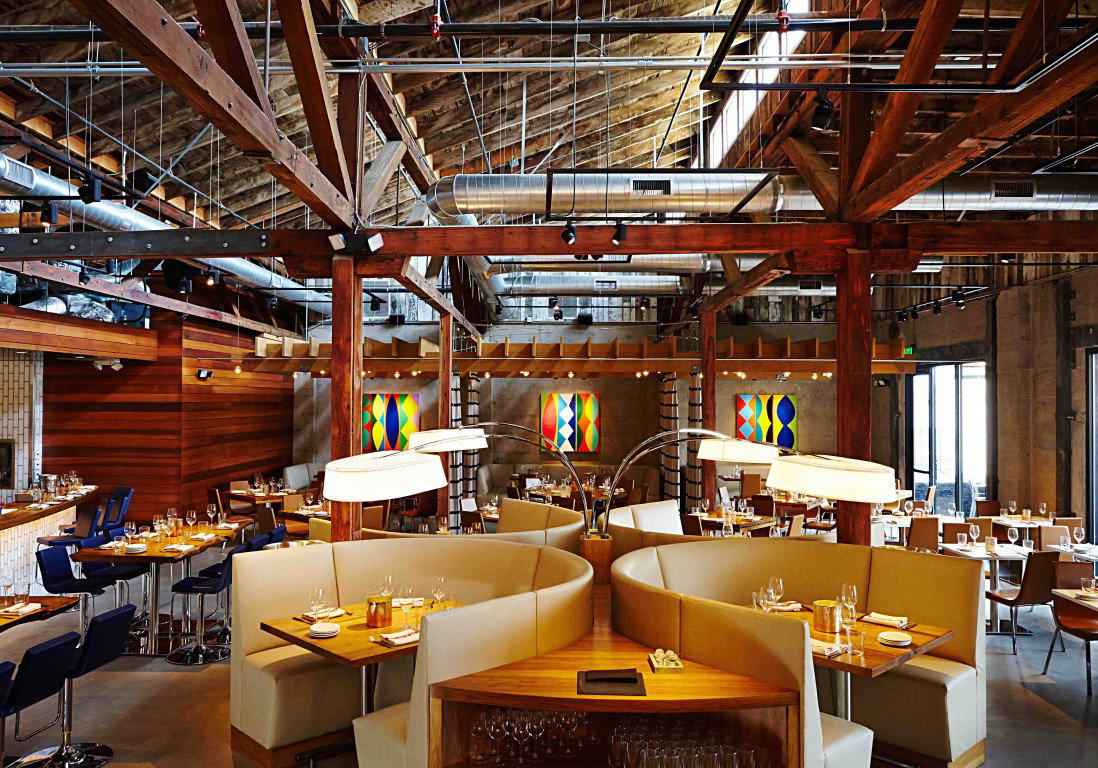
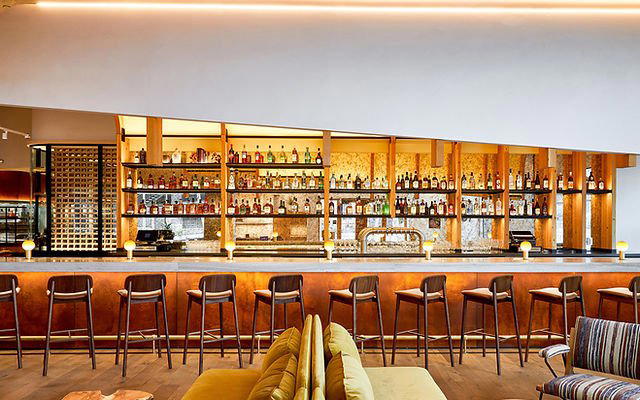
Bars in San Diego
Browse all →



At a Glance
- Elegant
- Scenic
- Sophisticated
- Date Night
- Special Occasion
- Business Dinner
- Rooftop
- Waterfront
- Panoramic View
- Private Dining
- Extensive Wine List
- Sustainable Seafood
- Local Sourcing
- Waterfront
- Skyline
Current opening hours
- Monday
- 11 AM–8 PM
- Tuesday
- 11 AM–8 PM
- Wednesday
- 11 AM–8 PM
- Thursday
- 11 AM–8 PM
- Friday
- 11 AM–9 PM
- Saturday
- 11 AM–9 PM
- Sunday
- 11 AM–8 PM
Hours can change for holidays and private events. Last verified .
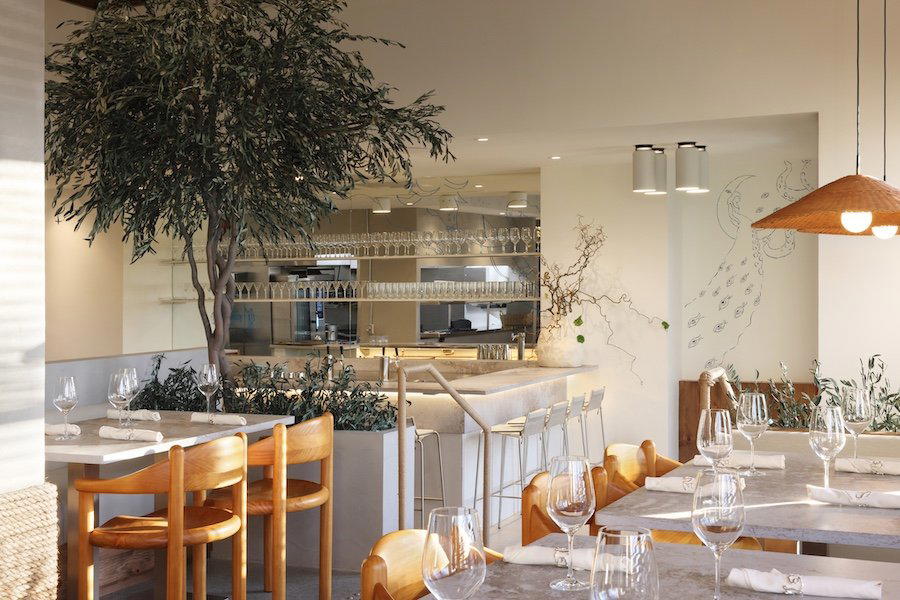
Elegant dining room with intimate seating, relaxed atmosphere, and beautiful expansive bay views, ideal for special occasions and sunset dinners.