On a quiet street in Toruń's medieval core, Coffee & Whisky House pairs two disciplines that rarely share equal billing: specialty coffee and considered whisky. The address at Ducha Świętego 3 places it within walking distance of the city's Gothic landmarks, making it a practical stop for those moving between sightseeing and an evening drink. The dual focus gives it a distinct position among Toruń's drinking venues.
 Discover on Pearl
Pearl is the En Primeur Club membership app — saves, bookings, and concierge access live there. Same editors, same standards.
- Address
- Ducha Świętego 3, 87-100 Toruń, Poland
- Phone
- +48 533 985 144
- Website
- nola.pl
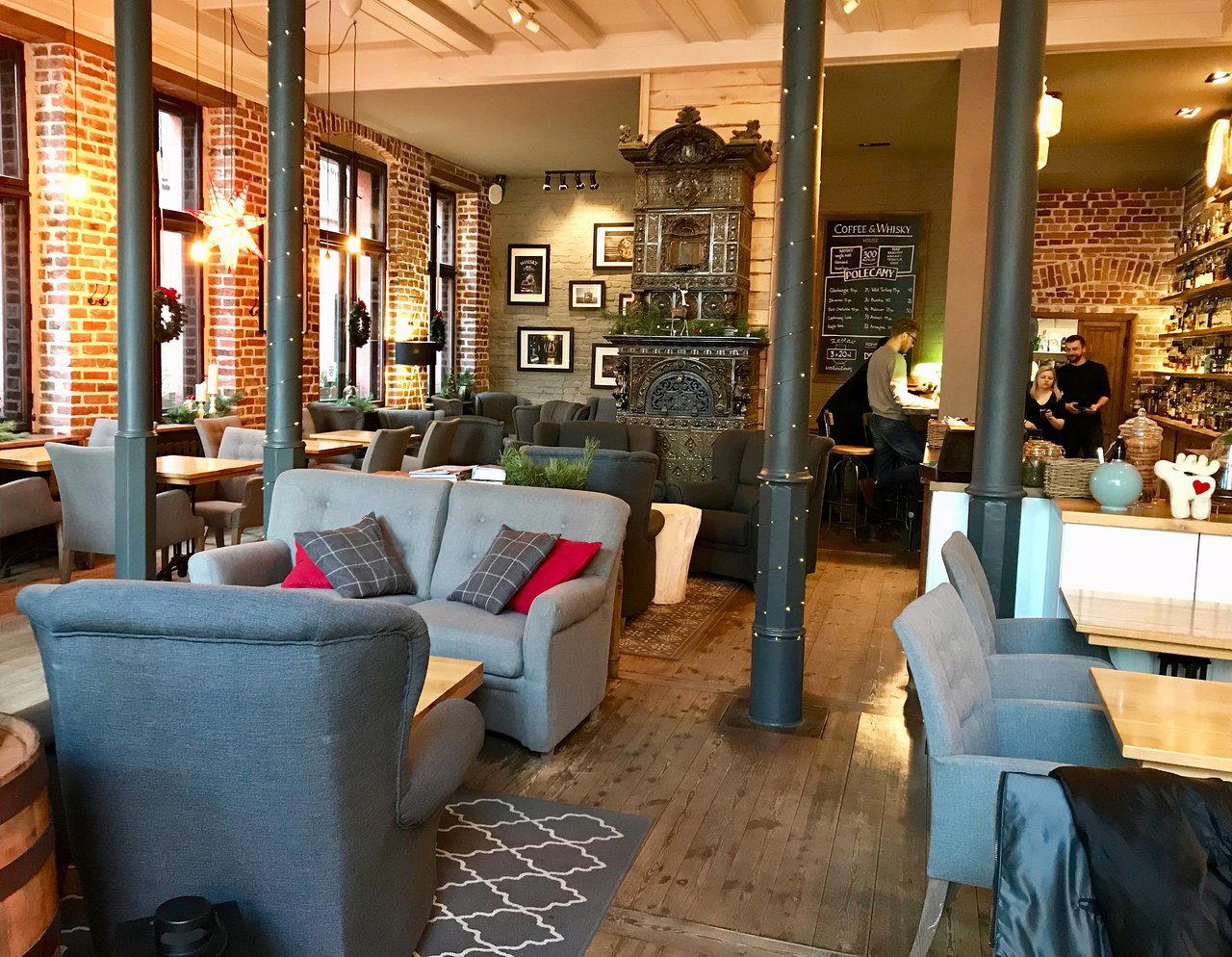
Where Coffee Meets Grain Spirit in Toruń's Old Town
Toruń's drinking culture has long been shaped by its function as a university city and a tourist node on the Vistula, pulling in students, day-trippers from Bydgoszcz and Gdańsk, and visitors drawn to the UNESCO-listed Gothic architecture. Coffee & Whisky House is a restaurant in Toruń, Poland, with a 4.7 Google rating and an average spend of about $15 per person. That audience creates demand for venues with range: places that can anchor a mid-morning coffee stop and hold attention well into the evening. Coffee & Whisky House, at Ducha Świętego 3, sits inside that gap deliberately, building a dual identity around two products that share more sourcing logic than most drinkers consider.
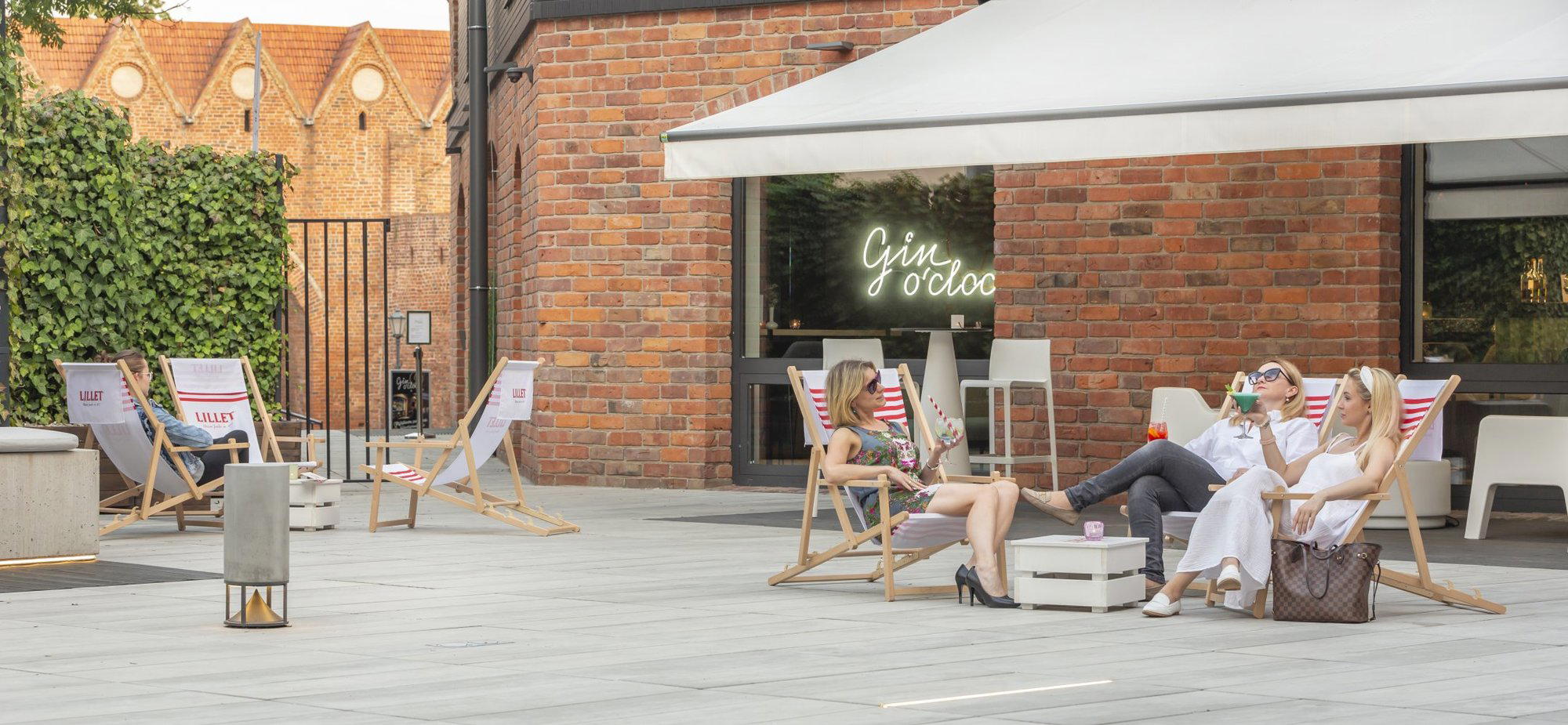
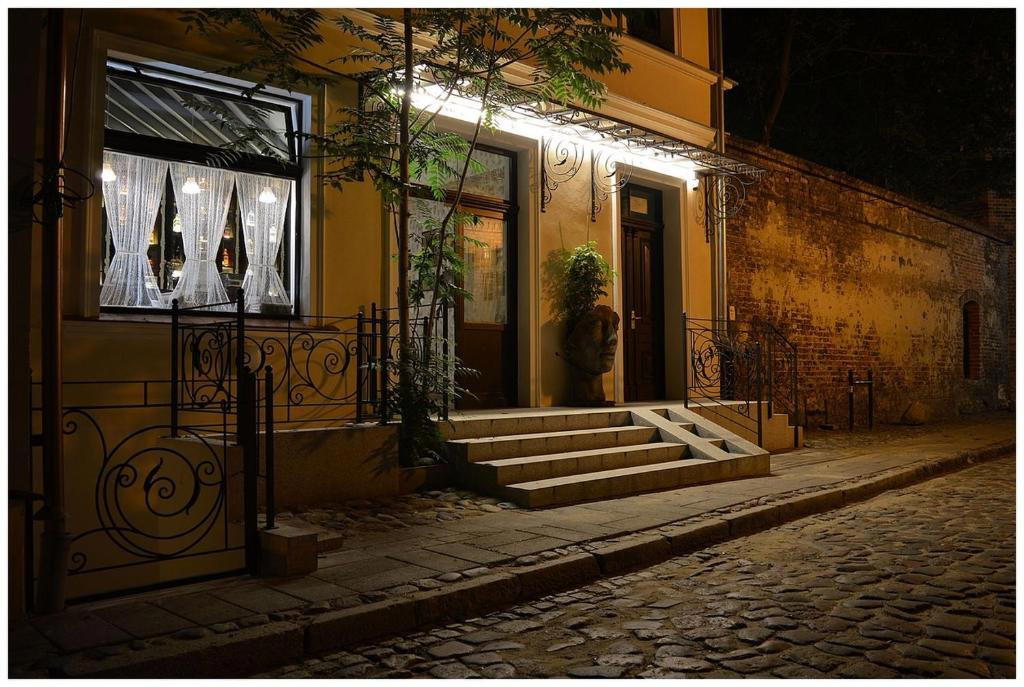
The street address places it close to the heart of the medieval quarter, where the density of historic brick and the relative quiet of the lanes off Rynek Staromiejski reward venues that hold their ground without competing on spectacle. The physical context matters here because it sets expectations: this is not a high-volume bar designed around throughput, but a space where the format invites lingering. For comparable venues in Toruń's hospitality scene, see Gin O'Clock, which anchors a different part of the spirits conversation, or Old Metropolis Podmurna 28, which occupies a broader restaurant-and-bar format in the same neighbourhood.
The Sourcing Logic Behind Coffee and Whisky
The pairing of specialty coffee and whisky is less arbitrary than it appears at first encounter. Both categories have spent the last two decades undergoing the same structural shift: from commodity to provenance. Single-origin coffee from specific farms in Ethiopia or Colombia now commands the same kind of scrutiny that single-malt Scotch from Speyside or Islay has attracted for generations. Altitude, soil, processing method, barrel type, maturation period: these are the variables that enthusiasts in both categories track. A venue that takes both seriously is implicitly making an argument about ingredient sourcing as a discipline, not just a marketing posture.
Polish cities have been slower than Warsaw or Kraków to develop specialist coffee culture at scale, but that gap has been closing. Toruń's student population sustains a higher baseline of coffee awareness than many similarly sized cities, and venues that import well-sourced green coffee and manage their own roast profiles (or source from roasters who do) have found a receptive audience. The whisky side of the equation connects to a broader central European tradition: Poland's appetite for Scotch single malts has grown consistently through the 2010s and into the 2020s, driven partly by a drinking culture that was already comfortable with aged grain spirits in the form of domestic rye whisky. A bar that bridges those two traditions is reading local demand accurately.
For context on how specialist drinking venues are performing at the higher end of the Polish market, OK Wine Bar in Wrocław offers a useful comparison point in the wine category, while Arco by Paco Pérez in Gdańsk shows what happens when precision technique meets Baltic-city dining ambitions. At the international tier, venues like Le Bernardin in New York City and Lazy Bear in San Francisco demonstrate how seriously ingredient provenance is now weighted in premium hospitality contexts globally.
Toruń's Broader Dining and Drinking Context
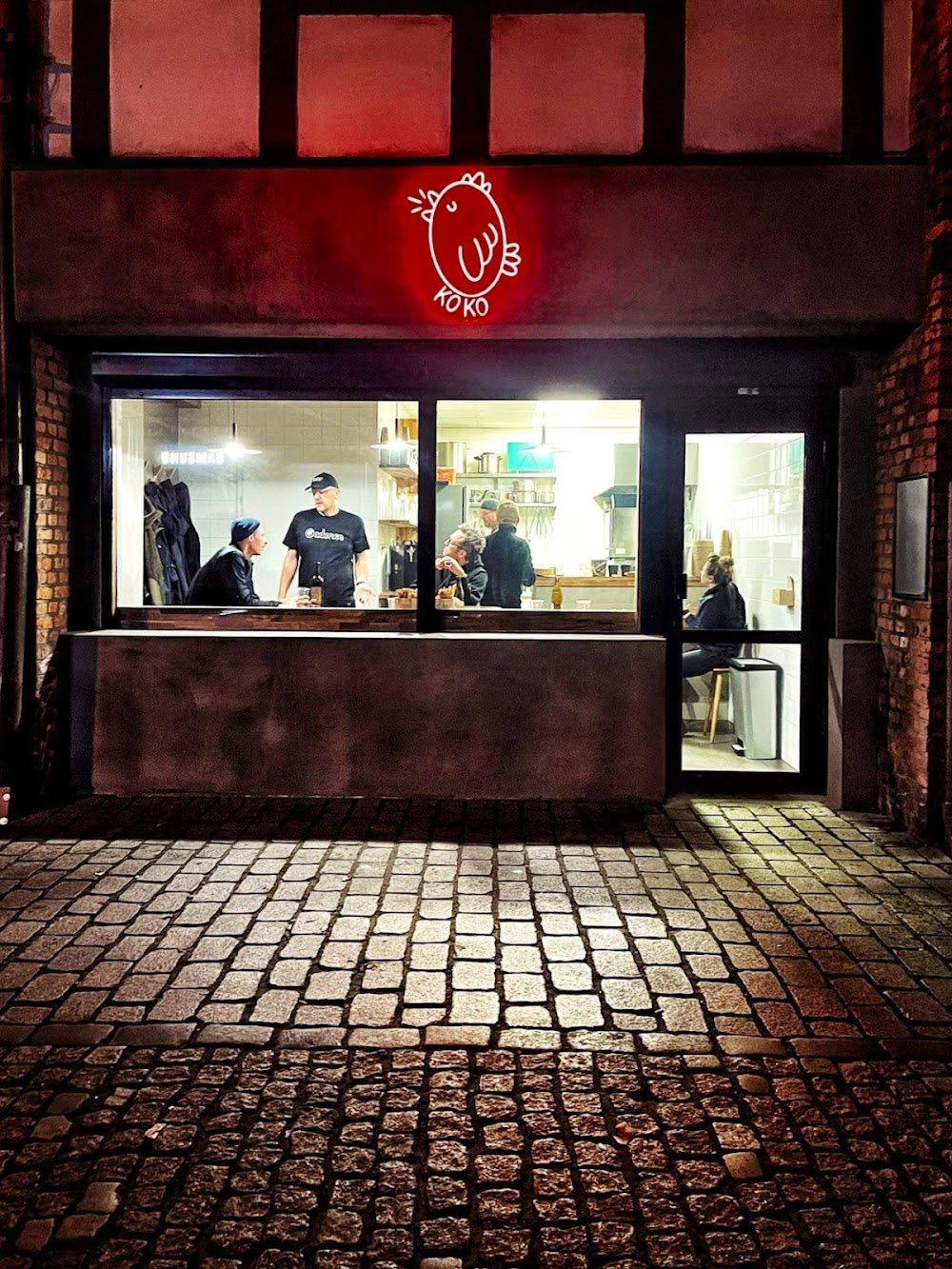
Toruń punches above its population size in hospitality terms, partly because of the volume of visitors the UNESCO designation attracts and partly because the university drives year-round footfall that does not depend on tourism cycles. The restaurant scene has diversified in the past decade, moving beyond the traditional Polish comfort food circuit into more varied formats. Dom Sushi represents the Japanese end of that expansion, while KOKO restauracja and Restauracja Luizjana Toruń reflect the appetite for more considered, mid-to-upper tier dining options.
Within that context, a coffee-and-whisky specialist occupies a niche that sits adjacent to the restaurant scene rather than competing directly with it. The venue functions as both a pre-dinner destination and a post-dinner one, and its dual identity means it draws from two separate customer behaviours without fully belonging to either. That positioning has precedent in cities like Edinburgh and Amsterdam, where hybrid café-bar concepts with strong ingredient credentials have built loyal regulars across different time windows during the day.
Elsewhere in Poland, the same kind of specialist focus is appearing in larger cities: Muga in Poznań and Bottiglieria 1881 in Kraków both represent the premium end of focused, single-discipline hospitality. hub.praga in Warsaw shows how industrial-quarter venues are developing their own credentials in the capital. Coffee & Whisky House operates at a smaller scale and in a smaller city, but the underlying hospitality logic is consistent: depth over breadth, sourcing transparency over menu volume.
Getting There and Planning a Visit
Ducha Świętego 3 is a short walk from Toruń's main market square, placing it within the compact radius that most visitors cover on foot during a day in the Old Town. Toruń is accessible by train from Bydgoszcz (around 30 minutes), Gdańsk (roughly two hours), and Warsaw (two to three hours depending on the service), making it a practical day trip destination from multiple directions. Visiting during mid-afternoon or early evening on a weekday is likely to offer more space than weekend evenings, when the Old Town sees its highest foot traffic. Additional reference points in northern Poland include Bar Przystań in Sopot, La Cucina Ristorante in Gdańsk, Nare Sushi in Skórzewo, Ariel in Kraków, and Giewont in Kościelisko.
Continue exploring
More in Torun
Restaurants in Torun
Browse all →

At a Glance
- Cozy
- Intimate
- Trendy
- Date Night
- Casual Hangout
- After Work
- Historic Building
- Craft Cocktails
Relaxing and comfortable with a cozy, climatic interior, comfortable seating, and a friendly atmosphere.