Dom Sushi on Franciszkańska 8 brings Japanese rice-and-fish tradition to the medieval heart of Toruń, a city better known for gingerbread than raw fish. The address places it within easy reach of the Old Town, making it a practical stop for visitors exploring the Vistula riverfront. Specific menu, pricing, and booking details are best confirmed directly with the venue.
Pearl is the En Primeur Club membership app — saves, bookings, and concierge access live there. Same editors, same standards.
- Address
- Franciszkańska 8, 87-100 Toruń, Poland
- Phone
- +48509646146
- Website
- domsushi.pl
- Directions
- Get directions
 Saves & bookings on Pearl
Japanese Precision in a Gothic City
Toruń's dining scene is shaped, more than anything else, by its architecture. The Old Town, a UNESCO World Heritage site, draws visitors into a world of red-brick Gothic churches and Hanseatic merchant houses, and the restaurants that cluster around those streets have historically served that visitor appetite: Polish comfort food, gingerbread-themed cafés, and hearty river-country cooking. Against that backdrop, a sushi address on Franciszkańska 8 represents something genuinely different about how the city's appetite is shifting.
Across Poland, Japanese cuisine has moved well beyond the novelty phase it occupied in the early 2000s. In Warsaw and Kraków, omakase counters and ramen specialists now hold their own alongside established European fine dining. Cities like Poznań and Gdańsk have developed enough of a sushi-going public to support multiple tiers of Japanese restaurants, from fast-casual conveyor formats to more considered à la carte houses. For a reference point on how seriously Japanese technique can be applied in a Polish context, places like Nare Sushi in Skórzewo show what the format looks like at a higher pitch of ambition. Dom Sushi sits in a smaller city and a different context, but it is part of the same broader migration of Japanese dining culture into Polish towns that would not have supported such a concept two decades ago.
What the Address Tells You
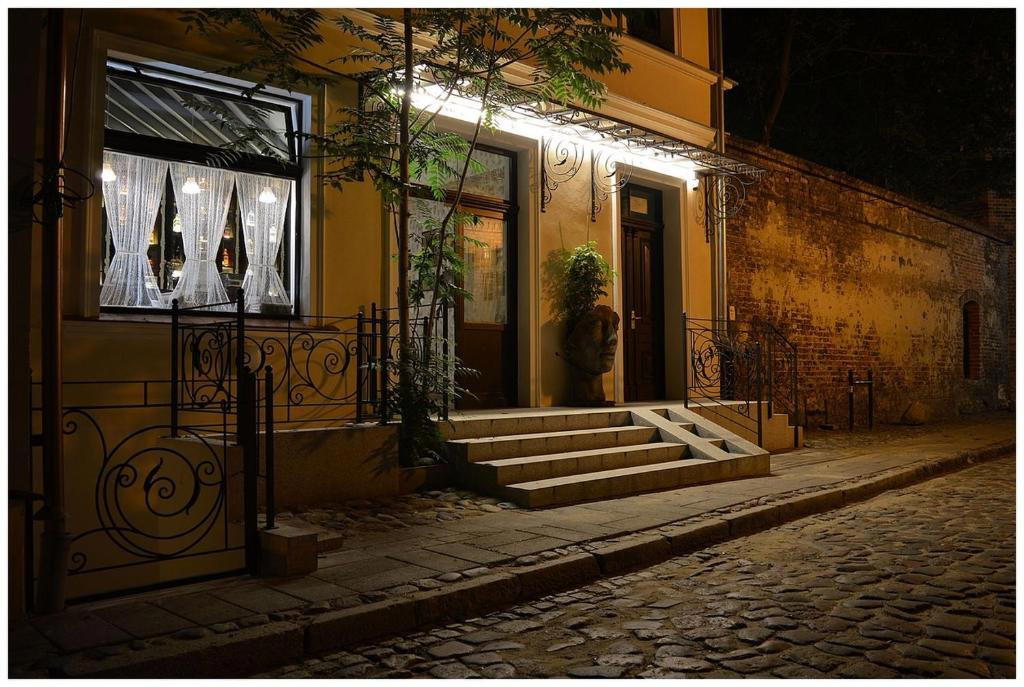
Franciszkańska is a short street in Toruń's historic core, close enough to the main market square that foot traffic is a natural draw, but removed from the most tourist-saturated blocks. Streets in this part of the Old Town tend to house a mix of local regulars and visitors who have wandered beyond the obvious sightseeing circuit. For a sushi restaurant, that combination of neighbourhood custom and curious passerby traffic is a reasonable position to occupy.
The choice of location also reflects a broader pattern in mid-sized Polish cities: Japanese and Asian-inflected restaurants tend to settle in historic city centres rather than peripheral commercial zones, aligning with the foot traffic and evening-dining culture that those areas generate. This contrasts with the out-of-town warehouse model more common in Western European sushi chains. Dom Sushi's Franciszkańska address puts it in the company of Toruń's more considered dining options, alongside venues like KOKO restauracja and Old Metropolis Podmurna 28, which also occupy the Old Town's pedestrian core.
The Cultural Weight of Sushi Outside Tokyo
Sushi carries a particular cultural freight wherever it travels. In Japan, the form is stratified with unusual precision: neighbourhood kaiten-zushi, mid-range kappo counters, and multi-starred omakase rooms operate under entirely different social codes. When that form migrates, something of that stratification travels with it, but local context reshapes the hierarchy. In Poland, the defining question for a sushi address is not usually which lineage a chef trained under, but whether the sourcing is honest, the rice temperature is correct, and the fish is arriving fresh enough to justify the format.
Those are not trivial questions in a landlocked city on the Vistula. Poland has developed reliable cold-chain infrastructure for imported Japanese-style fish, but the distance from coastal suppliers still shapes what is realistic on any given day's menu. The leading Japanese restaurants operating in Polish inland cities, including venues far from the Baltic coast, have adapted by leaning into preparations that handle well under those sourcing conditions: cooked maki, tataki, and fusion-adjacent rolls alongside more classical nigiri and sashimi. How Dom Sushi calibrates that balance is something leading assessed by visiting rather than assumed.
For comparison on how the Japanese format operates at a higher technical register in coastal Poland, Arco by Paco Pérez in Gdańsk demonstrates what proximity to the Baltic and a different level of investment in sourcing can produce. The gap between that and an inland city address is real, and worth understanding before visiting with particular expectations.
Toruń's Wider Dining Context
Visitors to Toruń tend to spend most of their eating hours in the Old Town, and the range of options there has broadened considerably over the past decade. The city's reputation still rests on piernik, the local gingerbread with medieval guild roots, but the restaurant scene around Rynek Staromiejski now includes wine-focused bars, cocktail addresses, and international kitchens alongside traditional Polish cooking. Coffee & Whisky House and Gin O'Clock represent the drinks-led end of that evolution, while Restauracja Luizjana Toruń shows the city's appetite for American-influenced cooking. Dom Sushi fits into the international strand of that picture.
For anyone planning a full day in Toruń, the dining geography is compact enough that most Old Town restaurants are within a few minutes on foot of each other. The full Toruń restaurants guide maps out that area in more detail, including how different venues relate to the main sightseeing circuit.
Elsewhere in Poland, the standard for Japanese cooking continues to rise. Muga in Poznań and Bottiglieria 1881 Restaurant in Kraków demonstrate what the country's more developed dining cities are capable of producing. Further afield, the distance between a Polish inland sushi address and the benchmark set by something like Le Bernardin in New York City or Lazy Bear in San Francisco is significant, which is not a criticism so much as a useful calibration of expectations across entirely different contexts and price tiers.
Planning Your Visit
Dom Sushi is located at Franciszkańska 8 in Toruń's Old Town, a short walk from the main market square and the Vistula embankment. Specific opening hours, current menu, and pricing are not held in EP Club's database; the most reliable approach is to check directly at the address or seek current information through local search tools before visiting. Given the compact geography of the Old Town, it pairs naturally with an afternoon walk through the historic streets or an evening that continues into Toruń's bar circuit. Additional options for drinks or a second course are close by, with several of the city's notable spots within the same few blocks.
At a Glance
- Modern
- Cozy
- Intimate
- Date Night
- Casual Hangout
- Group Dining
- Special Occasion
- Open Kitchen
- Chefs Counter
- Beer Program
- Sake Program
- Sustainable Seafood
Current opening hours
- Monday
- 12–10 PM
- Tuesday
- 12–10 PM
- Wednesday
- 12–10 PM
- Thursday
- 12–10 PM
- Friday
- 12–10 PM
- Saturday
- 12–10 PM
- Sunday
- 12–10 PM
Hours can change for holidays and private events. Last verified .
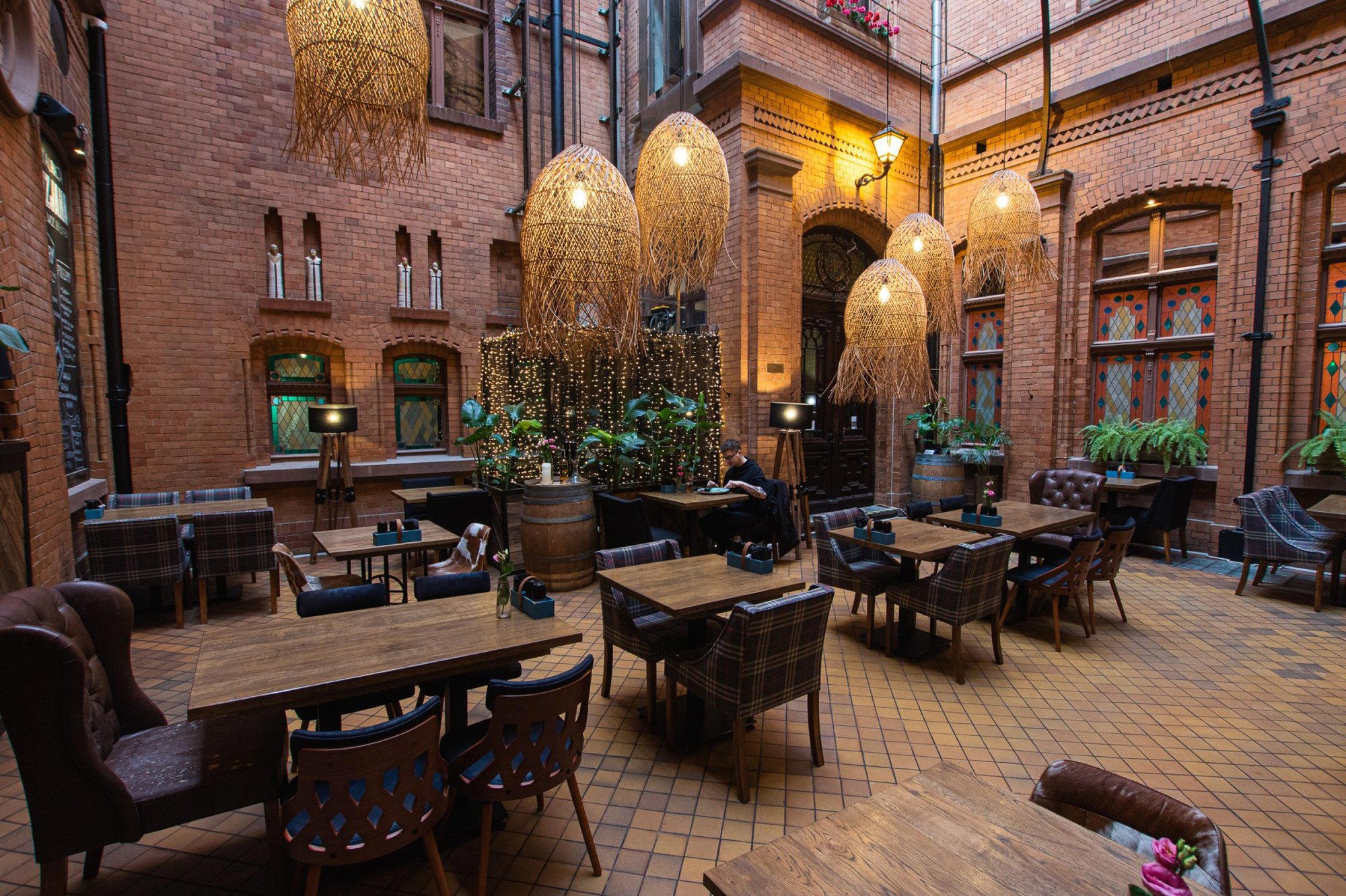
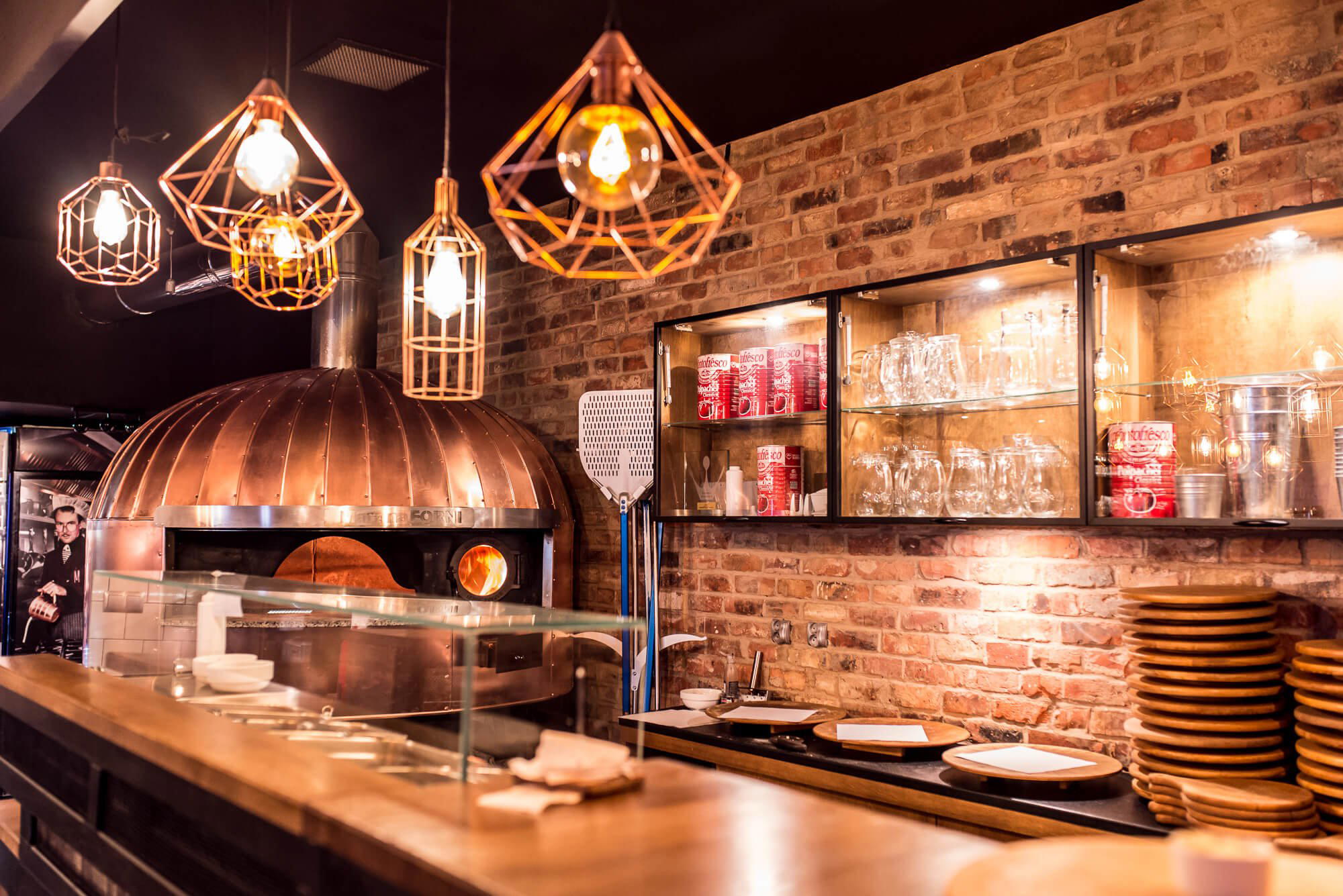
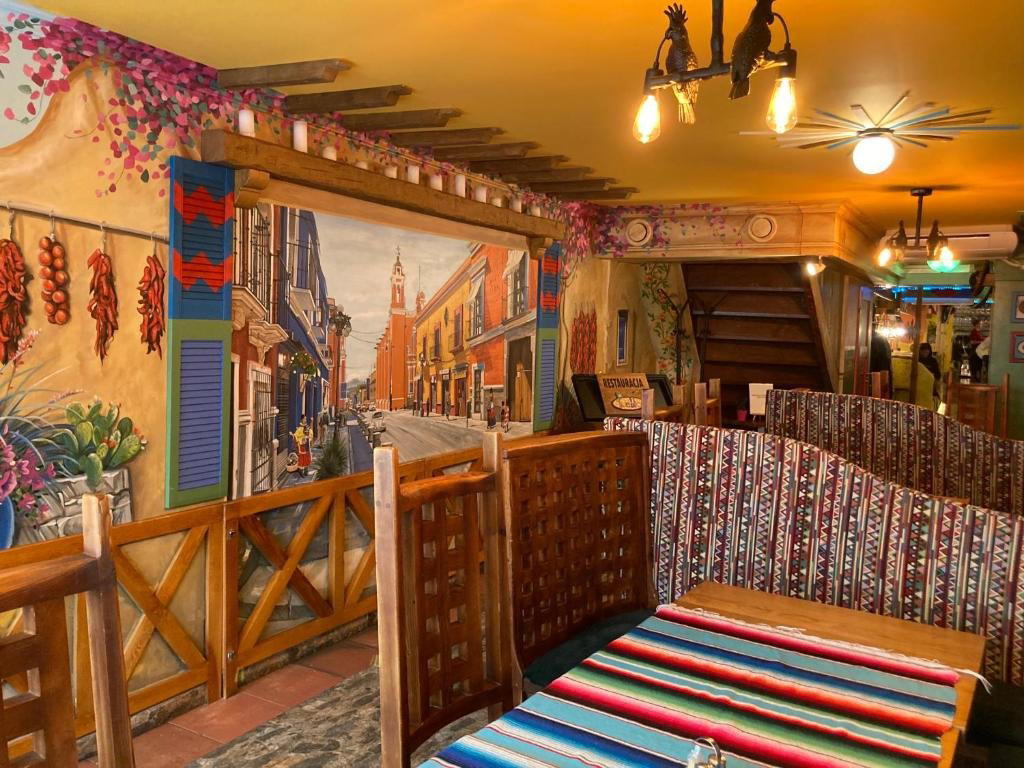
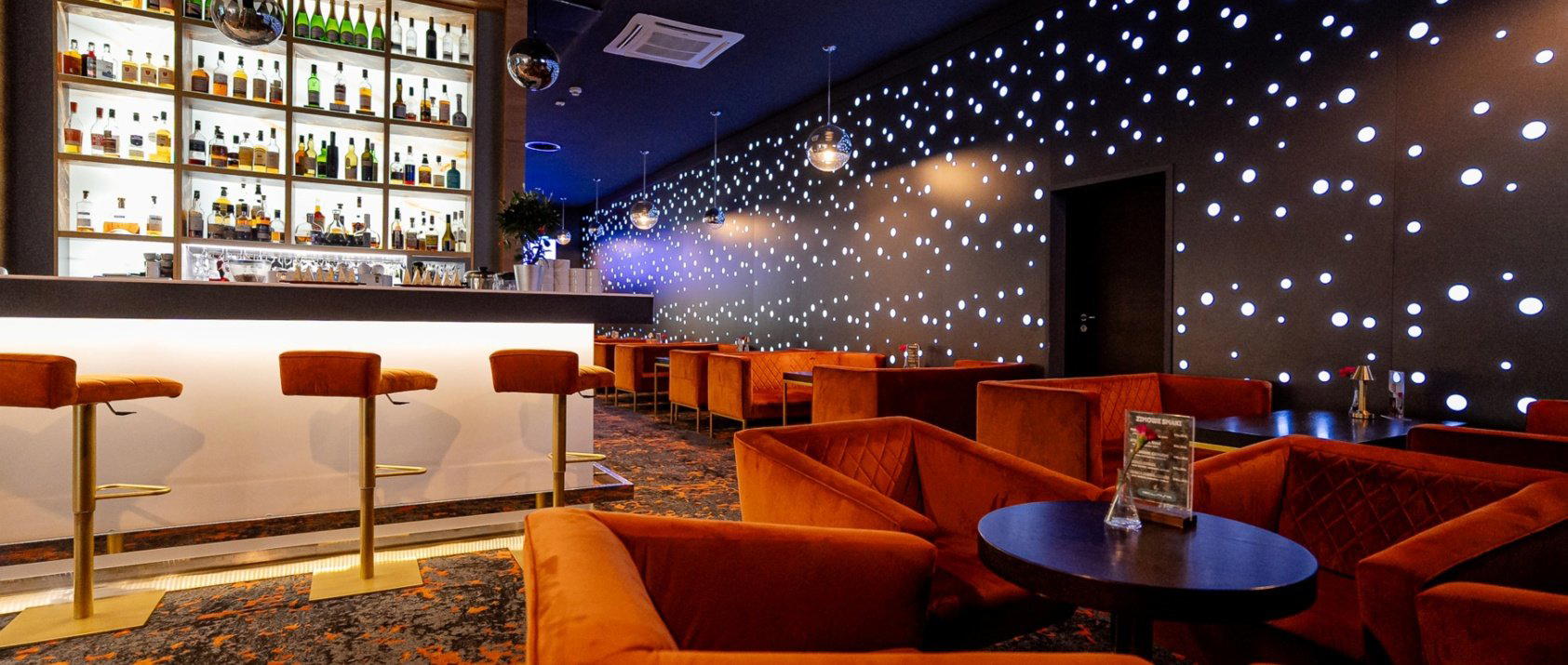
Warm and relaxed atmosphere with an open kitchen counter where diners can watch chefs craft sushi, creating an engaging and intimate dining experience.
Know Before You Go
- Getting there
- Franciszkańska 8, 87-100 Toruń, Poland