Old Metropolis Podmurna 28 sits on one of Toruń's most storied medieval streets, a short walk from the Vistula and the Old Town's Gothic brick fortifications. The address alone signals the dining context: a city that has preserved its Hanseatic-era urban fabric more completely than almost any other in northern Poland, and where restaurants increasingly trade on that architectural and cultural weight.
Pearl is the En Primeur Club membership app — saves, bookings, and concierge access live there. Same editors, same standards.
- Address
- Podmurna 28, 87-100 Toruń, Poland
- Phone
- +48530741653
- Website
- staremetropolis.pl
- Directions
- Get directions
 Saves & bookings on Pearl
Dining Inside Toruń's Medieval Skin
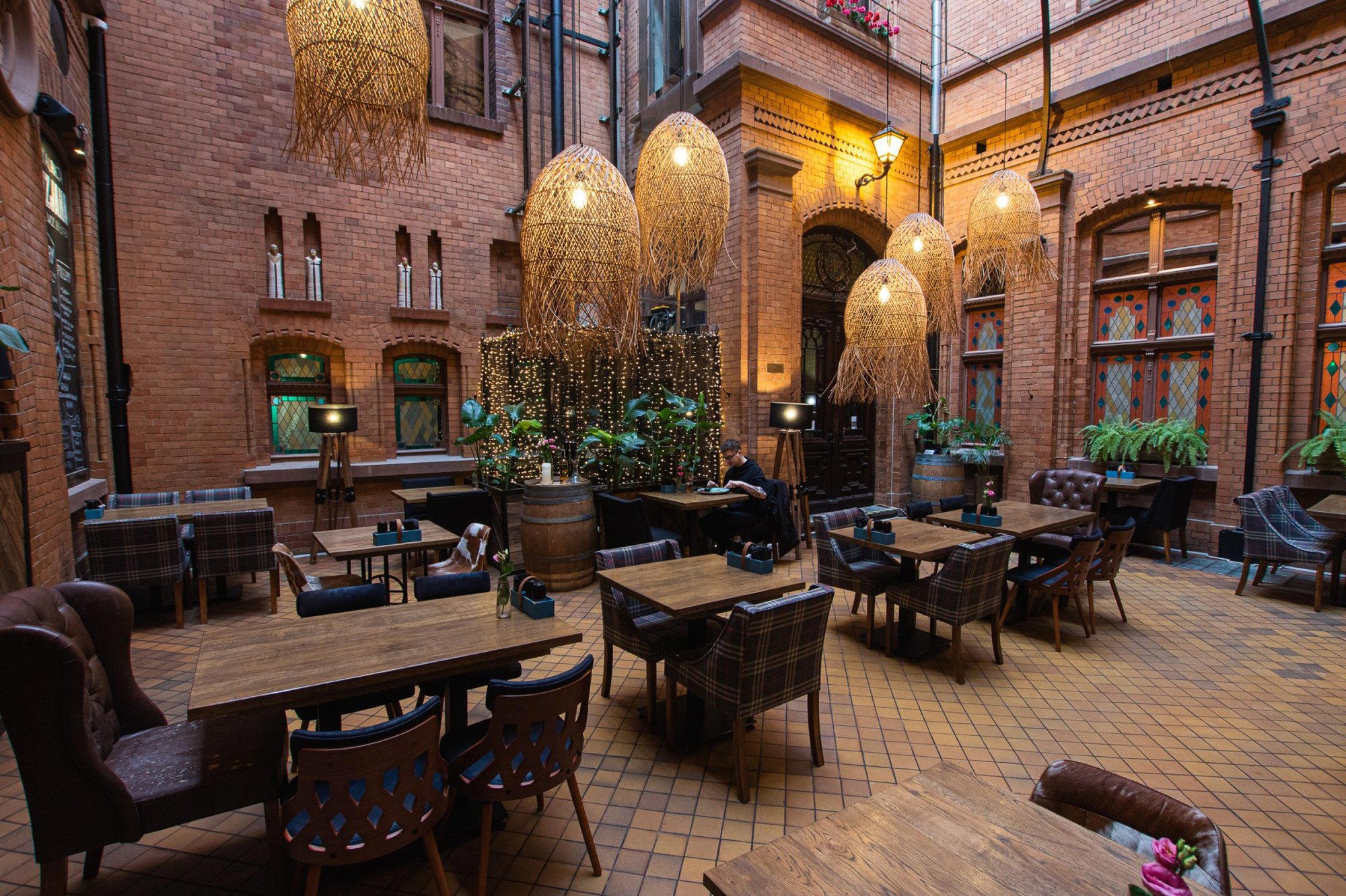
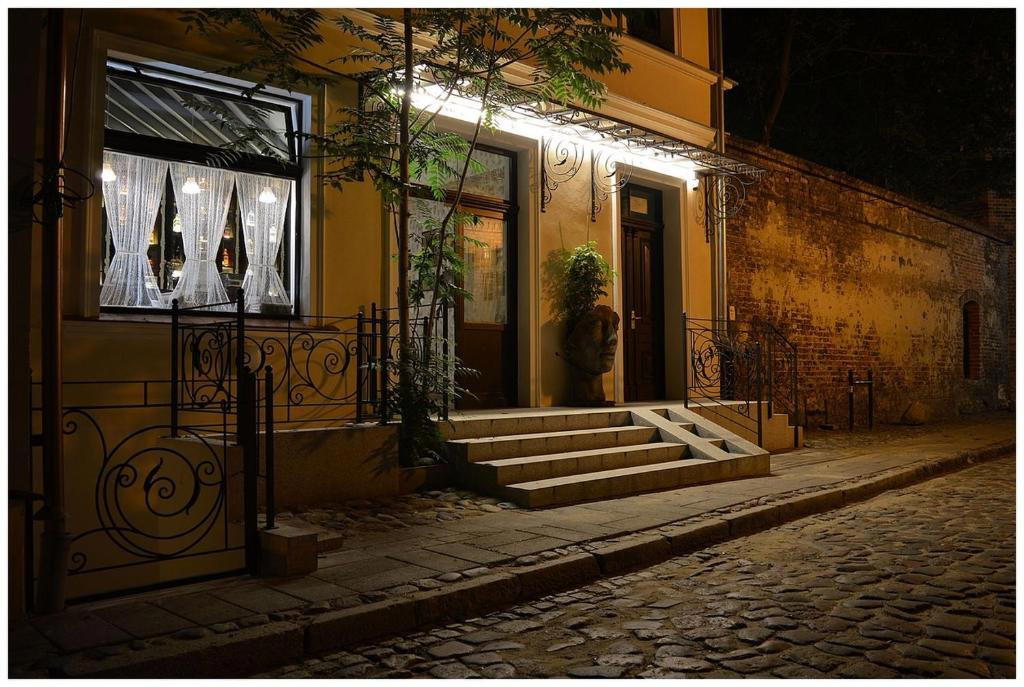
Podmurna Street runs along the inner edge of Toruń's 13th-century city wall, and eating here means sitting inside among the more intact medieval urban environments in central Europe. The Old Town's Gothic brick, the same material that built the Church of St John the Baptist and Copernicus's birthplace a few hundred metres away, wraps the street in a particular quality of light and shadow that changes by hour and season. Restaurants on Podmurna occupy spaces that carry the physical memory of a Hanseatic trading city: low vaulted ceilings, thick walls, floors that predate modern hospitality by several centuries. Old Metropolis Podmurna 28 fits that setting directly. The name announces its position in the old city, and the building context does much of the atmospheric work before a plate arrives.
Toruń is a city that Polish travellers have known for generations and that international visitors sometimes overlook. It escaped the Second World War with its historic core largely intact, a rarity in this part of Europe, which means the restaurant scene here operates inside genuinely old architecture rather than reconstruction. For comparison, consider that Gdańsk's beautiful Long Market is largely a postwar rebuild; Toruń's equivalent streets are the original article. That distinction matters when assessing why dining in this city carries a different register than in Warsaw or even Kraków, where the Bottiglieria 1881 Restaurant represents a different kind of heritage hospitality.
What the Address Tells You About Polish Regional Dining
Polish cuisine in its regional forms is undergoing a sustained reassessment. The model that dominated the 1990s and 2000s, heavy, Soviet-era comfort food repackaged for tourist consumption, has given way, particularly in cities with strong civic identity, to something more considered. Toruń's case is specific: the city's identity is tied to its medieval Teutonic and Hanseatic past, to Copernicus, and to pierniki (gingerbread), a product so embedded in local culture that the city's confectionery tradition has been acknowledged by Polish cultural institutions as a form of intangible heritage.
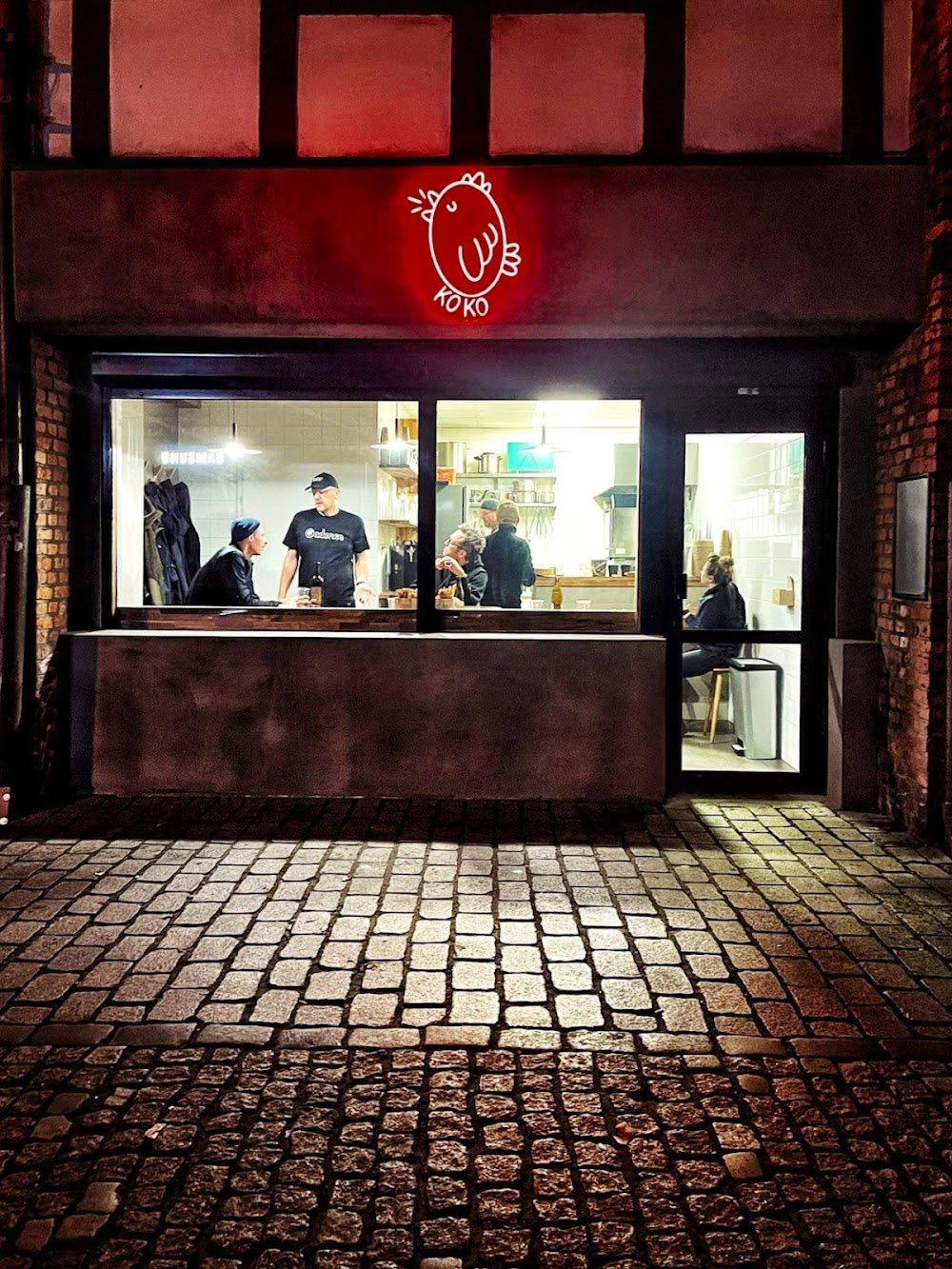
That heritage context shapes expectations for restaurants operating in the Old Town. A venue at Podmurna 28 sits inside a geography where the cultural weight is high and the visitor base, mostly domestic tourists and increasingly international visitors arriving via short flights from Western Europe, arrives with some awareness of what the city represents. Restaurants here compete less on novelty and more on the coherence between setting and offer. The comparison venues along Toruń's dining circuit include places like KOKO restauracja and Restauracja Luizjana Toruń.
Scene and comparable set
Toruń's restaurant scene is smaller and more coherent than Warsaw's or Kraków's. The Old Town concentration of venues means that diners often compare several addresses in a single evening walk, and reputation travels quickly through both domestic travel platforms and word of mouth in a way it does not in larger cities. Podmurna 28 sits in a section of the street that draws foot traffic from the Vistula embankment and the main Rynek Staromiejski, placing it inside the highest-density dining corridor in the city.
The broader Polish dining scene has several distinct nodes. Gdańsk has built an ambitious fine-dining tier, with Arco by Paco Pérez operating at the upper end of the market. Warsaw's hub.praga and Poznań's Muga represent further regional iterations. Toruń's dining identity is more about mid-market venues that use the city's architectural and cultural authority as their main asset. Old Metropolis Podmurna 28 operates in that register.
For visitors who move between Polish cities, the contrast is clear. Toruń has a genuinely intact medieval setting where the restaurant experience is inseparable from the physical context. Venues like Cudne Manowce in Olsztyn or Kwestia Czasu in Białystok offer comparable regional-city dining experiences, but Toruń's urban fabric is more compact and the Old Town more walkable.
Drinking Culture Around Podmurna
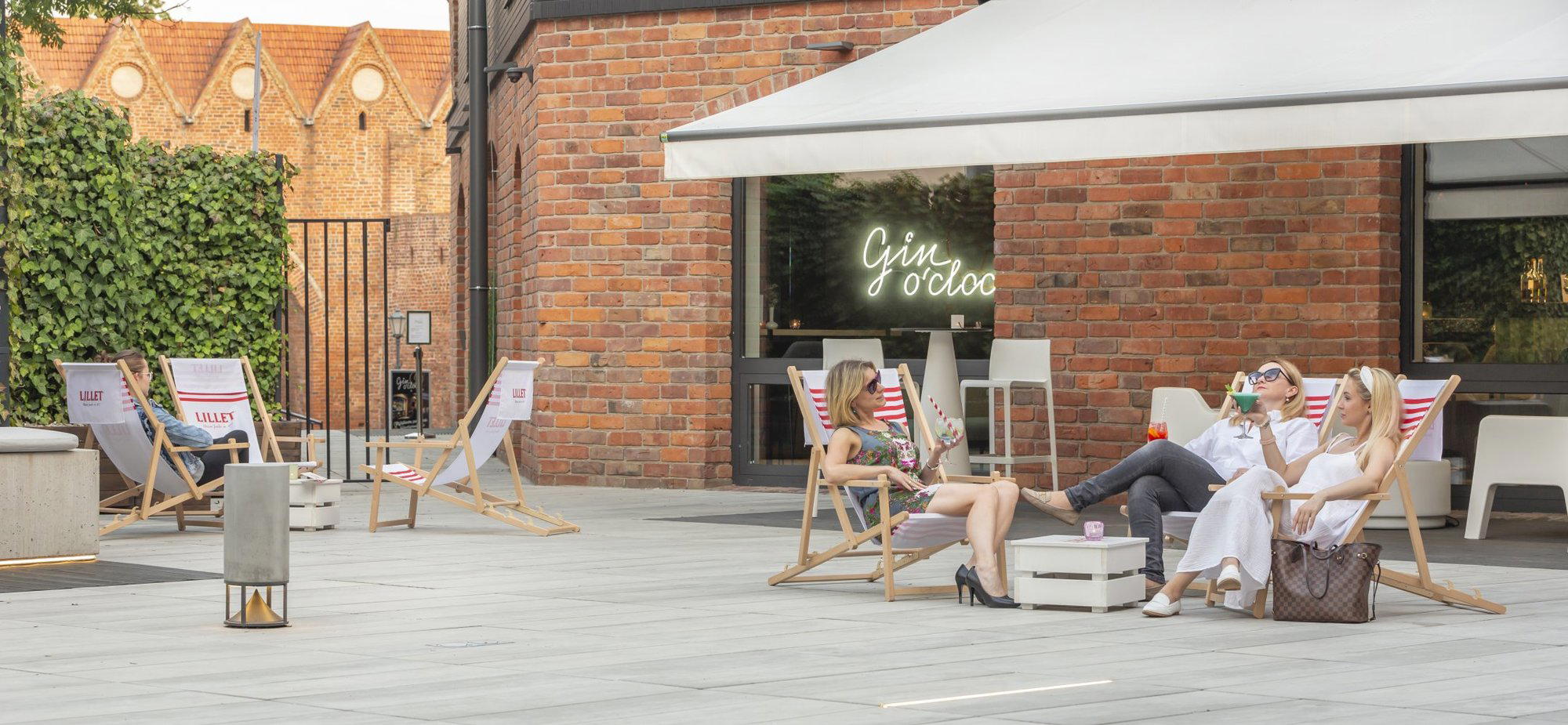
Podmurna Street is also part of a drinking circuit near the restaurant scene. Coffee & Whisky House and Gin O'Clock both operate nearby, the latter focusing on a format that has spread through Polish secondary cities over the past decade as gin culture embedded itself firmly in the urban bar offer. That concentration means Podmurna 28 sits inside an evening circuit rather than as a standalone dining destination, a pattern that rewards hotel guests staying within the Old Town walls and allows for a more relaxed, venue-to-venue approach to an evening.
International food formats have also reached Toruń's Old Town. Dom Sushi operates in the same neighbourhood, part of a pattern visible across Polish mid-sized cities where Japanese food in accessible formats has filled a consistent market position. The contrast between those venues and a place like Hashi Sushi in Gdańsk or Hattori Hanzo in Czestochowa illustrates how the same cuisine category stratifies across Polish cities by market size and ambition.
Planning Your Visit
Toruń is accessible by direct train from Warsaw in approximately two and a half hours, and from Gdańsk in under two. The Old Town is compact enough that Podmurna 28 sits within comfortable walking distance of the main train station approach via the Vistula bridge. Poland's dining culture outside the major cities tends to be less reservation-dependent than equivalents in Western Europe, though weekend evenings in the summer tourist season, June through August, when the Old Town draws its heaviest visitor numbers, and around the city's festival calendar merit checking ahead. Pricing across Toruń's mid-market Old Town venues is consistently lower than equivalent settings in Warsaw or Kraków, a factor that makes the city an accessible entry point into Polish heritage hospitality without the premium that the larger cities now command.
For a broader look at Toruń's restaurant circuit across price points and cuisine types, see our Toruń restaurants guide. The domestic fine-dining tier, led by venues like Górnik in Kraków and, for international reference, operations like Le Bernardin in New York City or Atomix in New York City, represents a different ambition tier entirely. Toruń's offer is more grounded: a dining scene shaped by a city that knows its identity and has stopped apologising for not being the capital. Giewont in Kościelisko offers a useful regional-Poland parallel in a mountain context, where place and setting similarly drive the dining proposition more than chef pedigree alone.
Budget Reality Check
Comparable venues nearby, for context on price, style, and recognition.
| Venue | Cuisine | Price |
|---|---|---|
| Old Metropolis Podmurna 28This venue — the venue you are viewing | Not listed | $$ |
| Dom Sushi | Old Town, Modern Japanese Sushi & Ramen | $$ |
| Restauracja Luizjana Toruń | Old Town, Creole & Cajun | $$ |
| Gin O'Clock | Old Town, Gin Bar | $ |
| KOKO restauracja | Stare Miasto, Asian Fusion | $$ |
| Coffee & Whisky House | Old Town, European Coffee & Whisky House | $$ |
At a Glance
- Cozy
- Classic
- Casual Hangout
- Date Night
- Family
- Historic Building
- Street Scene
Current opening hours
- Monday
- 9 AM–10 PM
- Tuesday
- 9 AM–10 PM
- Wednesday
- 9 AM–10 PM
- Thursday
- 9 AM–10 PM
- Friday
- 9 AM–11 PM
- Saturday
- 12–11 PM
- Sunday
- 12–10 PM
Hours can change for holidays and private events. Last verified .
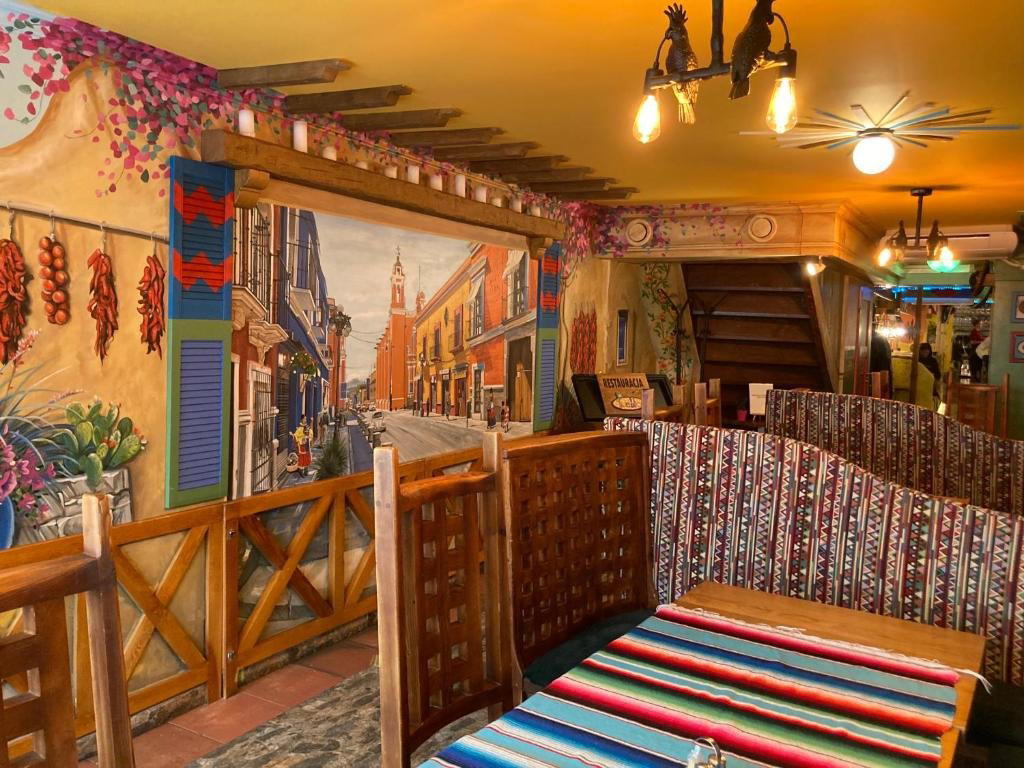
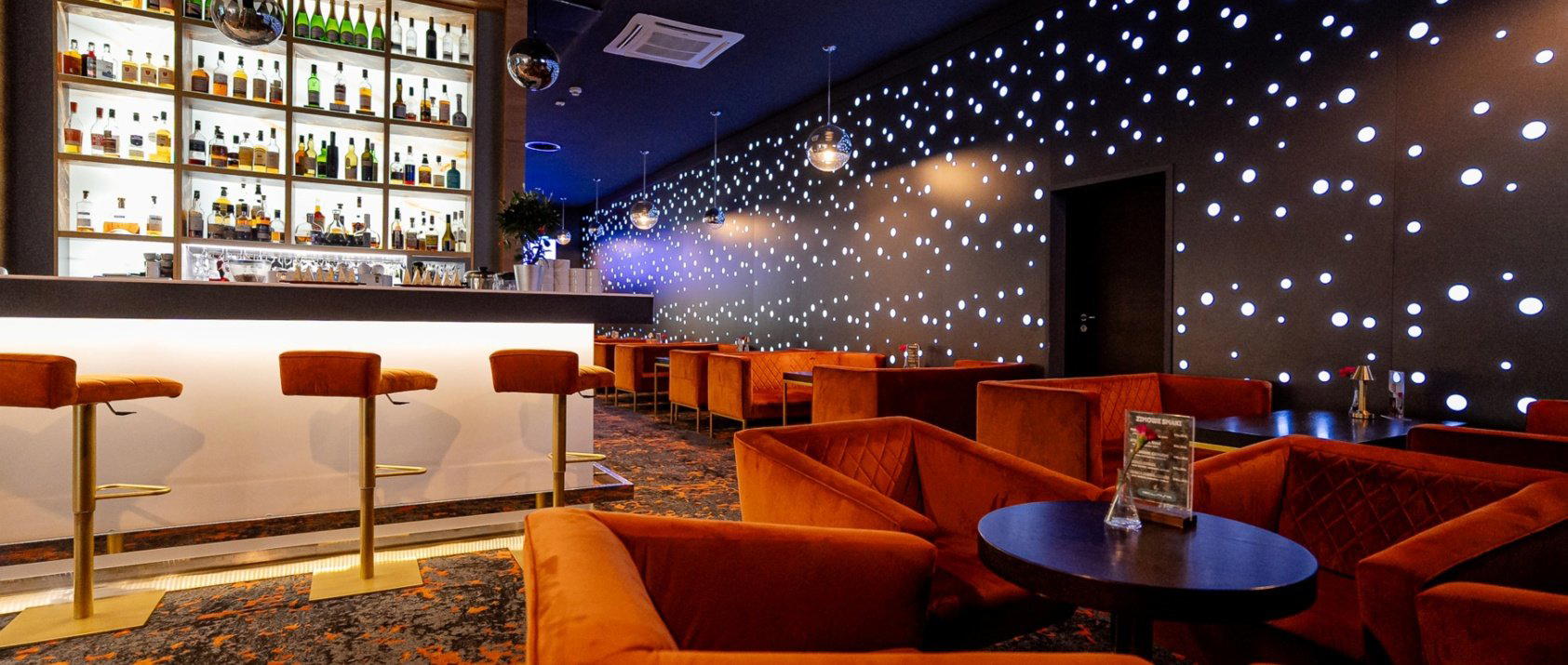
Cozy and pleasant interior with comfortable outdoor seating, praised for nice decor and good vibe.