On Podmurna Street in Toruń's medieval core, KOKO restauracja occupies a small dining room where the sourcing decisions behind each plate reflect the broader Polish turn toward regional produce and seasonal cooking. The address places it among a cluster of independent restaurants on one of the Old Town's most characterful streets, making it a natural stop for anyone tracing the city's contemporary dining scene.
Pearl is the En Primeur Club membership app — saves, bookings, and concierge access live there. Same editors, same standards.
- Address
- Podmurna 65/4, 87-100 Toruń, Poland
- Phone
- +48734678191
- Website
- g.co
- Directions
- Get directions
 Saves & bookings on Pearl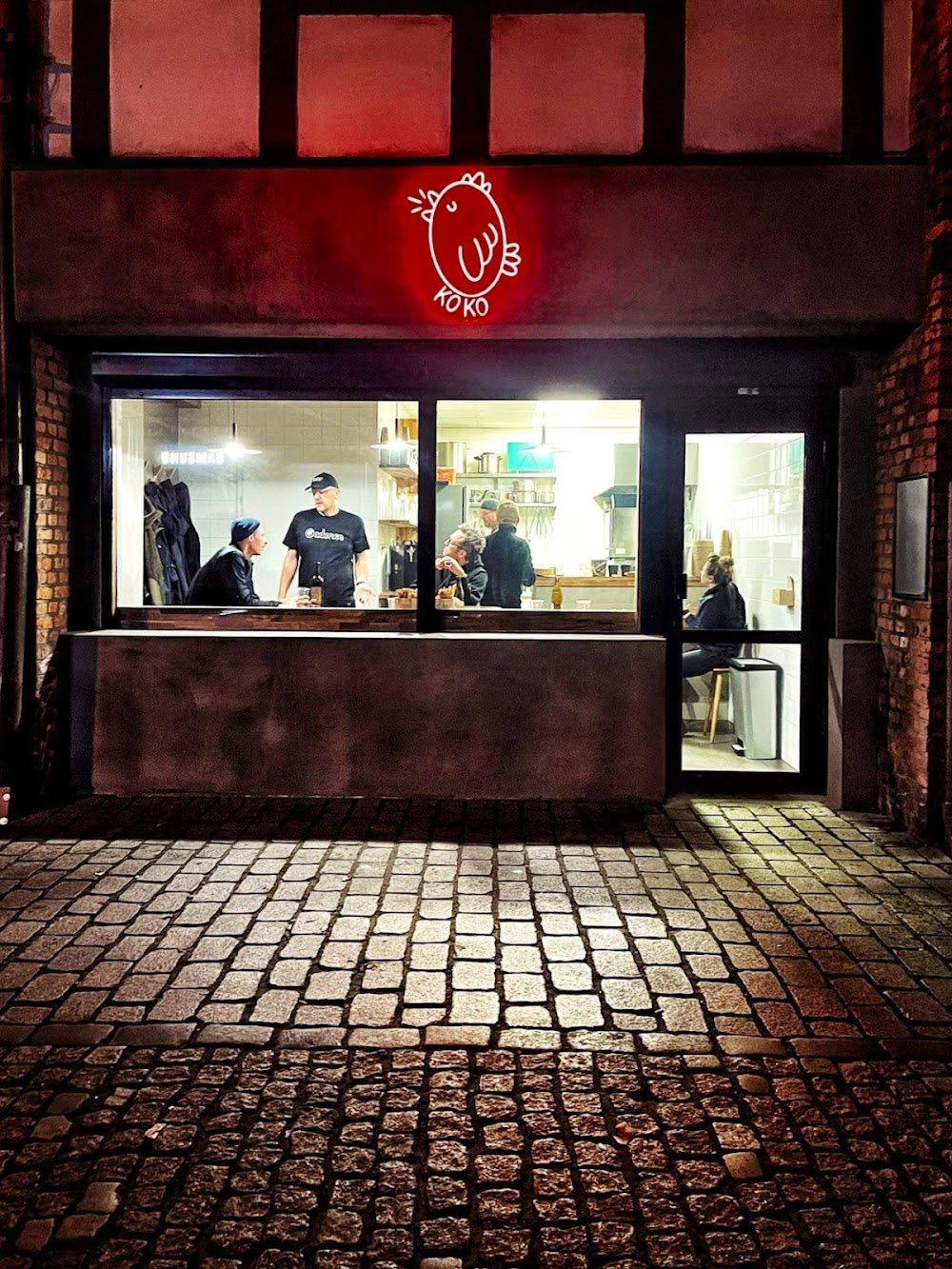
Podmurna Street and the Case for Regional Polish Cooking
Toruń's Old Town is a UNESCO World Heritage site, and Podmurna Street runs along its medieval wall like a seam between centuries. The street has become one of the city's more concentrated stretches of independent dining, with a handful of restaurants making a case that serious Polish cooking no longer requires a Warsaw or Kraków postcode. KOKO restauracja, at number 65/4, sits within that argument. Its address alone signals intent: this is not a tourist-facing perch selling pierogi to visitors who have just toured the Copernicus birthplace. It occupies a smaller, more deliberate niche in a city that has been quietly assembling a credible restaurant culture over the past decade.
The broader context matters here. Polish gastronomy has undergone a structural shift since roughly 2015, when a wave of younger chefs began treating domestic ingredients with the same seriousness that their counterparts in Copenhagen or Lyon had applied to local produce for years. The movement drew on Poland's genuine larder: game from the northeastern forests, freshwater fish from the lake districts, rye and buckwheat from small-scale farms, dairy from highland producers, and foraged mushrooms and herbs with a seasonal window measured in weeks. Restaurants in secondary cities like Toruń have become part of this pattern, operating with shorter supply chains than their metropolitan equivalents and, in some cases, closer relationships with specific growers and producers.
Where the Food Comes From
The ingredient-sourcing argument that defines the better end of contemporary Polish restaurant cooking rests on geography as much as philosophy. The Kuyavian-Pomeranian region, which surrounds Toruń, has agricultural depth: fertile plains, river-fed soil, and a tradition of smallholder farming that predates industrial consolidation. For a restaurant on Podmurna Street, that geography is an advantage. The distance between a Kuyavian grain farm or a Vistula-region dairy producer and the kitchen at KOKO is measurably shorter than the equivalent supply chain in Warsaw, and in Polish cooking, where fat, fermentation, and slow-cooked technique define the flavour architecture, the quality of base ingredients carries a disproportionate amount of the weight.
This is the framework through which the better Polish kitchens in secondary cities present their offer. It is not simply a marketing claim about locality; it reflects a real structural difference in how menus are built. When a kitchen sources from within a two-hour radius, the menu follows the season rather than the availability calendar of a national distributor. Dishes disappear when the ingredient does. That discipline is not universal across Polish restaurant culture, but it is increasingly the signal that separates kitchens cooking seriously from those operating on a more generic model.
For visitors arriving from outside the region, Toruń's position on the Vistula also matters logistically. The city sits roughly midway between Warsaw and Gdańsk, and is reachable from both by train in under two hours. That positioning makes it a plausible stop on a longer Polish itinerary rather than a dedicated destination, though the Old Town's density of independent restaurants, including KOKO's neighbours on Podmurna, rewards a longer stay. For comparison, Arco by Paco Pérez in Gdańsk and Bottiglieria 1881 Restaurant in Kraków represent the more internationally visible end of Polish fine dining; Toruń operates at a different register, closer to neighbourhood conviction than global ambition.
The Podmurna Dining Cluster
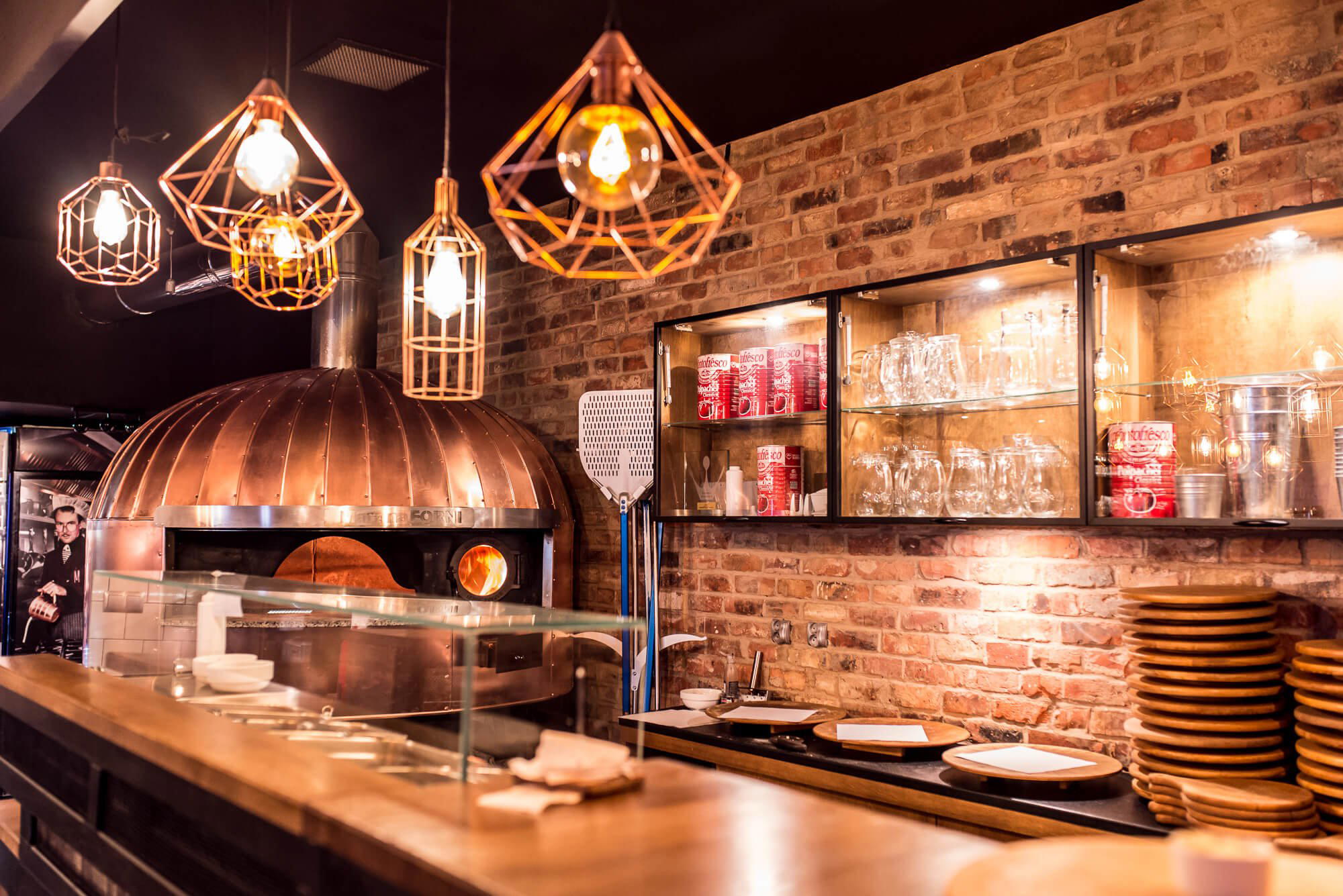
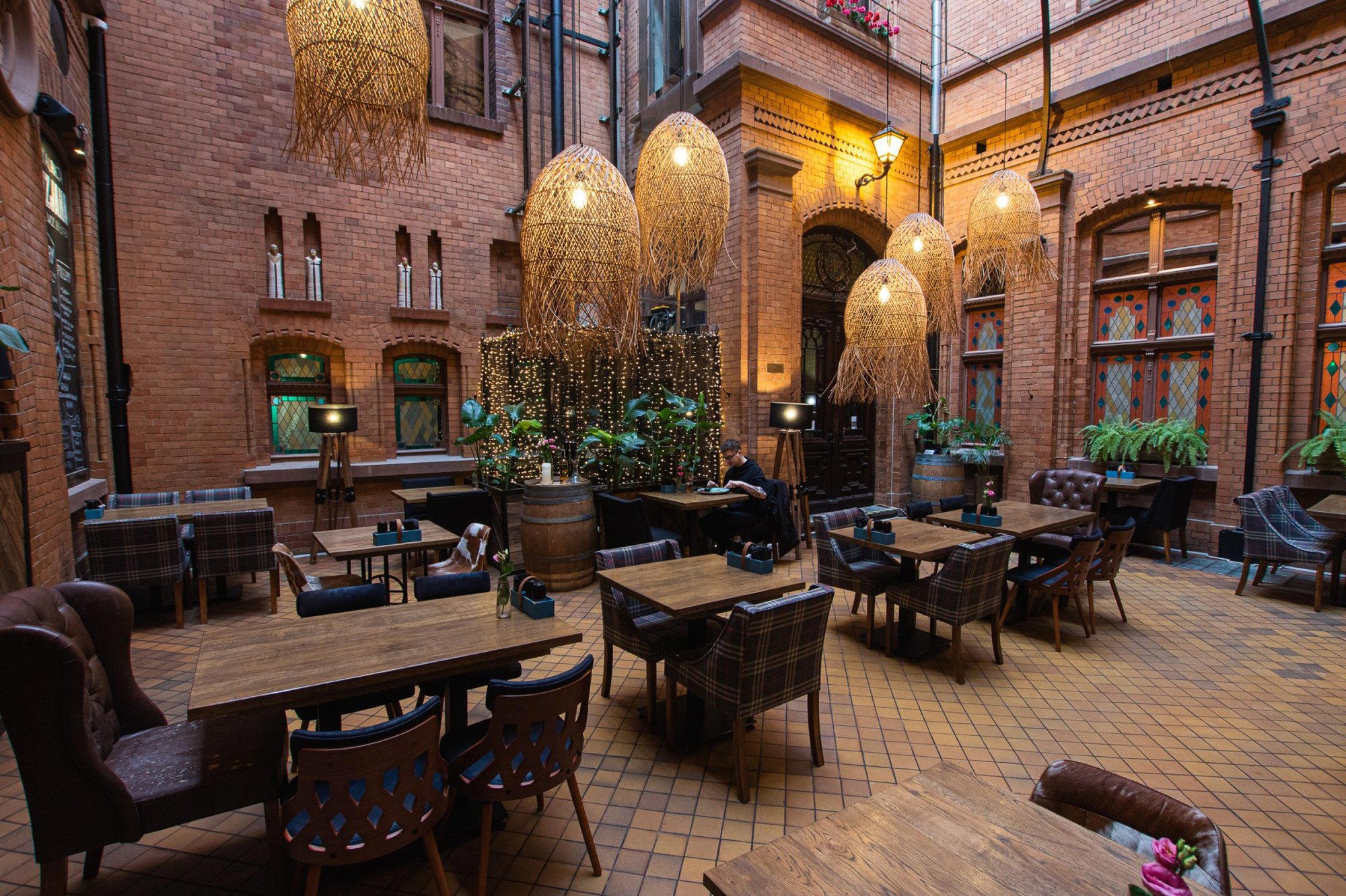
Restauracja KOKO shares its street with several other independents that collectively define Podmurna's character as a dining address. Old Metropolis Podmurna 28 anchors the older, more established end of the strip. Restauracja Luizjana Toruń adds a different culinary register. Drinking options extend to Coffee & Whisky House and Gin O'Clock, while Dom Sushi signals the street's range beyond Polish cuisine. The result is a walkable concentration that allows visitors to compare formats, price points, and culinary approaches within a few hundred metres.
This kind of street-level clustering matters for how a city builds a dining identity. The Podmurna strip does not compete with Warsaw's Śródmieście or Kraków's Kazimierz in scale or international recognition, but it functions coherently as a local ecosystem, where the restaurants reference and implicitly calibrate against each other. KOKO's position within that cluster places it in a comparable set of independent operations rather than a chain-heavy tourist corridor. Elsewhere in Poland, analogous clusters exist: Muga in Poznań, hub.praga in Warsaw, and Kwestia Czasu in Białystok each represent the independent, regionally inflected end of their respective city's restaurant offer. Cudne Manowce in Olsztyn and Giewont in Kościelisko do the same in their northern and mountain contexts respectively.
The pattern across all these cities is consistent: serious sourcing, seasonal constraint, and a kitchen that treats Polish ingredients as a starting point rather than a limitation. KOKO's address places it within that national pattern, filtered through Toruń's specific regional larder.
Planning a Visit
Podmurna 65/4 is within easy walking distance of Toruń's Old Town Square, and the surrounding streets are navigable on foot from most accommodation in the historic centre. For those approaching from outside the city, the main train station connects Toruń to Warsaw and Gdańsk with regular services. As with many independent restaurants in Polish secondary cities, booking ahead is advisable, particularly on weekends when the Old Town draws visitors from across the region.
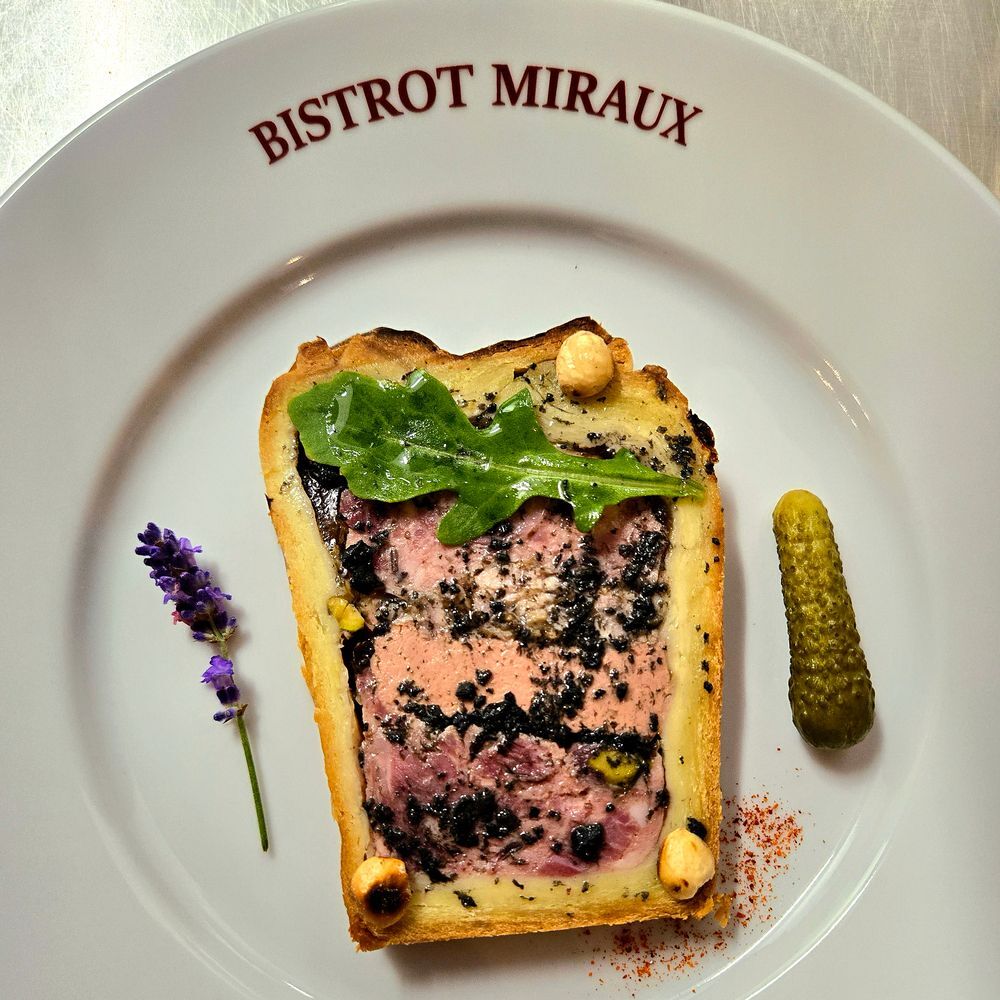
For context on what Polish fine dining looks like at its most technically demanding, Górnik in Krakow and Hashi Sushi in Gdansk illustrate how regional sourcing intersects with more ambitious kitchen formats. At the international extreme, Le Bernardin in New York City and Atomix in New York City represent what sourcing-led tasting menus look like when backed by serious accolades and metropolitan scale. KOKO operates with a modest price point and a clear regional focus, shaped by what Toruń and Kuyavia produce.
Comparable Venues
Comparable venues nearby, for context on price, style, and recognition.
| Venue | Cuisine | Price | Notes |
|---|---|---|---|
| KOKO restauracjaThis venue — the venue you are viewing | Asian Fusion | $$ | Not listed |
| Dom Sushi | Modern Japanese Sushi & Ramen | $$ | Old Town |
| Restauracja Luizjana Toruń | Creole & Cajun | $$ | Old Town |
| Gin O'Clock | Gin Bar | $ | Old Town |
| Old Metropolis Podmurna 28 | Italian and Polish with handmade pasta and pizza | $$ | Old Town |
| Coffee & Whisky House | European Coffee & Whisky House | $$ | Old Town |
At a Glance
- Modern
- Trendy
- Casual Hangout
- Standalone
Current opening hours
- Monday
- Closed
- Tuesday
- Closed
- Wednesday
- Closed
- Thursday
- 12–6 PM
- Friday
- 12–8 PM
- Saturday
- 12–8 PM
- Sunday
- 12–6 PM
Hours can change for holidays and private events. Last verified .
Modern boutique atmosphere with nice staff service.