
Michelin Bib Gourmand
Our verdict
Pasta alla chitarra, saffron from Aquila, and meat-focused mains are served in generous portions at mid-range prices. This is Sulmona's most decorated address for regional cooking done without shortcuts.

Pearl is the En Primeur Club membership app — saves, bookings, and concierge access live there. Same editors, same standards.
- Address
- Via Solimo, 25, 67039 Sulmona AQ, Italy
- Phone
- +39 342 622 6522
- Hours
- Mon–Tue ClosedWed–Sat 12:30–3:30 PM, 8–10:30 PMSun 12:30–3:30 PM
- Website
- ristoranteclemente.it
- Directions
- Get directions
The menu
What to order
- Pasta alla chitarra
- Pan dell'Orso semifreddo
- Spalletta di agnello
Where Clemente Sits in the Abruzzo Dining Picture
Abruzzo occupies an odd position in Italian fine dining discourse. The region produces some of the peninsula's most distinctive raw ingredients, saffron from the plains around Aquila, lamb from Gran Sasso, dry-cured meats from the Maiella valleys, but for decades its restaurants were overlooked by the critical circuits that rewarded coastal Adriatic kitchens and the Alpine-influenced menus of the north. That balance has shifted. Reale in Castel di Sangro established that Abruzzo could sustain Michelin star-level ambition, and lower down the recognition tier, Bib Gourmand holders like Clemente have made the case that the region's depth runs through its ingredient culture rather than its technique showmanship. Bacucco d'Oro in Mutignano and Borgo Spoltino in Mosciano Sant'Angelo represent similar commitments to Abruzzese cuisine further north and east; Clemente holds the same position in the interior, where Sulmona sits at the junction of mountain and valley geography that defines the region's larder.
The Michelin Bib Gourmand, awarded in both 2024 and 2025, signals something specific: this is a kitchen producing food that Michelin's inspectors consider worth a detour at prices that don't require justification. That two-year consistency matters. A single Bib can reflect a good year or a well-timed visit; back-to-back recognition across consecutive guides points to a stable kitchen operating with genuine discipline.
The Menu as a Regional Argument
Italian regional kitchens tend to split into two camps: those that use local ingredients as a platform for contemporary interpretation, and those that treat the local repertoire as something closer to a fixed canon. Clemente belongs to the second group. The menu keeps an exclusive focus on Abruzzese ingredients, which means pasta alla chitarra cut on the wire-strung wooden frame that gives the pasta its square cross-section and slightly textured surface, designed to hold sauces in a way that machine-extruded pasta cannot replicate.
The main courses are structured around meat, which reflects Abruzzo's pastoral rather than maritime identity. The interior provinces have historically relied on sheep, lamb, and pork raised on highland pasture, and that tradition shapes what arrives on the plate. The kitchen's decision to offer half-portions across most of the menu is a practical gesture that also reveals something about the cooking: generous Abruzzese portions were calibrated for physical labour and mountain winters, and the half-portion option acknowledges that modern urban diners eating a full multi-course sequence need that recalibration. It is a detail that separates a kitchen thinking about its guests from one simply executing recipes.
Among the desserts, the Pan dell'Orso semifreddo draws the most attention from returning guests, a cold preparation that takes one of Sulmona's most recognisable confectionery traditions and applies it to a dessert format suited to a seated meal.enprimeurclub.com/restaurants/osteria-francescana">Osteria Francescana in Modena, Enoteca Pinchiorri in Florence, Dal Pescatore in Runate, Le Calandre in Rubano, and Enrico Bartolini in Milan all sit in the €€€€ bracket with the kind of progressive technique and international profile that drives that tier. Piazza Duomo in Alba, Uliassi in Senigallia, Casa Perbellini 12 Apostoli in Verona, Quattro Passi in Marina del Cantone, and Atelier Moessmer Norbert Niederkofler in Brunico represent that upper tier's geographic spread. Clemente is not competing in that conversation and is not trying to. It occupies the Bib Gourmand tier at the €€ price point, which in Sulmona means it is the kitchen doing the most with a cuisine that receives considerably less critical infrastructure than Piedmont, Tuscany, or Emilia-Romagna. The city itself, a well-preserved baroque town in the Peligna Valley, sits roughly 80 kilometres southeast of L'Aquila and attracts visitors primarily for its medieval piazze and the confetti trade; Clemente gives those visitors a culinary reason to extend the day. Aperitifs in the front bistro room before moving to the main stable dining space creates a natural two-stage meal rhythm; arriving without a reservation on busy weekends, particularly in spring and autumn when Sulmona sees the most visitor traffic, carries risk. Check availability in advance. For accommodation, dining, and more in the area, see our full Sulmona hotels guide, our full Sulmona bars guide, our full Sulmona wineries guide, our full Sulmona experiences guide, and our full Sulmona restaurants guide.
Frequently asked questions
Would Clemente be comfortable with kids?
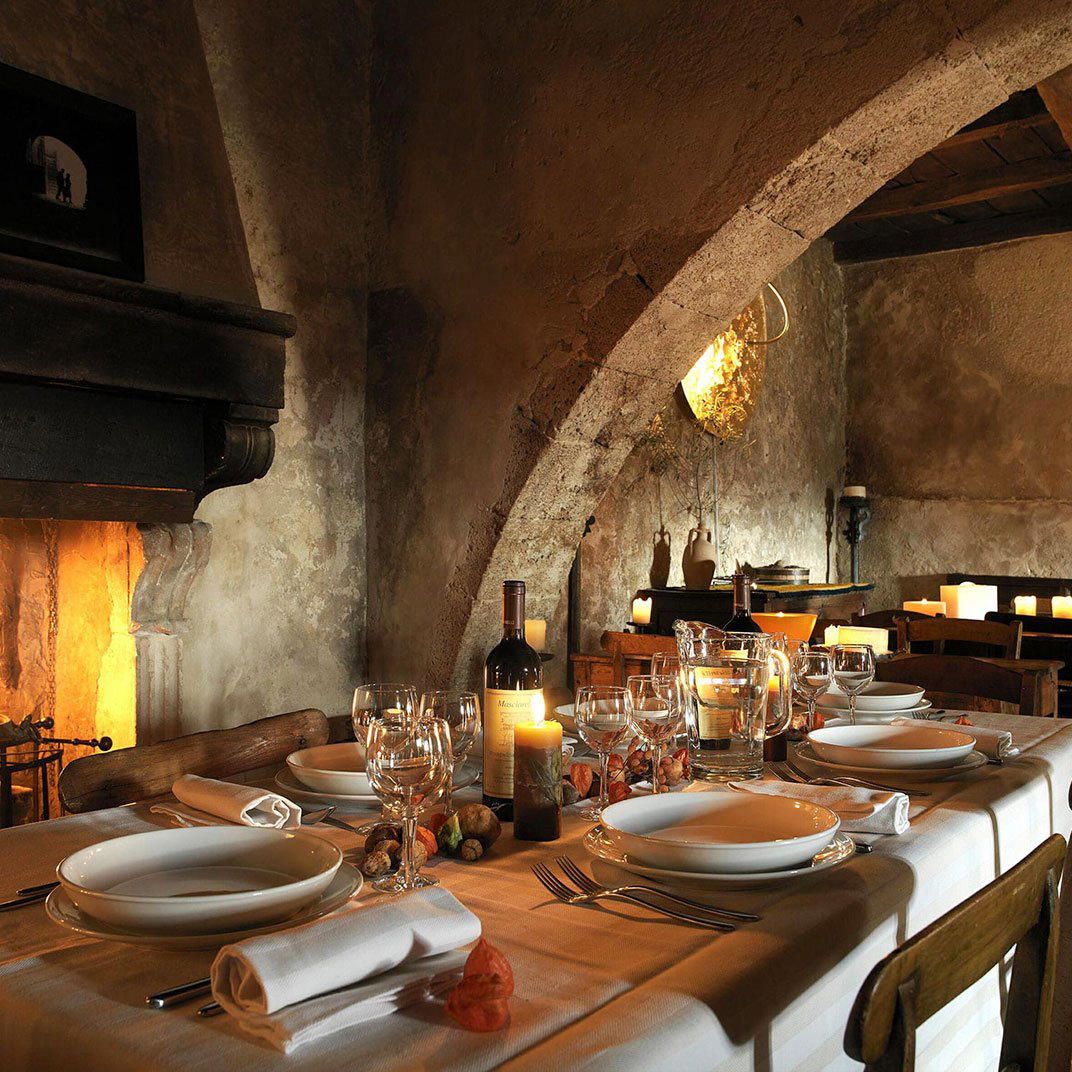
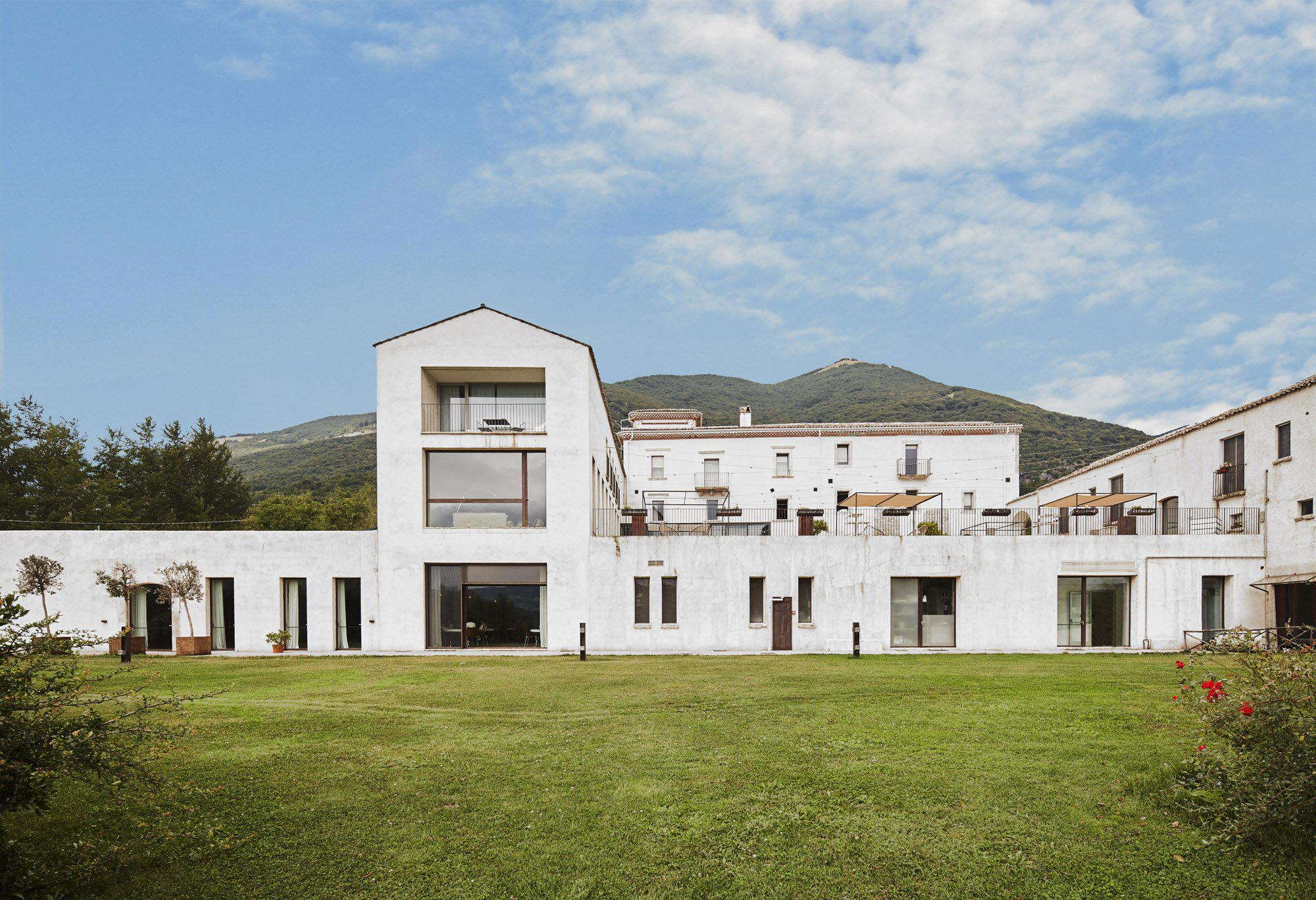
The converted stable setting of a 19th-century palazzo keeps things relaxed rather than ceremonial, and the €€ price range signals a neighbourhood-dining register rather than a tasting-menu occasion. Half-portions are available on most dishes, which removes a practical barrier for younger diners. Two consecutive Bib Gourmand awards suggest the kitchen prioritises honest cooking over theatrical presentation, which tends to read as family-appropriate.
How would you describe the vibe at Clemente?
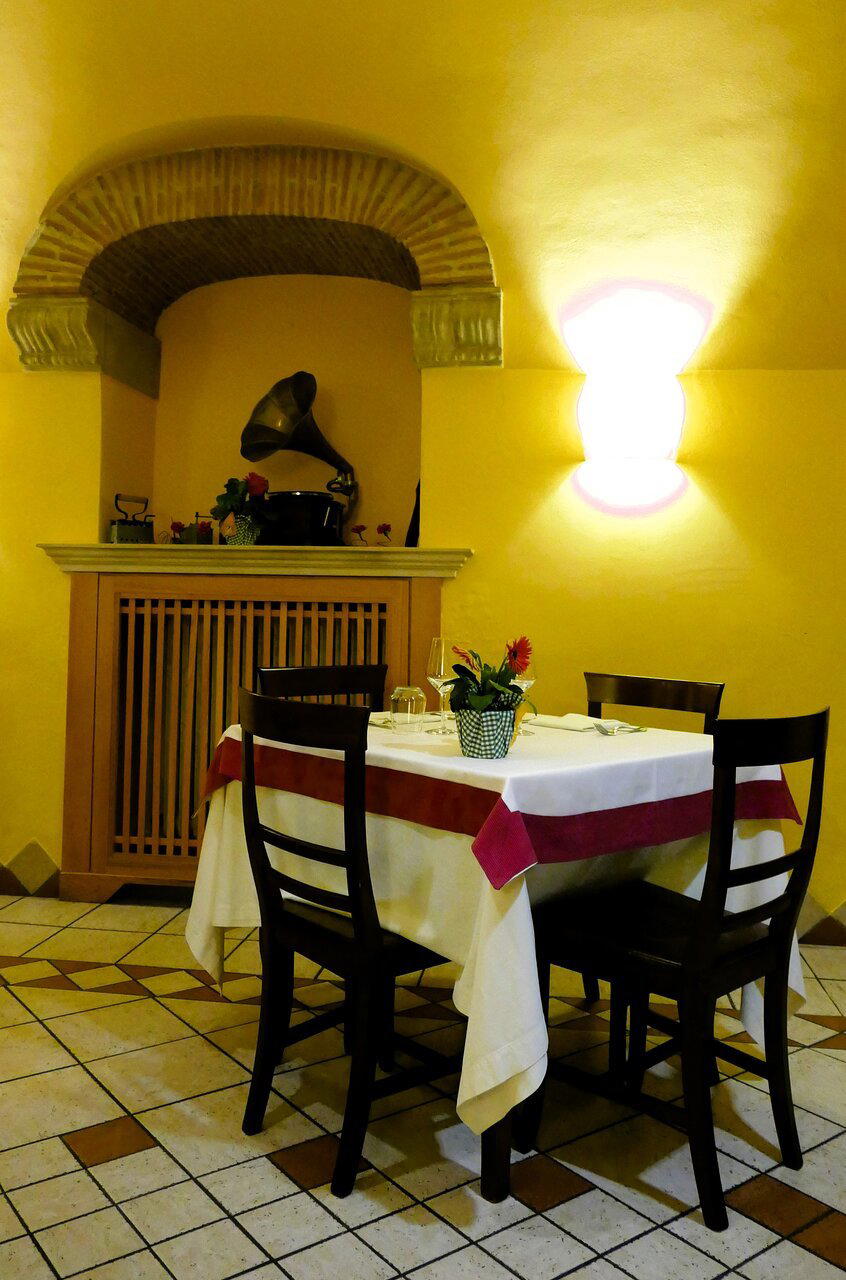
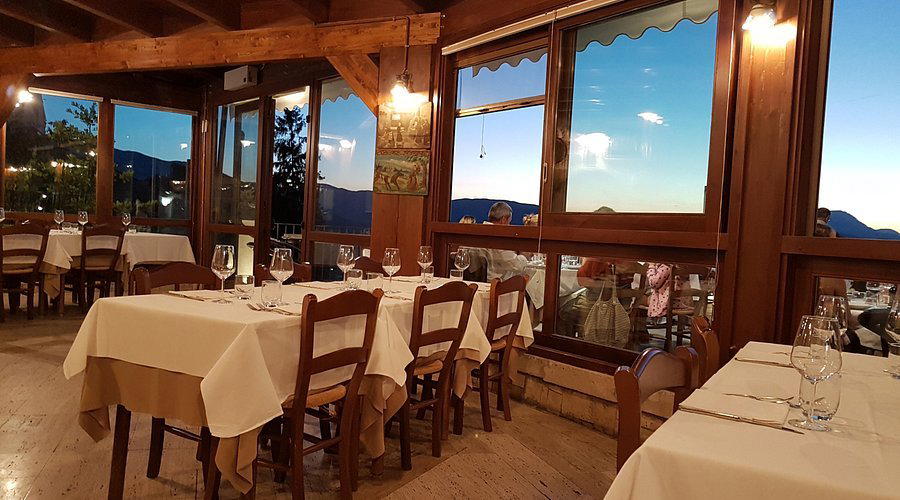
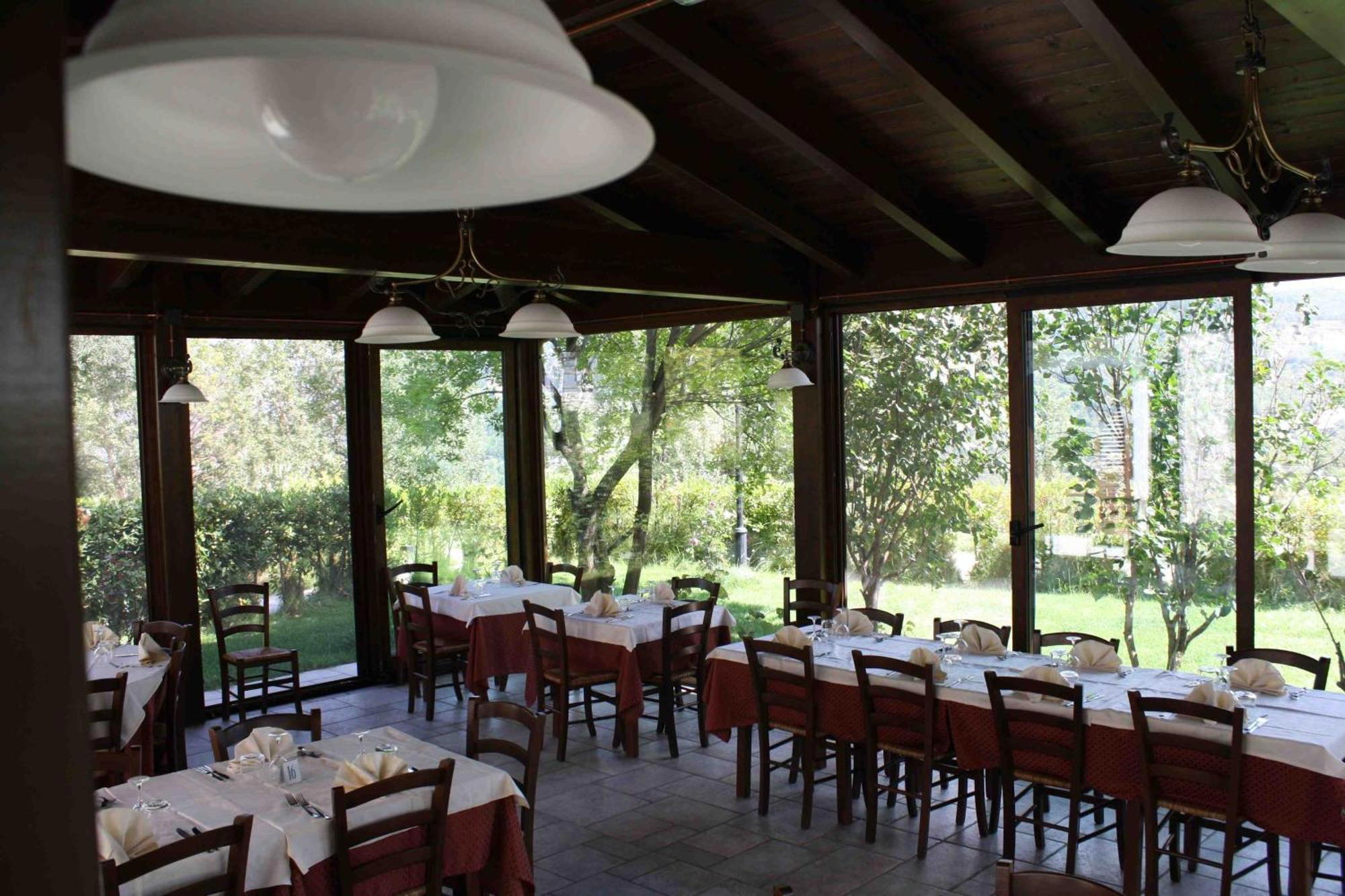
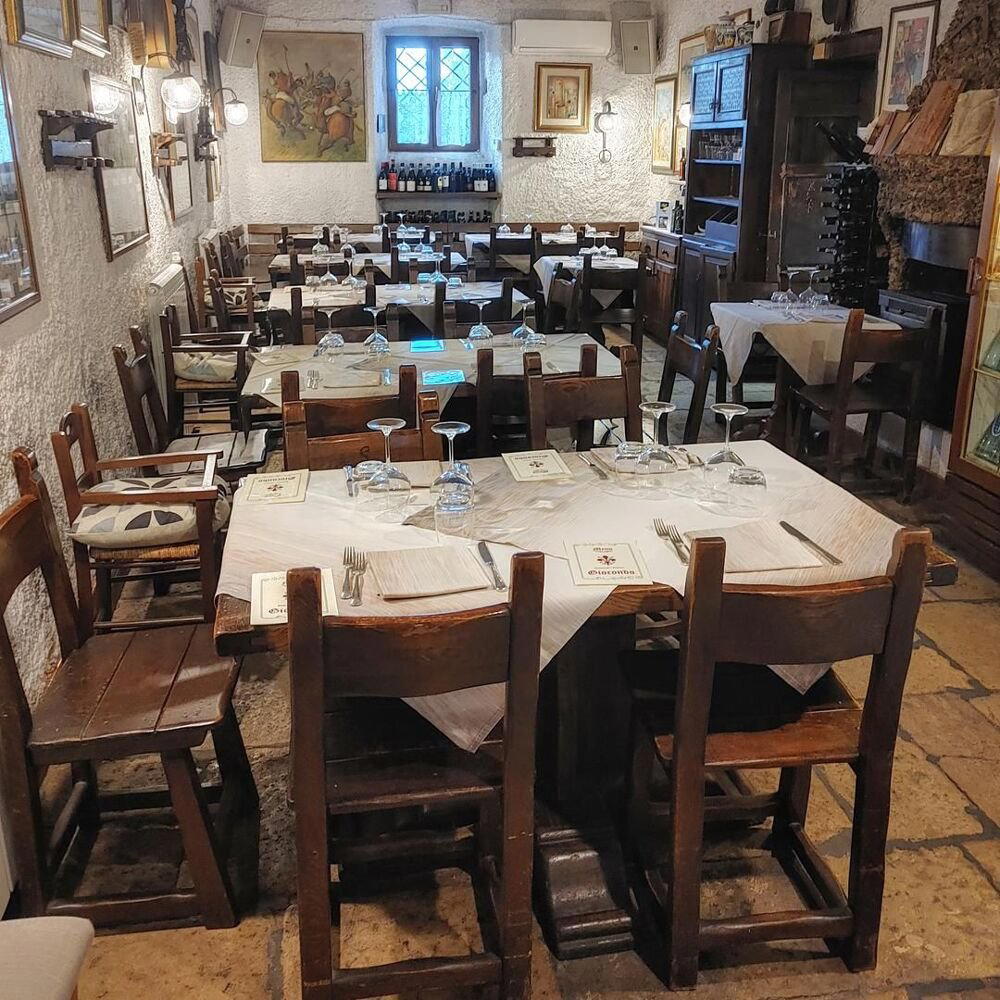
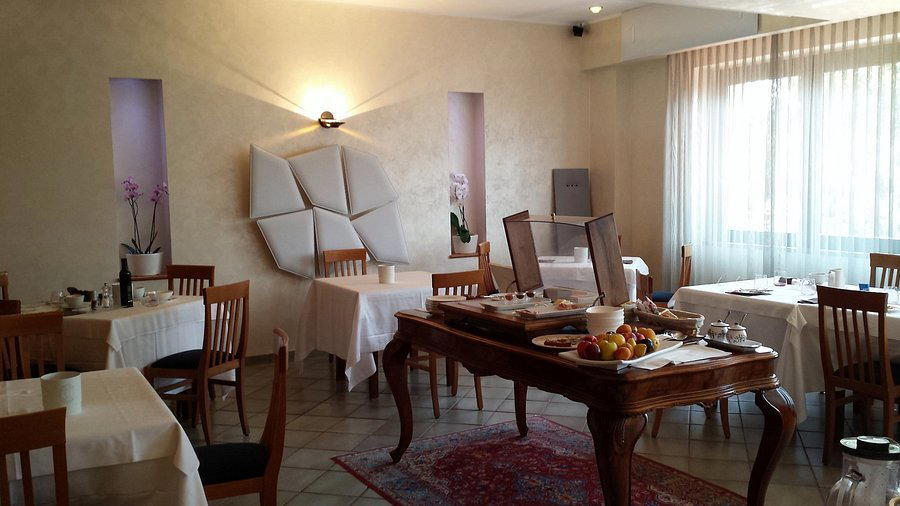
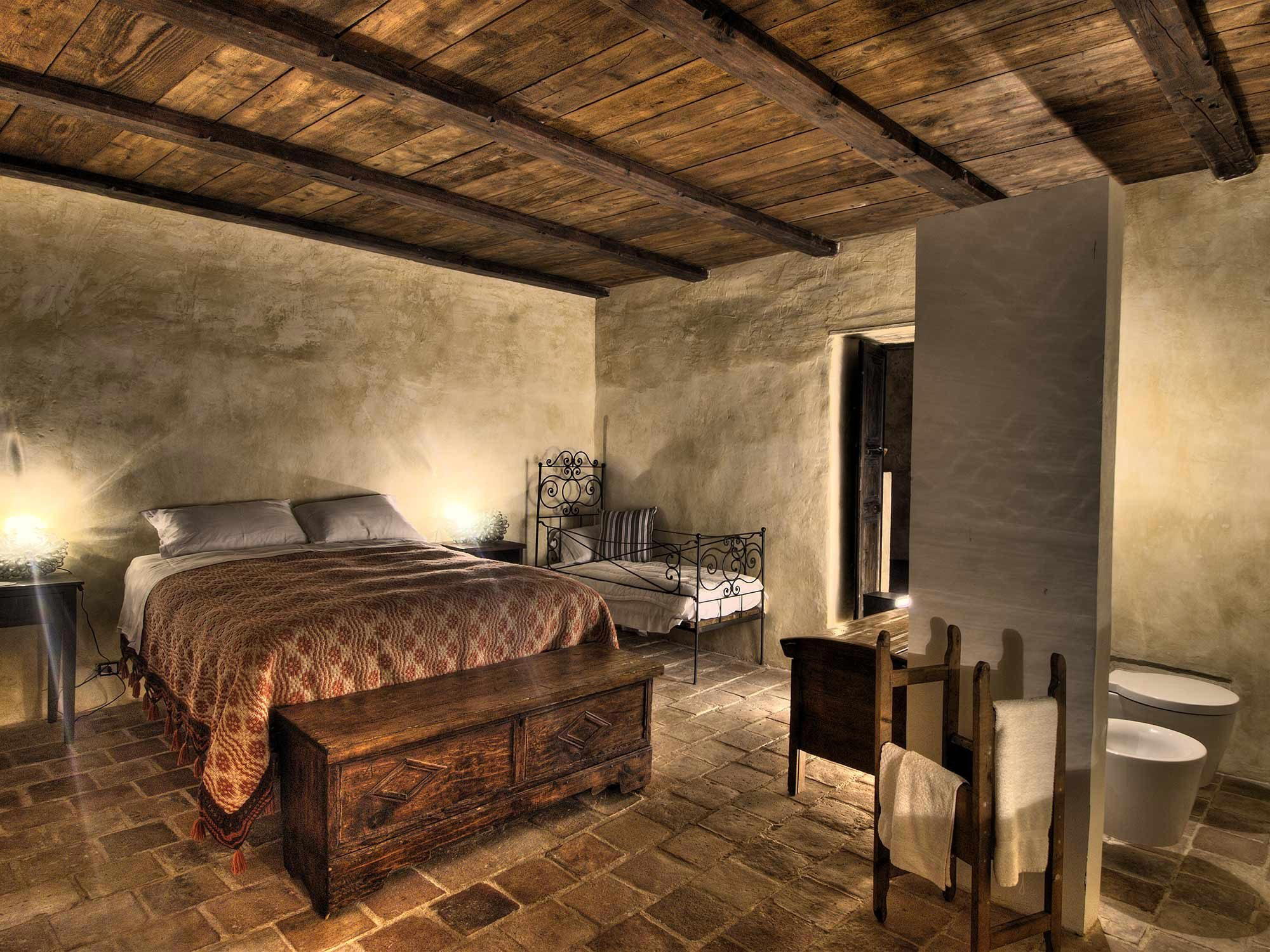
Think old stone, low formality, and a menu that takes ingredients more seriously than atmosphere. The room occupies restored 19th-century stables inside a palazzo in Sulmona's historic centre, and aperitifs are served separately in a bistro-style space before the main dining area. Two Bib Gourmand nods from Michelin confirm the kitchen's credibility without any of the attendant stiffness that often follows recognition.
What kind of recognition has Clemente received?
Clemente has received recognition including: Situated in the charming centre of Sulmona, Clemente has for many years offered guests a simple, welcoming ambience in the restored stables of a palazzo dating from the early 19C. The menu has an exclusive focus on ingredients from the Abru….
What's the must-try dish at Clemente?
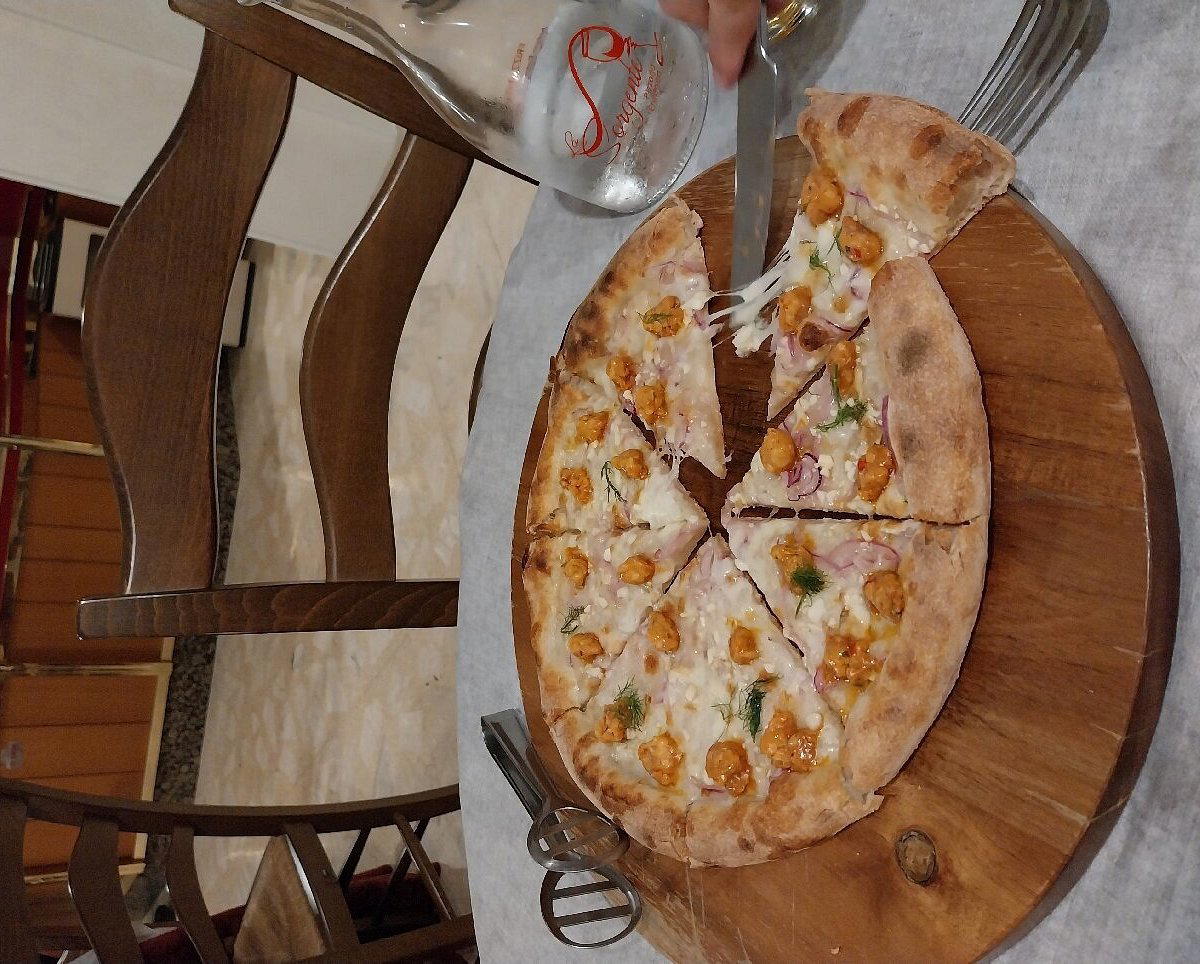
Pasta alla chitarra is the most direct entry point into what Clemente is actually doing: Abruzzo's signature pasta format, cut on a wire-strung wooden frame, is the regional benchmark most visitors overlook in favour of more famous Italian shapes. Beyond pasta, the kitchen uses saffron from Aquila, one of the world's noted saffron-producing zones, across multiple dishes. The Pan dell'Orso semifreddo is specifically called out in Michelin's own documentation of the restaurant.
How It Stacks Up
| Venue | Cuisine | Price | Awards | Notes |
|---|---|---|---|---|
| ClementeThis venue — the venue you are viewing | Traditional Abruzzese | Not listed | Michelin Bib Gourmand | Not listed |
| Atelier Moessmer Norbert Niederkofler | Italian, Creative | Not listed | Michelin 3 Star | Not listed |
| Dal Pescatore | Italian, Italian Contemporary | Not listed | Michelin 3 Star | Not listed |
| Enoteca Pinchiorri | Contemporary Italian Fine Dining | $200–300 | 3 Michelin Stars · World's 50 Best #32 | Italian - French, Italian Contemporary |
| Enrico Bartolini | Creative | Not listed | Michelin 3 Star | Not listed |
| Osteria Francescana | Avant-Garde Italian Contemporary | $300–500 | 3 Michelin Stars · World's 50 Best #1 | Progressive Italian, Creative |
Recognition history
Dated appearances from independent guides and award organizations, with the underlying list record or original source where available.
Michelin Bib Gourmand
Michelin
Full recognition history (3 entries)
Michelin Bib Gourmand
Michelin
Michelin Bib Gourmand
Michelin
Details
- Cozy
- Rustic
- Classic
- Intimate
- Family
- Group Dining
- Special Occasion
- Historic Building
- Extensive Wine List
- Local Sourcing
- A La Carte
- Vegetarian Friendly
- Vegan Options
- Gluten Free Options
Current opening hours
- Monday
- Closed
- Tuesday
- Closed
- Wednesday
- 12:30–3:30 PM, 8–10:30 PM
- Thursday
- 12:30–3:30 PM, 8–10:30 PM
- Friday
- 12:30–3:30 PM, 8–10:30 PM
- Saturday
- 12:30–3:30 PM, 8–10:30 PM
- Sunday
- 12:30–3:30 PM
Hours can change for holidays and private events. Last verified .
Simple, welcoming atmosphere in historic stone stables with cozy, bistro-style rooms.