CinKuni
Our verdict
CinKuni occupies a stretch of El Cajon Boulevard that has quietly become one of San Diego's more interesting dining corridors, sitting at a remove from the Gaslamp Quarter's well-worn restaurant circuit. The address places it in North Park, a neighbourhood that has accumulated serious culinary credibility over the past decade through a mix of independent operators and format-driven concepts. What CinKuni contributes to that mix is the subject of growing local conversation.

Pearl is the En Primeur Club membership app, where members save venues, book tables and use the concierge.
The menu
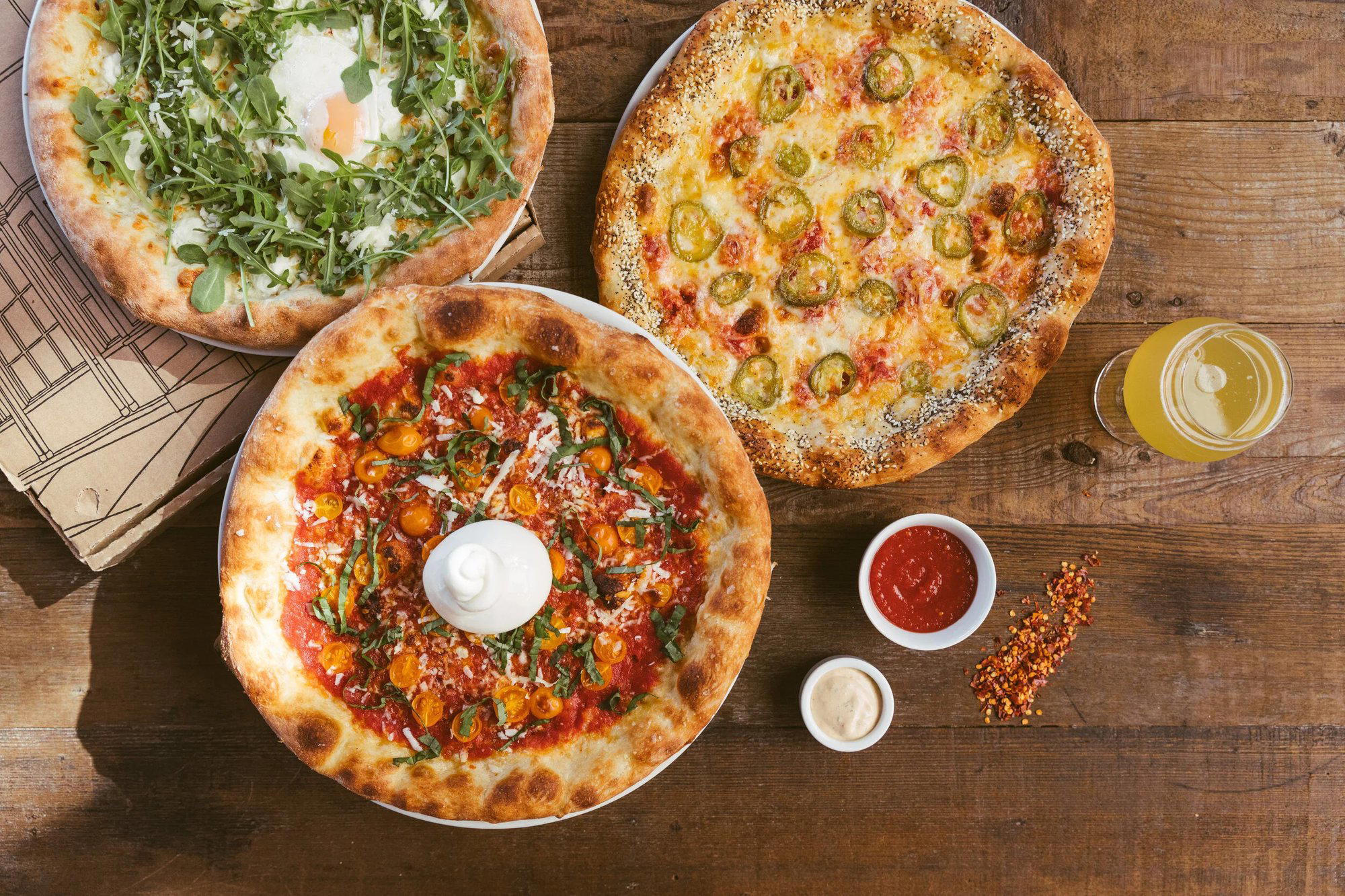
What to order
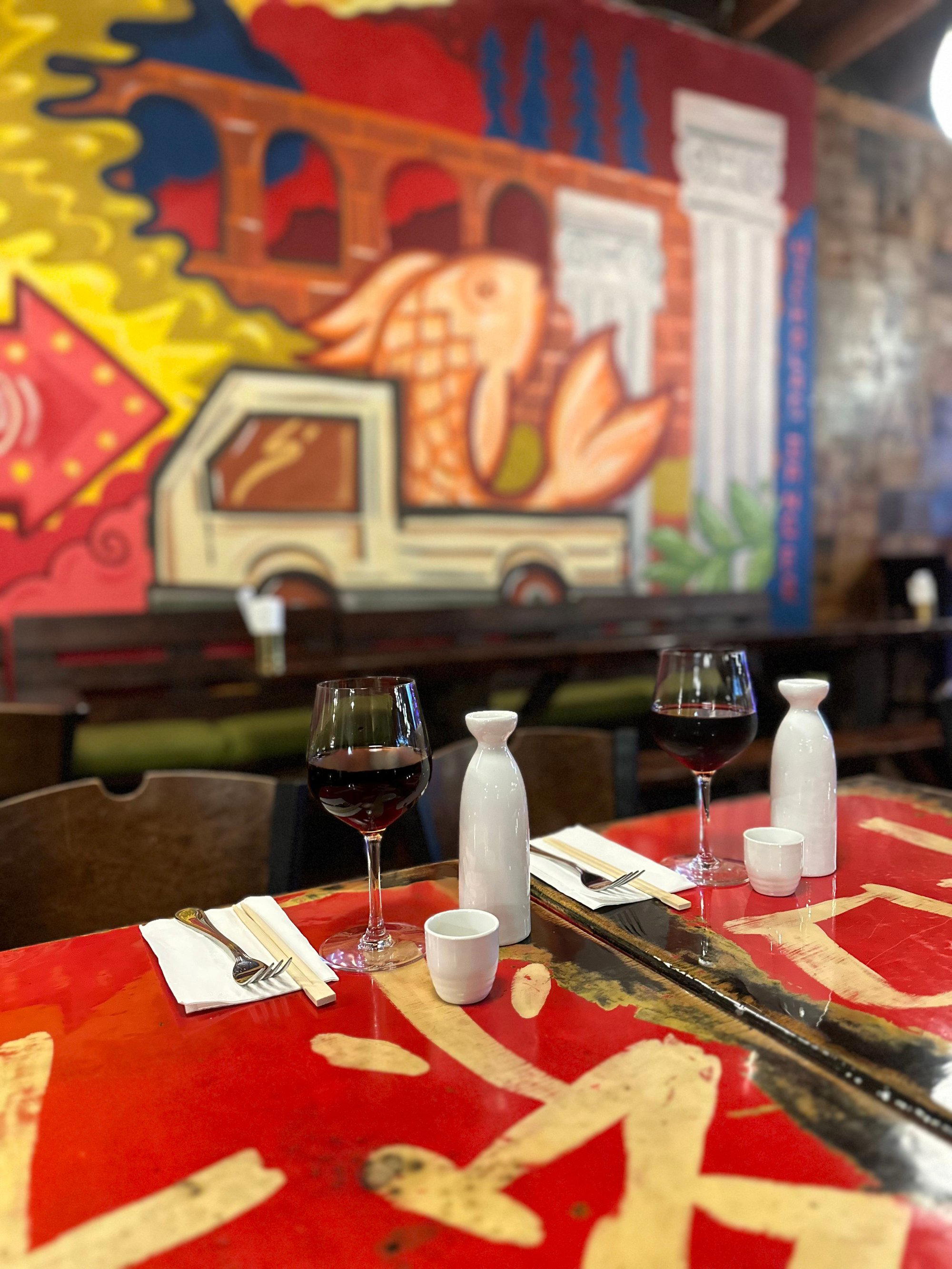
- Takuni sushi tacos
- Umami Formaggio Pizza
- Polpette Wafu
El Cajon Boulevard and the Changing Shape of San Diego Dining
North Park's restaurant identity did not arrive fully formed. For most of San Diego's dining history, the serious money and serious ambition concentrated downtown or in La Jolla, leaving neighbourhoods like North Park to serve residents rather than destination diners. That changed gradually through the 2010s, as independent operators priced out of coastal locations found that the boulevard's lower rents allowed for more experimental formats and tighter, more personal operations. By the early 2020s, the stretch around 30th Street and El Cajon Boulevard had developed enough critical mass that a new address there carried genuine positioning weight. CinKuni, at 3025 El Cajon Blvd, sits inside that shift rather than ahead of it, which is worth understanding before you book.
San Diego's dining scene sits in an interesting position nationally. The city has enough population density and visitor traffic to support high-investment concepts, as Addison, the only AAA Five Diamond and Forbes Five Star restaurant in San Diego County, demonstrates at the top of the market. But the mid-tier and neighbourhood tiers have historically lagged behind Los Angeles or San Francisco in terms of format discipline and critical attention. What has changed is the rate of evolution in specific corridors, and North Park has been among the fastest-moving of those.
The Evolution of a Concept on El Cajon
The editorial angle that matters most for CinKuni right now is the question of evolution, what the address is becoming, and how the concept has repositioned itself within a neighbourhood that keeps raising its own floor. This is a pattern visible in other American cities where a single corridor becomes the site of rapid culinary iteration: think of what happened to Mission District blocks in San Francisco, or the way Wicker Park in Chicago cycled through identities before its current operators settled into something more durable. In those cases, the venues that lasted were the ones that sharpened their format rather than broadened it under pressure.
For context on what format discipline looks like at the highest level in California, The French Laundry in Napa and Single Thread Farm in Healdsburg represent the end of a spectrum where concept, sourcing, and service have been refined over years into something near-immovable. On the other coast, Le Bernardin in New York City has held its format with similar consistency. These are reference points rather than direct comparisons, but they illustrate what it looks like when a concept commits fully to its own logic.
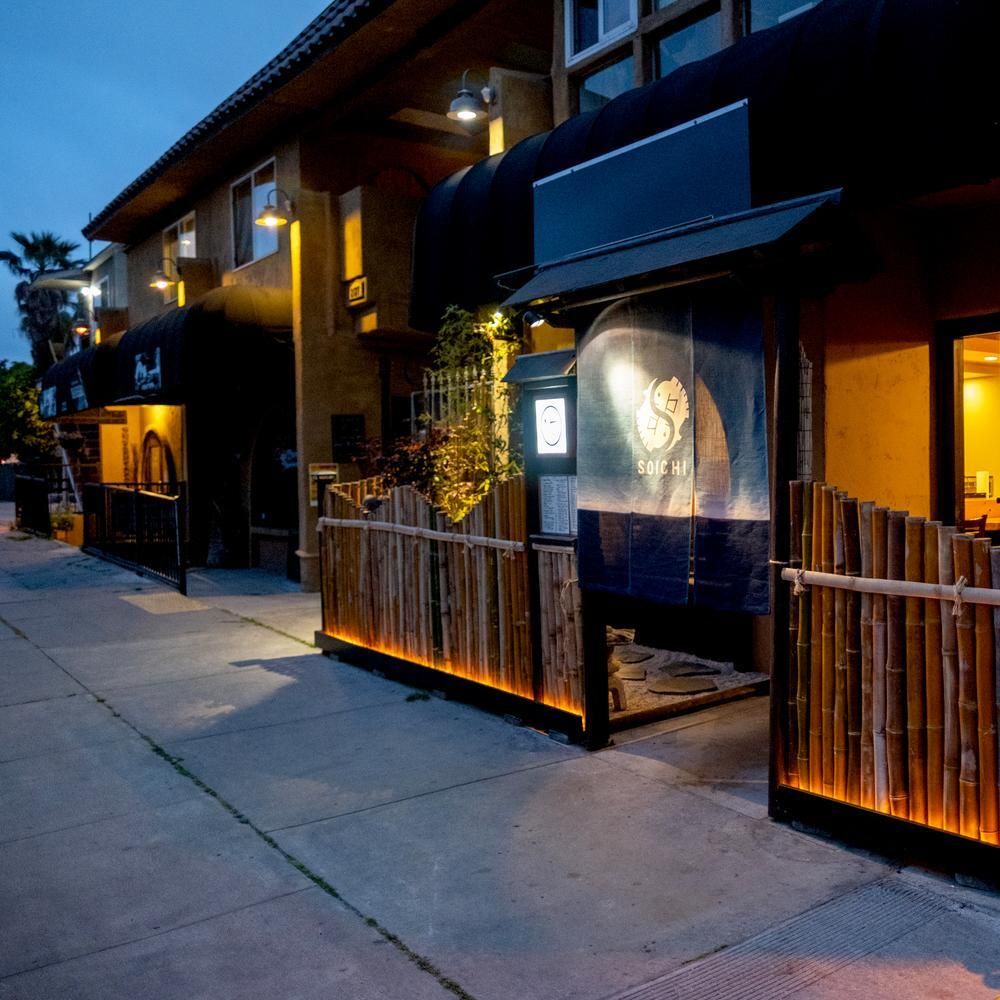
North Park's operators, including those around El Cajon Boulevard, are at an earlier stage of that process. The neighbourhood's leading current performers, including Soichi, which has built a reputation as one of the more serious Japanese operations in the city at the $$$$ tier, demonstrate that format commitment is achievable outside downtown addresses. The question for any newer or evolving concept in the area is whether it is moving toward that kind of clarity or still finding its position.
San Diego's neighbourhood dining tier has developed a rough hierarchy over the past several years. At the top of the non-downtown market sit operations with defined formats, consistent critical attention, and booking pressure that reflects genuine demand. Below that sits a larger middle tier of independently operated spots with personality but less structural discipline, good meals, inconsistent execution, variable menus. Below that, neighbourhood staples that serve residents without much ambition beyond that function.
CinKuni's position in that hierarchy is what makes it worth tracking rather than simply visiting. The El Cajon Boulevard address has the locational logic of a concept that knows its neighbourhood audience, and the name has begun to circulate in local dining conversation in ways that suggest it is moving upward in that hierarchy. For reference, other San Diego addresses worth understanding in context include 1450 El Prado, 777 G St, and 94th Aero Squadron, each representing different points on the city's dining spectrum and different relationships between setting, format, and audience.
Nationally, the venues that offer the clearest model for what neighbourhood-rooted ambition can become include Lazy Bear in San Francisco, which pivoted from supper club to Michelin-starred restaurant without abandoning its communal format, and Smyth in Chicago, where a farm-to-table premise became the architecture for serious tasting menu cooking. Both moved through a period of evolution before their current identities crystallised. Providence in Los Angeles and Blue Hill at Stone Barns in Tarrytown offer further reference on how sourcing-led concepts find their critical footing over time. Closer in spirit to a neighbourhood scale, Frasca Food and Wine in Boulder demonstrates what format consistency delivers for a non-major-city operator over the long term.
At the more experimental end of the national conversation, Atomix in New York City and Atelier Moessmer Norbert Niederkofler in Brunico show what happens when a concept commits fully to a defined culinary position, even at a distance from major dining capitals. Emeril's in New Orleans and The Inn at Little Washington in Washington each trace a different arc of longevity and reinvention, useful models for thinking about what durability looks like across a restaurant's lifecycle.
For a full map of where San Diego's dining scene currently sits across neighbourhoods, price tiers, and formats, our full San Diego restaurants guide provides the most current editorial picture.
Know Before You Go
Address: 3025 El Cajon Blvd, San Diego, CA 92104
Neighbourhood: North Park
Phone: Not publicly listed, check directly via the venue's current online presence
Hours: Confirm current hours before visiting, as North Park operators frequently adjust service schedules
Booking: Booking method not confirmed; walk-in availability likely varies by day and season
Price range: Not confirmed at time of publication
Parking: Street parking available along El Cajon Blvd; North Park is also served by MTS bus routes
Frequently asked questions
What's CinKuni's location?
CinKuni is located at 3025 El Cajon Blvd, San Diego, CA 92104, San Diego.
How does CinKuni fit into the broader North Park restaurant scene on El Cajon Boulevard?
CinKuni sits on El Cajon Boulevard in North Park, a stretch that has moved from the margins of San Diego dining into one of the city's more closely watched neighbourhood corridors. North Park's non-downtown tier now includes operations that draw guests from across San Diego rather than just local foot traffic, and CinKuni's address places it at the centre of that shift. For current hours and reservation options, check the venue's official channels.
What dish is CinKuni famous for?
Given its position within North Park's evolving restaurant tier on El Cajon Boulevard, the kitchen's identity is better understood through its concept as a whole rather than a single headline dish.
How hard is it to get a table at CinKuni?
North Park venues in this tier can fill quickly on weekends, so contacting the restaurant directly before visiting is advisable. Walk-in availability varies by day.
What's the defining dish or idea at CinKuni?
The defining idea at CinKuni appears to be its role within North Park's shift toward serious neighbourhood dining on El Cajon Boulevard, a corridor that has repositioned itself significantly over the past several years.
Side-by-Side Snapshot
| Venue | Cuisine | Price | Awards | Notes |
|---|---|---|---|---|
| CinKuniThis venue (the venue you are viewing) | Italian-Japanese Fusion | Not listed | Not listed | Not listed |
| Addison | Modern California Fusion Fine Dining | $300–500 | 3 Michelin Stars · World's 50 Best #31 | French, Contemporary |
| Callie | Modern Mediterranean | $50–100 | Michelin Bib Gourmand · Wine Spectator Best of Award of Excellence | Not listed |
| Trust | Modern American Wood-Fired Small Plates | $30–50 | Michelin Plate | Not listed |
| Sushi Tadokoro | Traditional Edomae-Style Omakase | $50–100 | Michelin Plate | Not listed |
| Soichi | Modern Japanese Omakase | $150–200 | 1 Michelin Star | Japanese |