Blue Water Seafood Market and Grill
A Mission Hills institution on India Street, Blue Water Seafood Market and Grill operates as both a working fish market and a casual counter-service grill, placing it in a different tier from San Diego's fine-dining seafood scene. The format rewards those who value sourcing transparency and straight-forward preparation over ceremony. For a city with serious Pacific access, it represents one of the more market-honest approaches to daily catch cooking.
 Discover on Pearl
Pearl is the En Primeur Club membership app — saves, bookings, and concierge access live there. Same editors, same standards.
- Address
- 3667 India St, San Diego, CA 92103
- Phone
- (619) 497-0914
- Website
- bluewaterseafoodsandiego.com
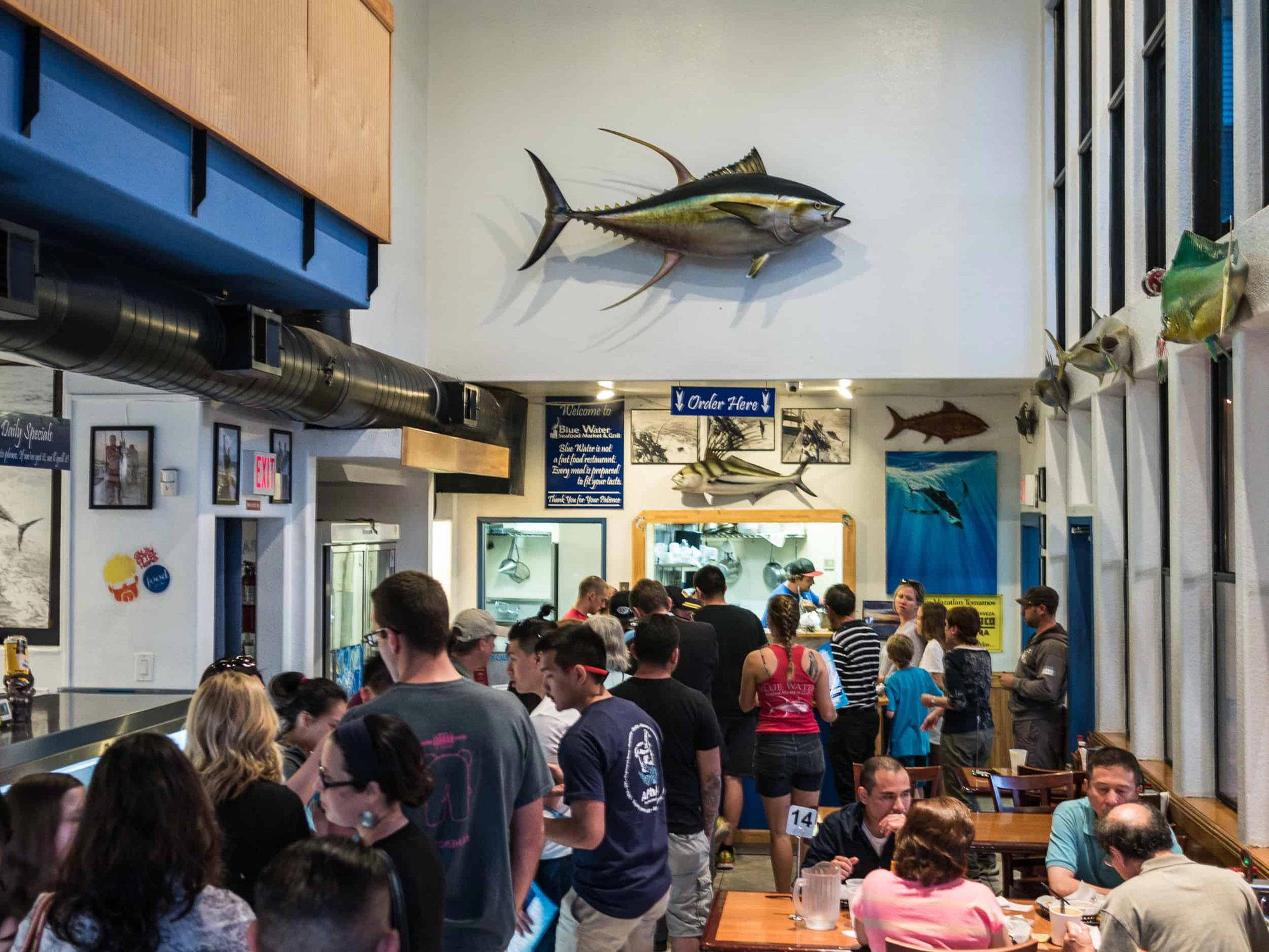
Where the Market Meets the Grill: San Diego's Counter-Service Seafood Tradition
India Street in Mission Hills runs through one of San Diego's more character-intact commercial corridors, a stretch where independent operators have held ground against the consolidation that reshaped other parts of the city. It is the kind of block where a working fish market and a grill occupy the same space without any contradiction, because the logic is simple: the fish arrives, it goes on display, it gets cooked. Blue Water Seafood Market and Grill is a casual fresh seafood grill in San Diego, priced at about $25 per person, operating as both retail counter and restaurant in a format that was once common in coastal California and is now considerably less so.
It is a structural commitment to sourcing transparency that removes the distance between the catch and the plate. In fine-dining rooms, the fish provenance is communicated by a server. Here, it is communicated by the display case. That is a different kind of accountability, and for a city that borders the Pacific and has commercial fishing infrastructure to match, it is an approach worth taking seriously.
The Sustainability Argument for Market-Grill Formats
Le Bernardin in New York City represents the former, with decades of sourcing discipline built into a four-star kitchen. Providence in Los Angeles operates in a similar register on the West Coast, with Monterey Bay Aquarium Seafood Watch credentials woven into a tasting menu format.
Blue Water occupies a different position, and that is precisely the point. The market-grill format creates a different kind of sustainability discipline: one driven by the realities of a display case rather than a printed menu. When the product is visible, perishable, and sold both raw and cooked, the incentive structure around waste changes. You do not print a menu around fish you cannot guarantee will arrive. The daily-catch model, by its nature, reduces the commitment to species that require unsustainable sourcing volumes to maintain menu consistency.
This reflects a broader shift in how coastal California restaurants position themselves around what the ocean provides on a given week, rather than what a fixed menu demands year-round. Single Thread Farm in Healdsburg and Blue Hill at Stone Barns in Tarrytown have made the seasonally-constrained, source-first model central to their editorial identity at the upper end of the market. Blue Water applies a related logic at the counter-service tier, without the tasting menu framework or the reservation system.
Counter-service seafood in a city like San Diego sits in a specific competitive position. On one side, you have the refined end: Addison, San Diego's only Michelin two-star, operates in a French contemporary register at the opposite end of the price and formality spectrum. Soichi delivers Japanese omakase at the highest local price point for fish-forward cuisine. Both are reservation-dependent, ceremony-heavy, and built around transformation of the ingredient rather than direct presentation of it.
Its comparison points are other market-format operators, taco stands with serious sourcing credentials, and the category of San Diego seafood spot where the line out the door is the trust signal, not the Michelin guide. The city has a well-documented tradition of this tier, from waterfront fish shacks in Point Loma to the taco trucks along Convoy Street that operate with real sourcing discipline. India Street places Blue Water in a neighbourhood context that skews toward independent operators and repeat local trade rather than tourist traffic.
For context on how San Diego's broader dining scene sits relative to other California cities, the range runs from that Addison level down through mid-tier spots like 1450 El Prado and 777 G St, and into the counter-service and casual registers that make up the bulk of day-to-day eating in the city.
Ethical Sourcing in the California Seafood Context
California's seafood sourcing environment is more regulated than most American states. The California Department of Fish and Wildlife maintains commercial fishing restrictions that affect which species are available at market at any given time, and the state has historically been a leader in adopting Magnuson-Stevens Act compliance for its commercial fleet. For a market-grill format, this regulatory environment functions as a structural backstop: the fish available for purchase and preparation is constrained by law, not just preference.
The practical effect of this for a venue like Blue Water is that the daily-catch rotation reflects both market availability and regulatory reality. This is distinct from restaurants that source internationally to maintain menu consistency regardless of season or local stock health. Venues operating in the market-grill format within California are, by structural necessity, more tethered to what the local and regional fishery actually produces. That is a form of sourcing accountability that does not require a certification program to function.
For comparison, the highest-profile sustainability-credentialed seafood operations in the country, places like Smyth in Chicago and Atelier Moessmer Norbert Niederkofler in Brunico, build sourcing ethics into a fine-dining framework with corresponding price structures. The market-grill format achieves a version of the same outcome at a price point accessible to a much broader cross-section of the city.
How It Sits in the Neighbourhood
Mission Hills is not a dining destination in the way that Little Italy or the Gaslamp Quarter attract concentrated restaurant traffic. It functions more as a neighbourhood with a local customer base and a lower tourist-to-resident ratio than those corridors. For a market-grill format that depends on repeat trade and daily-catch rotation, that context is an asset. The customer base that understands the format, values the sourcing logic, and returns frequently is more likely to be drawn from the surrounding residential area than from visiting traffic.
This mirrors the positioning of other casual-but-serious seafood operators in coastal American cities, venues that do not need editorial attention to maintain a queue but whose consistency over time builds the kind of neighbourhood credibility that is harder to manufacture than awards. The 94th Aero Squadron represents a very different dining format in the city's casual tier, oriented toward atmosphere and nostalgia rather than sourcing discipline, which illustrates how varied the non-fine-dining field actually is across San Diego.
- Address: 3667 India St, San Diego, CA 92103
- Format: Market and counter-service grill; expect to order at the counter and collect your food rather than table service
- Leading approach: Go with flexibility on species, as the daily catch determines what is freshest and most recently sourced
- Neighbourhood: Mission Hills, a residential commercial corridor with street parking; less foot-traffic pressure than Little Italy
- Booking: Walk-ins are welcome; expect a queue during peak lunch and dinner hours
Comparable Spots, Quickly
Comparable venues nearby, for context on price, style, and recognition.
| Venue | Cuisine | Price | Awards | Notes |
|---|---|---|---|---|
| Blue Water Seafood Market and GrillThis venue — the venue you are viewing | Fresh Seafood Grill | $$ | , | |
| World Famous | California Coastal Seafood | $$ | , | Pacific Beach |
| Vistal | Baja-Cali Sustainable Seafood | $$$ | , | Downtown |
| Point Loma Seafoods | Fresh Seafood Market | $$ | 3 recognitions | Peninsula |
| Bay Park Fish Company | Fresh Local Seafood with Sushi and Mexican Influences | $$ | , | Clairemont Mesa |
| 94th Aero Squadron San Diego | American Steakhouse with Seafood | $$ | , | Kearny Mesa |
Continue exploring
More in San Diego
Restaurants in San Diego
Browse all →
Bars in San Diego
Browse all →


At a Glance
- Rustic
- Cozy
- Casual
- Casual Hangout
- Open Kitchen
- Craft Cocktails
- Local Sourcing
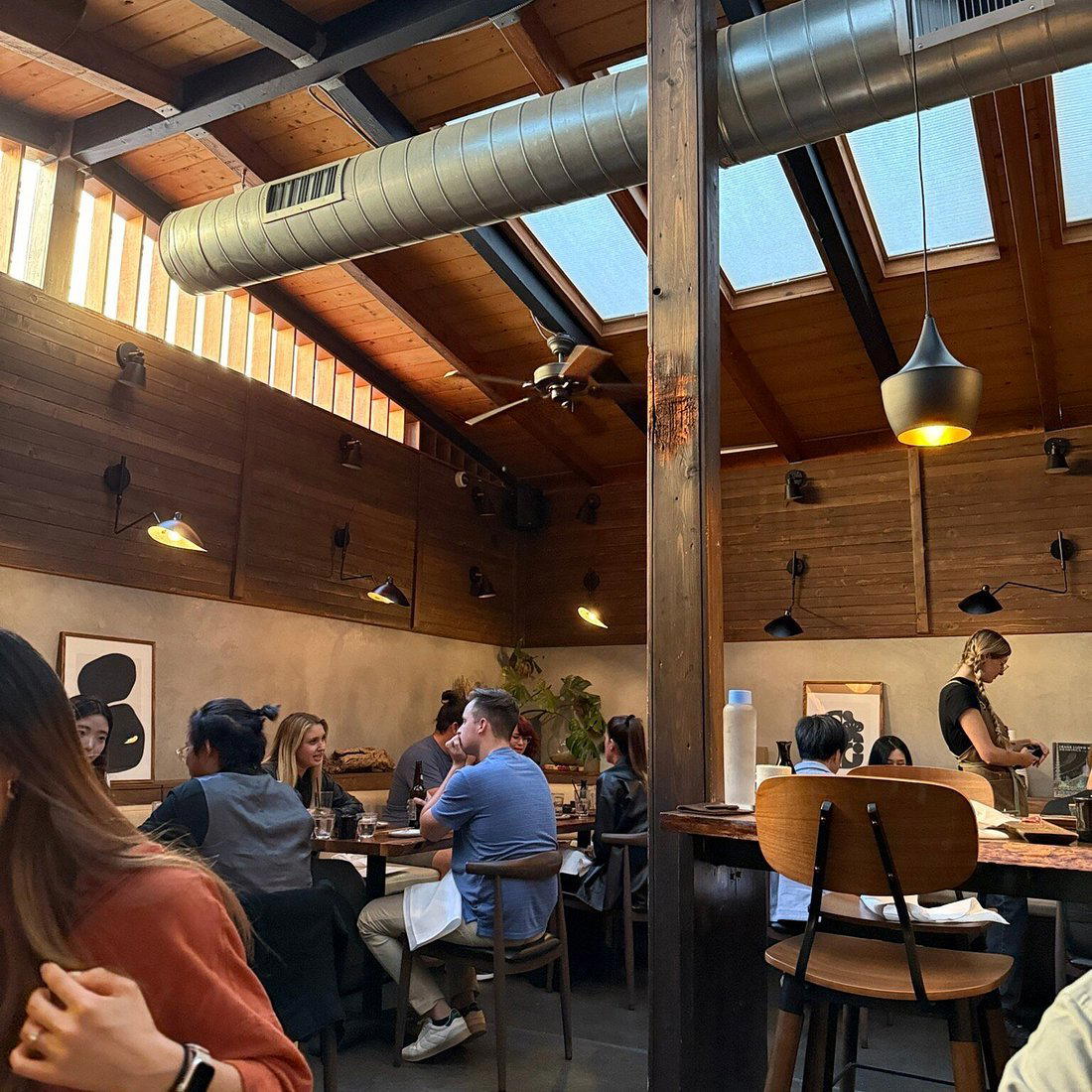
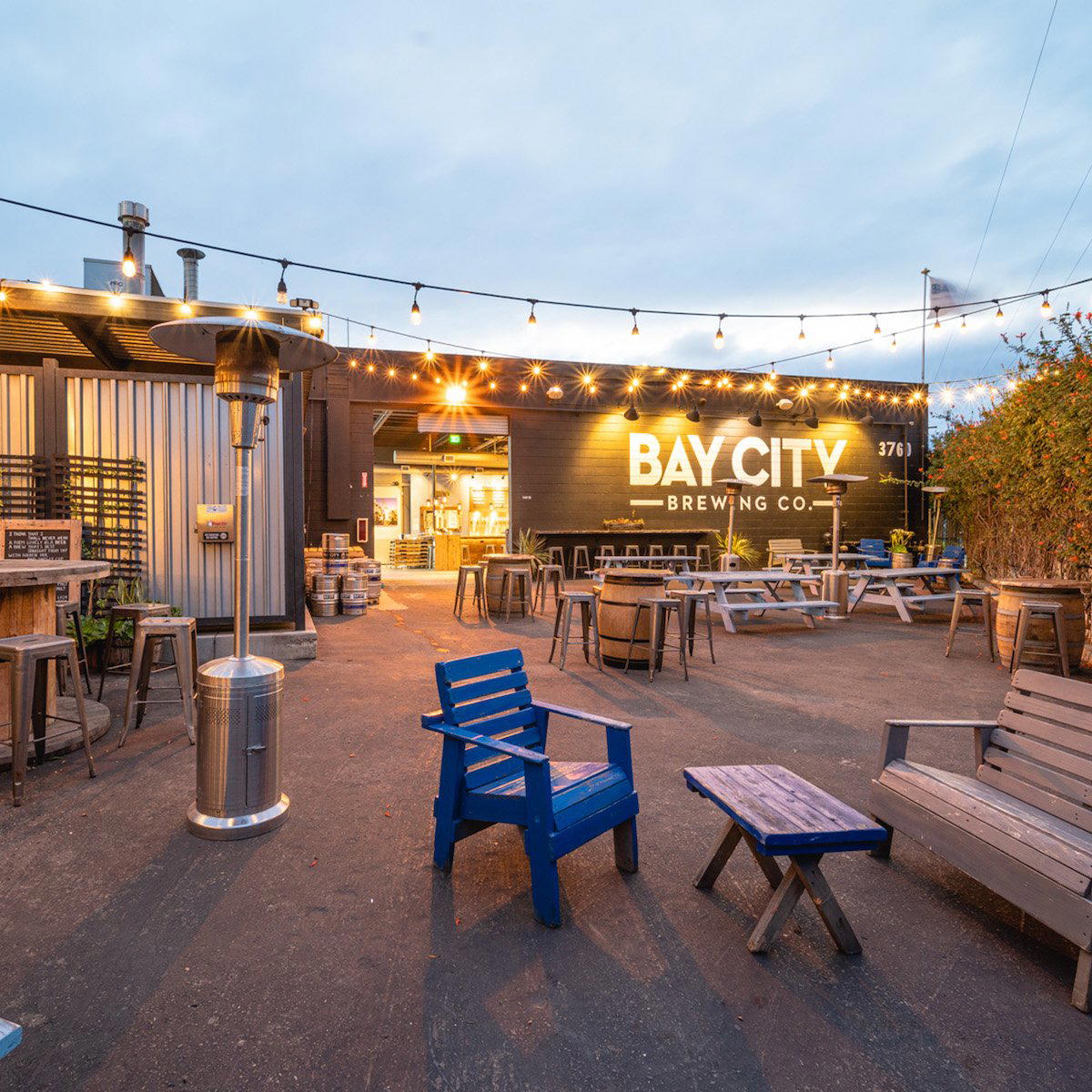
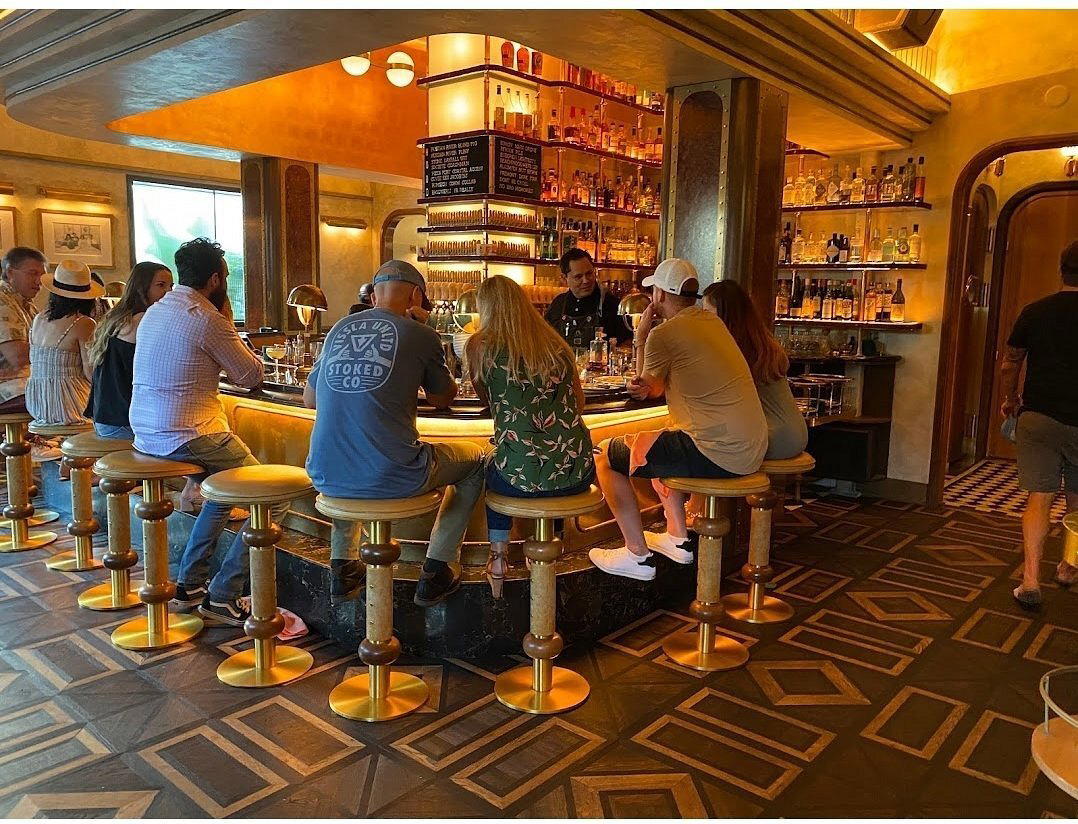
Casual fishing village vibe with mounted trophy fish and angler photos on white walls.