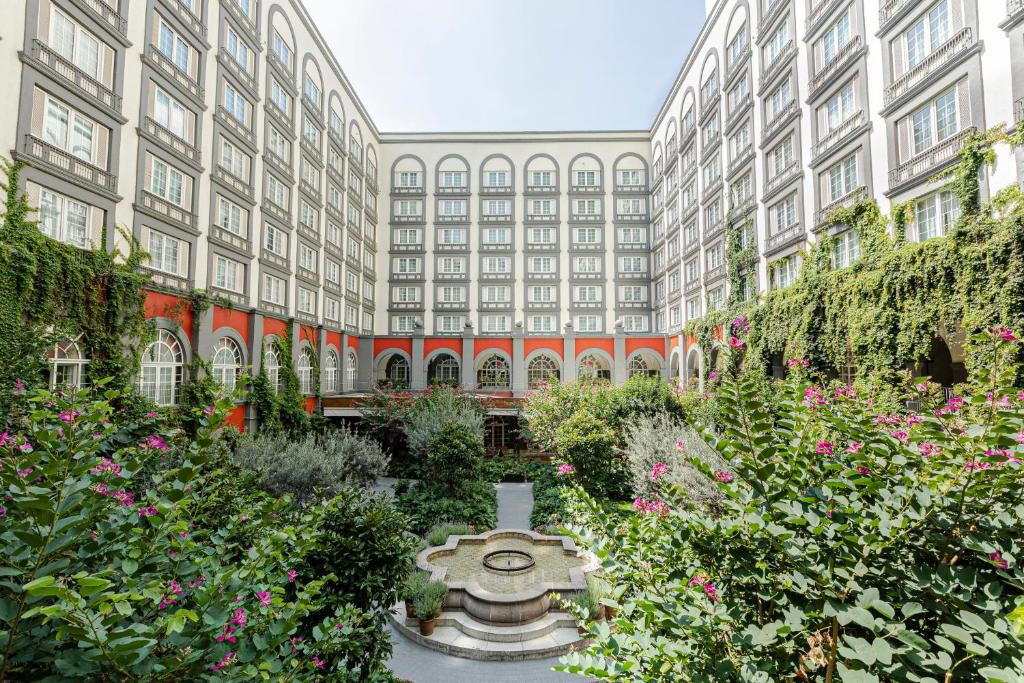
CIENA
Our verdict
CIENA occupies a measured position in Condesa's increasingly serious dining conversation, where ingredient provenance has become the distinguishing variable between good restaurants and consequential ones. Located on Alfonso Reyes 101, it sits within walking distance of several of Mexico City's most-discussed tables, placing it inside a neighbourhood that now functions as a legitimate testing ground for what contemporary Mexican cooking can mean.

Pearl is the En Primeur Club membership app, where members save venues, book tables and use the concierge.
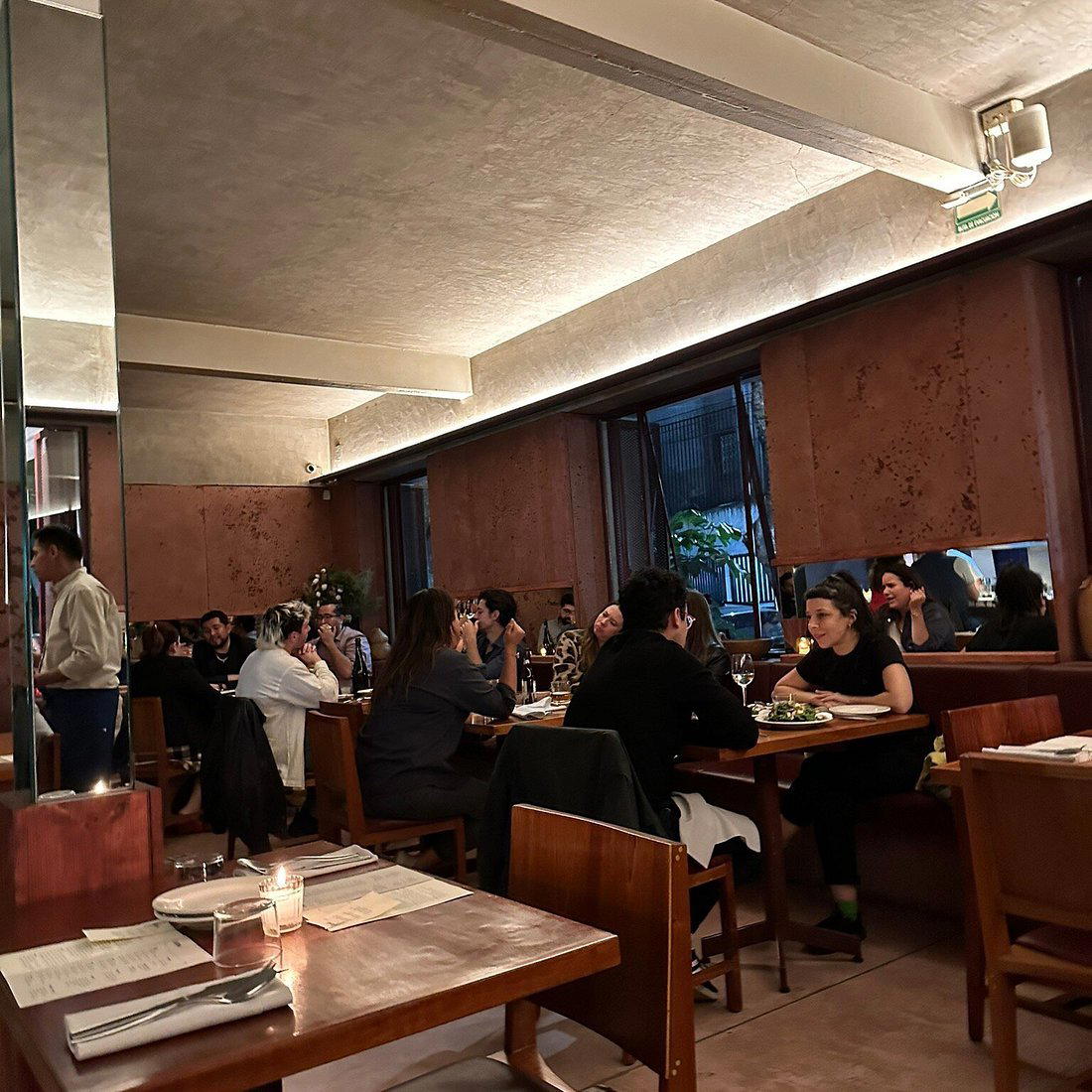
The menu
What to order
- Braised short rib pasta
- Shrimp ceviche tostada
- Cheesy arancini
- Fried chicken
Condesa's Ingredient Question
Mexico City's Colonia Condesa has spent the better part of a decade sorting itself into tiers. The neighbourhood's tree-lined streets and early-twentieth-century architecture have always attracted a certain kind of restaurant, but the more consequential shift has been culinary rather than aesthetic: the restaurants that now draw serious attention are those that treat ingredient origin as a structural decision, not a marketing footnote. CIENA, at Alfonso Reyes 101, sits inside that shift. The address places it at the quieter, residential end of Condesa's dining corridor, away from the louder tables on Tamaulipas and closer to the kind of unhurried block where you arrive with intention rather than impulse.
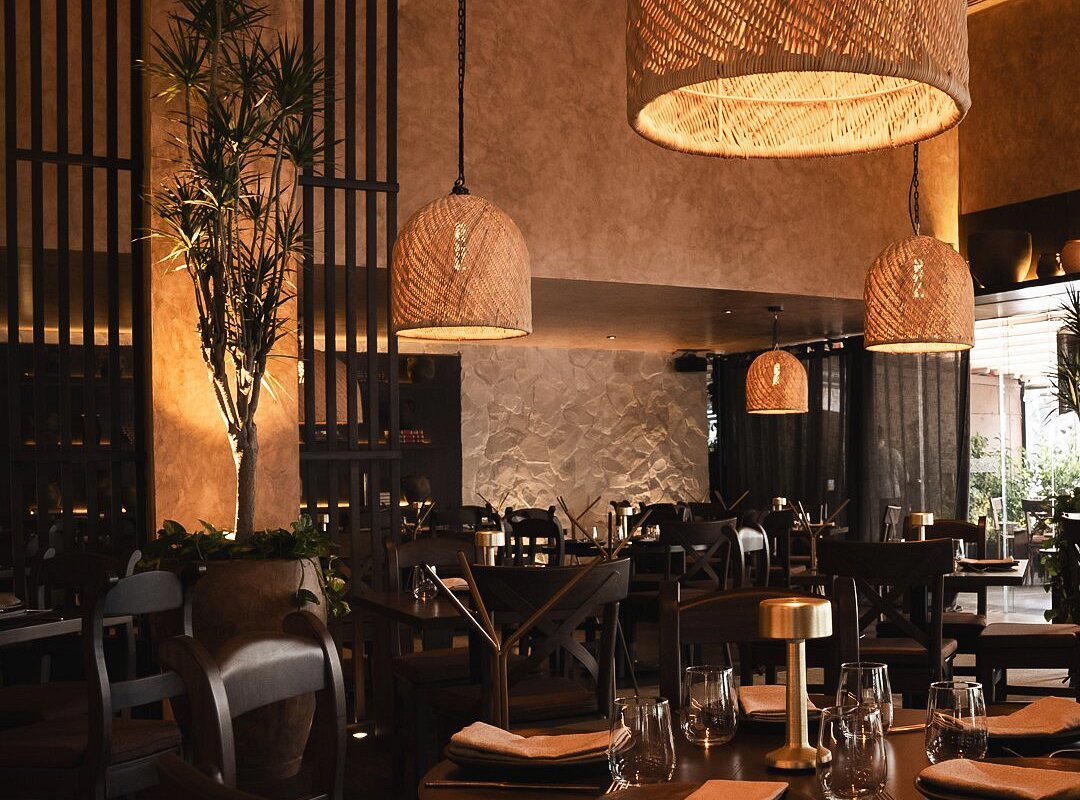
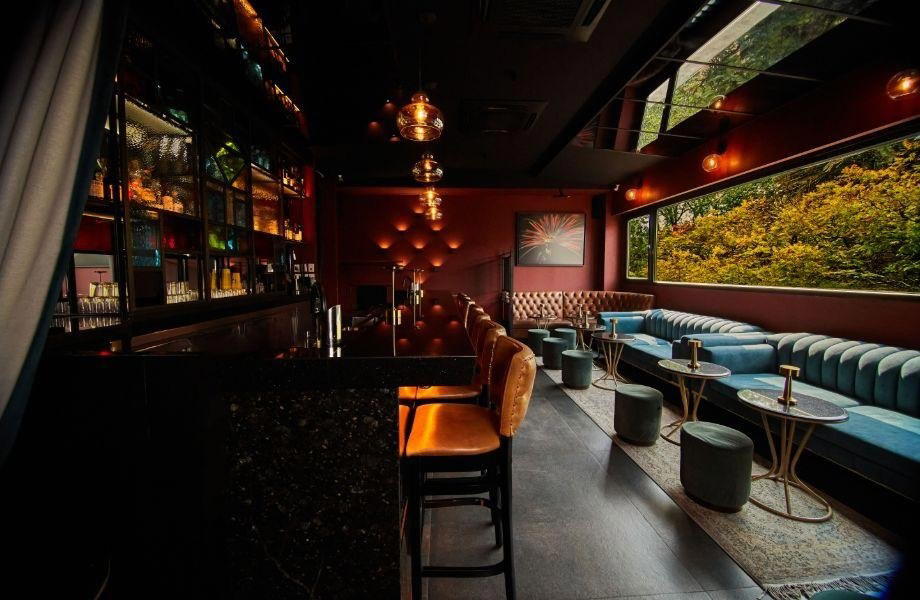
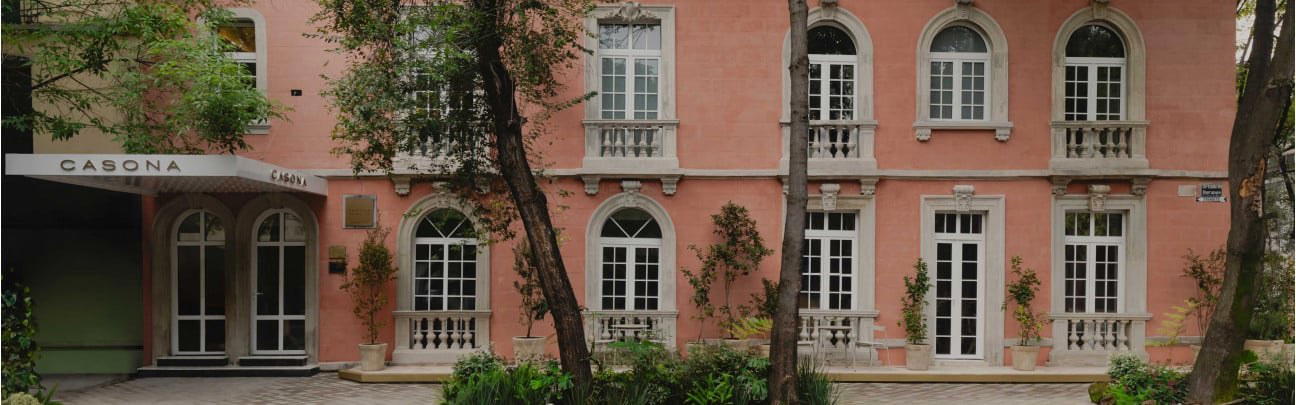
Approaching the address, Condesa offers its familiar sensory register: the shade of ash trees lining the median, the low hum of a neighbourhood that operates at a different frequency than Roma Norte or Polanco. The physical context matters here because it frames the expectation before you cross the threshold. This is not a restaurant designed to announce itself from the street. It fits a pattern emerging across Mexico City's mid-to-upper tier: spaces that communicate confidence through restraint rather than volume.
Where the Food Comes From
The dominant editorial conversation around serious Mexican cooking has shifted decisively toward sourcing in the past several years. Quintonil built its reputation on wild and market-sourced ingredients before that framing became common currency. Pujol has spent years articulating what Mexican terroir means at a flagship level. Sud 777 pushed the sourcing conversation toward urban agriculture. What this means for a restaurant like CIENA is that any serious table in this city now operates against a well-established set of references: the question is no longer whether a kitchen sources deliberately, but how it positions those decisions editorially and on the plate.
Mexico's sourcing geography is among the most complex in the Americas. The country contains several distinct agricultural and biodiversity zones within relatively short distances of the capital: the highland valleys of Puebla and Tlaxcala, the subtropical lowlands of Veracruz, the Pacific-facing milpa country of Oaxaca, and the central plateau's own market network centred on places like the Mercado de Jamaica and the Mercado de San Juan. Kitchens that engage seriously with this network make different creative decisions than those that rely on consolidated supply chains, and those decisions show up in seasonal variability, in the presence of less-standardised produce, and in the texture of a menu that shifts with what is actually available rather than what is convenient to procure.
This sourcing context connects CIENA to a broader national pattern. In Valle de Guadalupe, Animalón has made fire-based cooking and hyperlocal Baja produce the organising logic of its entire format. In Oaxaca, Levadura de Olla Restaurante frames ingredient origin as inseparable from the indigenous culinary traditions it draws on. In Monterrey, KOLI Cocina de Origen makes the northern pastoral economy visible on every plate. The pattern is consistent enough to read as a generational stance: a significant cohort of Mexican chefs has decided that provenance is the argument, and technique is the vehicle for making it.
The Condesa Competitive Set
Placing CIENA inside its immediate peer group requires looking at how Condesa's dining tier has stratified. At the top of the price and recognition hierarchy sit restaurants like Em, which has cultivated a following for its tasting format and creative precision. our full Mexico City restaurants guide, that pattern is a useful filter when assessing newer tables.
CIENA's location on Alfonso Reyes positions it a short distance from both the Parque México anchor and the busier commercial stretches, which in Condesa's logic means it draws a local residential customer alongside visitors who are navigating the neighbourhood deliberately. That dual customer base tends to produce a different dining room dynamic than purely destination-driven tables: the cadence is less performative, and regulars who return throughout a season help kitchens refine what they do rather than simply reproducing a fixed format for new arrivals.
Mexico City in a National Frame
For visitors building a longer itinerary around serious Mexican cooking, CIENA's Condesa location makes it a natural complement to restaurants elsewhere in the country that have developed the sourcing-first argument in different regional registers. Le Chique in Puerto Morelos applies technical precision to Yucatecan and Caribbean ingredients. HA' in Playa del Carmen frames Maya botanical knowledge as a culinary resource. Arca in Tulum uses wood-fire technique to foreground Yucatán's coastal and jungle produce. Alcalde in Guadalajara and Pangea in San Pedro Garza Garcia articulate what western and northern Mexican larders look like when handled with serious intention. Readers who have also visited Lunario in El Porvenir or Olivea Farm to Table in Ensenada will recognise a shared thread: Mexican fine dining in 2024 is less a single movement than a collection of regional arguments made through food. For international reference points, the format discipline visible at places like Le Bernardin in New York City or the community-table seriousness of Lazy Bear in San Francisco offer useful comparative frames for what commitment to a kitchen's thesis looks like at a consistent level.
Planning Your Visit
Condesa is most navigable between October and May, when the rainy season has passed and the neighbourhood's outdoor terraces and pedestrian streets are at their most comfortable. The stretch from November through February represents Mexico City's clearest weather window and coincides with the period when highland produce, including late-season squash varieties, dried chiles from the autumn harvest, and cool-climate greens from Puebla and Tlaxcala, is most fully available to city kitchens. Visitors planning around ingredient seasonality should weight this window accordingly.
Frequently asked questions
What's CIENA's location?
CIENA is located at Alfonso Reyes 101, Colonia Condesa, Cuauhtémoc, 06170 Ciudad de México, CDMX, Mexico, Mexico City.
Is CIENA in Colonia Condesa a good choice for visitors focused on ingredient-driven Mexican cooking?
For visitors building an itinerary around contemporary Mexican cooking, CIENA's position in Colonia Condesa places it within easy reach of the neighbourhood's broader dining tier while representing the sourcing-focused direction that has defined Mexico City's most discussed kitchens over the past several years. The Alfonso Reyes 101 address sits in the walkable core of Condesa, making it logistically simple to combine with other restaurants in the area. It fits naturally alongside longer Mexico City itineraries that include restaurants elsewhere in CDMX working in a similar register.
What dish is CIENA famous for?
CIENA's kitchen operates within the sourcing-led current that defines serious Mexican cooking in Mexico City right now, where the provenance of ingredients shapes the menu more than any single fixed signature. Dishes reflect what the Condesa kitchen is working with at a given moment, which means the menu shifts with availability and season. Visitors to the Alfonso Reyes address report a roster that changes often enough that no single plate has calcified into a calling card.
How far ahead should I plan for CIENA?
Condesa's upper-tier restaurants have grown considerably harder to book as Mexico City's profile as a dining destination has risen, and CIENA sits within that competitive set. Booking two to three weeks out is a practical minimum for weekend tables; Friday and Saturday evenings warrant more lead time. October through May is the more active dining season in Condesa, which compresses availability further during those months.
Peers You’d Cross-Shop
Comparable venues nearby, for context on price, style, and recognition.
| Venue | Cuisine | Price | Notes |
|---|---|---|---|
| CIENAThis venue (the venue you are viewing) | Mediterranean-Californian Fusion | $20–30 | Not listed |
| Carolo | Modern Mediterranean | $20–30 | Centro Comercial Santa Fe |
| Oly | Modern Mediterranean | $20–30 | Hipodromo de la Condesa |
| Malcriado | Mediterranean Café & Wine Bar | $20–30 | Hipodromo de la Condesa |
| Covadonga | Traditional Spanish Cantina | Not listed | Juarez |
| Terraza España | Authentic Spanish | $20–30 | San Ángel Inn |