Chuka Soba Hanamaru

Tabelog 100 #39
Our verdict
A compact Ichinomiya ramen counter with Tabelog 100 - Ramen - AICHI - 2025 recognition, Chuka Soba Hanamaru belongs to Aichi’s serious everyday noodle circuit rather than the luxury dining tier. The appeal is format discipline: ramen and tsukemen, a 19-seat room, cash-only payment, no reservations, and a price bracket that keeps the focus on broth, noodles, and turnover.

Pearl is the En Primeur Club membership app, where members save venues, book tables and use the concierge.
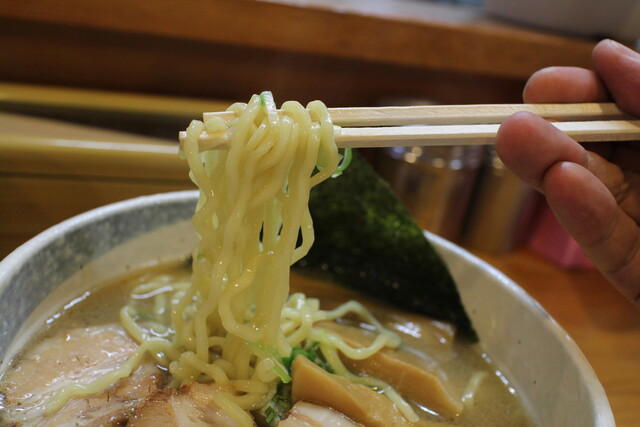
The menu
What to order
- Chuka soba with sardine-dashi broth
- Ramen with giant menma bamboo shoots
Approaching a house-style ramen shop in suburban Aichi sets a different expectation from entering a city-center tasting-menu room. The cues are practical before they are theatrical: a small dining room, counter seats, table seating, raised-platform seating, and the rhythm of a lunch-only noodle shop built around fast decisions and repeat local use. In Ichinomiya, where destination dining is spread across residential pockets rather than clustered into a single restaurant district, that modest physical language matters. It tells diners to read the place through ramen culture, not fine-dining choreography.
Chuka Soba Hanamaru sits in that category with clearer credentials than its low price band might suggest. Selection for Tabelog 100 - Ramen - AICHI - 2025 places it inside a regional ramen list where consistency, local following, and category-specific appeal carry more weight than décor. The same profile also appears in earlier Tabelog ramen selections for 2020 and 2017, giving the restaurant a longer recognition trail than a single-year mention. In a genre where many shops run on hype cycles, repeat selection is the signal worth noticing.
Aichi ramen culture, seen through broth, noodles, and sourcing discipline
Ramen in Aichi does not need to imitate Tokyo’s high-polish counter culture to be serious. The prefecture’s noodle scene rewards precision at everyday prices: chuka soba, tsukemen, and regional variations that rely on balance rather than luxury ingredients. Ingredient sourcing is central to that equation, even when individual suppliers are not advertised. The diner’s judgment turns on whether stock, tare, noodles, and toppings work as a system, because ramen leaves little space for decorative distraction. At this level, a bowl priced in the JPY 1,000 to JPY 1,999 band has to justify itself through craft rather than expense.
The listed categories, ramen and tsukemen, put the kitchen in two related but distinct disciplines. Soup ramen asks broth, tare, oil, noodle texture, and temperature to arrive in a tight sequence. Tsukemen shifts emphasis toward noodle chew and dipping-broth concentration, a format where wheat character and sauce density become more exposed. That range is narrow by design. It is the opposite of the encyclopedic menu, and the restraint suits a small room where execution has to repeat quickly during lunch service.
Ichinomiya’s broader restaurant scene helps frame the choice. A meal at Kappou Tenkai sits in a higher Japanese dining spend, while Mugi no Michi Sugure occupies the same JPY 1,000 to JPY 1,999 bracket and shows how competitive the city’s noodle tier can be. Raamen to Tenshin Graphmi adds another ramen-adjacent reference point for readers mapping local options, while Restaurant HONJIN and Ryuen point to the city’s range beyond noodle shops. The point is not that these rooms compete for the same dinner, but that Ichinomiya rewards a diner who chooses by format first.
A small-room format that suits solo diners, families, and quick decisions
The 19-seat layout gives the experience its shape: five counter seats, eight table seats, and six seats on a raised platform. That mix is common in local Japanese dining because it lets a single shop serve solo diners, friends, and families without losing the immediacy of a counter. Children are welcome, private rooms are unavailable, and the room is non-smoking. Those details define the social contract more clearly than any design language: this is a place for eating well without turning lunch into an event.
The logistics reinforce the ramen-shop reading. Reservations are unavailable, take-out is listed, parking is available, and payment is cash-only, with credit cards, electronic money, and QR code payments not accepted. Hagiwara Station is the nearest rail point, and the shop is close enough to function as a local stop rather than a full-day dining excursion. For visitors building an Ichinomiya itinerary, that makes timing more important than ceremony. Ramen at this scale rewards early, decisive planning, especially when the service window is short and the room is compact.
Compared with higher-spend Ichinomiya dining, the value case is direct. A diner choosing Chuka Soba Hanamaru is not buying linen, wine service, or a long menu arc. The spend goes toward a focused noodle format with enough local recognition to justify a detour inside the city. That is also why the Tabelog 100 selection matters here: it separates the shop from casual convenience ramen without pretending it belongs to the luxury bracket.
How to place it within an Ichinomiya food day
The smartest way to use this address is as a focused ramen stop, then let the rest of the day carry the broader city reading. Our full Ichinomiya restaurants guide is the natural starting point for that comparison, especially for travelers weighing noodle shops against kappo, Chinese, and Western-leaning rooms. For overnight planning, Our full Ichinomiya hotels guide helps keep the meal from becoming a transport puzzle. Drinks and non-restaurant planning sit separately in Our full Ichinomiya bars guide, Our full Ichinomiya wineries guide, and Our full Ichinomiya experiences guide.
Readers comparing Japanese casual dining across cities can also look outward. -Grilled beef Sukiyaki- KAMAKURA TANUKIAN 鎌倉 たぬき庵 in Kamakura shows a meat-led format at a different register. 鮪と炭火焼き うお炭 秋葉原店 in Tokyo points toward urban seafood and charcoal cooking, and.cafe in Osaka reflects a lighter café model. Regional casual formats continue through.know in Kumamoto, (Shoku) Vietnam in Kawasaki, and [Curry Senmon Ten] Maruyama Kyoju. in Sapporo. Abroad, Jōdo Saké Bar in Los Angeles and Onigiri Time in Pasadena show how Japanese formats change when they leave Japan. Against that wider field, Chuka Soba Hanamaru reads as a disciplined local ramen room: compact, inexpensive, recognized, and rooted in the everyday mechanics of Aichi noodle dining.
Frequently asked questions
Can I bring kids to Chuka Soba Hanamaru?
Yes. the public record lists "Children welcome" and the room is set up with 19 seats, including tables and a raised platform, which makes it workable for families in Ichinomiya. It is also positioned as family friendly in the Tabelog listing. Check the venue's official channels for the latest details.
How would you describe the vibe at Chuka Soba Hanamaru?
It reads as a compact, practical ramen stop rather than a long, drawn-out meal. The 19-seat room, take-out service, and Tuesday-Wednesday closures point to a focused lunch operation, with Tabelog 100 Ramen AICHI 2025 recognition giving it added weight.
What does dinner at Chuka Soba Hanamaru typically cost?
Pricing at Chuka Soba Hanamaru is listed as JPY 1,000 - JPY 1,999 JPY 1,000 - JPY 1,999.
When is Chuka Soba Hanamaru open?
Hours at Chuka Soba Hanamaru: Mon: 11 AM–2 PM; Tue: Closed; Wed: Closed; Thu: 11 AM–2 PM; Fri: 11 AM–2 PM; Sat: 11 AM–2 PM; Sun: 11 AM–2 PM.
Comparable Spots, Quickly
Comparable venues by cuisine and price in the same metro.
| Venue | Cuisine | Price | Awards | Notes |
|---|---|---|---|---|
| Chuka Soba HanamaruThis venue (the venue you are viewing) | Traditional Japanese ramen | $10–20 | Tabelog 100 #39 | Not listed |
| Raamen to Tenshin Graphmi | Ramen and dim sum | $10–20 | Tabelog 100 #88 | Ichinomiya |
| Kappou Tenkai | Japanese Kaiseki | $30–50 | Tabelog 100 #22 | Kannonji |
| Ryuen | Japanese Yakiniku | $50–100 | Tabelog 100 #95 | Owari Ichinomiya |
| Mugi no Michi Sugure | Modern tsukemen & ramen | $10–20 | Tabelog 100 #10 | Ichinomiya |
| Restaurant HONJIN | French Teppanyaki | $150–200 | Tabelog Bronze #359 | Nishi Ichinomiya |
Recognition history
Dated appearances from independent guides and award organizations, with the underlying list record or original source where available.
Tabelog 100 #39 · No. 39
Tabelog · Tabelog 100 - Ramen - AICHI - 2025
Continue exploring
More in Ichinomiya
Restaurants in Ichinomiya
All restaurants in Ichinomiya →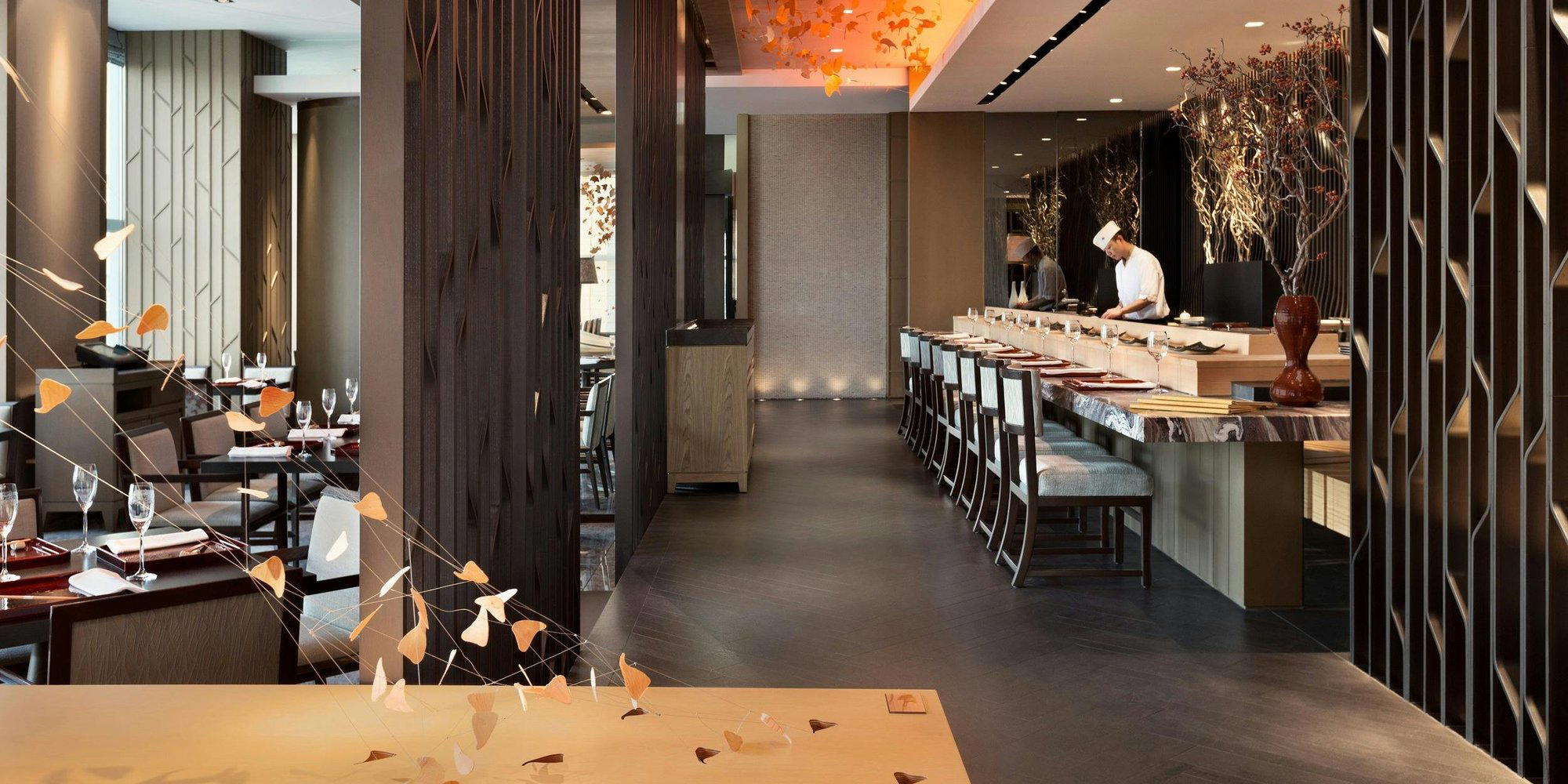
Details
- Cozy
- Solo
- Casual Hangout
- After Work
- Family
- Chefs Counter
- Standalone
- A La Carte
- Counter Dining
Current opening hours
- Monday
- 11 AM–2 PM
- Tuesday
- Closed
- Wednesday
- Closed
- Thursday
- 11 AM–2 PM
- Friday
- 11 AM–2 PM
- Saturday
- 11 AM–2 PM
- Sunday
- 11 AM–2 PM
Hours can change for holidays and private events. Hours as of .
Casual neighborhood ramen-ya with counter-style seating, a relaxed, bustling atmosphere, and a focus on the craft of the noodles and broth rather than decor.