
Tabelog 100 #43
Our verdict
Chuka Oshima places Kashiwa’s curry scene inside a sharper Japanese context: compact counter dining, Indian curry categorisation, and low-ticket pricing with serious recognition. Its Tabelog Curry EAST 100 selection in 2023 and 2024 makes it more than a neighbourhood lunch stop, while the no-reservation format keeps the experience rooted in everyday city eating rather than destination dining theatre.

Pearl is the En Primeur Club membership app, where members save venues, book tables and use the concierge.
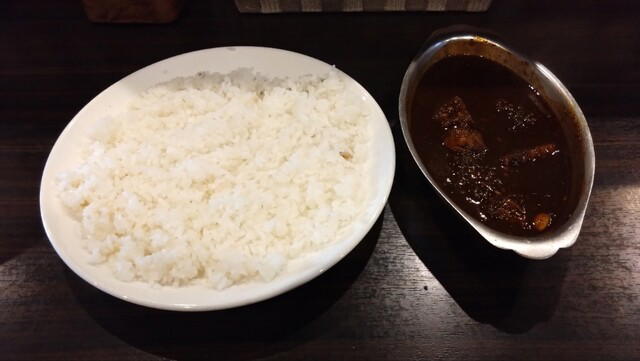
Approaching a small counter-led curry shop in Kashiwa changes the scale of the meal before the first order is placed. This is not the ceremonious Japan of tasting menus, nor the department-store polish of Tokyo station dining. It belongs to the everyday grammar of lunch: short opening windows, compact seating, quick turnover, and a room built around direct proximity to the kitchen rather than distance from it.
That context matters because Japanese curry has never been a single tradition. It runs from school-lunch nostalgia and railway-station plates to spice-driven specialist shops that borrow from Indian, Sri Lankan, and regional Japanese habits without fitting neatly into any one category. Chuka Oshima is listed as Indian curry, but its position in Kashiwa is better understood through that larger Japanese habit of adaptation: imported spice language made local through portion size, service rhythm, and neighbourhood demand.
Kashiwa curry with serious selection signals
Kashiwa sits outside the capital’s obvious dining circuits, which gives its better casual restaurants a different kind of pressure. They need to satisfy repeat local traffic before they can attract cross-prefecture diners. In that setting, recognition carries weight. Chuka Oshima was selected for Tabelog Curry EAST 100 in both 2023 and 2024, a signal that places it within eastern Japan’s more closely watched curry addresses rather than merely among convenient station-area options.
The category is also price-sensitive. Curry in Japan can be democratic to the point of anonymity, but the strongest specialist shops earn attention through sourcing discipline, spice management, and consistency rather than luxury cues. A place operating in the JPY 1,000 to JPY 1,999 band has little room to hide behind ceremony. The value proposition is blunt: the cooking has to carry the room.
That is where ingredient sourcing becomes the useful lens. In curry, sourcing is not only about rare produce or named farms. It is about the stability of onions, aromatics, oil, rice, spice blends, meat or vegetable bases, and the daily calibration of heat and sweetness. Japanese curry culture prizes repeatability, but specialist curry rewards small adjustments. The tension between those two expectations is the reason a modest counter can build a following strong enough to register on an awards list.
Kashiwa has a compact but varied casual dining field. 66 and Anbai sit in the same city-level conversation around accessible meals, while Bakery Feve shows how local demand also supports specialist everyday formats outside full-service dining. AYUBOWAN adds another South Asian reference point, and Bunsai Ka broadens the picture beyond curry. Read together, these addresses suggest a city where focused, low-to-mid price restaurants can matter as much as formal dining rooms.
Counter dining keeps the curry in close focus
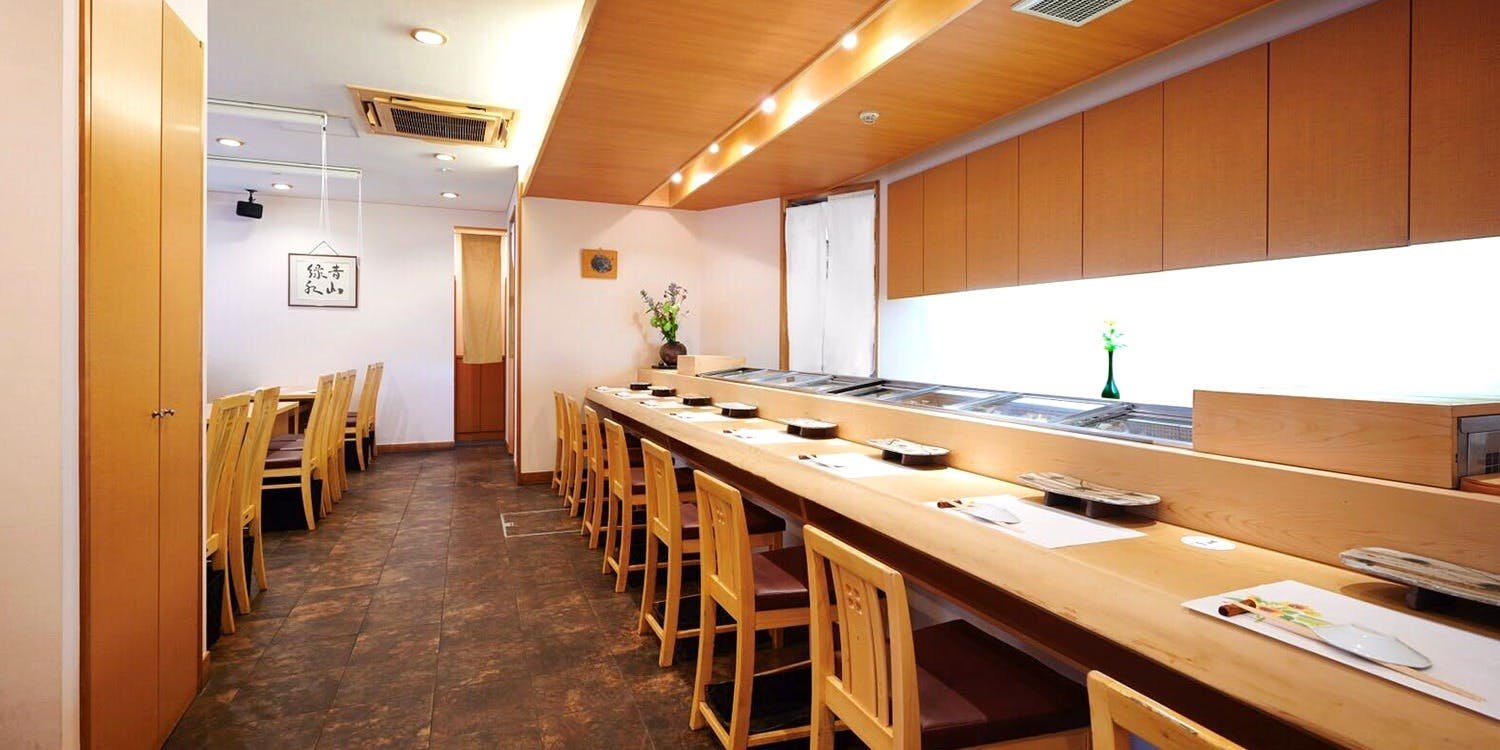
The room’s format reinforces that point. Sixteen seats and counter seating put the meal in the Japanese shokudo lineage, where scale is small, pacing is practical, and the experience is judged without much decorative insulation. Counter curry has an advantage over larger restaurant formats: the cooking process remains close enough to make timing visible, yet the meal stays casual enough for solo diners, friends, and families.
That balance is central to the Japanese curry shop’s appeal. The dish may carry the global history of spice routes, colonial trade, and domestic reinterpretation, but the format is local and immediate. A curry specialist in Kashiwa does not need to mimic Delhi, Colombo, Osaka, or Tokyo to be persuasive. It needs to show control over base, spice, rice, and service pace at a price that invites return visits.
The Tabelog score of 3.67 adds another useful calibration. In Japan’s restaurant-rating culture, scores above the mid-threes can indicate substantial local consensus, especially for casual venues without the international visibility of Michelin-led dining. The stronger signal, however, is repeated selection for the Curry EAST 100 list. For a small Chiba counter, that repeat appearance matters more than generic praise.
There is also a practical cultural distinction here. Curry specialists rarely communicate luxury through long menus or theatrical service. They communicate through constraint. A small number of seats, a focused category, take-out service, and a non-smoking dining room all point toward an efficient urban meal rather than an occasion built around lingering. In Japan, that is not a lesser form of dining. It is one of the country’s most exacting casual formats because diners return often enough to notice drift.
Where it fits in a wider Kashiwa plan
For travellers using Kashiwa as more than a transit point, Chuka Oshima works as a lens on the city’s everyday appetite rather than a standalone trophy meal. The broader restaurant field can be mapped through Our full Kashiwa restaurants guide, while the city’s practical base is better understood alongside Our full Kashiwa hotels guide, Our full Kashiwa bars guide, Our full Kashiwa wineries guide, and Our full Kashiwa experiences guide.
Comparisons outside Kashiwa should be used carefully, but they help frame how Japanese casual food travels. A curry specialist such as [Curry Senmon Ten] Maruyama Kyoju. in Sapporo belongs to a different regional climate and dining rhythm, while (Shoku) Vietnam in Kawasaki shows another way imported food cultures settle into Japanese city life. The same national appetite for compact, category-led dining appears in unrelated formats, from -Grilled beef Sukiyaki- KAMAKURA TANUKIAN 鎌倉 たぬき庵 in Kamakura to. 鮪と炭火焼き うお炭 秋葉原店 in Tokyo.cafe in Osaka, and.know in Kumamoto.
For international readers, the useful parallel is not only curry. It is the way focused casual formats become cultural markers abroad as well: Jōdo Saké Bar in Los Angeles and Onigiri Time in Pasadena show how Japanese food identities narrow around specific forms when they travel. Chuka Oshima belongs to the domestic version of that same impulse, where a narrow category, a small room, and repeat local use can say more about a city’s dining life than a larger, more expensive room.
Frequently asked questions
How do I find Chuka Oshima?
Chuka Oshima is located in Kashiwa.
What's the pricing like at Chuka Oshima?
Pricing at Chuka Oshima is listed as JPY 1,000 - JPY 1,999 JPY 1,000 - JPY 1,999 View spending breakdown.
Do they take walk-ins at Chuka Oshima?
Reservations are unavailable, so walk-ins are the practical format at Chuka Oshima in Kashiwa. The room has 16 seats and counter seating, with lunch service on Tue to Sun, plus public holidays.
What is Chuka Oshima known for?
Chuka Oshima is primarily known for its core concept and execution in Kashiwa.
Comparison Snapshot
Side-by-side context: comparable cuisine and price.
| Venue | Cuisine | Price | Awards | Notes |
|---|---|---|---|---|
| Chuka OshimaThis venue (the venue you are viewing) | Casual Indian Curry House | $10–20 | Tabelog 100 #43 | Not listed |
| AYUBOWAN | Sri Lankan Curry & Rooftop Beer Garden | $20–30 | Tabelog 100 #2 | Kashiwa |
| Casa PASCALE | Sri Lankan curry restaurant | $10–20 | Tabelog 100 #65 | Sakasai |
| Chuka Soba Sakaeda | Japanese Ramen | $10–20 | Tabelog 100 #83 | Kashiwa |
| Tonkotsu Shoyu Ramen Oudouya Kashiwa ten | Iekei-style tonkotsu shoyu ramen | $10–20 | Tabelog 100 #32 | Kashiwa |
| Motsuni Taro | Japanese comfort food canteen specializing in motsuni stew | $1–10 | Tabelog 100 #39 | Not listed |
Recognition history
Dated appearances from independent guides and award organizations, with the underlying list record or original source where available.
Tabelog 100 #43 · No. 43
Tabelog · Tabelog 100 - Curry - EAST - 2024
Continue exploring
More in Kashiwa
Restaurants in Kashiwa
All restaurants in Kashiwa →





Details
- Cozy
- Lively
- Solo
- Family
- Casual Hangout
- After Work
- Standalone
- A La Carte
- Counter Dining
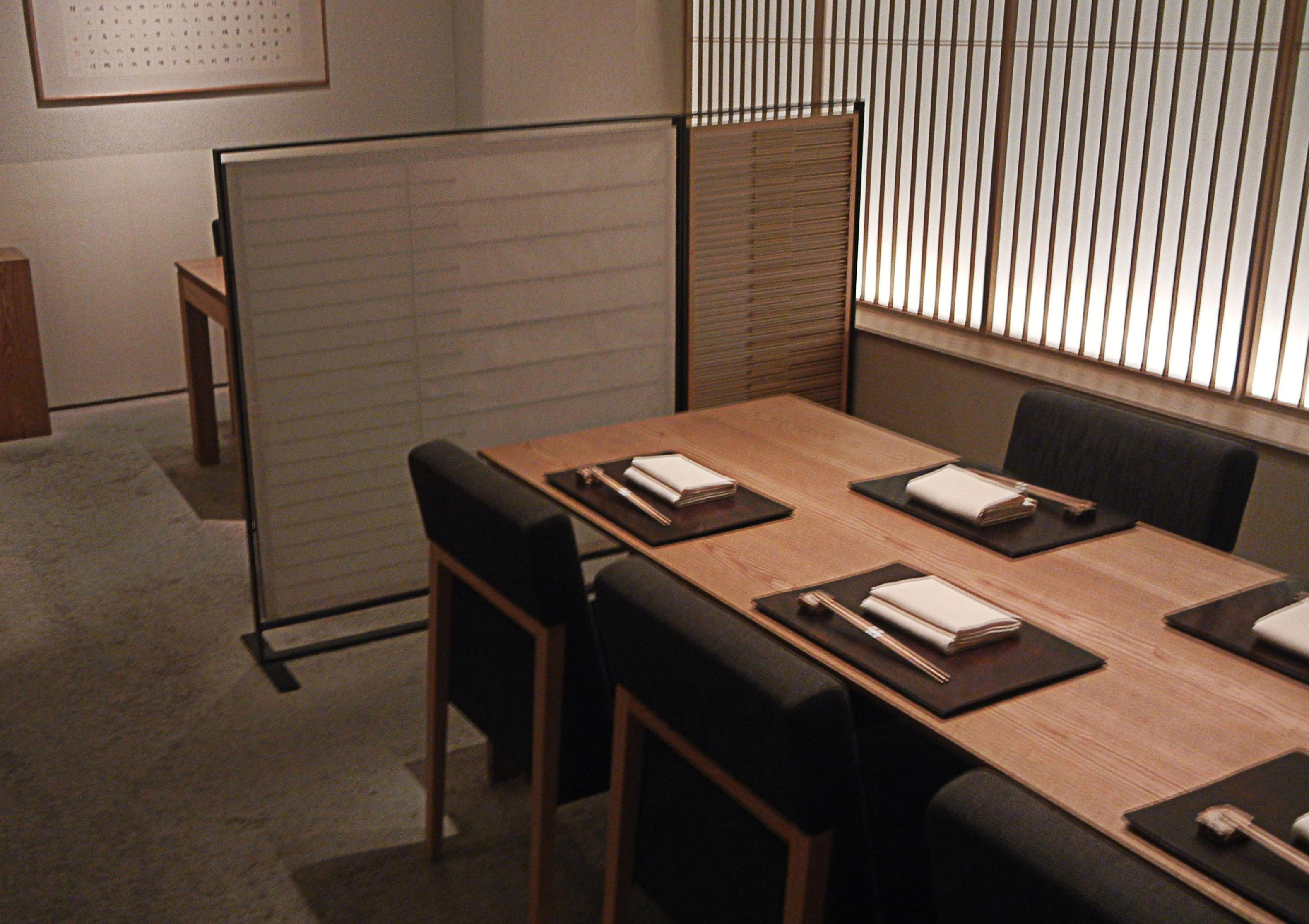
A small, 16-seat, non-smoking curry shop with counter seating, simple interiors, and a casual, neighborhood feel that suits solo diners and families at lunchtime.