
Tabelog 100 #94
Our verdict
Anbai is a Kashiwa tonkatsu address with repeated Tabelog Tonkatsu 100 selections, including 2026, and a casual price band that keeps it closer to everyday dining than ceremony. The draw is the Japanese pork-cutlet tradition in a suburban Chiba setting: practical, family-friendly, non-smoking, and grounded in the kind of local repeat custom that matters for tonkatsu.

Pearl is the En Primeur Club membership app, where members save venues, book tables and use the concierge.
The menu
What to order
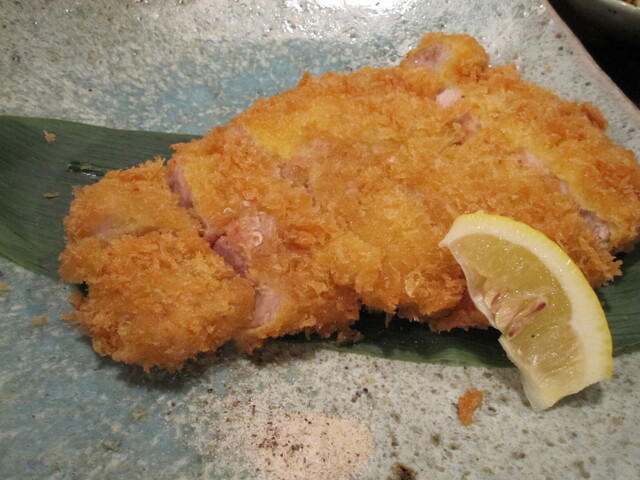
- Tonkatsu pork cutlet
- Beefsteak (bifuteki)
- Thick pork loin cutlet
The approach is unshowy: a basement-level room near Kashiwa Station, the kind of address where the meal announces itself less through theatre than through the familiar grammar of Japanese tonkatsu dining. In Chiba’s commuter cities, pork cutlet houses serve a different role from Tokyo’s luxury counters. They are lunch anchors, family tables, post-work stops and neighbourhood benchmarks, judged on fry discipline, rice, cabbage, pacing and value rather than spectacle.
That context matters. Tonkatsu is not a marginal comfort dish in Japan; it is a codified genre with its own hierarchy, regional loyalties and obsessive regulars. The category rewards repetition. A restaurant that keeps appearing in Tabelog’s Tonkatsu 100, with Anbai selected in 2017, 2018, 2019, 2021, 2022, 2024 and 2026, sits inside a narrow field where small differences in texture, oil management and set-meal balance decide reputation. The recognition is useful because it places a suburban Kashiwa address in the same national conversation as more destination-driven pork-cutlet specialists.
Kashiwa tonkatsu without Tokyo ceremony
Kashiwa’s dining identity is shaped by station gravity. The city works as a Chiba hub rather than a destination built around long tasting menus, and its restaurants tend to reward diners who understand everyday Japanese formats. Tonkatsu fits that pattern neatly: accessible pricing, quick enough for lunch, substantial enough for dinner, and formal enough in execution to expose weak technique.
Against local peers, the positioning is clear. Tonkatsu Hisago occupies a similar pork-cutlet bracket in Kashiwa, while Tonkotsu Shoyu Ramen Oudouya Kashiwa ten serves the cheaper ramen end of the station-food spectrum. Bakery Feve and 66 operate in lower casual ranges, while zoe’s moves into a much higher spend. Anbai sits in the middle: not a luxury splurge, not a snack stop, and not a chain-like convenience play. That middle tier is where many Japanese regional specialists earn loyalty, because the food has to justify regular use rather than once-a-year curiosity.
The menu categories also tell the story without overexplaining it. Tonkatsu leads, with croquette and steak in the supporting frame, a familiar structure for a yoshoku-influenced Japanese dining room. This is a tradition born from Western cutlet technique and domesticated into something distinctly Japanese: breaded pork, shredded cabbage, rice, sauce, pickles and set-meal rhythm. In that format, the pleasure is cumulative. No single flourish needs to carry the table.
The room belongs to regular meals, not performance dining
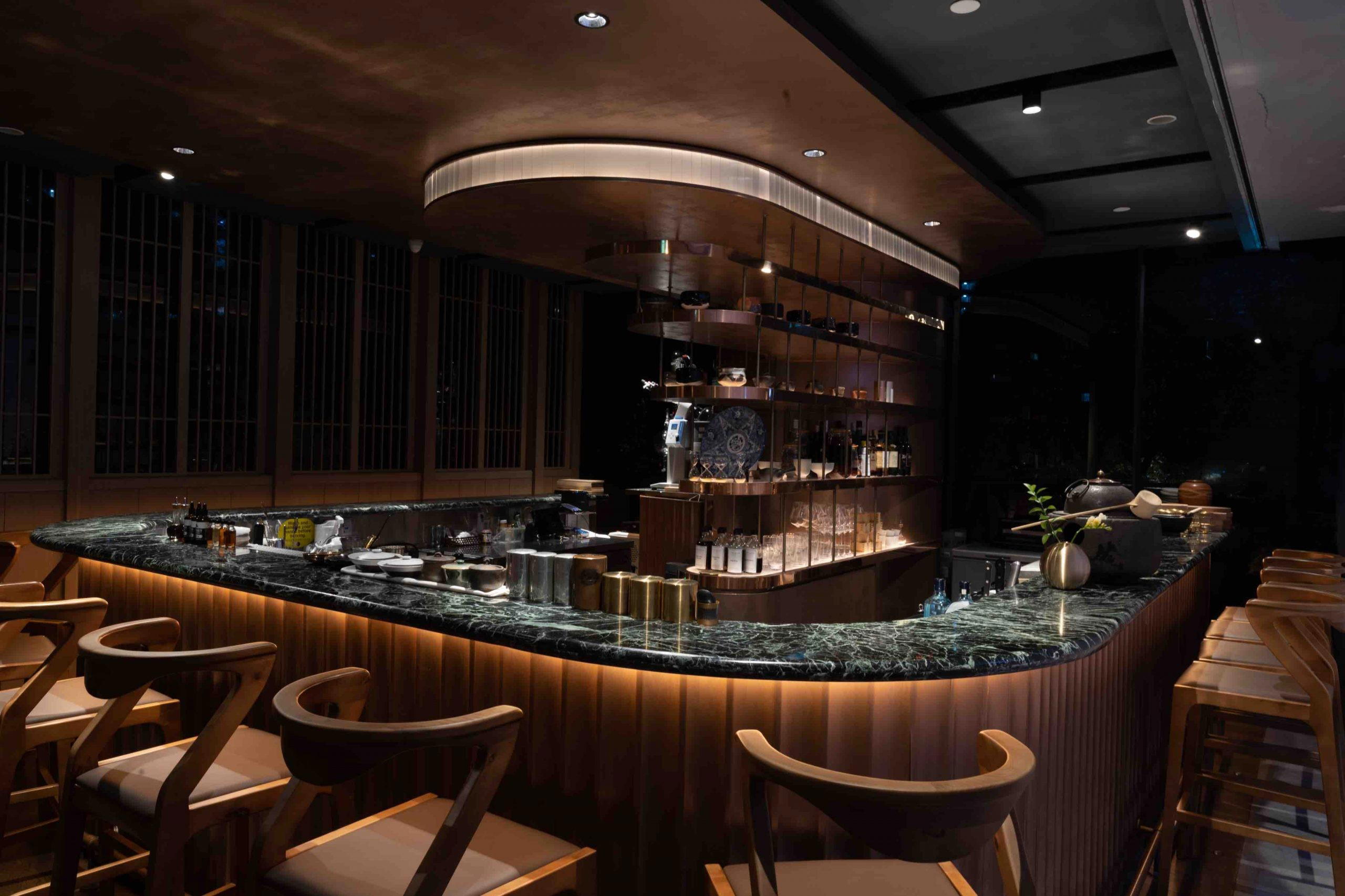
The format is built for ordinary use. A 44-seat room with table seating, tatami seating, counter seating and sunken seating reads as adaptable rather than precious. Children are welcome, private rooms are not part of the proposition, and the non-smoking policy makes the room easier for family meals than many older casual restaurants. Take-out is available, which also places the cooking in the practical side of Japanese neighbourhood dining rather than the reservation-only end of the market.
There is a useful cultural distinction here. In Tokyo, acclaimed tonkatsu can become a queue-driven event, with diners crossing town for a specific pork breed or frying style. In Kashiwa, the genre remains closer to its daily function. The better comparison is not sushi omakase or kaiseki; it is the Japanese set-meal restaurant operating at a level where repeat selection by serious eaters becomes its own proof. A Tabelog score of 3.60 in this category is not a decorative number, but a signal of sustained approval in a platform where tonkatsu enthusiasts compare shops closely.
For readers mapping a broader Kashiwa itinerary, the address works as part of a compact local food circuit rather than a stand-alone pilgrimage. EP Club’s Kashiwa coverage includes nearby dining references such as 66, AYUBOWAN, Bakery Feve, Bunsai Ka and Casa PASCALE. For wider planning, use Our full Kashiwa restaurants guide, with parallel city guides for Kashiwa hotels, Kashiwa bars, Kashiwa wineries and Kashiwa experiences.
How to read the recognition
Tabelog’s Tonkatsu 100 selection is category-specific, which is exactly why it matters here. A general restaurant award can flatten Japanese casual dining into prestige theatre; a pork-cutlet list rewards specialists inside their own craft. The repeat selections across multiple years suggest consistency in a format where inconsistency is easy to detect. Frying temperature, cut thickness, oil freshness and service timing do not hide behind décor.
The value proposition is also part of the editorial judgment. Lunch and dinner occupy accessible yen ranges for Japan, and that matters in tonkatsu because the dish has always carried a democratic streak. Premium pork-cutlet restaurants exist, but the genre loses some of its force when it becomes only luxury dining. Kashiwa’s version is more grounded: a recognised specialist, a station-adjacent setting, enough seating flexibility for different groups, and a category that Japanese diners understand without translation.
For broader Japan comparisons outside Kashiwa, EP Club’s restaurant map ranges from Grilled beef Sukiyaki KAMAKURA TANUKIAN 鎌倉 たぬき庵 in Kamakura and 鮪と炭火焼き うお炭 秋葉原店 in Tokyo to.cafe in Osaka.know in Kumamoto, (Shoku) Vietnam in Kawasaki and [Curry Senmon Ten] Maruyama Kyoju. in Sapporo. For Japanese food culture abroad, see Jōdo Saké Bar in Los Angeles and Onigiri Time in Pasadena.
The editorial case is not that Anbai turns tonkatsu into a grand event. It is stronger than that: it shows how a suburban Japanese specialist can carry national category recognition while remaining legible as an everyday room. For Kashiwa, that is the more revealing story.
Frequently asked questions
Would Anbai be comfortable with kids?
Yes. The venue lists children welcome, and the 44-seat room in Kashiwa includes table seating plus tatami and sunken seating, which makes it easier for family meals.
What is the atmosphere like at Anbai?
It reads as a practical, everyday dining room rather than a formal counter. The 44 seats are split between tatami seating, table seating, counter seating and sunken seating, and the restaurant is non-smoking.
What price level is Anbai?
Pricing at Anbai is listed as JPY 2,000 - JPY 2,999 JPY 1,000 - JPY 1,999.
What time does Anbai open and close?
Hours at Anbai: Mon: Closed; Tue: 11 AM–10 PM; Wed: 11 AM–10 PM; Thu: 11 AM–10 PM; Fri: 11 AM–10 PM; Sat: 11 AM–10 PM; Sun: 11 AM–10 PM.
Where do I go for Anbai?
Anbai is located in Kashiwa.
What's the signature at Anbai?
The clearest order is tonkatsu. Anbai is listed in Tabelog Tonkatsu 100 2026, and the menu category also includes croquette and steak.
Price Lens
Nearby venues at a similar price tier for orientation.
| Venue | Cuisine | Price | Awards | Notes |
|---|---|---|---|---|
| AnbaiThis venue (the venue you are viewing) | Tonkatsu & Beefsteak | $20–30 | Tabelog 100 #94 | Not listed |
| Tonkotsu Shoyu Ramen Oudouya Kashiwa ten | Iekei-style tonkotsu shoyu ramen | $10–20 | Tabelog 100 #32 | Kashiwa, Iekei-style tonkotsu shoyu ramen |
| zoe's | Italian | Not listed | Tabelog 100 #7 | Kashiwa, Italian |
| Curry no Mise Bombay Honten | Japanese curry house | $10–20 | Tabelog 100 #18 | Kashiwa, Japanese curry house |
| Chuka Soba Sakaeda | Japanese Ramen | $10–20 | Tabelog 100 #83 | Kashiwa, Japanese Ramen |
| Casa PASCALE | Sri Lankan curry restaurant | $10–20 | Tabelog 100 #65 | Sakasai, Sri Lankan curry restaurant |
Recognition history
Dated appearances from independent guides and award organizations, with the underlying list record or original source where available.
Tabelog 100 #94 · No. 94
Tabelog · Tabelog 100 - Tonkatsu - 2026
Continue exploring
More in Kashiwa
Restaurants in Kashiwa
All restaurants in Kashiwa →




Bars in Kashiwa
Browse all →







Details
- Cozy
- Classic
- Family
- Casual Hangout
- Group Dining
- Solo
- After Work
- Standalone
- A La Carte
Current opening hours
- Monday
- Closed
- Tuesday
- 11 AM–10 PM
- Wednesday
- 11 AM–10 PM
- Thursday
- 11 AM–10 PM
- Friday
- 11 AM–10 PM
- Saturday
- 11 AM–10 PM
- Sunday
- 11 AM–10 PM
Hours can change for holidays and private events. Hours as of .
Located in a basement with tatami and table seating, Anbai offers a calm, homey atmosphere that feels like a classic neighborhood spot rather than a flashy steakhouse.