
Tabelog 100 #20
Our verdict
Bunsai Ka gives Kashiwa a serious Chinese dining address built around Chiba produce, fish-led cooking, private-room service and a polished adult mood rather than big-city spectacle. Its selection for Tabelog Chinese EAST “Tabelog 100” 2026 places it in a regional conversation that stretches beyond local convenience dining.

Pearl is the En Primeur Club membership app, where members save venues, book tables and use the concierge.
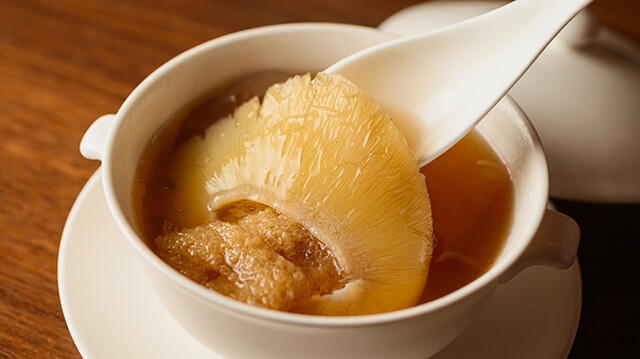
The menu
What to order
- Signature Peking duck roasted in original brick oven
- Hong Kong-style char siu
- Homemade egg tart
- Dim sum and Hong Kong sweets selection
- Shark fin braise
Approaching the dining room in Kashiwa, the cue is scale rather than spectacle: a house-restaurant format, private rooms, table seating and the sort of quiet arrival ritual that suits a meal built for pacing. In Japan’s suburbs, ambitious Chinese cooking often reads differently from its Tokyo counterpart. It has less need to perform density and more room to make locality visible, especially when the kitchen is working with vegetables from Kashiwa and ingredients from Chiba Prefecture rather than treating the surrounding area as a commuter map.
That sourcing angle matters. Chinese cuisine in Japan has long split between everyday machi-chuka, hotel dining rooms and chef-led regional interpretations. Kashiwa adds another register: a city close enough to Tokyo for serious diners, but far enough from Ginza’s price signaling to let a restaurant define value through ingredients, rooms and occasion. Bunsai Ka sits in that bracket, with Chinese, dim sum and sweets listed as its categories, and a fish-conscious, health-minded food program shaping the frame.
Chiba ingredients give the Chinese format a local center of gravity
The stronger reading here is not “Chinese food in Kashiwa” as novelty. It is Chinese technique used to organize a Chiba pantry. Seasonal Kashiwa vegetables and prefectural delicacies point toward a style that values provenance without turning the meal into a farm manifesto. That is a useful distinction in Japan, where high-end cooking can become abstract quickly: the ingredient has to carry regional meaning, but the dining format still needs discipline.
Recognition sharpens the point. Selection for Tabelog Chinese EAST “Tabelog 100” 2026 places the restaurant among a curated eastern Japan group rather than only a Kashiwa neighborhood list. The same recognition appears across 2021, 2023, 2024 and 2026, which suggests consistency across several cycles, not a single-year spike. For a suburban Chinese restaurant, that pattern is more persuasive than a room full of luxury cues.
Kashiwa’s wider dining scene is broad rather than mono-cultural. Casual Sri Lankan cooking at AYUBOWAN, everyday American-leaning plates at 66, and smaller local addresses such as Anbai, Bakery Feve and Casa PASCALE show why the city rewards diners who look beyond one category. Against that spread, Bunsai Ka occupies the more formal Chinese end: a planned meal, a contained room, and a budget tier closer to regional destination dining than quick local eating.
Private rooms make the meal feel closer to an occasion than a counter chase
The format is important because it changes the expectation. Much of Japan’s destination dining now defaults to counter intimacy: sushi, kappo, yakitori, tempura. Here, the architecture of the meal is private-room and table-led, with 28 seats and rooms sized for smaller groups through larger gatherings. That makes the experience better suited to family meals, celebrations and business dinners than to solo culinary trophy-hunting.
The building can also absorb groups in a way many compact Japanese restaurants cannot. Private rooms are listed for parties from two through 10 to 20, with room charges attached to certain eight-person rooms, and the fifth floor can be used exclusively by groups of eight or more. One building capacity reaches 30 people. Those details matter in Kashiwa because the city functions as both a residential center and a dining stop for people coming through the Joban Line corridor, where group logistics often decide the meal before cuisine does.
Atmosphere is therefore controlled, adult and structured rather than loud or theatrical. Smart casual dress, non-smoking rooms, wheelchair access, free Wi-Fi and power outlets point to comfort without turning the room into a hotel lounge. Children are welcomed, including babies, preschoolers and school-age children, and a kids menu is listed; that family access gives the place a different role from the hushed, adults-only model common in some high-end Japanese dining rooms.
How to read Bunsai Ka within Kashiwa, not Tokyo
Critical mistake would be to judge this restaurant only against central Tokyo’s grand Chinese rooms. Kashiwa has its own logic. A diner can eat cheaply and well across the city, from ramen and curry counters to casual international rooms, so a Chinese meal at this level has to justify itself through setting, ingredient sourcing and reliability. The Tabelog score of 3.67 and repeated Tabelog 100 Chinese EAST selections give it external weight, but the more practical distinction is the combination of Chiba produce, fish attention and private-room infrastructure.
That makes it a sharper choice for diners who want a composed Chinese meal tied to the prefecture, not a maximalist banquet chasing metropolitan glamour. For a broader read on the city, start with Our full Kashiwa restaurants guide, then map the rest of the trip through Our full Kashiwa hotels guide, Our full Kashiwa bars guide, Our full Kashiwa wineries guide and Our full Kashiwa experiences guide.
For readers comparing Japanese dining formats beyond Chiba, the contrast is instructive: beef sukiyaki in Kamakura at -Grilled beef Sukiyaki- KAMAKURA TANUKIAN 鎌倉 たぬき庵 in Kamakura, tuna and charcoal grilling at. 鮪と炭火焼き うお炭 秋葉原店 in Tokyo, café culture at.cafe in Osaka, regional dining at.know in Kumamoto, Vietnamese cooking at (Shoku) Vietnam in Kawasaki, curry specialization at [Curry Senmon Ten] Maruyama Kyoju. in Sapporo, sake-bar dining at Jōdo Saké Bar in Los Angeles and onigiri-focused casual dining at Onigiri Time in Pasadena all show how format, price and locality change the meaning of a meal. In Kashiwa, this address belongs to the planned-occasion category: sourced, private, measured and firmly rooted in Chiba.
Frequently asked questions
Is Bunsai Ka child-friendly?
Yes. The restaurant welcomes babies, preschoolers and school-age children, and it also lists a kids menu and stroller access. Bunsai Ka is in Kashiwa, at 2-2 Azumakamicho, and offers lunch from JPY 5,000–JPY 5,999.
What is the atmosphere like at Bunsai Ka?
Bunsai Ka is set up as a house restaurant with private rooms, table seating and a 28-seat layout, so the room feels more contained than a standard dining room. The tone is smart casual, with a reservation-only format and Tabelog 100 Chinese EAST 2026 recognition anchoring its profile.
What should I budget for a meal at Bunsai Ka?
Pricing at Bunsai Ka is listed as JPY 10,000 - JPY 14,999 JPY 5,000 - JPY 5,999.
What is Bunsai Ka known for?
Bunsai Ka is primarily known for its core concept and execution in Kashiwa.
At-a-Glance Comparison
Nearby venues at a similar price tier for orientation.
| Venue | Cuisine | Price | Awards | Notes |
|---|---|---|---|---|
| Bunsai KaThis venue (the venue you are viewing) | Modern Cantonese-led Chinese with Hong Kong sweets | $50–100 | Tabelog 100 #20 | Not listed |
| Takeyabu Kashiwa honten | Traditional handmade soba & tempura | $30–50 | Tabelog 100 #86 | Kashiwa |
| Anbai | Tonkatsu & Beefsteak | $20–30 | Tabelog 100 #94 | Kashiwa |
| chukaryouriogiwara | Chinese Course Dining | Not listed | Tabelog 100 #73 | Kashiwa Station area |
| Casa PASCALE | Sri Lankan curry restaurant | $10–20 | Tabelog 100 #65 | Sakasai |
| Tonkatsu Hisago | Tonkatsu & Japanese Curry | $10–20 | Tabelog 100 #59 | Kashiwa |
Recognition history
Dated appearances from independent guides and award organizations, with the underlying list record or original source where available.
Tabelog 100 #20 · No. 20
Tabelog · Tabelog 100 - Chinese cuisine - EAST - 2026
Continue exploring
More in Kashiwa
Restaurants in Kashiwa
All restaurants in Kashiwa →



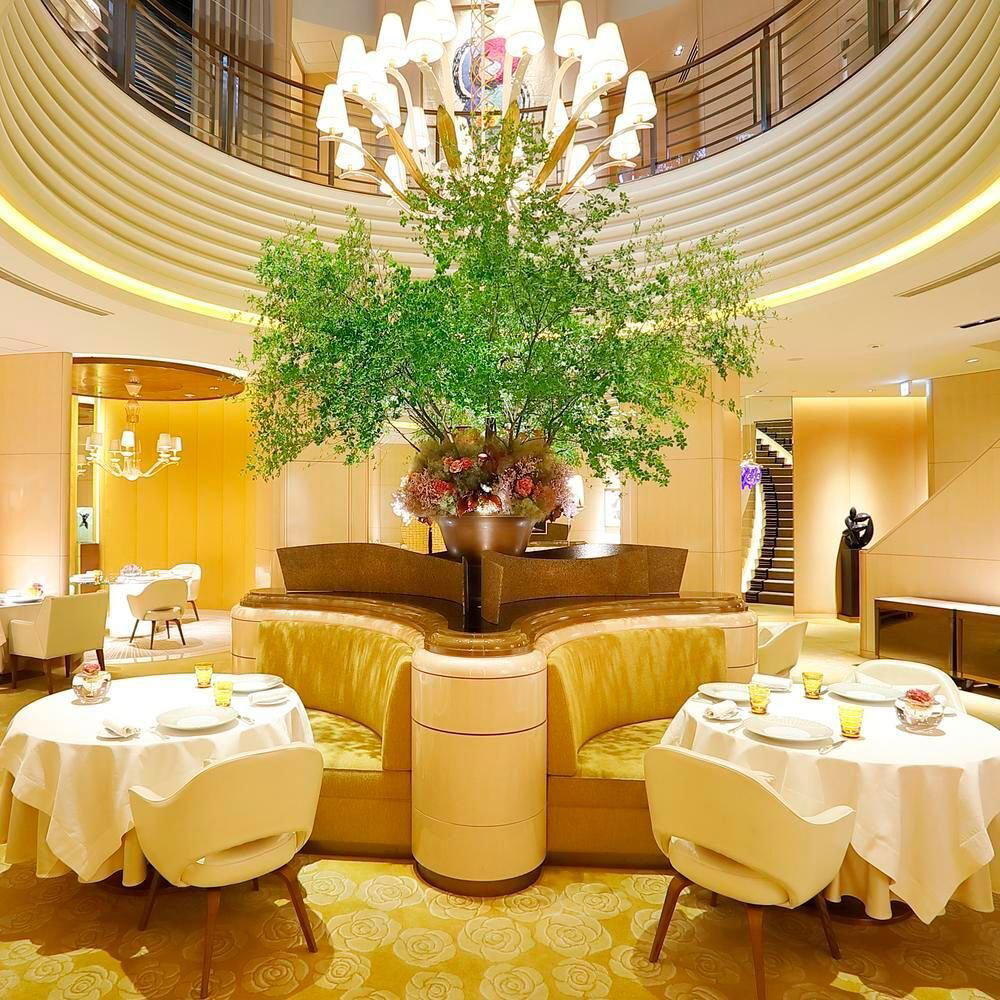
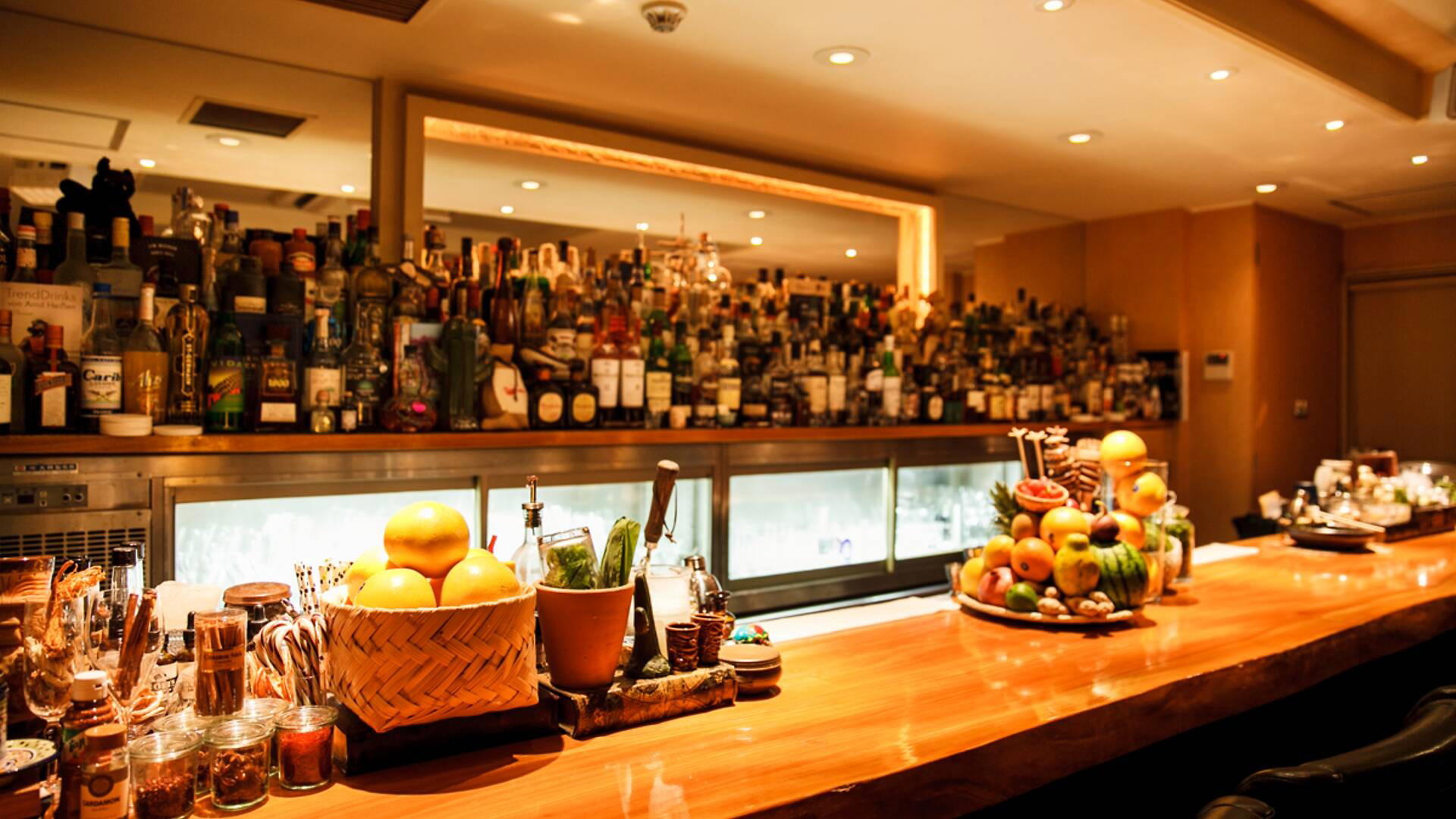
Bars in Kashiwa
Browse all →







Details
- Elegant
- Romantic
- Modern
- Intimate
- Sophisticated
- Date Night
- Business Dinner
- Group Dining
- Family
- Celebration
- Special Occasion
- Private Event
- Chefs Counter
- Open Kitchen
- Private Dining
- Panoramic View
- Design Destination
- Standalone
- Extensive Wine List
- Sommelier Led
- Local Sourcing
- Street Scene
- Tasting Menu
- Set Menu
- Family Style
- Champagne
- Wine
- Tea
- Allergy Accommodating
Current opening hours
- Monday
- Closed
- Tuesday
- Closed
- Wednesday
- 11:30 AM–2:30 PM, 5:30–10:30 PM
- Thursday
- 11:30 AM–2:30 PM, 5:30–10:30 PM
- Friday
- 11:30 AM–2:30 PM, 5:30–10:30 PM
- Saturday
- 11:30 AM–2:30 PM, 5:30–10:30 PM
- Sunday
- 11:30 AM–2:30 PM, 5:30–10:30 PM
Hours can change for holidays and private events. Hours as of .
A quietly luxurious, modern Chinese restaurant spread over upper floors, with clean, bright design, art collaborations, and floor-specific concepts ranging from an intimate chef’s table overlooking the brick oven to a top-floor dining room with city views and calm, elegant lighting.