Namsan
On Lorrainestrasse in Bern's left-bank Lorraine district, Namsan occupies a neighbourhood where local dining culture has been quietly reshaping itself around global technique and Swiss-sourced ingredients. The address places it within a pocket of the city that rewards deliberate discovery, sitting at a remove from the tourist circuit around the Zytglogge and the Altstadt's well-trodden restaurant rows.
Pearl is the En Primeur Club membership app — saves, bookings, and concierge access live there. Same editors, same standards.
- Address
- Lorrainestrasse 32, 3013 Bern, Switzerland
- Phone
- +41315582886
- Website
- restaurant-namsan.ch
- Directions
- Get directions
 Saves & bookings on Pearl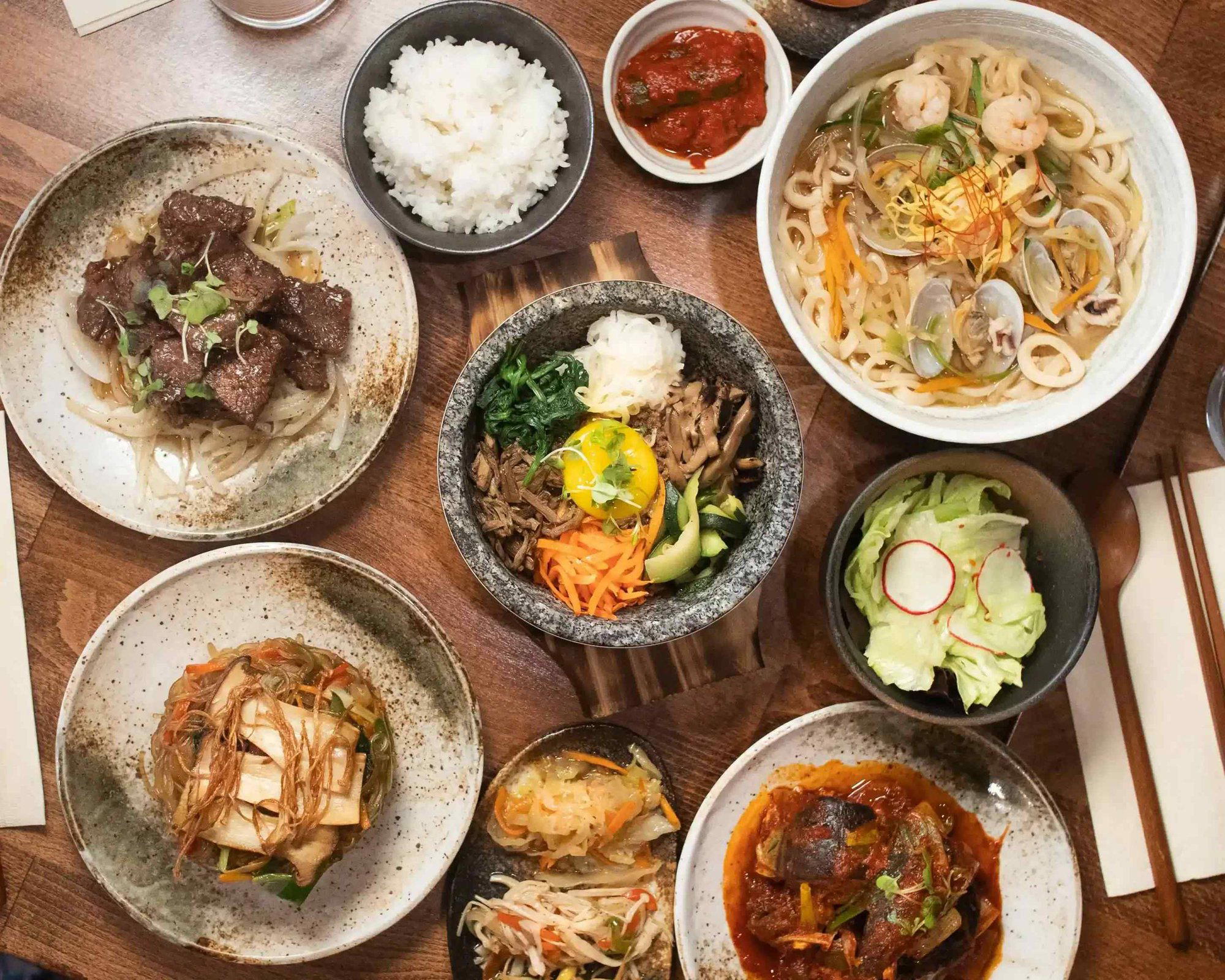
Lorraine and the Question of Where Bern Eats Now
Bern's dining conversation has long been dominated by the Altstadt and the polished rooms around the Bundeshaus, but the Lorraine district, on the north bank of the Aare, has been accumulating a different kind of restaurant culture over the past decade. This is a residential quarter with working-class roots and a high density of internationally minded residents, and the places that have taken hold here tend to trade on quality of product and specificity of technique rather than on heritage dining-room theatre. Namsan is an Authentic Korean restaurant at Lorrainestrasse 32 in Bern, and it belongs to that pattern.
Korean Craft in a Swiss Frame
Swiss-based Korean restaurants occupy a small and contested niche. The broader Alpine dining tradition has, for decades, framed Korean food through the lens of the pan-Asian bistro, bulgogi and bibimbap served in formats designed for convenience rather than depth. A newer cohort of operators across Switzerland has been working against that template, bringing fermentation literacy, precise sourcing logic, and the structural discipline of Korean cuisine into formats that align with how Swiss diners approach a considered evening out. Namsan sits within that shift, at an address in Lorraine that already signals a distance from the mainstream. The name itself references the mountain at the heart of Seoul, a geographical anchor that positions the cooking within a specific Korean cultural register rather than a generalised Asian one.
The productive tension in this kind of cooking lies in what happens when Korean technique meets Swiss material. Switzerland's larder, mountain dairy, Alpine herbs, lake fish, high-welfare pork from small farms across the Mittelland, has a different character from the ingredients around which Korean cuisine developed. How a kitchen reconciles those two supply chains is the editorial question worth asking of any serious Korean operation in Central Europe. The answer, when it works, is not fusion in the decorative sense but a genuine re-examination of what fermentation, controlled heat, and precise seasoning do to ingredients that were never part of the original vocabulary. This is the register in which the more ambitious Swiss-Korean addresses are operating, and it is the frame through which Namsan is best understood.
The Neighbourhood as Context
Lorrainestrasse runs through a district that is close enough to the Hauptbahnhof to be accessible but distinct enough in character to feel like a different city. The street has the texture of a lived-in urban neighbourhood, bakeries, small grocers, a mix of residential buildings from different eras, and restaurants here tend to reflect that groundedness rather than reaching for the visual statement of a destination dining room. A kitchen on this street earns its reputation through the quality on the plate and the reliability of the experience rather than through a designed entrance or a high-profile location. That dynamic is worth understanding before you go: Namsan is a neighbourhood restaurant in serious sense of that phrase, which means the expectations and the rewards are calibrated accordingly.
For practical planning: Lorrainestrasse 32 is reachable on foot from Bern Hauptbahnhof in under fifteen minutes, or by tram to Lorraine. Given the venue's size and the specificity of what it offers, booking ahead is advisable, particularly for Thursday through Saturday evenings when the neighbourhood's dining rooms fill with local regulars.
Where Namsan Sits in Bern's Competitive Range
Bern's restaurant field at the serious end runs from Wein & Sein, which operates at the summit of the modern cuisine tier with a price point that reflects its position, through to creative formats like Steinhalle and plant-forward addresses such as ZOE. Southern European influence surfaces at Azzurro – Terra e Mare and Al Toque. Namsan operates in a different register from all of these, bringing an East Asian culinary grammar to bear on the Swiss ingredient environment in a way that has no direct parallel in the city's current offer. That distinctiveness is not a marketing claim but a structural fact about what the city's dining scene currently covers and where the gaps remain.
At the national level, Switzerland's high-end restaurant culture is concentrated at addresses like Hotel de Ville Crissier, Schloss Schauenstein in Fürstenau, and Cheval Blanc by Peter Knogl in Basel, all of which operate within the French-influenced fine dining tradition. Other Swiss addresses working at the intersection of technique and terroir include Memories in Bad Ragaz, 7132 Silver in Vals, Colonnade in Lucerne, Da Vittorio in St. Moritz, Einstein Gourmet in Sankt Gallen, focus ATELIER in Vitznau, and IGNIV Zürich by Andreas Caminada. The presence of Korean-inflected cooking at the neighbourhood restaurant level in Bern represents a different kind of ambition, less about formal recognition and more about building a local audience around a specific culinary intelligence.
For an international frame of reference, the model of Korean technique applied with precision in a non-Seoul context finds its most recognised expression at addresses like Atomix in New York City, where Korean culinary structure has been reformatted for a Western tasting-menu context, or at the European end of French-trained precision cooking represented by Le Bernardin in New York City. Namsan operates at a different scale and price tier from both, but the underlying question, how does a non-Western culinary tradition maintain its integrity when transplanted, is the same one those kitchens are answering.
What the Address Tells You
A restaurant in Lorraine, with a Korean cultural reference in its name, at a residential address on a street that does not otherwise draw dining traffic, is making a clear statement about who it expects to find it and why. This is a place for people who are already paying attention to what is happening at the edges of Bern's food culture rather than at its established centre. That is not a caveat but a recommendation: the restaurants that define a city's direction over a five-year horizon tend to be found in exactly this kind of position, in neighbourhoods where rent is manageable, the audience is curious, and the operator has room to work without the pressure of a high-profile address.
Awards and Standing
Comparable venues nearby, for context on price, style, and recognition.
| Venue | Cuisine | Price | Notes |
|---|---|---|---|
| NamsanThis venue — the venue you are viewing | Authentic Korean | $$ | Not listed |
| Restaurant Röschtigrabe | Swiss Regional | $$ | Rotes Quartier |
| Hotel & Restaurant Bären Oberbottigen | Traditional Swiss Regional | $$ | Oberbottigen |
| tibits Bern Gurtengasse | Vegetarian & Vegan Buffet | $$ | Rotes Quartier |
| Pizza Huus | Italian Pizza & Kebab | $$ | Breitenrain |
| Energy Kitchen | Health-Focused European Cafe & Salad Bar | $$ | Rotes Quartier |
Continue exploring
More in Bern
Restaurants in Bern
Browse all →
At a Glance
- Cozy
- Casual Hangout
Current opening hours
- Monday
- 5:30–10 PM
- Tuesday
- 11 AM–2 PM, 5:30–9:45 PM
- Wednesday
- 11 AM–2 PM, 5:30–9:45 PM
- Thursday
- 11 AM–2 PM, 5:30–9:45 PM
- Friday
- 11 AM–2 PM, 5:30–9:45 PM
- Saturday
- 5:30–9:45 PM
- Sunday
- 5–9:45 PM
Hours can change for holidays and private events. Last verified .
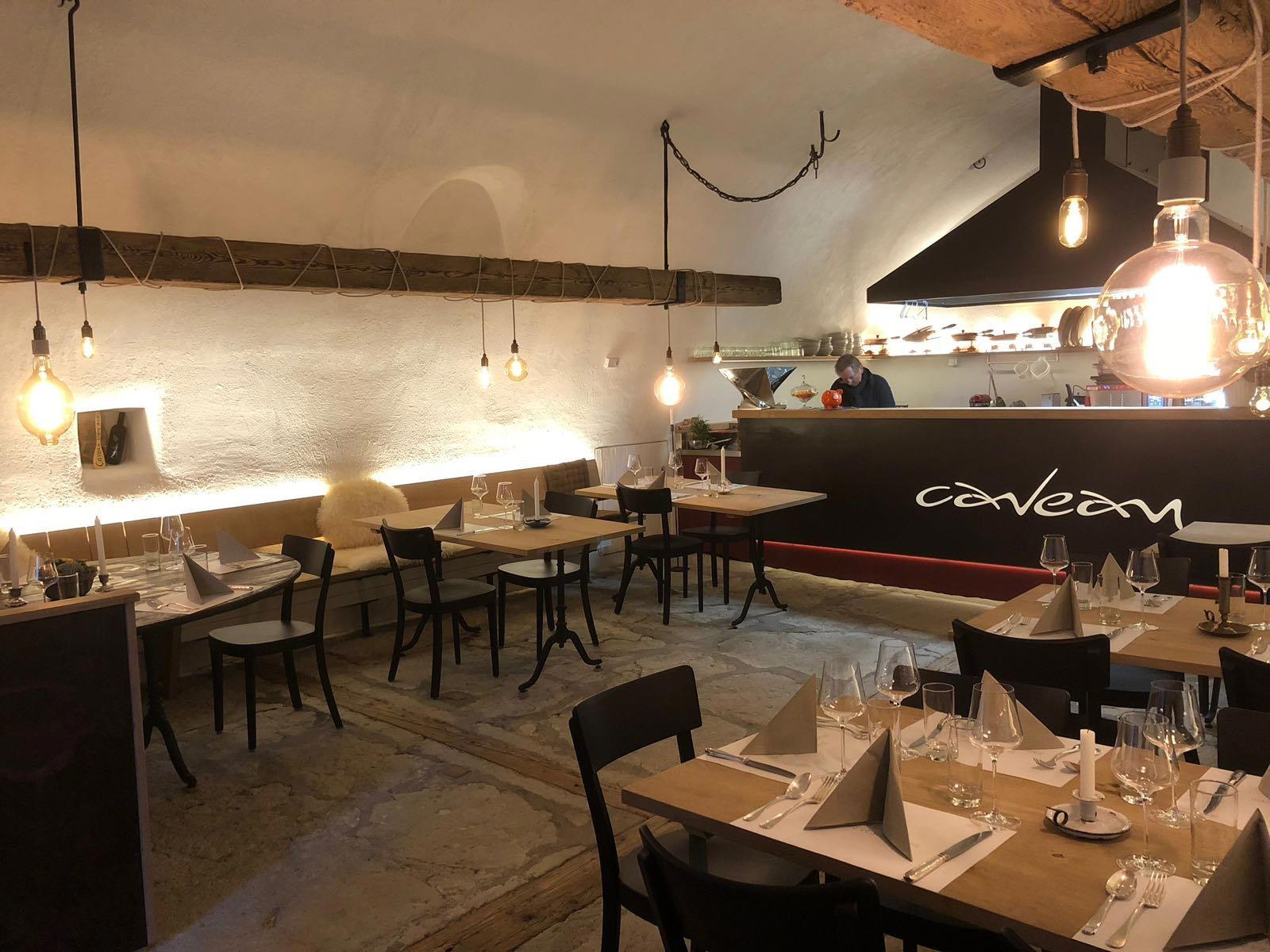
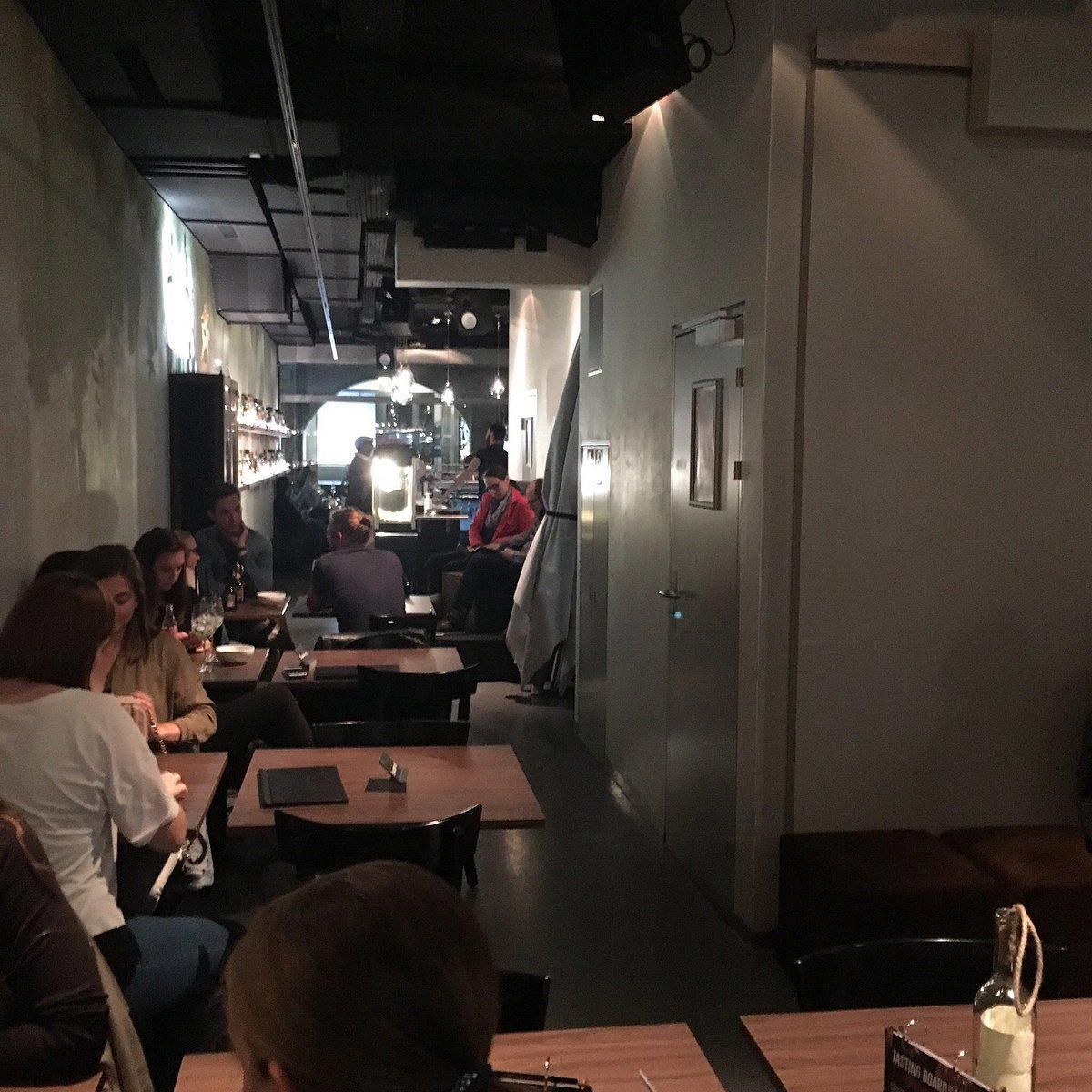
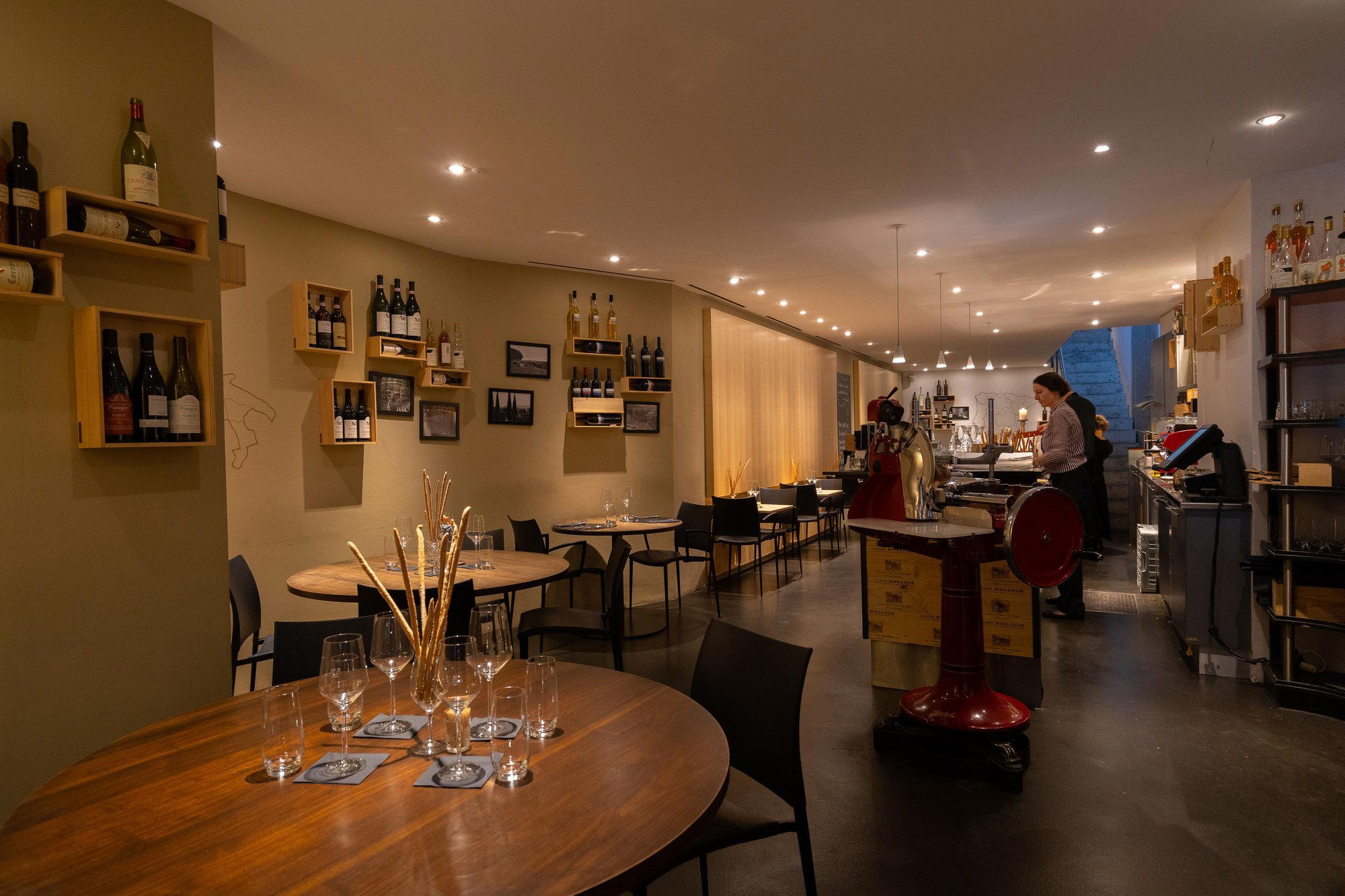
Cosy atmosphere with friendly service.